The Fragrant Plant Montana Garden Designers Can’t Stop Talking About
Something unexpected is showing up in Montana gardens right now. Designers are swapping familiar perennials for something older, sharper, and unexpected.
Your curiosity should already be fully piqued. Winters here are long, yet this newcomer thrives without complaint.
Ranch landscapes, backyard patios, and boutique borders across town all want it. Fragrance alone stops people mid step.
Brush against it and your fingers hold that scent for hours. Nobody predicted an ancient Mediterranean herb could flourish this far north.
More gardeners across Montana are giving it a try despite the challenging climate. Landscapers guard secrets about coaxing it safely through cold months.
Homeowners crave borders that smell alive, not just look pretty. Cozy retreats now lean on this mystery plant for personality and character.
Every planting choice feels bolder than the last one. You deserve to know why this shift is happening now. Once you discover what it is, you won’t stop searching for it.
Why Designers Are Suddenly Obsessed With This Herb
Walk into any Montana garden showroom right now and rosemary is everywhere. The fragrant plant Montana garden designers keep recommending has officially moved from the herb patch to center stage.
Designers love plants that pull double duty. Rosemary smells strong, looks architectural, and handles stress well.
It started quietly, with a few bold designers tucking rosemary into unexpected spots. Clients noticed the texture, the scent, and the way it held its shape through wind and cold.
Landscape designers are giving the plant more attention than in past seasons. Rosemary is increasingly treated as one of the most useful structural plants in the region.
Rosemary brings a Mediterranean soul to rugged mountain landscapes. That contrast is exactly what makes it so visually striking in a place like Montana.
It also photographs beautifully, which matters more than ever in the age of garden social media. A single established rosemary shrub can anchor an entire border with almost no effort.
Designers appreciate plants that do not demand constant attention. Rosemary thrives on a little neglect, which suits the busy lifestyles of most homeowners.
The herb also pairs well with native grasses, lavender, and ornamental stone. Those combinations feel right at home against a backdrop of big sky and open range.
Once a designer spots a thriving rosemary in a client’s yard, the conversation changes. The plant keeps finding its way into more garden designs each season.
From Kitchen Garden To Star Of The Border
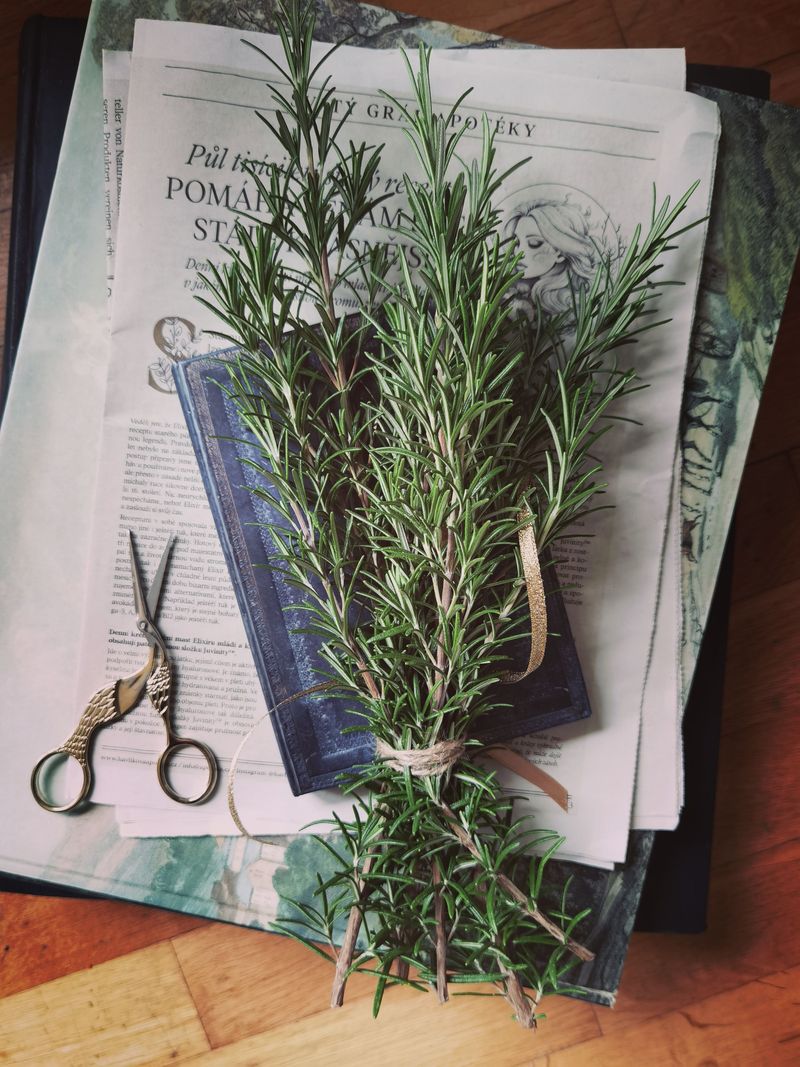
Rosemary spent decades hiding behind the tomatoes. Most gardeners knew it only as a kitchen herb, a small pot on the windowsill destined for roasted chicken.
That reputation is officially over. Landscape designers started noticing what chefs already knew: rosemary grows big, bold, and beautiful when given real garden space.
In warm climates, rosemary can reach four feet tall and six feet wide. Even in cooler zones, a well-placed shrub creates serious visual impact by midsummer.
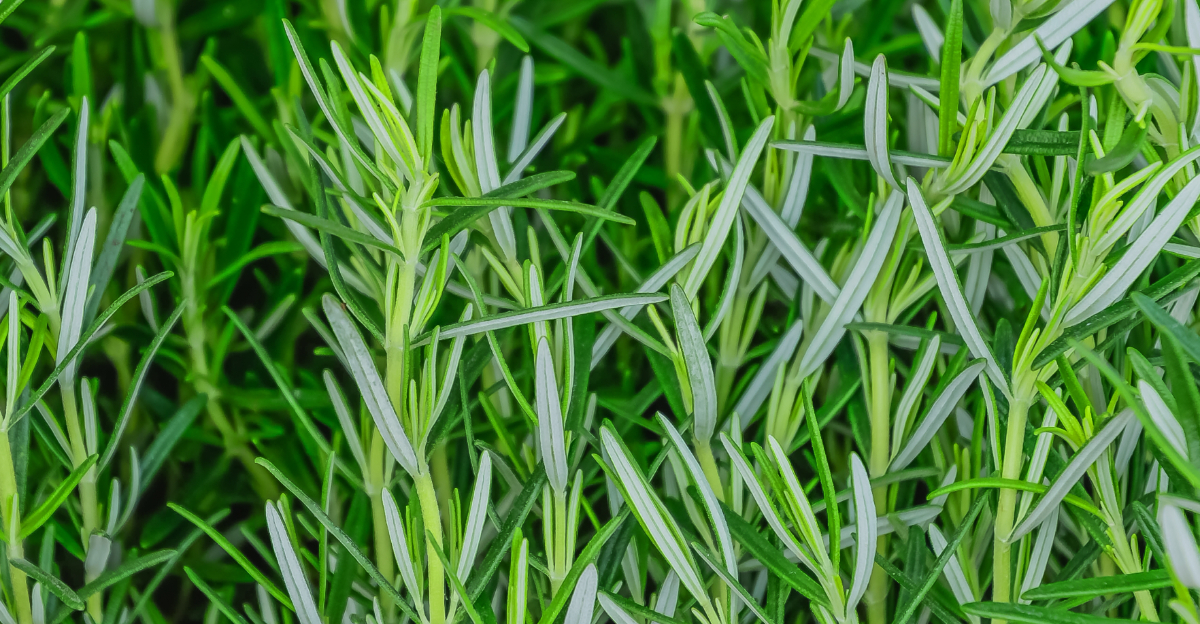
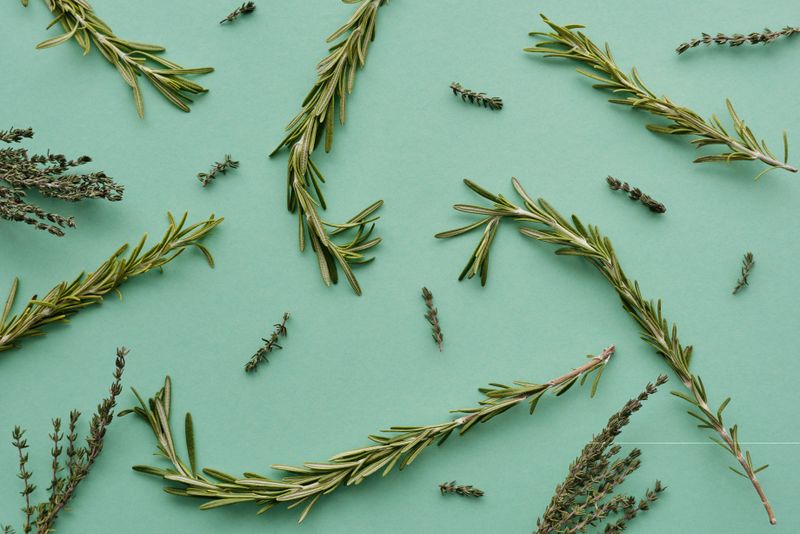
The needle-like foliage has a blue-green color that holds all season long. That evergreen quality gives borders structure even when flowering plants have faded.
Small purple-blue blooms appear in spring and sometimes again in fall. Those flowers attract pollinators, adding another layer of ecological value to an already impressive plant.
Designers began pairing rosemary with ornamental grasses for a contrast in texture. The combination looks intentional, modern, and surprisingly low-maintenance once established.
Trailing varieties like Prostratus spill beautifully over rock walls and raised beds. Upright types like Tuscan Blue create strong vertical lines that anchor a composition.
The shift from kitchen garden to design star happened because rosemary earned it. No other herb offers this much texture, fragrance, and year-round structure in a single plant.
Home gardeners who make this leap rarely look back. Giving rosemary real estate in the border is one of the best design moves you can make this season.
The Drought-Tolerant Qualities Behind The Trend
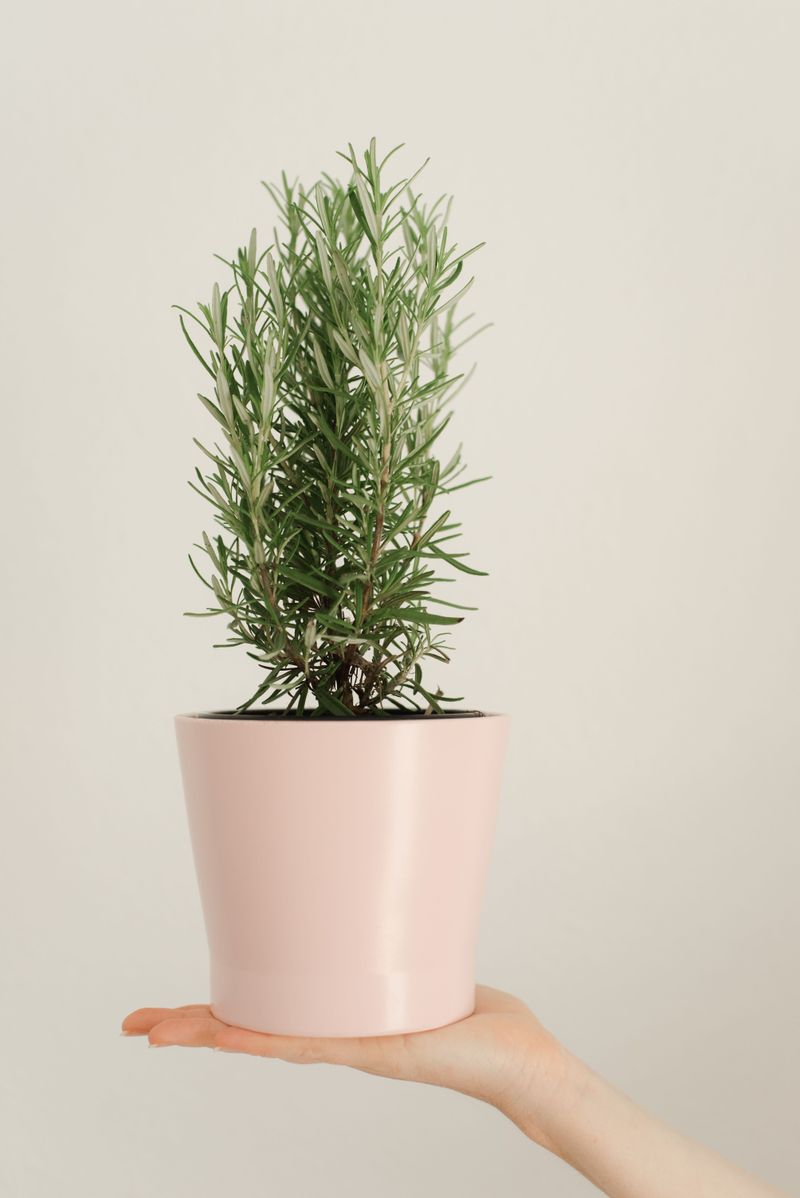
Water is precious in Montana summers. Gardeners are tired of plants that demand constant irrigation and still look sad by August.
Rosemary is well suited to dry conditions. Its native habitat is the sun-baked hillsides of the Mediterranean, where rain is scarce and soil is thin.
Those origins gave rosemary a deep root system that seeks moisture far below the surface. Once established, it can go weeks without supplemental watering in most conditions.
The needle-shaped leaves are another clever adaptation. Their narrow profile reduces water loss, keeping the plant hydrated even during Montana’s hottest stretches.
Designers working on xeriscape projects have embraced rosemary wholeheartedly. It delivers lush, fragrant beauty without the higher water needs that usually come with it.
Homeowners with south-facing slopes or rocky, fast-draining soil have found a reliable partner. Rosemary does not just survive those conditions, it genuinely thrives in them.
Pairing it with other drought-tolerant plants like sage, thyme, and sedum creates cohesive, water-wise plant communities. Those groupings look intentional and feel deeply connected to the western landscape.
Many parts of the region are seeing drier summers in recent years. Choosing plants that are already adapted to those conditions is not just smart, it is forward-thinking garden design.
Rosemary asks for sharp drainage and full sun. Give it those two things and it will reward you with years of effortless, fragrant growth that holds up through almost anything.
Creative Ways To Use Rosemary As A Design Feature
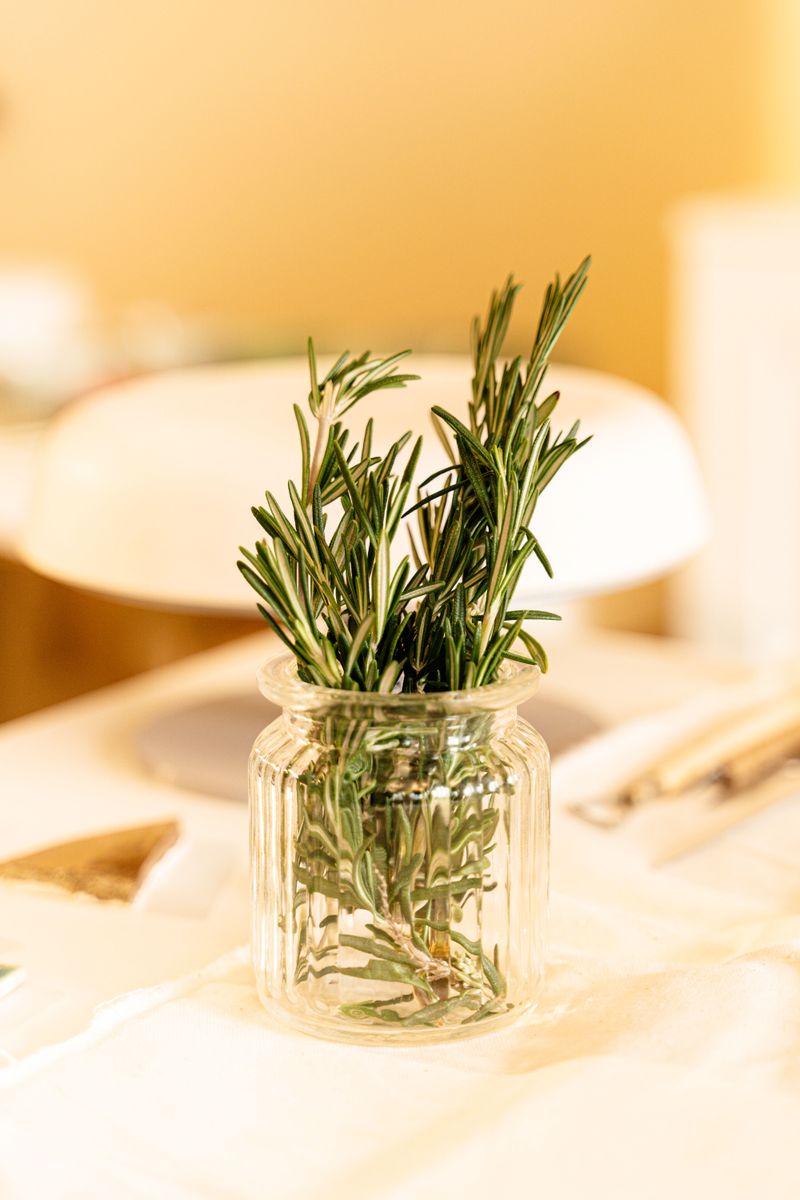
Most people plant rosemary in a row and call it a day. Designers see something far more interesting when they look at this aromatic herb.
Rosemary makes a stunning low hedge along pathways. Plant it every eighteen inches and within two seasons you have a fragrant, formal-looking border that perfumes the air with every breeze.
Try training an upright variety into a standard, which is a single-stemmed plant trimmed to look like a miniature tree. Placed in a container on either side of a doorway, the effect is elegant and unexpected.
Rock gardens are another natural home for rosemary. Tuck it between boulders where it can spill and spread, softening hard edges with cascading blue-green foliage.
Mix rosemary with ornamental grasses for a textural feast. The contrast between feathery grass plumes and stiff, aromatic needles creates a dynamic combination that moves beautifully in mountain winds.
Use it as a fragrant groundcover on dry slopes where other plants struggle. Prostrate varieties hug the terrain and root as they spread, controlling erosion while adding sensory richness.
Container planting opens up even more creative possibilities. A large rosemary shrub in a weathered terra cotta pot becomes an instant focal point on any patio or deck.
Designers also use rosemary near outdoor seating areas intentionally. Brushing against it while sitting down releases that signature scent, adding a memorable sensory touch for guests.
Growing Rosemary Successfully In Montana’s Climate
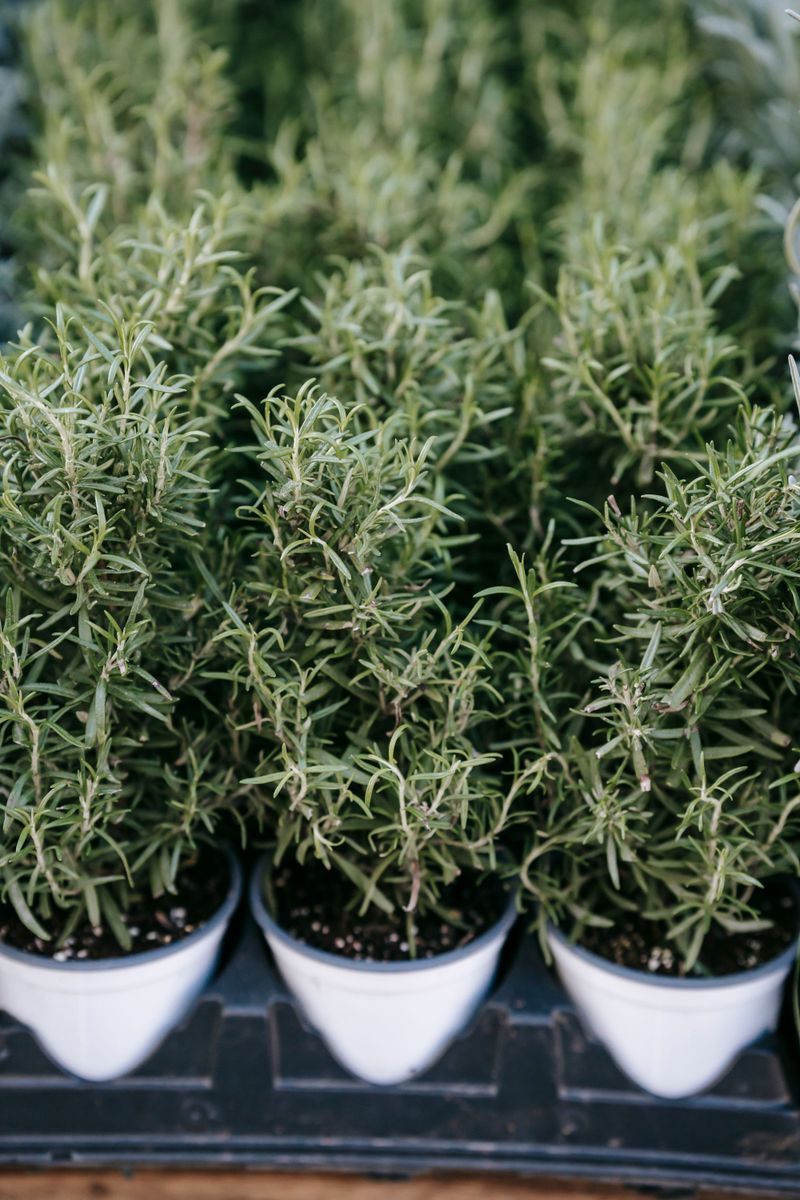
Montana winters are harsh, and only certain plants can handle them. Growing rosemary here takes a little strategy, but the payoff can be well worth the effort.
Start by choosing cold-hardy varieties like Arp or Hill Hardy. These cultivars were specifically selected for their ability to handle temperatures well below freezing.
Planting location matters enormously in a cold climate. A south-facing spot near a stone wall or the foundation of a house captures heat and creates a microclimate warmer than the open garden.
Drainage is non-negotiable for rosemary in cold zones. Wet roots in winter are the primary cause of plant loss, so amend heavy clay soil with gravel or coarse sand before planting.
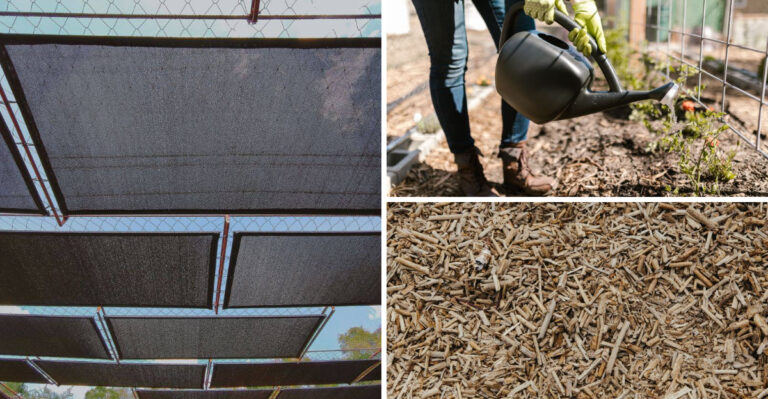
Mulching around the base in late fall adds an extra layer of root protection. Use a light, airy material like straw rather than dense bark, which can trap moisture and cause crown rot.
Container growing is a smart option for gardeners in the coldest parts of the state. Bring pots indoors to a cool, bright window before the first hard freeze and move them back out in spring.
Water sparingly during the growing season and almost not at all in fall. Reducing moisture before winter helps harden the plant and prepares it for the cold ahead.
With the right variety, the right spot, and decent drainage, rosemary can come back stronger each year. Success in Montana depends on choosing the right variety and giving it the right site.
Making Rosemary The Focal Point Of Your Own Garden
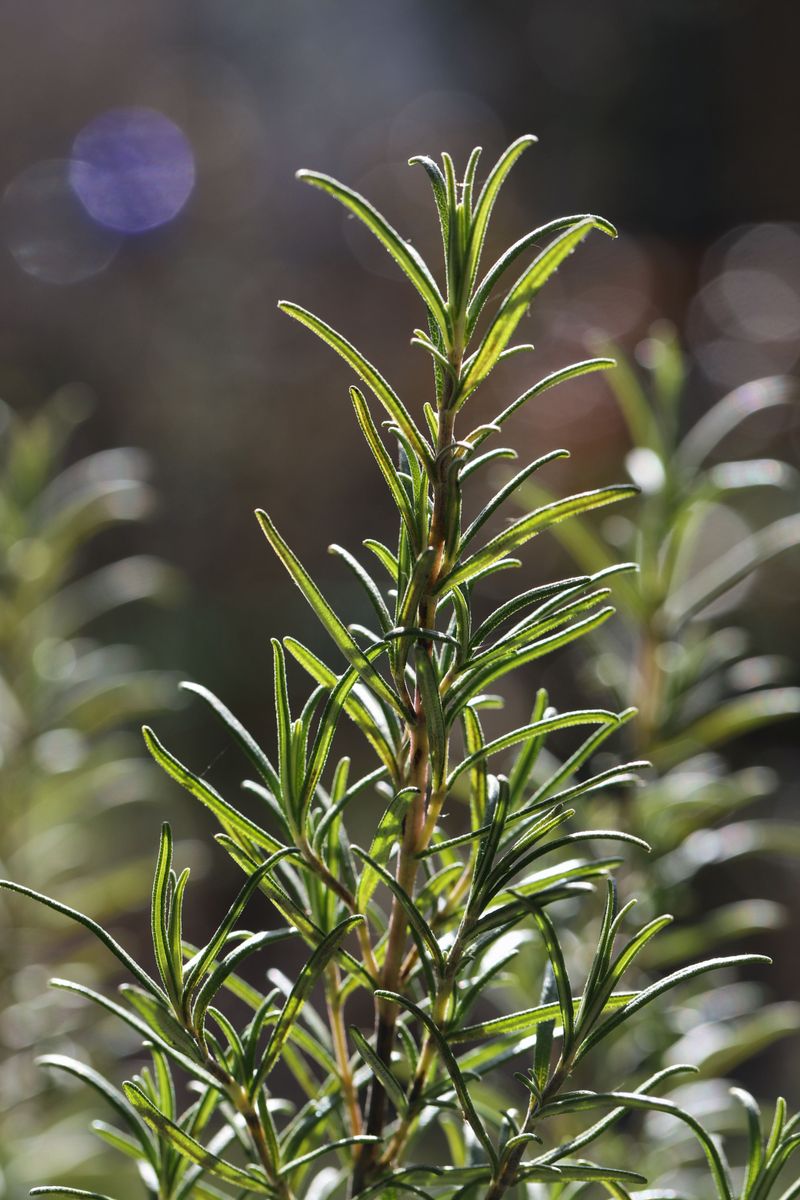
You do not need a design degree to create something stunning. Rosemary, the fragrant plant Montana garden designers keep championing, can noticeably improve any home garden.
Start with one large, well-placed specimen rather than scattering small plants everywhere. A single mature rosemary shrub commands attention and sets the tone for everything around it.
Choose a spot with full sun and good air circulation. Those conditions keep the plant healthy and encourage the dense, aromatic growth that makes rosemary so visually powerful.
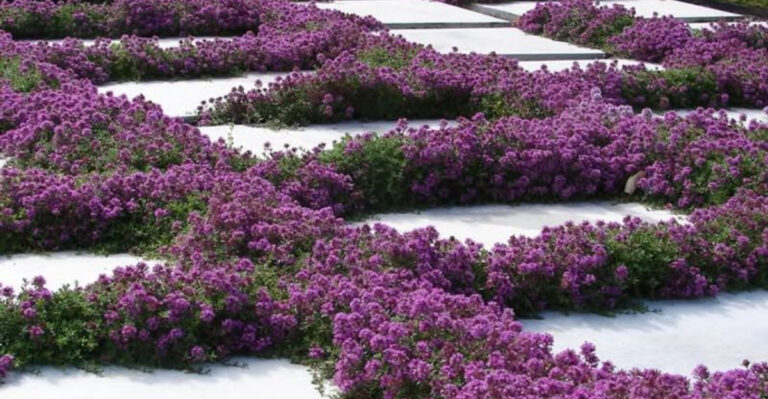
Surround it with low-growing companions that complement without competing. Creeping thyme, silver artemisia, and blue oat grass all play beautifully alongside rosemary’s strong texture and color.
Add a layer of decorative gravel or river rock around the base. That detail ties the plant to the landscape, improves drainage, and gives the whole planting a polished, intentional look.
Light your rosemary at night with a simple uplighting fixture. The shadows cast through those needle-like branches create a striking effect in the garden at night.
Harvest sprigs regularly to encourage bushy new growth and keep the shape tidy. That simple act of maintenance also brings the garden’s fragrance indoors, connecting your living space to the landscape outside.
The fragrant plant Montana designers love most is now within reach for any home gardener. Plant one rosemary this season and watch how quickly it becomes the thing everyone asks about at your next backyard gathering.