Oregon Natives That Outperform Traditional Perennials In Heavy Clay Soil Every Season
Oregon clay soil has a very specific personality and it is not always easy to work with. In winter it turns into a sticky, compacted mess that clings to everything including your boots, your tools, and your patience.
Then summer rolls around and that same soil bakes into something so hard you could practically build with it. Traditional perennials that prefer sharp drainage and light, well-structured soil tend to look at Oregon clay and quietly give up.
It is frustrating, especially when you have put real effort into a garden bed only to watch plants struggle season after season.
Here is the encouraging part though: Oregon has a genuinely impressive lineup of native plants that evolved in exactly these conditions.
They do not just tolerate heavy clay soil, they are practically built for it.
1. Douglas Aster Handles Heavy Clay With Late Color
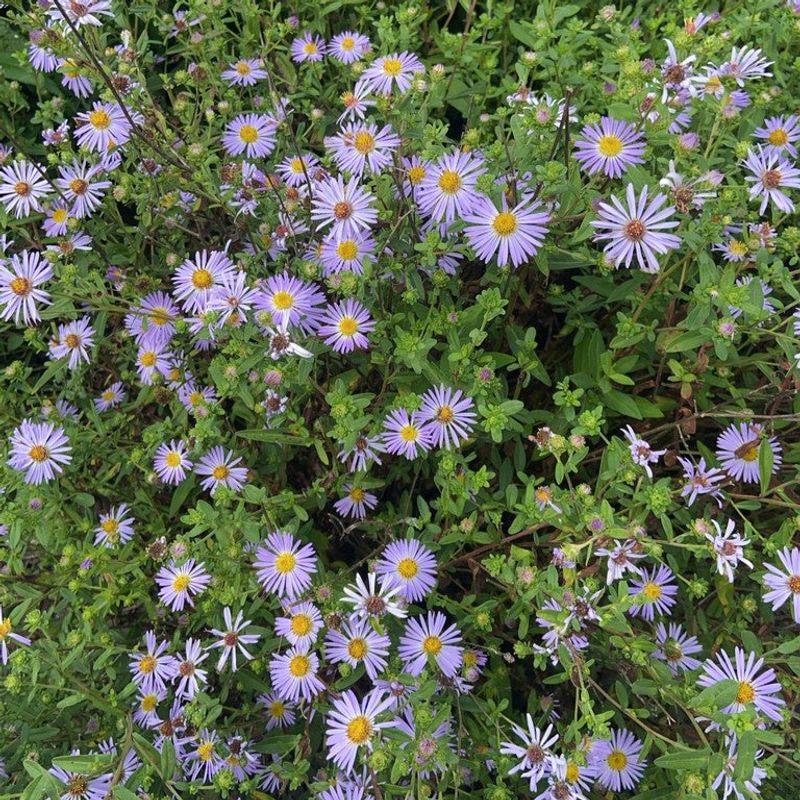
When most perennials are winding down for the year, Douglas aster steps in with a welcome burst of purple-blue color across the late summer and fall garden.
This Oregon native has a reputation for toughness that traditional asters often cannot match, and it genuinely earns that reputation in clay-influenced soils where drainage is not always ideal.
Gardeners across western Oregon have found that Douglas aster can settle into heavy beds without the fussiness that similar-looking cultivated asters tend to bring along.
The plant typically grows two to four feet tall and spreads over time to fill in open spots, which makes it a solid choice for pollinator borders or naturalized plantings where some spreading is welcome.
Bees and butterflies visit the flowers regularly from late summer into fall, which adds real seasonal value when other blooms are fading.
In gardens where clay holds moisture into early summer, Douglas aster tends to establish more reliably than many traditional perennial asters that prefer lighter, faster-draining soil.
Give it a sunny to partly sunny spot with enough room to expand, and avoid crowding it early in its first season. Mulching around the base helps regulate moisture and reduces surface crusting on clay soil.
It is not a plant that thrives in waterlogged conditions year-round, but it handles Oregon’s seasonally moist clay beds far better than most alternatives. Cutting stems back in late winter helps keep growth tidy heading into spring.
2. Rose Checkermallow Likes Moist Clay Soil
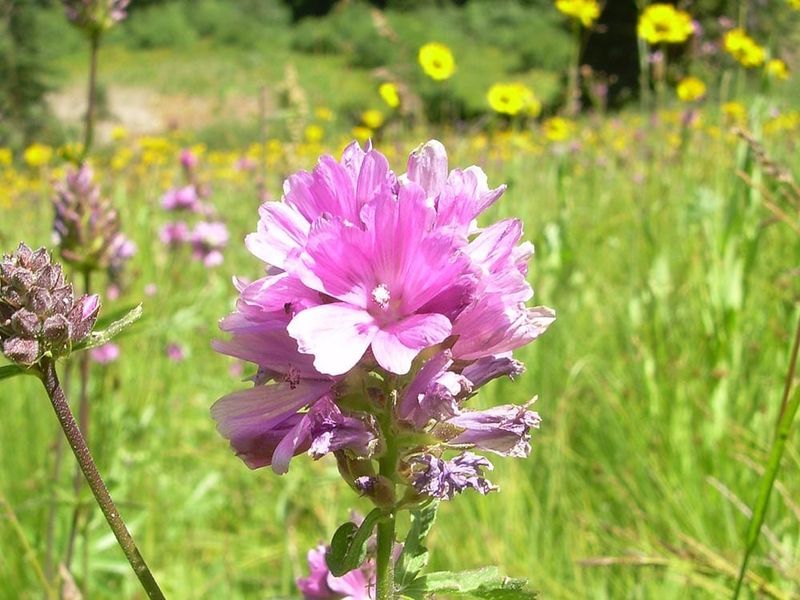
Few Oregon natives look as cheerful in a moist clay bed as rose checkermallow, with its soft pink blooms that resemble small hollyhocks rising above deeply lobed leaves through much of the summer.
This plant is native to wet meadows, stream margins, and seasonally saturated sites across Oregon and much of the Pacific Northwest, which means it arrives already adapted to the kind of heavy, moisture-holding soil that frustrates so many traditional perennials.
It is one of those plants that seems to relax into clay rather than fight it.
Rose checkermallow spreads by rhizomes, which is something gardeners should plan for before placing it in a tightly managed border.
Your Oregon Garden Changes Every Week. Your Plan Should Too.
Gardening in Oregon changes quickly throughout the season. Every Friday you’ll receive a simple weekly plan showing exactly what to plant, prune, fertilize, harvest, and protect so you never miss the right timing.
In a rain garden edge, a naturalized meadow planting, or a moist open area where spreading is welcome, this habit becomes an asset rather than a problem.
Over a few seasons, it can fill in patches of bare clay that are otherwise difficult to establish with more finicky plants.
The blooms attract native bees and other pollinators reliably through summer, and the plant tends to hold up well through wet spring periods without rotting at the crown.
Full sun to light shade works best, and the plant does not need rich soil to perform well.
Avoid placing it in spots that stay completely waterlogged for extended periods, but in typical Willamette Valley clay that holds seasonal moisture, rose checkermallow tends to thrive with minimal intervention once it is established.
3. Camas Shines In Spring-Wet Heavy Soil
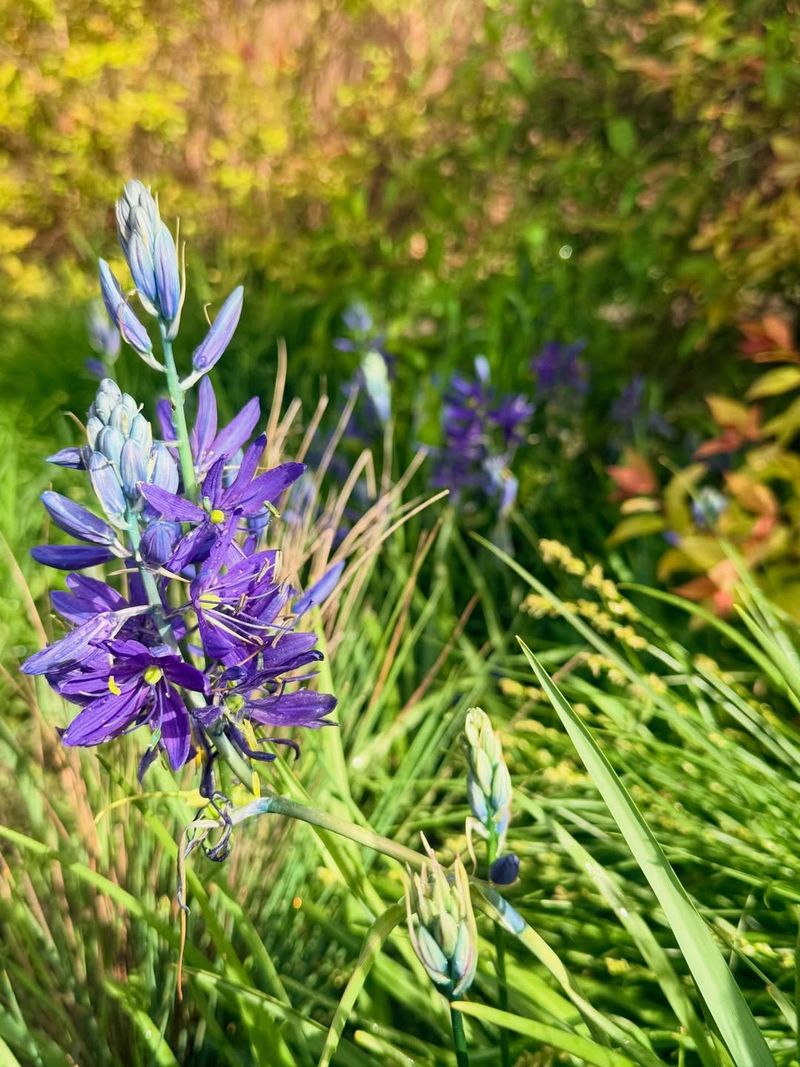
Spring in the Willamette Valley once meant sweeping fields of camas blooming across wet prairies, and this native bulb still has the ability to put on a striking show in modern gardens that deal with heavy, spring-wet clay.
The blue-violet flower spikes appear in mid to late spring, rising from grass-like foliage that blends naturally into meadow-style plantings.
Camas is one of the few ornamental bulbs that genuinely prefers soil that holds moisture through the cool season rather than draining quickly.
The key to growing camas well in clay is choosing a site where the soil stays moist or even seasonally wet in spring but dries down somewhat by midsummer. This mirrors the natural prairie and oak savanna conditions where camas historically thrived across Oregon.
Traditional bulbs like tulips and daffodils tend to struggle or rot in these same conditions, which is what makes camas such a practical alternative for clay-heavy Oregon landscapes.
Plant the bulbs in fall at a depth of about three to four inches, and give them space to naturalize over several seasons.
Camas works especially well in low spots, rain garden margins, or open meadow beds where water lingers a bit longer after winter rains.
Once camas foliage fades and goes dormant in early summer, the site can look bare, so pairing it with later-emerging natives helps cover the gap. It is a plant that rewards patience and fits naturally into Oregon’s seasonal rhythm.
4. Common Monkeyflower Fits Wet Clay Edges
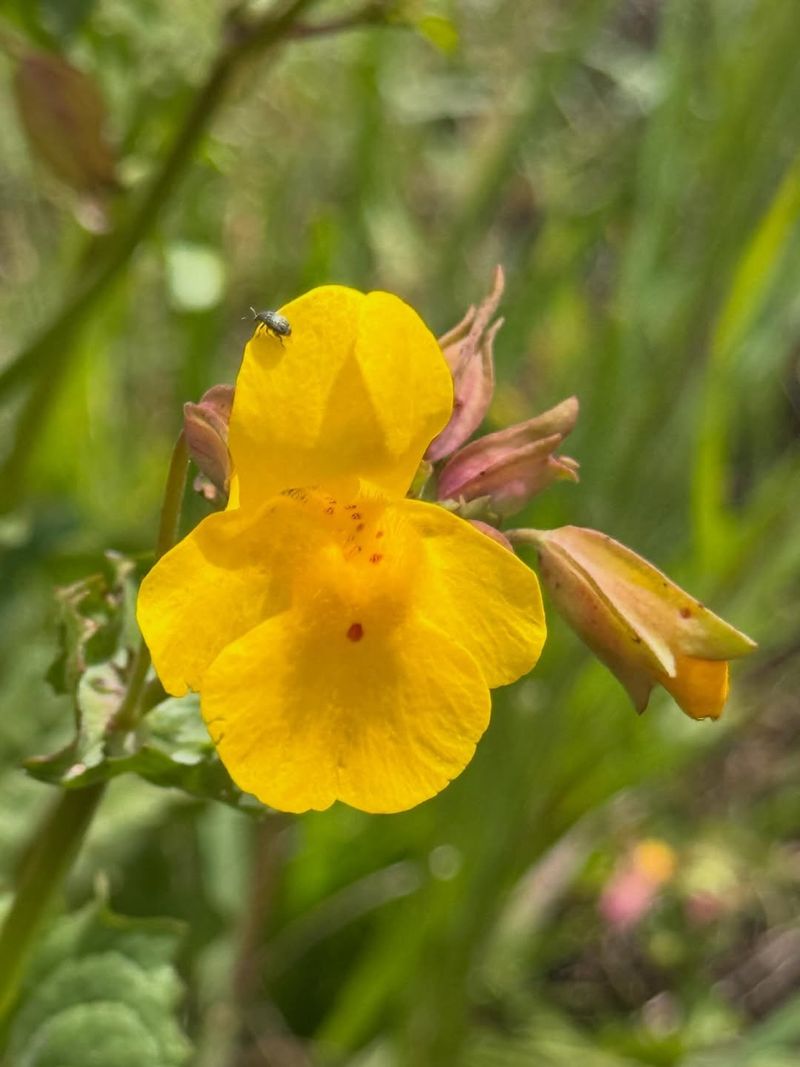
Sticky clay that collects water along a low edge or drainage swale is exactly the kind of spot where common monkeyflower feels most at home.
This cheerful yellow-blooming native grows naturally along stream banks, seeps, and wet meadow margins across Oregon, and it carries that same preference for consistent moisture into garden settings.
Traditional perennials planted in these same spots often rot at the base or simply refuse to establish, but common monkeyflower tends to settle in and bloom reliably through summer.
The flowers are bright yellow with reddish spotting inside the throat, and they attract hummingbirds and native bees with impressive regularity.
Common monkeyflower typically grows one to three feet tall depending on moisture availability, and it can spread by seed or short rhizomes in wet conditions.
Rain garden edges, pond margins, bioswales, and low clay spots that stay damp well into summer are all good candidates for this plant.
Keep in mind that common monkeyflower is not the right fit for hot, dry clay that bakes out by early July. It needs consistent moisture to look its best, and it may decline quickly in sites that dry out sharply after spring.
In western Oregon gardens where certain areas stay wet or receive supplemental water, this native can be a genuinely useful and attractive solution.
Cutting spent stems back after the main bloom flush can encourage a second round of flowers before the season ends.
5. Pacific Bleeding Heart Fills Moist Shade
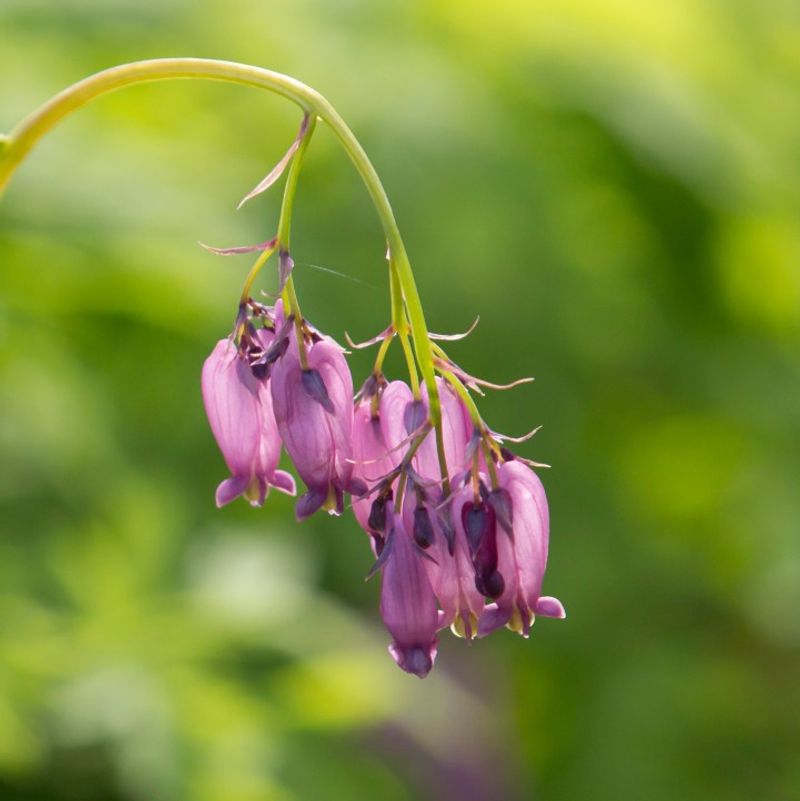
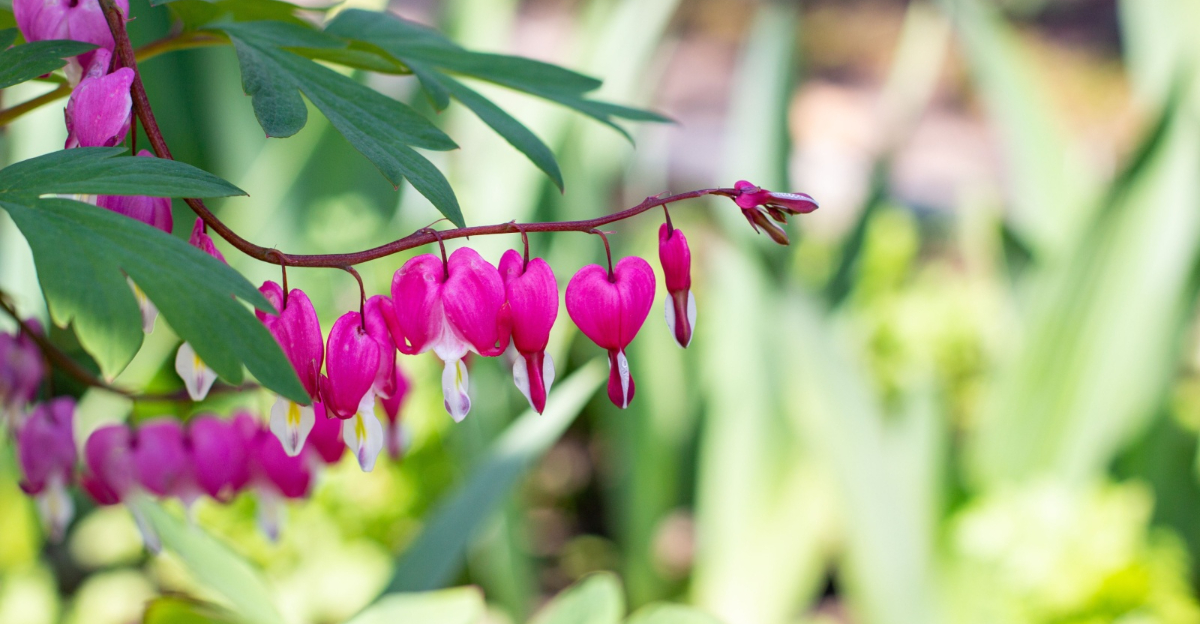
Shaded spots with heavy clay soil are among the toughest areas to plant in any Oregon garden, and Pacific bleeding heart is one of the more reliable natives for exactly these conditions.
With its finely cut, blue-green foliage and dangling pink heart-shaped flowers, it brings a soft woodland look to beds that might otherwise sit empty under trees or along north-facing foundations.
Unlike many shade-tolerant perennials that prefer well-drained humus-rich soil, Pacific bleeding heart can handle the damp clay found beneath Oregon’s conifers and big-leaf maples.
The plant blooms in spring and can rebloom lightly in fall if conditions stay reasonably cool and moist. It spreads gently by rhizomes over time, which helps it fill in woodland-style beds without becoming aggressive in most garden situations.
In wet spring season, Pacific bleeding heart establishes readily and tends to look full and healthy with very little extra attention from the gardener.
Avoid placing it in sunny, exposed clay that bakes dry in summer, because it does not handle heat and drought as well as it handles cool, moist shade.
A layer of organic mulch on the soil surface helps keep roots cool and adds slow-release nutrients as it breaks down over time.
Pairing Pacific bleeding heart with sword fern or inside-out flower creates a layered woodland look that feels very natural in western Oregon gardens. It is a quiet, dependable plant that earns its place season after season.
6. Large Fringecup Softens Shady Clay Beds
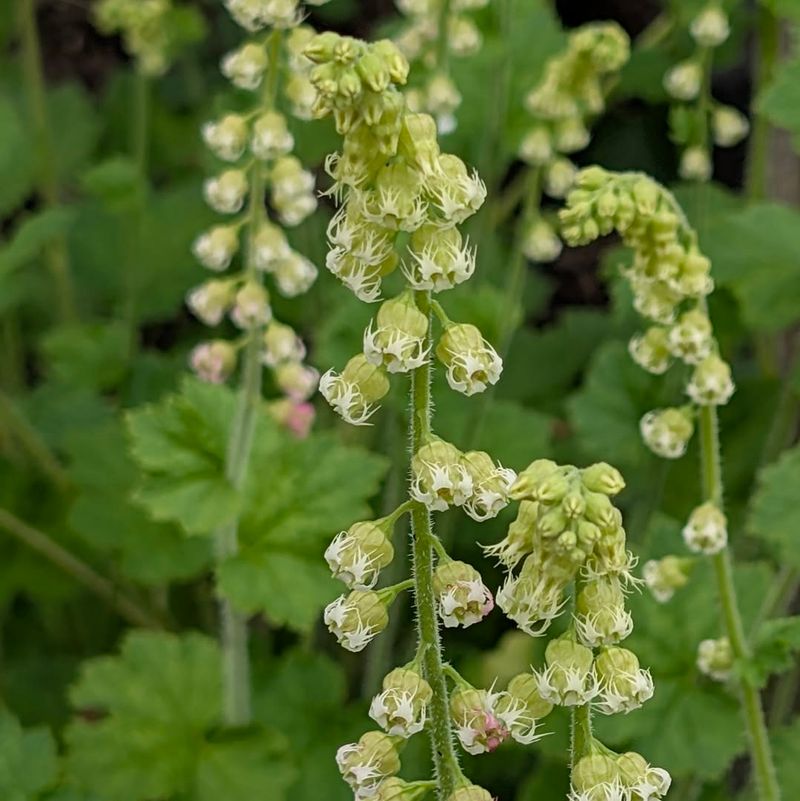
Tucked beneath the canopy of a Douglas fir or along the shaded edge of a woodland border, large fringecup offers something that is genuinely hard to find in a shade plant: height, texture, and a willingness to grow in moist clay without complaint.
The plant produces tall, wiry stems with small fringed flowers that shift from white to pink as they age, creating a delicate effect that feels right at home in naturalistic garden designs.
It is native to moist, shaded forests across the Pacific Northwest, which explains why it settles into similar garden conditions so easily.
Large fringecup is a biennial or short-lived perennial that tends to self-seed where conditions suit it, which means it can naturalize quietly over a few seasons.
This habit makes it a practical choice for shaded clay beds where establishing plants from scratch each year would be tedious.
Gardeners who want a more controlled planting should remove spent flower stalks before seeds fully mature, though allowing some seeding keeps the colony going without replanting.
The basal foliage is rounded and slightly hairy, forming low mounds that stay attractive even when the plant is not in flower.
In Oregon gardens with heavy shade and clay soil that stays moist well into summer, large fringecup tends to outperform many traditional shade perennials like coral bells cultivars that prefer better drainage.
Pairing it with native ferns or Pacific bleeding heart creates a layered understory look that feels both low-maintenance and genuinely connected to Oregon’s native landscape.
7. Sylvan Goatsbeard Brings Moist-Soil Texture
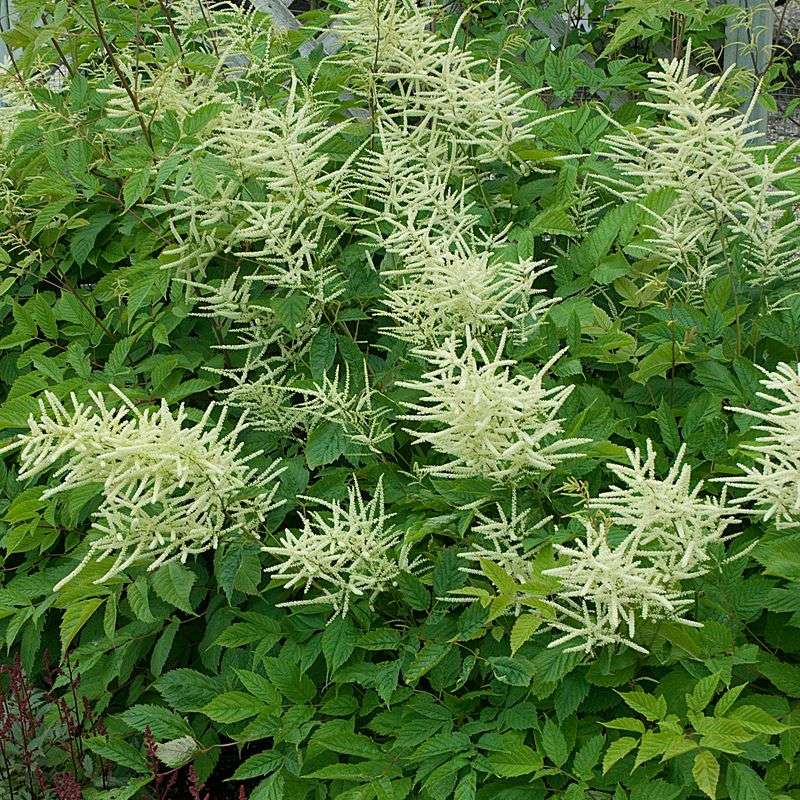
Gardeners who love the look of astilbe but struggle to keep it alive in Oregon’s heavy clay often find a satisfying alternative in sylvan goatsbeard.
This native perennial produces large, creamy white plumes on arching stems above bold compound foliage, creating a lush, textural look that fits naturally into moist woodland-style borders and shaded clay beds.
Where astilbe tends to sulk in slow-draining soil, sylvan goatsbeard seems genuinely comfortable in the kind of heavy, moisture-retaining ground that defines much of western Oregon’s shaded landscape.
The plant can grow quite large over time, reaching four to six feet in height and width in ideal conditions, so it works best as a background plant or a specimen in a roomy shaded corner.
The foliage alone is attractive enough to carry the planting even after the summer flowers have faded, and the dried seed heads add some late-season interest before winter sets in.
In gardens with mature trees and compacted clay beneath them, sylvan goatsbeard is one of the few plants that can fill a large space with real visual presence.
Consistent moisture is important, especially during Oregon’s dry summer stretch. The plant handles seasonal wetness in spring without much trouble, but it can show stress if the soil dries out completely in July and August without any supplemental watering.
Mulching generously around the base each spring helps retain moisture and keeps roots protected through temperature swings. It is a bold, reliable native that rewards gardeners who give it the right spot.
8. Cascade Penstemon Adds Color To Moist Borders
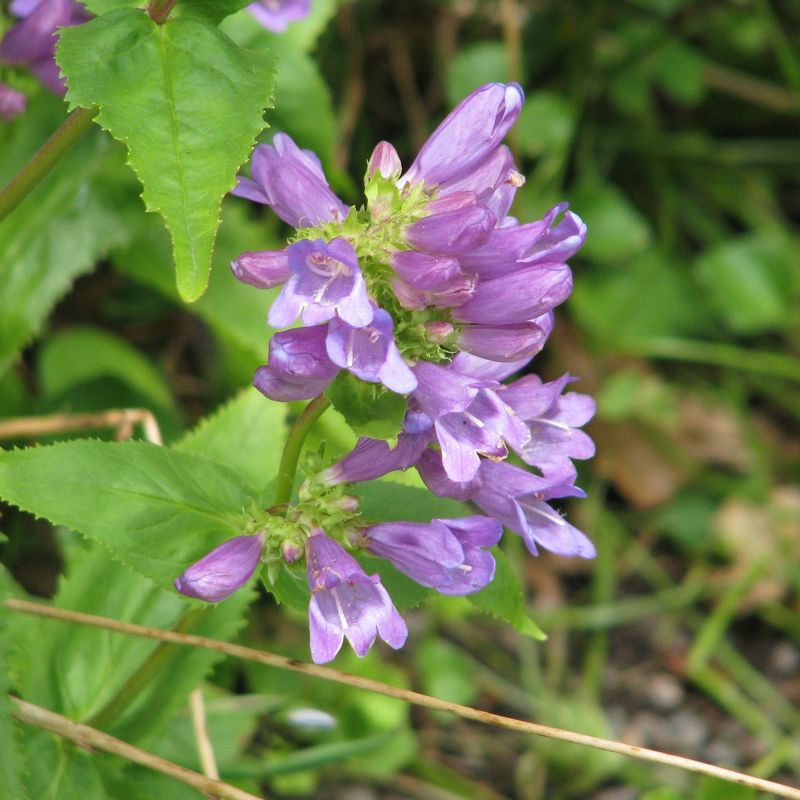
Bright tubular flowers in shades of purple and blue make cascade penstemon a visually appealing addition to moist garden borders in western Oregon.
It is also one of the few penstemons that can handle heavier, wetter soil better than the strictly drought-adapted species that prefer sharp drainage.
Hummingbirds visit the flowers eagerly, and native bees find them attractive through the early summer bloom period.
For gardeners trying to add vertical color to a moist clay border, cascade penstemon is worth considering as part of a mixed native planting.
A few honest notes are worth sharing before planting it in heavy clay.
Cascade penstemon tends to be short-lived, often lasting two to four years before declining, and it may not persist as reliably as some of the other natives on this list in sites where clay stays waterlogged for extended periods through winter and spring.
It performs best in moist but reasonably well-aerated soil rather than in spots that sit in standing water for weeks at a time.
Planting it in a raised area within a clay border, or amending the immediate planting area with compost to improve surface drainage slightly, can help extend its lifespan.
Allowing it to self-seed where possible gives the planting a better chance of continuing beyond the first generation.
In the right moist but not saturated Oregon border, cascade penstemon can deliver genuine seasonal color and pollinator activity, as long as expectations are realistic about its tendency to be shorter-lived than other perennials.