The Invasive Shrub Oregon Gardeners Should Remove Before It Takes Over The Backyard
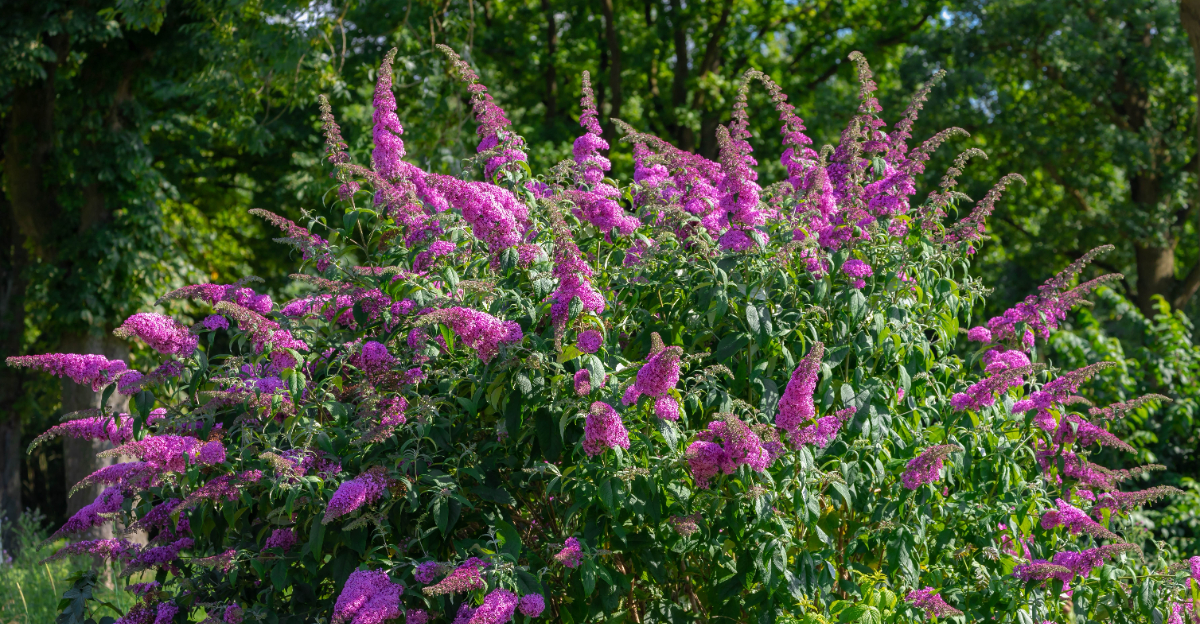
A shrub covered in flowers can seem like an easy win, especially when butterflies gather around it all summer. The problem starts after the blooms fade.
Tiny seeds can travel well beyond the planting bed, settling into disturbed ground and natural areas where the plant may spread far more aggressively than expected.
By the time volunteers appear around fences or property edges, the original shrub may already be feeding a much larger problem.
That makes early removal easier than waiting for a mature thicket to develop. Digging out one established plant is manageable.
Dealing with dozens of seedlings scattered across a yard is a different story. Homeowners who recognize the warning signs early can prevent a decorative planting from becoming a long-term battle.
The sooner this shrub is dealt with, the less chance it has to turn one corner of the garden into a takeover zone.
1. The Pretty Shrub That Seeds Everywhere
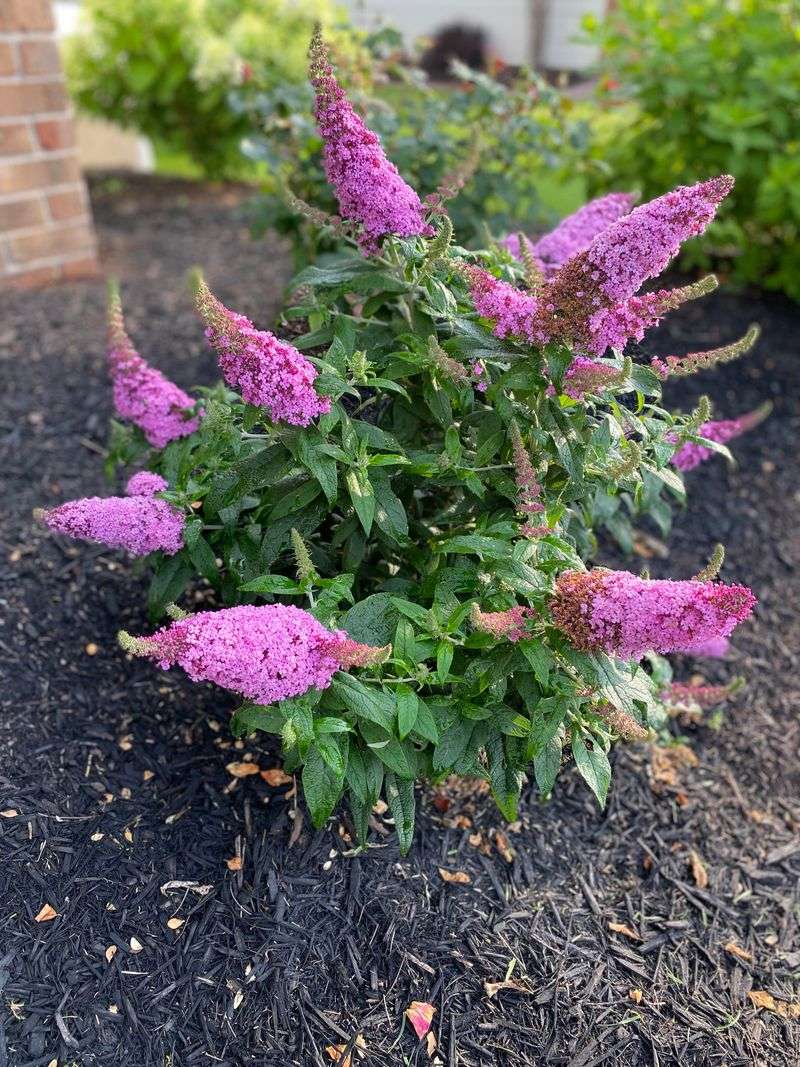
Few plants look as cheerful as a butterfly bush covered in long, colorful flower spikes. It blooms in shades of purple, pink, white, and orange.
Gardeners love it because it attracts butterflies and bees all summer long. But behind that pretty face is a plant with a serious spreading problem.
A single butterfly bush can produce up to 40,000 seeds in one growing season. Those tiny seeds are lightweight and travel easily on the wind.
They can land in garden beds, gravel paths, lawns, and even wild areas far from your yard. Once they settle into bare or disturbed soil, they sprout quickly and grow fast.
In Oregon, butterfly bush, known scientifically as Buddleja davidii, is listed as a Class B noxious weed. That means it is already widespread and actively managed.
It originally came from China and was brought to the United States as a garden plant in the late 1800s. Nobody expected it to escape gardens the way it did.
Many garden centers still sell butterfly bush, which makes it easy to bring home without knowing the risks. Some nurseries now carry sterile varieties that produce far fewer seeds.
If you already have a standard butterfly bush in your yard, removing it or switching to a sterile type is a smart move. Your garden and the wild spaces nearby will be better for it.
2. Butterfly Bush Never Stays Where You Put It

Most gardeners plant a butterfly bush in one spot and expect it to stay there. That is not how this shrub works.
Seeds travel from your yard into neighboring properties, roadsides, and wild areas without any help from you. Wind, water, and even birds can carry the tiny seeds far from the original plant.
Roadsides and riverbanks in Oregon are some of the most affected areas. Butterfly bush loves disturbed ground, and those spots have plenty of it.
Once it gets established outside your yard, it crowds out native plants that local wildlife depends on for food and shelter. That is a big problem for the natural balance of an ecosystem.
Native plants like red flowering currant, ceanothus, and Oregon grape provide much more value to local pollinators than butterfly bush does. Even though butterflies visit the blooms, they cannot use butterfly bush as a host plant for laying eggs.
Your Oregon Garden Changes Every Week. Your Plan Should Too.
Gardening in Oregon changes quickly throughout the season. Every Friday you’ll receive a simple weekly plan showing exactly what to plant, prune, fertilize, harvest, and protect so you never miss the right timing.
So while it looks like it helps wildlife, the benefit is mostly surface-level.
Keeping butterfly bush contained is nearly impossible once it starts seeding. Even gardeners who are careful about maintenance often find seedlings popping up in unexpected places.
Removing the plant entirely and replacing it with native shrubs is the most reliable way to stop the spread. Native alternatives are just as beautiful and far more beneficial to the local environment.
3. Tiny Seedlings Showing Up Across The Yard
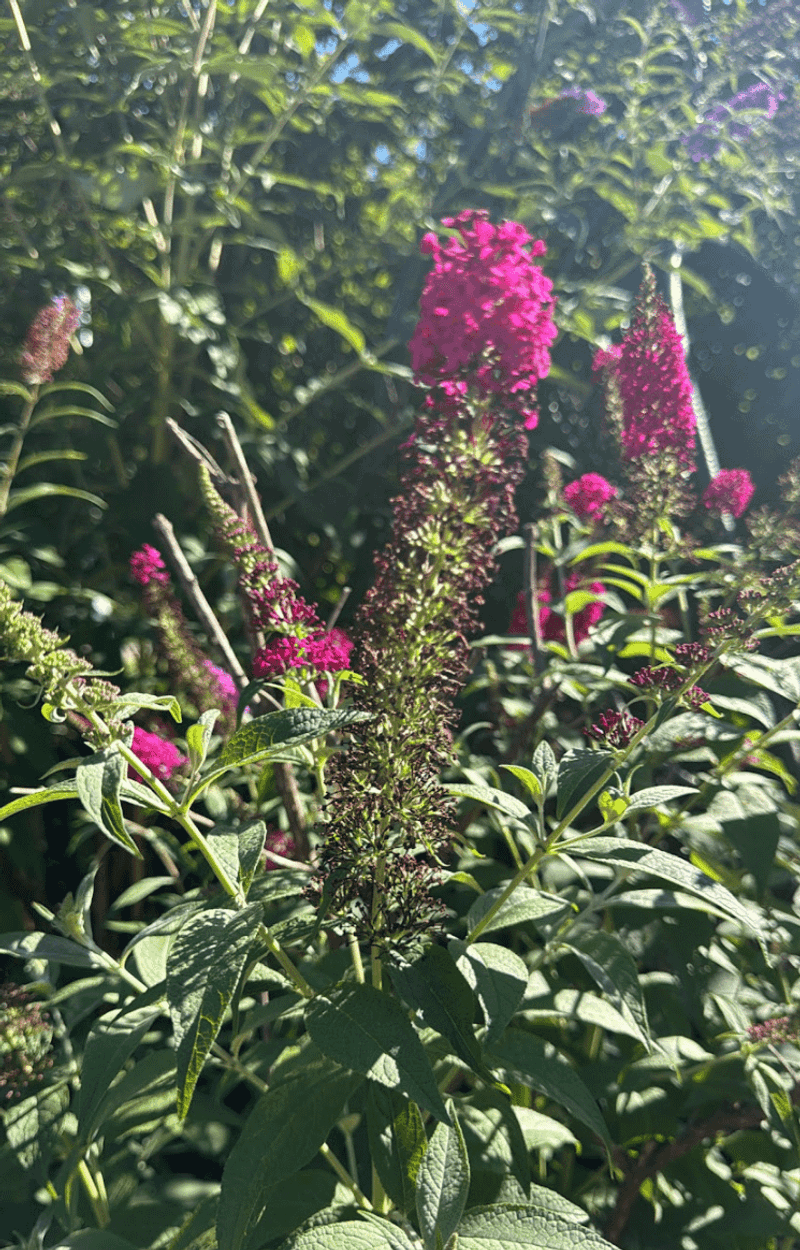
One spring morning you might notice small, unfamiliar seedlings popping up in spots where you never planted anything. They look innocent enough at first, just two small leaves and a thin stem.
But those little sprouts could be butterfly bush seedlings, and they multiply quickly if left alone.
Butterfly bush seedlings are easy to miss early in the season. They blend in with other young plants and weeds.
By the time they are easy to identify, they may already have a decent root system started. Catching them early makes removal much easier and saves a lot of effort down the road.
Look for seedlings along fence lines, in garden beds, near driveways, and in any spot with loose or bare soil. Seedlings can also appear in lawn edges and between stepping stones.
They tend to favor spots where the soil has been recently disturbed or where there is not much competition from other plants.
Getting rid of seedlings while they are small is one of the most effective ways to control butterfly bush in your yard. A quick pull when the soil is moist will usually get the whole root.
If the seedlings are allowed to grow through summer, they develop woody stems and deeper roots that are harder to remove. Checking your yard regularly from early spring through summer will help you stay on top of new growth before it becomes a bigger problem.
4. One Flowering Shrub Turning Into A Thicket
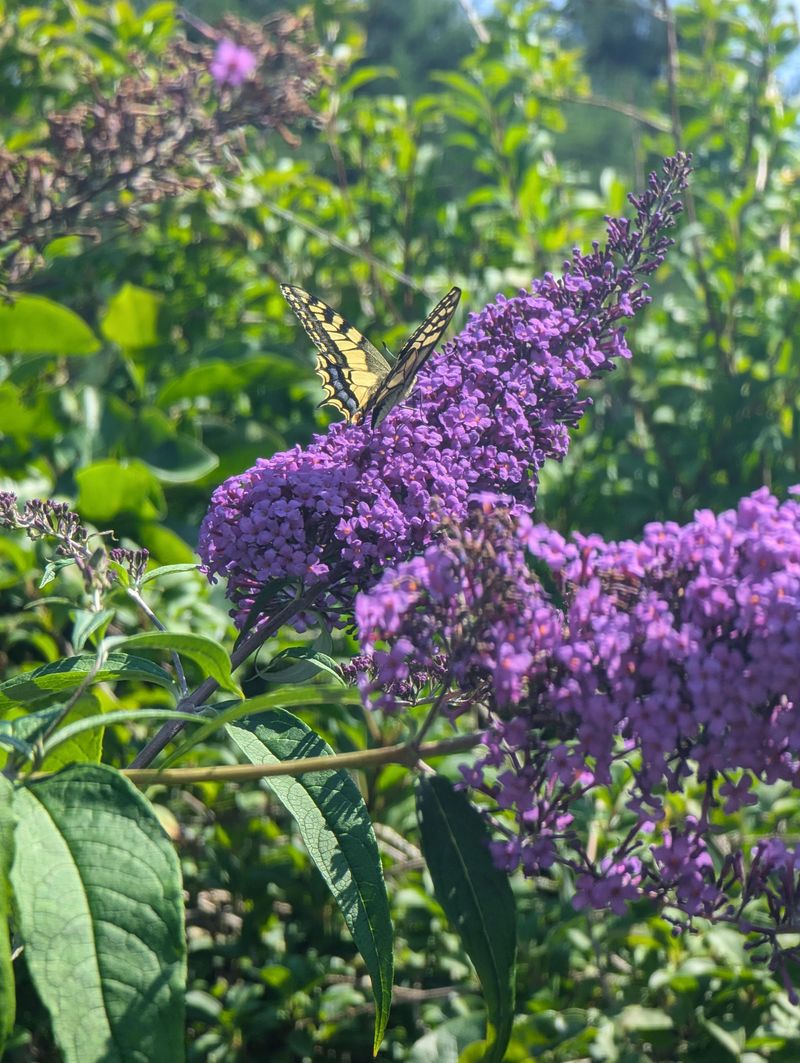
What starts as one attractive shrub can turn into a dense, tangled mess in just a few seasons. Butterfly bush grows fast, sometimes adding several feet of new growth each year.
When multiple seedlings establish near each other, they form a thicket that is hard to get through and even harder to remove.
A thicket of butterfly bush blocks sunlight from reaching smaller plants underneath. It takes up water and nutrients that other plants need.
Native groundcovers, wildflowers, and young shrubs often cannot compete with the aggressive growth of butterfly bush. Over time, biodiversity in that area drops significantly.
In yards where butterfly bush has been growing unchecked for several years, the root systems become extensive. Mature plants develop thick, woody bases that require tools like loppers or a pruning saw to cut through.
Simply mowing or trimming the tops will not stop them from coming back. The roots store energy and push out new shoots quickly after being cut.
Tackling a thicket takes patience and repeated effort. Cutting the shrubs down to ground level and then treating the stumps or digging out the roots gives you the best chance of clearing the area.
Covering the ground with cardboard and mulch after removal can help prevent new seedlings from taking hold. Replacing the cleared space with native shrubs will fill in the area and reduce the chance of butterfly bush returning.
5. Why Deadheading Matters More Than You Think
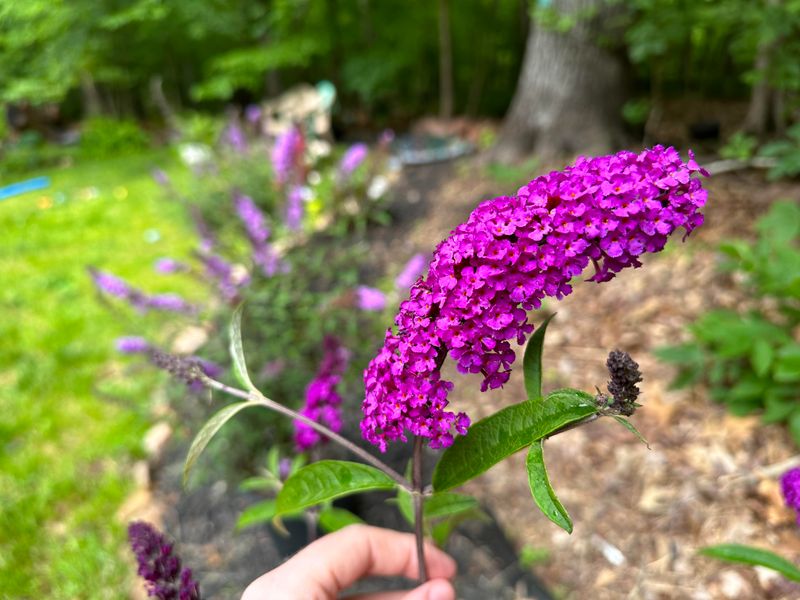
Deadheading sounds like a small chore, but for butterfly bush it is one of the most important things you can do to slow its spread. Removing spent flower spikes before they go to seed stops thousands of seeds from releasing into the air.
It is a simple habit that makes a real difference.
Each flower spike on a butterfly bush produces a cluster of seed pods when it fades. Those pods dry out and split open, releasing tiny seeds that can travel on the wind.
If you wait too long, the seeds are already gone. Timing matters a lot with this plant.
A good rule of thumb is to check your butterfly bush every week or two during blooming season. As soon as a flower spike starts to fade and turn brown, snip it off with clean pruning shears.
Cut just below the spent bloom, back to a set of leaves or a side shoot. This also encourages the plant to push out new blooms.
Even with regular maintaining, some seeds will still escape. Wind, rain, and wildlife can knock seeds loose before you get to them.
That is why deadheading alone is not a complete solution. Pairing it with other management steps, like removing seedlings and considering replacement with native plants, gives you a much stronger defense against spread.
Think of of it as your first line of action, not your only one.
6. Young Plants Hiding Along Fences And Sheds
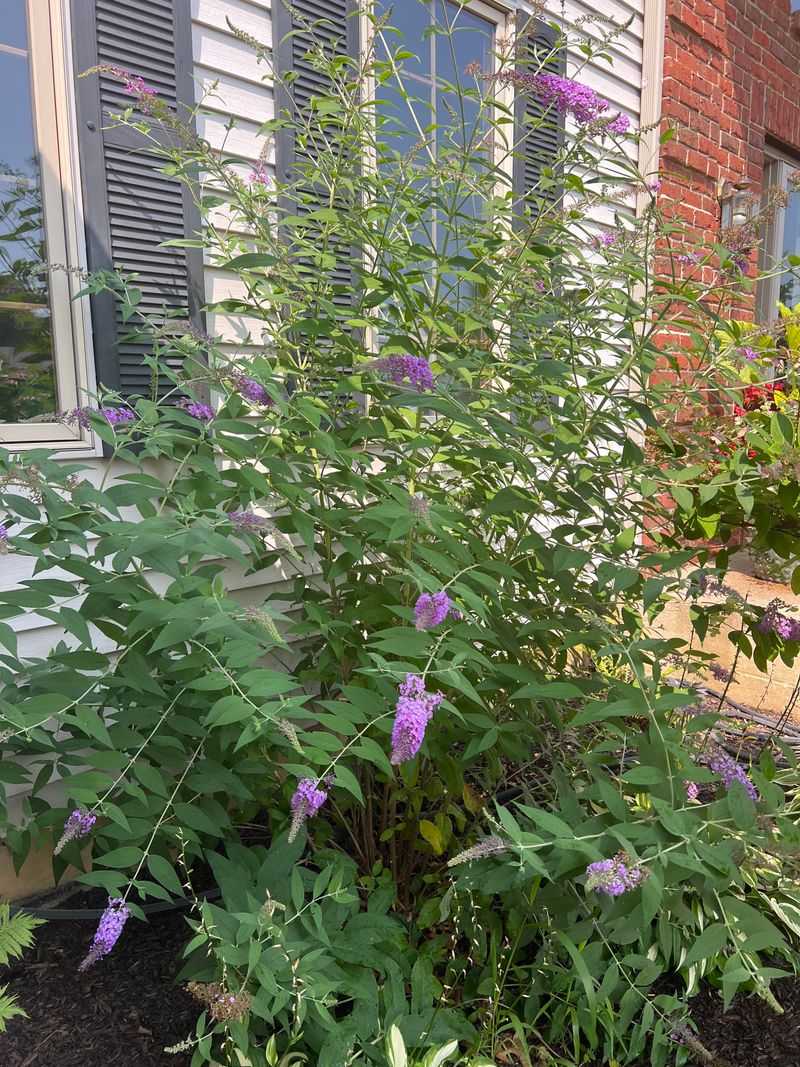
Fences and sheds create the perfect hiding spots for young butterfly bush plants. The base of a fence line often has loose soil, reduced foot traffic, and just enough shade to help seedlings get started without being noticed.
By the time you spot them, they may already be knee-high.
Sheds create similar conditions. The ground around a shed is often disturbed, slightly sheltered, and easy to overlook during regular garden maintenance.
Butterfly bush seedlings that sprout in these spots get a head start because they go unnoticed longer than plants growing in open garden beds.
Making a habit of checking along fences and around structures a few times each season will help you catch young plants early. Walk the perimeter of your yard in spring when new growth is just starting.
Look for the distinctive narrow leaves of butterfly bush, which are grayish-green and slightly fuzzy. Even small seedlings have this texture, which makes them easier to identify once you know what to look for.
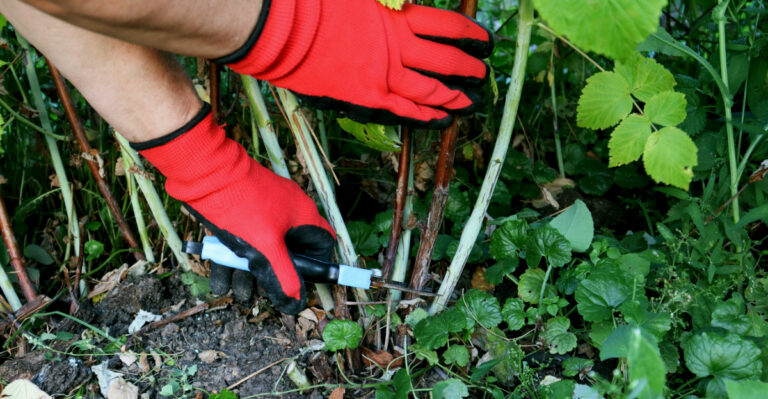
Removing young plants from these spots is straightforward if you get to them early. A hand trowel works well for loosening the soil around the roots before pulling.
For plants that have been growing for a full season or more, a digging fork may be needed to get the whole root system out. Leaving roots behind often leads to regrowth, so taking the time to remove them completely is worth the extra effort.
7. Nearby Bare Soil Giving Seeds An Easy Start
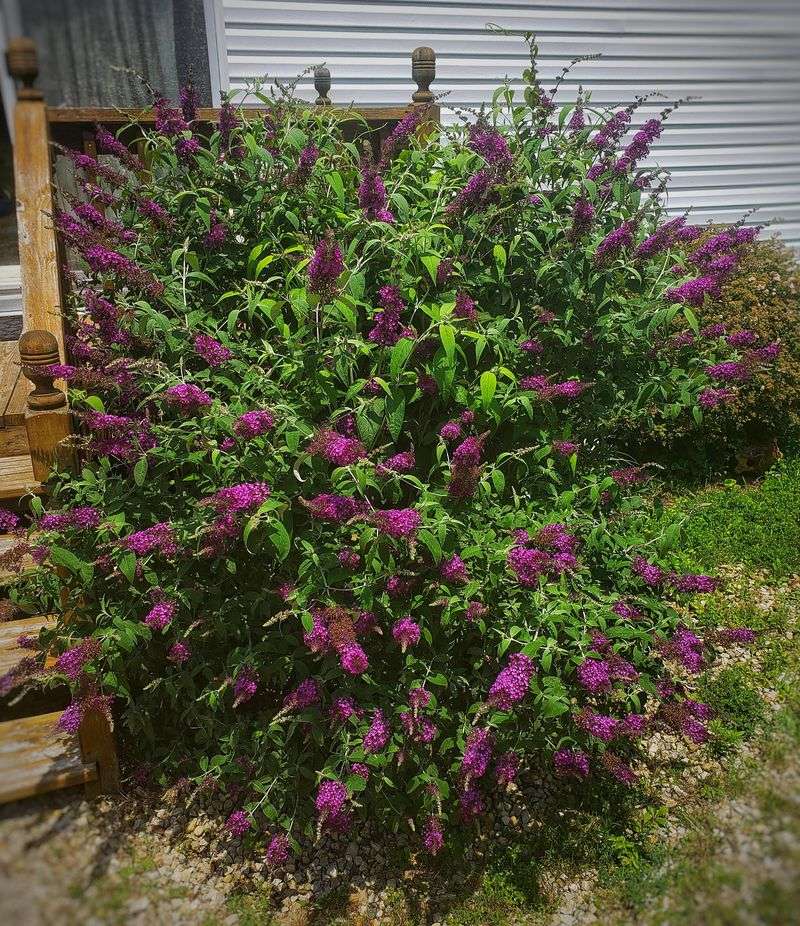
Bare soil is basically a welcome mat for butterfly bush seeds. Anywhere in your yard where the ground is exposed and not covered by mulch, plants, or groundcover is a potential landing zone for seeds.
This includes freshly tilled beds, recently weeded areas, and spots where grass has worn away.
Seeds need contact with soil to germinate, and bare ground gives them exactly that. A seed that lands on thick mulch or dense groundcover is much less likely to take root.
That is why covering exposed soil is one of the most practical ways to reduce new butterfly bush growth in your yard.
Mulching garden beds with a layer of wood chips or bark mulch at least two to three inches deep creates a barrier that slows seed germination. It also keeps moisture in the soil and reduces the need for weeding in general.
Dense groundcover plants like creeping thyme or native sedges can do the same job while adding beauty to the garden.
Keeping your yard as covered as possible throughout the growing season limits the opportunities butterfly bush seeds have to establish. Pay extra attention to areas near your existing butterfly bush plants if you have not removed them yet.
Those spots will receive the heaviest seed load each season. Filling them in with mulch or low-growing plants right after the blooming season ends gives seeds far fewer places to land and grow successfully.
8. Pulling Seedlings Before The Roots Get Serious
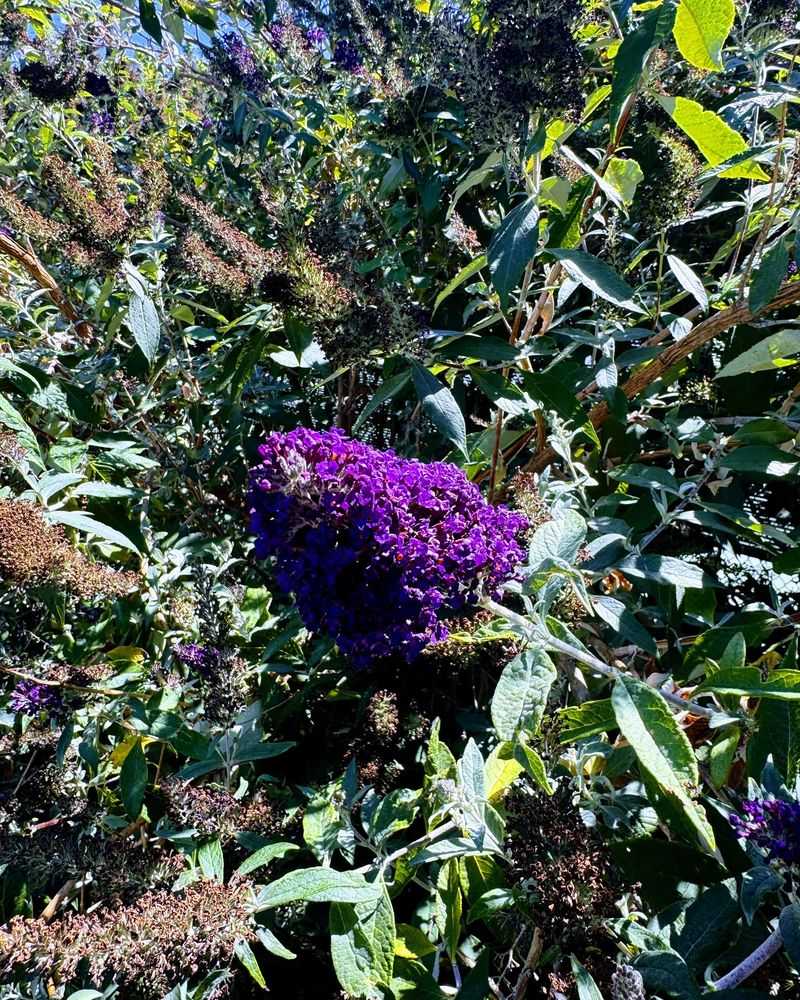
Hand-pulling seedlings is one of the easiest and most satisfying ways to manage butterfly bush. When the soil is moist after rain or watering, seedlings come out cleanly with just a firm tug.
The key is catching them before the roots have had time to anchor deeply into the ground.
Spring is the best time to start pulling seedlings because the soil is usually soft and new growth is still tender. A quick walk through the garden every couple of weeks from early spring through early summer will help you catch most of them while they are still small.
The earlier you pull, the less effort it takes.
For seedlings that have been in the ground for more than a month or two, use a hand trowel to loosen the soil before pulling. This prevents the stem from snapping off and leaving the root behind.
Roots left in the soil can resprout, especially if the plant has already started to develop a woody base.
After pulling, dispose of the seedlings in the trash rather than the compost pile. Seeds can survive in compost and end up back in your garden when you spread it.
Bagging the pulled plants and putting them in your yard debris bin or trash is the safest option. Staying consistent with this routine each spring will noticeably reduce the number of seedlings you find over time, making the whole process easier year after year.
9. Why Cutting It Back Does Not Stop The Spread
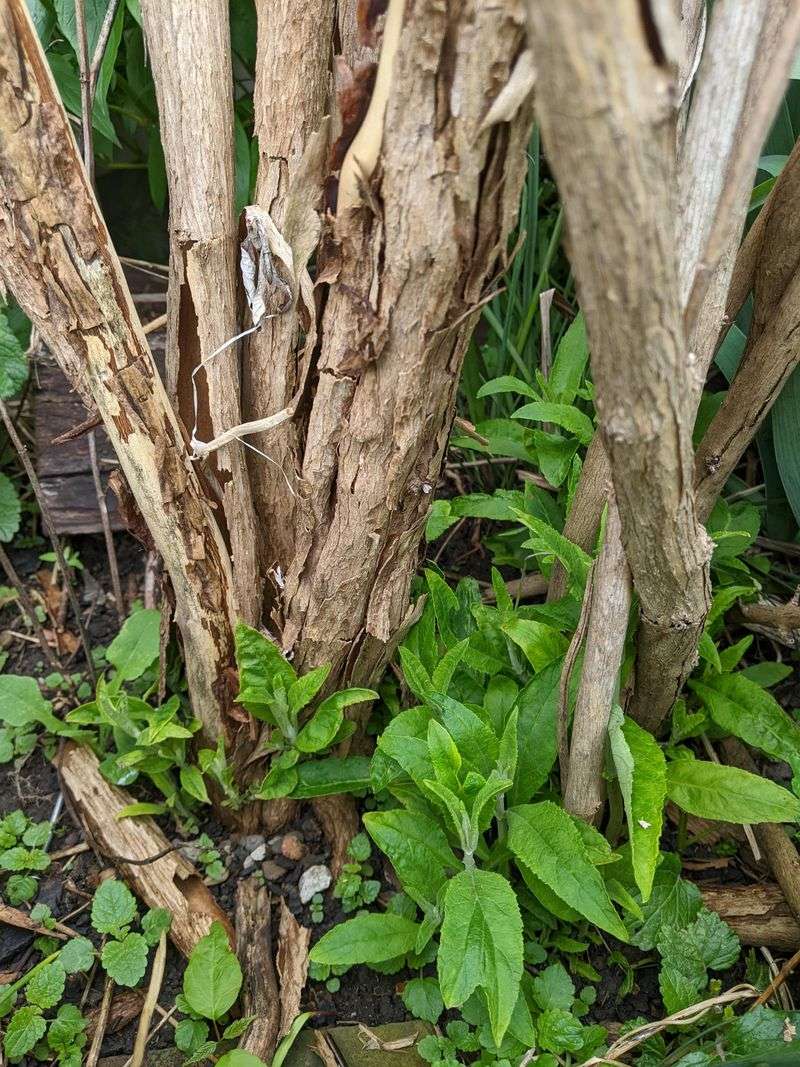
Many gardeners assume that cutting butterfly bush back hard each year will keep it under control. It does keep the plant tidy and can reduce blooming, but it does not stop the plant from spreading through seeds.
In fact, some gardeners cut it back and then let it regrow without realizing seeds were already released earlier in the season.
Butterfly bush is incredibly resilient. Cut it to the ground, and it will send up new shoots from the roots within weeks.
The root system stays alive and stores enough energy to fuel rapid regrowth. This is why cutting alone is not a long-term solution for managing an invasive plant.
To actually stop the spread, you need to address both the seeds and the roots. Removing spent flowers before they seed, pulling seedlings as they appear, and eventually digging out the root system are all necessary steps.
Cutting the plant back without following through on these other actions just delays the problem.
If full removal feels overwhelming, consider doing it in stages. Cut the plant back first, then dig out the roots over the following weeks as the ground softens.
Replace it with a native flowering shrub like native lilac, red twig dogwood, or blue elderberry. These plants provide real habitat value, look great in a garden, and stay where you put them.
Making the switch is one of the best things you can do for your yard and the wild spaces in your community.