The Fruit Fly Ruining Late Wisconsin Raspberries And Blackberries In September
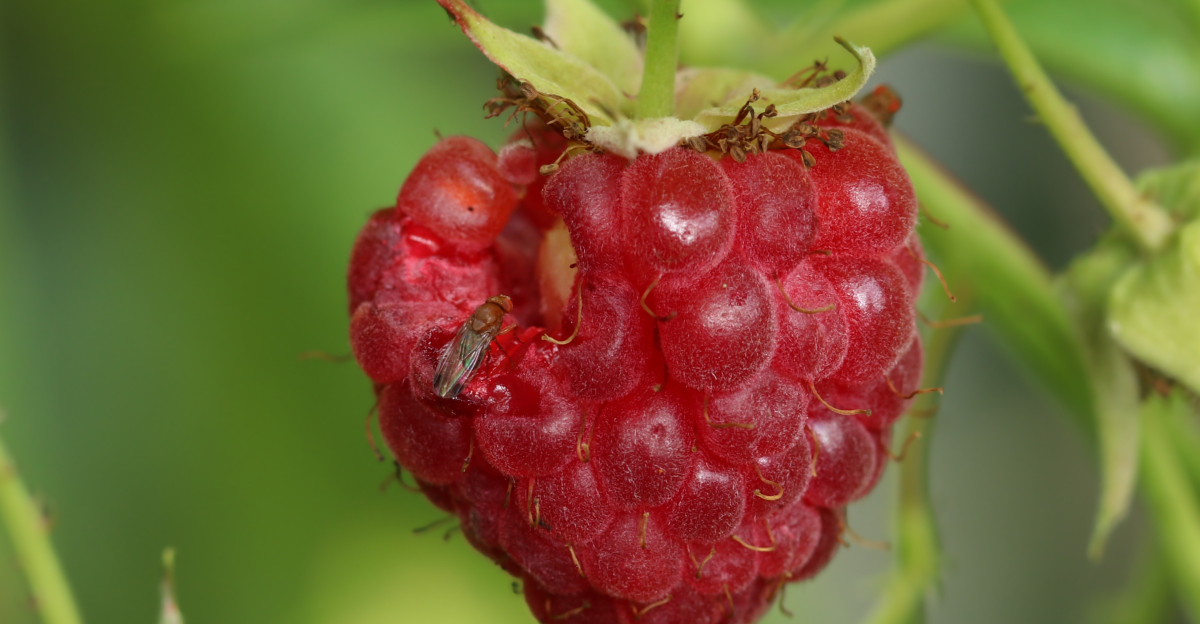
Ripe raspberries can look flawless at dawn and turn to mush in your hands by nightfall, and Wisconsin gardeners know that feeling well. Something barely visible is causing the damage, slipping through your bramble patches faster than you can react.
Blackberries fall apart just as fast on you, softening from the inside before any blemish appears on the skin. Insects this small should not cause damage this severe, yet your Wisconsin canes prove otherwise every September.
Larvae hiding inside your fruit can wreck a harvest overnight, and you might blame the weather instead of the real cause. Ordinary fruit flies wait for rot to set in, but this species will not wait for you at all.
Texture gives it away immediately, that soft mush replacing the firm bite you expect from a fresh raspberry. Yield drops fast after that, sometimes cutting your harvest down within days of infestation.
Every cane in your yard could already hide larvae, and the next few minutes will tell you what to do about it.
Spotted Wing Drosophila Targets Ripe Fruit Instead Of Fallen Fruit
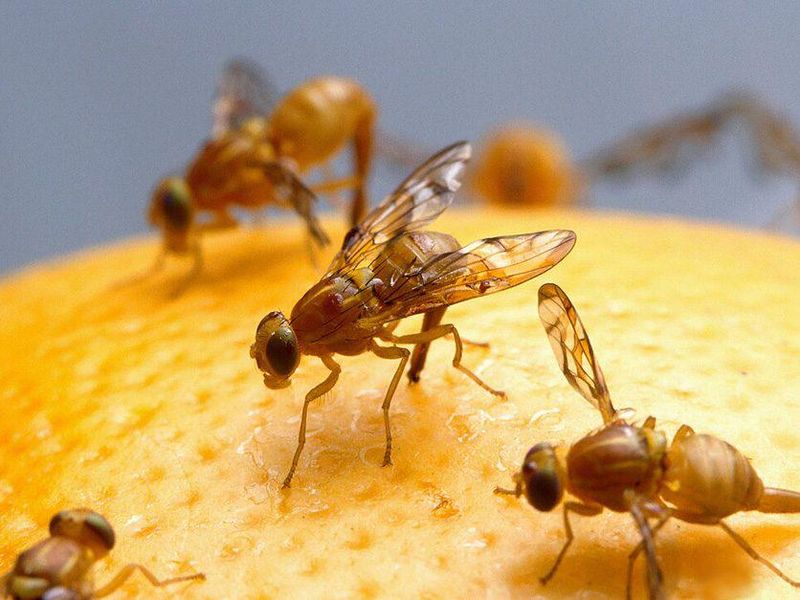
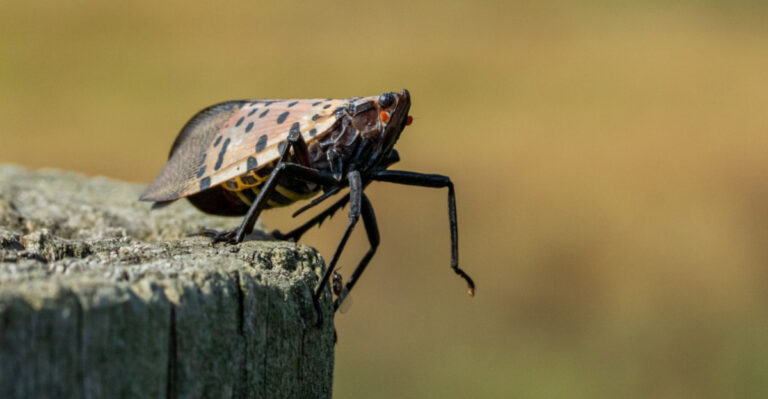
Most fruit flies wait for fruit to drop and rot before moving in. Spotted wing drosophila skips that step entirely and attacks berries while they are still hanging on the plant.
The female fly has a sharp, serrated egg-laying organ called an ovipositor. She uses it to slice right through the skin of a firm, ripe berry and deposit her eggs inside.
That is what makes this pest so destructive compared to common fruit flies. Your berries can look flawless on the outside while larvae are already feeding inside.
First documented in California in 2008, this fly spread across much of the United States within just a few years. Wisconsin growers began reporting serious damage around 2012 and 2013.
The pest originated in Southeast Asia and hitched rides on commercial fruit shipments. Now it overwinters in wooded areas throughout the Midwest, emerging each spring to build populations all summer.
By September, populations peak just as fall-bearing raspberries and blackberries ripen. The timing could not be worse for home gardeners counting on that late harvest.
Spotted wing drosophila prefers thin-skinned fruits above all others. Raspberries and blackberries are essentially perfect targets because their skin offers almost no resistance to that sharp ovipositor.
Understanding what makes this fly different from ordinary fruit pests is the first step toward protecting your crop. Knowing what you’re dealing with changes how you respond to it.
Fall Bearing Raspberries Face The Heaviest Pressure Of The Season
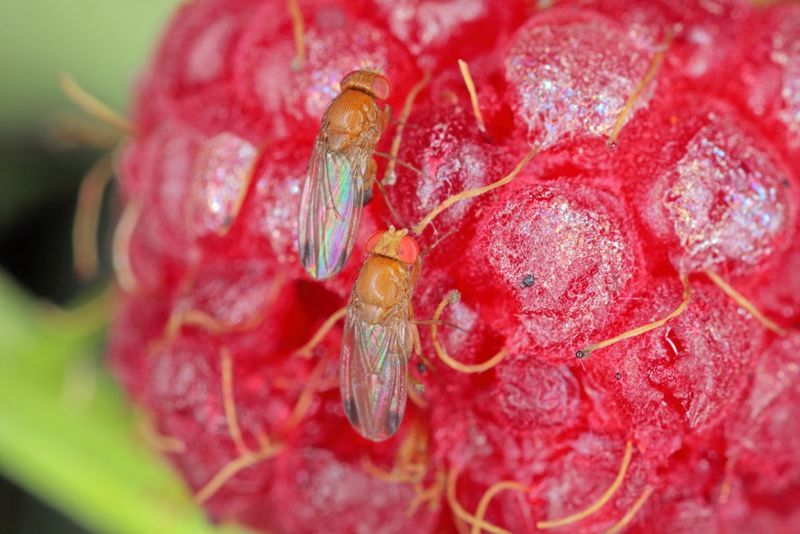
Fall-bearing raspberry varieties ripen at exactly the worst possible moment for pest pressure. Spotted wing drosophila populations have been building since June and hit their peak in late August and September.
Varieties like Caroline, Anne, and Heritage produce their biggest crop right when fly numbers are highest. That overlap is not bad luck; it is a biological collision that costs gardeners pounds of fruit every year.
Summer-bearing raspberries actually escape the worst of it because they ripen in June and July. Fly populations are still relatively low during that window, so early varieties suffer far less damage overall.
Your Wisconsin Garden Changes Every Week. Your Plan Should Too.
Gardening in Wisconsin changes quickly throughout the season. Every Friday you’ll receive a simple weekly plan showing exactly what to plant, prune, fertilize, harvest, and protect so you never miss the right timing.
Blackberries face similar timing problems in Wisconsin. Late-ripening blackberry cultivars like Chester and Triple Crown produce fruit in August and September, landing squarely in the danger zone.
Warmer September temperatures in recent years have extended the growing season and kept fly populations active longer. What used to be a two-week problem has stretched into a six-week struggle for many growers.
Female flies can lay several hundred eggs during their short lifespan. With multiple generations overlapping by fall, the sheer number of egg-laying adults around ripe fruit becomes overwhelming without intervention.
Home plantings surrounded by wooded edges or unmaintained areas face even heavier pressure. Wild host plants nearby give the fly a constant refuge and breeding ground right next to your garden.
This pest is not a random visitor to your patch; it is a seasonal certainty you can prepare for.
Signs Of Infestation Hidden Inside Intact Berries
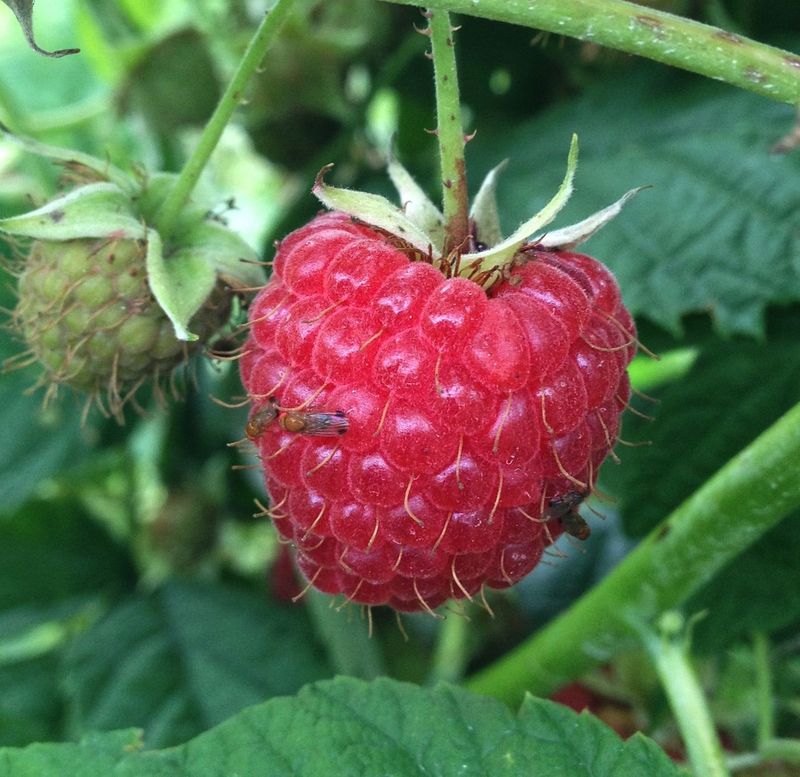
Spotting this problem from the outside is genuinely difficult, which is exactly why so many gardeners get blindsided. A berry can appear perfectly ripe, firm, and beautiful while harboring several larvae inside.
The first clue is often texture. Infested berries soften faster than normal after picking, sometimes turning mushy within hours of harvest.
Cut a suspect berry in half and look closely at the interior flesh. Tiny white maggots, roughly one to two millimeters long, are visible to the naked eye if you know what to look for.
Another field test involves a saltwater float. Drop berries into a bowl of salted water and wait about fifteen minutes; larvae will crawl out of infested fruit and float to the surface.
On the cane, infested berries may show a small sunken spot or slight discoloration near the stem end. That tiny entry wound is where the female deposited her eggs days earlier.
Berries that collapse when you pick them are almost always infested. Healthy ripe raspberries hold their shape; compromised ones fall apart because larvae have been feeding on the interior flesh.
You might also notice a slightly sour smell coming from fresh-picked berries sooner than expected. That off-odor signals breakdown caused by larval feeding and secondary bacterial invasion.
Catching these signs early lets you act before the damage spreads to neighboring fruit on the same cane. A sharp eye during harvest catches problems no treatment can fix afterward.
Harvest Timing That Reduces Losses
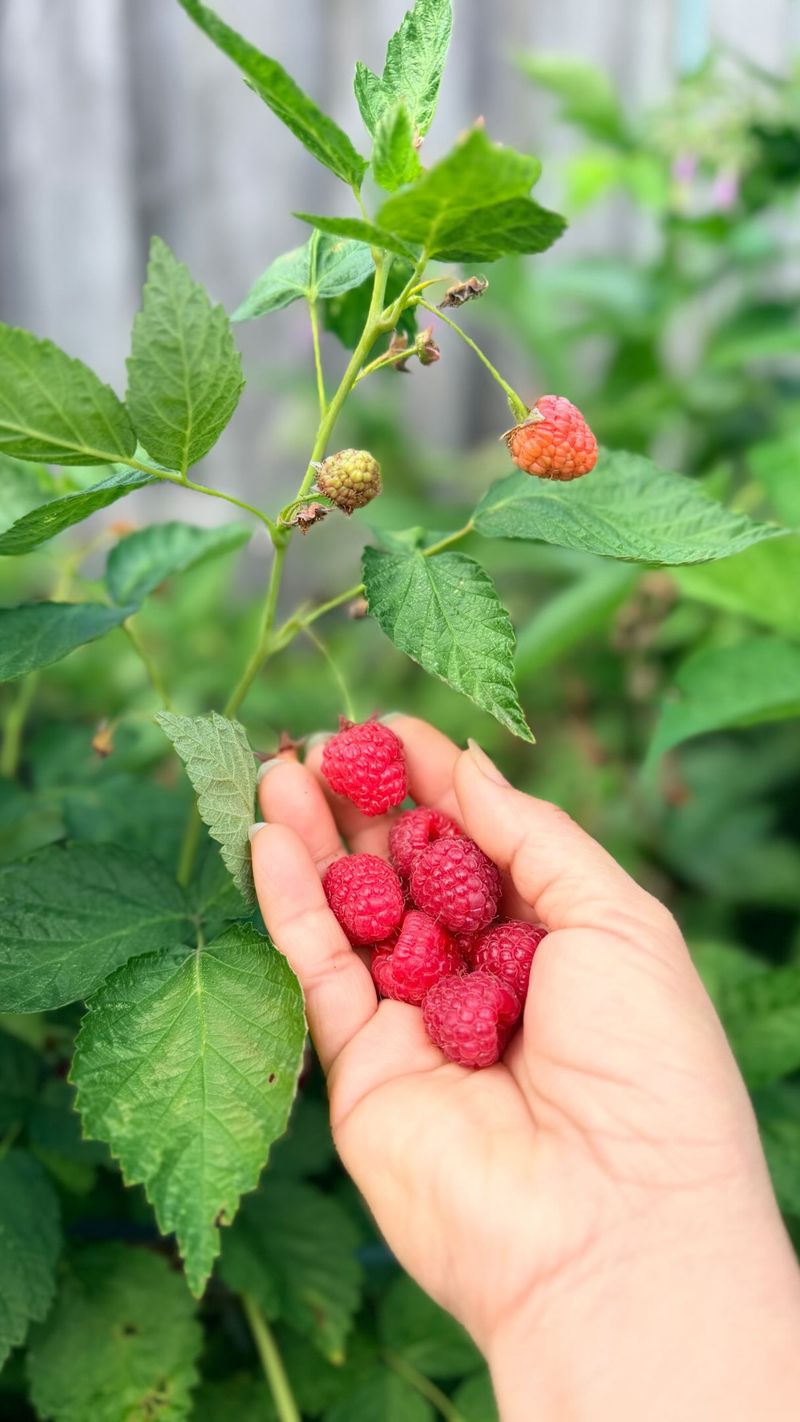
Picking berries at the right moment is one of the most effective tools a home gardener has against this pest. Spotted wing drosophila eggs hatch within one to three days of being laid, so speed matters enormously.
Harvest every day or every other day during peak ripening season. Leaving ripe fruit on the cane for even three days gives eggs time to hatch and larvae time to begin feeding.
Early morning is the best time to pick. Flies are less active in cool morning temperatures, and freshly picked cold berries slow larval development if any eggs were already present.
Refrigerate harvested berries immediately after picking. Cold storage at 32 to 34 degrees Fahrenheit stops larval development and preserves fruit quality far longer than leaving berries at room temperature.
Remove any overripe or soft berries from the plant during every harvest pass. Those overly ripe fruits are highly attractive to egg-laying females and act like a beacon for the entire population nearby.
Do not leave harvested culls on the ground beneath your plants. Dropped berries become breeding sites that send the next generation of adults right back onto your healthy fruit.
Picking slightly early, before berries reach full peak ripeness, can also reduce infestation rates. Fruit that is just turning ripe is less attractive to females than fruit at peak sugar content.
Consistent, frequent harvesting paired with cold storage is your strongest non-chemical tool against this pest.
Sanitation Steps For Home Plantings
A clean garden is a harder target for spotted wing drosophila, and sanitation is free. Removing breeding material cuts the local fly population more than almost any other step you can take.
Walk your berry patch every single day during September. Pick up any fallen or overripe fruit from the ground immediately and seal it in a plastic bag before disposal.
Do not compost infested fruit in an open pile. Larvae can survive in compost and emerge as adults, sending the problem right back into your garden weeks later.
Bag infested fruit and place it in a sealed trash container instead. Some growers solarize small batches by sealing fruit in a clear plastic bag and leaving it in direct sun for several days.
After the season ends, cut canes back and clear all plant debris from the ground around your berry plants. Old leaves and plant material harbor overwintering adults in and near the garden bed.
Mow or trim any tall grass and weedy growth around the perimeter of your berry patch. Dense vegetation provides cool, humid shelter that flies love during hot afternoon hours.
Wild berry plants growing near your property are a constant source of reinfestation. If possible, remove wild raspberries or blackberries growing near your cultivated planting.
Sanitation alone will not eliminate the problem entirely, but it reduces the breeding population that lives right next to your fruit. A smaller local population means less pressure on every berry you grow.
Traps And Barriers Worth Setting Up Now
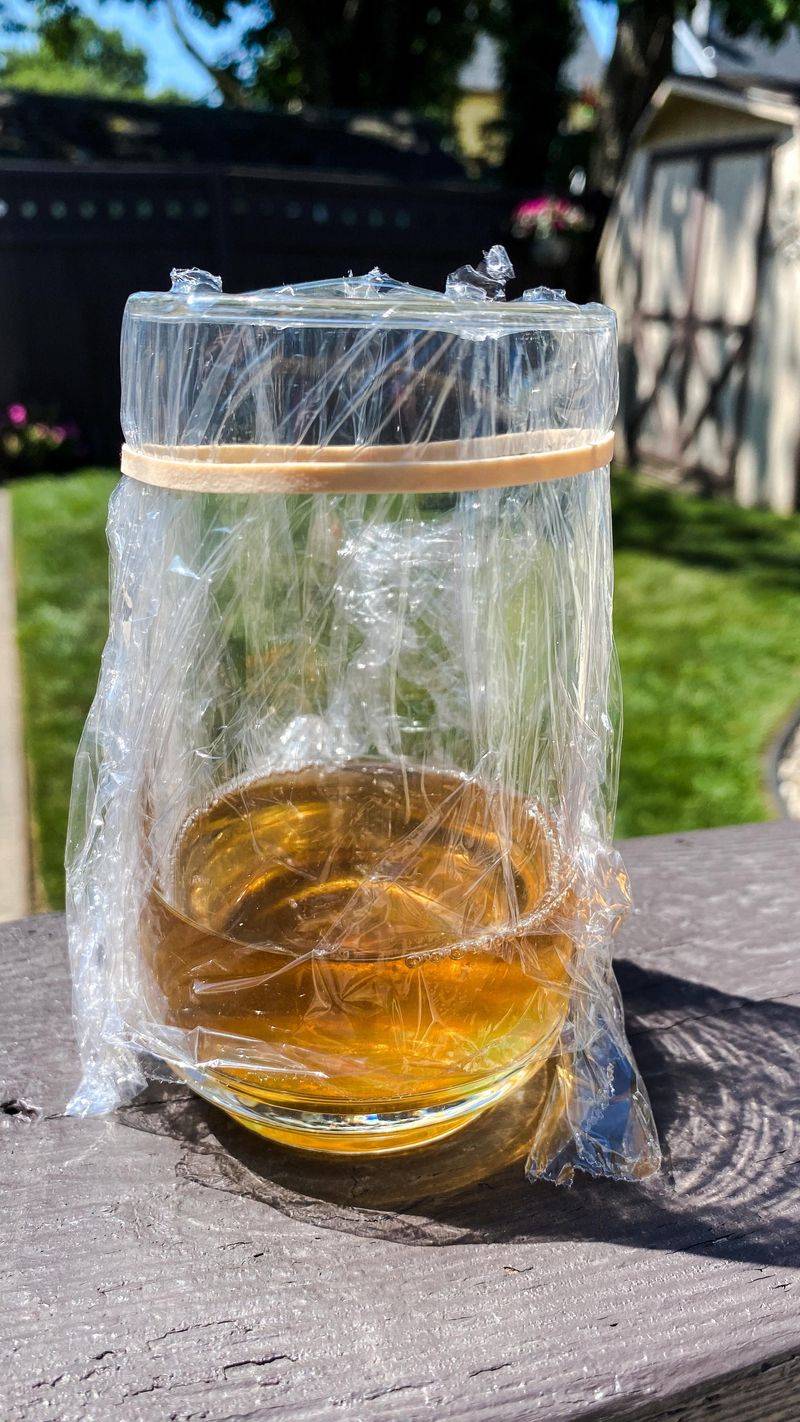
Traps do not eliminate spotted wing drosophila, but they help you monitor population levels and catch some adults before they lay eggs. Knowing when numbers spike lets you time other actions more precisely.
A simple monitoring trap uses apple cider vinegar mixed with a few drops of dish soap in a small container with holes punched near the top. Hang it at berry height near your plants.
Commercial lures designed specifically for spotted wing drosophila are also available online and at some garden centers. These pheromone-based attractants are more selective and catch higher numbers than vinegar alone.
Check traps every two to three days and count the flies inside. A sudden jump in numbers signals that egg-laying pressure on your fruit is increasing and faster harvesting is urgent.
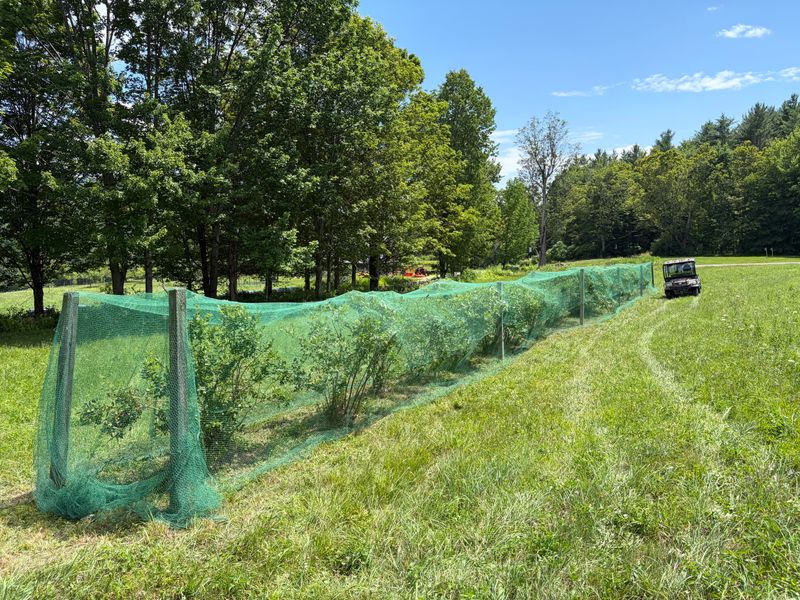
Exclusion netting is one of the most reliable physical barriers available to home growers. Fine insect mesh with openings of one millimeter or smaller can be draped over berry canes before fruit begins to ripen.
Install netting before berries show any color change, because flies move in the moment fruit starts attracting them. Late netting installation often misses the first wave of egg-laying females.
Secure netting edges to the ground or to stakes to prevent flies from crawling underneath. Even a small gap gives determined females access to the ripe fruit inside the covered area.
This pest can be managed with the right combination of traps, barriers, and timing. Start now, and your harvest has a real shot at making it to the table.