Why Oregon Hummingbirds Stop Coming Around A Yard They Used To Visit
A yard that once buzzed with hummingbird visits can suddenly go quiet, and the change is easy to take personally.
Usually, though, the birds have simply found a better reason to spend their time somewhere else.
Food availability shifts as flowers fade, feeders empty, or competing birds claim a favorite spot. Nearby construction, predators, heat, and changes in shelter can alter their routine too.
Even a feeder that looks clean may become less appealing if the nectar has spoiled in warm weather. The good news is that hummingbirds often return once conditions improve.
Figuring out what changed is the first step toward making the yard attractive again. Sometimes the answer is as simple as refreshing a feeder.
Other times, it takes a closer look at what the birds can find, and what may be making them hesitate.
Your Favorite Flowers May Have Stopped Blooming
Flowers are one of the biggest reasons hummingbirds choose a yard in the first place. When the blooms disappear, so do the birds.
Hummingbirds rely heavily on nectar from flowers, and if your garden has gone quiet, they’ll move on without a second thought.
Many popular hummingbird plants like fuchsia, salvia, and penstemon only bloom during certain parts of the year. Once those blooms fade, the birds have no reason to stick around.
This happens a lot in late summer and fall when garden color starts to fade across the region.
The fix is simpler than you might think. Try planting a mix of flowers that bloom at different times throughout the season.
That way, there’s always something fresh and full of nectar waiting for them. Native plants like red flowering currant and scarlet gilia are excellent choices for Oregon because they’re perfectly timed to hummingbird migration patterns.
Also, take a close look at your existing plants. Are they getting enough water and sunlight?
Stressed plants often stop blooming early, which cuts off the nectar supply faster than expected. Deadheading spent flowers can also encourage new blooms on many plants.
A little extra care in the garden goes a long way when it comes to keeping hummingbirds interested in your yard all season long.
Dirty Feeders Can Send Hummingbirds Elsewhere
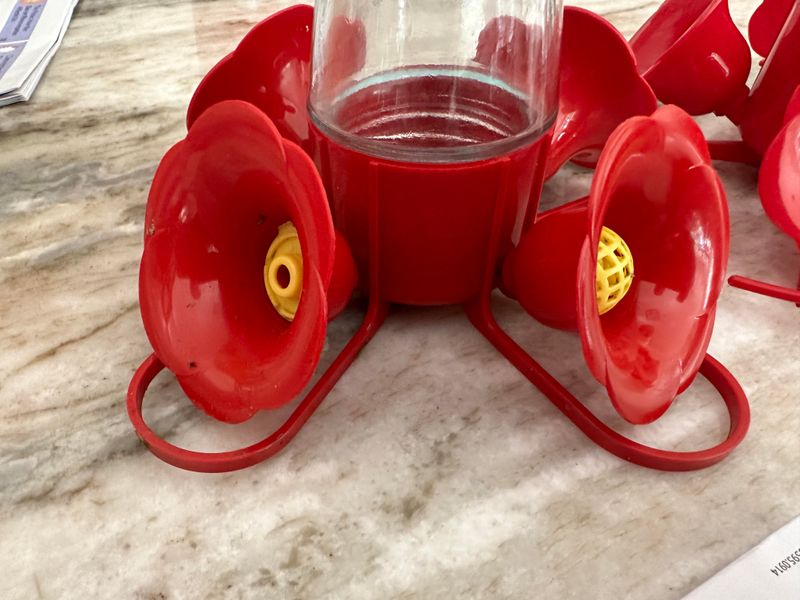
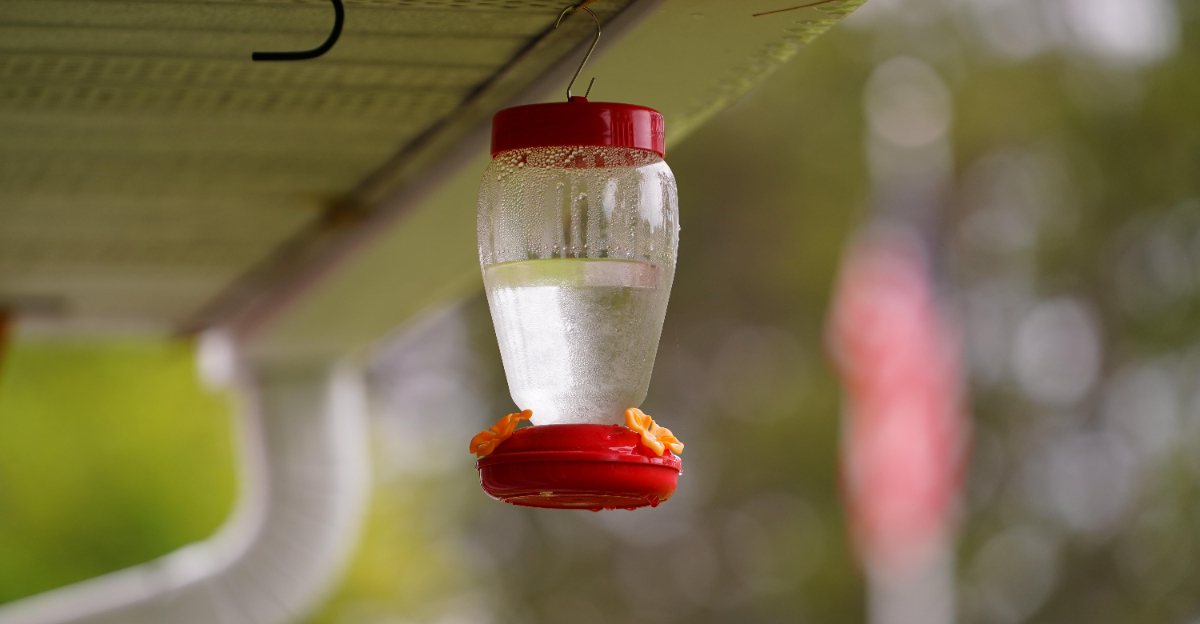
A dirty feeder is one of the fastest ways to lose hummingbird visitors. These birds have sharp instincts, and they can tell when something isn’t right.
If a feeder looks dark, cloudy, or smells off, they’ll skip it entirely and find a cleaner source somewhere else.
Mold and bacteria grow quickly inside feeders, especially during warm weather. The sugar water turns cloudy or yellowish, and black spots can form inside the ports and base.
That’s a sign the feeder needs a serious cleaning right away.
Feeders should be cleaned at least twice a week during warm months. Use hot water and a bottle brush to scrub every part thoroughly.
Avoid soap if possible, since residue can linger and affect the taste of the nectar. A diluted white vinegar rinse works great and rinses away cleanly.
Your Oregon Garden Changes Every Week. Your Plan Should Too.
Gardening in Oregon changes quickly throughout the season. Every Friday you’ll receive a simple weekly plan showing exactly what to plant, prune, fertilize, harvest, and protect so you never miss the right timing.
Pay close attention to the feeding ports, since those tiny holes are where mold loves to hide. Some feeders come apart fully for easy cleaning, which makes the job much simpler.
If yours is hard to clean, it might be worth switching to a model with wider openings. Keeping feeders spotless shows the birds that your yard is a safe and reliable stop.
Once they trust the feeder again, they’ll come back regularly and bring their friends along too.
Old Nectar Starts Tasting Wrong Fast
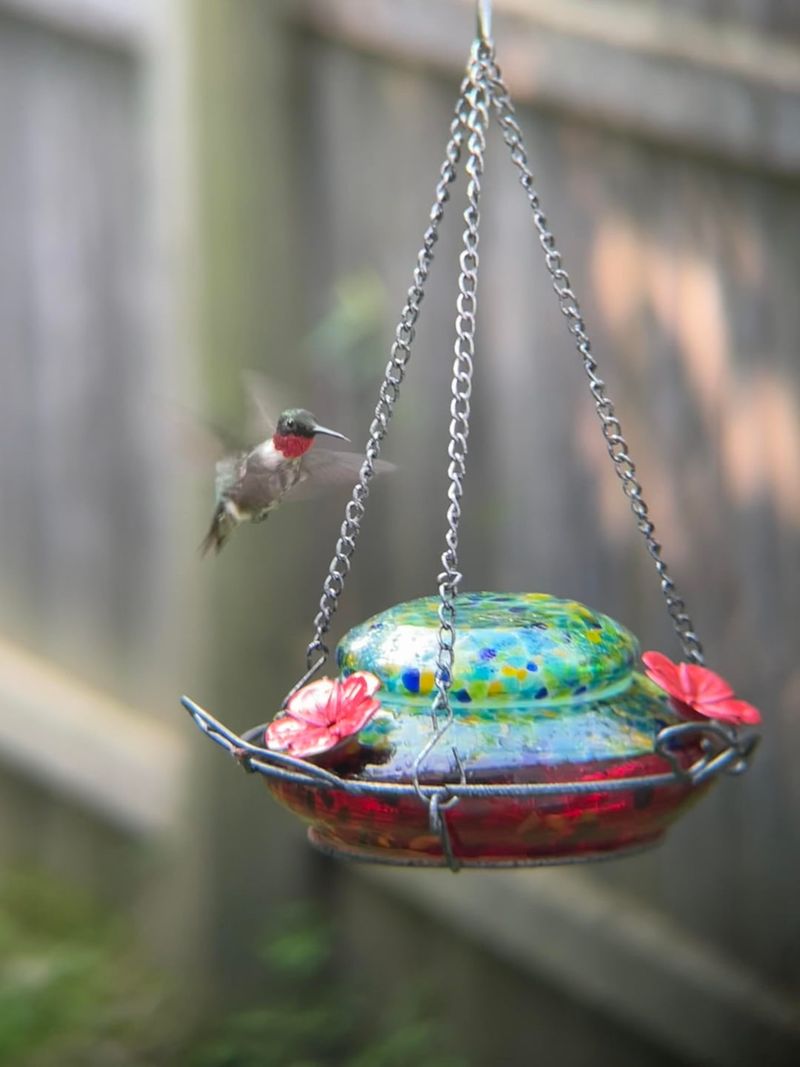
Fresh nectar is everything to a hummingbird. These birds have a surprisingly good sense of what’s safe to consume, and fermented or spoiled sugar water is something they want nothing to do with.
Old nectar doesn’t just taste bad, it can also make them feel sick.
In warm weather, nectar can go bad in as little as two days. The sugar breaks down and ferments, especially when the feeder is in direct sunlight.
You might not notice the difference by looking at it, but hummingbirds absolutely will.
The simple solution is to change the nectar every two to three days during summer. In cooler weather, you might be able to stretch it to four or five days, but it’s always better to err on the side of freshness.
Make a small batch of nectar at a time so you’re not wasting much when you swap it out.
Homemade nectar is easy to prepare. Mix one part plain white sugar with four parts water.
Boil the mixture briefly to help the sugar dissolve fully, then let it cool completely before filling the feeder. Skip the red food coloring because it’s unnecessary and potentially harmful.
Most feeders are already red, which is enough to attract attention. Keeping nectar fresh is one of the easiest and most effective ways to keep hummingbirds coming back to your yard consistently.
Too Much Shade Can Cool Down Their Favorite Spot
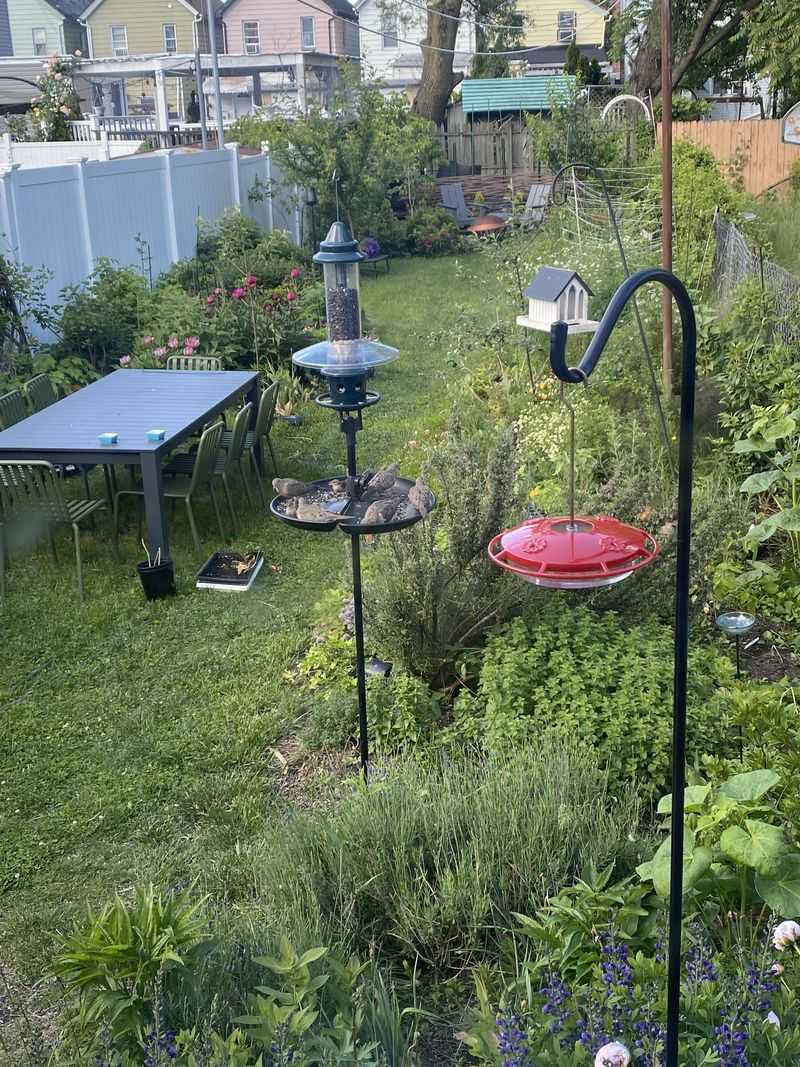
Hummingbirds love warm, sunny spots. They’re cold-blooded in the sense that they need warmth to keep their energy levels high throughout the day.
When a yard gets too shady, it stops feeling like an inviting place to hang around.
Trees grow fast in Oregon, especially with all the rainfall the region gets. A yard that was sunny two years ago might now be completely shaded by overgrown branches.
That shift in light can change everything about how a hummingbird perceives your space.
Shade affects more than just temperature. It also impacts the flowers in your yard.
Most nectar-rich plants need full sun to bloom well. When shade creeps in, flowers produce less nectar, which makes the yard less appealing on two levels at once.
Consider trimming back trees and large shrubs that are blocking sunlight from your garden beds and feeder areas. You don’t have to remove them entirely.
Just opening up the canopy a bit can let in enough light to make a real difference. Relocating feeders to a sunnier part of the yard is another easy fix.
Try placing them in spots that get morning sun, since hummingbirds are most active in the early hours. A brighter, warmer yard sends a welcoming signal to these tiny birds that your space is worth visiting again and again throughout the season.
Cats May Be Making The Yard Feel Risky
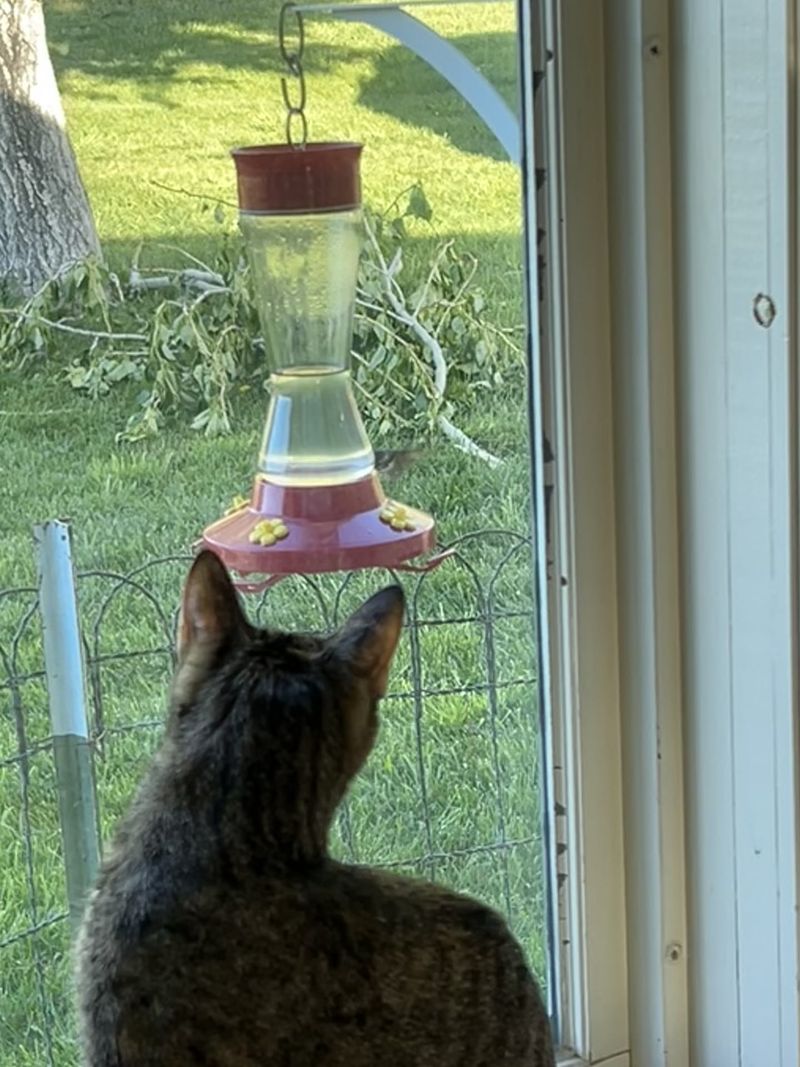
Hummingbirds are tiny and fast, but they’re not fearless. They pay close attention to their surroundings and are quick to notice potential threats.
A cat lurking in the yard can make the whole space feel dangerous, even if the cat has never actually caught one.
Cats are natural hunters, and their body language alone is enough to put hummingbirds on high alert. If a cat regularly sits near a feeder or flower bed, the birds will start avoiding that area.
Over time, they may stop visiting altogether and find a safer spot nearby.
The most effective solution is to keep cats indoors or supervised when hummingbirds are most active. Early morning and late afternoon are peak feeding times, so limiting cat access during those windows can help a lot.
Even moving the feeder higher or to a different location can reduce the stress hummingbirds feel.
Try placing feeders at least five to six feet off the ground and away from fences or structures a cat could climb. Adding a tall shepherd’s hook in an open area makes it much harder for cats to get close without being spotted.
Hummingbirds have excellent vision and will quickly notice when a spot feels calmer and safer. Small changes to reduce the presence of predators can bring these skittish little visitors back to your yard faster than you might expect.
Fresh Water Might Be Missing From The Setup
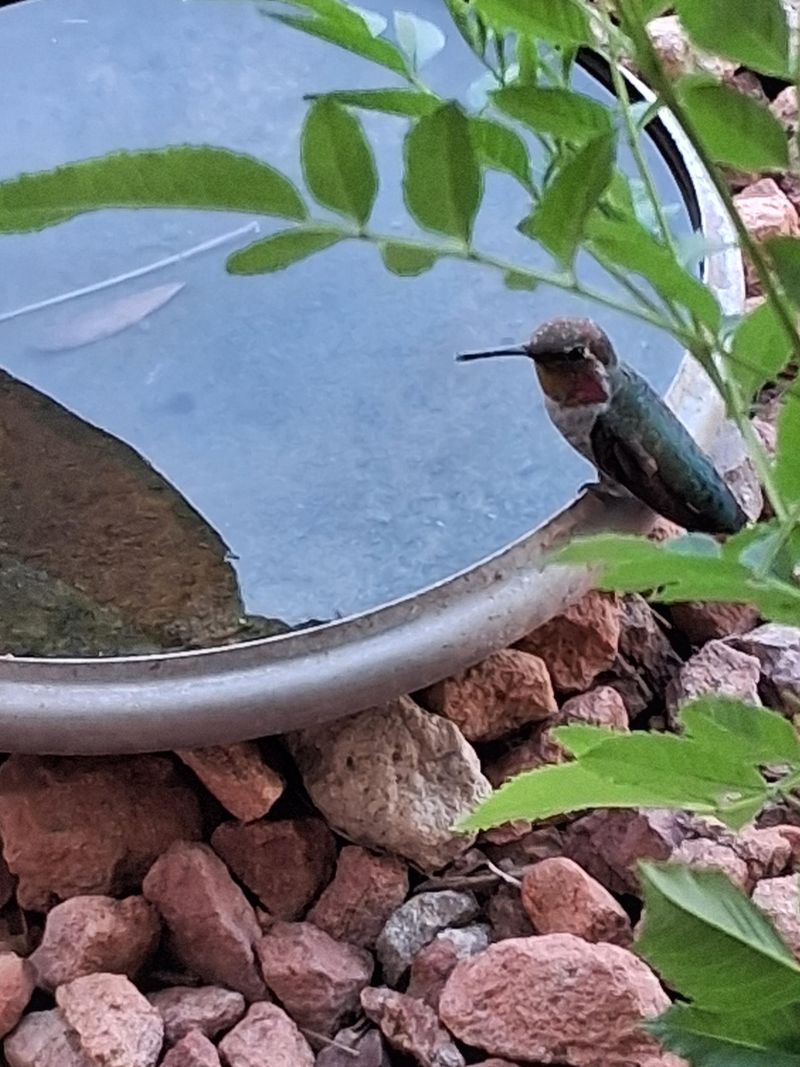
Most people focus entirely on feeders and flowers when setting up a hummingbird-friendly yard, but water is often overlooked. Hummingbirds actually love to bathe and drink fresh water.
When a yard doesn’t offer that, it becomes a little less appealing compared to spots that do.
Hummingbirds prefer moving water over still water. A simple mister or a shallow fountain with gentle movement can be incredibly attractive to them.
They like to fly through the mist or perch near a light spray to clean their feathers. It’s one of their favorite activities outside of feeding.
A standard birdbath that works well for larger birds won’t necessarily suit hummingbirds. They prefer very shallow water, usually no more than an inch deep.
If you’re using a birdbath, try placing a flat rock or a small tray inside to raise the water level and create a shallow area perfect for tiny birds.
Keep the water clean and change it every day or two to prevent mosquito breeding and bacterial growth. Position the water feature near flowers or feeders so hummingbirds can easily spot it during their regular visits.
Many birding enthusiasts in Oregon have found that adding a small mister to their yard nearly doubled their hummingbird sightings within just a few days.
Fresh, clean water is a simple addition that can genuinely transform how often these birds choose your yard over others.
Other Hummingbirds Could Be Guarding The Feeder
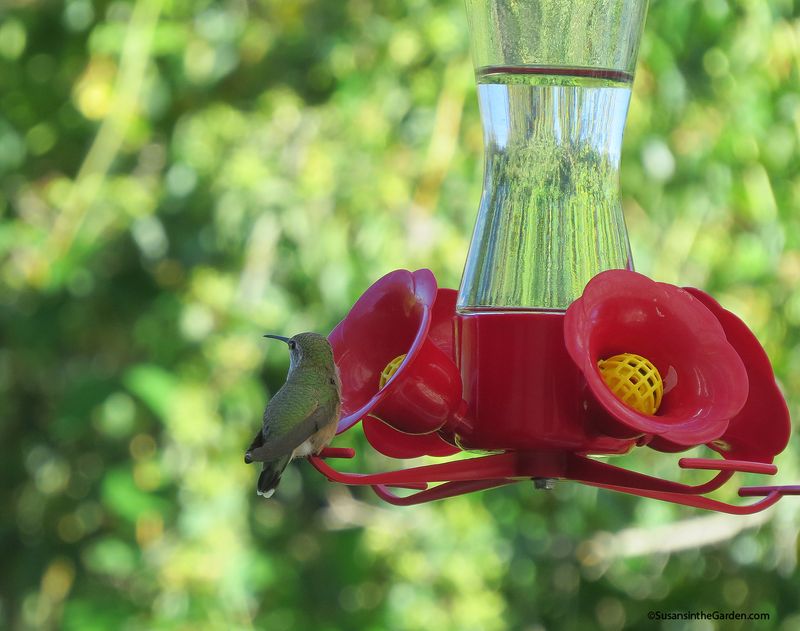
Hummingbirds can be surprisingly territorial. A single dominant bird will often claim a feeder as its own and chase away every other hummingbird that tries to visit.
If you’ve noticed one bird spending a lot of time near the feeder and others flying away quickly, this is probably what’s happening.
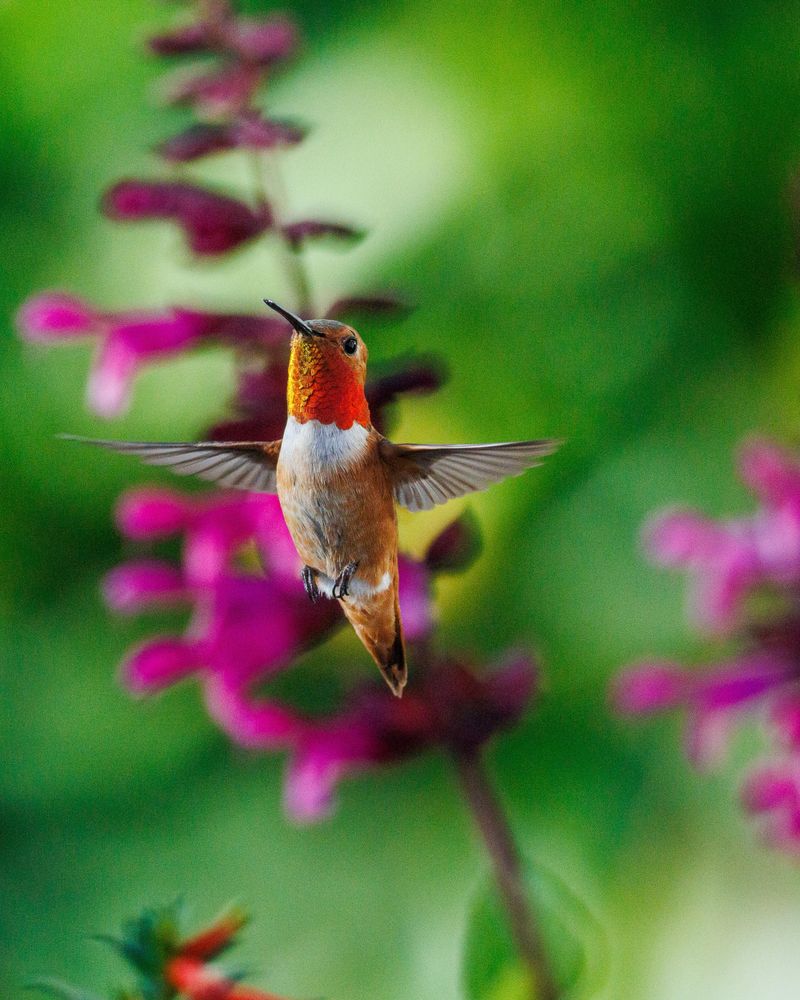
Rufous hummingbirds are especially known for this behavior in our region. They’re small but feisty, and they will defend a food source aggressively.
Other species, including Anna’s hummingbirds, can also display territorial behavior, particularly during breeding season when competition is high.
The good news is that there’s a practical fix. Adding more feeders to your yard breaks up the territory and makes it harder for one bird to guard everything at once.
Place the extra feeders out of sight from each other, around corners or on opposite sides of the house, so the dominant bird can’t patrol all of them at the same time.
Using feeders with multiple ports also helps spread out feeding opportunities. The more access points available, the less likely one bird is to control all of them.
Over time, a more balanced feeding dynamic develops, and more birds feel comfortable visiting. Many Oregon backyard birders have solved their disappearing hummingbird mystery simply by adding a second or third feeder in a strategic location.
It’s a small change that can make a surprisingly big difference.
Pesticides May Be Cutting Down Their Insect Snacks
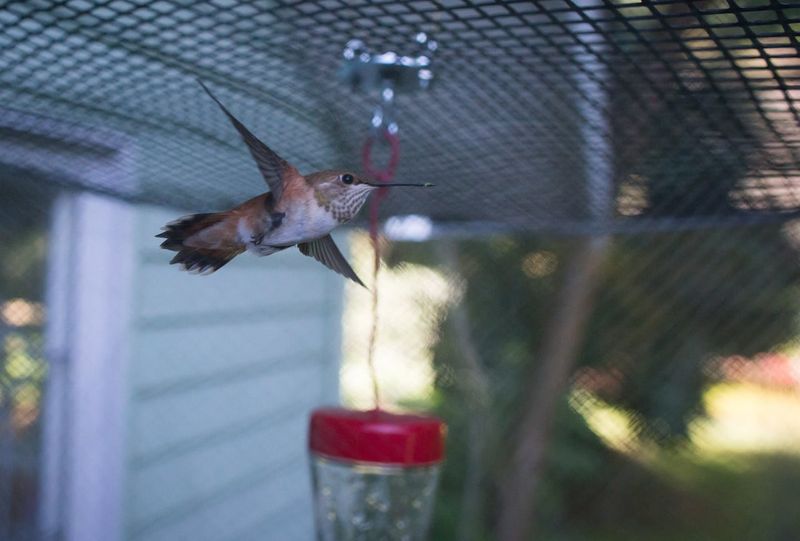
Many people don’t realize that hummingbirds eat insects as much as they drink nectar. Insects make up a huge part of their diet and provide the protein they need to survive and raise their young.
When insect populations drop in a yard, hummingbirds notice and start looking elsewhere for food.
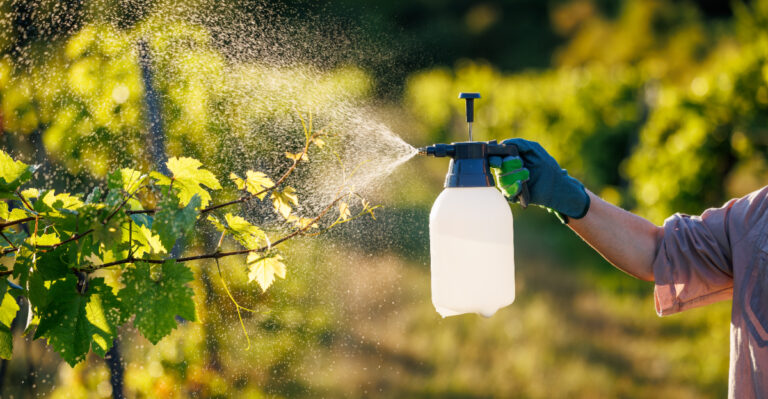
Pesticides are one of the leading causes of insect decline in home gardens. Even products labeled as safe for plants can wipe out the tiny gnats, fruit flies, and spiders that hummingbirds depend on.
If you’ve recently started using pesticides, that could be a major reason the birds have been absent.
Reducing or eliminating pesticide use is one of the best things you can do for hummingbirds and the overall health of your garden.
Try natural pest control methods instead, like introducing beneficial insects, using neem oil, or hand-picking larger pests.
These approaches manage garden problems without harming the tiny creatures hummingbirds rely on for nutrition.
Letting a small area of your yard grow a little wild can also help. Leaf litter, tall grasses, and native plants create ideal habitats for the insects hummingbirds love to snack on.
A yard buzzing with tiny life is a yard that hummingbirds want to visit. Shifting toward a more natural gardening approach benefits not just hummingbirds but also butterflies, bees, and countless other creatures that make your outdoor space feel alive and vibrant.
A Sudden Yard Makeover Can Throw Them Off
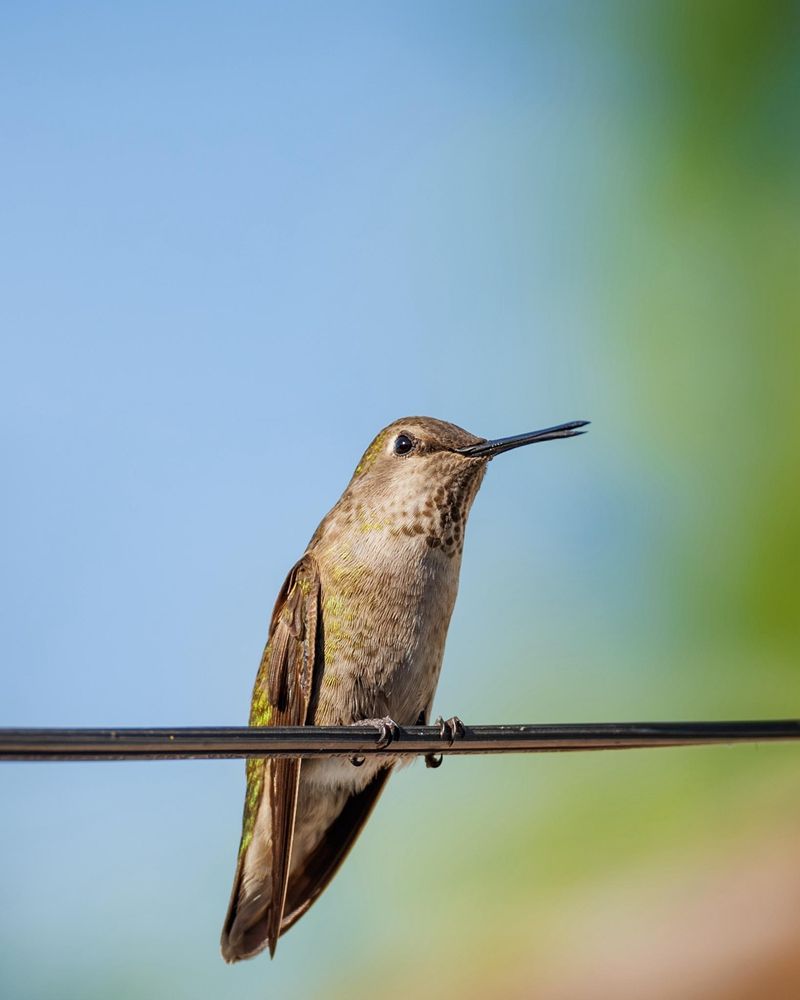
Hummingbirds have excellent memories. They remember exactly where food sources were located and return to the same spots season after season.
When a yard changes dramatically, it can genuinely confuse them and cause them to skip the area entirely while they recalibrate.
Big changes like removing trees, replanting garden beds, adding a new structure, or even repainting the house can disrupt the familiar visual cues hummingbirds use to navigate.
They look for landmarks, colors, and flower shapes to find their way back to favorite feeding spots.
Change too much at once, and the yard becomes unfamiliar territory.
If you’ve recently done a big landscaping project, give the birds a little time to adjust. Keep feeders in the same location if possible, or move them gradually rather than all at once.
Bright red or orange markers near the feeder can help draw their attention back to the area even if the surrounding landscape looks different.
Planting familiar hummingbird plants in the newly redesigned space helps re-establish the yard as a known food source. Fuchsia, bee balm, and trumpet vine are all great options that hummingbirds recognize quickly.
Be patient because it may take a few weeks before they feel comfortable again. Consistency is key during this adjustment period.
Once they recognize the new layout as a safe and reliable place, they’ll settle back into their old visiting routines just like before.