Why Oregon Lawns Stay Patchy Even After Fall Reseeding
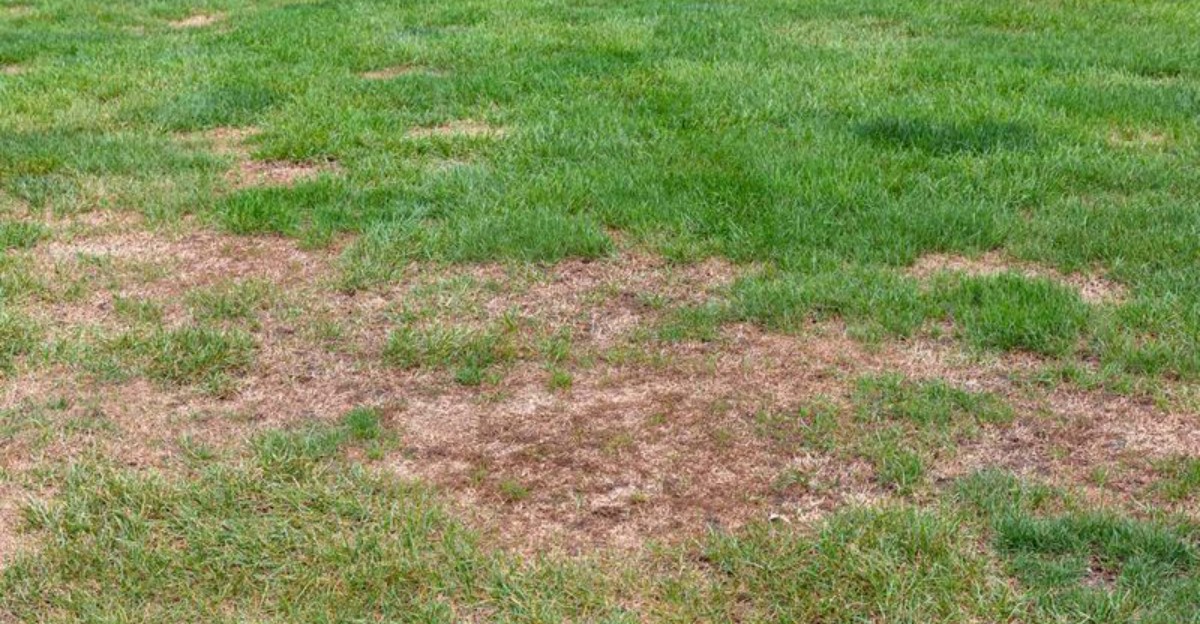
You spread fresh grass seed, followed the instructions, and expected your Oregon lawn to fill in by now. Instead, you are left staring at thin patches, uneven growth, and bare spots that refuse to disappear.
Fall reseeding is usually a great opportunity to repair a lawn, but the timing alone cannot fix every problem. Patchy results often come down to what happens before and after the seed goes down.
Soil condition, moisture levels, seed contact, sunlight, and competition from existing grass can all affect how well new growth gets established. Even small mistakes can prevent seeds from sprouting evenly.
Before adding more seed, it helps to figure out what is holding your lawn back. Understanding the cause of the problem can help you make the next reseeding attempt more successful and create a thicker, healthier lawn over time.
1. Compacted Soil Can Block New Grass Growth
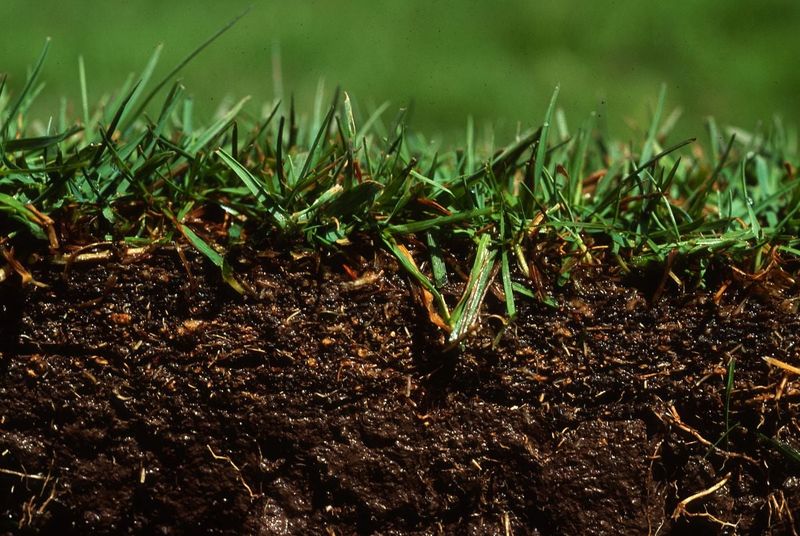
Hard, packed soil is one of the sneakiest reasons grass refuses to fill in. When dirt gets squeezed tight, tiny roots cannot push down to find water and food.
Oregon yards often sit on heavy clay, which packs even harder after foot traffic, mowers, and winter rain. New seedlings may sprout, but they struggle to anchor and quickly weaken. You might notice water pooling on top instead of soaking in.
A simple test helps a lot. Try pushing a screwdriver into the ground. If it stops fast or feels rock-solid, your soil is likely compacted.
Core aeration is the best fix. A machine pulls small plugs of soil out, creating pockets for air, water, and roots to move freely. Fall is a great time to aerate before you reseed.
Adding compost after aerating gives another boost. It softens the soil over time and feeds the tiny life underground that keeps grass strong.
Try to keep heavy traffic off freshly aerated areas for a few weeks. Roots need room to settle without being crushed again.
When soil can breathe, your new seed finally gets a fair chance. Loosening the ground before you spread seed makes a bigger difference than most people expect, and it sets up thicker, healthier turf.
2. Seed Needs Good Contact With The Soil
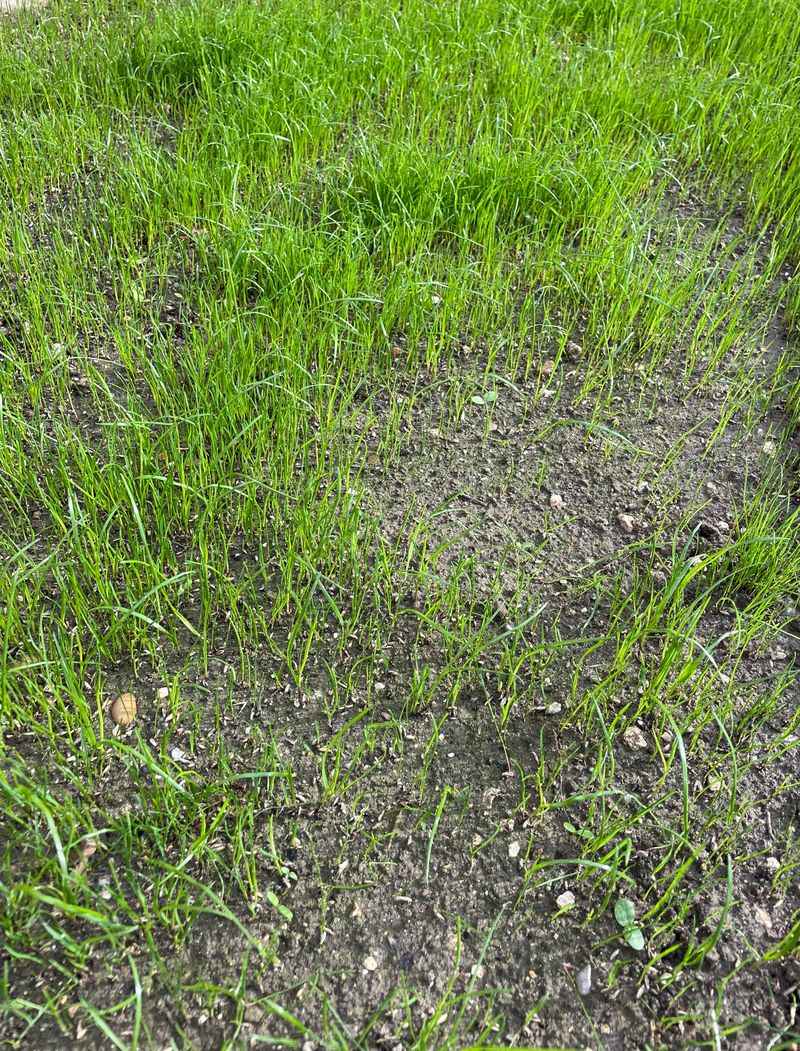
Grass seed cannot sprout if it just sits on top of the ground. It needs to touch bare soil so moisture can soak in and wake it up.
Lots of folks in Oregon scatter seed over thick thatch or a matted lawn and wonder why nothing changes. The seed dries out, gets eaten by birds, or blows away in the wind.
Raking is your best friend here. Loosen the top layer of soil first so the seed has something to grab onto. A light scratch across bare spots works wonders.
After spreading seed, gently rake again to press it into the surface. You want it nestled in, not buried deep. About a quarter inch of soil cover is plenty.
Walking over the area or using a lawn roller helps too. That gentle pressure locks the seed against the dirt so it stays put.
Your Oregon Garden Changes Every Week. Your Plan Should Too.
Gardening in Oregon changes quickly throughout the season. Every Friday you’ll receive a simple weekly plan showing exactly what to plant, prune, fertilize, harvest, and protect so you never miss the right timing.
Removing heavy thatch before you seed makes a huge difference. A thatch layer thicker than half an inch blocks seed from ever reaching the ground.
Keep the top layer slightly moist while seeds settle in. Good contact plus steady moisture equals faster, more even sprouting.
When you take a few minutes to prep the surface, more of your seed actually grows. That small effort turns a spotty result into a full, even carpet of green.
3. Too Much Shade Can Thin Lawns Again
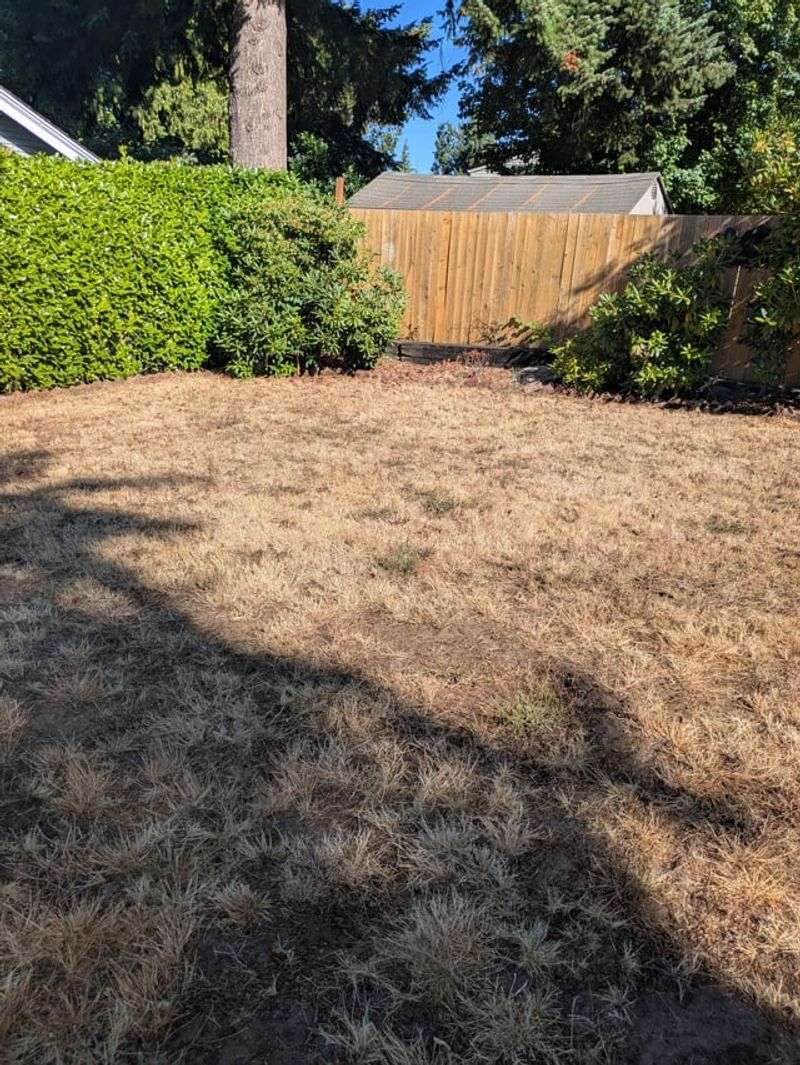
Grass loves sunlight, and Oregon’s tall trees can steal a lot of it. In shady corners, even fresh seed grows weak and slowly fades away.
Most lawn grasses need at least four hours of sun each day. Under thick fir or maple canopies, the ground may get far less than that.
Pay attention to which spots stay dark all day. Those areas will always struggle unless you make a change or adjust your plan.
Trimming lower tree branches lets more light reach the ground. Even a little extra sun helps thin grass hold on and thicken up.
Choosing the right seed matters too. Shade-tolerant blends, often mixed with fine fescues, handle dim spots far better than sun-loving types.
Sometimes grass just is not the best pick for deep shade. Ground covers, mulch beds, or shade-friendly plants can look great and save you frustration.
Watering habits change in shade as well. Damp, dark areas dry out slowly, so they need less water than sunny parts of the yard.
Take a walk around your property at different times of day. Mapping the sunlight helps you match the right solution to each spot.
When you work with the shade instead of fighting it, those stubborn thin patches finally have a chance to look full and healthy again.
4. Uneven Watering Creates Weak Spots
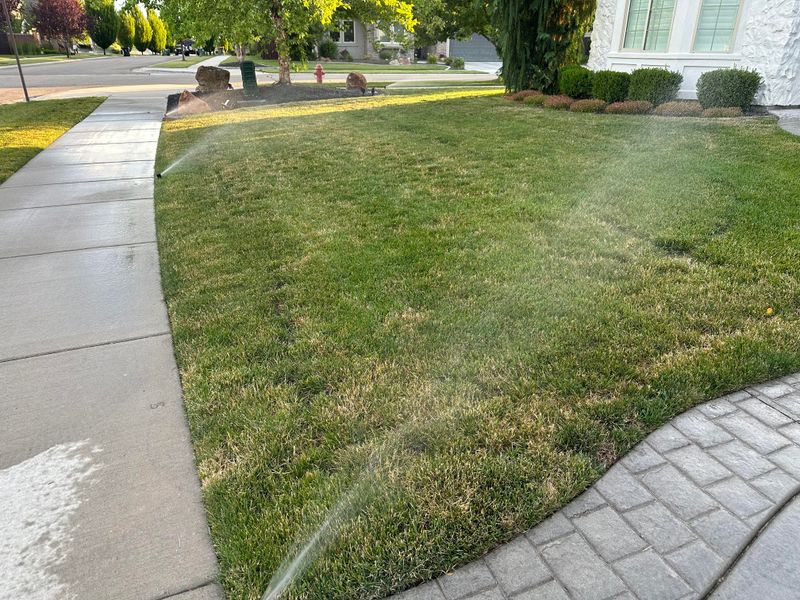
Water makes or breaks new grass, and uneven watering leaves behind a spotty mess. Some areas get soaked while others stay bone dry.
New seed needs steady moisture to sprout. If one corner dries out, those seeds simply stop growing, leaving a bare patch that stands out.
Sprinklers often spray in patterns that miss certain spots. Corners, edges, and areas behind bushes frequently get skipped without you noticing.
A fun trick is placing empty tuna cans around the yard while watering. Check how much water lands in each one to spot the dry zones.
Oregon’s fall rain helps, but it does not always fall evenly or often enough during dry stretches. You may still need to water by hand.
Short, frequent watering works best for young seed. Aim to keep the top inch of soil damp, not soggy, until sprouts appear.
Once grass grows in, switch to deeper, less frequent watering. That encourages roots to reach down and makes the lawn tougher.
Watch for water running off slopes or pooling in low spots. Both signs mean your watering needs adjusting for better balance.
When every part of the lawn drinks the same amount, your grass fills in evenly. Fixing your watering pattern is often the quickest way to erase those weak, patchy areas for good.
5. Old Grass Can Crowd Out New Seed
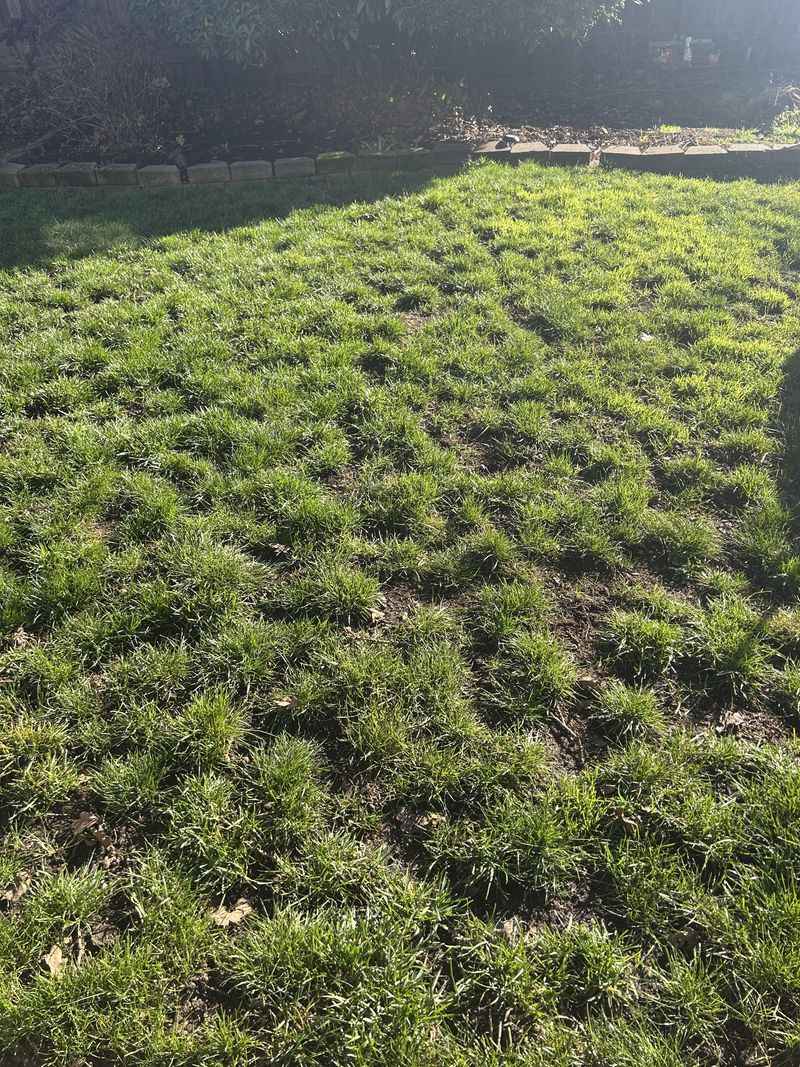
Sometimes the grass already growing gets in the way of the grass you are trying to add. Older, thicker turf hogs the light, water, and space.
New seedlings are tiny and fragile. When they sprout under a dense mat of established grass, they cannot compete and slowly give out.
Mowing a little shorter before you reseed helps a lot. Lower grass lets sunlight reach the soil and gives new sprouts room to breathe.
Raking out withered blades and thatch clears the way too. That layer of old material blocks seed and traps moisture in the wrong spots.
Weeds count as competition as well. Dandelions and clover grab nutrients fast, crowding out the young grass you want to encourage.
Overseeding works best when you thin the busy areas first. Give the new seed a fair shot by opening up the crowded spots.
Feeding your lawn after seeding supports both old and new grass. A balanced starter fertilizer helps young roots keep pace with the established plants.
Try not to let existing grass grow tall and floppy during this time. Tall blades shade the ground and slow down fresh growth.
When you clear space and reduce competition, your new seed can settle in and thrive. A little thinning goes a long way toward a thicker, more even lawn.
6. Poor Timing Can Reduce Germination
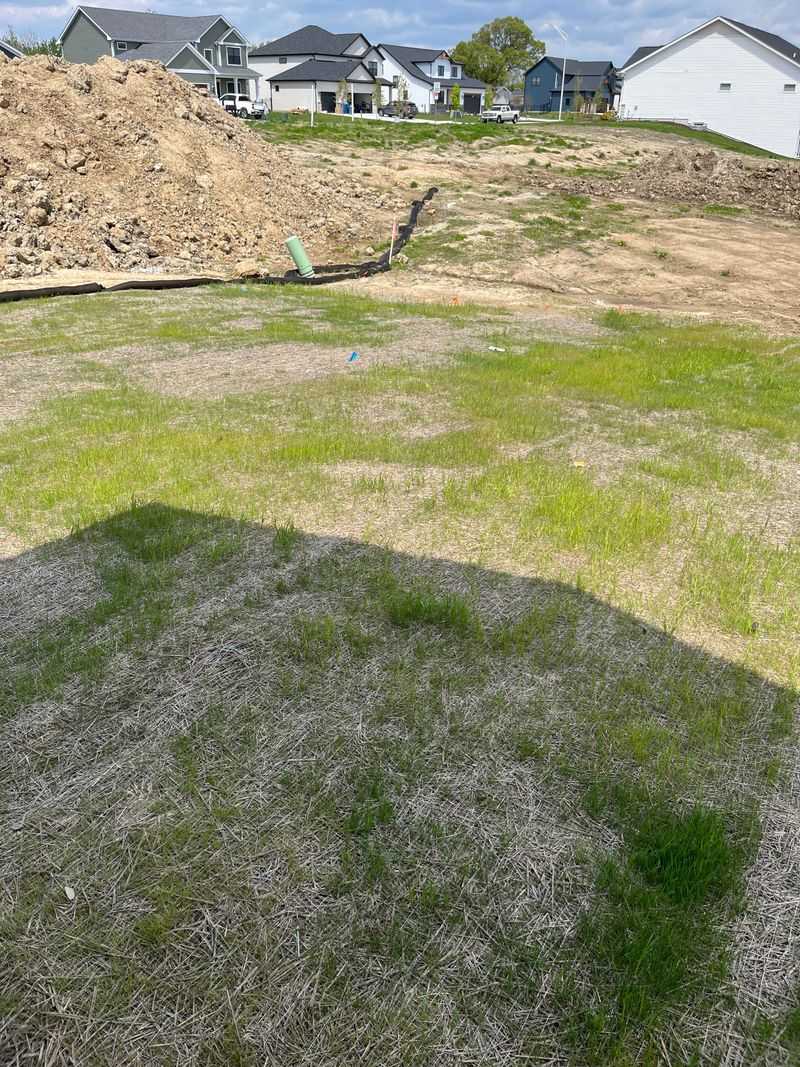
Timing can be the quiet reason your reseeding falls flat. Plant too early or too late, and the seed never gets the conditions it needs.
Grass seed sprouts best when soil stays warm but the air turns cool. In Oregon, that sweet spot usually lands in early to mid fall.
Seed spread too late in the season faces cold soil. Chilly ground slows sprouting way down, and young grass has little time to grow strong.
On the flip side, seeding while it is still hot and dry causes trouble. Seedlings can scorch before their roots ever take hold.
Keep an eye on the weather forecast before you spread seed. A stretch of mild days with light rain gives the best head start.
Soil temperature matters more than the calendar date. Aim for soil around 50 to 65 degrees for the fastest, healthiest sprouting.
Give new grass enough time before the first hard frost. Roots need several weeks to settle in before winter cold arrives.
If you missed the fall window, early spring can work as a backup. Just be ready to water more as the weather warms.
When you match your seeding to the right conditions, more seeds sprout and survive. Getting the timing right often makes the difference between a patchy lawn and a lush one.
7. Bare Spots Often Have A Hidden Cause
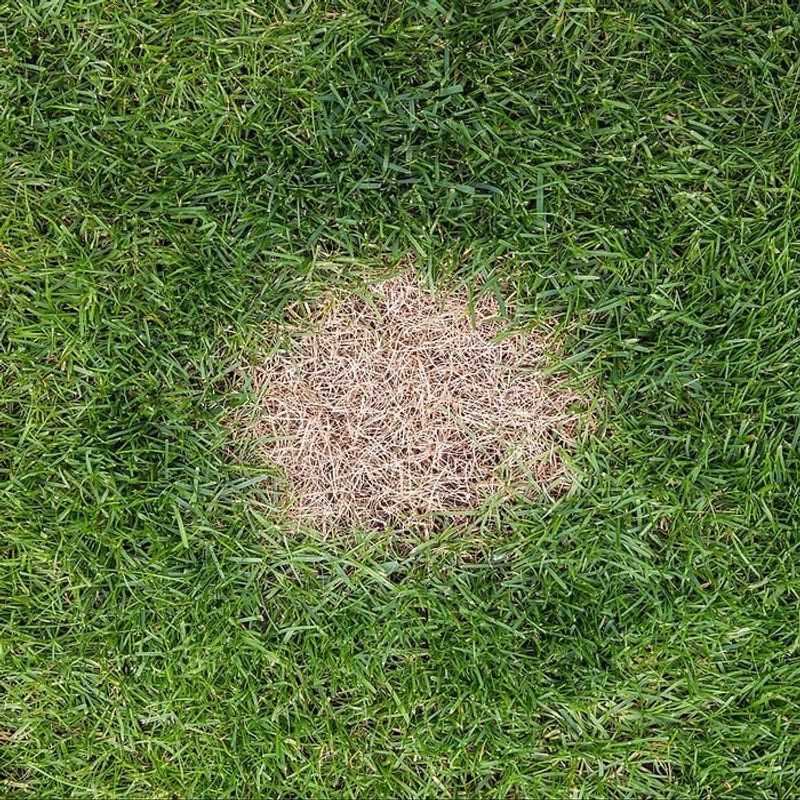
When a bare spot keeps coming back no matter what you do, something hidden is usually to blame. The real trouble often sits out of sight.
Buried debris like rocks, roots, or old construction material can block grass from growing. Roots cannot spread through junk beneath the surface.
Pet spots are another common culprit. Concentrated urine burns the soil and leaves stubborn patches that resist new seed.
Sometimes disease or pests are quietly at work. Grubs chew roots underground, and lawn fungus can leave odd, spreading bare rings.
Chemical spills from fertilizer, gas, or weed remover create withered zones too. Even a small spill can linger in the soil for a long time.
Digging into the trouble spot often reveals the answer. If you find hard debris a few inches down, remove it before reseeding.
Testing your soil can uncover problems you cannot see. A cheap kit shows if the pH or nutrients are out of balance.
Poor drainage plays a role as well. Spots that stay soggy for days can rot seed before it ever sprouts.
Once you find and fix the real cause, reseeding finally sticks. Replacing bad soil, treating pests, or improving drainage clears the path for growth.
Solving the hidden problem first saves you from repeating the same patchy results year after year, and gives your lawn lasting, even coverage.