This Popular Plant Is One Of The Riskiest To Grow Near A Nevada Home
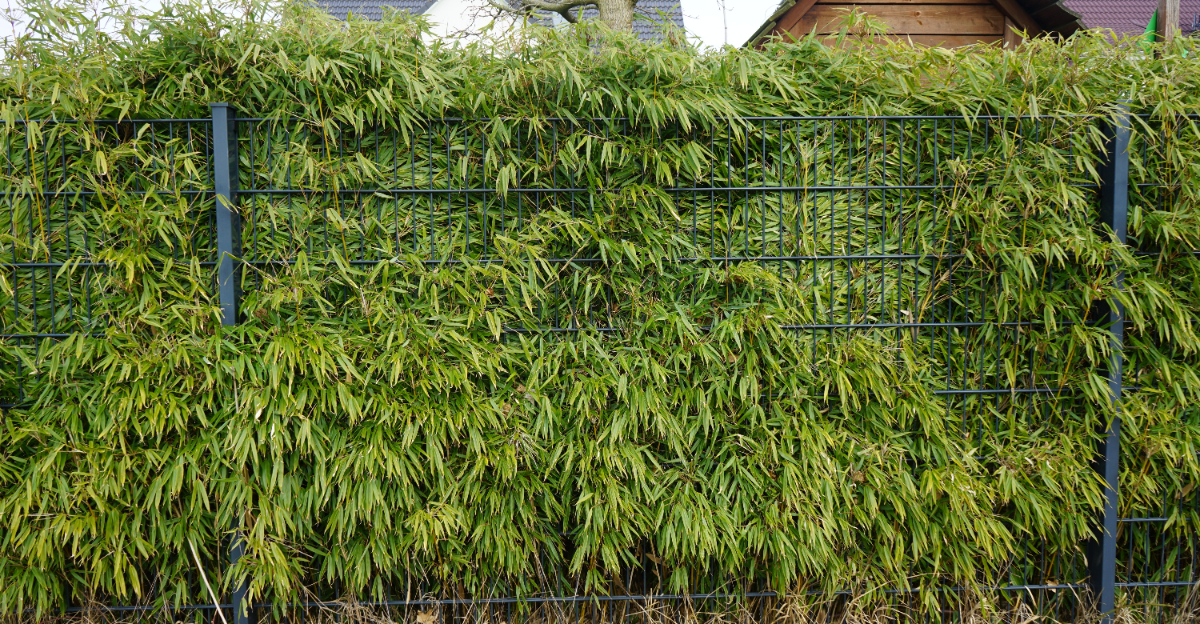
It photographs beautifully. Tall green stalks, a breezy tropical vibe, the kind of look that makes neighbors stop and stare over the fence.
But that same plant has a reputation among landscapers that rarely makes it into the catalog descriptions. What starts as one elegant clump can turn into a spreading problem that ignores property lines entirely.
In hot, dry climates especially, the underground behavior of this plant catches homeowners completely off guard. Roots travel further and faster than most people expect, showing up in places they were never invited.
That dreamy backyard vision comes with a catch most nurseries won’t mention upfront. Ignore it, and you could be paying for the consequences for years.
This Fast-Spreading Plant Causes Costly Damage
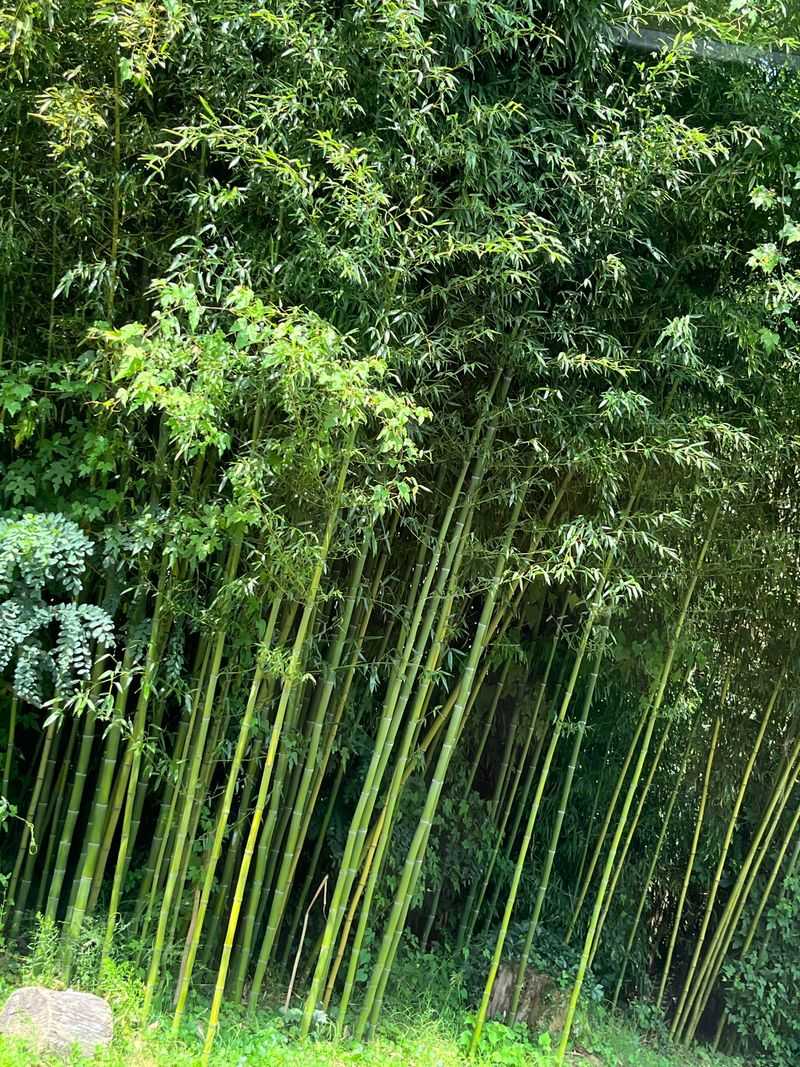
Bamboo does not grow quietly. It pushes forward with surprising speed.
Most homeowners plant one small clump and expect it to stay put. Within two to three seasons, that clump has tripled in size and crossed property lines.
Running bamboo, the most popular variety sold in garden centers, spreads through underground stems called rhizomes. It can travel several feet in a single growing season.
That means your charming garden feature can become a full-blown takeover before you even notice. Neighbors start calling, fences start lifting, and your weekend project turns into a months-long removal effort.
Nevada’s dry climate does not slow this plant down the way you might expect. Bamboo is surprisingly drought-tolerant once established.
It sends roots deeper to chase water, which makes it even harder to contain in sandy desert soil. The loose, dry ground actually makes spreading easier, not harder.
Some homeowners try to manage the spread themselves with shovels and weekend labor. But rhizomes buried inches below the surface are easy to miss and even easier to leave behind.
Homeowners in suburban Las Vegas and Reno have reported bamboo escaping raised beds, crossing concrete pathways, and emerging through gravel landscaping. The costs to fix these problems add up fast.
Landscaping professionals charge a wide range of fees for bamboo removal projects, depending on how far the spread has gone. Catching the problem early is the only way to keep those costs manageable.
Underground Rhizomes Travel Farther Than Expected
You cannot see the real problem with bamboo. It is all happening underground.
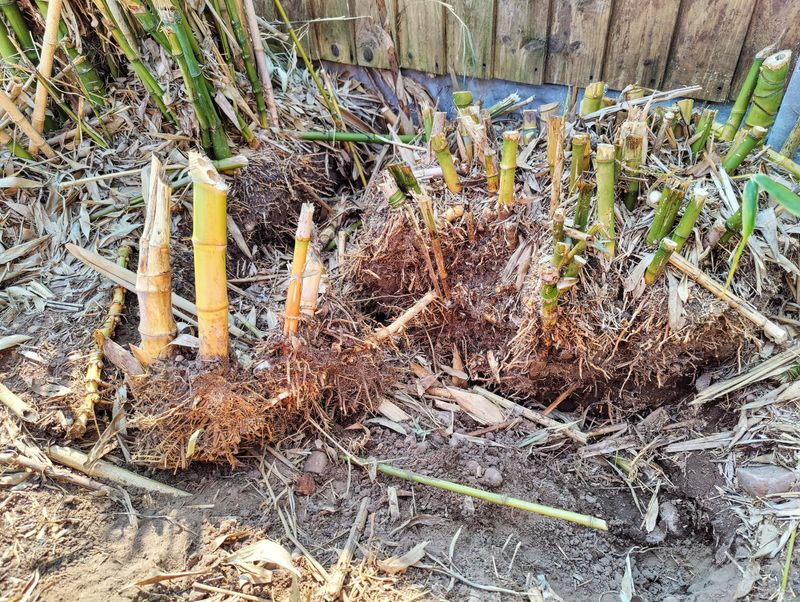
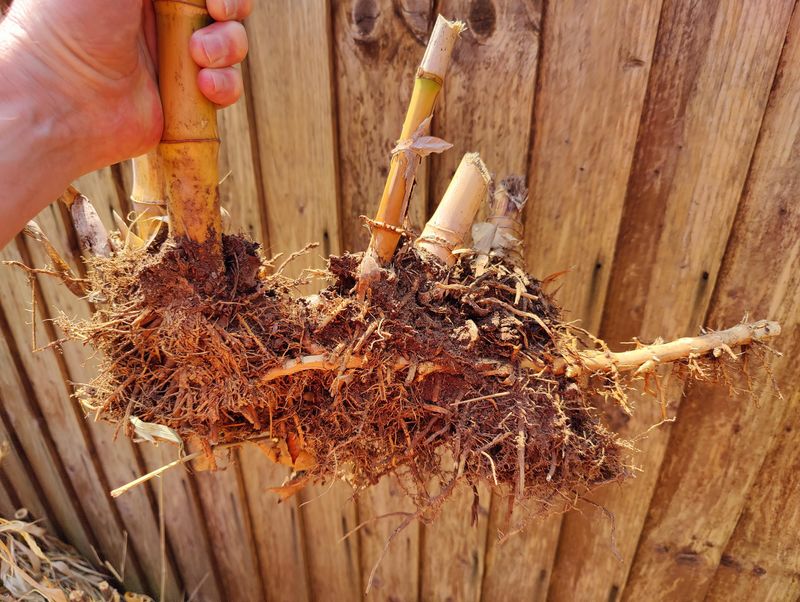
Rhizomes are horizontal stems that grow beneath the soil surface and shoot up new canes wherever they please. They are sneaky, fast, and relentless.
Most people picture roots growing straight down. Bamboo rhizomes grow sideways, sometimes just two to four inches below the surface, making them nearly impossible to track without digging.
A single rhizome can extend well beyond the parent plant in optimal conditions. Sandy Nevada soil offers very little resistance, so the spread can be even more extensive.
Gardeners who thought they had contained their bamboo with shallow edging were stunned to find new shoots popping up across the yard. Standard plastic garden borders do almost nothing to stop rhizome travel.
Experts recommend installing a solid root barrier at least 24 to 30 inches deep to have any real chance of containment. Even then, annual inspections are a must.
Your Nevada Garden Changes Every Week. Your Plan Should Too.
Gardening in Nevada changes quickly throughout the season. Every Friday you’ll receive a simple weekly plan showing exactly what to plant, prune, fertilize, harvest, and protect so you never miss the right timing.
Rhizomes also travel under concrete slabs, driveways, and sidewalks without breaking a sweat. They find the smallest crack or gap and push right through it.
Once they emerge on the other side, new canes appear seemingly overnight. Spotting a tiny bamboo shoot in an unexpected spot is your signal to act immediately before the situation escalates beyond a simple fix.
Bamboo Roots Crack Nearby Foundations
Foundations are supposed to be permanent. Bamboo has other ideas.
As rhizomes push outward, they follow the path of least resistance. Unfortunately, the gap between your soil and your home’s foundation is exactly that kind of path.
Once a rhizome reaches a foundation, it rarely stops on its own. It probes for cracks, joints, and any weak point in the concrete or block structure.
Over time, the pressure from growing rhizomes can widen existing cracks and create new ones. Water then seeps into those cracks, making the structural damage far worse during temperature swings.
Southern Nevada homes already deal with soil expansion and contraction from extreme heat. Adding aggressive rhizome pressure on top of that stress is a recipe for serious foundation trouble.
Foundation repair costs can climb into the tens of thousands depending on severity. Bamboo is rarely listed as the cause in insurance claims, leaving homeowners to foot the bill alone.
Structural engineers have flagged bamboo as a contributing factor in foundation damage during home inspections across the Southwest. Many buyers now specifically ask whether bamboo has ever been planted on a property.
Selling a home with a known bamboo history can complicate the process significantly. Protecting your foundation starts with keeping this popular plant far away from any structure on your lot.
Neighboring Properties Face Legal Disputes
Your bamboo, your problem. Or so the law tends to say.
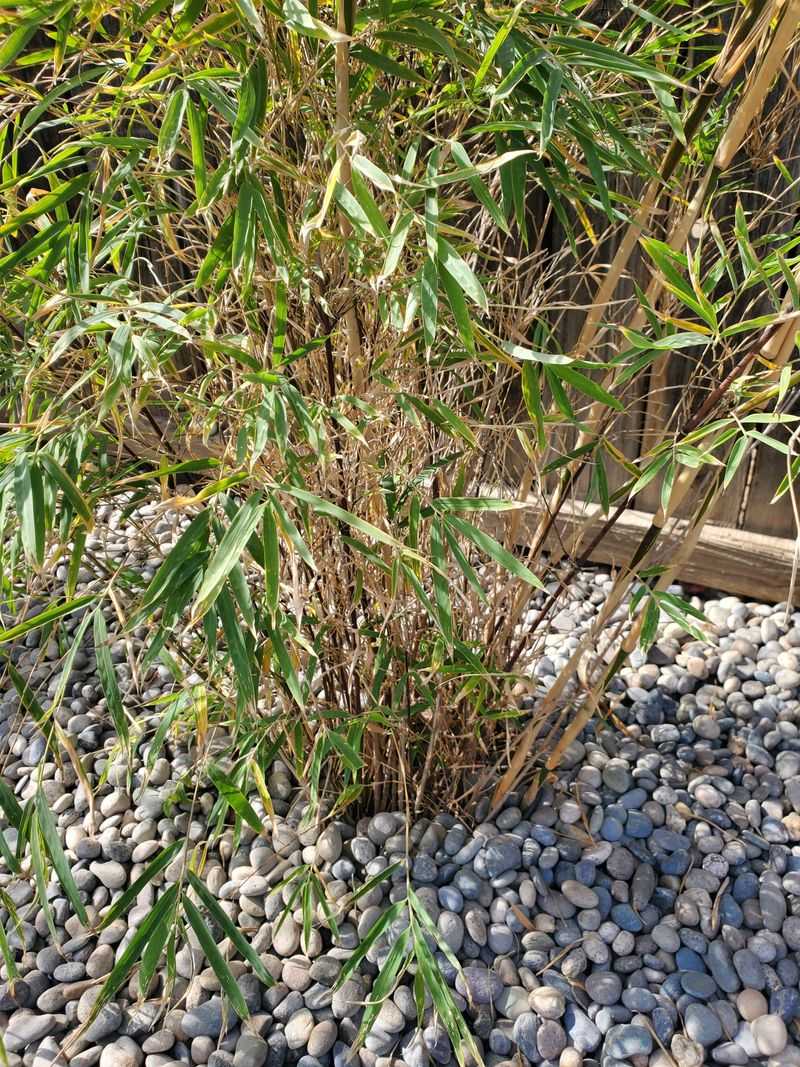
When bamboo crosses a property line and damages a neighbor’s yard, garden, or structure, the original planter is often held responsible. Legal cases involving bamboo have increased steadily across Western states.
Some counties in the region have begun drafting nuisance plant ordinances that specifically target invasive bamboo. Violating those rules can result in fines and mandatory removal orders.
Even without specific local laws, a neighbor can file a civil claim for property damage caused by your bamboo. Court costs, attorney fees, and remediation expenses can pile up quickly.
Homeowner associations in planned communities have also started adding bamboo restrictions to their bylaws. Getting caught planting a banned species can mean fines and forced removal at your own expense.
Disputes between neighbors over bamboo have strained relationships in suburbs across the country. What starts as a landscaping choice can turn into a years-long legal headache for everyone involved.
The best way to protect yourself legally is to choose non-invasive plants from the start. If bamboo is already in your yard, installing a deep root barrier and monitoring it obsessively can help reduce liability.
Talking openly with your neighbors about the plant is also a smart move. Transparency now can prevent a lawsuit later, and that conversation is a whole lot cheaper than a court date.
Removal Costs Escalate Once Established
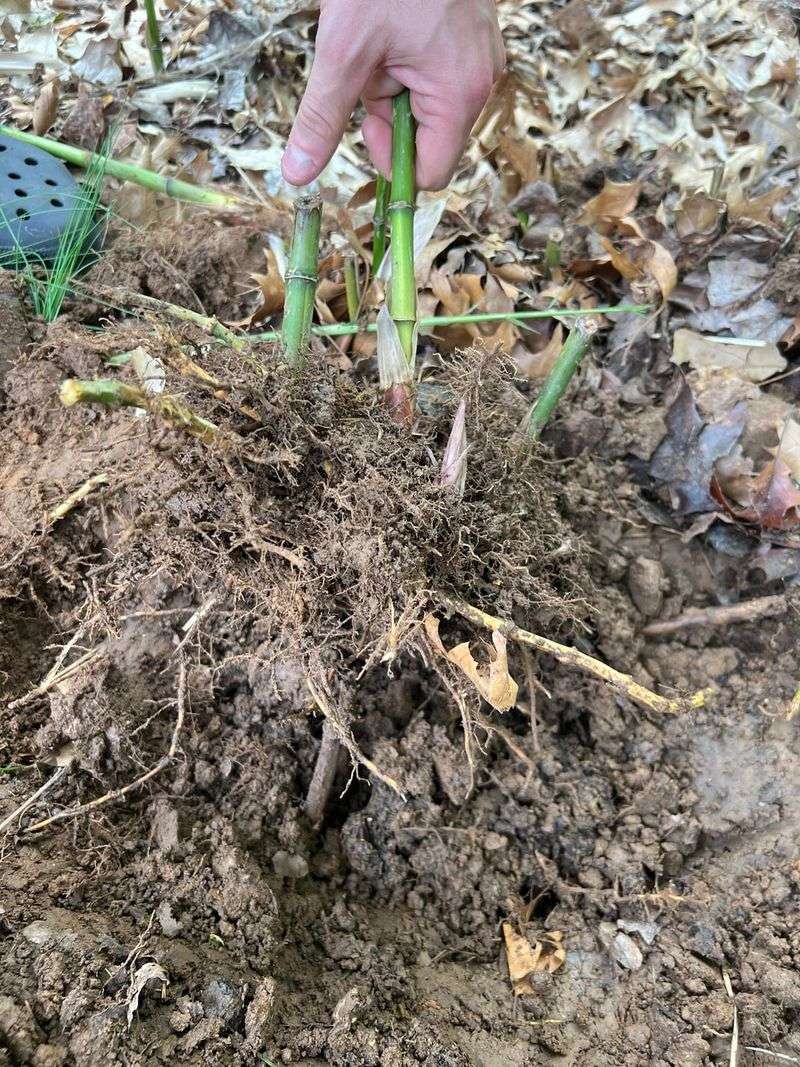
Getting rid of bamboo is not like pulling weeds. It is a full excavation project.
Once bamboo establishes itself in desert soil, the rhizome network becomes so dense that hand-pulling is nearly pointless. Professionals bring in heavy equipment to get the job done right.
Removing a mature bamboo stand can cost well into the thousands, depending on size and spread. That price climbs even higher if rhizomes have reached structures or utilities.
Even after a professional removal, follow-up treatments are required for months. Any rhizome fragment left in the ground can sprout a new plant and restart the whole cycle.
Herbicide treatments can help, but they require multiple applications over one to two years. Most effective options must be applied by licensed professionals, which adds to the overall cost.
Homeowners who try the DIY route often spend more money in the long run. Renting equipment, buying herbicides, and spending countless weekends on removal still rarely produces a complete result.
The longer bamboo stays in the ground, the more it costs to remove. A plant that seemed like a cheap nursery bargain can turn into a multi-thousand-dollar landscaping emergency within just a few years.
Acting at the first sign of spread is the smartest financial move a homeowner can make. Waiting even one more season gives those rhizomes more room to spread.
Safer Alternatives Offer Similar Garden Appeal
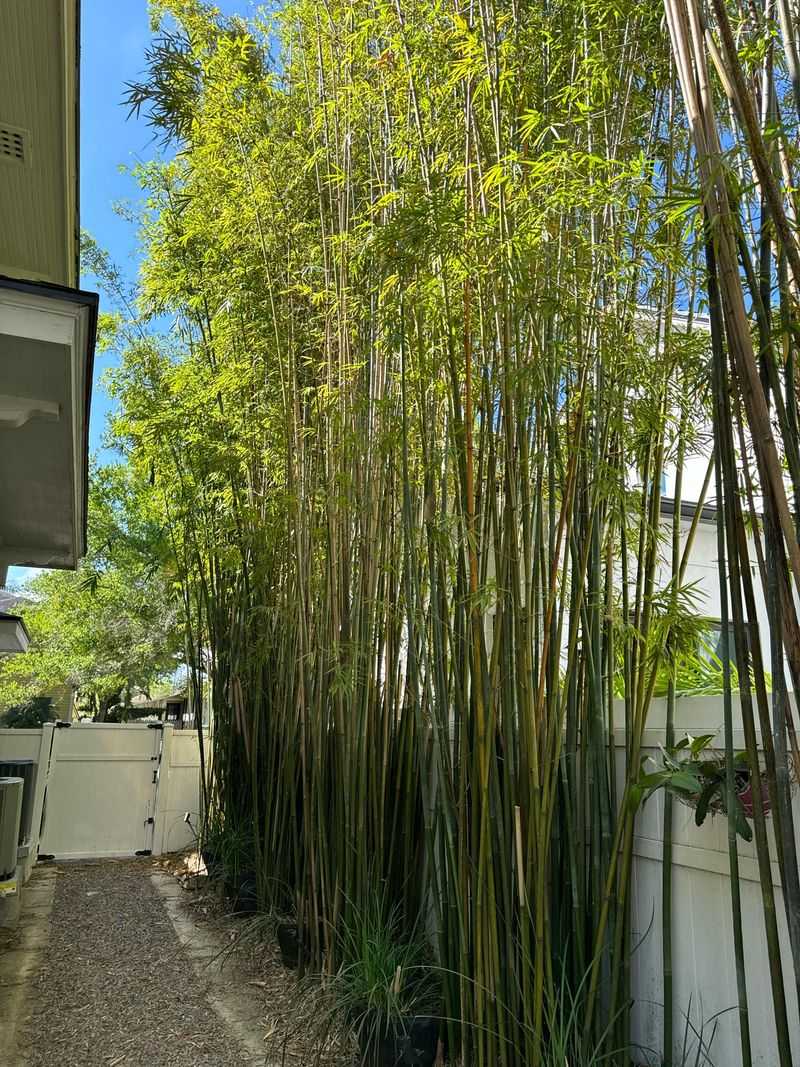
You do not have to sacrifice style to stay safe. Plenty of plants give you that tall, graceful, tropical look without the chaos.
Clumping bamboo varieties, such as Fargesia, stay in tight bundles and do not send out invasive rhizomes. They are a much smarter choice for homeowners who love the bamboo aesthetic but want to protect their property.
Ornamental grasses like Karl Foerster feather reed grass grow in neat clumps and sway beautifully in the breeze. They thrive in hot, dry climates and require very little water once established.
Desert willow is another stunning option for the Southwest. It produces showy trumpet-shaped blooms in pink and lavender and grows tall enough to create a real privacy screen.
Mexican feather grass adds a soft, wispy texture that mimics the look of bamboo from a distance. It is drought-tolerant, low-maintenance, and is far less likely to invade your neighbor’s yard.
Hesperaloe, also called red yucca, offers vertical drama with tall flower spikes that attract hummingbirds. It tolerates extreme heat exceptionally well and tends to stay right where you plant it.
All of these alternatives are available at local nurseries across the region and pair well with desert landscaping styles. They give you the beauty you want without the risk of costly damage.
Choosing the right plant from the start is the smartest investment any homeowner can make. Given everything above, this fast-spreader is simply not worth the trouble when so many better options exist.