The Right Way To Harvest Cilantro So It Lasts Longer In Nevada
Cilantro turns on you fast if you cut it wrong. Wilted leaves and bitter stems signal a mistake already made. Nevada sun moves this herb toward seed production almost overnight.
Heat like that forgives nothing and waits for nobody ever. Timing becomes everything once temperatures climb past comfortable ranges.
Cutting technique determines whether your plant regrows or stalls. Local growers in Nevada face a shorter window than most realize.
Storage mistakes afterward can undo even a careful harvest. Every stem you snip sends a signal to the roots. Wrong signals mean stunted growth and early bolting.
Right signals mean weeks of fresh, fragrant leaves ahead. Your technique matters more than luck or good soil. This plant is always working toward its next stage.
You decide whether that stage arrives quickly or slowly. Nothing about this process rewards guessing or hesitation. Master the next few details, and your cilantro won’t quit.
Why Harvesting Technique Affects Cilantro’s Lifespan
Most people treat cilantro like a salad bar. They grab what they need and walk away without thinking twice.
That casual approach is exactly why so many plants stop producing after just one or two cuts. The way you harvest directly signals the plant about what to do next.
When you cut carelessly, you stress the plant into a defensive growth response. Stress triggers bolting, which is when cilantro rushes to flower and seed instead of growing more leaves.
Bolted cilantro tastes bitter and leaf production drops fast, significantly reducing the plant’s overall yield.
Smart harvesting sends the opposite message. It tells the plant that it still has work to do, encouraging it to keep pushing out fresh, tender growth. Think of it like pruning a rosebush. Strategic cuts lead to more blooms, not fewer.
The right way to harvest cilantro so it lasts longer means treating every cut like a decision, not a reflex. Each snip shapes what the plant does next.
Nevada’s hot, dry climate already puts cilantro under pressure. Poor harvesting technique adds unnecessary strain on top of that environmental stress.
Roots work overtime in sandy Nevada soil just to keep the plant hydrated. Adding harvest stress on top makes the plant give up sooner.
Learning proper technique is the single biggest shift you can make. Everything else builds on this foundation.
The Best Time Of Day To Cut Cilantro
Timing is everything with cilantro, and most gardeners get it wrong. Cutting at the wrong hour can leave you with limp, flavorless stems before you even reach the kitchen.
Early morning is the sweet spot for harvesting. Plants are fully hydrated after the cool night, and their essential oils are at peak concentration before the sun burns them off.
In Nevada, afternoon temperatures can soar past 100 degrees in summer. Cutting cilantro during that heat window means the stems are already stressed and losing moisture fast.
Morning-cut cilantro holds its texture and aroma far longer after harvest. You will notice the difference the moment you smell a freshly cut morning stem versus an afternoon one.
Your Nevada Garden Changes Every Week. Your Plan Should Too.
Gardening in Nevada changes quickly throughout the season. Every Friday you’ll receive a simple weekly plan showing exactly what to plant, prune, fertilize, harvest, and protect so you never miss the right timing.
Aim to harvest in the early morning hours whenever possible. That window gives you the best flavor and the most resilient stems for storage.
If morning is not an option, early evening after the heat breaks works as a solid backup. Avoid midday cuts entirely during Nevada’s peak summer months.
Wet stems are also a concern regardless of timing. Always let morning dew dry off the leaves before you cut, since moisture speeds up decay in stored herbs.
A dry, cool stem stores better and stays fresh longer in your refrigerator. That small detail makes a noticeable difference over several days.
Pairing the right time of day with the right technique doubles your results. Your cilantro will taste brighter and last significantly longer after every harvest.
Cutting From The Outside Versus The Center
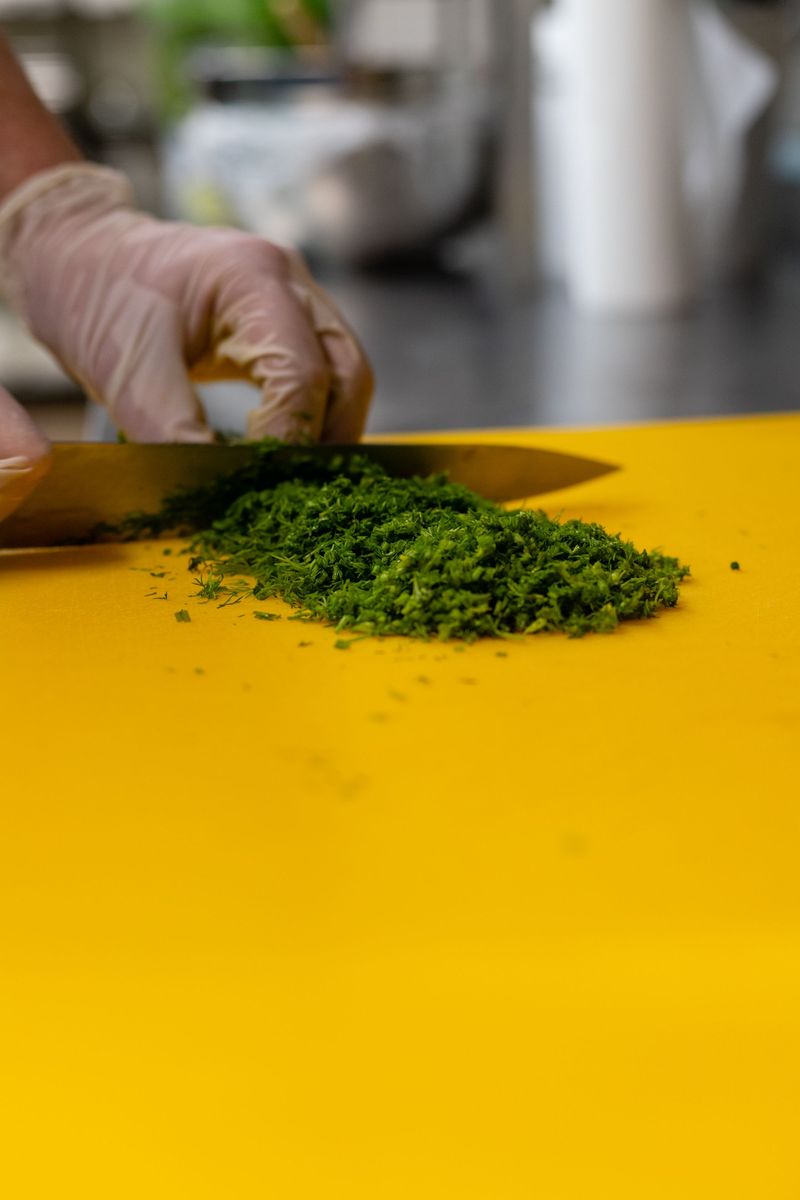
Picture a clock face on your cilantro plant. The outer ring is where you should always cut first, and the center is where you should never cut at all.
Outer stems are the oldest growth on the plant. Removing them first gives the younger inner leaves room and energy to grow outward and fill in fast.
Cutting from the center is one of the most common and damaging mistakes home gardeners make. The center of a cilantro plant holds the main growing point, called the apical meristem.
Damage that central growing point and the plant loses its main source of new growth. Always cut outer stems down to about one-third of their total length. Leave enough stem so the plant can still photosynthesize and fuel new growth from below.
Never strip a plant completely bare in one session. Removing more than one-third of the total plant at once sends it into shock.
Think of it like a haircut. A trim keeps things tidy and encourages growth, but shaving everything off sets you back weeks.
Outer-first cutting also improves airflow through the plant. Better airflow reduces the chance of mold or fungal issues, which Nevada’s monsoon season can occasionally trigger.
With consistent outer cutting, a single cilantro plant can often produce harvestable leaves for several additional weeks compared to one that gets randomly clipped. That kind of longevity is worth a little extra attention.
How Often You Can Harvest Without Weakening The Plant
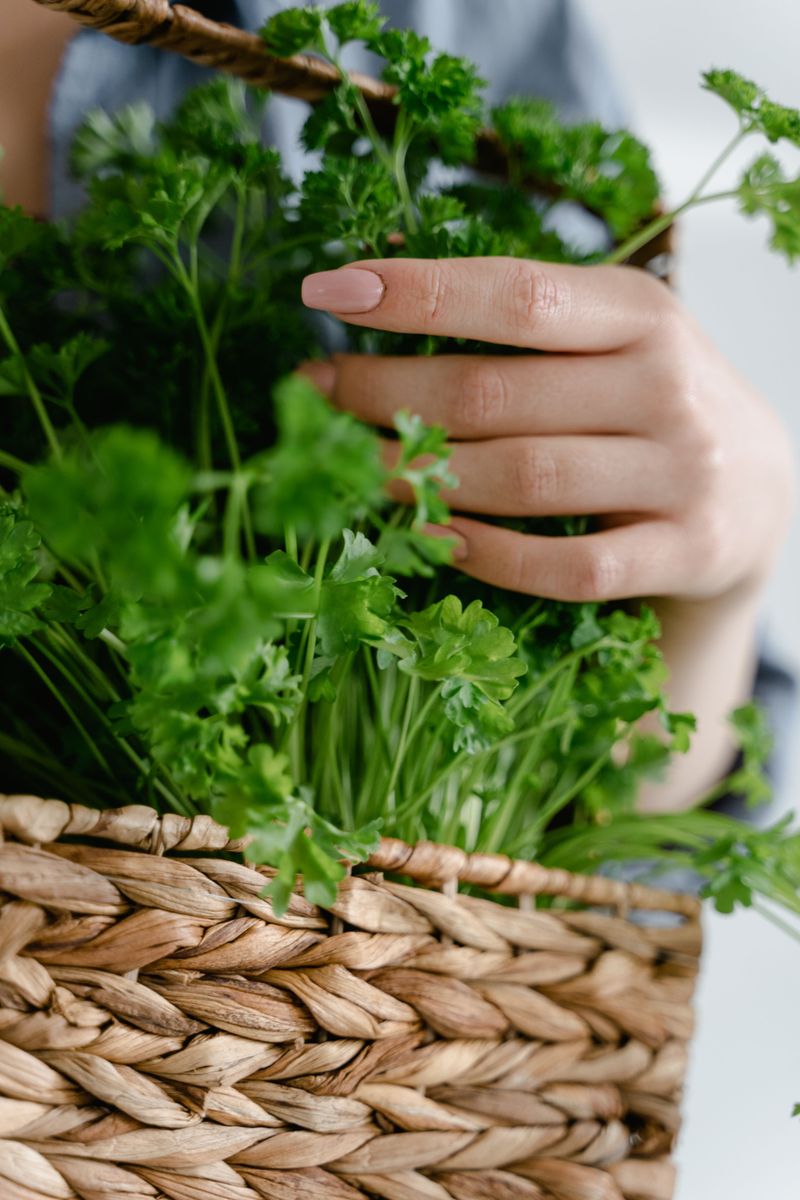
Cilantro is generous, but it has limits. Push it too hard and it throws up a flower stalk instead of fresh leaves, which signals that the plant is ending leaf production.
A good rule of thumb is harvesting every seven to ten days during active growing periods. That interval gives the plant enough recovery time to push out a fresh flush of leaves.
In Nevada’s warmer months, growth slows and the plant needs a little more time between cuts. Stretching to twelve days in peak summer heat keeps the plant from burning out.
During cooler months, like fall or early spring in southern Nevada, cilantro grows faster. You might be able to harvest every five to six days without stressing the plant at all.
Pay attention to what the plant tells you. If new growth looks thin or pale after a harvest, give it a few extra days before cutting again.
Healthy new growth should look deep green and sturdy. Pale or yellowish new leaves signal that the plant needs more recovery time and possibly a light feeding.
A diluted liquid fertilizer every two weeks supports faster regrowth between harvests. Look for a balanced formula with equal nitrogen, phosphorus, and potassium for the best results.
Consistency matters more than frequency. Regular, thoughtful harvests on a schedule keep the plant in a productive rhythm rather than a constant state of recovery.
Respect the plant’s pace and it will reward you with weeks of steady, flavorful growth you can count on.
Storage Tips That Extend Cilantro’s Freshness
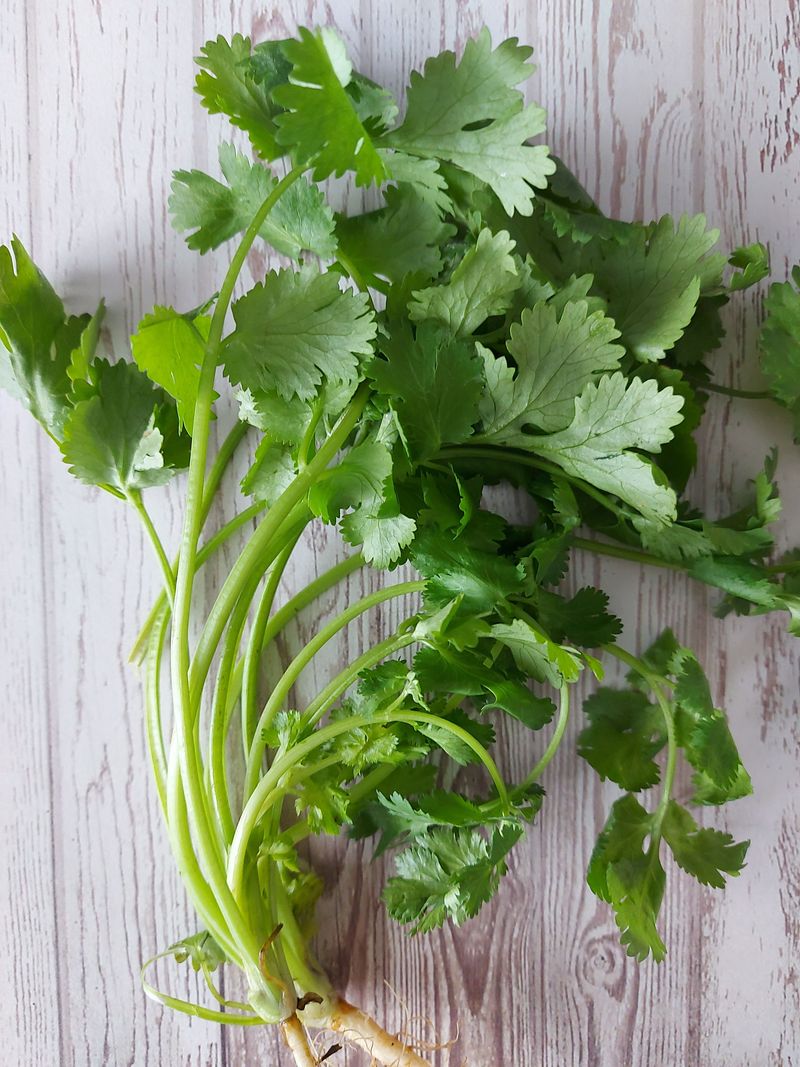
You did everything right in the garden, but freshness begins declining as soon as cilantro is cut. Proper storage is what separates a week of fresh flavor from a quick decline in quality.
Treat cut cilantro like a bouquet of flowers. Trim about half an inch off the bottom of the stems and place them upright in a glass with an inch of cool water.
Cover the leaves loosely with a plastic bag and set the whole setup in the refrigerator. This method can help keep cilantro fresh for up to two weeks under ideal conditions.
Change the water every two to three days to prevent bacterial buildup. Fresh water keeps the stems hydrated and delays yellowing significantly.
Never store cilantro near ethylene-producing fruits like apples or bananas. Ethylene gas speeds up ripening and causes herbs to break down much faster than normal.
If refrigerator space is tight, wrapping the stems in a slightly damp paper towel works as a solid alternative. Seal the wrapped bundle in a zip-top bag for extra protection.
Avoid washing cilantro before storing it. Moisture on the leaves accelerates decay, so always wash just before use instead.
For longer preservation, cilantro can be frozen in ice cube trays with a little olive oil or water. Frozen cubes drop straight into soups and sauces without any prep work needed.
Great storage habits protect every bit of effort you put into smart harvesting. Fresh cilantro on demand is absolutely worth the extra two minutes of care.
Common Harvesting Mistakes That Shorten Its Life
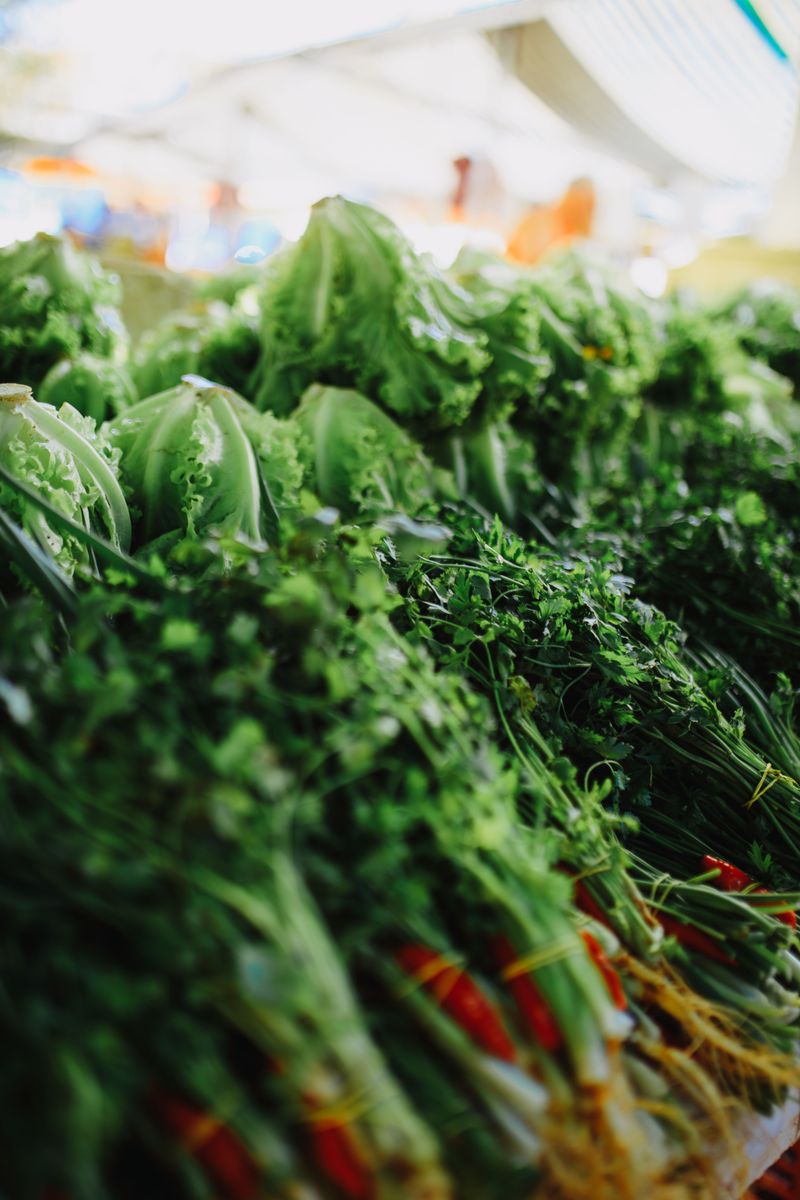
Even experienced gardeners make harvesting errors that can significantly weaken a healthy cilantro plant. Knowing what not to do is just as powerful as knowing the right moves.
Pulling stems instead of cutting them is mistake number one. Yanking damages the root system and creates open wounds that invite pests and disease into the plant base.
Always use clean, sharp scissors or pruning snips. Dull blades crush the stem instead of slicing it cleanly, which slows healing and increases the risk of pests and disease at the plant base.
Harvesting after the plant has already started to bolt is another common error. Once you see tall, thin flower stalks forming, the flavor quality declines noticeably.
Catching bolting early makes a difference. Pinching off flower buds as soon as they appear can buy you another week or two of leaf production before the plant fully gives up.
Neglecting to check for pests before harvesting is also a problem many gardeners overlook. Aphids and spider mites thrive in Nevada’s dry conditions and can weaken a plant faster than poor technique.
Inspect the undersides of leaves before every harvest. Catching an infestation early keeps the plant strong enough to keep producing after you cut.
Skipping fertilization between harvests is the final mistake that quietly shortens a plant’s productive life. Each harvest removes nutrients along with the leaves.
The right way to harvest cilantro so it lasts longer means avoiding these pitfalls consistently. Fix the mistakes, and your plant will surprise you with how long it keeps going.