This Blue-Tailed Lizard Is Showing Up More In Arkansas Gardens This Summer
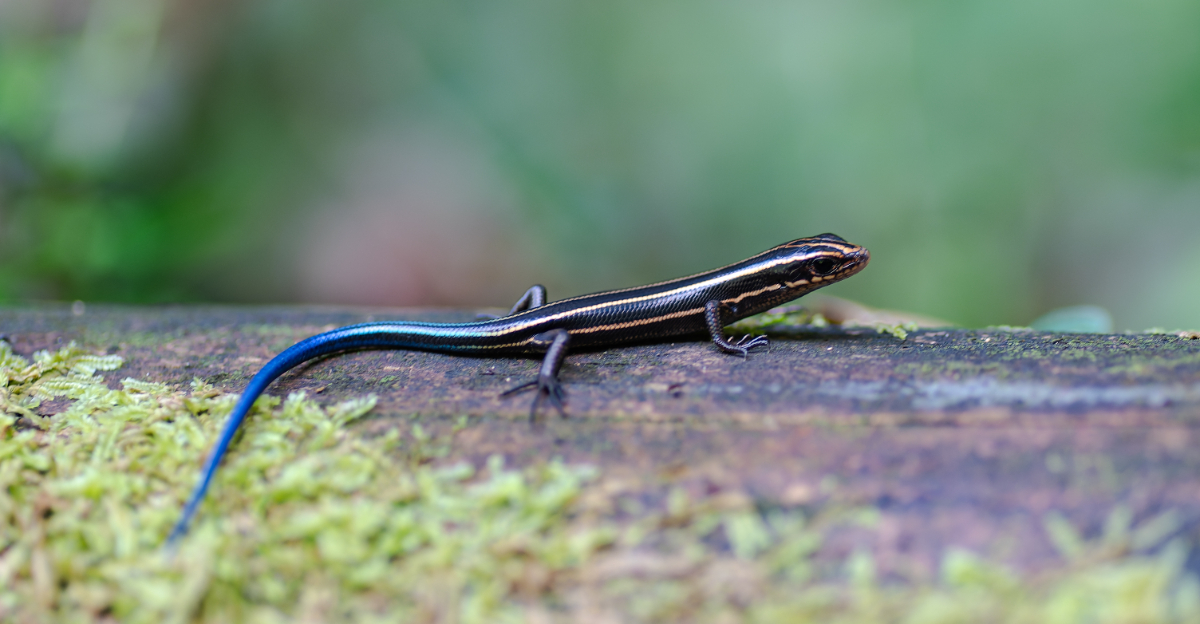
A flash of electric blue just shot past your foot. Blink and it disappears before you register the color. Arkansas is hosting a curious guest in your garden this summer. Cobalt tails flicker beneath your pots, mulch, and porch steps.
Chances are you’ve already spotted this creature without knowing what it was. Skinks aren’t new, yet this shade feels unfamiliar to you. Curiosity spikes the instant you spot that glowing tail.
Neighbors keep texting you photos, convinced they found something exotic. Gardens across Arkansas have quietly become your backyard reptile stage. Nobody guessed your tomatoes might attract a bonus tenant.
Questions pile up fast for you: is it venomous, is it rare. Answers exist, but most guesses online won’t satisfy you. Concern isn’t necessary, though your fascination absolutely is.
Every sighting you personally log carries a surprisingly specific story. You won’t glance at a garden rock the same way again.
What Is The Blue-Tailed Skink
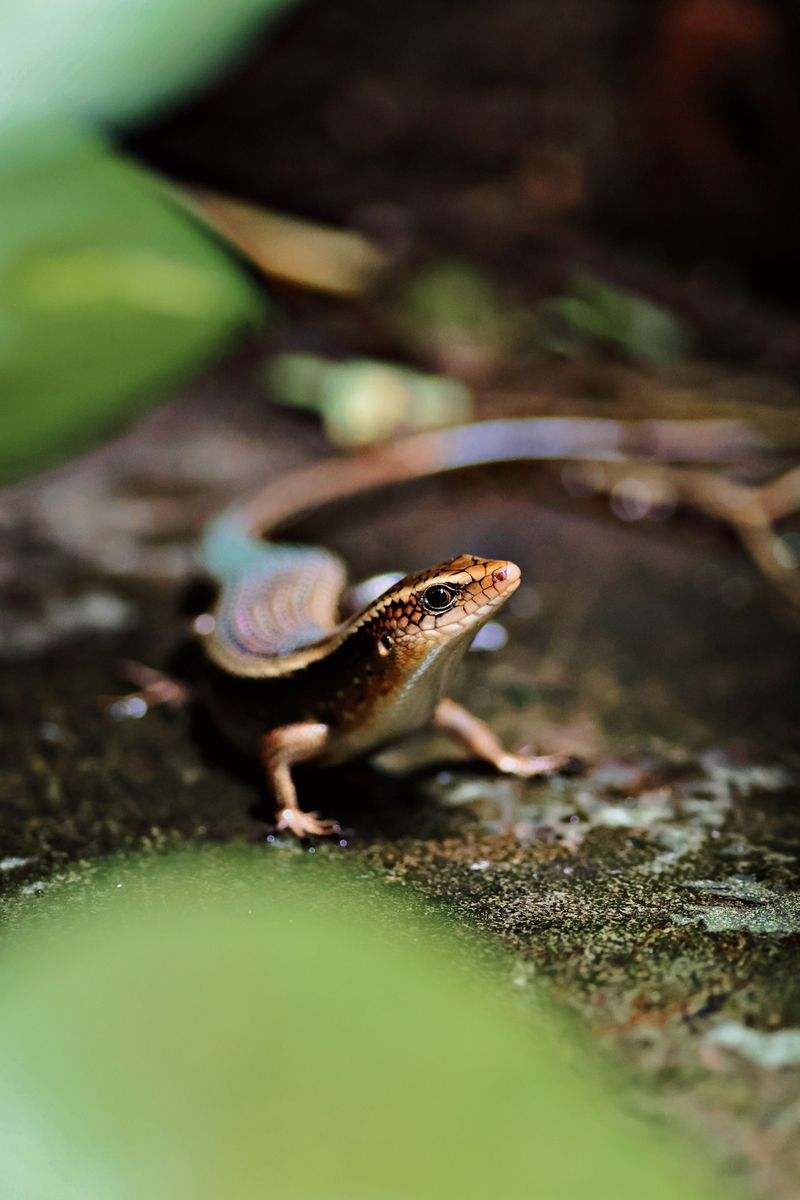
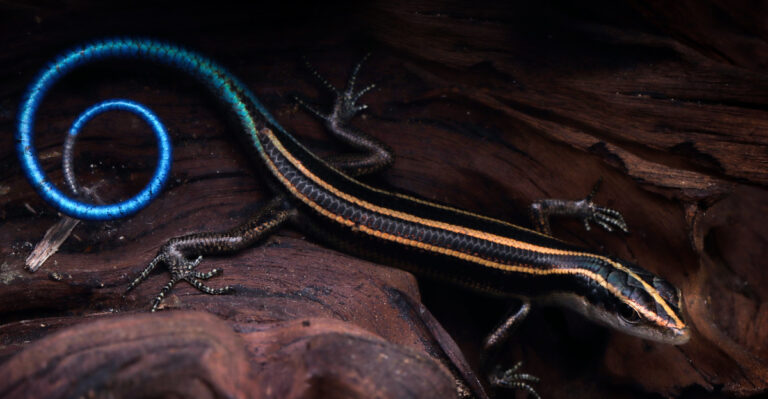
Picture a lizard with a hue so vivid it looks almost artificial. The blue-tailed skink is a commonly recognized reptile in North America, and its tail color is notably vivid up close.
Scientifically called Plestiodon fasciatus, this species is also known as the five-lined skink. Five pale stripes run from nose to tail along a dark brown or black body.
Young skinks have the most vivid blue tails, which can fade to gray or brown as they age. Males often develop reddish-orange heads during breeding season, adding even more color to the mix.
Adults typically grow between five and eight inches long, including the tail. They move fast and low to the ground, which makes them easy to miss unless you are watching closely.
The blue-tailed skink has smooth, shiny scales that almost look wet in sunlight. That glossy appearance often tricks people into thinking they spotted something exotic or unusual.
These lizards are native to a wide stretch of eastern North America. Arkansas sits right in the heart of their natural range, so spotting one here is completely normal and expected.
They are cold-blooded, meaning they rely on sunlight to regulate body temperature. You will most often see them basking on warm rocks, wood piles, or garden borders on sunny mornings.
Why Sightings Are Increasing This Summer
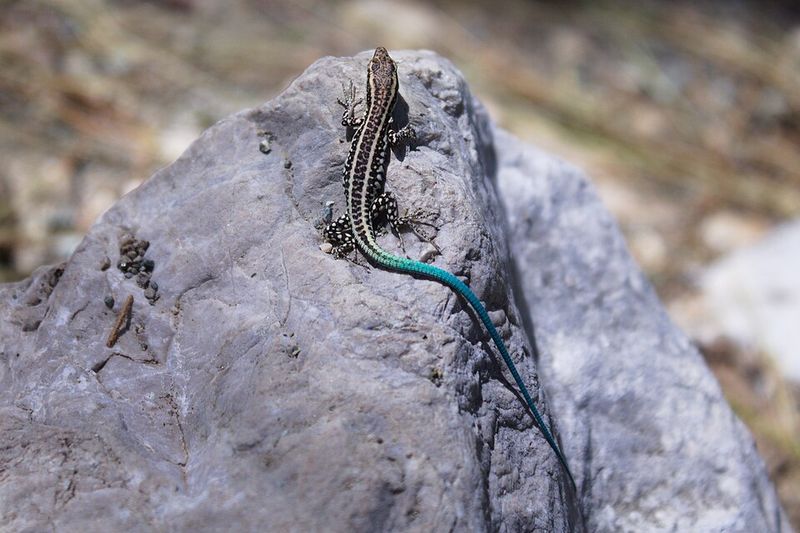
Several factors may explain this season’s increased activity, and gardeners across the state are noticing it. Anecdotal reports and local gardening groups suggest blue-tailed skink sightings may be increasing in residential yards throughout Arkansas this summer.
One possible reason is the weather pattern. A wetter spring than usual can create ideal conditions for insects, which are the skink’s primary food source.
More bugs mean more food, and more food means skinks can thrive and reproduce in greater numbers. A healthy prey base pushes lizard populations to expand into new territories, including suburban gardens.
Habitat loss in surrounding natural areas also plays a role. As wooded land gets cleared for development, skinks relocate to the nearest suitable spot, which is often a well-planted backyard.
Your Arkansas Garden Changes Every Week. Your Plan Should Too.
Gardening in Arkansas changes quickly throughout the season. Every Friday you’ll receive a simple weekly plan showing exactly what to plant, prune, fertilize, harvest, and protect so you never miss the right timing.
Home gardens offer everything a skink could want: shelter, warmth, moisture, and plenty of insects hiding under leaves and mulch. Your carefully tended yard may actually be a suitable habitat for these reptiles.
Milder winters, when they occur, can also allow more juveniles to survive into adulthood. A larger surviving population naturally leads to more visible activity come summer.
Increased awareness also matters here. Social media posts and local news coverage have made more people notice and report skink sightings they might have previously ignored. The lizards were always around, but now people are actually looking for them.
Local wildlife officials note that without formal population surveys, it’s difficult to confirm whether numbers have truly grown or whether awareness has simply caught up.
Where These Lizards Like To Hide
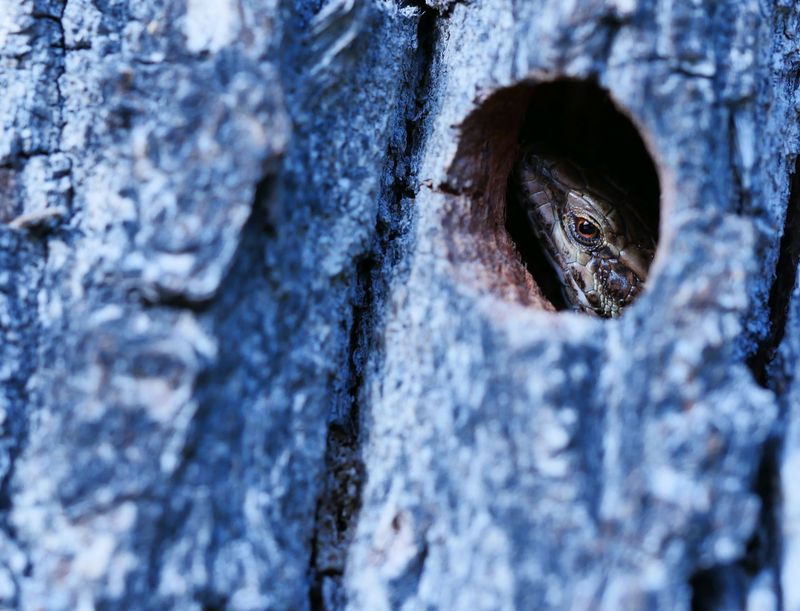
If you want to find a skink, start by thinking like one. These lizards are expert hiders, and they choose their spots with impressive precision.
Rotting logs and fallen branches are top-tier hiding spots for skinks. The soft, decaying wood hosts a buffet of beetles, grubs, and other insects they love to eat.
Stacked firewood near a house is another favorite location. The gaps between logs create a perfect labyrinth of warm, sheltered tunnels that feel safe and secure.
Rock piles and retaining walls also attract skinks because stone absorbs heat efficiently. A sun-warmed flat rock is an ideal spot for a cold-blooded reptile to regulate its body temperature.
Mulched garden beds are prime territory too. Thick layers of wood chip mulch stay moist underneath, which encourages earthworms and bugs that skinks actively hunt.
You might also spot one near compost bins or leaf piles along fence lines. These spots stay humid and full of decomposing organic matter, which supports the insect life skinks depend on.
Dense ground cover plants like hostas, liriope, or low-growing junipers create a canopy close to the soil. Skinks love moving beneath that kind of low cover where predators cannot easily spot them.
Check under clay flower pots, garden stepping stones, and landscape timbers too. Anywhere that offers shade, warmth, and proximity to insects is worth a second look during summer months.
Are They Dangerous To Gardens Or People
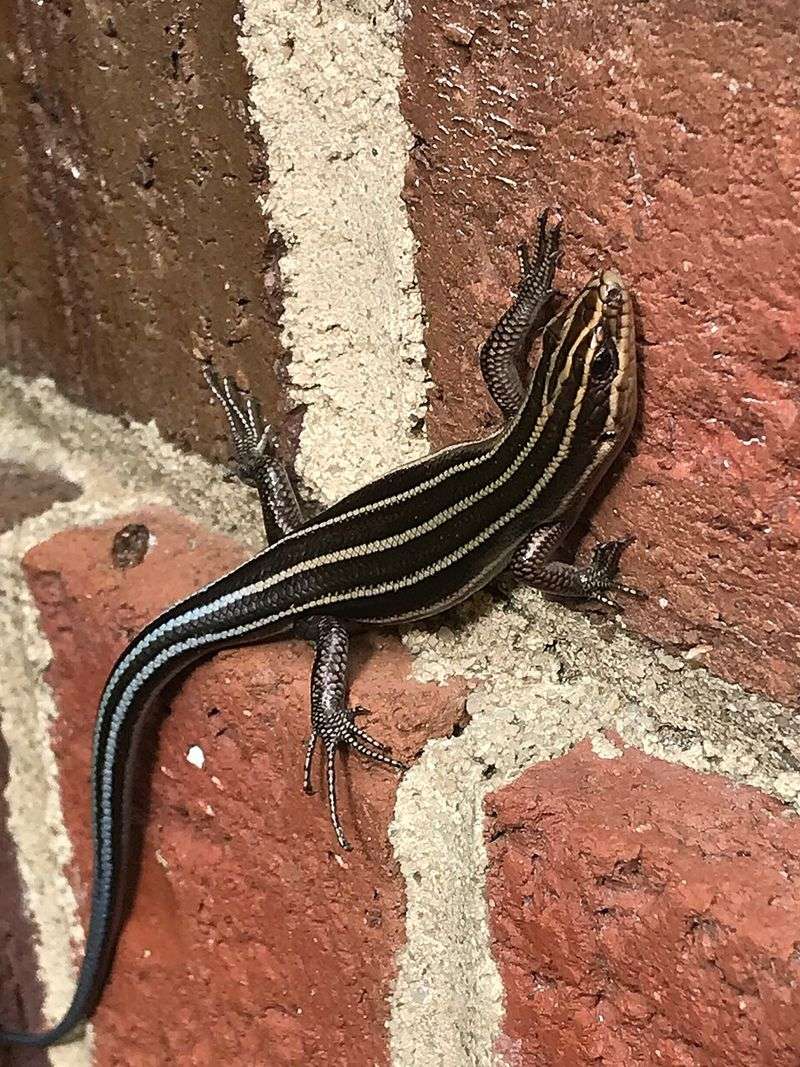
To clarify: skinks are not dangerous. Not to your garden, not to your pets in any serious way, and certainly not to you.
Many people mistake them for snakes at first glance because of their speed and low profile. Once you get a good look at those legs, the confusion usually clears up fast.
Skinks do not eat plants, so your vegetables and flowers are completely safe. Their diet consists almost entirely of insects, spiders, small worms, and the occasional slug.
That insect-eating habit makes them beneficial to have in a garden. Skinks feed on insects regularly, making them a natural, low-effort form of pest control in the garden.
Some people worry about skinks around young children. A skink might bite if grabbed or cornered, but the bite is minor and not venomous in any way.
Cats sometimes catch skinks, and dogs may chase them out of curiosity. The lizard’s detachable tail is a clever defense trick that lets it escape while the predator is distracted.
The dropped tail wiggles on its own for a short time, drawing attention away from the escaping lizard. A new tail grows back, though it is usually a slightly different color than the original.
Skinks pose no threat to structural elements of your garden either. They do not burrow deeply enough to disturb roots or undermine raised beds.
Signs Your Yard Attracts Skinks
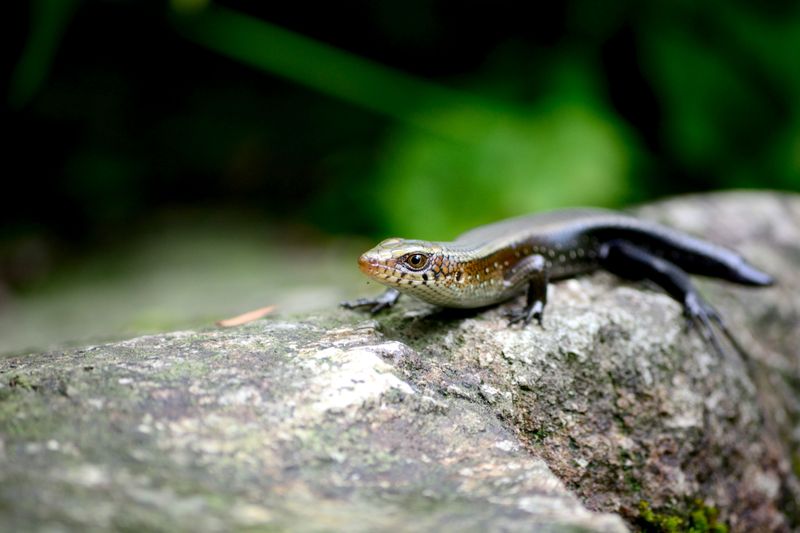
Not every yard gets skink visitors, but certain features make a garden practically irresistible to them. Knowing what draws them in helps you understand why they keep showing up.
A yard with dense, established plantings is a strong signal. Skinks prefer areas with layered vegetation that provides ground-level coverage and a diverse insect population underneath.
If you use organic mulch in your garden beds, that is a major attraction factor. Wood chip and bark mulch stays moist and breaks down slowly, creating ideal conditions for the bugs skinks hunt.
Rock borders, flagstone paths, and stacked stone walls are another green flag for skinks. These features absorb solar heat and provide narrow crevices perfect for resting and hiding between feeding sessions.
A nearby water source like a birdbath, pond, or drip irrigation system also helps. Skinks need access to moisture, especially during hot summer stretches when the soil dries out quickly.
Compost bins are a major draw because decomposing material generates heat and attracts an enormous variety of invertebrates. Compost areas provide skinks with a rich, reliable source of food.
Old lumber, broken clay pots, or unused garden equipment left on the ground also invite skinks to settle in. Clutter at ground level creates exactly the kind of sheltered microhabitat they prefer.
If you have spotted shed skin, small claw marks in soft soil, or fast-moving shadows near your beds, a resident skink has likely already claimed your yard as home territory.
Tips For Coexisting With Garden Skinks
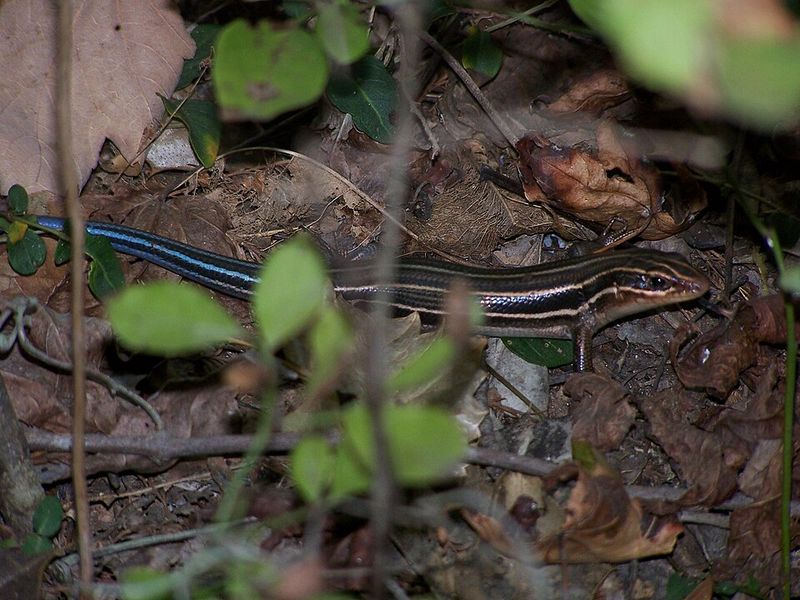
Once you know skinks are harmless helpers, the next step is making peace with your new garden neighbors. A few small adjustments can make coexistence easy and even rewarding.
Start by resisting the urge to relocate or remove them. Skinks are territorial and thrive best in familiar environments, so moving them usually causes more stress than it solves.
Leave a small section of your yard a little wild and untidy on purpose. A loose pile of leaves or a stack of flat stones near a garden edge gives skinks a safe retreat spot.
Place a shallow dish of fresh water near your garden border during hot months. Hydration matters to skinks just as much as food, and a reliable water source encourages them to stick around.
Reduce or limit pesticide use in areas where skinks are active. Chemicals that target insects also remove the food supply skinks depend on, and some pesticides can harm reptiles directly.
If you find a skink inside your garage or shed, simply open a door or window and give it space. Skinks tend to move toward light, which may help them find their way out, though checking on them is still a good idea.
Teach children to observe skinks from a distance rather than trying to catch them. Handling causes stress to the animal and increases the chance of a defensive bite that nobody wants.
Living alongside the blue-tailed skink is straightforward once you understand their behavior. These small, fast reptiles are doing your garden a quiet favor every single day.