Arkansas Gardeners Should Do These 8 Things When Their Tomatoes Begin To Flower
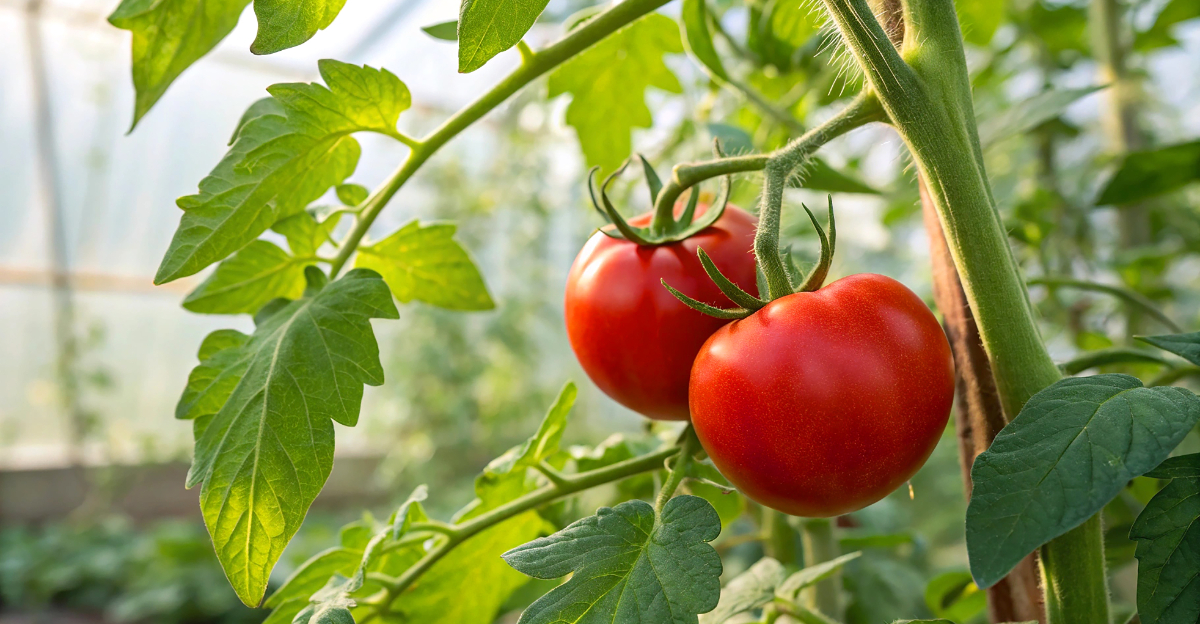
Those small yellow blooms are not just pretty. They are the moment your entire growing season pivots, and every decision you make from here will either push your plants toward a full harvest or quietly work against you.
Arkansas summers are punishing, and flowering tomatoes are at their most vulnerable. Too much heat, uneven watering, or the wrong fertilizer at this exact stage can quietly derail a harvest that looked promising just weeks before.
Most gardeners coast through this window without realizing how much it costs them come harvest time. These eight steps are what separate a tomato plant loaded with fruit from one that looked promising in June and fizzled out by August.
Pay attention now, and your plants will deliver exactly what you planted them for.
1. Switch From Nitrogen-Heavy Fertilizer To A Phosphorus-Rich Blend
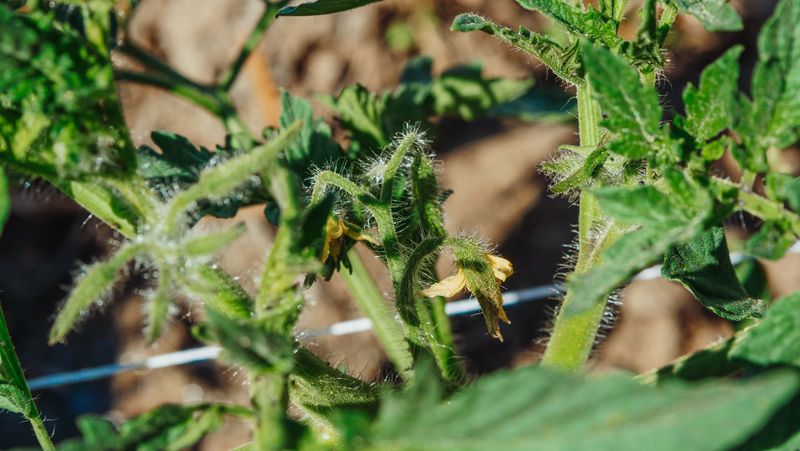
You have been feeding your tomatoes nitrogen all spring, and it worked great. But once those flowers open, too much nitrogen can work against fruit production.
Nitrogen pushes leafy green growth, which is exactly what you want early on. At the flowering stage, though, your plants need phosphorus to set fruit and develop strong roots.
Switch to a fertilizer labeled with a higher middle number, like a 5-10-10 or 4-12-6 blend. That middle number is the phosphorus content, and it tells you everything.
Tomatoes that receive too much nitrogen often grow big and bushy but produce fewer fruits than expected. The blooms may even drop off before they can develop.
Look for tomato-specific fertilizers at your local garden center, since they are already balanced for the flowering stage. Bone meal is another great natural option that delivers slow-release phosphorus.
Apply according to the package directions, and avoid over-fertilizing since that can stress the plant just as much as under-feeding. Less is often more when it comes to nutrients during this phase.
Arkansas gardeners dealing with heavy clay soils should also check their pH levels. Phosphorus becomes unavailable to plants when soil pH is off, so a quick soil test can save you a lot of frustration.
Getting your fertilizer right at this stage sets the foundation for everything else. Your plants are working hard, so give them exactly what they need now.
2. Water Your Tomatoes Deeply And Consistently At This Stage
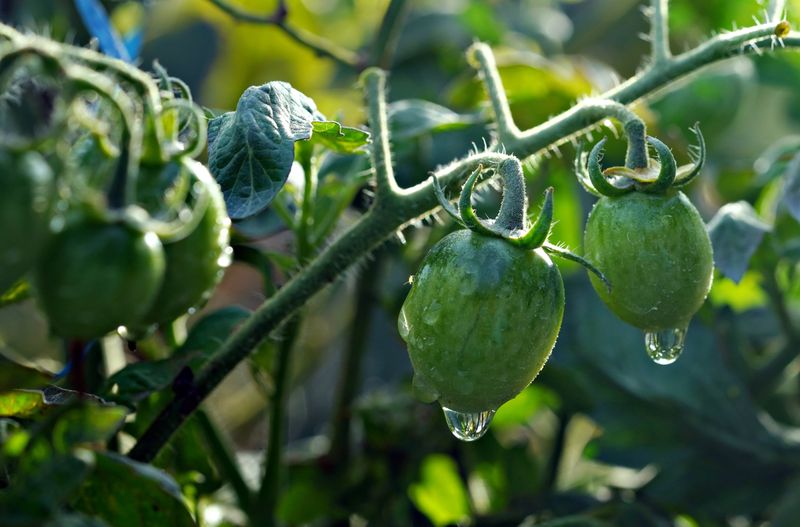
Inconsistent watering is one of the most common causes of problems during the flowering stage. When flowers appear, your plants are thirstier than ever and need a steady supply.
Shallow, frequent watering encourages roots to stay near the surface. Deep, consistent watering trains roots to go down where the moisture lasts longer.
Aim for about one to two inches of water per week, depending on how hot it gets. During Arkansas July heat, you may need to water more often than that.
The best time to water is early morning, before the sun gets intense. This gives foliage time to dry off, which reduces the chance of fungal problems spreading through your plants.
Your Arkansas Garden Changes Every Week. Your Plan Should Too.
Gardening in Arkansas changes quickly throughout the season. Every Friday you’ll receive a simple weekly plan showing exactly what to plant, prune, fertilize, harvest, and protect so you never miss the right timing.
Avoid watering from overhead once flowers are present. Watering from overhead can disturb blooms and add unnecessary moisture to flowers that are trying to set.
Use a drip system or soaker hose to deliver moisture right to the root zone. This method is both efficient and gentle on your plants during a sensitive growth phase.
One major issue linked to uneven watering is blossom end rot, a condition where the bottom of the tomato turns black and leathery. Keeping soil moisture steady prevents this frustrating problem.
Stick your finger two inches into the soil near the plant base. If it feels dry at that depth, it is time to water again and keep that momentum going.
3. Help Your Tomato Plants Pollinate More Effectively
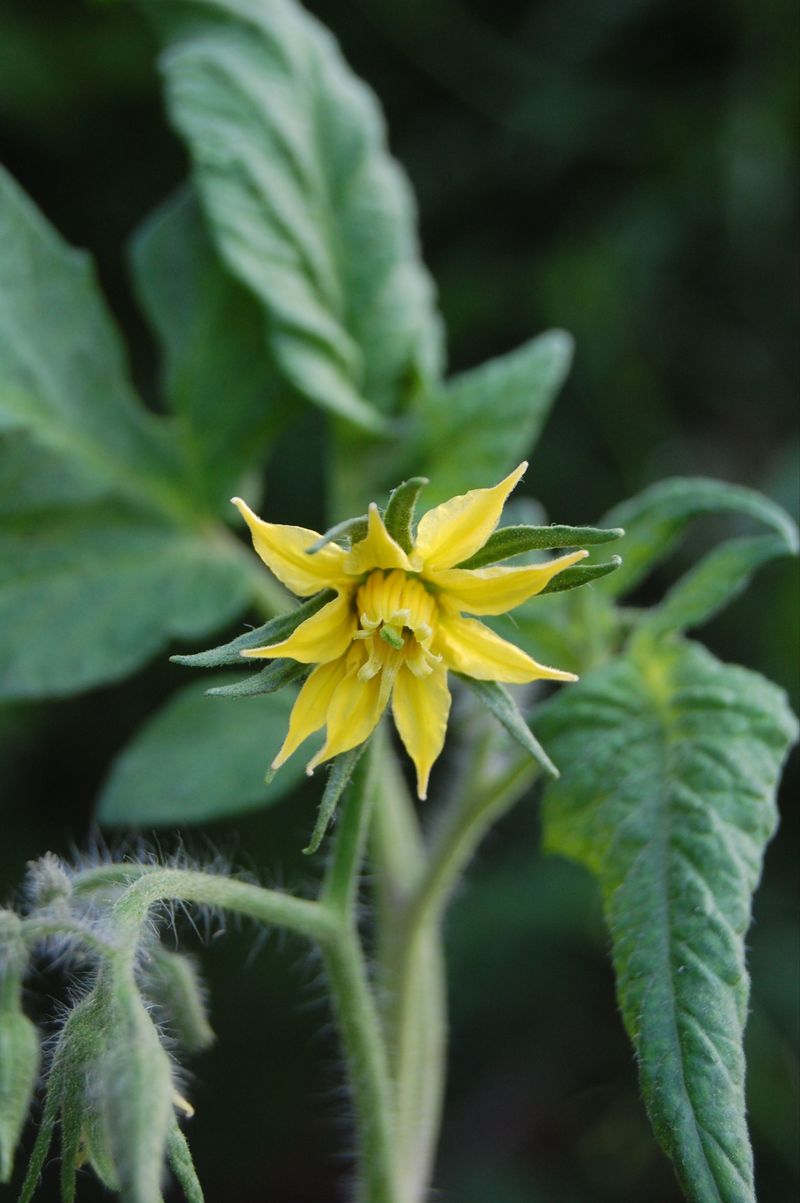
Tomatoes are self-pollinating, which sounds like they handle everything on their own. But they still need a little help to release pollen from their flowers.
In nature, wind and buzzing bees do the job well. In a sheltered backyard garden or a greenhouse, that natural movement is often missing.
A simple trick is to gently shake your tomato plants for a few seconds each day. You can also tap the flowering stems lightly with your finger or a pencil.
This vibration mimics what a bumblebee does when it buzzes against a flower, a process called buzz pollination. It shakes loose the pollen and helps it reach the right spot inside the bloom.
If you want to go a step further, use an electric toothbrush held against the flower stem. The vibration is surprisingly effective and takes only seconds per plant.
Encourage pollinators to visit your garden by planting flowers nearby. Basil, marigolds, and zinnias are all great companions that attract bees and other helpful insects.
Avoid spraying pesticides during the morning hours when pollinators are most active. Even organic sprays can harm beneficial insects if applied at the wrong time.
Good pollination means more fruits set per plant, which is the whole goal. A few seconds of gentle shaking each day can add dozens of tomatoes to your harvest by season end.
4. Remove Suckers So Your Plants Focus Energy On Fruit
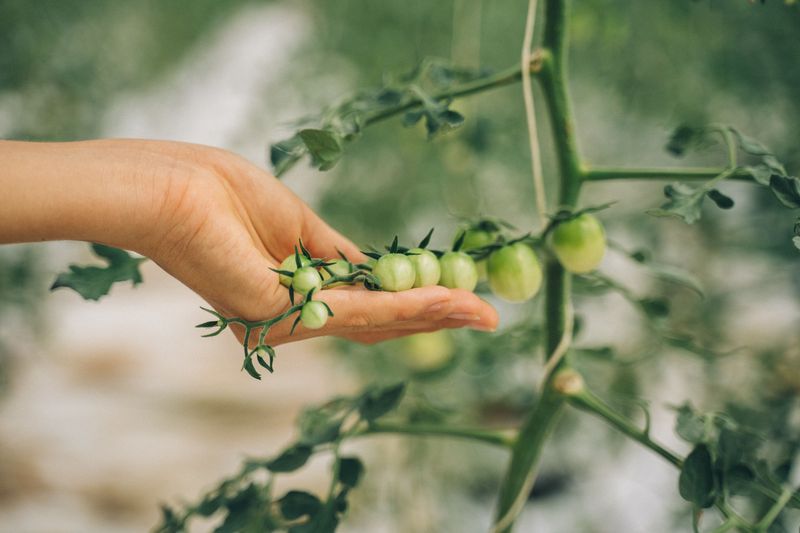
Suckers are sneaky little shoots that grow in the V-shaped joint between the main stem and a branch. Left unchecked, they redirect the plant’s energy away from fruit production.
When your plants start flowering, sucker removal becomes especially important. Every bit of energy counts when the plant is trying to set and develop tomatoes.
Pinch off suckers when they are small, ideally under two inches long. At that size, you can snap them off cleanly with your fingers and the wound heals quickly.
Larger suckers should be cut with clean pruning shears rather than torn off. Tearing can damage the main stem and create an entry point for disease.
For indeterminate tomato varieties, which keep growing all season, you will want to remove suckers regularly throughout the summer. Determinate types are more compact and need less pruning overall.
Not sure which type you have? Check your seed packet or plant tag for the variety name and look it up quickly online. Knowing your variety helps you prune smarter.
Sucker removal feels counterintuitive at first since you are essentially removing growth. But fewer branches means bigger, better tomatoes on the ones that remain, and that is always the goal.
5. Add Mulch Around The Base To Lock In Moisture
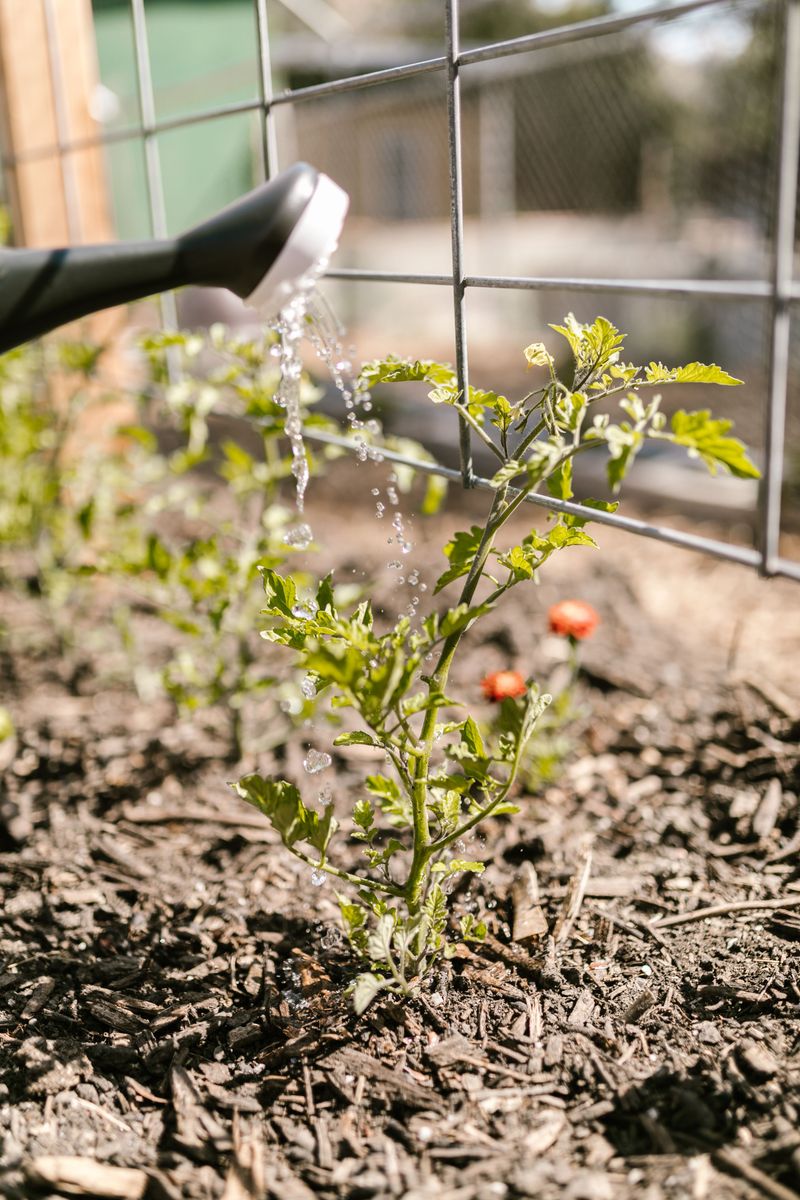
Bare soil in an Arkansas summer loses moisture at a shocking rate. A good layer of mulch around your tomatoes can change everything about how your plants perform.
Mulch acts as a blanket over the soil, slowing evaporation and keeping roots cool. Cooler roots mean a less stressed plant, and less stress means more fruit.
Apply two to three inches of mulch around the base of each plant. Keep it a few inches away from the stem itself to prevent rot and disease at the base.
Straw is one of the most popular mulch options for tomato gardeners. It is affordable, easy to find, and breaks down slowly enough to last through the season.
Shredded leaves, wood chips, and grass clippings also work well. Each option has its own benefits, so use whatever you have available in your yard or nearby.
Beyond moisture retention, mulch also suppresses weeds that compete with your tomatoes for nutrients. Fewer weeds means less time pulling and more time enjoying your garden.
Another bonus is that mulch reduces soil splash when it rains. Splash carries soil-borne diseases up onto the lower leaves, so keeping that moisture contained protects your plants.
If you have not mulched yet, do it today before the next heat wave hits. Your tomatoes will respond quickly, and you will notice healthier, more productive plants within just a week.
6. Protect Your Plants From Arkansas Summer Heat
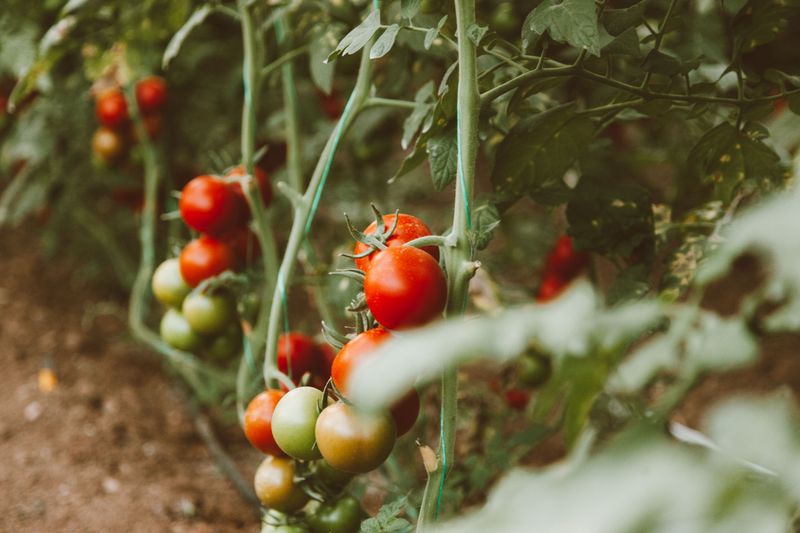
Arkansas summers can hit triple digits, and tomato flowers do not handle that kind of heat well at all. When daytime temperatures climb above 95 degrees Fahrenheit and nights stay above 75 degrees, blooms often drop before they can set fruit.
This is called heat-induced blossom drop, and it is one of the most frustrating problems for Southern gardeners. The good news is that you can take steps to reduce the damage.
Shade cloth is one of the best tools available for summer protection. A 30 to 40 percent shade cloth draped over your plants during the hottest hours can lower leaf temperature significantly.
Set it up between noon and four in the afternoon when the sun is at its most intense. Morning and evening light are gentler and still give your plants the energy they need.
Deep watering also helps plants handle heat stress better. A well-hydrated plant can regulate its temperature more effectively than a thirsty one trying to survive the afternoon sun.
Avoid pruning heavily during a heat wave since leaves also provide shade for the fruit and lower stems. Keeping some extra foliage on during extreme heat is actually a smart protective move.
Planting heat-tolerant tomato varieties is a long-term strategy worth considering for next season. Varieties like Solar Fire and Heatmaster are specifically bred for hot Southern climates.
Your plants can bounce back after a heat wave if they are well-supported. Stay consistent with your care routine, and do not give up when the forecast looks brutal.
7. Check For Pests More Frequently Once Flowers Appear
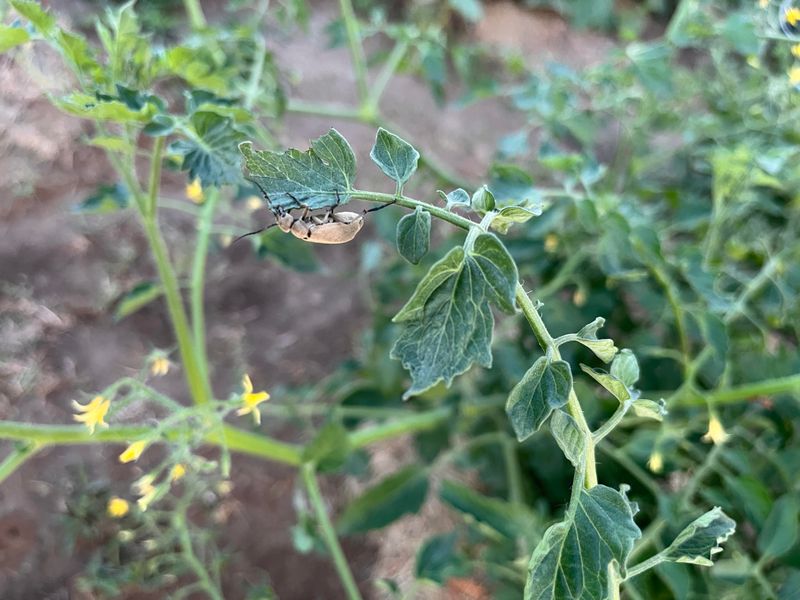
Flowering tomatoes are like a dinner bell for garden pests. The blooms attract new insects, and some of those insects are not the helpful kind.
Hornworms, aphids, stink bugs, and spider mites are the most common troublemakers for tomato growers across the South. Each one does different damage and needs a different response.
Start checking your plants every two to three days once flowering begins. Look under leaves, along stems, and inside the blooms themselves for any signs of activity.
Hornworms are large green caterpillars that can strip a plant of leaves overnight. They are hard to spot because they blend in perfectly with the foliage, so look for dark droppings on leaves as a clue.
Aphids cluster on new growth and under leaves, sucking sap and leaving behind a sticky residue. A strong blast of water from a hose knocks them off and disrupts their feeding quickly.
Stink bugs pierce the fruit and leave corky, discolored patches inside the tomato. Hand-picking them in the early morning when they are slow is one of the most effective ways to control them.
Neem oil spray is a versatile organic option that works on many soft-bodied pests. Apply it in the evening to avoid harming pollinators that visit your flowers during the day.
Catching pest problems early keeps them from becoming full infestations. A few minutes of inspection every couple of days protects weeks of hard work in the garden.
8. Make Sure Your Stakes and Cages Are Secure Before Fruits Form
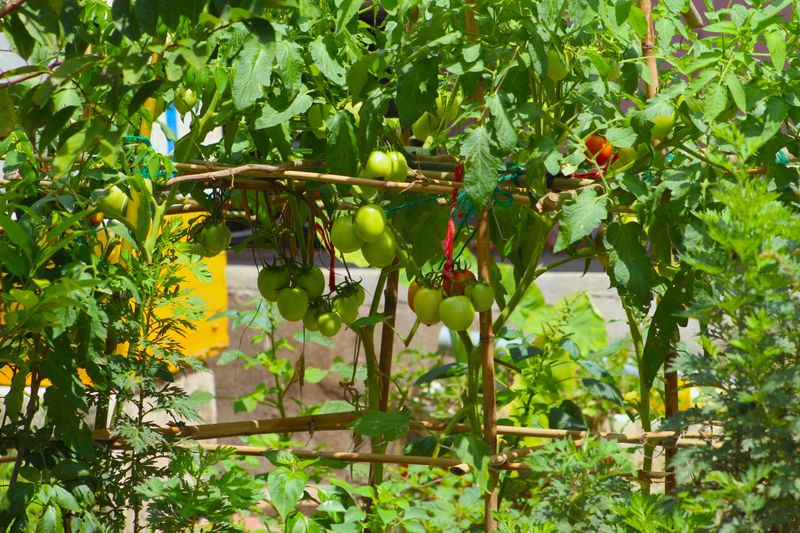
A tomato plant loaded with fruit is a heavy plant. If your support system is not solid before that weight arrives, you are going to have a real mess on your hands.
Once flowers open and begin setting fruit, the plant shifts from light and manageable to top-heavy fast. Checking your stakes and cages now prevents broken branches and lost tomatoes later.
Push stakes deeper into the ground if they feel wobbly when you tug them. Loose stakes in soft summer soil can topple an entire plant during a summer storm or heavy rain.
Tomato cages sold at big box stores are often too flimsy for large indeterminate varieties. Consider upgrading to heavy-gauge wire cages or building your own from concrete reinforcing mesh for stronger support.
Use soft plant ties, strips of fabric, or garden velcro to secure stems to stakes. Avoid using wire or tight string directly against stems since these can cut into the plant as it grows.
Check each tie point as the plant grows taller and add new ones every six to eight inches up the stem. This distributes the weight evenly and keeps the plant upright through any weather.
Arkansas is no stranger to summer thunderstorms, and a strong wind gust can snap an unsupported stem in seconds. Taking ten minutes now to reinforce your supports is worth every bit of the effort.
When your Arkansas tomatoes are climbing high and heavy with fruit, solid support is what keeps the harvest coming. Secure those stakes today and protect everything you have worked for this season.