The September Lawn Mistake That Leaves Georgia Grass Weak All Winter
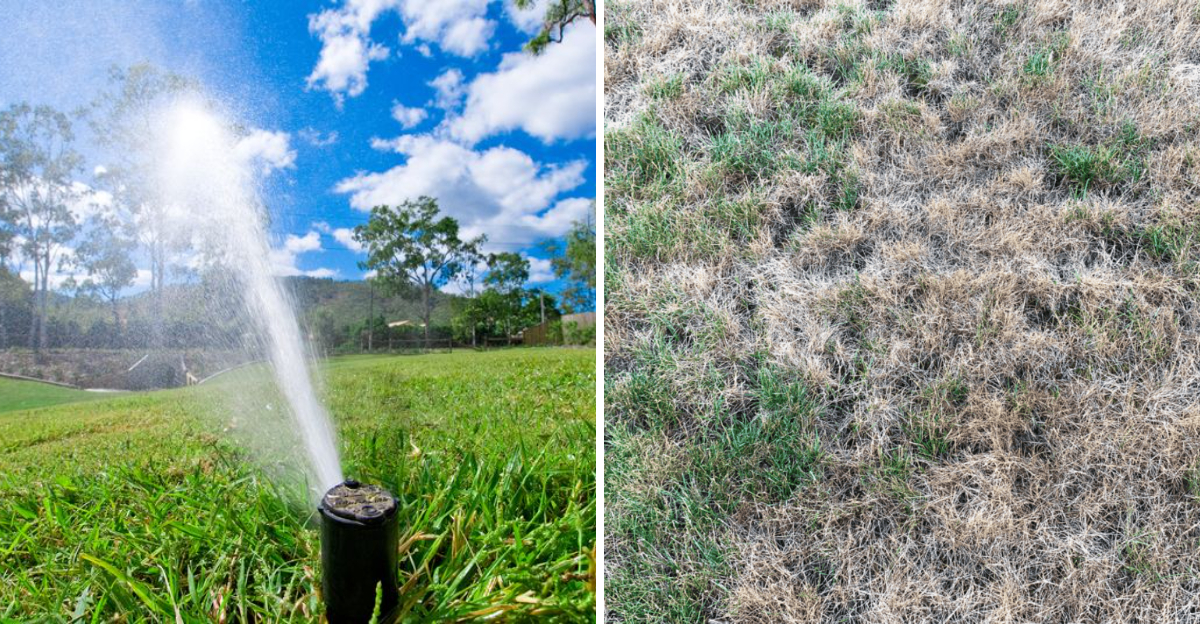
September lawn care decisions can shape how your grass handles the colder months ahead. A mistake made during this transition period may not show problems right away, but the effects can appear later.
Many homeowners focus on keeping lawns green without considering what the grass needs before winter arrives. Timing and technique both matter when preparing a yard for seasonal changes.
Do not rush through late-season lawn care without understanding what your grass is experiencing. Small choices now can influence strength and appearance when warmer weather returns.
Georgia lawns face unique seasonal challenges that make fall preparation important. Knowing what to avoid can help protect the turf you worked hard to grow.
One simple adjustment can make a noticeable difference before winter sets in.
1. Cutting Grass Too Short Weakens Every Blade
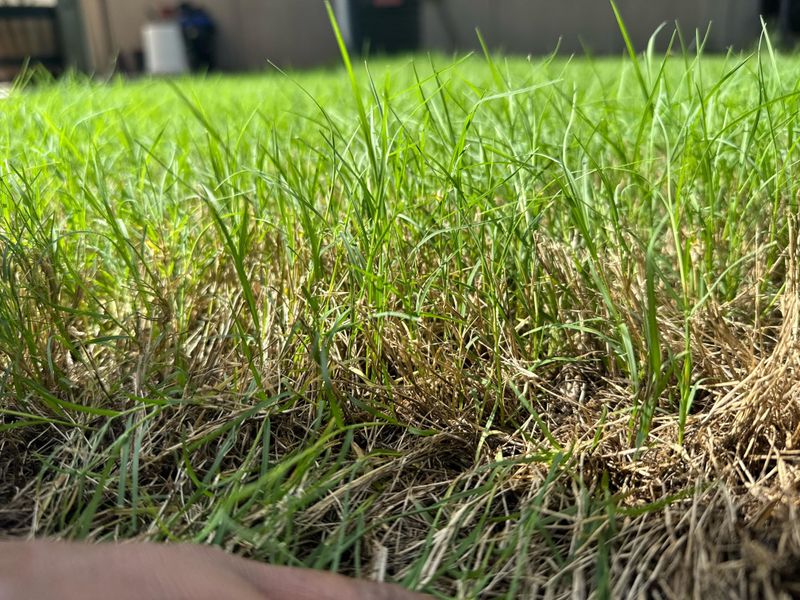
Scalping your lawn in September is one of the fastest ways to stress warm-season grass heading into cooler months. When grass is cut too low, it loses the leaf surface it needs to absorb sunlight.
Less sunlight means less energy stored in the roots.
Warm-season grasses like Bermuda and Zoysia rely on stored energy to survive winter dormancy. Cutting them too short before dormancy reduces that energy reserve.
Roots go into the cold season already running on empty.
A good rule of thumb is to avoid dropping below the recommended height for your specific grass type. Bermuda typically handles a cut around one inch, but going lower than that in fall can cause real problems.
Zoysia prefers to stay closer to two inches heading into winter.
Short grass also dries out faster. Less blade length means less shade over the soil, which increases moisture loss during dry September stretches.
Dry, short grass is more vulnerable to temperature swings.
Cutting frequency matters too. Mowing every five to seven days at the right height keeps grass healthy without shocking it.
Skipping weeks and then cutting hard is harder on the lawn than regular, moderate trims.
2. Proper Mowing Height Protects Grass Before Winter
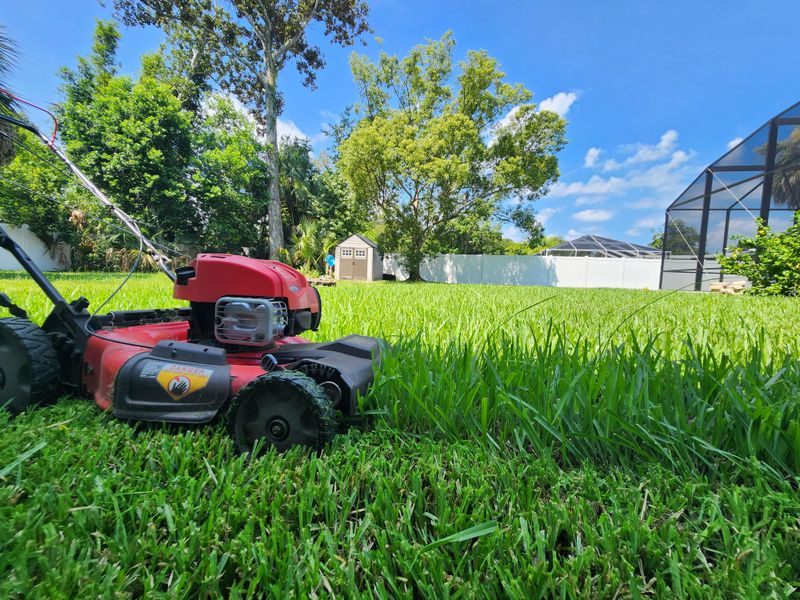
Getting mowing height right in fall is not complicated, but it does require paying attention. Warm-season grasses in the South need slightly different care than cool-season varieties grown up north.
Bermuda grass generally does well when kept between one and one and a half inches in September. Zoysia can stay a little taller, around one and a half to two inches.
St. Augustine, which is common in Georgia yards, benefits from staying at three to four inches before dormancy.
Taller grass shades its own root zone. That shade keeps soil moisture more stable during dry spells, which September can bring without warning.
Moisture consistency supports root health even as air temperatures start to drop.
Blade length also affects how quickly a lawn enters dormancy. Grass that is already stressed from low cuts may shift into dormancy earlier than healthy turf.
Earlier dormancy can mean a shorter active growing season and a slower recovery in spring.
Adjust your mower deck before each cut if needed. Deck height can drift over time, especially if you mow on uneven ground.
Your Georgia Garden Changes Every Week. Your Plan Should Too.
Gardening in Georgia changes quickly throughout the season. Every Friday you’ll receive a simple weekly plan showing exactly what to plant, prune, fertilize, harvest, and protect so you never miss the right timing.
A quick check before mowing takes thirty seconds and helps you stay consistent.
3. Sharp Mower Blades Make Cleaner Cuts
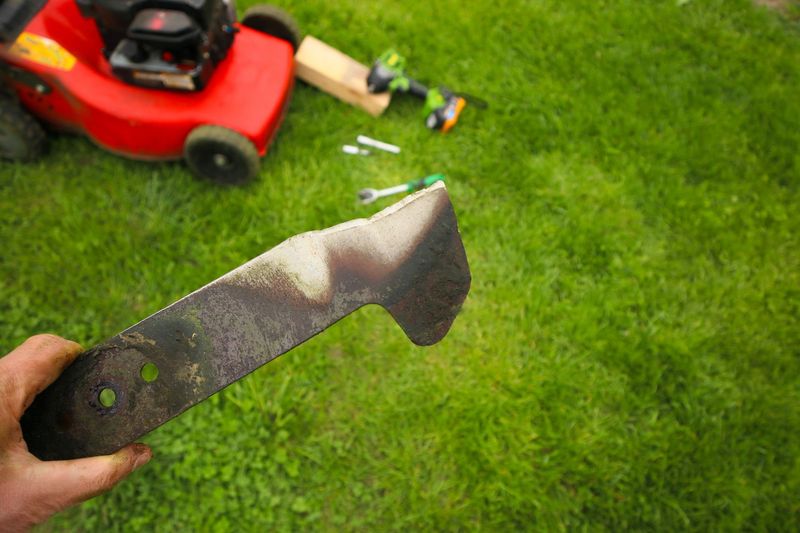
Dull blades do not cut grass, they tear it. That difference matters more in September than most people realize.
Torn grass tips turn brown and create small open wounds that invite fungal problems.
A clean cut heals faster. Grass that is sliced cleanly by a sharp blade closes off quickly, losing less moisture and staying greener longer.
Ragged cuts from a dull blade leave the plant more exposed heading into a stressful season.
Blade sharpness also affects how evenly the lawn looks. Dull blades often pull at the grass unevenly, leaving some sections shorter than others.
Uneven cuts mean uneven stress across the turf.
Sharpening mower blades once a season is a basic but often skipped step. If you mow frequently or have a large yard, sharpening twice a season makes sense.
A sharp blade is one of the cheapest ways to improve lawn health without spending money on products.
Check the blade edge after hitting rocks or roots. Even one strike against a hard object can nick the edge enough to cause tearing on the next pass.
Running a finger carefully along the blade, with the mower off and spark plug disconnected, lets you feel for obvious dull spots or damage.
Keeping blades in good shape is a small habit that pays off in a noticeably healthier lawn through fall and into spring.
4. Remove Only One-Third Of The Grass Height
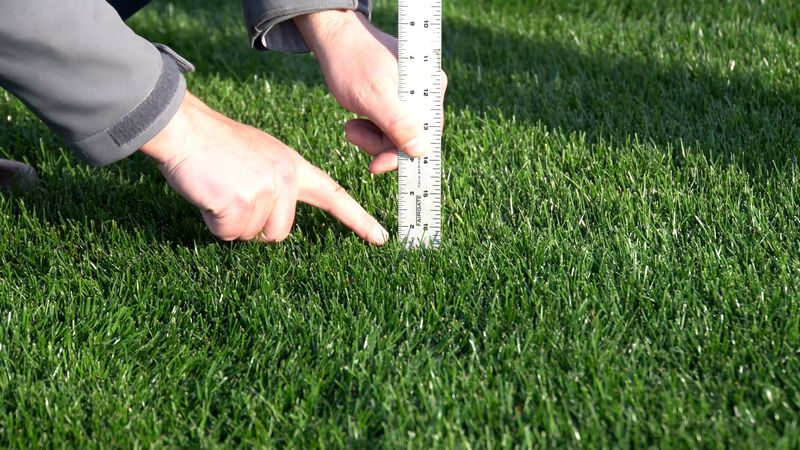
Cutting more than one-third of the grass blade at once puts real strain on the plant. It is a simple guideline, but it gets ignored more often than it should, especially when mowing gets delayed.
When grass grows tall between cuts and then gets chopped down hard, it goes into shock. The plant redirects energy from root development to regrowing lost leaf tissue.
Roots miss out on nutrition at a time when they need it most.
September is when warm-season grasses start slowing their growth and shifting focus underground. Roots are trying to bulk up before temperatures drop.
Cutting too aggressively at this stage interrupts that natural process.
If your lawn got away from you and grew taller than usual, bring it down gradually. Cut it to the one-third limit, wait a few days, then cut again if needed.
Stepping it down slowly is far easier on the grass than one hard cut.
Growth slows noticeably in September across the South, so mowing intervals naturally stretch out a bit. Grass that needed cutting every five days in July might only need it every eight to ten days in September.
Adjust your schedule to match the growth, not the calendar. Mowing too often on slow-growing grass can also stress it unnecessarily.
5. Keep Watering During Dry September Weather
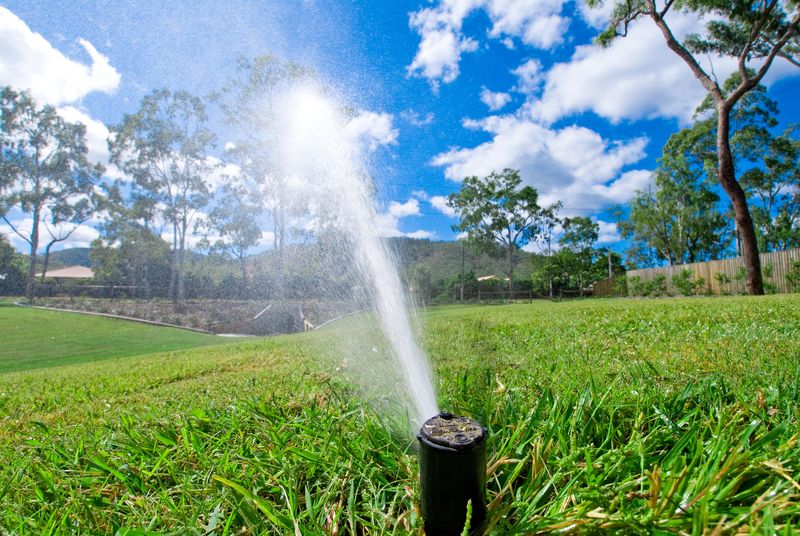
Rainfall in September can be unpredictable across the South. Some years bring steady moisture, and others leave lawns going weeks without a drop.
Skipping irrigation during dry stretches is a mistake that shows up fast.
Warm-season grasses are still actively growing in early September. They need consistent moisture to keep roots healthy before dormancy sets in.
Letting the lawn go dry and stressed before winter is not a good setup for spring recovery.
About one inch of water per week is a reasonable target for most lawn types during this period. That includes rainfall, so check what nature provides before running the sprinklers.
Overwatering can cause its own problems, including fungal growth, so balance matters.
Water in the early morning when possible. Morning watering gives grass time to dry before evening, which reduces the risk of fungal issues.
Evening watering leaves moisture sitting on blades overnight, which can encourage disease in warm, humid conditions.
Sandy soils common in parts of Georgia drain quickly and may need more frequent watering in smaller amounts. Clay soils hold moisture longer but can become waterlogged if overwatered.
Knowing your soil type helps you water smarter.
6. Heavy Nitrogen Feeding Delays Winter Preparation
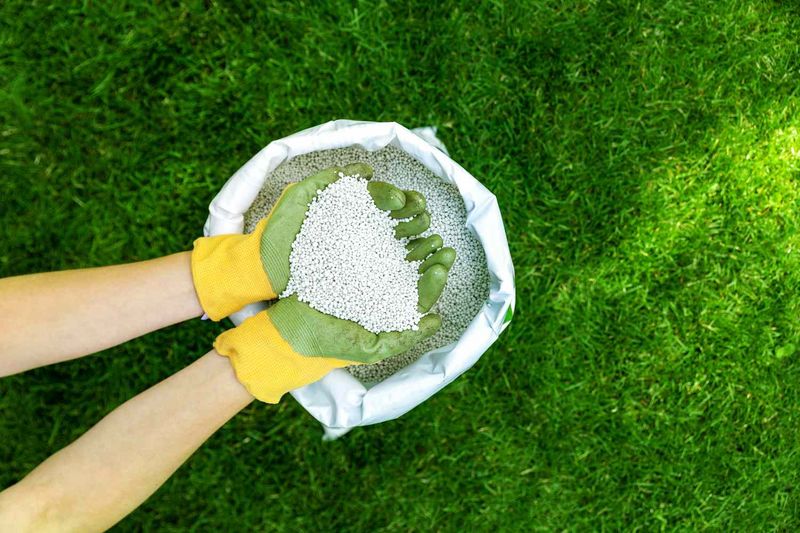
Pushing nitrogen hard in September sounds productive, but it can actually work against your lawn. High nitrogen encourages fast, leafy top growth.
That new growth is tender and poorly equipped to handle cold snaps.
Warm-season grasses in the South need to wind down in fall, not speed up. Stimulating aggressive growth right before dormancy stretches the grass thin.
Soft, fast-growing blades are more vulnerable to early frost damage than mature, slower-growing tissue.
Phosphorus and potassium are more appropriate at this time of year. Potassium in particular supports root strength and stress resistance.
A fertilizer with lower nitrogen and higher potassium, sometimes called a winterizer blend, is a better fit for September applications.
Check the N-P-K ratio on the fertilizer bag before applying anything in fall. A product with a high first number is nitrogen-heavy and better suited for spring green-up.
A higher third number indicates more potassium, which is what fall turf actually benefits from.
Timing matters too. Applying any fertilizer too late in September, especially in areas that see early cool nights, can push growth at exactly the wrong moment.
Watch the forecast before fertilizing.
7. Healthy Turf Enters Dormancy In Better Shape
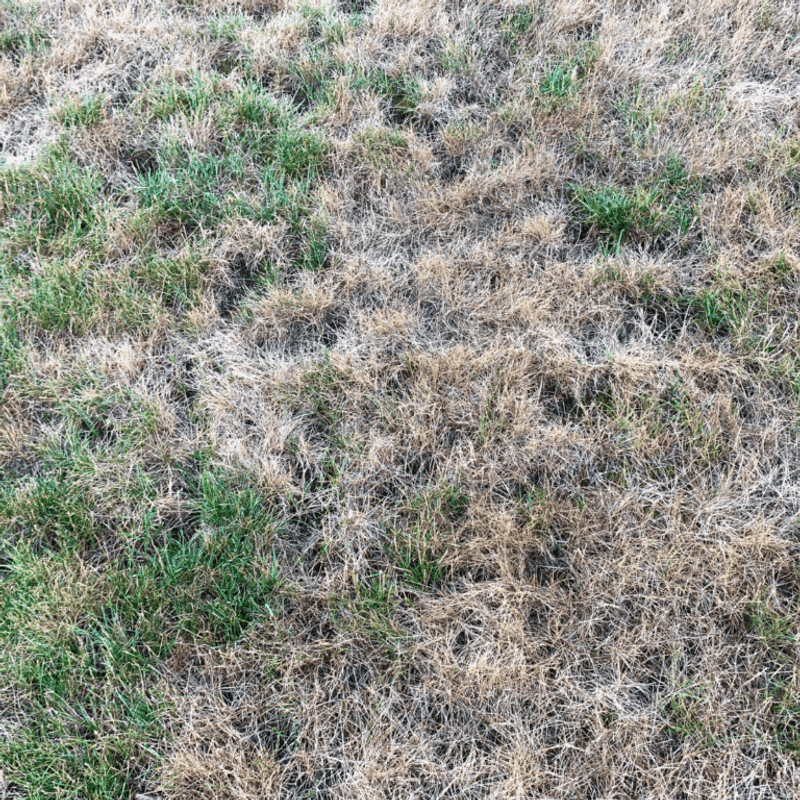
Grass that goes into dormancy healthy comes out of it faster in spring. That connection is straightforward, but it gets overlooked when homeowners stop paying attention to the lawn in fall.
Every good habit from September, proper mowing height, consistent watering, the right fertilizer, adds up. Turf that is well-nourished and properly cut stores more energy in its root system.
Those reserves fuel the first push of growth when temperatures climb again.
Weak turf entering dormancy is more susceptible to winter weeds like annual bluegrass and henbit. Thin, stressed lawns leave open soil where weed seeds can settle and sprout easily.
A dense, healthy lawn heading into winter naturally crowds out many of those opportunistic plants.
Leaf removal also plays a role. Thick layers of fallen leaves left on the lawn can block sunlight and trap moisture against the grass.
Raking or mulching leaves regularly through fall keeps the turf surface clear and breathing.
Soil aeration done in late summer or early fall can also help. Loosening compacted soil allows water and nutrients to reach roots more efficiently before dormancy.
Core aeration is not always necessary every year, but lawns with heavy foot traffic or clay-heavy soil in Georgia benefit from it on a regular basis.