Why Arizona Gardeners Should Never Ignore These Spider Mite Signs
Your garden can look perfectly fine on Monday and be in real trouble by Friday. In Arizona, that’s not an exaggeration, it’s just how fast things move once the heat sets in.
The desert doesn’t just tolerate this pest, it practically rolls out the welcome mat. Triple-digit days and bone-dry air push reproduction into overdrive, turning a handful of invaders into a full-blown infestation in record time.
Most gardeners don’t catch the problem until the visual damage is impossible to miss. By then, recovery already takes far more effort.
Ahead are eight telltale warning signs, so you can catch trouble early and protect everything from your tomato beds to your favorite rose bushes.
1. Tiny Pale Spots Scattered Across Leaves
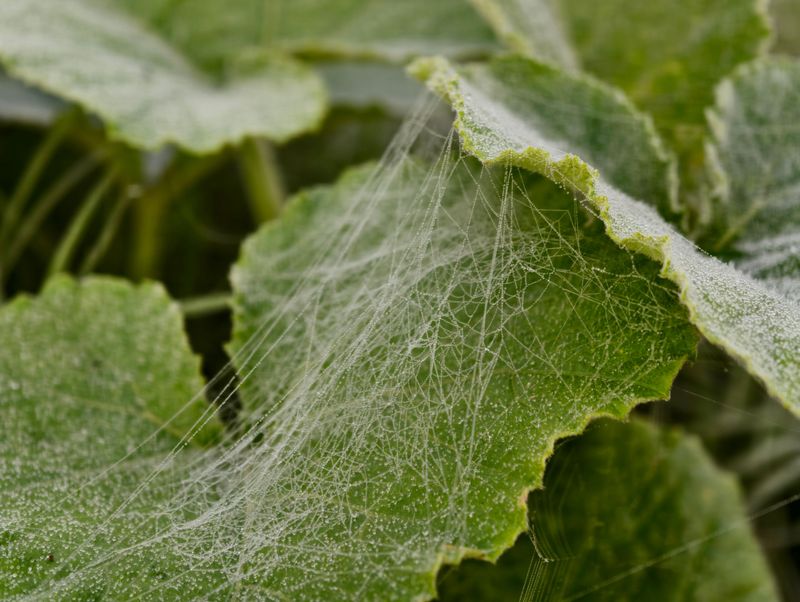
The first clue often hides in plain sight. Small yellow or white specks appear on leaf surfaces, each one marking a spot where feeding has drained the plant cell of color.
At a glance, the pattern looks almost like dust or fine sand. Hold the leaf toward sunlight and the stippling becomes unmistakable, spreading in clusters rather than random single dots.
Vegetables and ornamentals show this sign differently depending on leaf texture. Thin, tender leaves display the dots much faster than thicker, waxier foliage found on shrubs and succulents.
This stage is the easiest window for treatment. Populations are still small, and a quick response here prevents the heavier damage that follows once colonies establish themselves further.
Gardeners who skip regular leaf checks tend to miss this sign entirely. By the time discoloration becomes obvious from a distance, the infestation has already moved well past its early phase.
Morning inspections work best since lower light makes the pale dots stand out more clearly against green tissue. Afternoon sun glare can hide subtle stippling until it grows more severe.
Comparing older growth to newer shoots also helps confirm the pattern. Established leaves tend to show damage first, since colonies typically settle on mature foliage before spreading toward tender new growth nearby.
Once spotted, a quick water rinse on the underside of affected leaves can knock down early activity before it multiplies into something harder to manage.
2. Fine Silk Threads Along Stems and Leaves
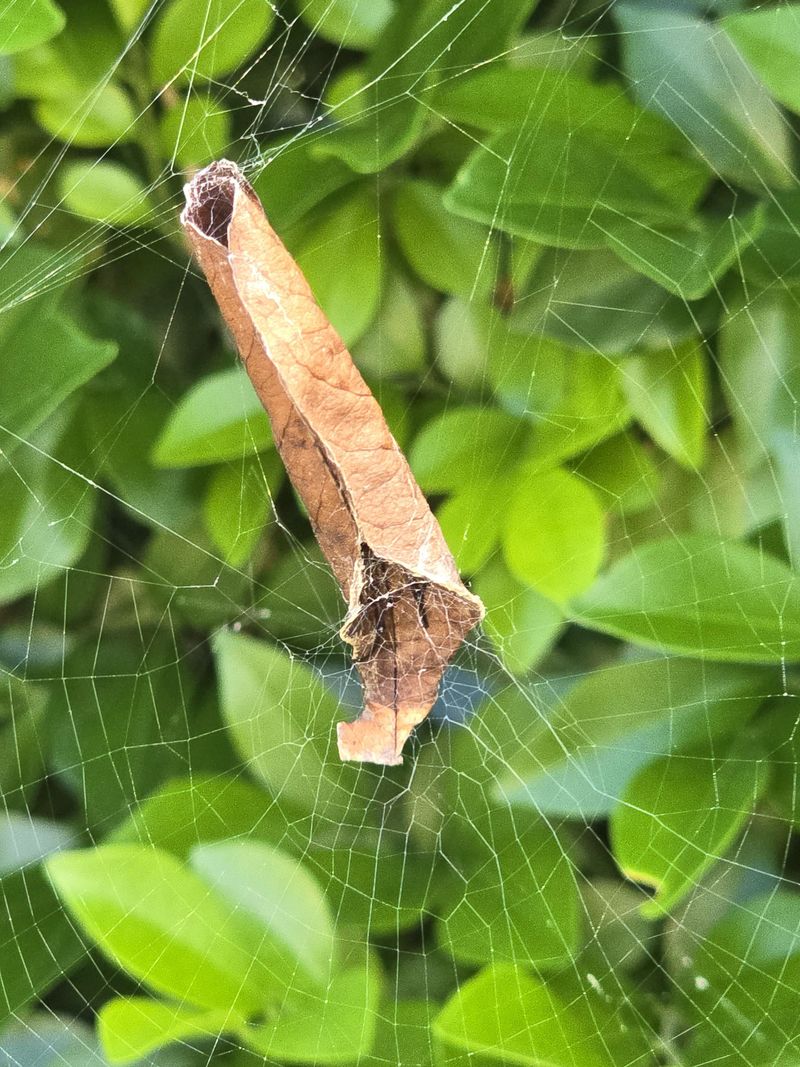
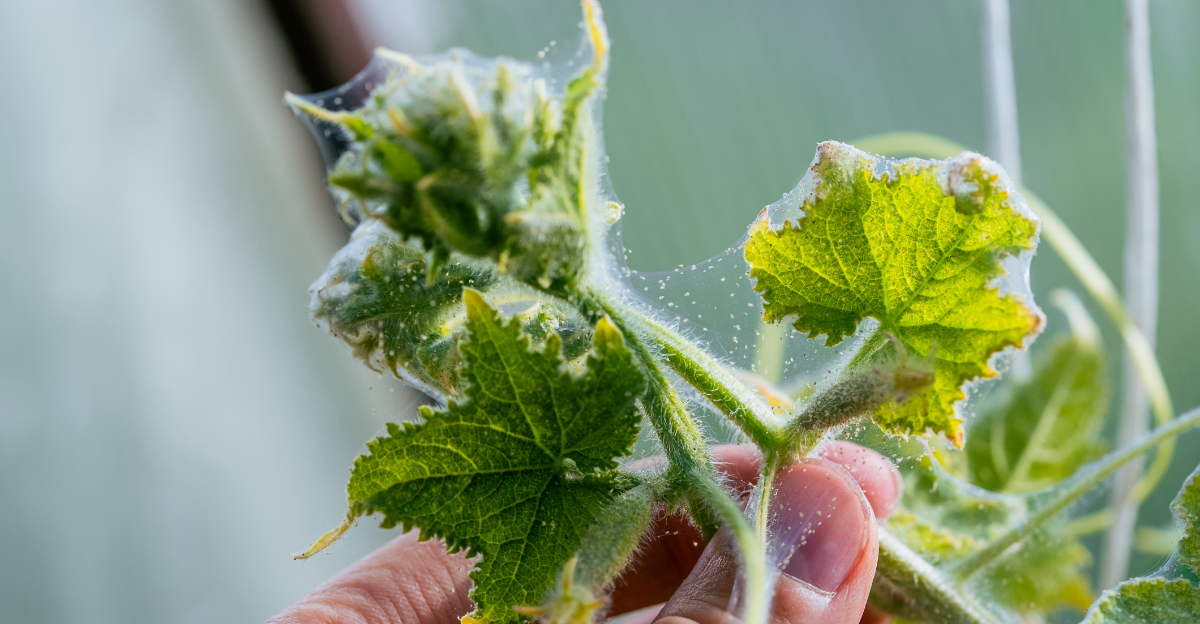
Delicate webbing stretched between leaves and stems signals a colony that has grown comfortable. This silk protects mites from predators and helps them travel between sections of the same plant easily.
In Arizona’s dry air, webbing can appear surprisingly fast once populations reach a certain size. A light dusting near leaf joints or along the underside of foliage is worth close inspection.
The texture is often described as similar to a spiderweb, though far finer and less structured. It tends to cling to leaf veins and stem junctions rather than forming open, symmetrical patterns.
Brushing a finger across the strands often reveals movement underneath. Tiny specks scatter or freeze, confirming that the silk is active rather than leftover from another insect entirely.
Heavier webbing usually means the colony has been established for more than a few days. At that point, treatment needs to be more aggressive than a simple water rinse alone.
Your Arizona Garden Changes Every Week. Your Plan Should Too.
Gardening in Arizona changes quickly throughout the season. Every Friday you’ll receive a simple weekly plan showing exactly what to plant, prune, fertilize, harvest, and protect so you never miss the right timing.
Dense webbing can eventually wrap entire leaf clusters, trapping dust and debris inside. This buildup makes the plant look neglected even when regular care has continued without interruption.
Once webbing appears, isolating the affected plant from healthy neighbors helps slow the spread. Mites travel along touching leaves and nearby stems with surprising speed during Arizona hot weather.
Removing the most heavily webbed sections before treating the rest gives remaining foliage a better chance at recovering fully.
3. Bronze or Silver Sheen on Foliage
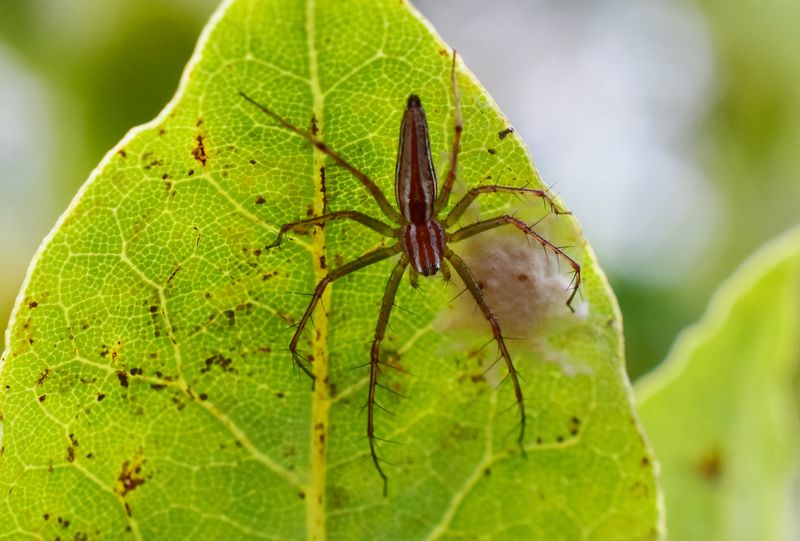
Healthy green leaves sometimes take on a dull metallic tint during an active infestation. This shift happens because feeding damages chlorophyll, the pigment responsible for a plant’s normal vibrant color.
The discoloration often starts near the leaf edges before spreading inward. Squash and cucumber plants show this pattern especially clearly due to their broad, exposed leaf surfaces catching more sunlight.
Some Arizona gardeners mistake this sheen for sun scald or nutrient deficiency. Checking the underside of affected leaves for small moving specks helps confirm the actual cause behind the sudden color change.
The bronzing can also appear patchy rather than uniform, with some sections of a leaf looking normal while others take on a distinctly dull, coppery cast.
Left unaddressed, the sheen spreads across entire branches within a short stretch of Arizona hot weather. Catching it early keeps the damage contained to just a handful of leaves.
Plants under additional heat or drought stress tend to show this symptom faster than well-watered specimens. Weakened tissue offers less resistance to the feeding that causes the discoloration.
Comparing affected leaves to healthy ones nearby can help rule out other causes. A metallic sheen limited to specific spots, rather than the whole plant, usually points back to pest activity.
Once the sheen appears, pruning affected leaves and applying a targeted treatment can stop further spread. Waiting too long often means losing entire sections of otherwise healthy growth.
4. Leaves Curling Inward Without Explanation
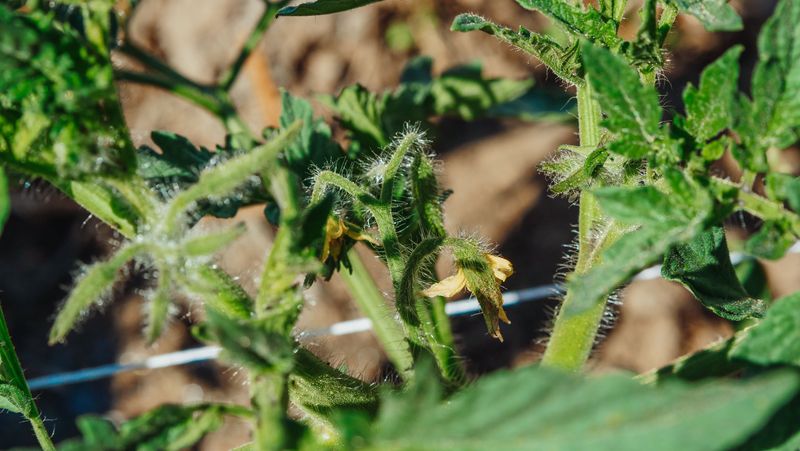
Curling foliage that cannot be traced to drought stress deserves a closer look. Feeding activity disrupts how moisture moves through a leaf, causing it to fold or cup defensively.
This sign often appears alongside stippling rather than on its own. Together, the two symptoms point clearly toward pest activity instead of a simple watering or humidity issue.
New growth is particularly vulnerable to this kind of curling. Tender leaves near the top of the plant lose shape faster than older, more established foliage found lower down.
The curl typically runs along the leaf’s central vein, pulling both edges upward or inward. This differs from heat stress curling, which tends to affect the entire leaf more uniformly.
Correcting the watering schedule will not resolve curling caused by mite feeding. Treating the actual pest population is the only way to stop the distortion from spreading further across the plant.
Some plants also drop curled leaves prematurely as a stress response. This natural shedding can actually help slow an infestation, though it also weakens the plant’s overall energy reserves.
Comparing curled leaves against unaffected ones on the same branch can help confirm the cause. A clear contrast in shape between neighboring leaves usually rules out drought as the explanation.
Watching how curling progresses over a few days helps distinguish it from other issues. Rapid worsening despite consistent watering almost always points back to active pest feeding.
5. Visible Specks on a White Paper Test
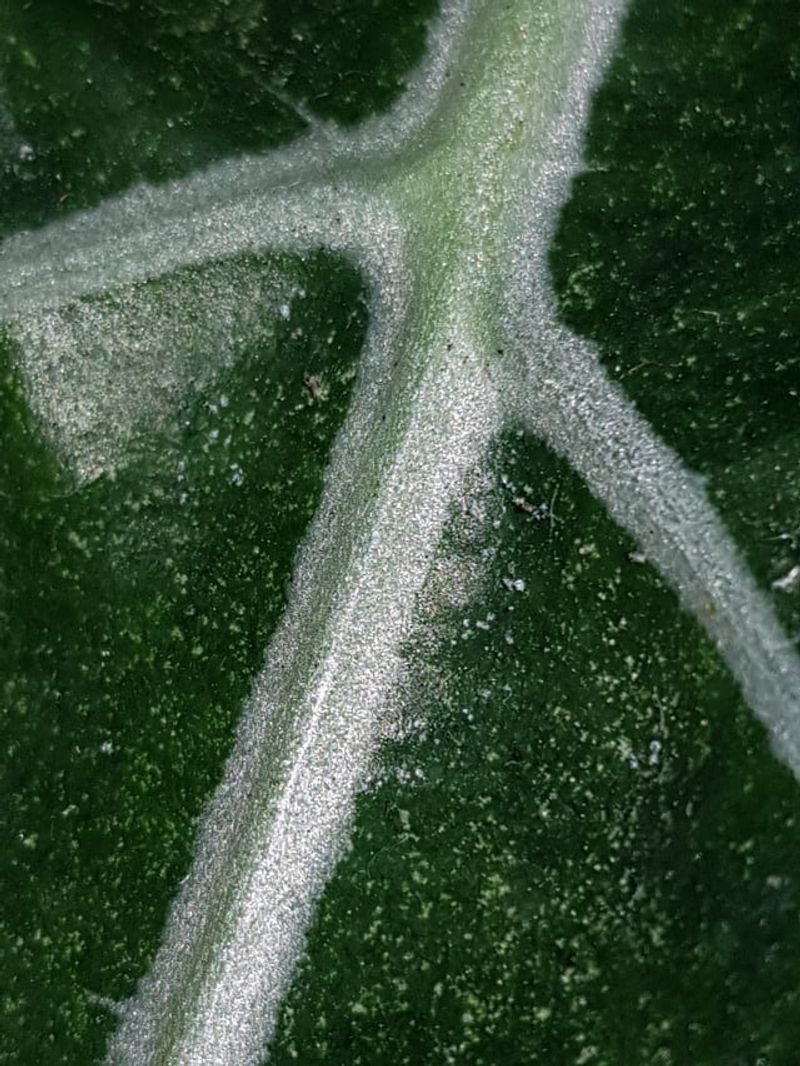
A simple test can confirm suspicion in seconds. Hold a plain white sheet of paper beneath a leaf and tap the foliage firmly a few times in a row.
Tiny reddish, tan, or greenish specks falling onto the paper are a strong indicator of active mites. Watching closely for a moment often reveals slow, deliberate movement across the surface.
This method works well for catching infestations before visible plant damage sets in. Testing suspicious leaves every few days during peak Arizona heat builds a reliable detection habit.
Different mite species show slightly different colors, so specks might appear pale yellow, rust colored, or nearly translucent depending on the type present on a given plant.
Comparing spots across several plants also helps identify which areas of the garden face the heaviest pressure. That information makes targeted treatment far more efficient than a blanket approach.
Testing early morning before the day heats up tends to produce clearer results. Mites move more sluggishly in cooler temperatures, making them easier to spot against the white background.
Keeping a simple log of which plants test positive over time can reveal patterns worth noting. Some areas of a garden may consistently attract more activity due to shade, spacing, or airflow.
Once confirmed, this test can be repeated weekly to track whether treatment efforts are actually reducing the population over time.
6. Yellowing That Spreads From The Interior Out
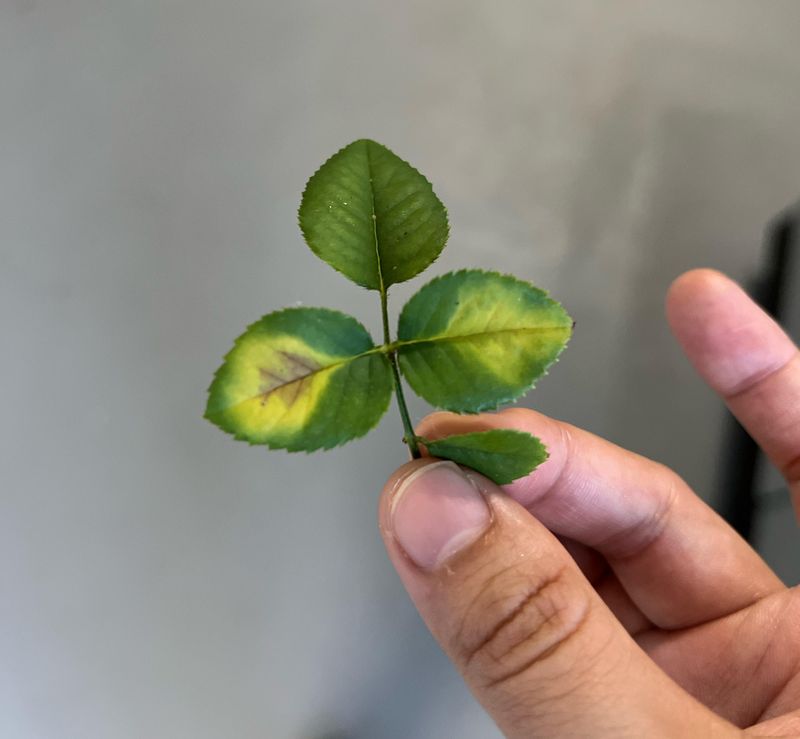
Unlike typical nutrient-related yellowing, mite damage tends to start near the center of a leaf and radiate outward. The pattern looks patchy rather than uniform across the entire surface.
This distinction matters because it changes the response needed. Fertilizing a plant showing this kind of yellowing does nothing to address the underlying pest activity actually causing it.
Older, lower leaves on a plant frequently show this symptom first. Mite colonies often begin near the base before working their way up toward newer growth over time.
The yellowing can also appear alongside a slightly gritty texture, since feeding damage leaves behind tiny puncture marks visible under close inspection.
Removing the most affected leaves can slow the spread while treatment takes effect. Isolating damaged foliage from healthy growth reduces how quickly nearby leaves pick up the same pattern.
Plants experiencing this kind of yellowing often continue growing normally at first, masking the underlying problem. Only closer inspection of individual leaves reveals how widespread the feeding damage has already become.
Comparing yellowing patterns week to week can help track whether a treatment plan is actually working. Fading or shrinking patches usually signal that the pest population is declining as intended.
Addressing the pest issue directly, rather than adjusting fertilizer or watering, is the only way to stop this particular yellowing pattern from continuing to spread.
7. Stunted Or Twisted New Growth
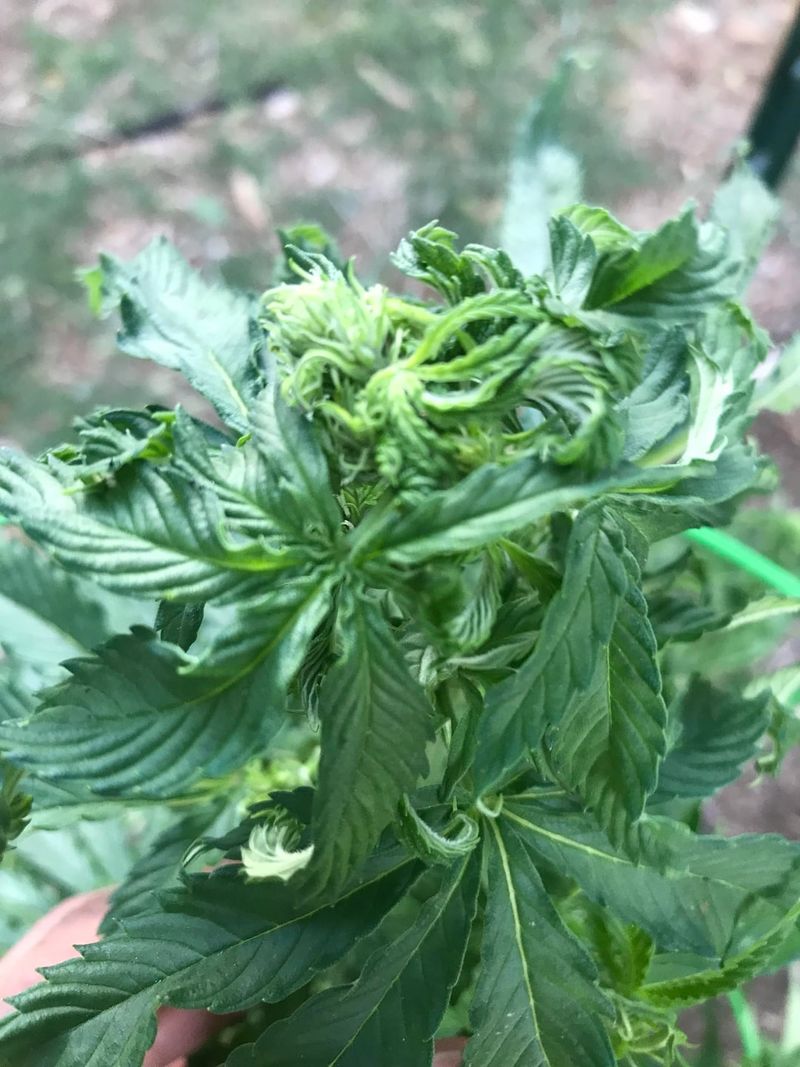
Buds and young shoots that emerge deformed or undersized often point to feeding activity at the growing tip. Mites target the softest tissue, which happens to be the newest part.
Roses show this sign clearly, with buds appearing twisted or failing to open fully in Arizona’s dry heat. Vegetable seedlings can display similarly cramped, distorted leaves during their earliest growth stages.
This kind of damage compounds quickly since new growth represents a plant’s future structure. A stunted shoot this week often means fewer flowers or fruit later in the season ahead.
The distortion can also affect flower color and shape once buds do manage to open, leaving blooms looking pale, bleached, or unevenly formed compared to healthy plants nearby.
Inspecting the newest leaves on any plant, rather than just the mature ones, catches this sign before it affects overall plant shape and long-term productivity.
Plants recovering from this kind of damage often need extra support afterward. Balanced fertilization and consistent watering help new growth rebound once the pest population has been brought under control.
Comparing new shoots across similar plants in the same bed can also help confirm whether the distortion is widespread or limited to just one struggling specimen.
Container-grown plants tend to show this damage faster than those in open ground, since limited root space leaves less reserve energy to push out healthy replacement growth.
Patience matters here, since distorted growth from earlier feeding will not correct itself even after mites are gone entirely.
8. A Sudden Decline Despite Consistent Care
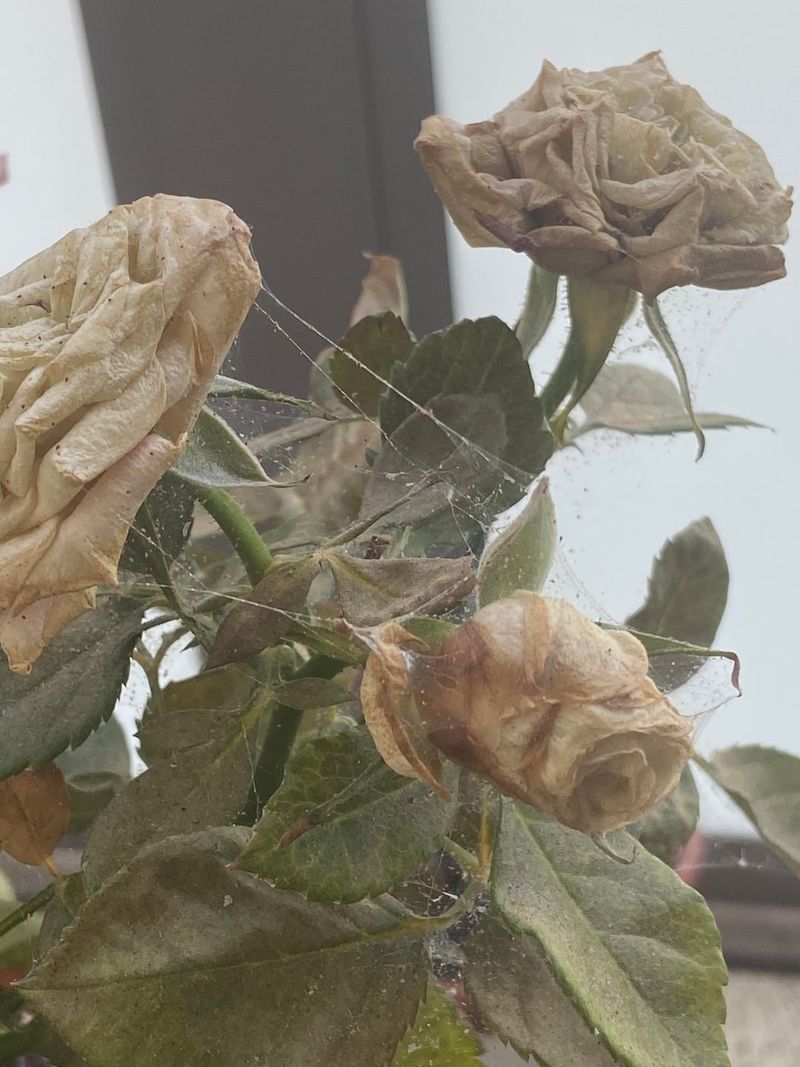
Sometimes the most alarming sign is a plant that seems to weaken for no clear reason. Regular watering and fertilizing continue as usual, yet overall vigor drops noticeably within days.
This pattern often means an infestation has spread beyond a few leaves and started affecting the plant’s broader ability to function normally under Arizona’s desert conditions.
Checking multiple leaves across different areas of the plant, rather than just one spot, gives a clearer picture. Widespread stippling or webbing confirms that pest activity is the real cause.
Wilting that does not respond to additional water is another red flag worth noting. Feeding damage disrupts internal moisture flow in ways that simple irrigation cannot fix.
At this stage, a combined approach works best. Pruning affected sections, applying targeted treatment, and monitoring closely over the following week gives the plant its strongest chance at recovery.
Some plants recover fully once the underlying pest problem is addressed, while others need a full season to regain their previous size and productivity.
Neighboring plants deserve close attention too, since a sudden decline in one spot often signals that nearby foliage is only a few days behind in showing the same symptoms.
Catching this decline early, before it spreads to neighboring plants, remains the best way to protect the rest of a garden from the same fate.