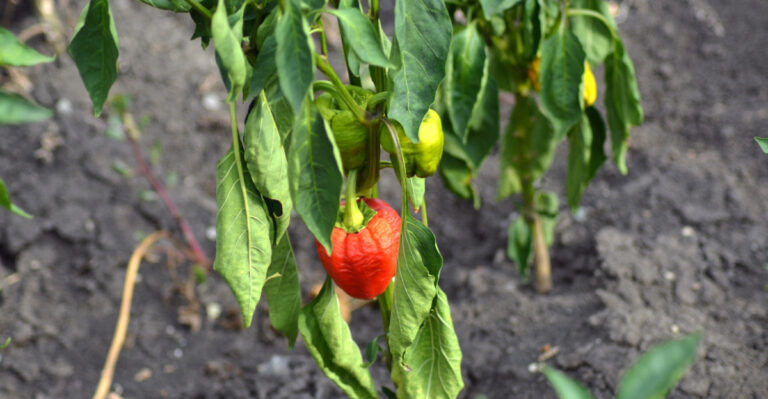
Take Cuttings From These 9 Outdoor Plants Before August Ends In Wisconsin
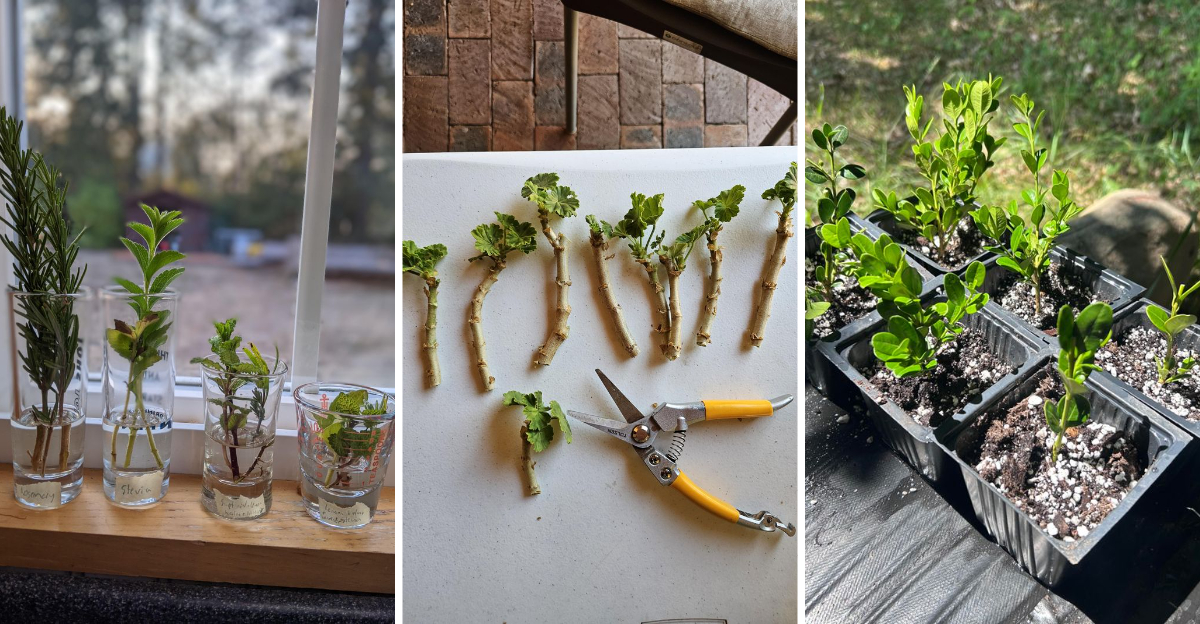
August is racing toward its end, and Wisconsin gardens are asking for one last favor before the cold rolls in. Frost never announces itself, it just shows up overnight.
There’s a quiet trick seasoned growers lean on every single year, and it barely takes any effort. A few careful snips today, taken at just the right moment, can carry your favorites straight through winter.
You don’t need any special tools, just a jar of water or a small pot on the windowsill. Minutes now can mean fuller beds and lower costs when spring planting rolls around again.
Wait too long, though, and those same herbs and shrubs might not survive the first freeze. This year, give your garden the head start it’s asking for.
1. Coleus Cuttings Root Quickly Indoors
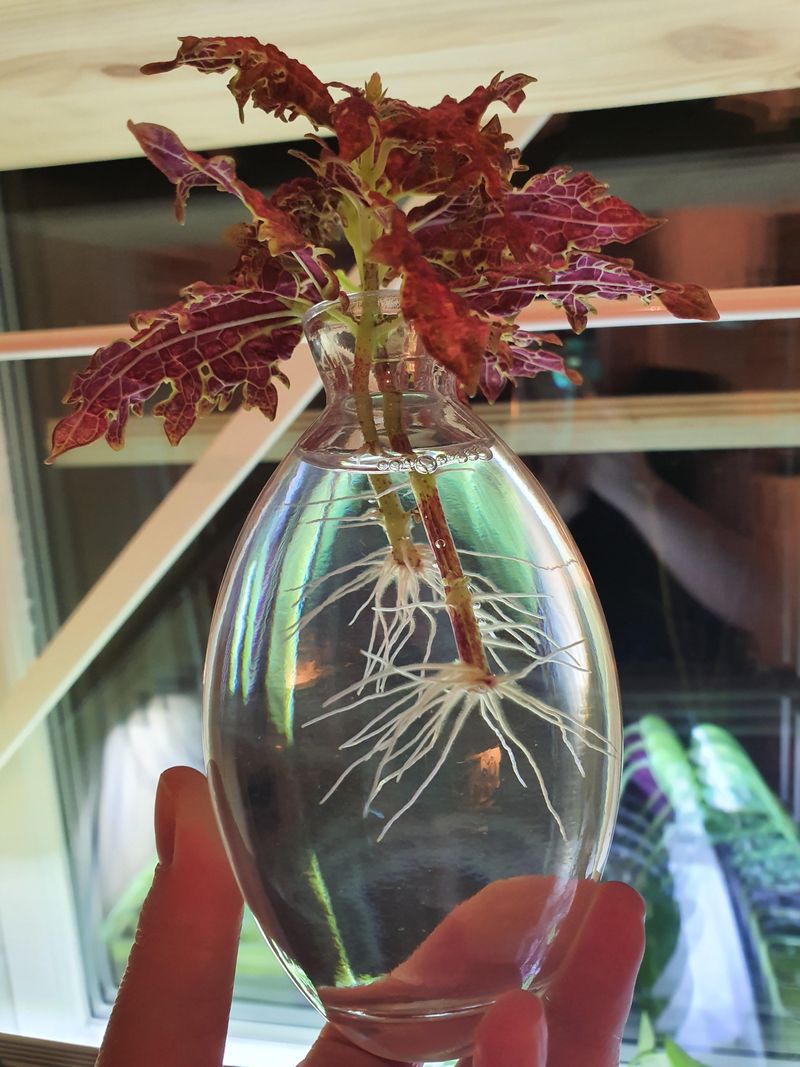
Coleus is basically the drama queen of your garden, and that is a compliment. Those bold, jewel-toned leaves deserve a second life indoors when August starts winding down.
Every cutting you take today is basically a bet against winter, and it’s a bet worth making. Come spring, you’ll thank yourself for those five extra minutes in the garden.
Snip a stem about four to six inches long, just below a leaf node. Strip the lower leaves so the bottom two inches are bare and clean.
Drop that cutting into a glass of water near a bright window. Roots usually appear within one to two weeks, which feels like a small miracle every time.
Once the roots reach about an inch long, pot the cutting in fresh potting mix. Keep the soil lightly moist but never soggy, or the stem may rot before it settles in.
Coleus loves warmth and indirect light indoors, so a south-facing windowsill works perfectly. Avoid cold drafts near windows, especially as September approaches and temperatures start dropping at night.
One healthy plant can give you three or four cuttings at once. By spring, you will have a whole tray of colorful starts ready to go back outside, saving you real money at the nursery.
2. Geraniums Overwinter Well From Late Summer Cuttings
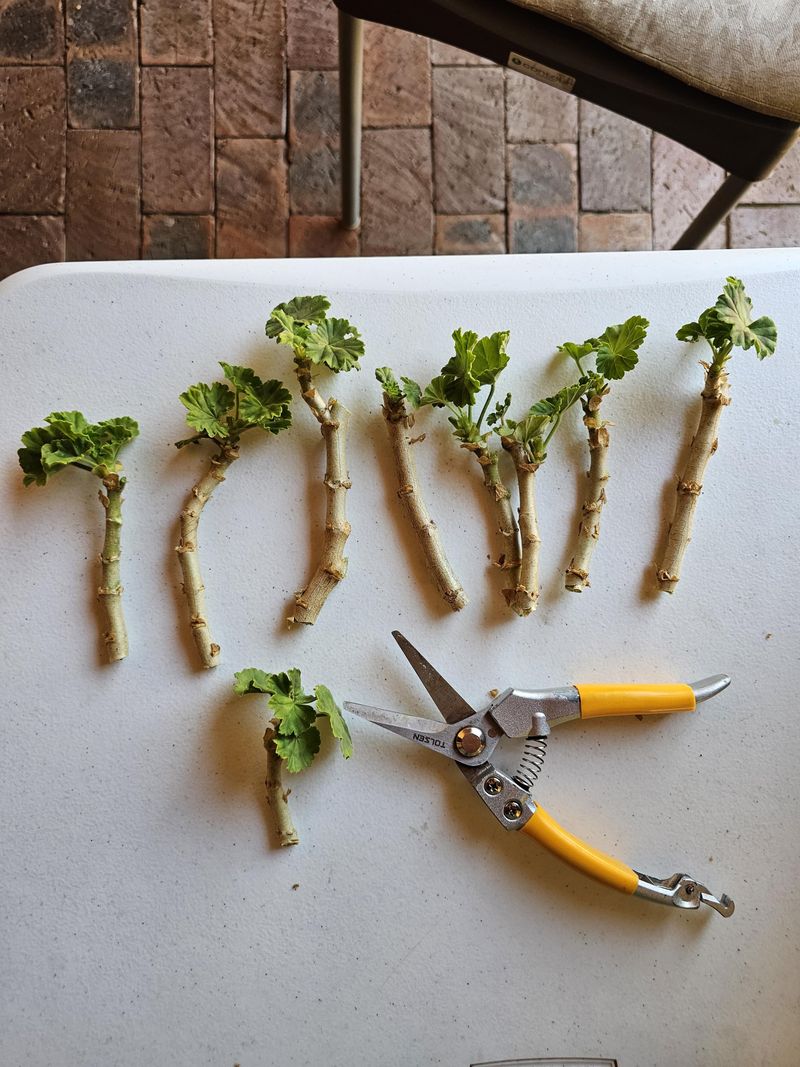
Geraniums have been the backbone of porch containers for generations, and for good reason. Taking cuttings before August ends lets you skip buying new plants every single spring.
Choose a healthy stem without any flower buds on it. Buds pull energy away from root development, so removing them early gives your cutting a real head start.
Cut the stem about three to four inches long and let it sit out for a few hours to callous. That brief drying time lets the cut end callous slightly, which actually reduces rotting risk in the pot.
Plant the cutting directly into a small pot filled with well-draining mix. Water it lightly, then place it somewhere bright but out of harsh afternoon sun.
Geraniums are surprisingly tough once they get going indoors. They can handle a bit of neglect, which makes them ideal for gardeners who forget to water on a strict schedule.
Your Wisconsin Garden Changes Every Week. Your Plan Should Too.
Gardening in Wisconsin changes quickly throughout the season. Every Friday you’ll receive a simple weekly plan showing exactly what to plant, prune, fertilize, harvest, and protect so you never miss the right timing.
Come late winter, pinch the tips back to encourage bushier growth before moving them outside again. These plants are like old friends that way, reliable and low-maintenance year after year.
3. Wax Begonias Make Easy Windowsill Propagations
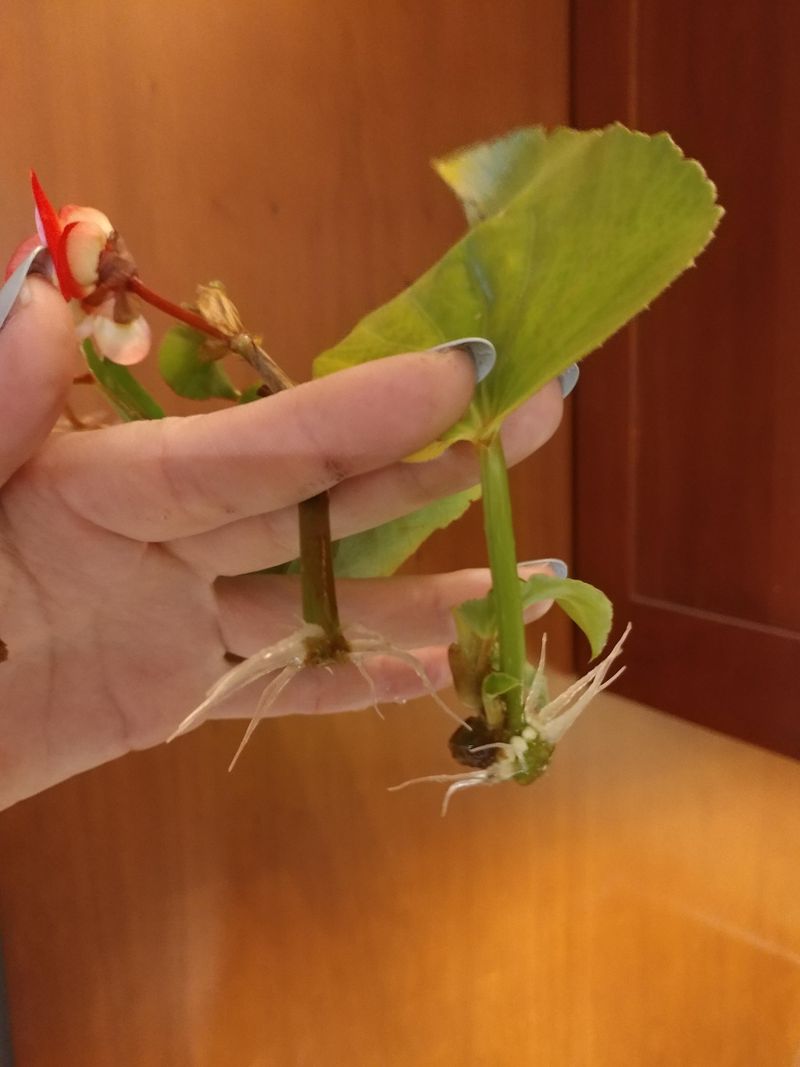
Wax begonias are the unsung heroes of summer containers, cheerful and low-maintenance all season long. As it turns out, they are just as easy to propagate as they are to grow.
Pick a stem with at least two or three healthy leaves and no signs of disease. Cut it cleanly just below a leaf node using sharp, clean scissors or pruning snips.
Place the cutting in a small cup of water and set it on a bright windowsill. Change the water every few days to keep things fresh and prevent any bacterial buildup.
Roots should appear within ten to fourteen days, sometimes even faster in warm indoor conditions. Once the roots look sturdy, move the cutting into a small pot with light, well-draining soil.
Wax begonias thrive under grow lights if your home does not get enough natural brightness in winter. A simple, inexpensive LED grow light on a timer can keep them looking full and healthy all season.
By the time spring arrives, your overwintered begonias will be full, lush plants ready to go outside. You can skip paying full nursery price for these cheerful bloomers once you get the hang of this.
4. Impatiens Cuttings Extend Your Garden Color
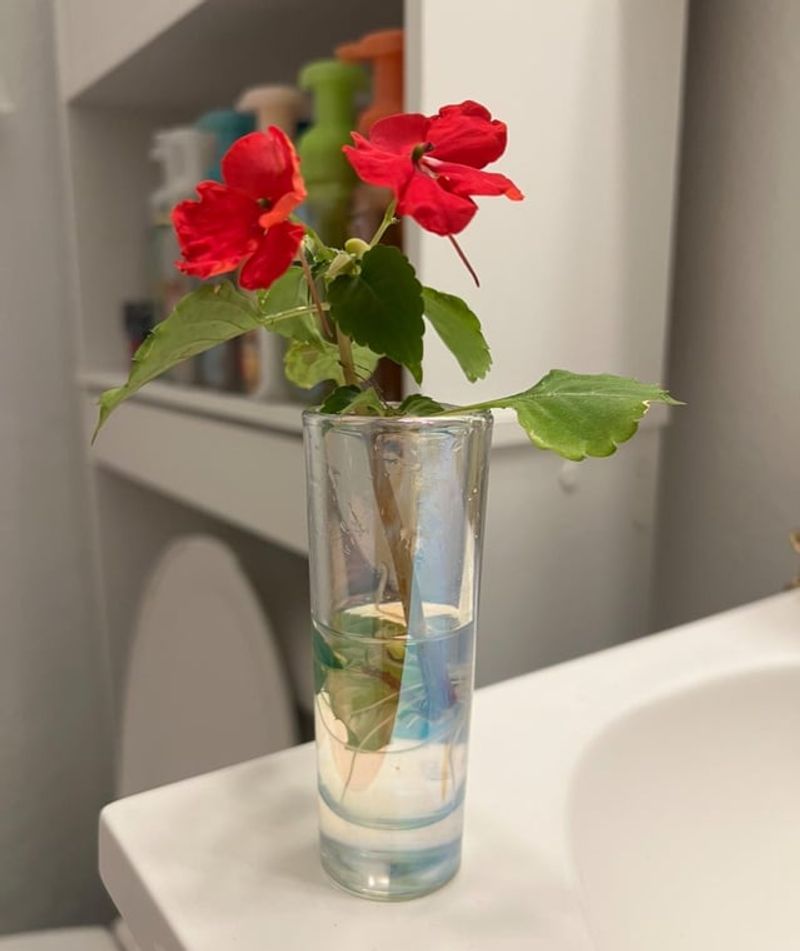
Impatiens are the shade garden’s best friend, bringing nonstop color to spots where most plants give up. Cutting them before August ends means you keep that color going long past frost.
Unlike fussier plants, impatiens forgive a little neglect during rooting, which makes them perfect for first-time propagators. That forgiving nature is exactly why so many gardeners start here.
Select a stem about three to four inches long with several healthy leaves attached. Pinch off any flowers or buds, since the cutting needs all its energy focused on making roots.
Set the stem in a small jar of water in a warm, bright spot out of direct sun. Impatiens root surprisingly fast, often showing tiny white roots within just a week.
Once rooted, plant the cutting into a small pot with moist, lightweight potting mix. Keep the soil consistently damp but not waterlogged, since impatiens prefer steady moisture without sitting in puddles.
Indoors, place your new plant near a window with bright, filtered light for best results. A bathroom or kitchen window with natural light works well, especially if the room stays warm and humid.
Come spring, harden the plant off gradually before moving it back outside. You will have a head start on the season and a fuller, more established plant than anything sold at a garden center.
5. Lavender Cuttings Take Root Before Frost Arrives
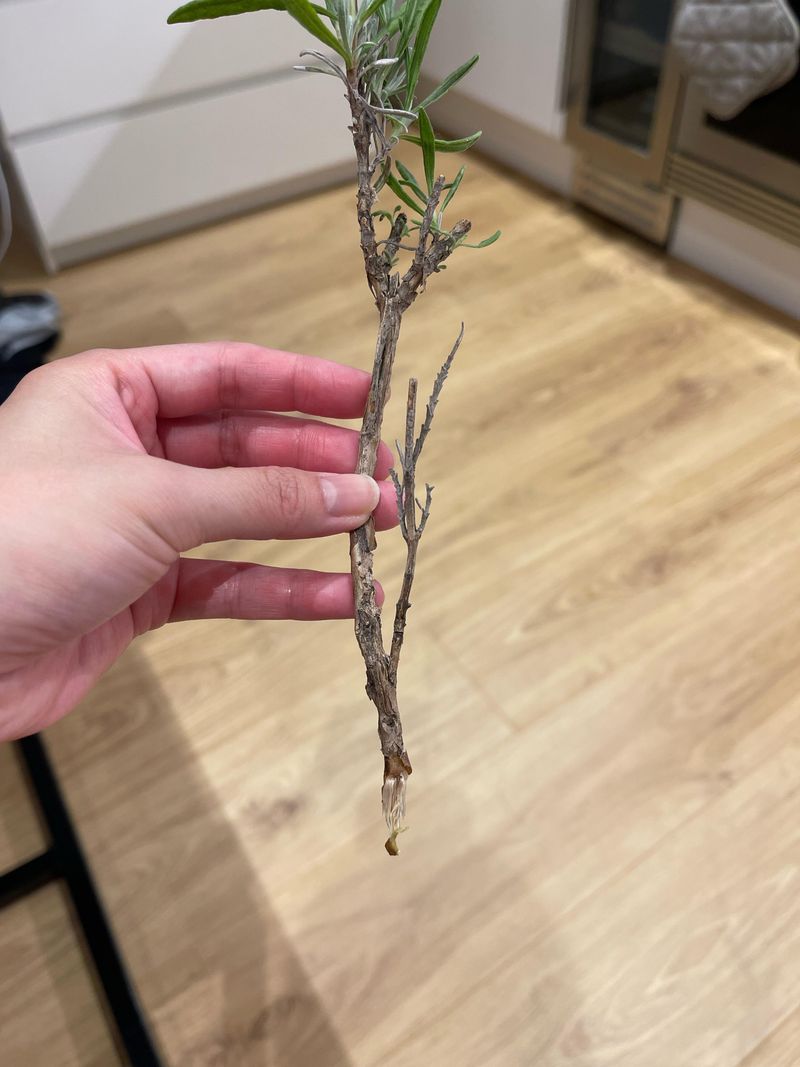
Lavender smells like summer in the most concentrated, beautiful way possible. Capturing that magic before frost hits is easier than most people realize, and cuttings taken in late August root surprisingly well.
Choose a softwood or semi-hardwood stem without any flower spikes on it. Stems that are slightly firm but not fully woody tend to root faster and more reliably than older, harder growth.
Strip the lower leaves from the bottom two inches of the cutting. Dip the cut end into rooting hormone powder before planting, since lavender benefits more from this step than many other plants do.
Plant the prepared cutting into a small pot filled with a mix of perlite and potting soil. This gritty mix drains fast, which is exactly what lavender roots need to avoid rot during establishment.
Place the pot in a bright spot and mist lightly every day or two to maintain humidity. Avoid overwatering, since lavender is native to dry Mediterranean climates and hates soggy conditions.
Roots typically develop within four to six weeks when conditions are right. Patience pays off here, because a successfully rooted lavender cutting becomes a full, fragrant plant ready for outdoor life next season.
6. Rosemary Cuttings Survive Wisconsin Winters Indoors
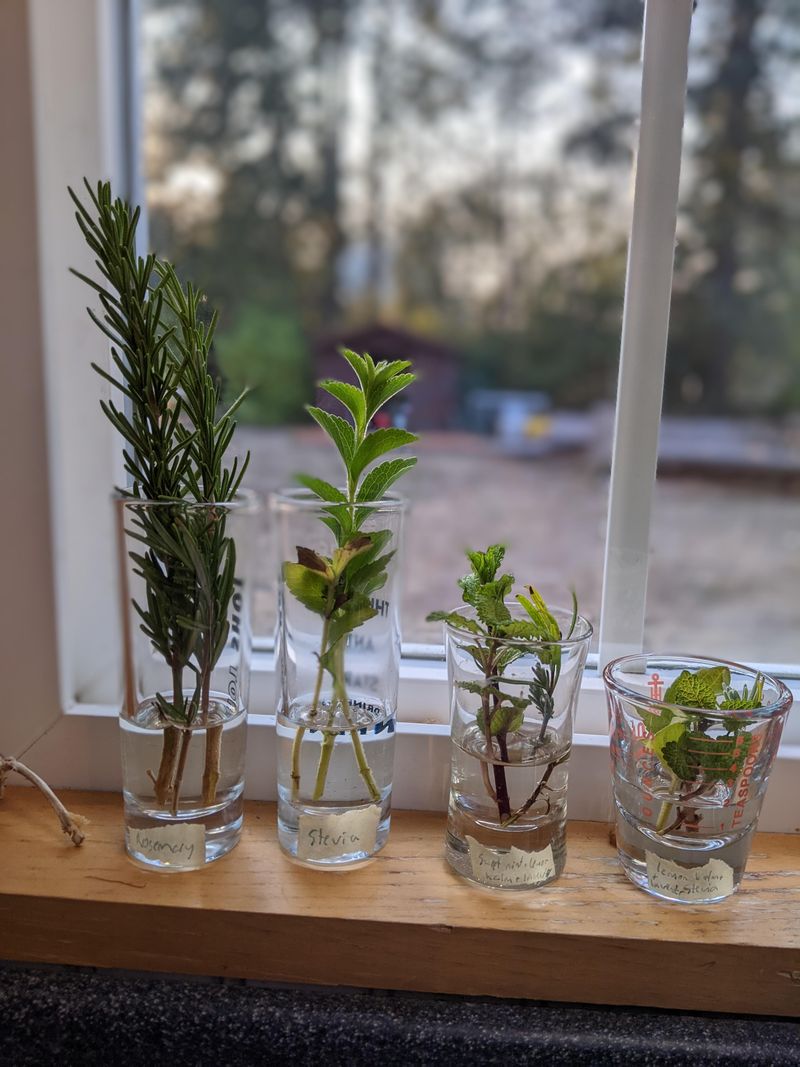
Rosemary is a kitchen garden superstar, but it cannot handle a Wisconsin winter outdoors without some serious help. Taking cuttings before August ends is the smart way to keep this herb alive all year.
Snip a four to six inch piece from a healthy, actively growing stem tip. Avoid stems that are fully woody at the base, since those take much longer to develop roots.
Remove the lower leaves from the bottom two inches and dip the end in rooting hormone. Then plant the cutting in a small pot filled with a well-draining mix of sand and potting soil.
Water lightly and cover the pot loosely with a clear plastic bag to hold humidity. Remove the bag for a few minutes each day to let fresh air circulate and prevent mold from forming.
After four to eight weeks, gently tug the stem to check for resistance, which signals roots have formed. Once rooted, move the plant to a sunny windowsill and treat it like any other potted herb.
Fresh rosemary from your own windowsill in January is one of winter’s best small pleasures. These cuttings from outdoor plants taken before August ends are your ticket to homegrown herbs all season long.
7. Sage Cuttings Are Forgiving For Beginners
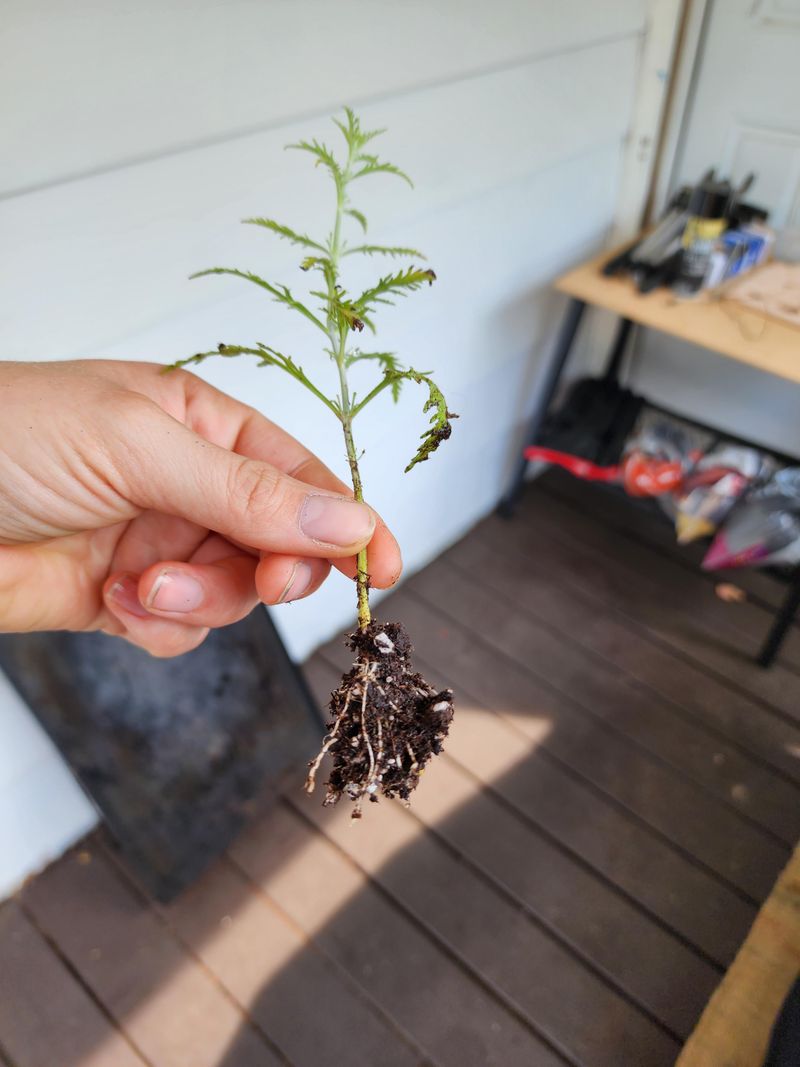
Sage is the herb that practically roots itself, which makes it a perfect starting point for anyone new to propagation. If you have ever been nervous about taking cuttings, sage will change your mind fast.
Cut a four to five inch stem from the current season’s growth, not the older woody base. The newer, softer growth roots more readily and gives you a stronger, healthier plant faster.
Strip the leaves from the bottom half of the stem and let it dry for thirty minutes. This short rest helps the cut end seal slightly before it meets soil, lowering the chance of rot.
Push the cutting into a small pot of gritty, well-draining mix and firm the soil around it. Water it in gently, then place the pot somewhere bright but sheltered from intense afternoon heat.
Sage cuttings often show signs of new growth within three to four weeks, a clear sign roots are forming. Resist the urge to tug the stem or repot too early, since disturbing new roots can set things back.
Overwintered sage thrives on a sunny kitchen windowsill and stays productive all winter long. Snip leaves for cooking anytime, and your plant will reward you with fresh, fragrant growth right through the cold months.
8. Hydrangea Cuttings Capture This Year’s Best Blooms
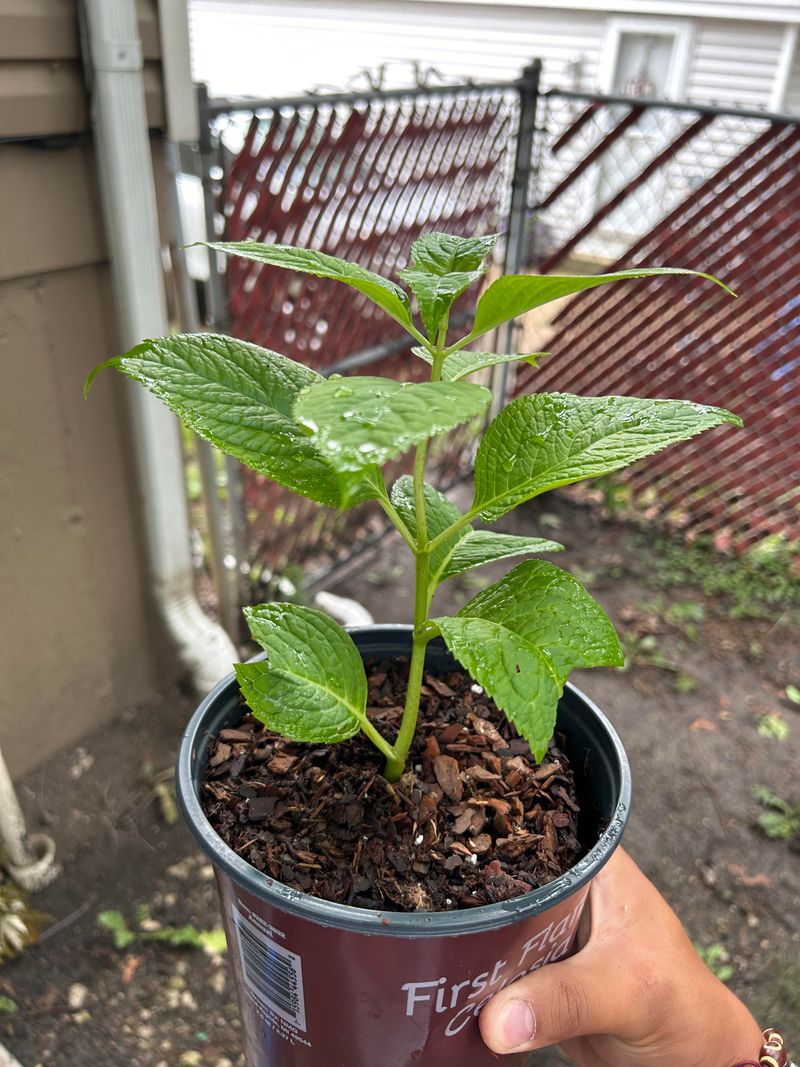
Hydrangeas are the showstoppers of any garden, and this year’s best-performing shrub deserves to be multiplied. Late summer cuttings give you the best chance of capturing exactly the color and form you love most.
Pick a stem from this season’s new growth, one without a flower head attached. Softwood and semi-hardwood stems taken in August root more easily than the hard, older canes from previous years.
Cut the stem to about five or six inches and remove the bottom pair of leaves. If the remaining leaves are large, cut them in half to reduce moisture loss while the cutting is getting established.
Dip the cut end in rooting hormone and plant it in a pot of moist, well-draining potting mix. Tent the pot with a clear plastic bag to lock in humidity, which hydrangeas need during rooting.
Place the pot in a warm spot with bright, indirect light and check moisture every few days. Rooting usually takes four to six weeks, so patience is the most important tool you have right now.
Once rooted, overwinter the young plant in a cool garage or basement where it stays above freezing. Come spring, you will have a thriving new shrub without spending a single dollar at the nursery.
9. Boxwood Cuttings Preserve Your Hedge For Free
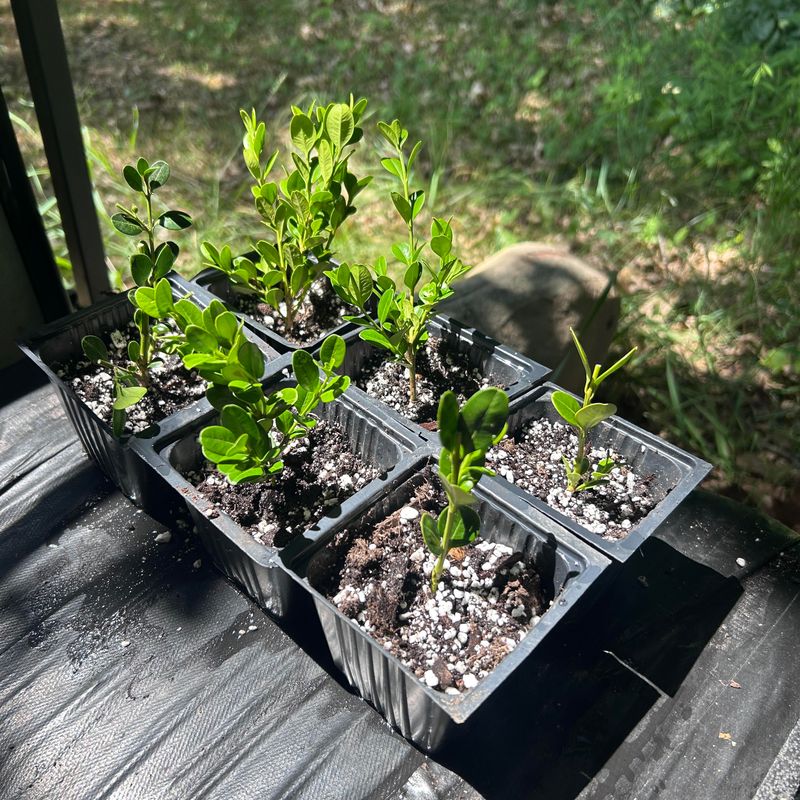
Boxwood hedges can cost a small fortune to replace or expand, but propagating them yourself costs almost nothing. August is one of the best times to take cuttings and start building your hedge for free.
Select a stem from this year’s new growth that has started to firm up slightly. Stems that are no longer bright green but not yet fully woody sit in a sweet spot perfect for rooting.
Cut a piece about four to six inches long and remove the lower leaves completely. Wounding the base of the stem slightly by scraping one side with a knife can help speed up root formation.
Dip the prepared end in rooting hormone and plant it in a small pot of well-draining mix. Firm the soil around the stem so it stands upright without wobbling when you give it a gentle nudge.
Keep the pot in a sheltered spot outdoors until temperatures drop, then move it to an unheated garage. Boxwood cuttings actually benefit from cool winter conditions and do not need to be kept fully warm indoors.
By spring, your cuttings will have strong root systems and be ready to transplant into the garden. Taking cuttings from outdoor plants before August ends is a smart, budget-friendly move for building your hedge for free.