The Native Texas Plant You Need If You Want Spider Mites To Find Your Yard Less Attractive
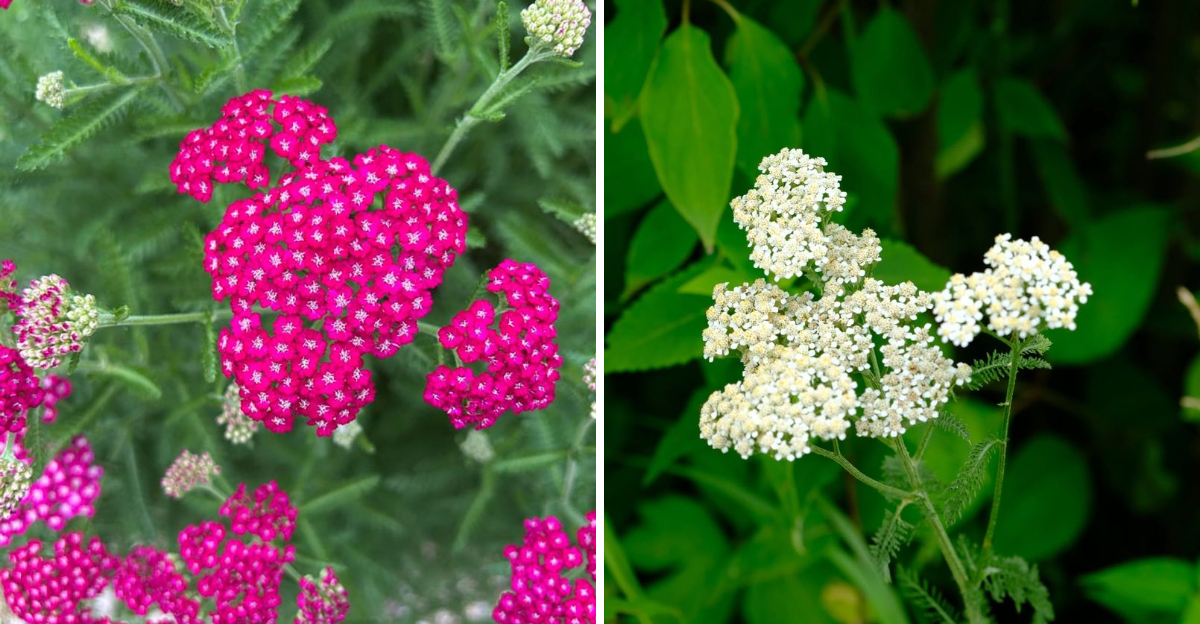
Spider mites can turn a healthy Texas garden dusty before most gardeners even realize they arrived.
Leaves lose color. Fine webbing appears. Hot, dry weather keeps building, and the first instinct is usually to grab a spray.
That reaction can create a second problem.
Spider mites have plenty of natural enemies, and broad treatments can remove the insects that were already helping keep those tiny pests under control.
A better garden strategy starts by making the yard more useful to predators before an outbreak gets serious.
So which native plant can help with that job?
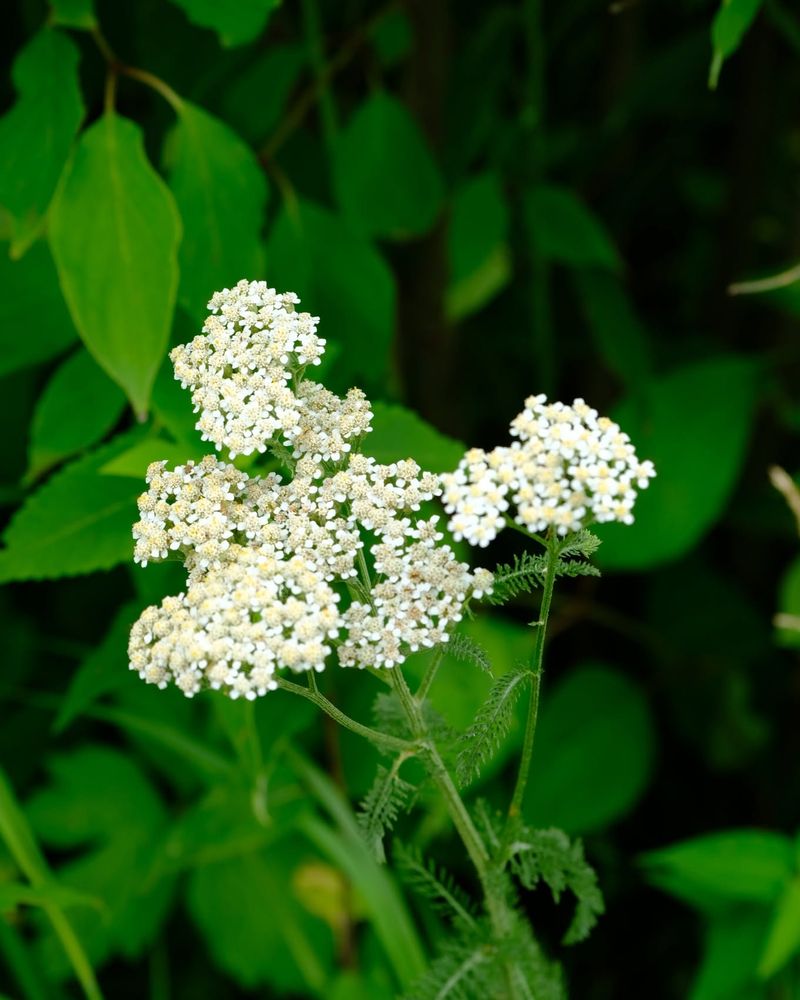
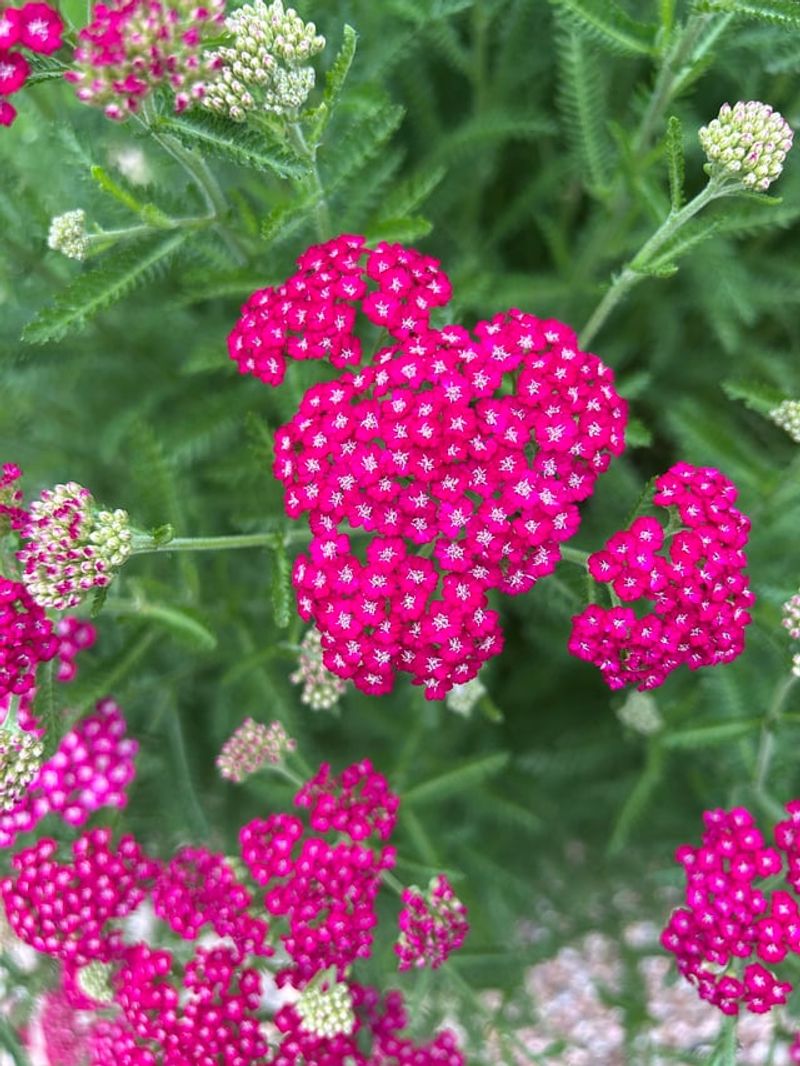
Yarrow, Achillea millefolium, brings flat flower clusters that feed adult beneficial insects, including lacewings and small wasps.
Those visitors do not make mites disappear overnight, but they can strengthen the living pest-control system already working around your plants.
The real value comes from habitat, not repellent fumes.
Plant yarrow well, protect the helpful insects it attracts, and your Texas yard can become a much less welcoming place for spider mite trouble through the summer months.
Use Native Yarrow To Feed Helpful Predators
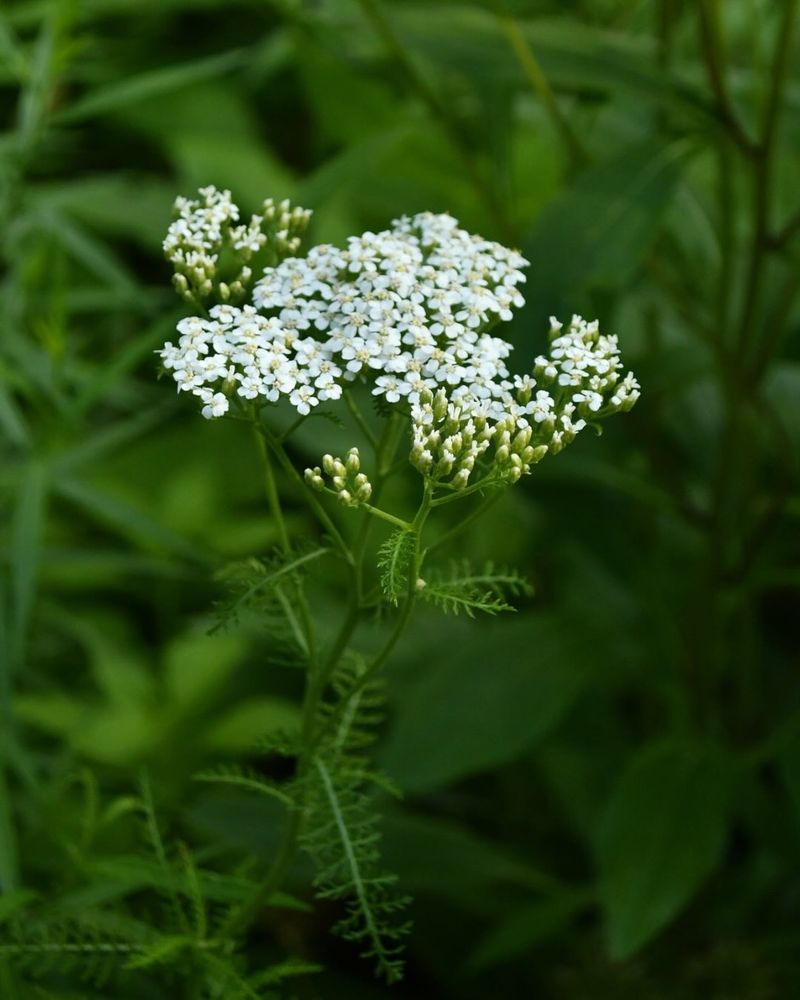
A flat yarrow flower head works like a tiny dining platform for beneficial insects.
Each cluster holds dozens of small florets with nectar and pollen close to the surface. That easy access matters because many helpful insects have short mouthparts and cannot reach deep tubular flowers as easily.
Adult lacewings, hoverflies, parasitic wasps, and other small beneficials can all use flowers like these for fuel.
That does not mean yarrow sends them straight to every spider mite in the yard. It gives them a reason to stay nearby, feed, reproduce, and move through the garden instead of leaving for a better food source.
Timing helps.
Yarrow can bloom through late spring and summer in Texas, which overlaps with the hot, dry weather that often favors spider mite outbreaks. A steady floral resource during that stretch can support predator activity when you need it most.
Give the plant full sun and well-drained soil.
Once established, yarrow handles heat and dry spells with much less fuss than many ornamental flowers. Avoid rich fertilizer, which can make the stems floppy and reduce the tidy form.
One patch will not turn the yard into a pest-free zone.
It can, however, make your garden more useful to the insects that already know how to hunt. That is a much better job for yarrow than pretending to be invisible bug spray.
Let Tiny Flowers Supply Adult Lacewings

Lacewings look delicate enough to be decorative, but their life cycle makes them valuable garden allies.
The adults often rely on nectar, pollen, and honeydew rather than hunting prey. A yard with no easy floral food can encourage them to move elsewhere before they reproduce.
Yarrow helps close that gap.
Its shallow florets offer accessible food, which can keep adult lacewings active around the garden longer. That matters because the eggs they lay become the next generation of hungry larvae.
Place yarrow near beds that regularly struggle with mites, aphids, or other soft-bodied pests.
Your Texas Garden Changes Every Week. Your Plan Should Too.
Gardening in Texas changes quickly throughout the season. Every Friday you’ll receive a simple weekly plan showing exactly what to plant, prune, fertilize, harvest, and protect so you never miss the right timing.
You do not need to ring every tomato or rose with it. A few sunny patches mixed through the landscape can create useful feeding stops without turning the whole yard into one species.
Keep bloom going with light deadheading.
Remove spent flower clusters before the plant puts all its energy into seed, but leave enough growth to keep the clump healthy through summer heat.
Avoid spraying the flowers while beneficial insects are visiting.
A plant meant to support predators loses much of its value when those same visitors meet pesticide residue on the landing pad.
Yarrow is not the hunter in this setup.
It is the break room, cafeteria, and recruitment desk. Feed the adults well enough to stick around, and the next generation can handle the more aggressive work beneath the leaves.
Count On Lacewing Larvae To Hunt Mites
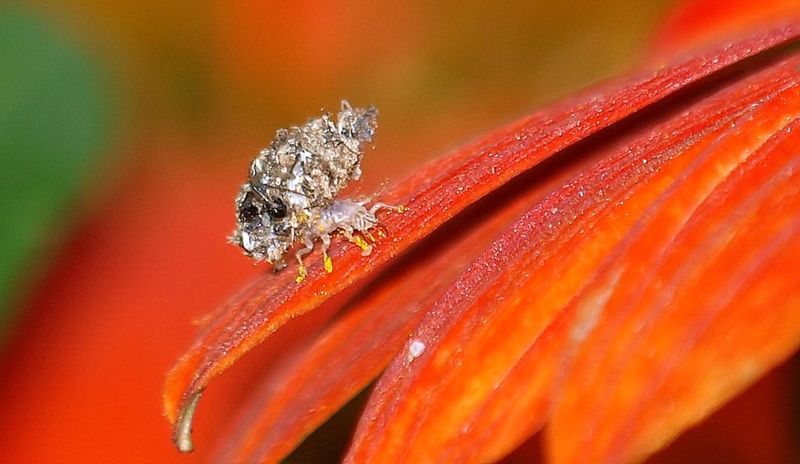
The real muscle arrives after lacewing eggs hatch.
Lacewing larvae are active predators that move across leaves in search of soft-bodied prey. Spider mites can be part of that menu, along with aphids, thrips, whitefly eggs, and other small pests.
Their size gives them an advantage.
Larvae can crawl beneath leaves and into tight plant growth where spider mites often gather. That puts them in places a casual spray may miss.
Hot Texas weather can speed insect development, which means several generations may move through the garden during one long summer.
That only helps when the larvae survive long enough to feed.
Broad insecticides can remove them along with the pests you meant to target. A heavy spray after yarrow successfully attracted adult lacewings can erase the benefit before the larvae get their turn.
Scout first.
Look beneath leaves for mites, webbing, eggs, and beneficial insects before choosing any treatment. Small mite populations may already have predators nearby.
Use the lightest intervention that fits the problem.
That may mean pruning a badly affected shoot, rinsing dusty foliage, or treating one isolated area instead of coating the whole bed.
Lacewing larvae are not tiny garden superheroes with perfect attendance.
They are simply effective predators when the habitat lets them stay alive. Give them floral support, fewer chemical surprises, and enough time to do the job they came prepared to do.
Protect Beneficials From Broad Spectrum Sprays
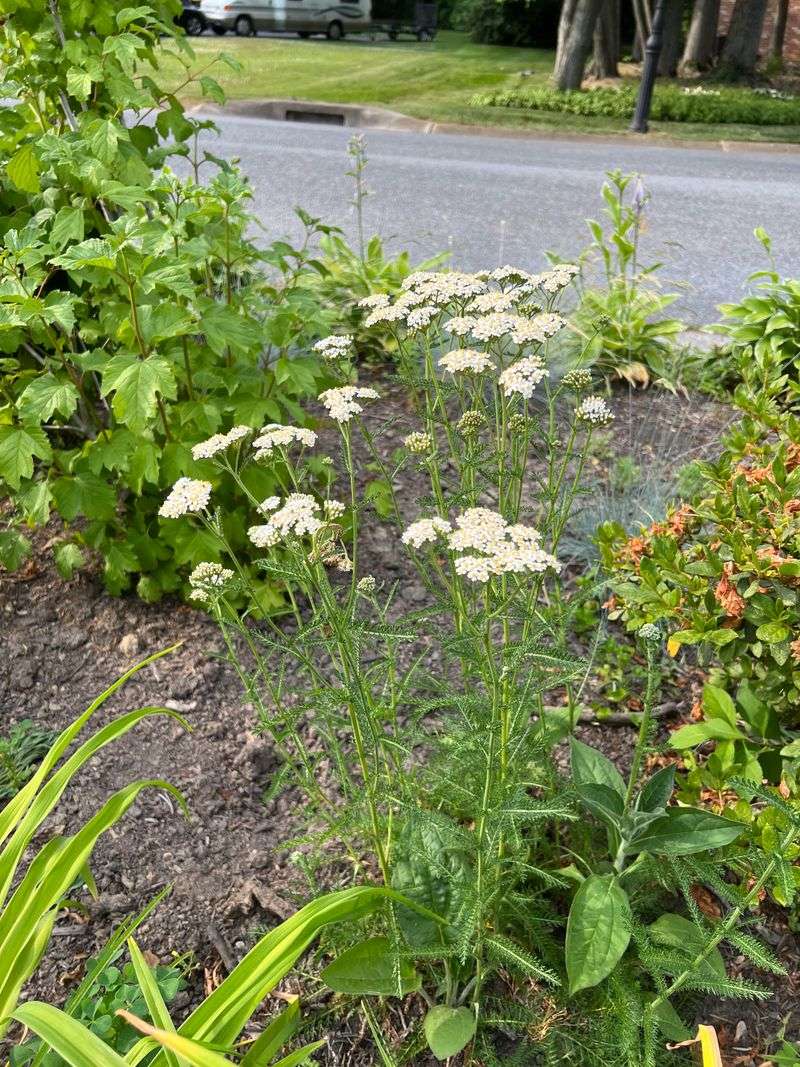
One strong spray can make a spider mite problem look better for a few days and worse later.
Broad-spectrum insecticides do not separate pests from predators very well. Lacewings, predatory mites, parasitic wasps, and other helpful arthropods can all be affected when the entire garden gets treated.
Spider mites can rebound quickly after that disruption.
Warm weather supports fast reproduction, so a population with fewer natural enemies may climb again before beneficial insects return.
That is one reason mite flare-ups sometimes follow aggressive insect control.
Keep treatments targeted.
A heavily affected branch may need direct attention, but the healthy plants nearby do not automatically need the same application. Spot treatment leaves more of the beneficial community intact.
Read every pesticide label carefully and follow it exactly.
Products differ in what they control, how long residues remain active, and how they affect non-target organisms. Avoid treating blooming yarrow when pollinators and predators are actively feeding there.
Also give the garden time between decisions.
A few mites on one leaf do not always justify a full-yard response. Regular checks can show numbers climbing, staying stable, or already dropping.
The goal is not a garden with zero insects.
That would be a very lonely place for all the helpful ones too.
Keep enough of the food web intact, and spider mites have a much harder time turning one stressed plant into an all-you-can-eat summer expansion plan.
Pair Yarrow With A Diverse Native Planting
One flower patch helps, but diversity makes the habitat reliable.
Beneficial insects need food across the season, not just during yarrow’s strongest bloom. A border with overlapping flowering periods gives them somewhere to feed as one plant finishes and another begins.
Use native companions with different schedules and shapes.
Black-eyed Susan can carry color through summer. Frostweed adds a later nectar source. Bluebonnets cover an earlier part of the year. Native grasses bring shelter and structure when the flowers are quiet.
That layered planting gives predators more reasons to remain in the yard.
It also avoids the weakness of asking one species to handle every ecological job.
Connect the patches when space allows.
A few native plants scattered beside nothing but turf and bare mulch offer less cover than linked flowering beds, grasses, and shrubs. Small insects move more comfortably through a yard that provides repeated stops.
Leave some open soil and manageable gaps too.
Dense, tangled growth can hold excess debris and make scouting harder. Diversity does not require every square inch to disappear beneath foliage.
Yarrow works best as part of the cast.
Its long bloom period makes it a strong anchor, but the supporting plants keep the beneficial buffet open before and after its peak.
A garden with more players is harder for one pest to dominate. Spider mites prefer a simple opportunity. A busy native border gives them competition, predators, and far fewer quiet corners.
Reduce Plant Stress That Favors Mite Problems
Hot, dusty, thirsty plants can become much more attractive to spider mites.
Texas summers create that combination easily. Bare soil throws dust onto leaves, dry roots put plants under stress, and high heat can push already weakened foliage closer to trouble.
Start with steady root moisture.
Water deeply enough to reach the active root zone, then let the soil move toward dry before another soak. Constant shallow splashes create weak surface roots and do little during a real heat spell.
Mulch can help.
A two- to three-inch organic layer cools the soil, slows moisture loss, and reduces dust that would otherwise blow onto nearby foliage. Keep the material back from stems and crowns so air can still move.
Skip heavy nitrogen feeding.
Soft, fast growth can be attractive to several sap-feeding pests and may leave plants less balanced during extreme heat. Feed only when the soil or plant condition gives you a real reason.
Dusty leaves also deserve attention.
A gentle rinse can remove grime from sturdy plants and make leaf surfaces less hostile to predators. Water early enough for foliage to dry well before night.
Healthy plants still get spider mites.
The difference is resilience. A well-watered, properly fed plant can tolerate small feeding populations much better than one already struggling through heat and drought.
Yarrow recruits help. Good plant care keeps the rest of the garden from hanging out a welcome sign.