The Mistake That Makes Arizona Rosemary Struggle During Monsoon Season
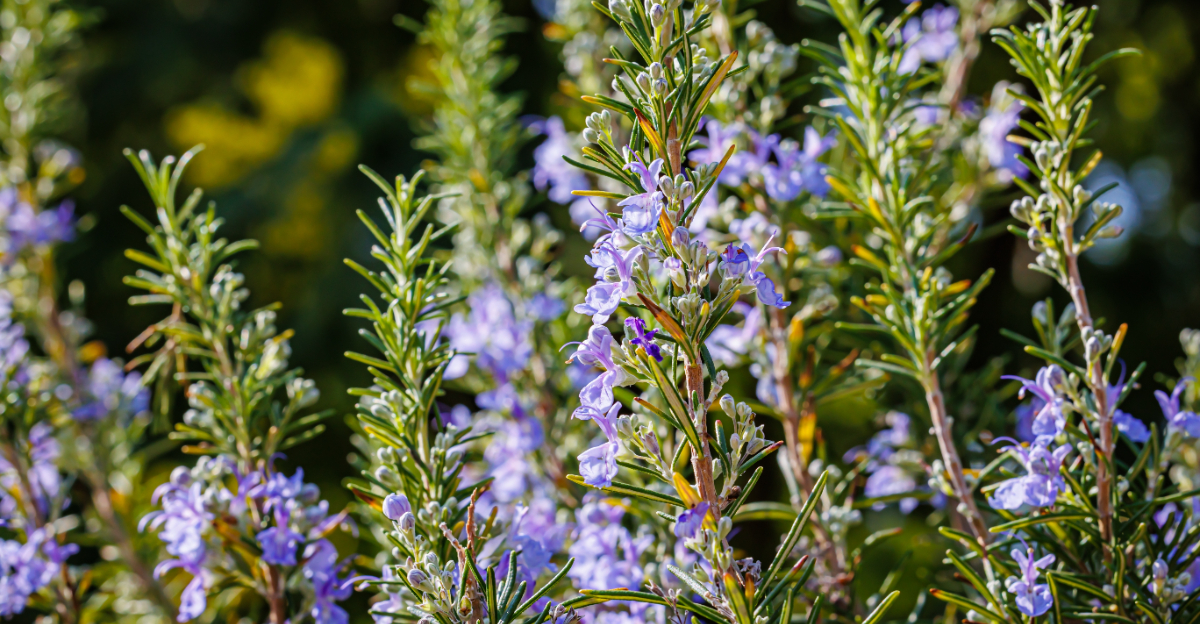
Rosemary may love sunshine and warmth, but monsoon season can suddenly make this tough herb much harder to keep happy. One common care habit can make things even worse.
When summer storms arrive in Arizona, the soil may stay moist longer than you expect. That change should affect how you care for rosemary between rainy periods.
Do not automatically follow the same watering routine you used during the driest weeks. Rosemary roots perform best when they are not sitting in constantly wet soil.
Drainage becomes especially important once heavy rain starts arriving. A planting spot that seemed fine earlier can behave very differently after repeated storms.
Watch the soil instead of simply watching the calendar.
Once you understand which monsoon mistake causes trouble, you can adjust your routine and help rosemary stay healthy through the humid weeks ahead.
1. Too Much Water During Monsoon Season Can Stress Rosemary
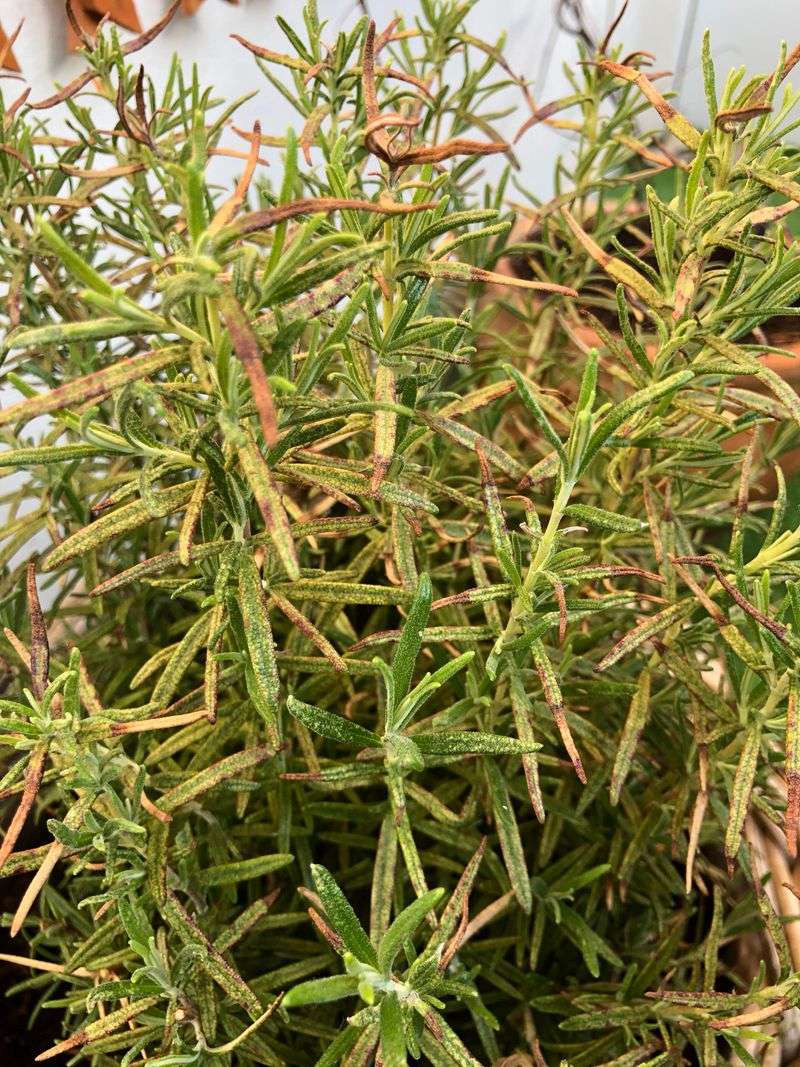
Soggy soil is one of the fastest ways to stress a rosemary plant. Rosemary naturally grows in dry, rocky, Mediterranean-style conditions.
Roots sitting in wet soil for too long can struggle to absorb oxygen, which weakens the entire plant over time.
Monsoon season in the Southwest brings intense rain bursts. These storms can drop a surprising amount of water in just 20 to 30 minutes.
When that happens several times a week, the soil around your rosemary may stay wet far longer than the plant can handle.
Overwatering signs include yellowing leaves, soft or mushy stems near the base, and a general drooping look. Roots may start to rot if conditions stay wet for extended periods.
Catching these signs early gives you a better chance of turning things around.
Cut back on supplemental irrigation as soon as monsoon rains begin arriving regularly. Your rosemary does not need extra water on top of heavy storm rain.
Letting the plant rely on natural rainfall alone during peak monsoon weeks is often enough, depending on how frequently storms hit your area.
Healthy rosemary needs balance. Too little water stresses it, but too much water stresses it faster.
Watching your soil moisture closely during summer storms is one of the smartest habits a desert gardener can build.
2. Let The Soil Dry Before The Next Watering
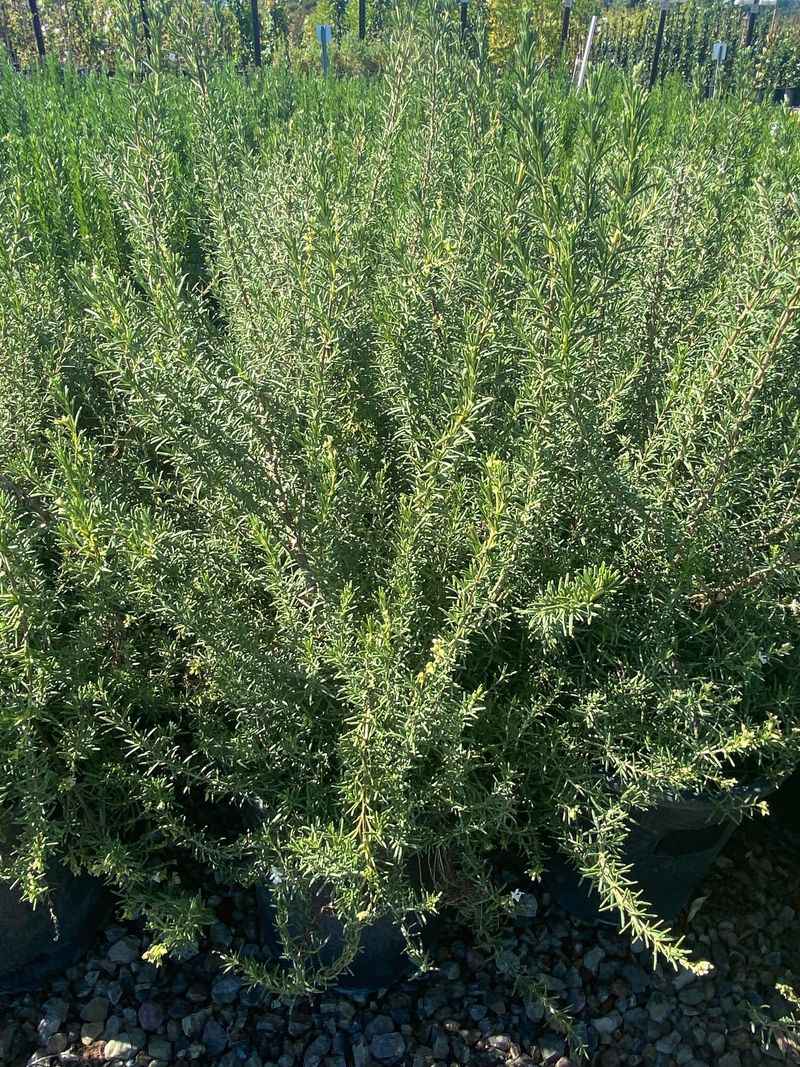
Waiting feels uncomfortable when you are used to watering on a schedule. But rosemary genuinely prefers dry spells between waterings.
Giving the soil time to dry out fully before adding more water is one of the most protective things you can do during monsoon season.
Push your finger about two inches into the soil near the plant base. If it still feels damp, hold off on watering.
Only water again once that top layer feels completely dry to the touch.
Monsoon rains complicate this because they arrive unpredictably. A storm might not come for five days, then three storms hit in one week.
Checking soil moisture manually rather than following a fixed schedule helps you respond to what is actually happening in your garden.
Clay-heavy soils hold moisture much longer than sandy or gravelly mixes. If your garden bed has dense soil, the drying period between storms could stretch longer than expected.
Your Arizona Garden Changes Every Week. Your Plan Should Too.
Gardening in Arizona changes quickly throughout the season. Every Friday you’ll receive a simple weekly plan showing exactly what to plant, prune, fertilize, harvest, and protect so you never miss the right timing.
Knowing your soil type helps you judge timing more accurately.
Rosemary roots are surprisingly good at finding water deeper in the ground. Short dry periods at the surface do not stress a well-established plant.
Letting the top soil dry fully before watering again encourages roots to grow deeper, which builds stronger, more resilient plants over the long run.
3. Fast Drainage Keeps Extra Rain Away From The Roots
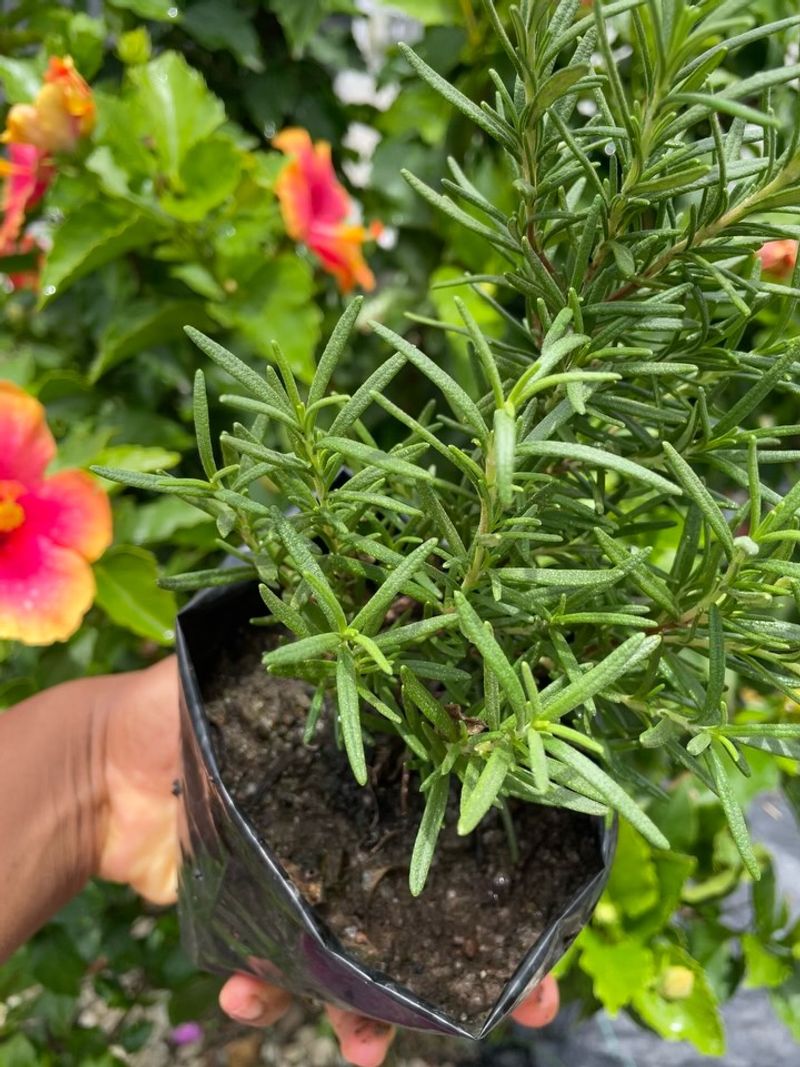
Drainage is everything when it comes to rosemary in a wet season. Roots that sit in standing water even for a few hours can begin to weaken.
Fast-draining soil gives excess rainwater somewhere to go before it causes problems.
Sandy or gravelly soil drains far faster than clay or compacted dirt. If your current garden bed drains slowly, mixing coarse sand or fine gravel into the top several inches can help improve water movement through the soil profile.
Slope matters too. Planting rosemary on a gentle slope, even a small one, helps gravity pull water away from the root zone naturally.
Flat areas tend to pool water after heavy rain, which puts rosemary roots at higher risk during intense monsoon storms.
Amending soil before the storm season starts is the best approach. Waiting until problems appear makes the fix harder and less effective.
A well-prepared bed handles monsoon water far better than one that was never adjusted for seasonal conditions.
Perlite is another useful amendment for improving drainage in garden beds or pots. Mixing it into your existing soil adds air pockets that help water move through more freely.
It is lightweight, affordable, and widely available at most garden centers across the region.
4. Raised Beds Can Move Water Away More Quickly
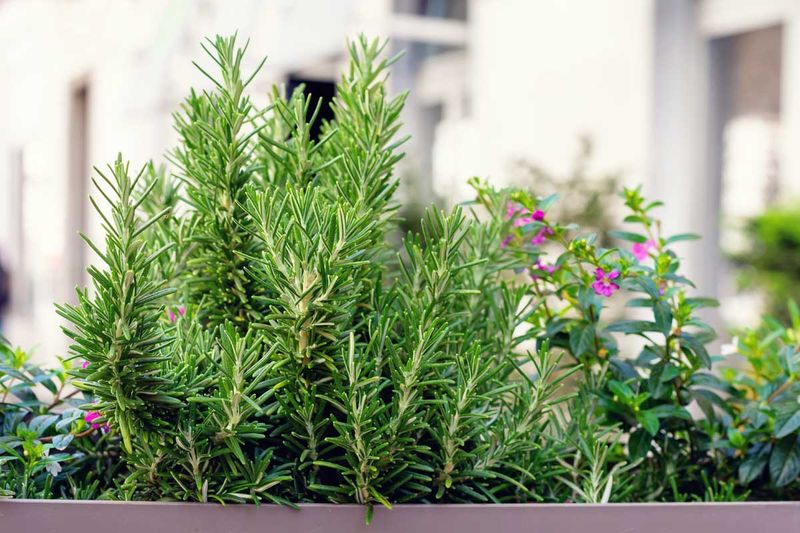
Raised beds change the game for desert gardeners dealing with monsoon rain. Elevating your planting area even six to twelve inches above ground level improves drainage significantly.
Water drains downward and outward rather than pooling around your plants.
Building a raised bed does not require expensive materials. Simple wood frames, cinder blocks, or even stacked stones can create enough elevation to make a real difference.
Fill the bed with a well-draining mix of native soil, coarse sand, and compost.
Ground-level beds in clay-heavy yards can stay waterlogged for days after a big storm. A raised structure lets gravity do the work of pulling water away from the root zone much faster.
Rosemary planted at a higher elevation tends to stay healthier through wet stretches.
Height also improves air circulation around the base of the plant. Moving air helps the surface soil dry out faster between rain events.
Less sitting moisture means less risk of fungal issues developing around the stems or roots.
One practical tip: avoid lining the bottom of a raised bed with landscape fabric that blocks drainage. Use a loose, open material or leave the bottom open entirely so water can escape freely into the ground below.
A raised bed only helps if water can actually exit.
5. Containers Need Open Holes At The Bottom

Container-grown rosemary is popular for good reason. Pots are easy to move, easy to manage, and work well in small spaces.
But a container without proper drainage holes can trap water at the bottom and create a wet, suffocating environment for roots.
Check every pot you use for rosemary. There should be at least one hole, and ideally several, at the very bottom of the container.
Small holes can also clog with soil over time, so checking them periodically during monsoon season is a smart habit.
Placing a layer of coarse gravel at the bottom of the pot was once a common recommendation, but it can actually reduce overall drainage in some cases.
Filling the entire container with a fast-draining potting mix is generally more effective for keeping roots healthy.
Pot material matters too. Terracotta pots are breathable and allow some moisture to evaporate through the walls.
Plastic pots hold moisture longer, which can be risky during wet periods. Switching to terracotta during monsoon season is worth considering if your rosemary is in a plastic container.
Elevating pots slightly off the ground using pot feet or small risers helps water exit the drainage holes more freely. When pots sit flat on a solid surface, the holes can get partially blocked.
6. Avoid Heavy Mulch That Holds Moisture Near The Base
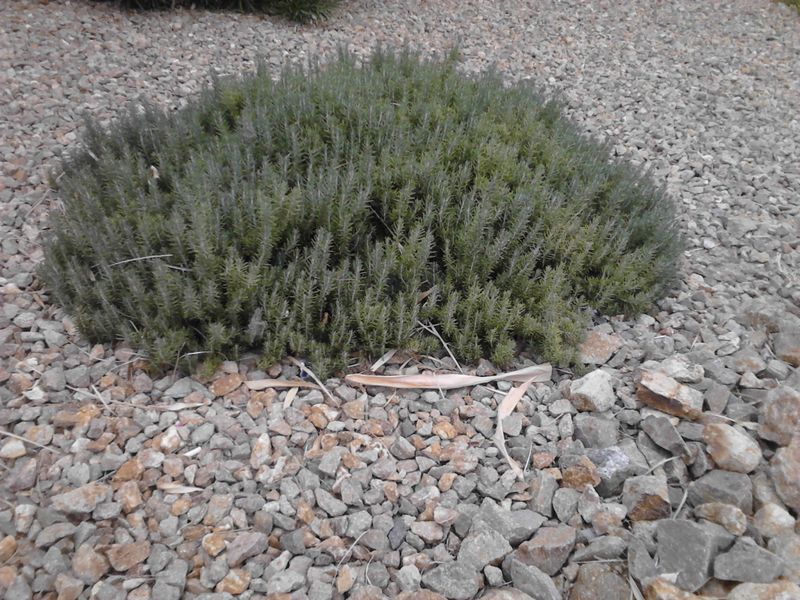
Mulch has real benefits in a desert garden, but the wrong type applied too thickly can work against rosemary during monsoon season. Heavy organic mulch like bark or wood chips holds moisture close to the soil surface.
Near the base of a rosemary plant, that trapped dampness can create problems over time.
Wet conditions around the crown and lower stems create a welcoming environment for fungal issues. Rosemary stems are not built to stay moist for extended periods.
Keeping the area around the base relatively dry and open is a better approach during the rainy season.
If you use mulch, keep it several inches away from the main stem. A gap of three to four inches between the mulch layer and the plant base allows air to reach the crown and helps the soil dry out more naturally after storms.
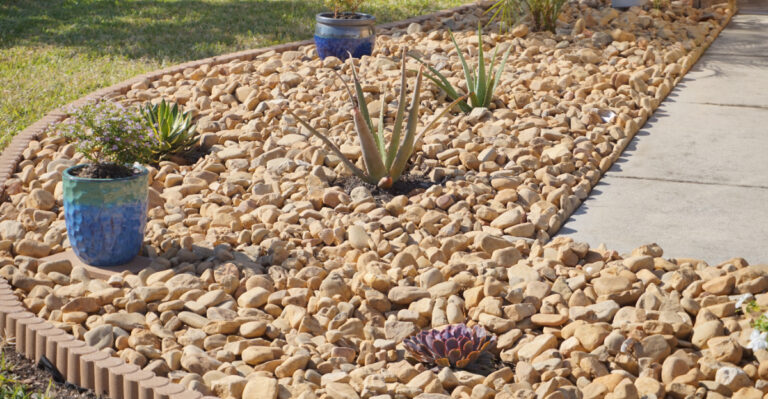
Gravel or decomposed granite works better around rosemary than organic mulch in wet climates. These materials allow water to pass through quickly without retaining it at the surface.
They also reflect heat, which rosemary tolerates well in warm desert conditions.
Pulling back any existing mulch before monsoon season starts is a simple step that many gardeners overlook.
7. Give Plants Plenty Of Airflow After Summer Storms
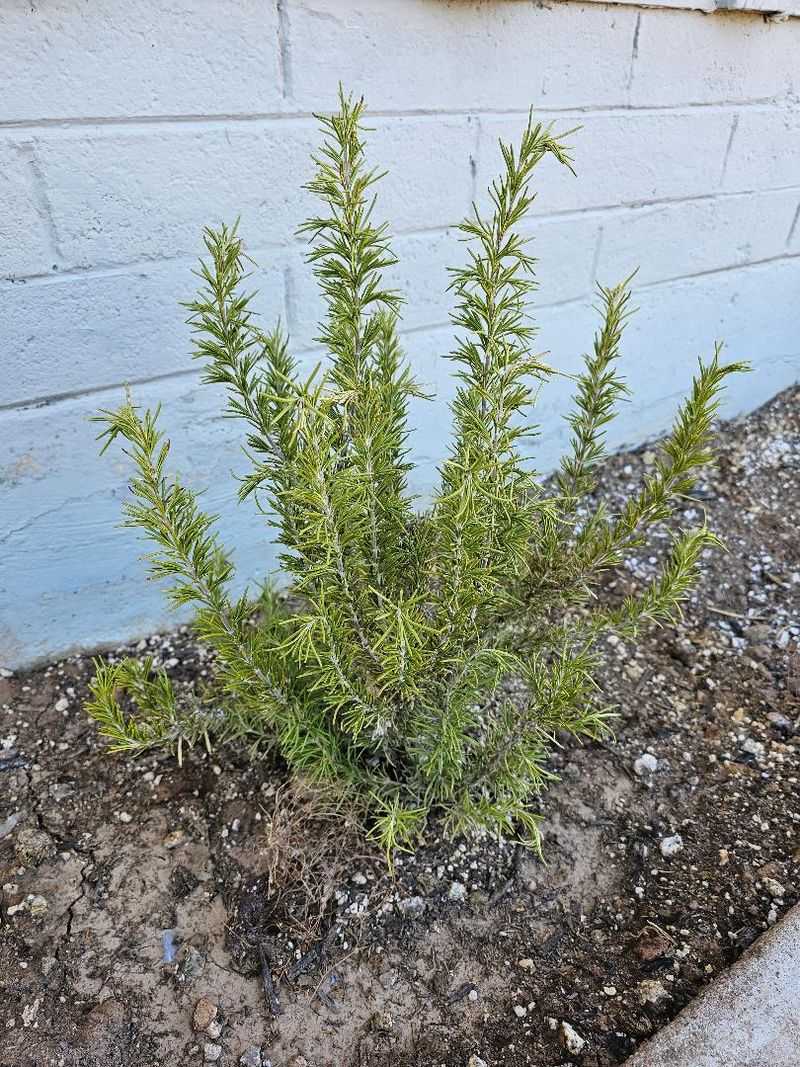
After a monsoon storm, the air feels thick and humid. That post-storm moisture lingers around plants, especially ones with dense foliage.
Rosemary needs moving air to dry off quickly and stay in good shape between rain events.
Overcrowded planting is a common issue. When rosemary is planted too close to other shrubs or garden structures, airflow gets restricted.
Stagnant, humid air sitting around the foliage for hours after a storm increases the risk of fungal problems developing on leaves and stems.
Spacing plants at least two to three feet apart gives each rosemary enough room for air to circulate freely. Wider spacing also allows sunlight to reach more of the plant, which speeds up drying after rainfall.
Both factors work together to support healthier growth through wet stretches.
Light pruning before and during monsoon season can also help. Trimming dense interior growth opens up the canopy slightly, letting air move through more easily.
Avoid heavy pruning during peak storm weeks, but removing a few crowded branches makes a real difference in airflow.
Positioning matters at the planting stage. Spots near walls, fences, or thick hedges tend to trap humid air after storms.
Open, exposed locations with good sun exposure and natural breezes suit rosemary far better in monsoon-prone areas of the Southwest.