How To Prune Pothos For A Fuller Plant, Not A Leggy One, In Nevada
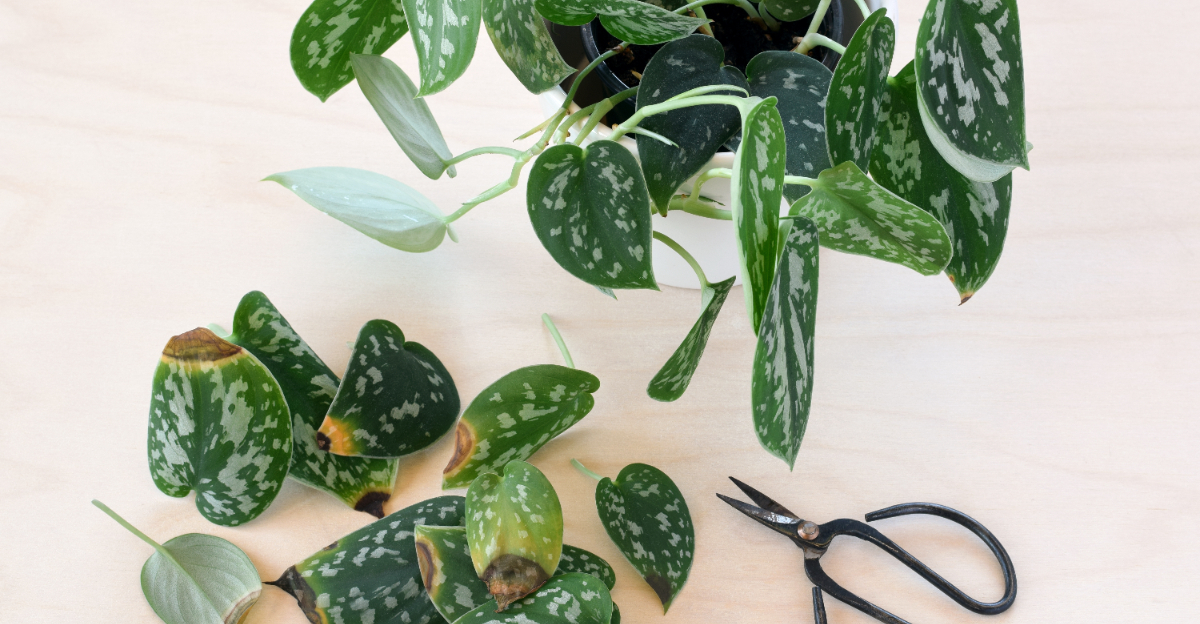
Your pothos shouldn’t look like it gave up halfway through growing. Maybe you assumed drooping vines were simply pothos being pothos. Nevada’s intense sun tests your plant before you even notice.
Every leggy stem you notice signals real stress, not flaw. You didn’t fail this plant, but you simply skipped a crucial move. Cutting stems back sounds risky until you see why it works.
Fresh growth appears exactly where you make a clean cut. Dry Nevada air pulls moisture your pothos needs to thrive. Windowsills turn intense, and your vines stretch toward available light constantly.
Bushy, thick pothos isn’t luck, it’s a decision made with scissors. Beginners assume pruning weakens the plant, but the opposite proves true.
Confidence with a blade separates thriving pothos from sad, leggy ones. That plant of yours wants to branch with your permission. Once you see how fast your pothos rebounds, you won’t stop cutting.
1. Choose Stems That Look Long And Bare

Some stems on your pothos look like they forgot to grow leaves. They stretch out long, with nothing but empty green rope from base to tip.
Those bare, leggy stems are your first targets when you start to prune pothos for a fuller look. Picking the right stems matters more than most people realize.
Walk around your plant slowly and look at each stem. A healthy stem has leaves spaced fairly close together, while a problem stem has wide, empty gaps.
In Nevada’s bright, dry climate, pothos often reach toward light sources and stretch way too fast. That rapid stretching leaves behind bare patches that make the whole plant look thin and sad.
Look for stems that are at least twice as long as the plant looks wide. Those are the ones stealing energy without adding much beauty.
Feel each stem lightly between your fingers. Firm, green stems with some leaves near the base are worth keeping and trimming back, not removing entirely.
Soft, mushy, or completely leafless stems can be cut off at the soil line. They are draining resources your plant could spend on fresh, bushy new growth.
Mark the worst offenders with a small piece of tape if you need help remembering which ones to cut. Taking a quick phone photo of your plant before you start is also a smart move.
Knowing exactly which stems to target makes the whole pruning process faster and far more satisfying.
2. Cut Just Above A Leaf Node
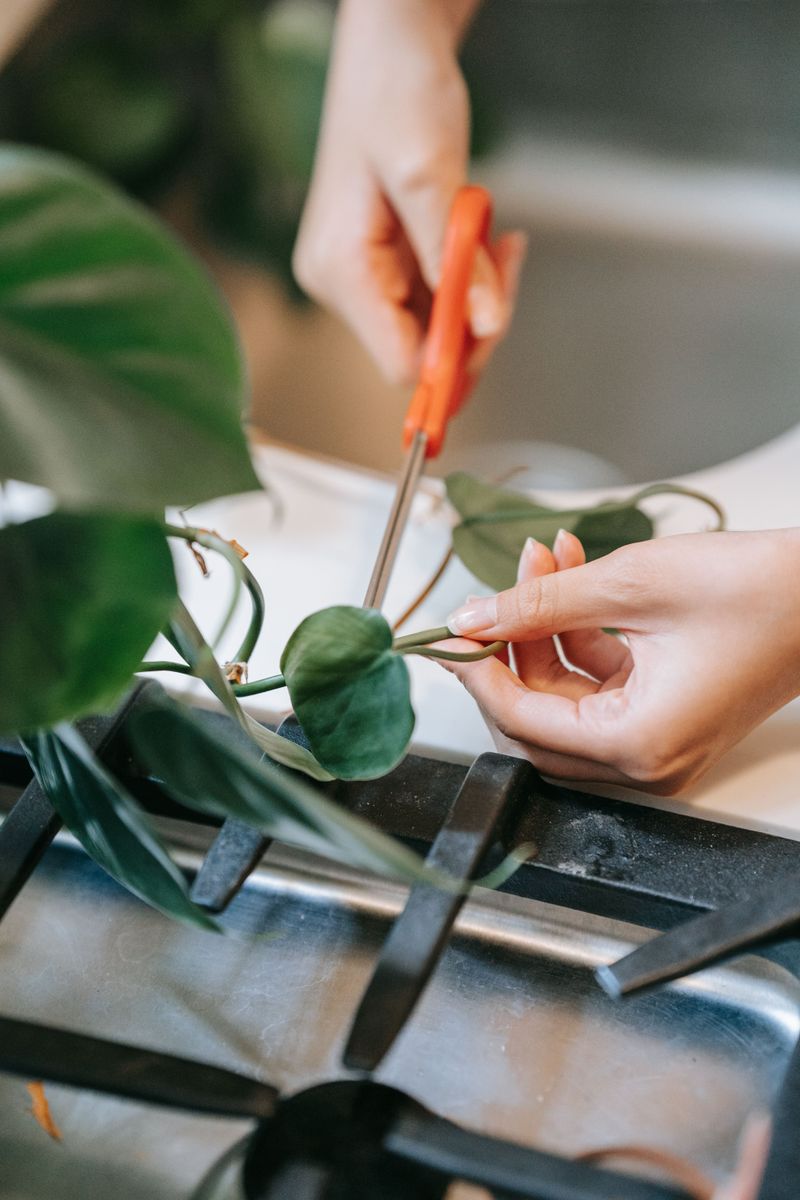
Precision matters more here than most people expect. Cutting in the wrong spot can leave a withered stub that looks awful and invites problems.
A leaf node is the small bump or joint on the stem where a leaf grows out. New growth always sprouts from these nodes after you prune pothos properly.
Find your target node, then position your scissors or shears roughly a quarter inch above it, precise measuring isn’t necessary. That tiny gap protects the node while giving the cut end room to dry cleanly.
Your Nevada Garden Changes Every Week. Your Plan Should Too.
Gardening in Nevada changes quickly throughout the season. Every Friday you’ll receive a simple weekly plan showing exactly what to plant, prune, fertilize, harvest, and protect so you never miss the right timing.
Always use clean, sharp scissors or pruning shears before you start cutting. Dirty blades can introduce bacteria, and dull ones crush the stem instead of slicing it smoothly.
Wipe your blades with rubbing alcohol between cuts if you are working on multiple stems. This simple habit keeps your plant much healthier over time.
In Nevada’s low-humidity environment, cut stems dry out faster than in humid climates. A clean cut heals quicker and reduces the chance of stem rot starting at the wound.
After cutting, you should see a small green nub remaining just above the node. That nub will dry up and fall off naturally within a week or two.
New leaves will begin sprouting from the node below your cut within a few weeks. Watching that fresh growth emerge is one of the most rewarding parts of the whole process.
One clean cut above a leaf node is all it takes to wake up dormant growth and push your plant toward a fuller shape.
3. Remove Any Yellow Or Damaged Leaves

Yellow leaves usually signal an underlying issue, and they should be removed before that issue spreads.
Damaged leaves also drag down the whole plant’s appearance and waste energy. Your pothos spends resources trying to fix leaves that are beyond saving.
Gently tug yellow leaves at the base of the leaf stem where it meets the main vine. Most will come off with a soft pull if they are truly ready to drop.
If a leaf resists, use clean scissors to snip the leaf stem close to the vine. Avoid ripping, which can tear the main stem and leave ugly scars.
Nevada’s dry indoor air is a common reason pothos leaves turn yellow or develop crispy brown edges. Low humidity pulls moisture from leaves faster than the plant can replace it.
Placing a small humidifier nearby or setting the pot on a pebble tray with water can help. These simple fixes reduce leaf stress without much effort or cost.
Check the undersides of leaves while you work. Tiny pests like spider mites love dry Nevada conditions and often hide on the bottom of leaves before spreading.
Removing damaged leaves also improves airflow around the plant. Better airflow means lower risk of fungal issues, which occasionally pop up even in dry climates when overwatering occurs.
A clean, leaf-free vine looks intentional and healthy, setting the stage for beautiful new growth to take over.
4. Trim Back To Encourage Bushier Growth
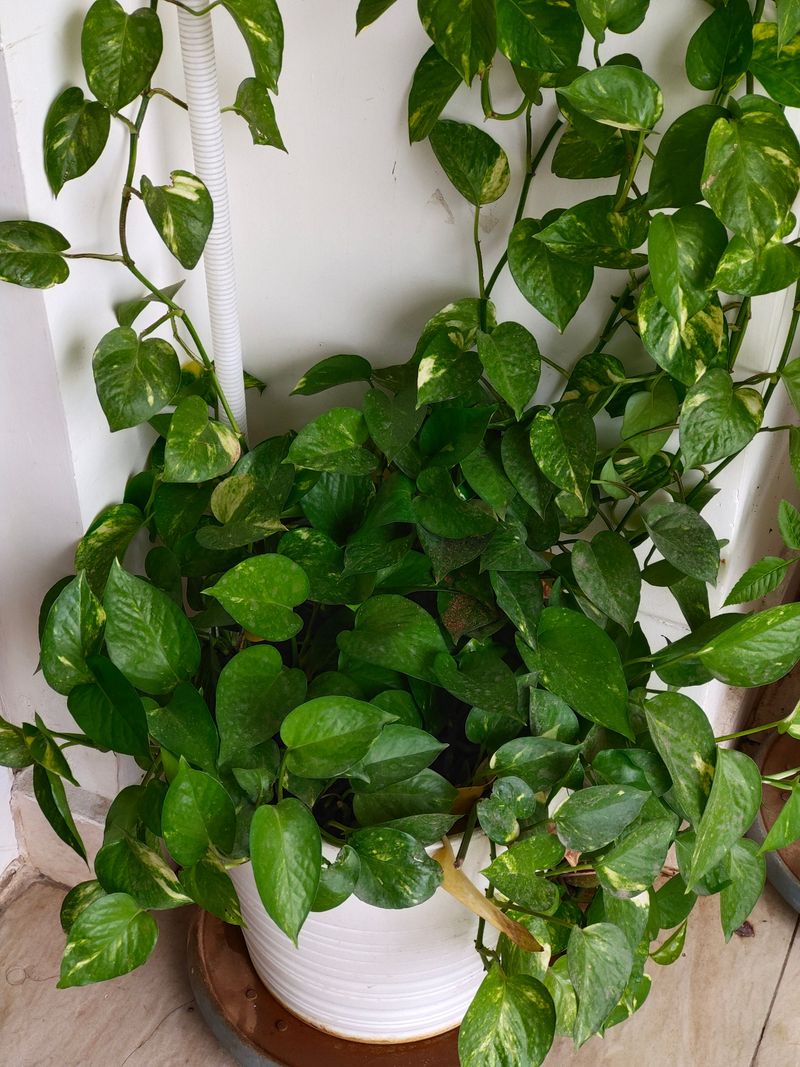
Trimming back sounds scary, but it is actually the kindest thing you can do for a leggy pothos. Shorter stems push the plant to branch out and grow wider.
When you cut a stem, the plant responds by sending energy to dormant nodes lower on the vine. Those sleepy nodes wake up and sprout new shoots.
As a general guideline, cut stems back by roughly one-third of their total length during each pruning session, adjusting based on the plant’s size and health.
Focus your trimming on the longest stems first, since those are the ones making your plant look unbalanced. Cutting them encourages growth closer to the base, where you actually want it.
Nevada’s strong sunlight can make pothos grow toward windows at an angle, creating one-sided, lopsided plants. Trimming the longer side back helps balance the overall shape over time.
After trimming, your plant may look a little sparse for a week or two. That is completely normal, and new growth will fill things in faster than you expect.
Water your pothos lightly after a pruning session to reduce stress on the plant. Avoid fertilizing right away, since the plant needs time to adjust before taking on extra nutrients.
Keep the trimmed plant in bright, indirect light during recovery. Direct Nevada sun through glass can scorch freshly cut stems and slow the regrowth process significantly.
Consistent trimming every few months turns a scraggly vine into a genuinely full, impressive plant that fills its pot beautifully.
5. Pinch New Growth Tips Regularly
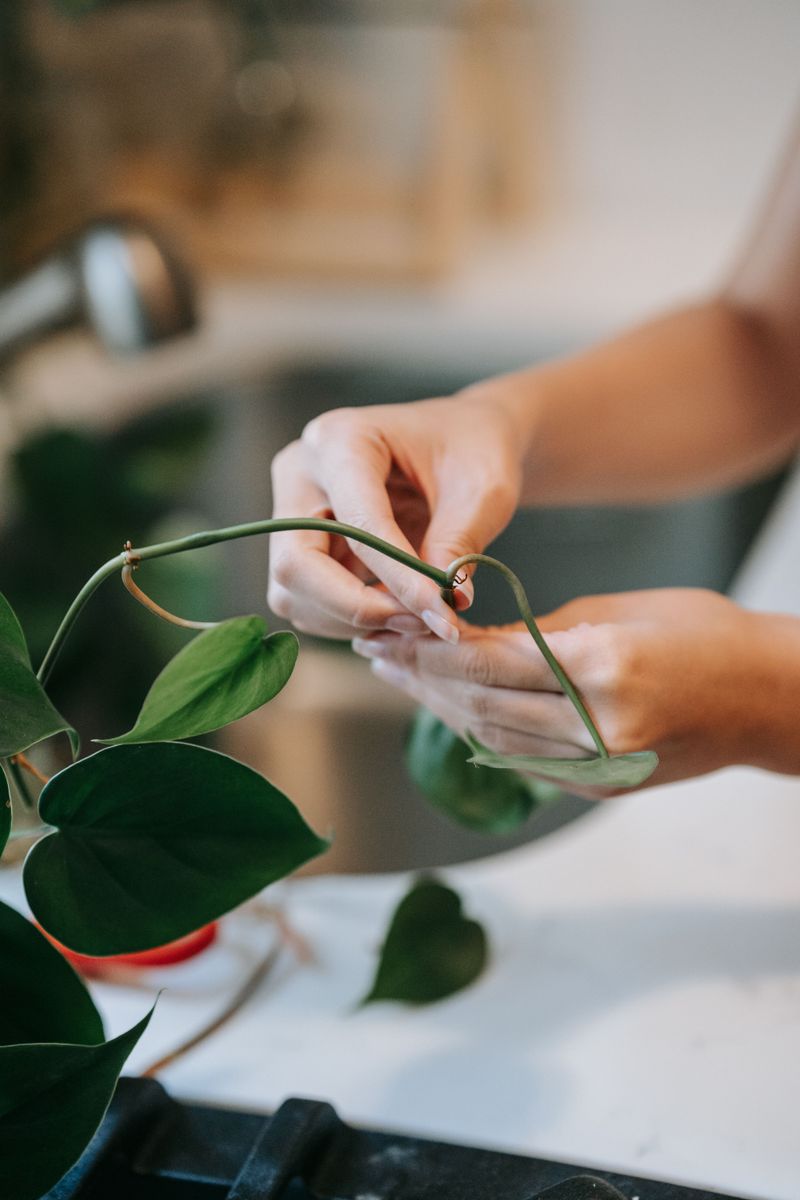
Here is a trick most beginners never hear about: pinching. It sounds simple because it is, and it works surprisingly well on pothos.
Pinching means using your fingers to snap off the very tip of a new growing shoot. You do not even need scissors for this one.
When you remove the tip of a new shoot, the stem cannot keep growing in one direction. Instead, it splits and sends out two new shoots from the nodes just below.
Two shoots where one used to be means double the leaves and double the fullness over time. Do this regularly and your pothos starts looking noticeably lush within a few months.
The best time to pinch is while new growth is still small and tender, generally under a couple of inches long. Soft new tips snap off cleanly without leaving a rough wound.
In Nevada, plants often push new growth aggressively in spring when temperatures warm up fast. That seasonal burst is the perfect window to do a round of pinching across the whole plant.
Check for new tips every week or two during the growing season. Staying consistent with pinching is what separates a mediocre plant from one that looks professionally maintained.
You can pinch multiple stems in one sitting without stressing the plant at all. Just avoid pinching every single shoot at once, since the plant needs some active growth to stay healthy.
Pinching regularly is the low-effort habit that delivers the highest visual payoff for your pothos.
6. Propagate Cuttings To Fill Bare Spots

What if you could use the stems you cut off to make your plant look fuller? You absolutely can, and it is one of the smartest moves in plant care.
Pothos propagates incredibly easily in water. Just take a cutting with at least one or two nodes, strip the lower leaves, and place it in a glass of water.
Depending on light and temperature, white roots typically begin sprouting from the submerged nodes within a few weeks. Once roots reach about an inch long, the cutting is ready to pot up.
Tuck the rooted cuttings directly into the soil of the parent pot. Planting them around the edges fills in bare spots and makes the whole pot look dramatically fuller.
Nevada’s dry air can slow root development slightly compared to more humid climates. Keep the water glass out of direct sunlight and change the water every few days to keep things fresh.
Using filtered or room-temperature water works better than cold tap water in desert climates. Cold water can shock the tender new roots and delay the whole process by weeks.
You can propagate several cuttings at once and pot them all together for a fast, lush result. Three or four cuttings added to an existing pot create an almost instant transformation.
Label your cuttings with a small sticky note if you are propagating multiple varieties at once. Mixing up golden pothos and marble queen cuttings by accident creates a fun surprise, though.
Propagation turns your pruning scraps into free plants, making every cut feel like a small investment.
7. Rotate The Plant For Even Growth

Plants always chase light, and pothos is no exception to that rule. If one side of your plant faces a window, that side grows faster and fuller than the other.
Rotation is the simple fix that most plant owners completely overlook. Turning the pot a quarter turn every week keeps growth balanced across the whole plant.
Even growth means pruning stays easier because you are not constantly managing one overgrown side. A balanced plant also looks more intentional and polished on any shelf or table.
In Nevada, south-facing windows deliver intense, direct light for most of the day. Rotating your pothos prevents one side from getting scorched while the other side stays dim and stunted.
Set a phone reminder on the same day each week to turn your plant. That tiny habit takes five seconds and pays off with noticeably more symmetrical growth over months.
If your plant sits in a hanging basket, rotation is even more important. Hanging plants often spin on their own, but not always in a helpful or consistent direction.
Check the soil moisture each time you rotate. Combining rotation with a quick soil check builds a healthy care routine without adding extra steps to your schedule.
Plants that receive even light also develop stronger root systems overall. A stronger root system supports more growth points, which directly feeds into that full, bushy look you are working toward.
Rotating your pothos is the easiest habit in this entire guide, and it rewards you every single week.
8. Repeat Pruning Every Few Months
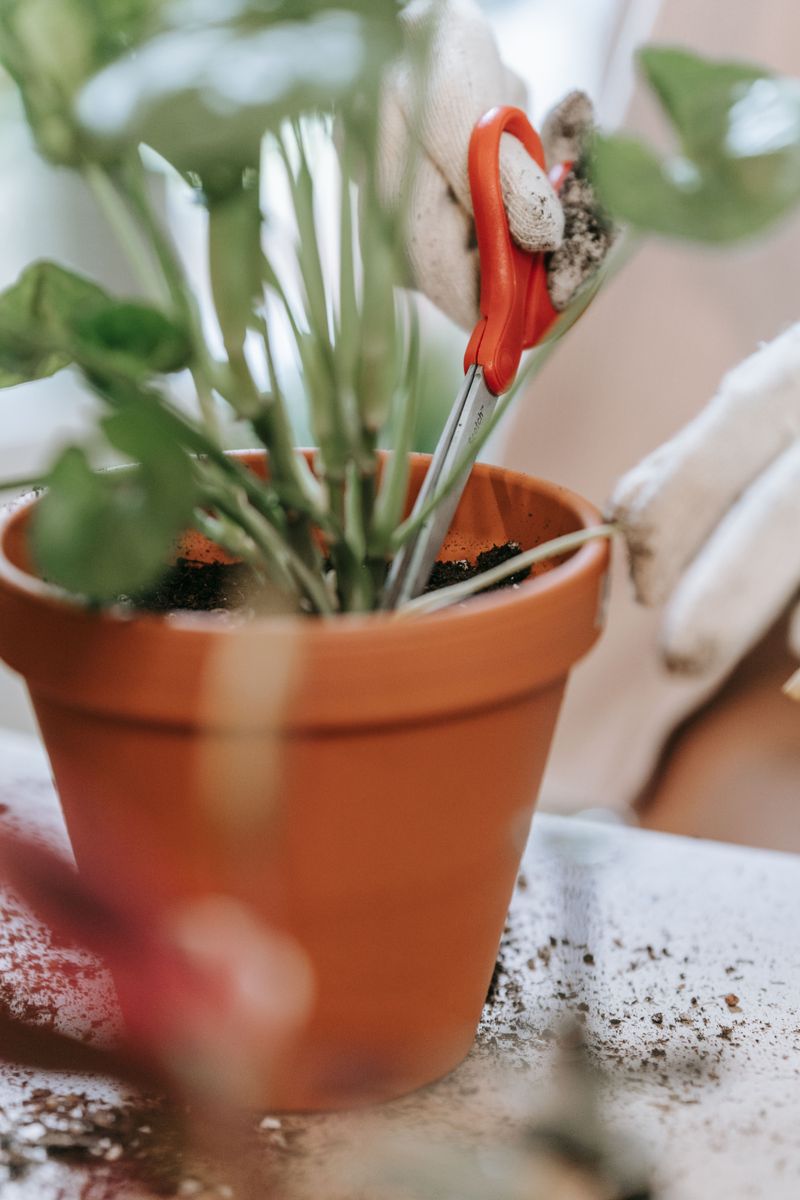
Pruning pothos once is good. Pruning it consistently is what actually transforms a struggling plant into a full, healthy one over time.
Setting a regular schedule keeps your plant from reverting to that long, leggy look you worked so hard to fix. Think of it like a haircut: one trim helps, but regular trims keep things sharp.
As a general rule of thumb, every two to three months works well for most pothos plants in indoor Nevada conditions, though this can vary by plant. That timeline gives the plant enough recovery time between sessions to push strong new growth.
Mark your pruning dates on a calendar or set a recurring phone reminder. Consistency matters far more than perfection when it comes to keeping a pothos looking its best.
Each pruning session does not need to be dramatic or extensive. A light tidy-up, removing a few bare stems and pinching new tips, is sometimes all it takes.
Pay attention to how your plant responds after each session. Fast regrowth is a sign your pothos is healthy and thriving in its current spot and care routine.
Slow regrowth might signal low light, inconsistent watering, or low humidity, all common challenges in Nevada’s desert environment. Adjust one variable at a time and observe the results before changing anything else.
Keep a simple plant journal or use your phone camera to track progress. Seeing before-and-after photos of your pothos over several months is motivating and helps you spot patterns.
Repeat pruning is the long game that turns a mediocre pothos into the kind of full, trailing plant that guests will notice and ask about.