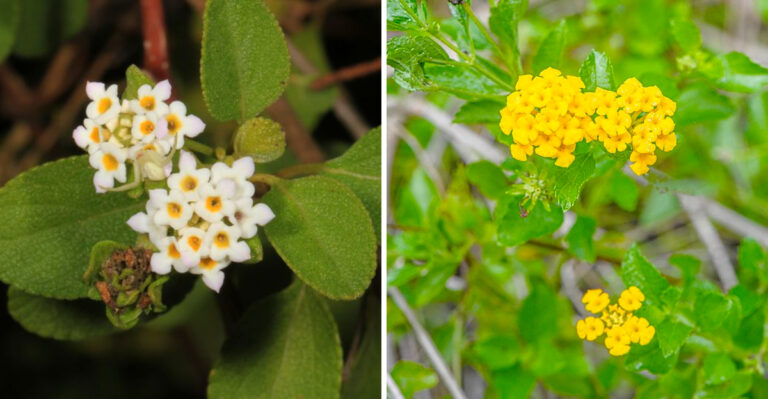
These Are The Heat-Loving Florida Herbs That Look Expensive But Need Little Water
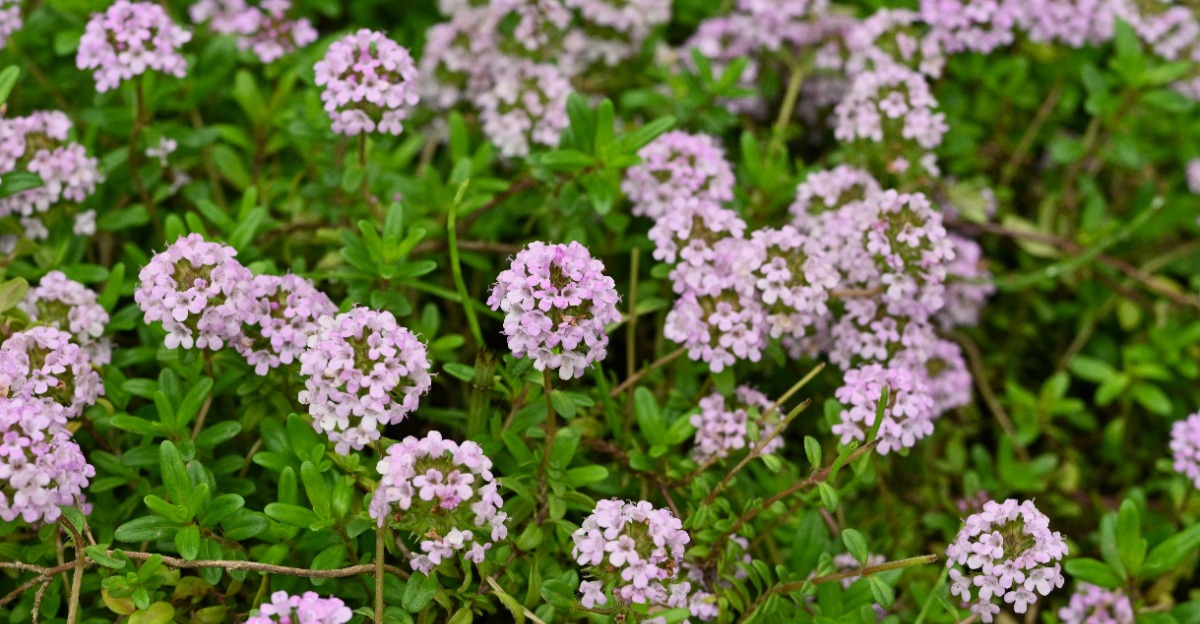
A Florida herb garden in August should not look like a crisis. Drooping leaves, daily watering demands, plants that need intervention every forty-eight hours just to stay presentable.
That version of herb gardening is exhausting and it is almost always the result of choosing the wrong herbs for the wrong season. Florida August heat is not a problem for every herb.
A specific group finds it agreeable, performs through it without drama, and looks polished in a container or a bed without demanding the kind of attention that makes summer gardening feel like a part time job.
These herbs do not read expensive because of what they cost.
They read expensive because of how they hold themselves through conditions that reduce everything around them to something struggling. Heat, low water, high visual impact.
That combination exists in Florida herb gardening. It just requires knowing which herbs were built for it.
1. Make Rosemary Look Like A Sculpted Evergreen
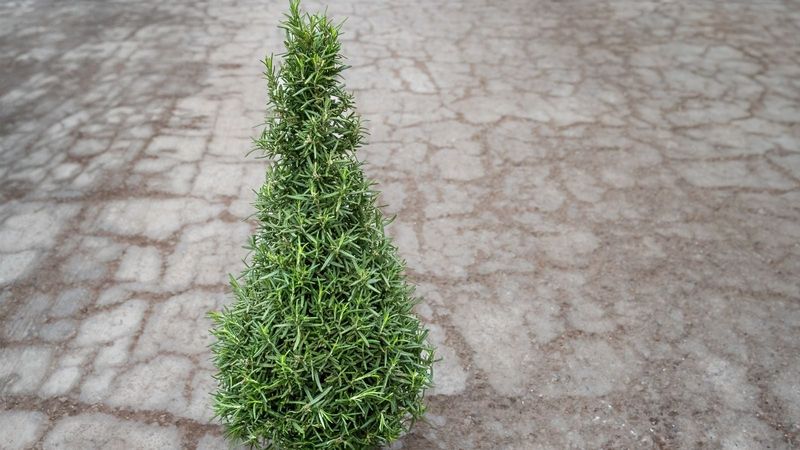
A crisp evergreen shape beside a front walkway can stop visitors before they reach the door. Culinary rosemary (Salvia rosmarinus, formerly Rosmarinus officinalis) earns that reaction through its naturally structured form.
Narrow, needle-like leaves cover woody stems that hold their outline through Florida heat and dry spells alike.
Upright cultivars are the ones to reach for when a clipped shrub or miniature hedge effect is the goal. With selective pruning, you can maintain a clean silhouette without exposing the bare interior wood that does not regenerate well.
Trailing forms exist and serve a different purpose, spilling over walls rather than standing upright as a focal point.
Strong light and fast-draining soil are non-negotiable for this plant. Once roots settle in over several weeks, it handles dry stretches with less stress.
Repeated summer rain and saturated ground are a different story. Sitting water around the base invites root problems that no amount of sun can fix.
A raised bed or a deep container gives you direct control over drainage and keeps the roots from staying wet. Near a walkway or doorway, check the mature spread of your chosen cultivar first.
Some upright types reach three to four feet wide. Planting one too close to a narrow path creates crowding before the season ends.
Pruning after each harvest keeps the shape full and the growth productive.
2. Give Cuban Oregano A Bold Velvet Finish
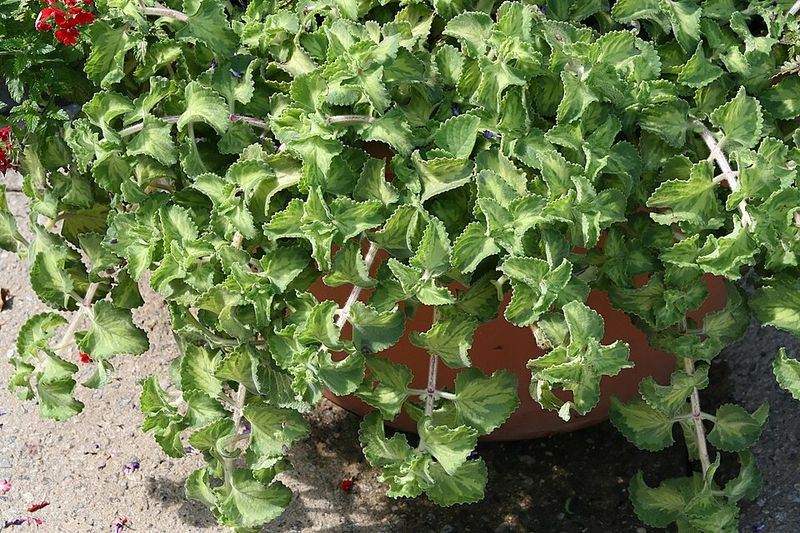
Run a finger across a Cuban oregano leaf and the surface feels almost like soft suede. That thick, fuzzy quality is exactly what makes Plectranthus amboinicus such a bold presence in a container display.
Its broad, fleshy leaves sit in layered rows that catch light differently than any fine-leafed herb.
Cuban oregano is a distinct plant from standard culinary oregano, and the two should not be swapped in a recipe or a planting plan without knowing the difference.
The spreading and trailing growth habit makes it well suited to the edge of a wide planter or a raised container.
Your Florida Garden Changes Every Week. Your Plan Should Too.
Gardening in Florida changes quickly throughout the season. Every Friday you’ll receive a simple weekly plan showing exactly what to plant, prune, fertilize, harvest, and protect so you never miss the right timing.
Stems can reach outward there without crowding the center.
Variegated forms with cream or white leaf margins are available and add a lighter contrast to the display. Verify that any variegated plant you purchase is healthy and well-rooted before committing it to a permanent spot.
Bright indirect light or morning sun with afternoon shade suits it well in the warmest months. Intense afternoon exposure can stress the leaves in peak summer heat.
Well-drained soil and restrained watering protect the roots. Thick leaves store some moisture, but that does not mean the plant tolerates soggy conditions.
Cold sensitivity is real, so protect it when temperatures drop in Florida. Confirm safe handling and growing practices before harvesting for any culinary use.
3. Let Mexican Tarragon Add A Golden Designer Touch
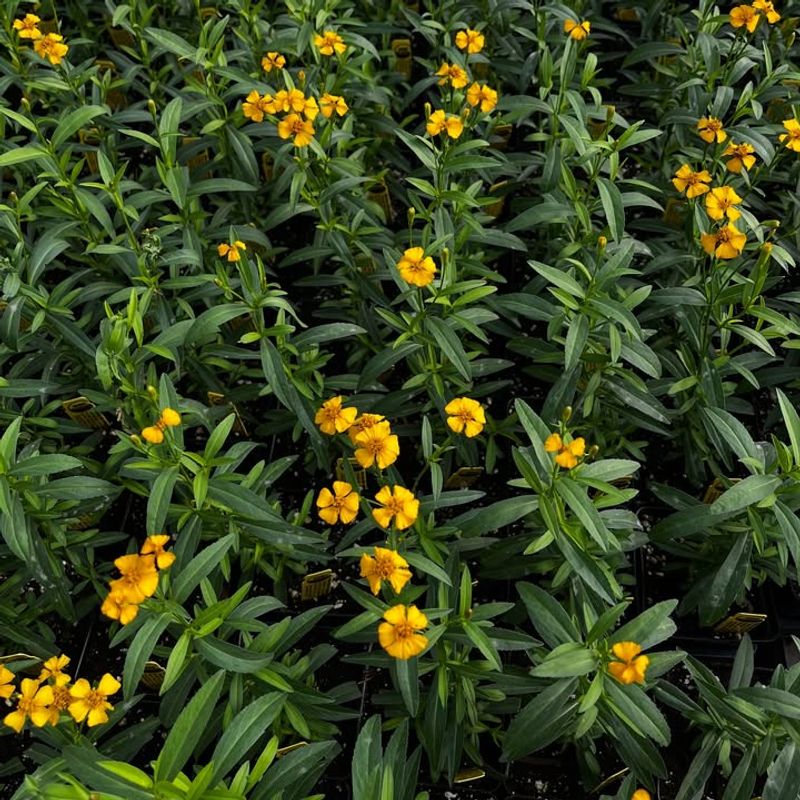
Yellow flowers rising above narrow green foliage have a way of making a border look intentional. Mexican tarragon (Tagetes lucida) delivers exactly that effect, especially as temperatures stay high into autumn.
Its upright form and clean leaf lines hold structure well before the blooms even open.
This plant is not the same as French tarragon. French tarragon struggles in humid, hot conditions and rarely flowers.
Mexican tarragon, by contrast, is documented to handle Florida heat, humidity, and dry stretches with considerably more ease. Established plants still benefit from occasional irrigation during extended dry periods.
Drought tolerance here means resilience rather than total independence from water.
Full sun and well-drained soil support the best performance. Mature plants can reach two to three feet tall and spread roughly one to two feet wide, so border placement should account for that spread.
Repeating several plants in a row creates a more deliberate, designed effect than a single specimen planted alone.
Flowering typically occurs in late summer through autumn in warm-climate gardens, though exact timing shifts with weather and regional conditions. Light trimming through the growing season can slow legginess, since the plant does not stay compact on its own.
Its flavor carries anise notes and is used in some culinary traditions, but the focus here is its visual contribution. The golden blooms against green foliage create a refined seasonal accent that few other herbs match.
4. Use Society Garlic For Sleek Lilac Accents
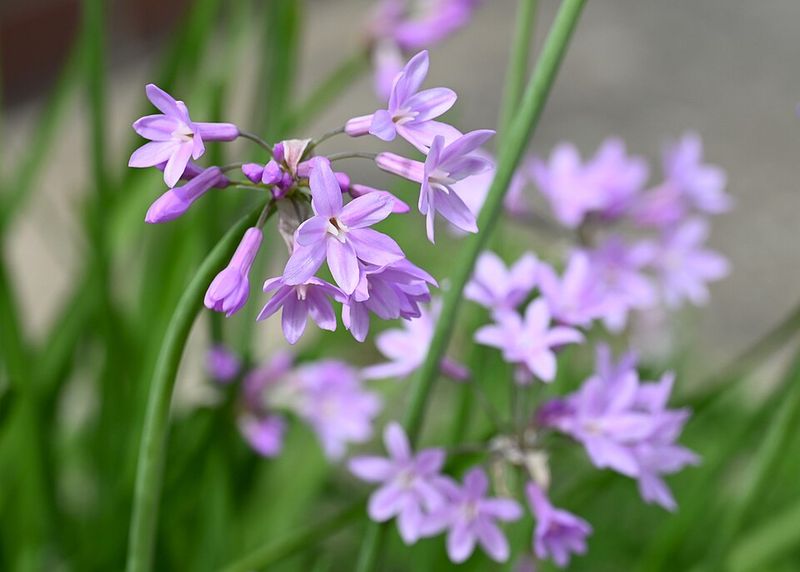
Lilac flower clusters hovering above clean, upright leaves give society garlic (Tulbaghia violacea) the look of a plant that requires far more fuss than it actually does.
Thin, grass-like foliage forms tidy clumps that suit modern borders, formal edges, and container groupings with equal confidence.
Repeating several clumps at regular intervals turns a simple planting into something that reads as planned and precise.
Society garlic is not true garlic. It belongs to a different genus entirely and should not be treated as a substitute for Allium sativum in the kitchen.
The leaves and flowers may be edible when the plant has been grown safely without chemicals not labeled for edible crops, but no medical claims attach to this plant here.
After roots establish over a few weeks, the clumps handle dry spells with reasonable resilience. Adequate moisture during dry stretches supports better flowering and a fuller appearance.
Full sun and well-drained soil bring out the best results. In colder northern parts of Florida, some cold protection may be needed during unusual freezes.
One placement detail worth noting: the foliage releases a garlic-like scent when brushed or touched. Planting it beside a heavily used porch or narrow seating area means guests will encounter that scent regularly.
A border edge or a container set slightly away from foot traffic lets the flowers do their visual work without the fragrance becoming an issue. Division of established clumps can refresh crowded plantings over time.
5. Turn Thyme Into A Tailored Cascading Edge
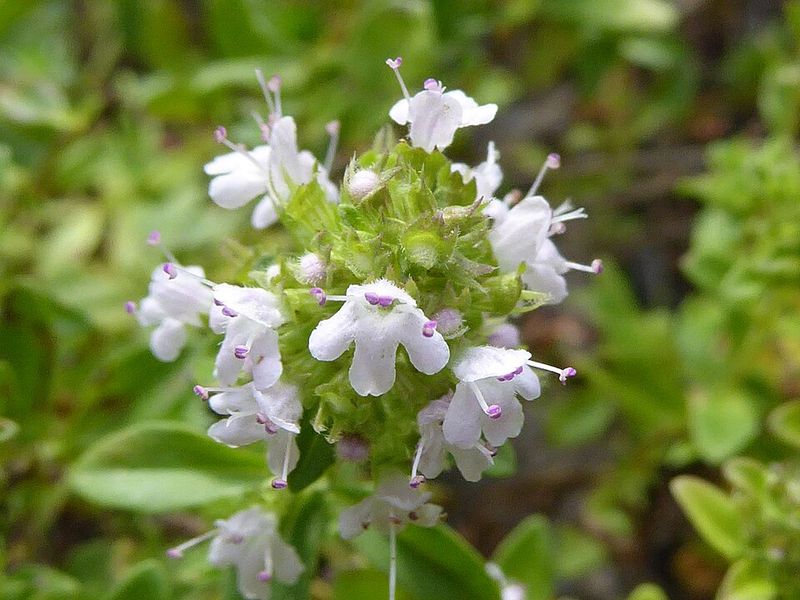
Small stems spilling over the edge of a stone wall or brick border create a line that looks both deliberate and relaxed. Common culinary thyme (Thymus vulgaris) pulls off that effect at a low scale that few other herbs can match.
Its tiny leaves and spreading stems fill gaps and soften hard edges without overwhelming the surrounding planting.
Dry conditions after establishment suit this plant well. Fast drainage is the more pressing requirement, especially in areas where summer rain arrives frequently and in large amounts.
Humid, still air around dense low growth creates conditions where fungal issues may develop. A raised edge, a sloped border, or an elevated container keeps air moving and water draining away from the base.
Full sun is the standard recommendation for culinary thyme, and shaded spots tend to produce weaker, less aromatic growth. Most thyme cannot handle regular foot traffic, so it works as a visual edge rather than a walkable ground cover.
Do not expect it to stay uniformly dense through every wet and rainy summer stretch.
When stems become woody or leggy, light trimming after flowering can encourage fresher growth from the base. Harvest small amounts regularly to keep the plant producing.
Buying a labeled culinary variety rather than a generic unnamed plant gives you more confidence in both flavor and growth habit. Containers let you move the plant to a drier, sunnier spot if summer conditions turn problematic.
6. Shape Sage Into A Silver Foliage Statement
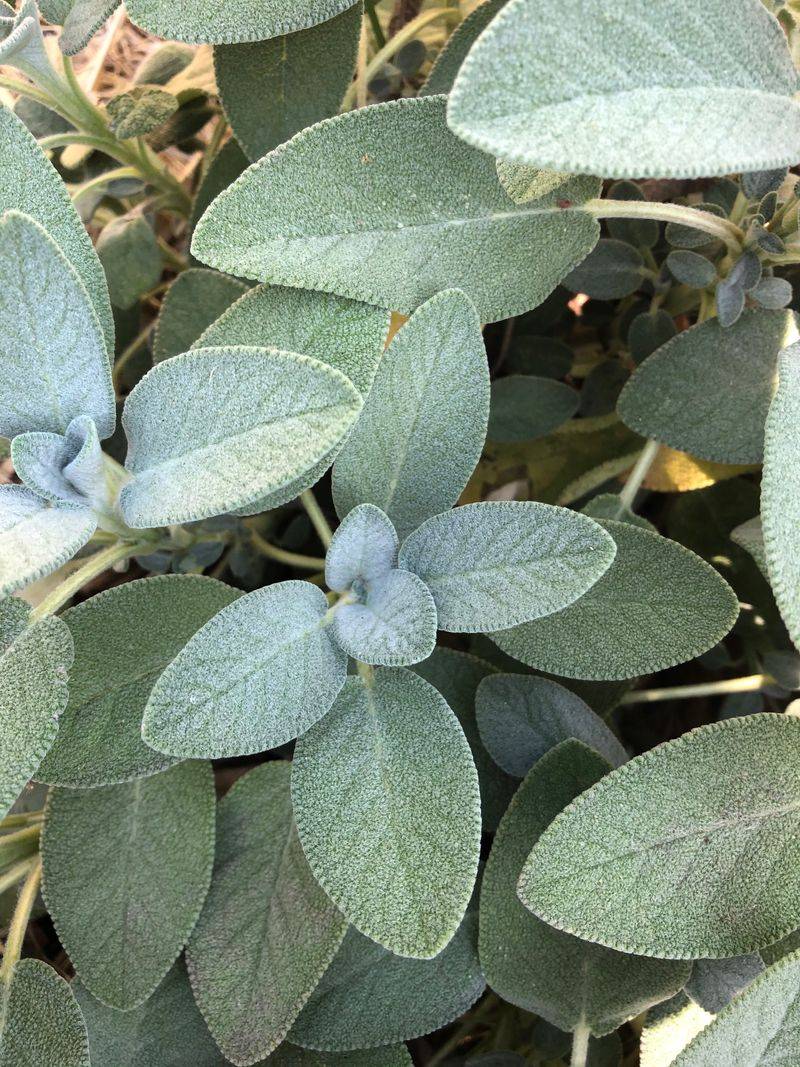
Silver-gray foliage set against a dark container or a backdrop of deep green leaves creates a contrast that reads as refined without any flowers required. Common culinary sage (Salvia officinalis) carries that effect through its soft, pebbly-textured leaves.
Those leaves shift between gray-green and silvery tones depending on light and season. The color alone earns it a spot in a composed planting.
Mediterranean in origin, it performs well in heat when drainage and airflow are both adequate. High humidity combined with wet soil is where things get difficult.
Still, moist air settling around the leaves can encourage fungal problems that undermine the plant’s appearance and health. Spacing plants with room for air to move between them reduces that risk noticeably.
Raised beds and containers give you more control over moisture and drainage than a standard in-ground bed might. In central and southern parts of the state, the rainy season can be genuinely challenging for this plant.
Gardeners in those areas sometimes treat it as a cool-season specimen, planting in autumn and enjoying it through spring before summer intensity arrives.
Light trimming after flowering keeps the shape balanced and prevents the stems from becoming too woody too quickly. Avoid heavy pruning during heat stress, since the plant needs its foliage to manage energy.
Culinary use is well established, but confirm that no products applied to the plant conflict with edible-crop guidelines before harvesting. Keep this plant separate from tropical sage in both the garden and any planning notes.
7. Let Oregano Spill Across A Polished Border
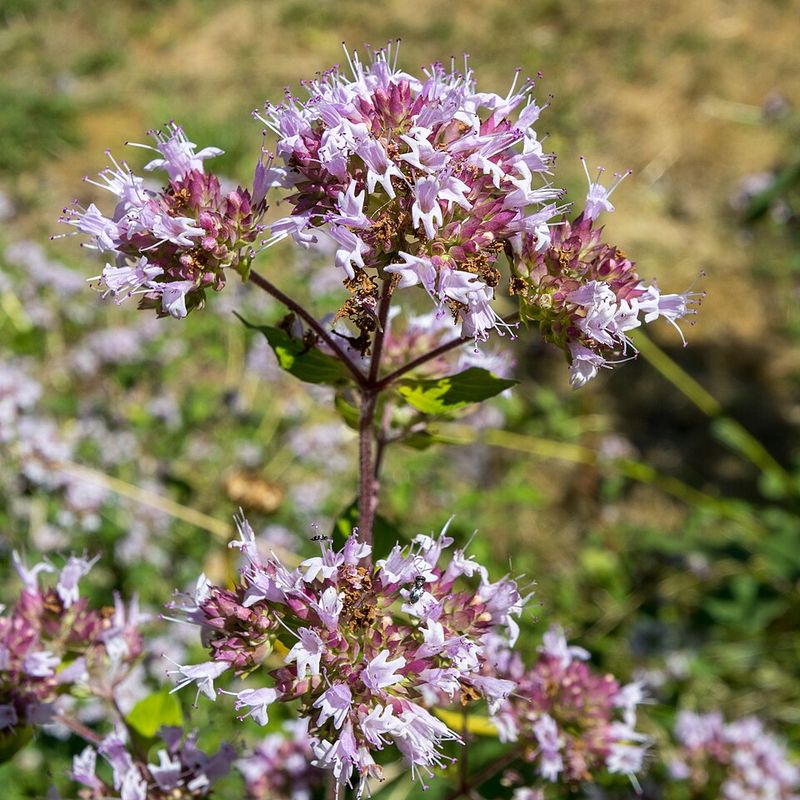
A trailing stem crossing the polished rim of a stone planter has a certain quiet confidence to it. Culinary oregano (Origanum vulgare and its culinary varieties) brings that relaxed movement to a border or container edge without losing structure entirely.
Its small, aromatic leaves cover spreading stems that fill horizontal space at a manageable scale.
This plant is not the same as Cuban oregano or Mexican oregano. Each comes from a different genus and carries different leaf characteristics, growth habits, and flavor profiles.
Buying a correctly labeled culinary variety from a reputable nursery matters. Flavor strength and growth form vary considerably between unnamed plants and verified cultivars.
Sun and well-drained soil support the best performance. After the roots settle in, the plant handles drier spells with reasonable ease.
Waterlogged soil or extended wet periods reduce vigor and may create conditions where root stress develops. Edging or containers help limit spread and keep the plant from moving into areas where it is not wanted.
Flavor quality depends on species, cultivar, sunlight, and growing conditions, so do not assume that every oregano plant produces strong culinary results.
Regular trimming and harvesting encourage fresh growth and maintain a fuller shape rather than a sparse, woody base.
Pruning just above a leaf node keeps the plant productive. The spreading form, when kept in check, creates a border effect that looks considered and well-maintained rather than accidental.
8. Add Tropical Sage For A Loose Luxury Look
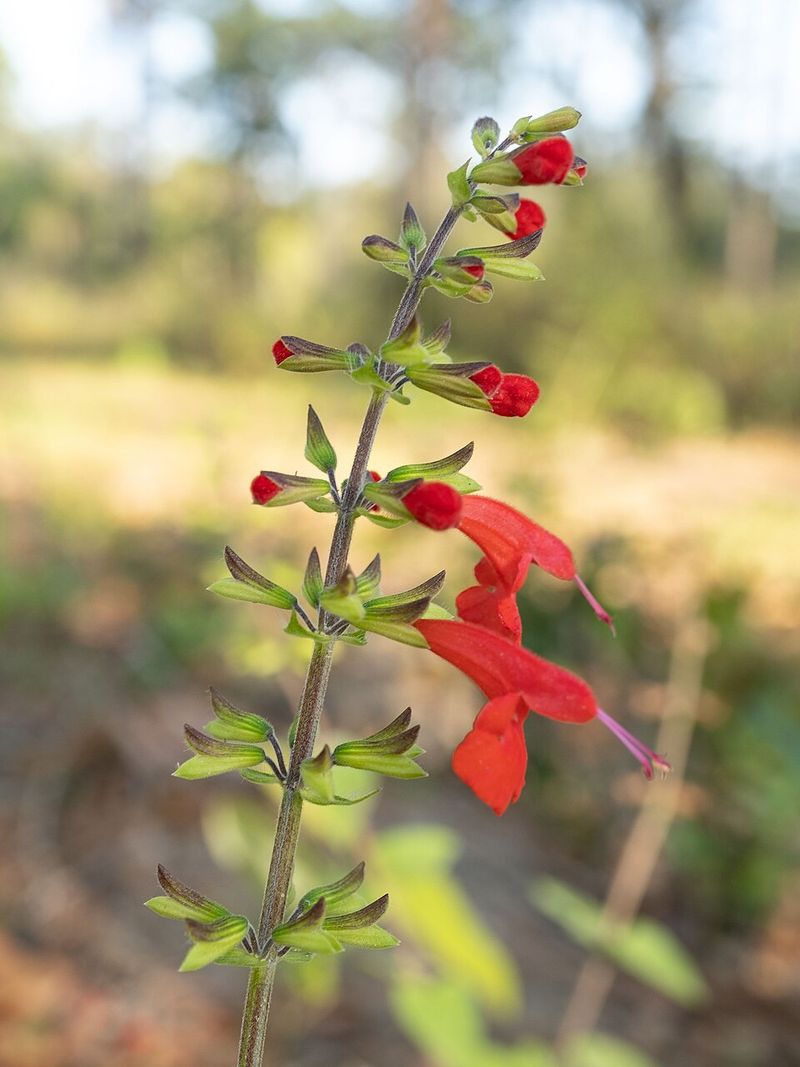
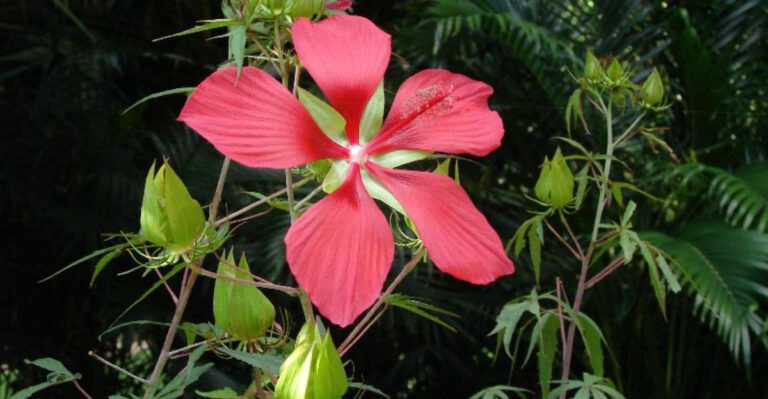
Loose flower spikes swaying in hot summer air give tropical sage (Salvia coccinea) a movement that more rigid plants simply cannot replicate.
Native to the southeastern United States and parts of tropical America, it is an ornamental herbaceous plant rather than a culinary herb.
Its upright spikes carry verified flower colors including red, pink, and white, depending on the cultivar.
The branching form stays open and airy rather than dense and clipped. That quality connects it to naturalistic border styles where plants are allowed a degree of movement within a composed framework.
After roots establish, it handles summer heat and dry periods with solid resilience. Flowering and overall growth still depend on adequate light, reasonable soil, and seasonal rainfall patterns.
Full sun supports the strongest bloom production. Partial shade is tolerated, but flowering may be reduced in lower light conditions.
Hummingbirds and pollinators are attracted to the tubular flowers, which is documented across multiple horticultural sources. Reseeding can occur, so monitor new seedlings if the planting area has defined edges you want to maintain.
Tropical sage does not stay formal or compact without some maintenance. Occasional light trimming after a flush of blooms can encourage continued flowering through the season.
Pairing it with more structured plants nearby creates a balance between loose movement and deliberate form. Choosing herbs that genuinely suit your Florida site conditions is what makes a planting look considered rather than accidental.
That principle applies across every plant in this list.