The Brown Patch Fungus Showing Up In Florida Lawns After Daily August Rain
Daily August rain in Florida looks like a gift for the lawn. Free irrigation, cooler soil temperatures, a break from the manual watering schedule.
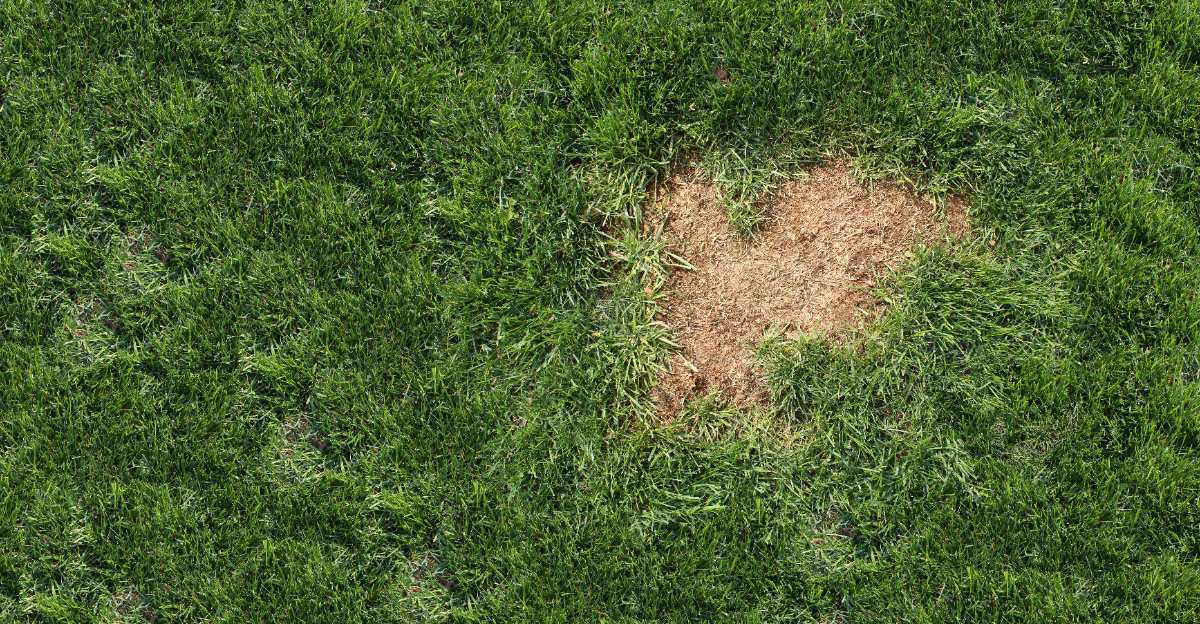
Then brown circles appear overnight and the gift starts looking like something else entirely. A specific fungus moves fast in Florida August conditions.
Warm nights, saturated soil, humidity that never fully lifts between rain events. The environment it needs runs on exactly the schedule August delivers.
The circles start small. They look like drought stress, like almost anything other than what they actually are.
By the time the pattern becomes clear, the affected area has already expanded beyond what early intervention would have required. August rain is coming whether the lawn is prepared for what follows or not.
Knowing what to watch for changes the outcome considerably.
1. August Brown Patches May Not Be Brown Patch At All
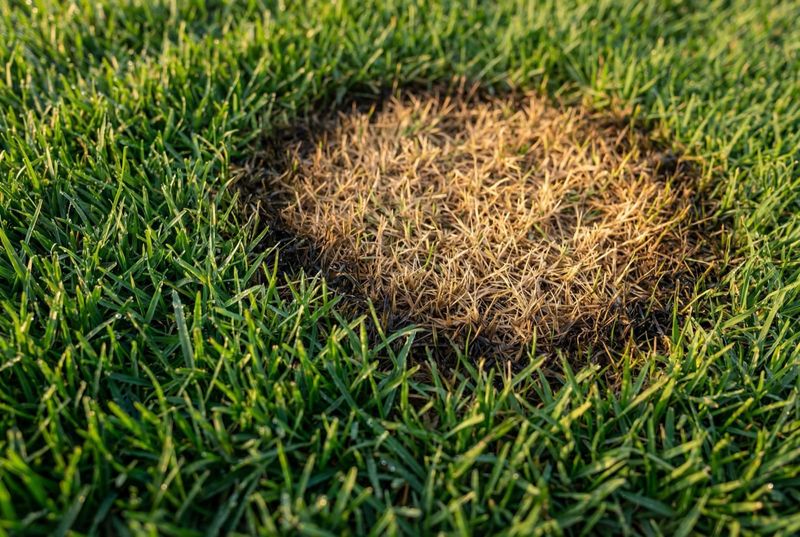
Plenty of homeowners use the term brown patch as a catch-all label for any discolored turf that shows up after summer rain. That habit is understandable, but it can send you chasing the wrong solution.
The disease most people call brown patch is actually large patch, caused by Rhizoctonia solani. It tends to show up during cooler months, typically fall and spring, when soil temperatures drop.
In August, soil temperatures across much of the state stay well above 80 degrees Fahrenheit. Large patch generally does not thrive under those conditions.
So if your lawn is showing circular or irregular brown areas during the hottest part of summer, a different problem is likely at work.
Summer Rhizoctonia leaf and sheath spot is one condition worth investigating. Other look-alikes include gray leaf spot and certain Pythium problems.
Appearance and timing together provide useful clues, but they do not replace a proper diagnosis. Pulling a few affected blades and examining the sheath can offer more information than color alone.
A local Extension office or plant diagnostic lab can confirm what you are actually dealing with before any treatment decisions are made.
2. Summer Rhizoctonia Thrives When The Temperature Stays High
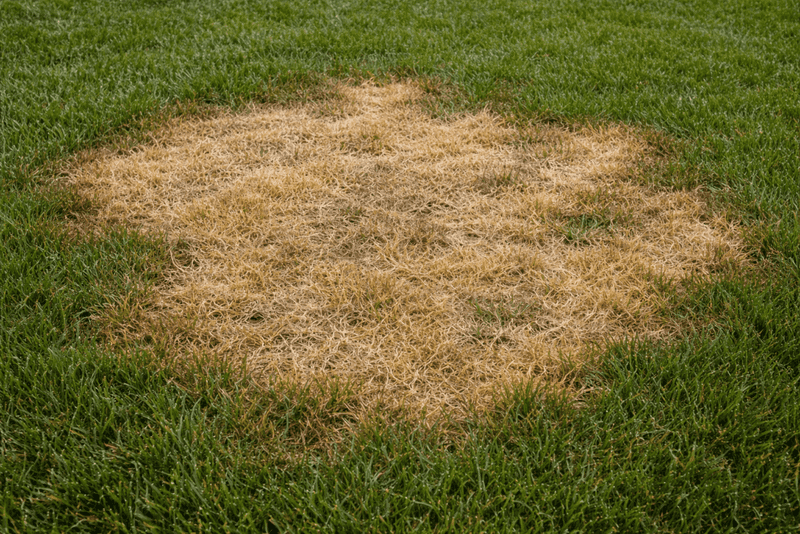
Most fungal turf diseases have a preferred temperature window, and summer Rhizoctonia is no exception. According to UF/IFAS turf disease guidance, Rhizoctonia leaf and sheath spot is associated with warm summer conditions.
It often appears when temperatures stay consistently above 80 degrees Fahrenheit. That covers most of August in central and south Florida without much debate.
The pathogens involved are Rhizoctonia zeae and Rhizoctonia oryzae, which are distinct from R. solani, the large patch pathogen. These summer species tend to attack leaf tissue and sheaths rather than causing the crown and stolon damage more typical of large patch.
Warm-season grasses including St. Augustinegrass, bermudagrass, and zoysiagrass can all be affected.
Summer conditions that combine high overnight temperatures with extended leaf wetness create a more favorable environment for these pathogens to spread. A lawn that drains poorly or sits in low airflow areas may show more severe symptoms than a well-maintained, open turf area.
Identifying the active pathogen helps homeowners and lawn care professionals choose the right management approach. This addresses the real problem rather than relying on turf color alone.
Your Florida Garden Changes Every Week. Your Plan Should Too.
Gardening in Florida changes quickly throughout the season. Every Friday you’ll receive a simple weekly plan showing exactly what to plant, prune, fertilize, harvest, and protect so you never miss the right timing.
3. Daily Rain Keeps Turf Wet Long After The Storm Passes
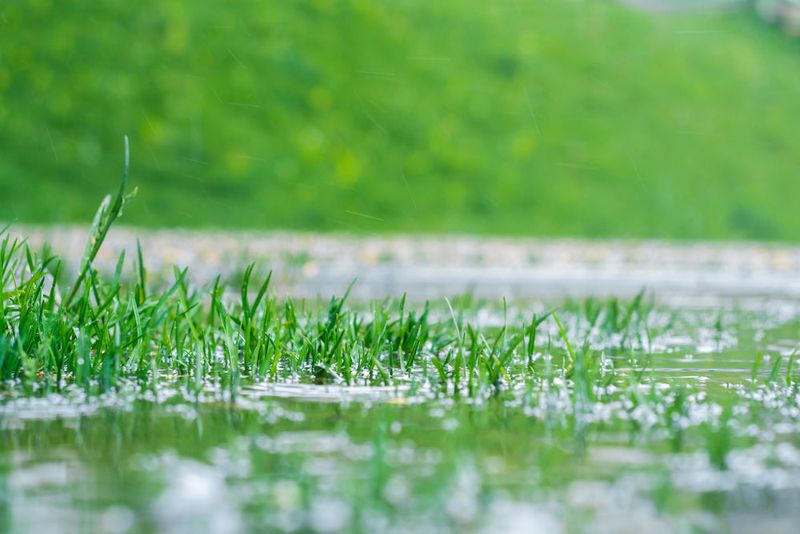
A single heavy downpour rarely causes lasting disease problems on its own. The real concern comes from repeated daily rainfall that keeps leaf surfaces wet for extended periods.
When storms roll through afternoon after afternoon, the turf never fully dries out before the next event arrives. Humid overnight air slows evaporation even further, especially in areas with dense vegetation or limited airflow.
Saturated thatch layers hold moisture against the base of grass plants, which creates exactly the kind of environment that favors fungal activity. Poor drainage compounds the issue by allowing water to sit near crowns and roots longer than healthy turf tolerates well.
These conditions do not automatically cause disease, but they shift the balance in a direction that pathogens can take advantage of.
One mistake homeowners make during rainy stretches is continuing to run their irrigation systems on a fixed schedule. Adding water to already-wet turf prolongs leaf wetness without any benefit to the grass.
Checking soil moisture before irrigating and adjusting or pausing the system during wet periods can meaningfully reduce the window of vulnerability. Rain sensors help automate that adjustment and are worth having on any Florida irrigation system.
4. The Leaves Tell A Different Story Than Classic Large Patch
Walk out to a damaged area and pull a handful of affected grass blades. What you see on the leaves themselves can tell you quite a bit about what is going on.
Summer Rhizoctonia leaf and sheath spot typically produces lesions directly on the leaf blade and sheath. These spots can be yellow, reddish-yellow, or tan, and they may expand into larger blighted areas as the disease progresses.
Large patch, by contrast, tends to cause rot at the base of the leaf sheath near the crown. Blades affected by large patch often pull away from the plant with very little resistance because the sheath tissue has broken down.
With summer Rhizoctonia, affected leaves may stay more firmly attached because the primary damage is happening higher up on the plant tissue.
That distinction matters when you are trying to figure out what you are looking at. Reddish or yellow leaf spots that do not pull cleanly from the sheath point toward a different group of problems than the classic large patch pattern.
Still, visual inspection alone is not enough to confirm a diagnosis. Symptoms can overlap between diseases, and more than one problem can be present at the same time in a stressed lawn.
5. St. Augustinegrass Is Not The Only Turf That Can Show Trouble
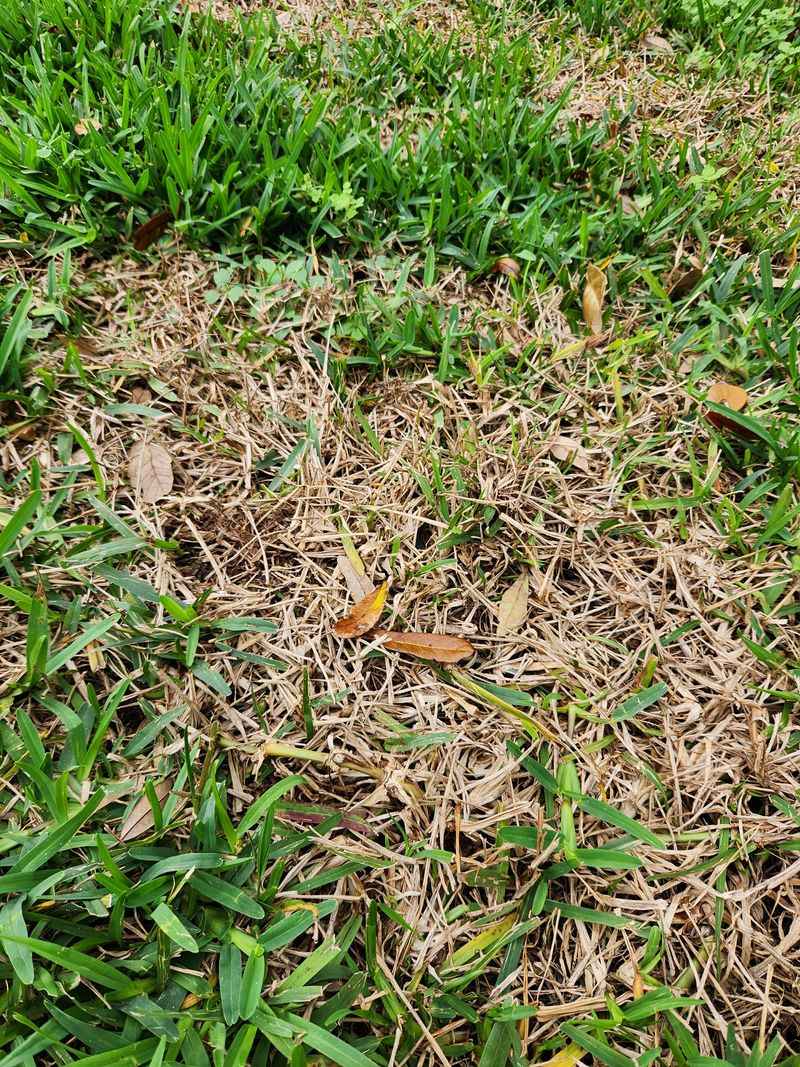
St. Augustinegrass gets a lot of attention in Florida lawn care conversations, partly because it covers so much residential acreage across the state. When disease shows up, homeowners with St. Augustine often assume the problem is specific to their grass type.
But summer Rhizoctonia leaf and sheath spot is not that selective.
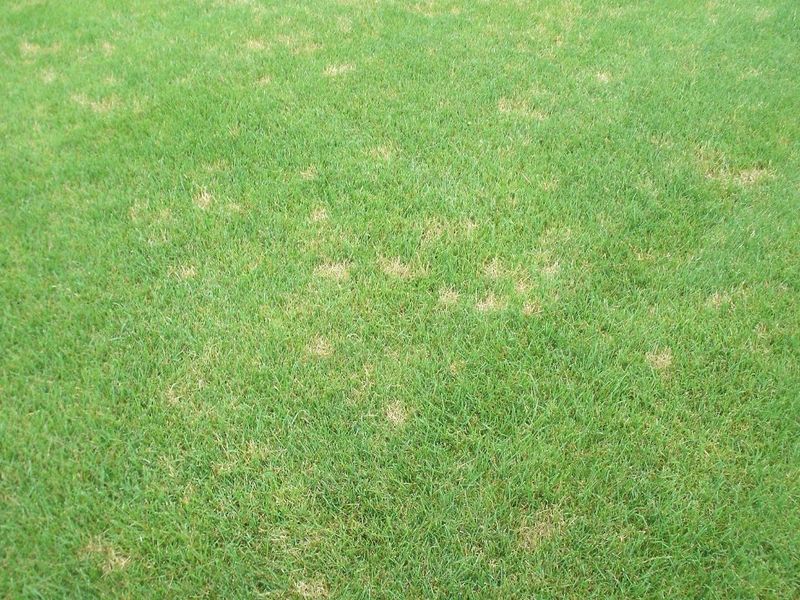
Bermudagrass and zoysiagrass can also develop symptoms from Rhizoctonia zeae and related summer pathogens. On closely mown bermudagrass, some reports describe a mini-ring pattern where small circular areas of affected turf appear scattered across the lawn.
The appearance on bermudagrass may look noticeably different from what shows up on St. Augustinegrass, which can make diagnosis more confusing if you are not expecting variation between turf types.
Susceptibility also varies among cultivars within each grass species. Not every variety responds the same way under identical disease pressure.
A neighbor with the same general grass type might see less damage simply because their cultivar handles stress differently or their lawn has better drainage.
Knowing your specific turf variety can help a diagnostic professional or Extension agent give you more targeted advice about what to watch for and how to respond.
6. Extra Irrigation Can Turn A Rainy Week Into A Bigger Problem
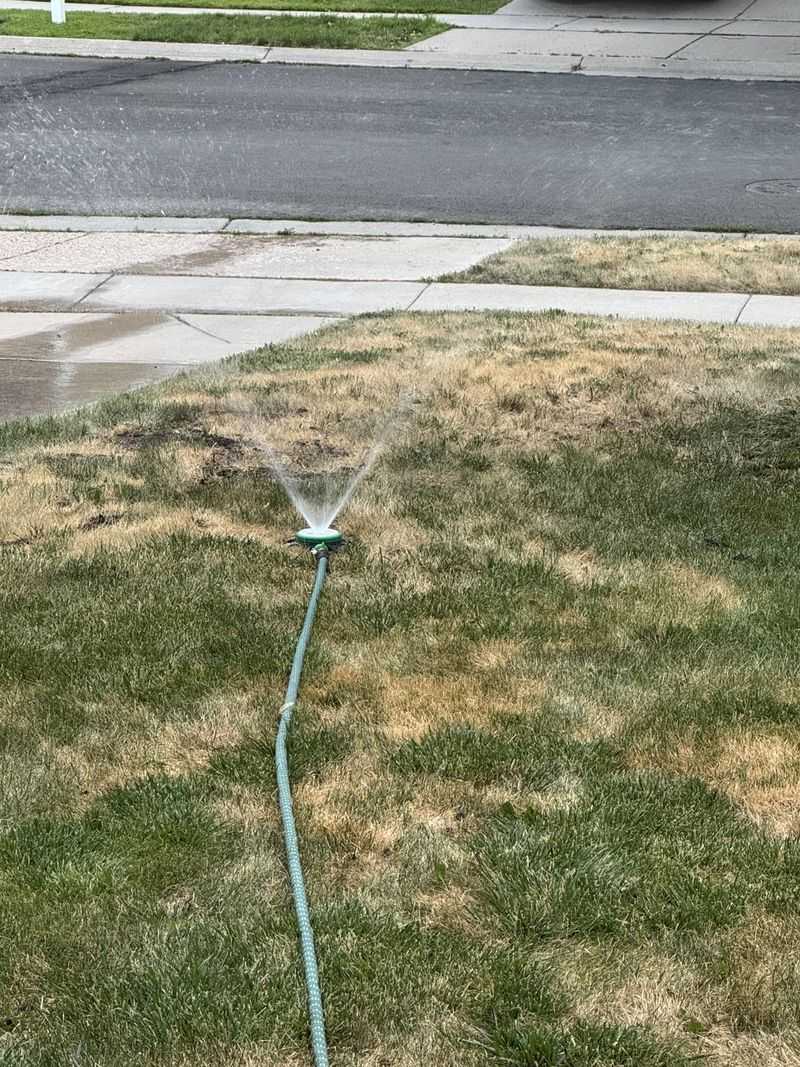
Running sprinklers during a week of daily afternoon storms is one of the more common mistakes that makes summer turf disease worse.
Established lawns in good condition generally do not need supplemental water when rainfall is already supplying enough moisture.
Adding irrigation on top of rain simply extends the period when leaf surfaces stay wet, which benefits pathogens more than the grass itself.
Checking soil moisture before turning on the system takes only a few minutes. Push a screwdriver or soil probe six inches into the ground.
If it slides in without much resistance and the soil feels moist, the lawn does not need water that day. Irrigation controllers with rain sensors can handle this automatically by shutting off the system after a measurable rainfall event.
When irrigation is actually needed, early morning is the preferred time. Watering before sunrise gives leaf surfaces time to dry as temperatures rise during the day.
Evening irrigation leaves turf wet through the night, which pairs badly with already-humid August conditions. Keeping water use consistent with local restrictions also matters.
Many Florida water management districts have specific rules about irrigation schedules that homeowners should review and follow year-round.
7. Fungicide Is A Bad First Move Without The Right Diagnosis
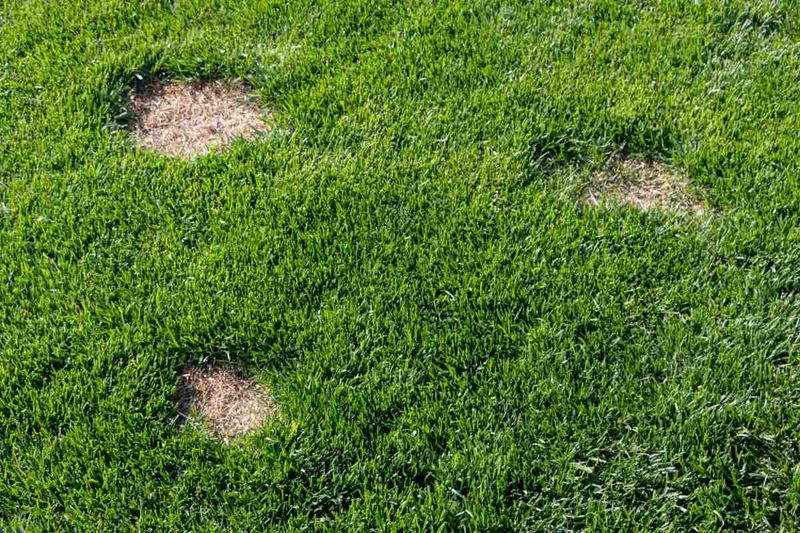
Grabbing a fungicide off the shelf and spraying a brown lawn is a reaction that feels productive but often misses the mark entirely. Different diseases respond to different active ingredients, and some summer turf problems are not caused by fungi at all.
Pythium diseases, for example, are caused by water molds rather than true fungi, and many standard fungicides provide little or no control against them.
Spraying the wrong product wastes money and time. Worse, it can create a false sense of progress while the actual problem continues to spread.
Summer Rhizoctonia diseases and large patch may require different management timing and product choices. Treating one when you actually have the other rarely produces good results.
A Florida Extension office or a university plant diagnostic laboratory is the right starting point when symptoms are unclear. Many labs can process turf samples and return results within a reasonable timeframe.
If a fungicide is ultimately recommended after a confirmed diagnosis, following the current product label is not optional. Labels include rate, timing, and reapplication intervals that affect both effectiveness and safety.
No online article or neighbor recommendation replaces the label instructions on the specific product you are using.
8. Fix The Moisture Pattern Before The Next August Downpour
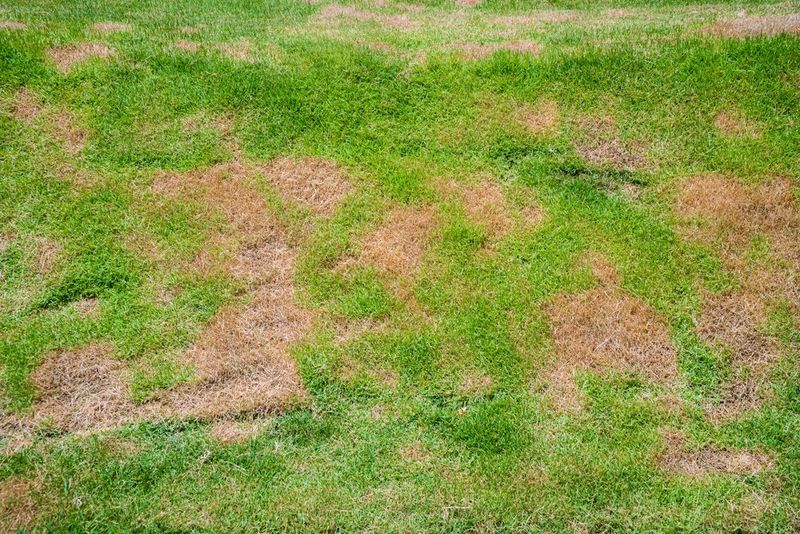
Recovery from summer turf disease starts with addressing the conditions that allowed it to develop in the first place. Moisture management is usually the most productive place to begin.
If your lawn has areas that stay wet long after rain, improving drainage there can reduce future disease pressure more reliably than any single treatment. Low spots can sometimes be corrected with topdressing or grading adjustments over time.
Thatch buildup also holds excess moisture against the base of grass plants. A thatch layer thicker than about half an inch can create a spongy, wet environment that favors fungal activity.
Dethatching or core aeration during appropriate recovery windows helps reduce that moisture trap without stressing the turf further. Mowing at the correct height for your grass type also matters.
Cutting too short removes protective leaf tissue and slows recovery from any kind of damage.
Fertilizer decisions deserve careful thought during and after a disease event. Excessive nitrogen applied to already-stressed turf can encourage lush, soft growth that is more vulnerable to infection.
A soil test can guide fertilizer timing and rates more accurately than a general schedule. Above all, confirm what problem you are dealing with before committing to any treatment plan, because brown summer turf has more than one possible explanation.