The Oregon Garden Birds That Leave In August (And What Their Departure Signals About Your Garden)
Late summer can make an Oregon garden feel strangely quieter before anything looks different.
The flowers are still open. Feeders still hang in place. Trees remain green. Then one familiar bird stops appearing, and suddenly the season feels farther along than the calendar suggests.
That disappearance usually means more than one bird changed its routine.
Many summer visitors begin moving south in August as daylight shortens, insects shift, berries ripen, and migration instincts take over. Their departure can also reveal something useful about the garden they leave behind.
Were swallows feeding overhead all summer? Did grosbeaks keep returning to sunflower seed? Did warblers move through layered shrubs?
Those patterns tell you which parts of the yard supplied food, shelter, and stopover habitat.
So which birds tend to slip away first?
Watching seven familiar Oregon species can turn August into a living seasonal forecast, while also showing which parts of your garden worked well enough to support birds right up to departure.
Their absence can be every bit as revealing too.
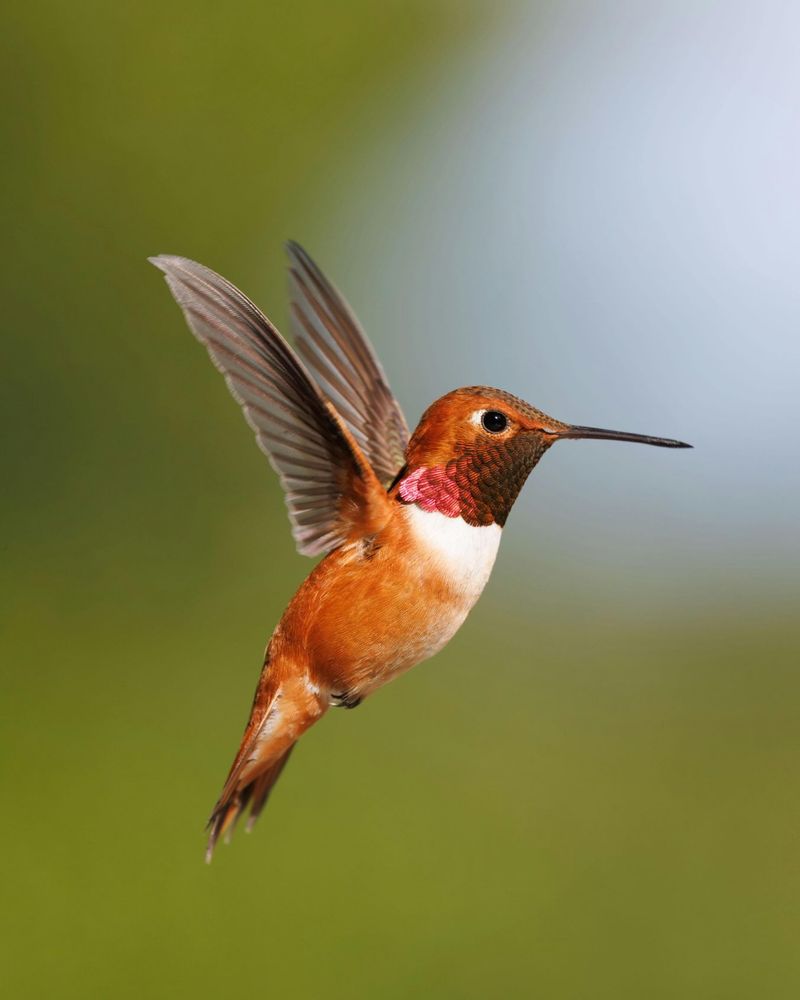
1. Watch Rufous Hummingbirds Start Moving South
The first empty feeder can arrive while August still feels completely like summer.
Rufous hummingbirds often begin their southward movement surprisingly early, with adult males commonly leaving before females and young birds. That can make a garden that buzzed with territorial chases in July feel much calmer almost overnight.
Their exit does not mean the flowers failed.
Migration follows an internal seasonal schedule shaped strongly by changing day length. A hummingbird can leave a yard full of nectar because the next stage of its annual cycle has already begun.
That makes August flowers especially valuable.
Birds from farther north or higher elevations may still pass through after local regulars disappear. Keeping nectar plants blooming and maintaining a clean feeder gives those travelers another place to refuel.
Watch how quickly feeder use changes.
A gradual drop suggests the local crowd is thinning, while occasional unfamiliar birds may represent migrants moving through. Keep sugar water fresh through the migration period rather than taking the feeder down after the first quiet week.
The garden signal is encouraging.
Regular rufous hummingbird activity through summer means your yard offered usable nectar, perches, or both. Their absence in August is not a bad review.
It is one of Oregon’s earliest clues that migration has started, even while tomatoes are ripening and the patio still feels firmly stuck in summer.
2. See Violet-Green Swallows Follow Summer Insects
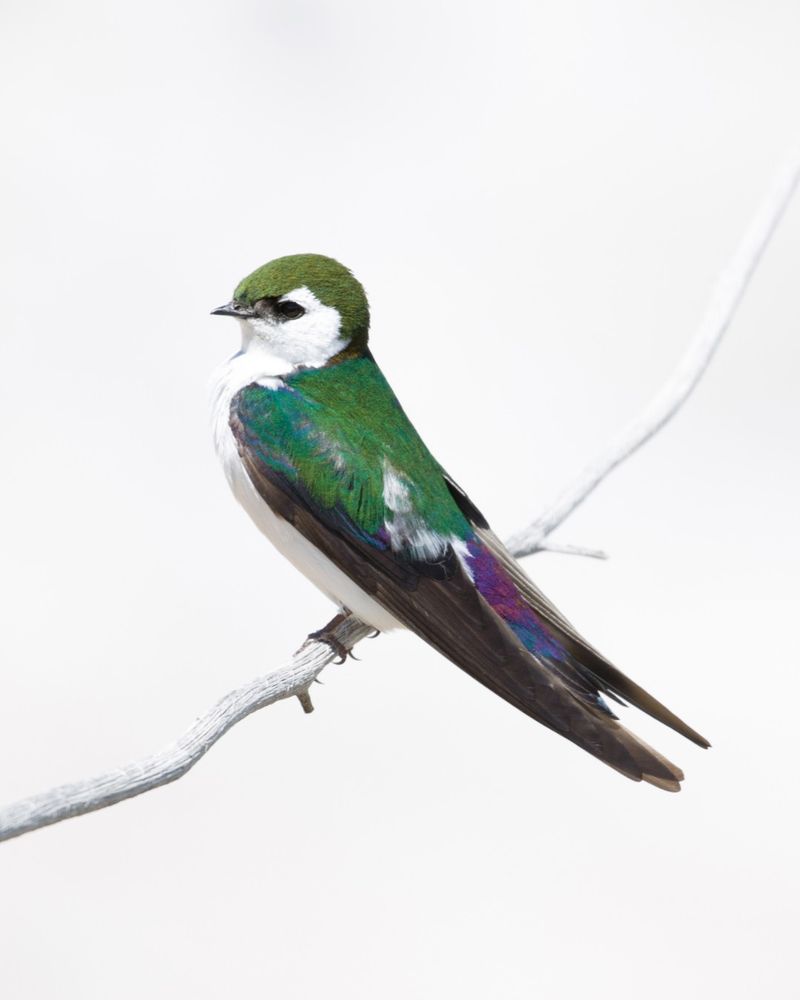
A busy Oregon sky can lose some of its movement before the garden loses any color.
Violet-green swallows spend warm months sweeping through open air for flying insects. Their quick turns and looping passes can become such a normal part of summer that their absence feels oddly noticeable.
By late summer, many begin gathering and moving south.
That shift follows the seasonal availability of aerial insects along with the birds’ migration cycle. Cooler nights, shorter days, and changes in insect activity gradually make northern feeding grounds less dependable.
Your garden can tell a positive story here.
Your Oregon Garden Changes Every Week. Your Plan Should Too.
Gardening in Oregon changes quickly throughout the season. Every Friday you’ll receive a simple weekly plan showing exactly what to plant, prune, fertilize, harvest, and protect so you never miss the right timing.
Swallows repeatedly hunting above a lawn, meadow edge, pond, or flower bed suggest the surrounding area supported plenty of airborne prey.
A yard with native plants and limited pesticide use can help sustain the insects these birds depend on during the warmer months.
Keep that insect base intact after the swallows leave.
Late flowers, layered vegetation, and a less chemically intensive landscape continue supporting other migrating birds that forage closer to leaves and branches.
Watch utility lines and open perches too.
Loose groups gathering together can provide an early hint that departure is close.
Violet-green swallows do not need a feeder to tell you your garden is productive. Their summer presence already did that.
When the aerial show fades in August, the message is seasonal: the insect calendar is changing, and the birds are reading it faster than we are.
3. Notice Barn Swallows Thin Out Overhead
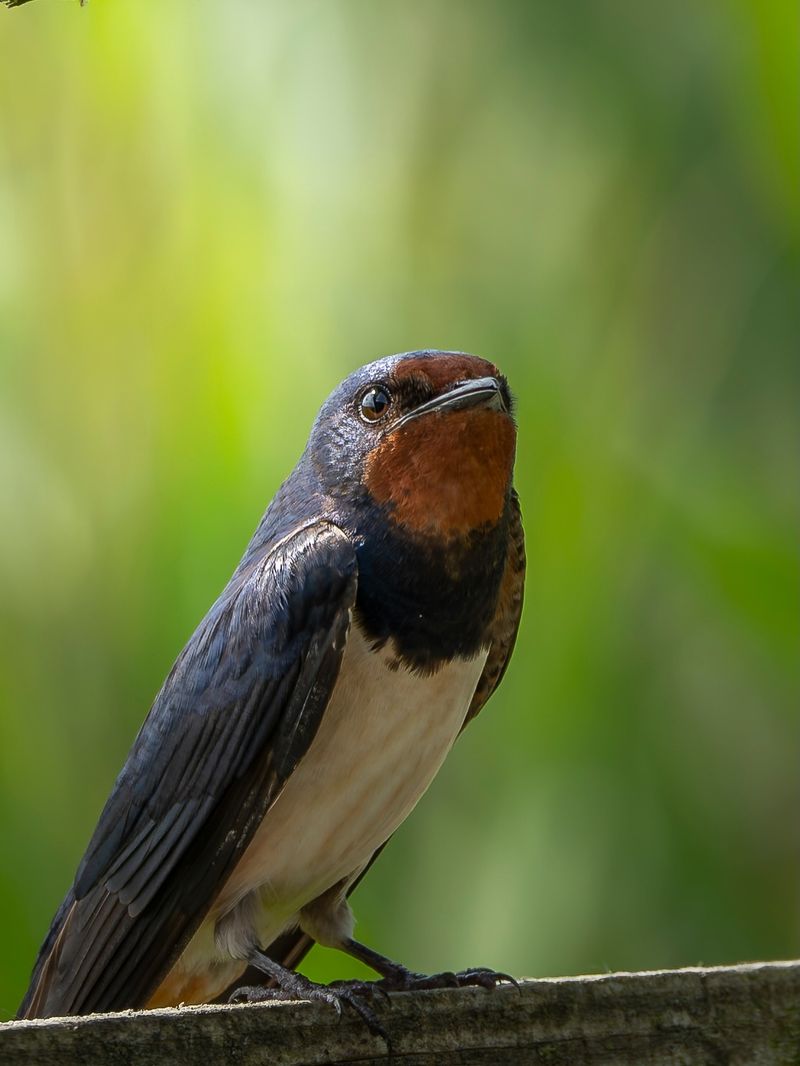
Sharp chatter over an open lawn can become much less frequent as August moves along.
Barn swallows spend summer catching insects on the wing, often flying lower than other swallows as they sweep over grass, gardens, fields, and water. Their activity can make a yard feel constantly animated during warm afternoons.
Then the groups begin to thin.
Barn swallows are long-distance migrants, and late summer starts a journey that can carry them far south of Oregon. Before departure, they may gather in larger groups on wires, rooftops, fences, or other open resting places.
That staging behavior is worth noticing.
It shows that the local breeding season is ending and the birds are shifting from raising young toward migration. A suddenly crowded wire can actually be the prelude to a much quieter sky.
Their summer presence says something useful about the property.
Barn swallows need a steady supply of flying insects and open space for hunting. Regular visits suggest your garden or surrounding neighborhood supported both.
Keep pesticides limited and preserve some open feeding space around planted areas.
Those choices help aerial insect populations and benefit other birds long after the swallows head south.
An August departure is not a warning that the garden stopped working.
Quite the opposite.
Barn swallows leaving after a productive summer mean the yard helped support them through the season. Their fading calls simply announce that Oregon’s long-distance travelers have started checking out.
4. Catch Western Tanagers Before They Move On
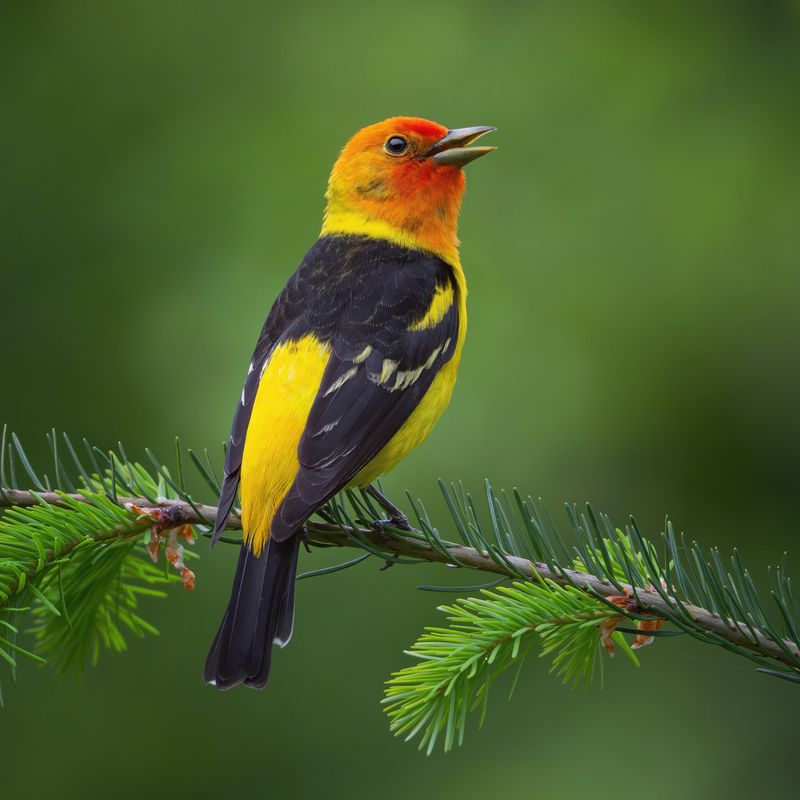
A western tanager can turn an ordinary August morning into a binocular emergency.
The bright yellow body and contrasting wings make this forest bird hard to forget, yet many garden visits are brief. Late-summer appearances often involve birds moving away from breeding areas and searching for easy food before continuing south.
That is where fruit becomes useful.
Western tanagers eat plenty of insects during the breeding season, but fruits and berries can become more important during migration.
A garden with berry-producing shrubs or fruiting trees may suddenly attract a bird that spent most of summer somewhere deeper in nearby forest.
That visit tells you the yard has become a refueling stop.
Native shrubs with late fruit can serve tanagers along with thrushes, waxwings, grosbeaks, and other migrants. Dense branches also offer a place to pause between feeding bouts.
Leave some fruit for wildlife.
A perfectly stripped ornamental shrub may look tidy, but a berry-laden one can be far more useful during migration.
The tanager’s departure also marks a diet shift in the wider garden.
Summer insect abundance is no longer the only story. Ripening fruit starts carrying more of the late-season workload.
You may see one bird for only a few minutes.
That short visit still matters.
A western tanager stopping in August signals that your garden is connected to the migration route, with enough food or cover to make a colorful traveler interrupt the journey.
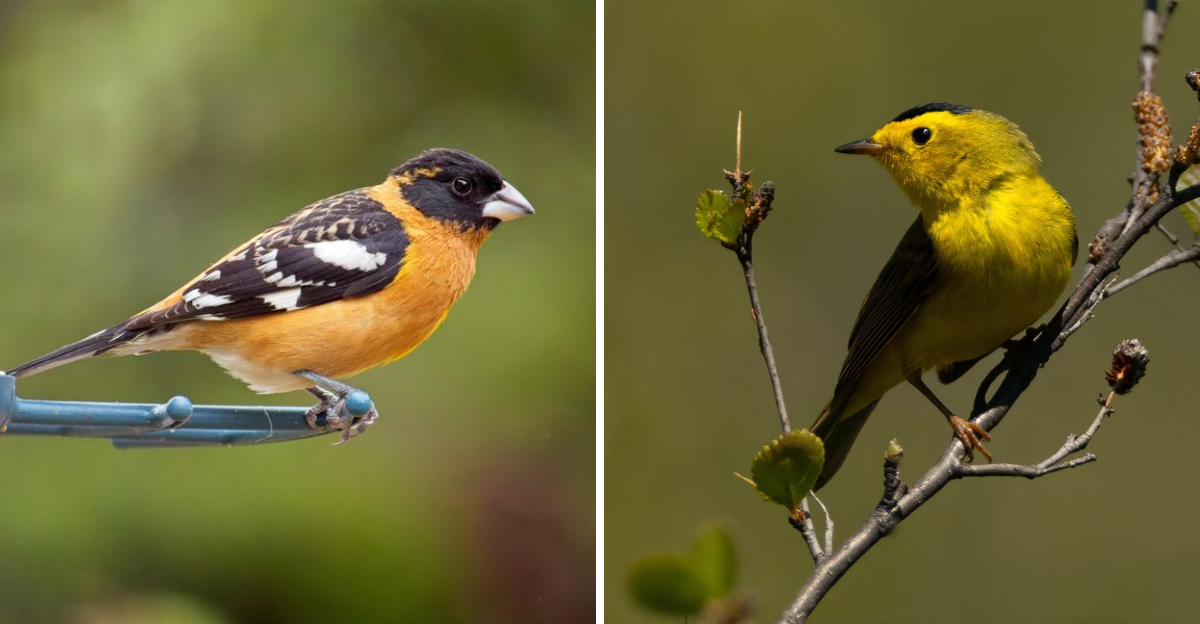
5. Watch Black-Headed Grosbeaks Leave The Feeders
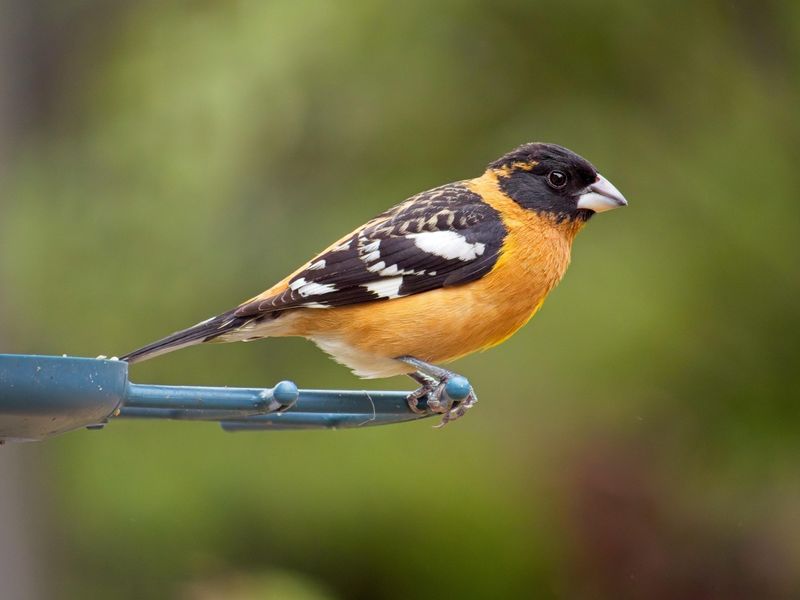
A feeder can seem strangely quiet once one of its loudest customers stops showing up.
Black-headed grosbeaks are difficult to miss when they settle onto sunflower seed. Their heavy bills crack seeds efficiently, and their rich songs can become part of the everyday soundtrack around Oregon yards during the breeding season.
August changes that routine.
Many black-headed grosbeaks begin moving south as summer winds down, heading toward wintering areas in Mexico. Feeder visits can become less regular before the birds disappear completely.
That gradual slowdown is useful to watch.
It tells you migration is beginning even while resident chickadees, finches, and nuthatches continue behaving normally around the same feeder.
Keep sunflower seed fresh through late summer.
Departing grosbeaks may still use it, and migrants from other areas can appear after your familiar birds leave. Clean feeders regularly so a busy migration stop stays useful rather than becoming a place where spoiled seed accumulates.
Look beyond the feeder too.
Grosbeaks also use insects, berries, and other natural foods. A yard with layered shrubs and fruiting plants gives them more choices than a feeder alone.
Their departure reflects success, not failure.
Repeated summer visits mean the garden offered something worthwhile through nesting season.
When the grosbeaks finally stop arriving, the feeder has not lost its appeal. One of its seasonal customers has simply closed the tab and headed south before autumn officially takes over.
6. Track Orange-Crowned Warblers Through Late Summer
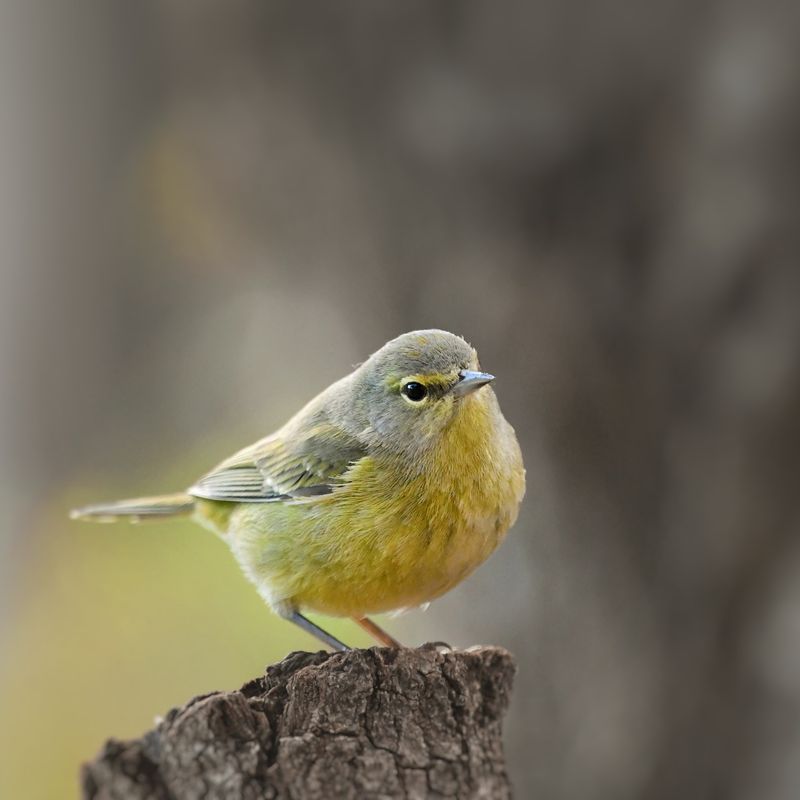
Some migration signals arrive without much noise or color.
Orange-crowned warblers are olive-toned, restless, and remarkably good at disappearing into foliage. The small orange patch responsible for their name is rarely obvious, so gardeners often notice movement in the shrubs before they identify the bird.
August brings a mixture of departures and arrivals.
Local breeders may begin moving south while birds from farther north pass through Oregon on the same journey. That overlap can make one garden seem quiet for several days and suddenly busy again.
Dense vegetation becomes especially useful during this period.
Orange-crowned warblers search leaves, twigs, and low branches for small insects. Shrubby borders provide feeding surfaces as well as cover from predators and weather.
Hold off on major late-summer pruning.
Leaving native shrubs full and layered gives migrating warblers more places to forage during stopovers. Dogwoods, oceanspray, willows, and other dense woody plants can help create the kind of structure small songbirds use.
Their presence tells you the garden works vertically.
A yard made entirely of lawn and one row of flowers offers little cover. A yard with ground-level plants, shrubs, and small trees gives birds several layers to explore.
When orange-crowned warblers slip away, the signal is subtle but useful.
Migration has started, and the shrubs you resisted trimming into perfect boxes may be doing far more ecological work than their tidier neighbors.
7. Let Wilson’s Warblers Mark The Migration Shift
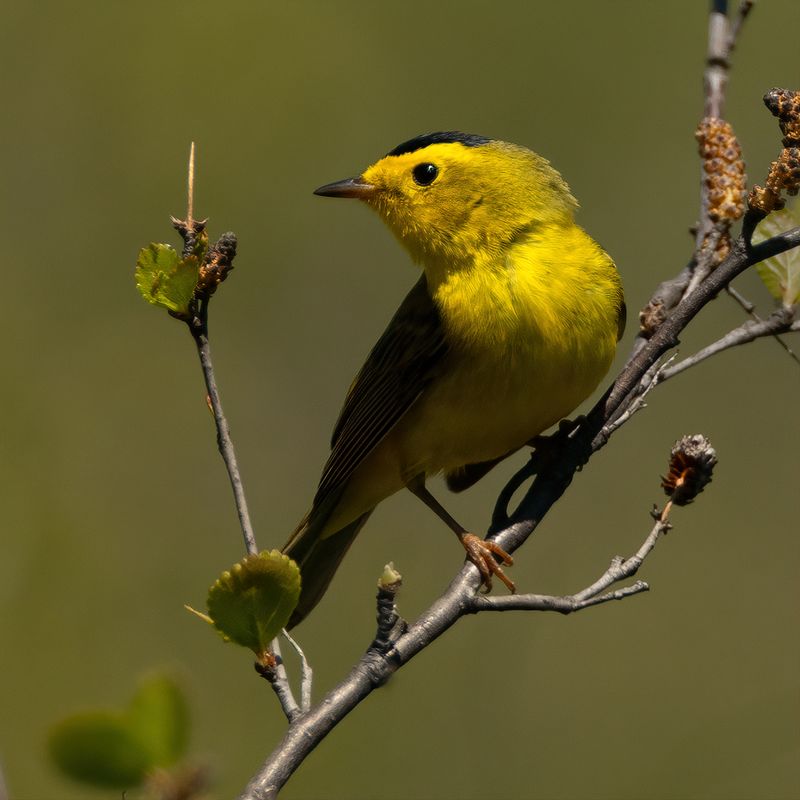
A quick flash of yellow low in a shrub can be one of August’s clearest migration clues.
Wilson’s warblers move with nervous energy, picking insects from leaves and darting through dense vegetation.
Males add a small black cap to the bright yellow face, though the bird rarely stays still long enough for an easy inspection.
Late summer brings movement from more than one direction.
Breeding birds in Oregon begin heading south, while migrants from farther north can arrive and pause before continuing. That turnover makes August a surprisingly active month even as familiar summer birds disappear.
Moist, shrubby habitat matters greatly.
Willows, alders, dogwoods, and dense understory plants provide both food and cover. Insect-rich foliage lets a tiny migrant gather calories without spending long periods exposed in open ground.
A garden that attracts Wilson’s warblers is sending a strong habitat signal.
It has enough vegetation structure to support birds that do not care about seed feeders or neat lawns. Their needs are met inside the leaves.
Keep those areas intact through migration.
Delay hard pruning, reduce pesticide use, and leave some naturally dense corners available while birds continue filtering south.
Their eventual absence marks a real seasonal turn.
By the time Wilson’s warblers have moved through, Oregon’s garden bird community is no longer simply finishing summer.
It is actively reorganizing for fall, one small yellow traveler at a time.