20 Fertilizing Habits That Will Transform Your Tomato Yield This Growing Season
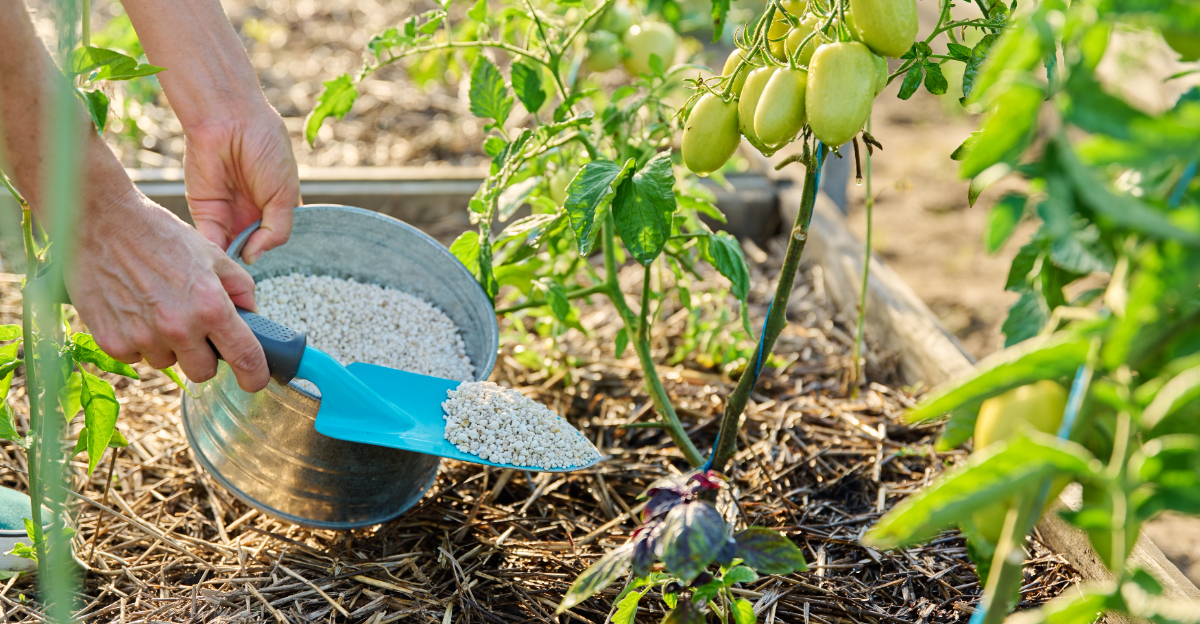
Your tomato plants are hiding something you missed. Green leaves can trick you into false confidence. Nutrients decide whether your harvest thrives or struggles.
Growers everywhere often lose their harvest to timing. Feeding too soon stalls your fruit before it forms. Waiting too long wastes your plant’s energy. Nitrogen builds your height, but phosphorus builds your flavor.
Potassium decides whether your fruit cracks or thrives. Weather shifts fast, so your schedule must too. Summer heat tests how you feed your plants. Soil reveals what your tomatoes truly need.
Testing beats guessing, and you deserve real results. Timing separates your thriving vines from disappointing ones. Confidence comes when you know when to act. Every growth stage demands different fuel from you.
Overfeed and you weaken roots, not build them. Smart growers watch signs, and you should too. Nothing about growing tomatoes ever stays simple once you start feeding them smart.
1. Apply Balanced Fertilizer At Planting
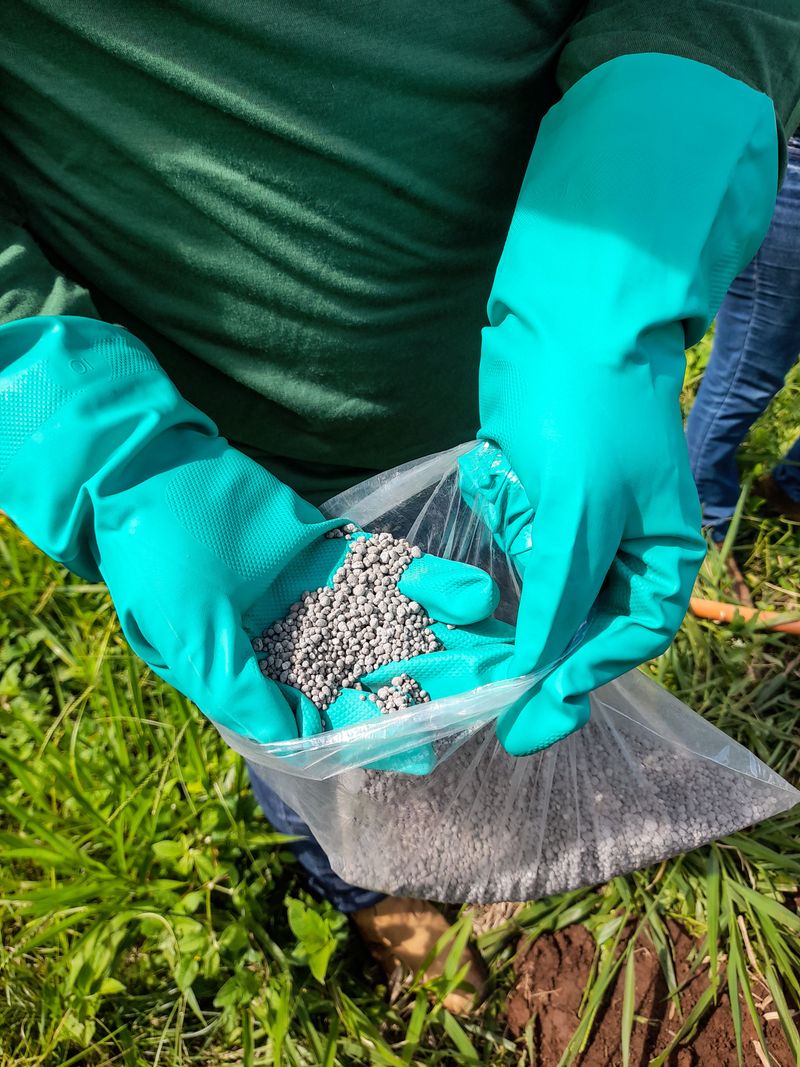
Your tomatoes are hungry from day one. Giving them a balanced fertilizer right at planting sets the tone for the entire growing season.
A balanced formula, like a 10-10-10 blend, delivers equal parts nitrogen, phosphorus, and potassium. Those three nutrients work together to fuel strong early growth.
Mix the fertilizer into the top few inches of soil before transplanting. This gives roots immediate access to the fuel they need. Healthy starts mean bigger tomato yields later on.
2. Side-Dress Nitrogen At Flowering
Flowers on your tomato plant are exciting. They signal that fruit is coming, and that is exactly when a nitrogen boost matters most.
Side-dressing means placing fertilizer alongside the plant, not on top of it. This method delivers nutrients close to the roots without burning the stem.
Use a light nitrogen source like blood meal or a balanced granule. Scratch it gently into the soil surface.
This small step supports strong bloom development and helps lock in a bigger tomato yield for the season ahead.
3. Water Deeply After Feeding
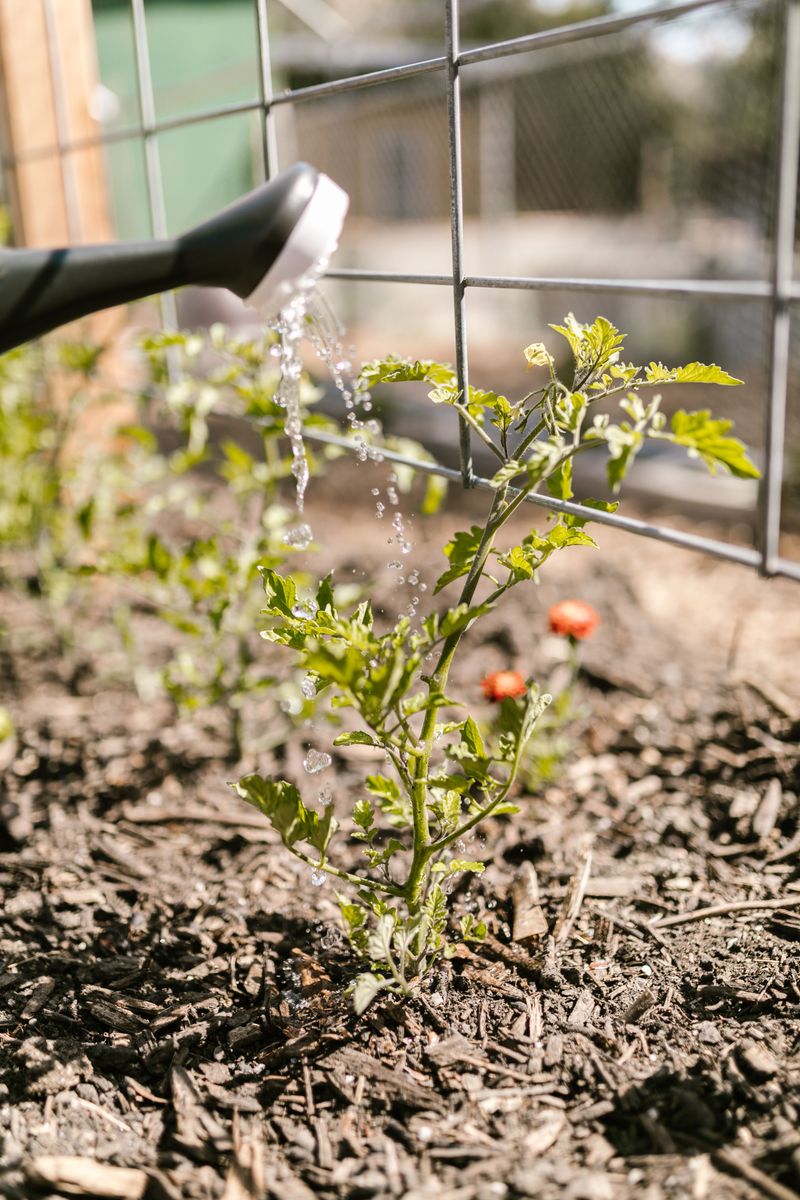
Fertilizer sitting on dry soil is significantly less effective. Water is what carries nutrients down to the roots where they can actually do their job.
After every feeding session, give your tomato plants a long, slow soak. Aim for at least one inch of water to push nutrients deep into the root zone.
Shallow watering leaves fertilizer near the surface, which can cause root burn. Deep watering encourages roots to grow downward and access more soil.
Strong deep roots mean stronger plants and a noticeably better tomato yield come harvest time.
4. Mix In Compost Regularly
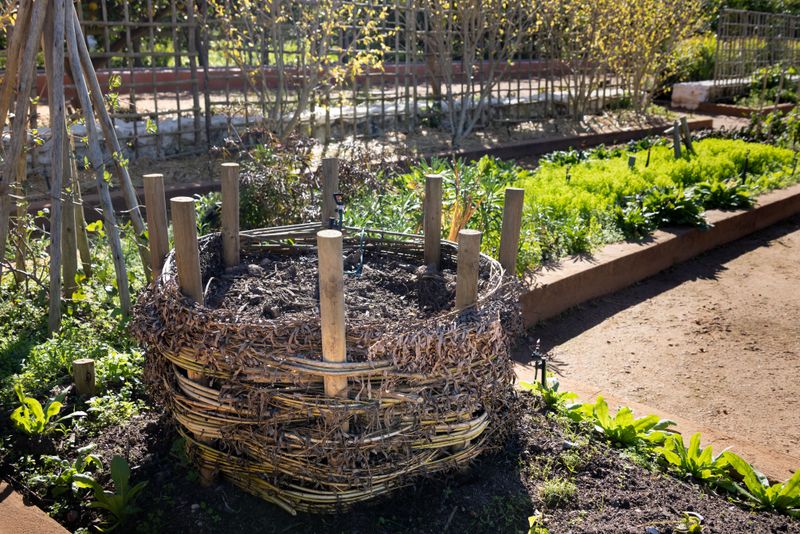
Compost is a natural slow-release fertilizer that supports steady tomato growth. Adding it regularly improves soil structure while feeding plants at a steady, gentle pace.
Work a few inches of finished compost into your garden bed every few weeks. It feeds beneficial soil microbes that break down nutrients into forms tomatoes can absorb.
Store-bought fertilizers are great, but compost adds something extra: organic matter that holds moisture and improves drainage at the same time. Regular compost additions are one of the smartest long-term habits for maximizing tomato yield season after season.
5. Add Calcium For Blossom Rot
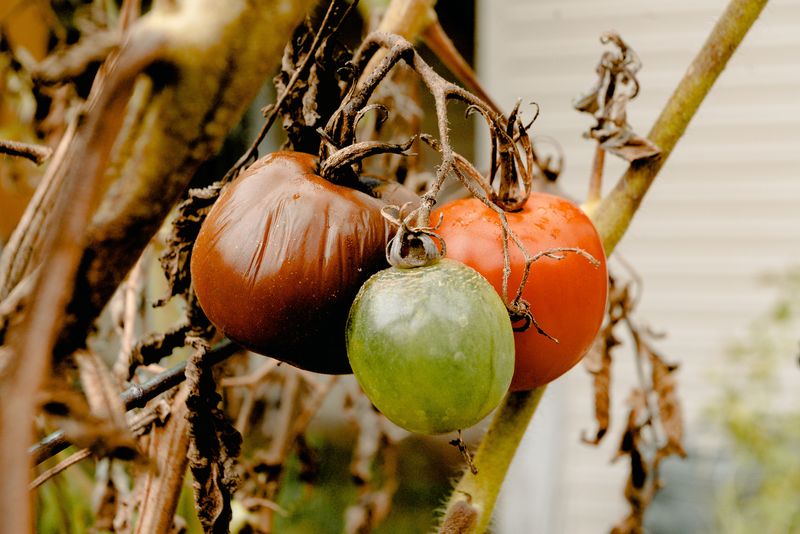
Blossom end rot is a common and frustrating problem. You watch a beautiful tomato form, and then the bottom turns dark and mushy before you can even pick it.
That problem is usually linked to inconsistent calcium delivery to the fruit, often caused by uneven watering rather than a true lack of calcium in the soil. Adding calcium to your soil is a simple fix that prevents major losses.
Crushed eggshells, garden lime, or a calcium-specific fertilizer all work well. Work them into the soil before planting or during the season.
Consistent calcium availability keeps cell walls strong and helps your tomato yield stay clean, firm, and picture-perfect from bottom to top.
6. Switch To Potassium During Fruiting
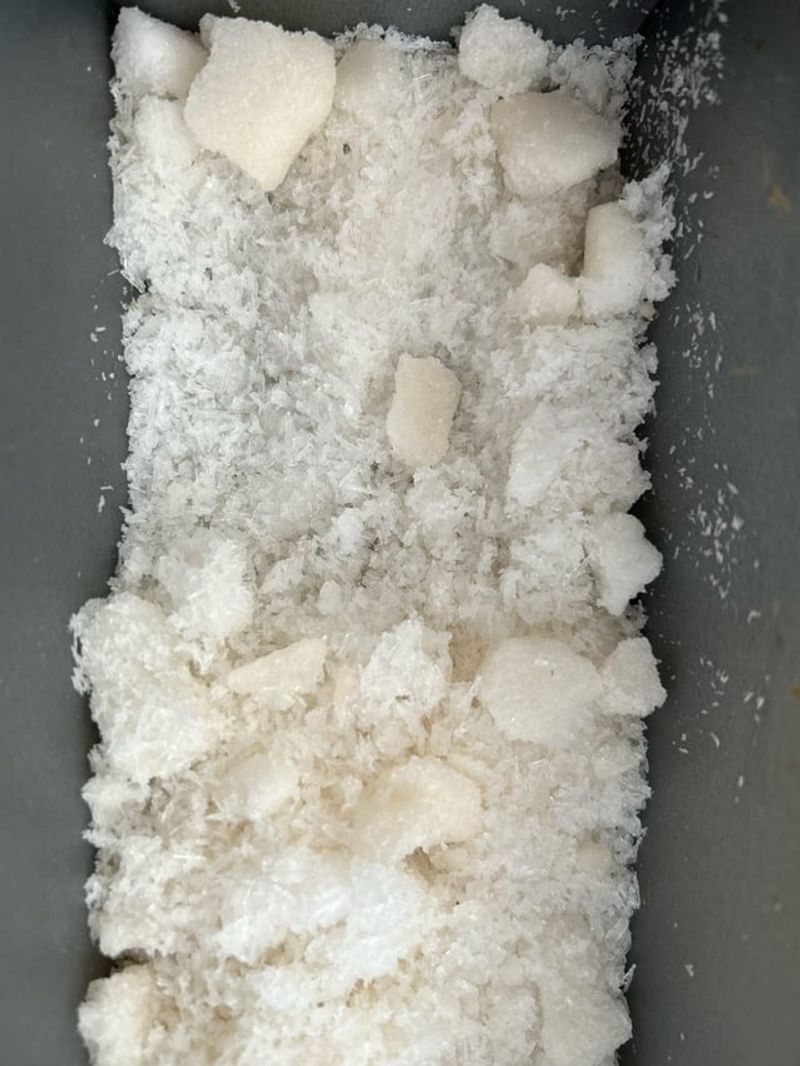
Once your tomatoes start setting fruit, their nutritional needs shift dramatically. Potassium becomes the star nutrient at this stage of the game.
Potassium supports fruit development, improves flavor, and strengthens the plant’s ability to resist stress. Switching to a high-potassium fertilizer during fruiting makes a real difference in taste and size.
Look for fertilizers labeled for fruiting or with a higher third number, like 5-10-15. Apply every two weeks once fruits appear.
Gardeners who make this switch consistently report a richer, more abundant tomato yield compared to those who stick with the same formula all season long.
7. Test Soil pH First
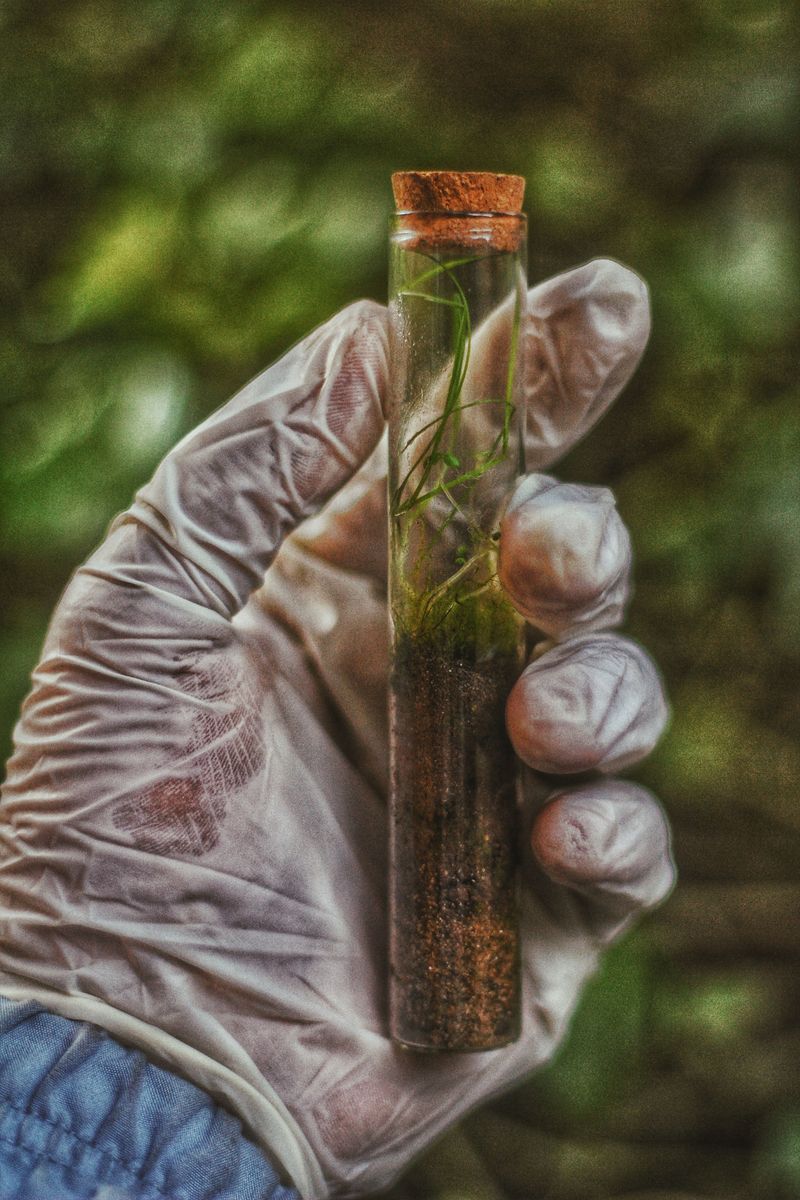
Feeding your tomatoes without knowing your soil pH is like cooking without tasting. You might get lucky, but chances are something will be off.
Tomatoes thrive in slightly acidic soil, ideally between 6.0 and 6.8 on the pH scale. Outside that range, nutrients get locked up and plants cannot absorb them properly.
Simple soil test kits are available at most garden centers for just a few dollars. Test before the season starts and adjust with lime or sulfur as needed.
Getting pH right first is what makes every other fertilizing habit actually work for a strong tomato yield.
8. Space Out Feedings Evenly
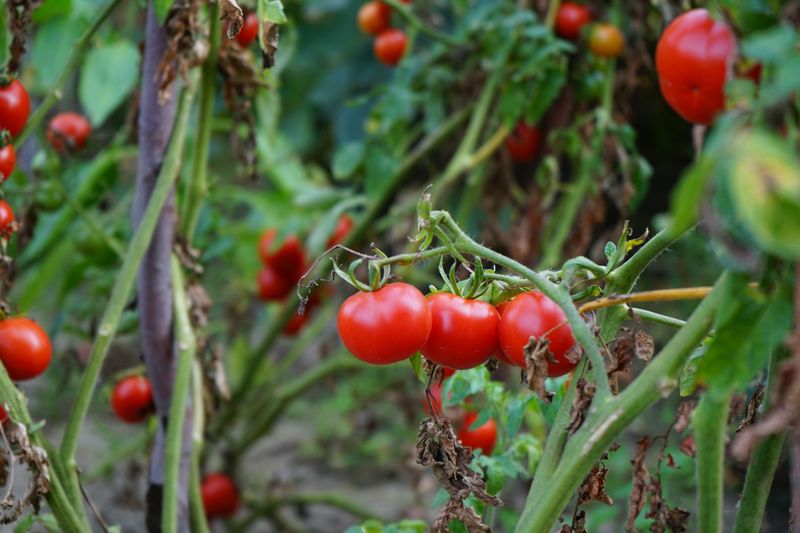
Applying a month’s worth of fertilizer at once is one of the most common mistakes home gardeners make. Plants need steady nutrition, not a feast followed by a famine.
Spacing feedings every two to three weeks gives roots a consistent supply of nutrients. This prevents the boom-and-bust cycle that stresses plants and reduces fruit quality.
Set a simple reminder on your phone or mark a paper calendar. Consistent timing leads to consistent growth and a more predictable tomato yield.
Small, regular doses always outperform large, infrequent ones when it comes to feeding garden tomatoes.
9. Choose Slow-Release Granules
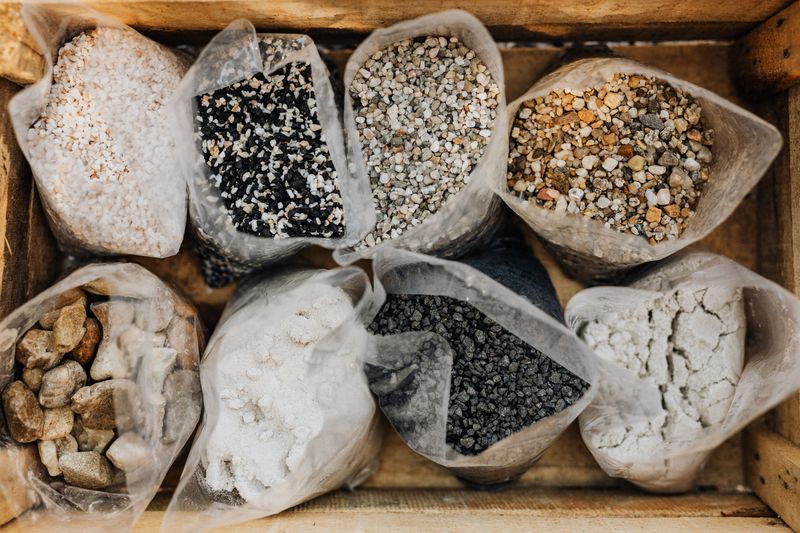
Slow-release granules are like a meal prep plan for your tomatoes. You apply them once and they keep feeding your plants over several weeks without extra effort.
These granules break down gradually with moisture and soil activity. That means your plants get a steady trickle of nutrients instead of one overwhelming surge.
They are especially useful for busy gardeners who cannot stick to a strict feeding schedule. Look for granules with a release window that matches your growing season, checking the product label for specifics.
Using slow-release fertilizer is one of the most effortless ways to support a consistent and impressive tomato yield all summer.
10. Reduce Nitrogen After Fruit Sets
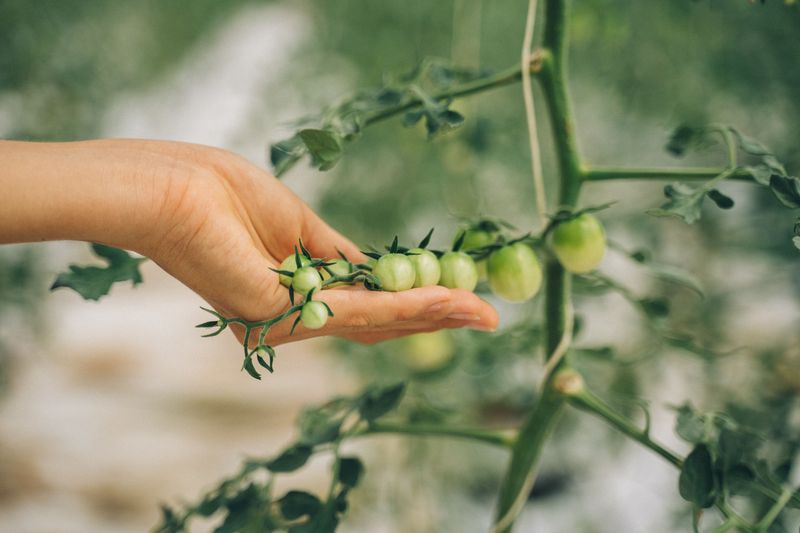
Too much nitrogen late in the season is actually a problem. Your plants will grow lush and leafy, but the fruit production will slow down or stop entirely.
Once tomatoes have set fruit, nitrogen should take a back seat. Excess nitrogen signals the plant to keep growing leaves instead of pouring energy into ripening fruit.
Shift to a fertilizer with lower nitrogen and higher potassium after you see fruit forming. This simple switch redirects the plant’s energy exactly where you want it.
Cutting back on nitrogen at the right time is a key habit for maximizing your overall tomato yield.
11. Rotate Organic And Synthetic Feeds
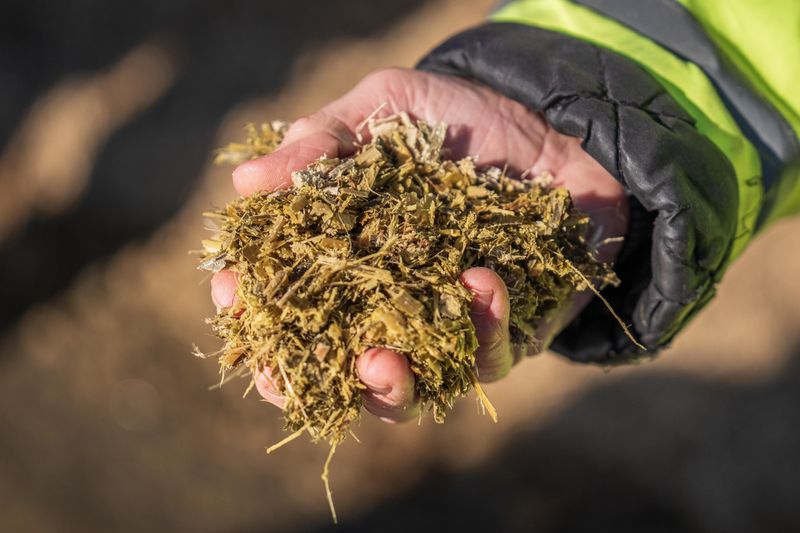
Organic and synthetic fertilizers each bring something different to the table. Using both in rotation gives your tomatoes the best of both worlds throughout the season.
Synthetic feeds work fast and deliver precise nutrient ratios. Organic options build soil health over time and support the microbial life that helps plants absorb everything more efficiently.
Try alternating between a liquid synthetic feed one week and a compost tea or fish emulsion the next. Rotating keeps the soil ecosystem balanced and prevents nutrient buildup.
This habit consistently produces a healthier, more resilient tomato yield from early summer through the final harvest.
12. Boost Phosphorus For Roots
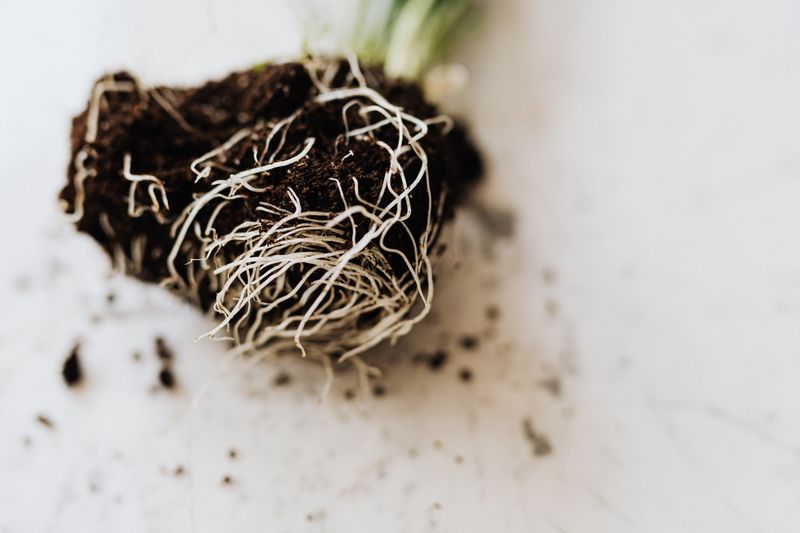
Strong roots are the foundation of every great tomato plant. Phosphorus is the nutrient that makes those roots grow deep, wide, and powerful.
Without enough phosphorus, plants look stunted and struggle to anchor themselves properly. Adding a phosphorus boost early in the season gives roots the head start they need.
Bone meal is a popular organic source that works slowly and effectively. Superphosphate is a faster-acting synthetic option.
Apply either at transplanting time and work it into the root zone. Stronger roots mean better water uptake, better nutrient absorption, and ultimately a much higher tomato yield by the end of summer.
13. Incorporate Fish Emulsion Occasionally
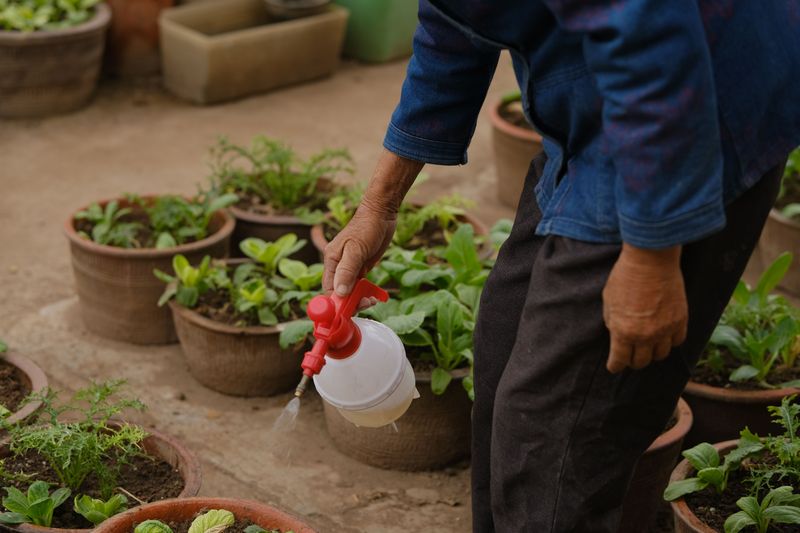
Fish emulsion has a strong odor. But your tomatoes absolutely cannot get enough of it, and the results speak for themselves every single time.
This liquid organic fertilizer is packed with nitrogen, trace minerals, and amino acids that synthetic products often miss. Plants absorb it quickly through both roots and leaves.
Dilute it according to the label and apply every two to three weeks during the growing season. Your nose will complain, but your plants will thrive.
Gardeners who add fish emulsion to their routine often notice deeper green leaves and a noticeably bigger tomato yield compared to those who skip it.
14. Sprinkle Epsom Salt For Magnesium
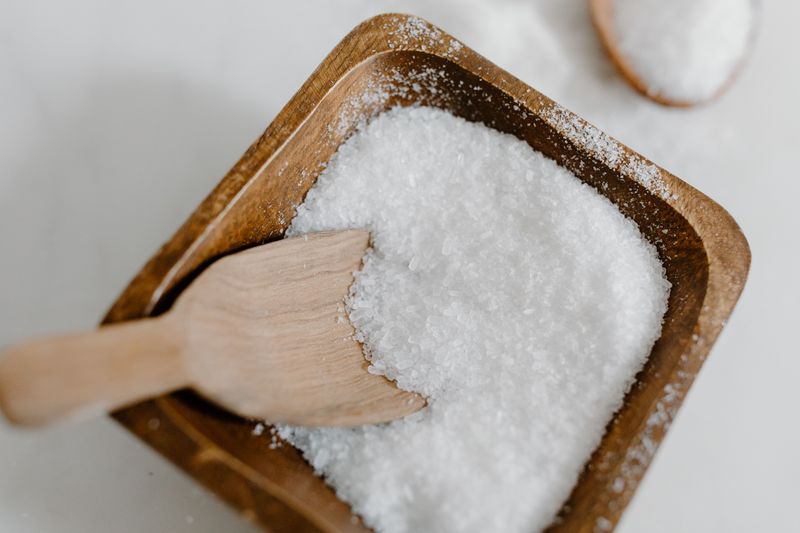
Magnesium deficiency shows up as yellowing leaves with green veins, and it can sneak up on you fast. Epsom salt is a quick and affordable fix that gardeners have trusted for generations.
If a soil test confirms magnesium deficiency, one tablespoon of Epsom salt dissolved in a gallon of water can help as a foliar spray. You can also sprinkle dry crystals around the base of each plant.
Magnesium is essential for chlorophyll production, which means it directly affects how well your plants photosynthesize and grow. Regular Epsom salt applications keep foliage lush and green.
Healthy leaves mean more energy for fruit, which translates directly into a better tomato yield.
15. Avoid Feeding During Heat Stress
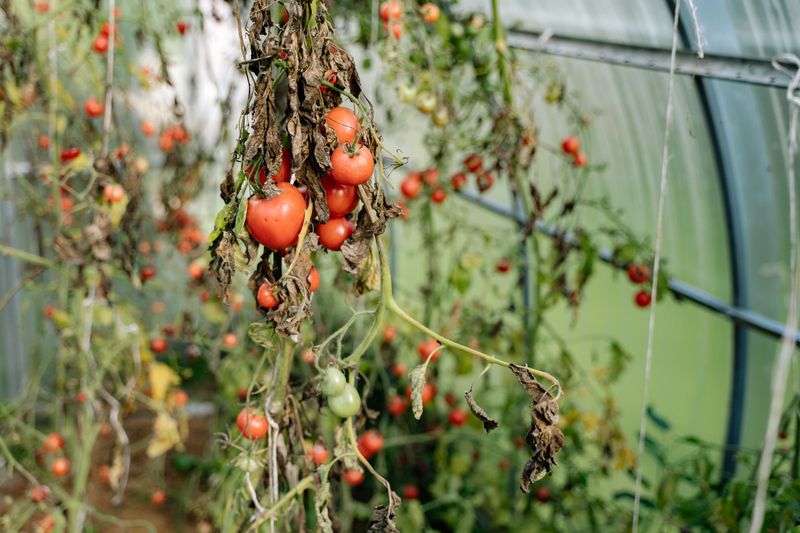
On a scorching summer day, your tomato plants are already struggling. Feeding them fertilizer during a heat wave is like asking someone to run a marathon while dehydrated.
High temperatures cause plants to shut down nutrient absorption. Fertilizer applied during heat stress can build up in the soil and actually burn roots instead of helping them.
Hold off on feeding during periods of extreme heat, and check local guidance for your specific climate. Wait for a cooler morning or an overcast day before resuming your schedule.
Protecting your plants from stress at the right moments helps separate a mediocre harvest from a strong tomato yield.
16. Keep Mulch To Hold Nutrients
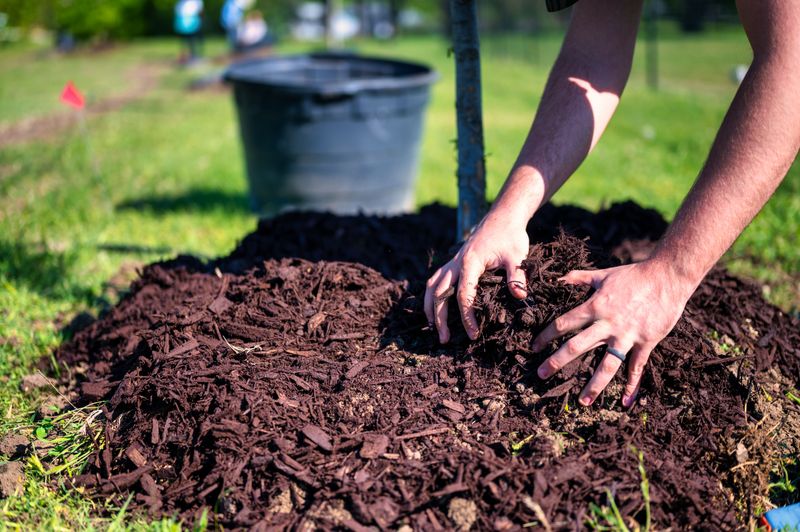
Mulch is doing more work in your garden than you probably realize. A good layer of straw or wood chips slows down nutrient runoff and keeps moisture locked in the soil.
When you fertilize and then skip mulching, rain and irrigation can wash those nutrients away before roots get a chance to absorb them. That means wasted money and wasted effort.
Apply two to three inches of organic mulch around each plant after feeding. It regulates soil temperature, suppresses weeds, and feeds the soil as it breaks down. Mulching is one of the easiest habits to support a consistent and strong tomato yield.
17. Monitor Leaves For Deficiencies
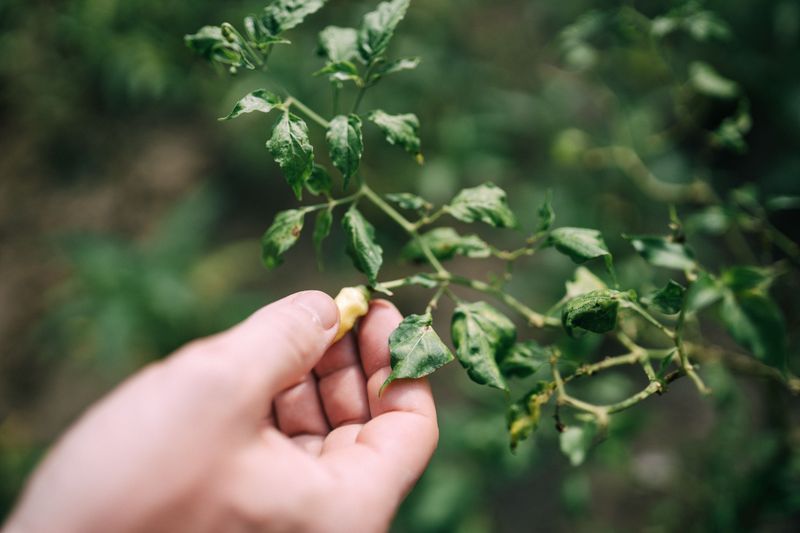
Your tomato plant’s leaves are basically a report card. They tell you exactly what is working and what is missing in your fertilizing routine.
Yellow lower leaves often point to nitrogen deficiency. Purple-tinted leaves suggest a lack of phosphorus. Dark green leaves with curled edges can mean too much nitrogen is present.
Check your plants at least once a week and look closely at both the tops and undersides of leaves. Catching problems early lets you correct course before it affects your tomato yield.
Learning to read your plants is one of the most powerful skills any home gardener can develop.
18. Use Liquid Fertilizer For Fast Results
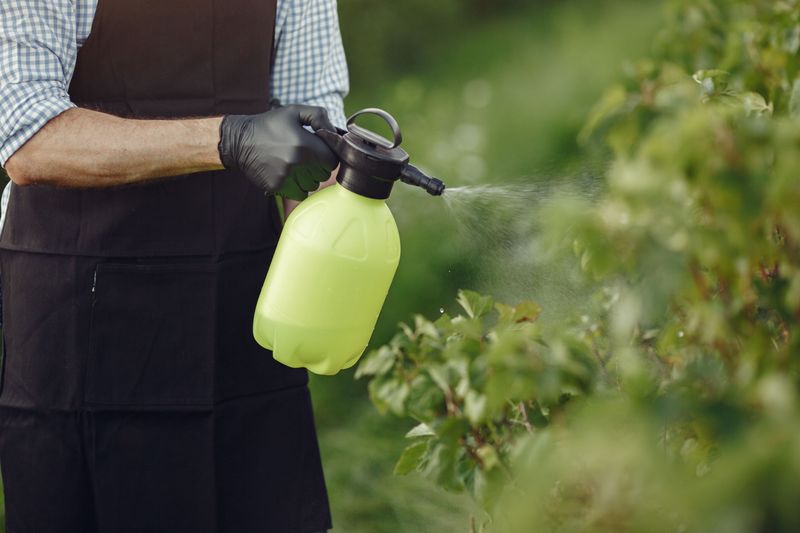
Sometimes your plants need help fast. Liquid fertilizers are absorbed within hours, making them a commonly used option when you spot a nutrient problem mid-season.
They work through both the roots and the leaf surface when applied as a foliar spray. That double-action delivery makes them far quicker than granular options in urgent situations.
Use liquid fertilizers as a supplement to your regular feeding routine rather than a replacement. They are ideal for giving struggling plants a quick recovery boost.
Keeping a bottle of liquid fertilizer on hand is a habit that has saved many a tomato yield from a slow and preventable decline.
19. Feed Consistently From Start To Finish
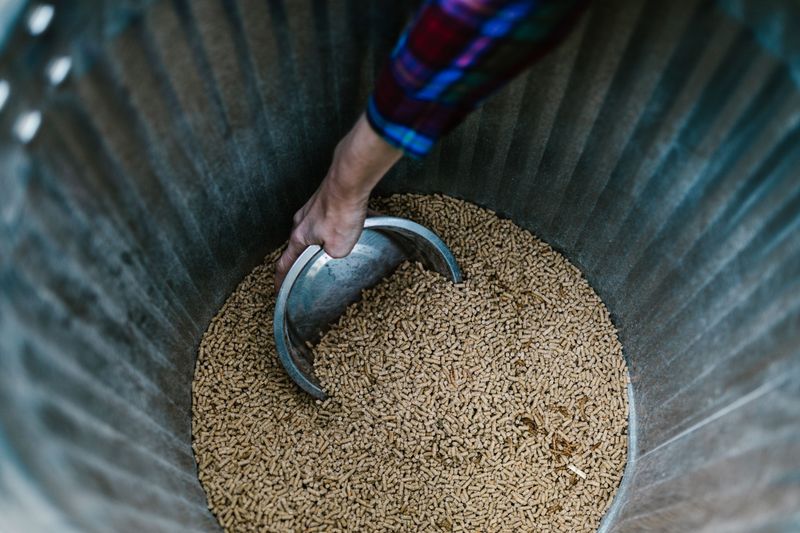
The gardeners who get the best tomato yield every year all share one habit. They never stop feeding their plants until the very last tomato is picked.
Consistency from transplant day to final harvest keeps plants healthy at every stage. Skipping feedings during peak production, when plants are still bearing fruit, is a mistake that costs you fruit.
Build a simple feeding schedule and stick with it all season. Adjust the formula based on the plant’s stage, but never take long breaks.
A plant that gets steady nutrition from start to finish almost always outperforms one that gets fed only when problems appear.
20. Try Worm Castings For Gentle Feeding
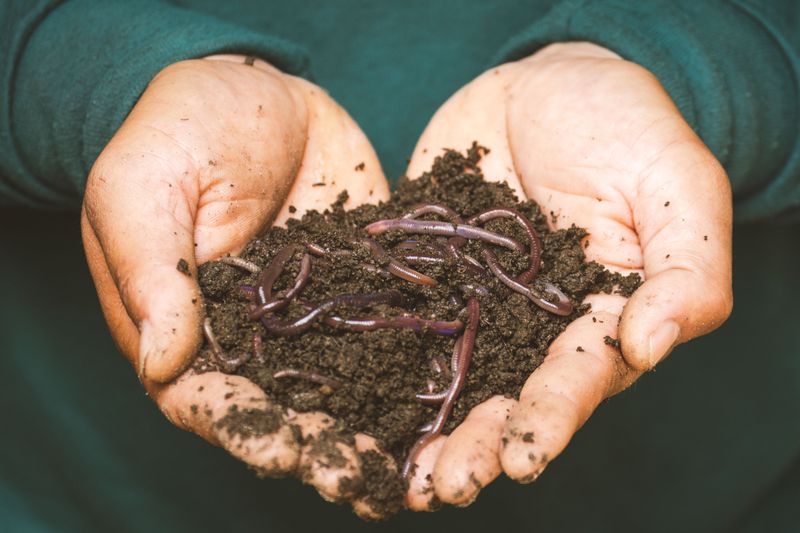
Worm castings are low-risk and safe to use regularly. They feed slowly, rarely burn plants, and improve soil structure at the same time.
Packed with beneficial microbes and trace nutrients, castings create a living soil environment that helps tomatoes absorb everything more efficiently. They work quietly in the background all season long.
Mix a handful into the planting hole or top-dress around established plants every few weeks. Worm castings are low-risk and can generally be used on a regular schedule.
For gardeners chasing a consistently excellent tomato yield, this gentle powerhouse is one of the most consistently reliable habits you can adopt.