12 Reasons Your Clematis Refuses To Flower Despite Healthy Growth
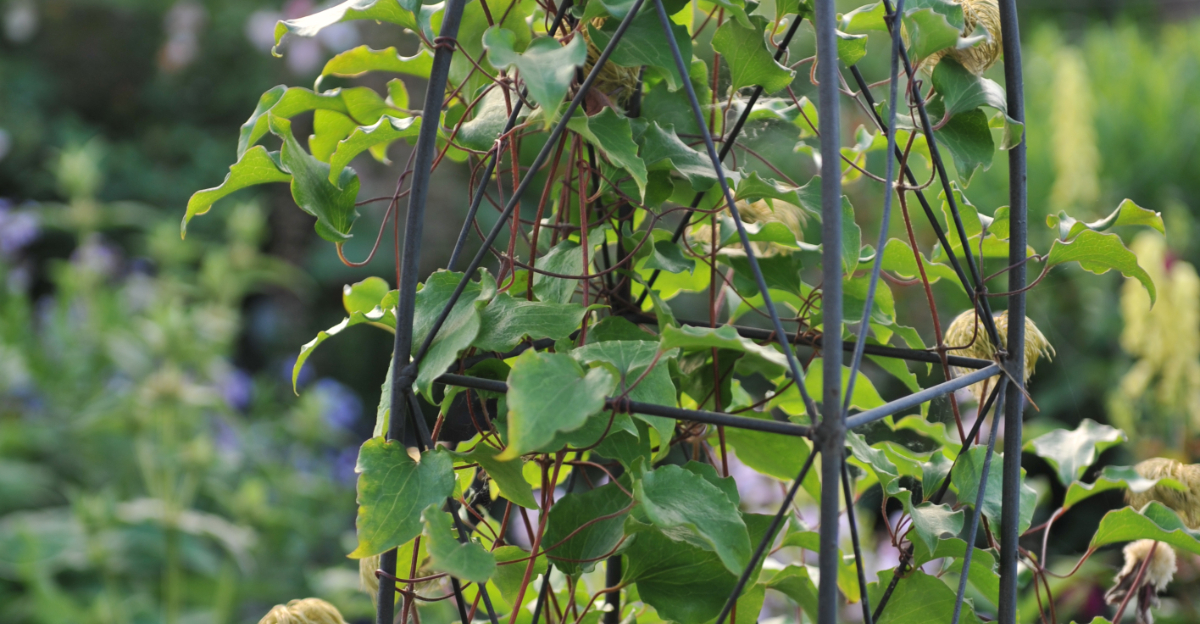
Something is wrong with your clematis, and it isn’t obvious yet. Lush leaves cover your vine, but blooms never arrive.
Gardeners everywhere face this exact puzzle every summer. Confusion builds when care and effort change nothing.
Roots grow strong, stems climb high, yet color stays absent. Soil, sunlight, and pruning habits all play hidden roles.
Timing matters more than most people realize. Pruning at the wrong moment quiets flowers for a season.
Sunlight exposure shifts everything, sometimes in surprising ways. Nutrients can shift balance when nitrogen overwhelms phosphorus.
Age plays a role too, since young vines need patience. Variety differences change bloom windows dramatically.
Transplanting or extreme weather delays flowering longer than expected. Weather swings quietly slow bud formation for weeks now.
Answers exist, and they are specific, testable, and within reach. You will not walk away without knowing exactly why your clematis refuses to bloom.
1. Insufficient Sunlight On Vine
Shade can significantly reduce blooming. Most clematis varieties need at least six hours of direct sun each day to produce flowers, though some tolerate partial shade.
Without enough light, the plant puts all its energy into growing leaves instead. You get a gorgeous green vine and nothing else.
Check your garden at different times of day to see how much sun your plant actually receives. Trees, fences, and buildings can block more light than you realize. A spot that looked sunny in spring can turn shady once nearby trees grow their leaves back.
South-facing walls or fences often provide the most reliable sun exposure throughout the day. Morning sun alone rarely delivers enough energy for strong flowering later in the season.
Moving your clematis to a sunnier spot can feel risky, but it is often the single best fix. Transplant in early spring before new growth takes off.
If moving it is not an option, trim back nearby shrubs or branches. Even one extra hour of sun can shift things noticeably.
Your clematis may be perfectly healthy and just starving for light. Give it sun, and blooms will follow fast.
2. Excessive Nitrogen Over Flowers
Too much nitrogen can reduce flowering. High-nitrogen fertilizers push plants to grow more leaves and stems, not flowers.
Nitrogen is the first number on any fertilizer bag. When that number is high, your clematis gets the signal to bulk up, not bloom.
Many gardeners fertilize with a general-purpose lawn or veggie feed without realizing it is too rich for flowering vines. Switching fertilizers can change everything.
Look for a bloom-boosting fertilizer with higher phosphorus and potassium levels. These nutrients tell your plant it is time to flower. The second and third numbers on the bag matter more than most gardeners assume.
Cut back on feeding if you have been applying fertilizer heavily or frequently. Less is often more with clematis nutrition. Overfeeding rarely speeds up blooming and usually delays it instead.
A soil test can show you exactly what your garden already has. Knowing your baseline helps you feed smarter, not harder. Many garden centers offer affordable testing kits that give quick, reliable results.
Once nitrogen levels come back into balance, most clematis plants respond within a single growing season. Patience here pays off with noticeably fuller blooms.
3. Wrong Pruning Timing Removes Buds
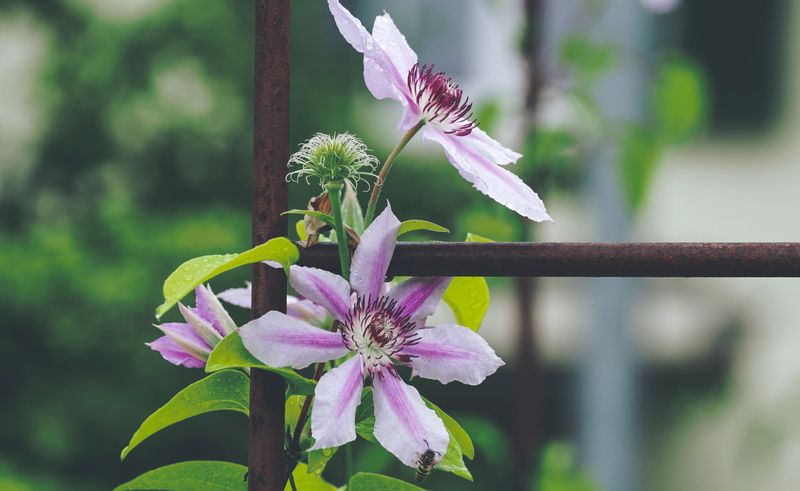
Pruning at the wrong time is one of the most common clematis mistakes. Cut too early or too late, and you accidentally remove the buds before they ever open.
Clematis plants fall into three pruning groups. Each group blooms on either old wood, new wood, or both, and the timing matters completely.
Group 1 clematis blooms on old wood from last year. Pruning it in fall or early spring removes the buds that were already set.
Group 2 blooms on both old and new wood. Light pruning right after the first flush of flowers is the safe move here.
Group 3 blooms on new growth only and can be cut hard in late winter. Getting your group wrong can mean a season with few or no flowers.
Check your plant tag or look up the variety name online. Knowing your pruning group is the fastest path to reliable blooms every year.
4. Roots Stay Too Warm
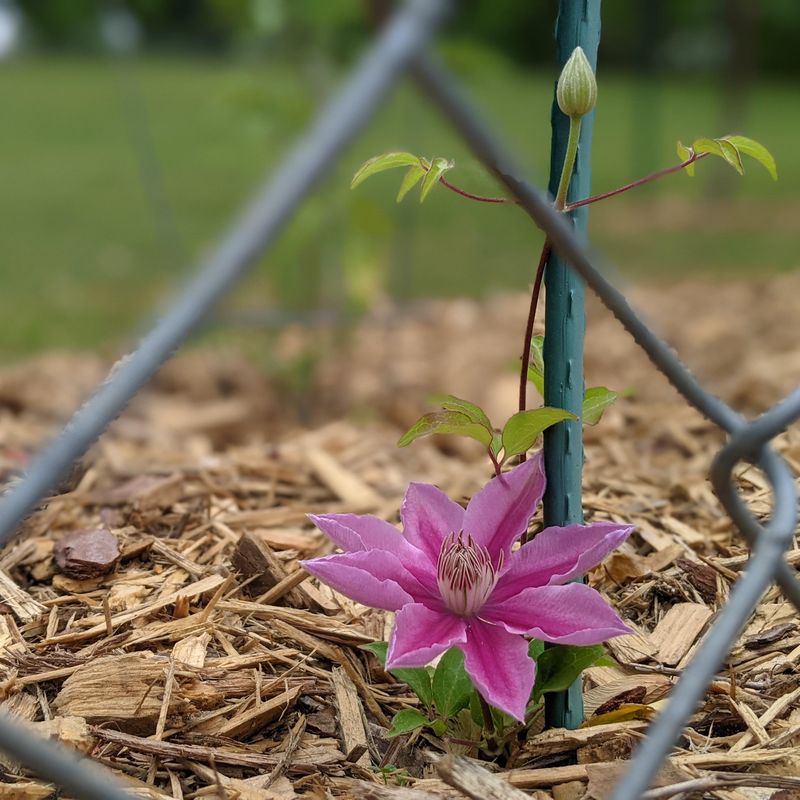
Clematis has a quirky preference most gardeners overlook. It loves its head in the sun but wants its roots kept cool and shaded.
When roots overheat, the plant shifts into survival mode. Flowering becomes a low priority when the root zone is stressed by heat.
Bare soil around the base of your plant absorbs and holds heat all day. That warmth radiates down into the roots and disrupts normal growth cycles.
A thick layer of mulch around the base solves this fast. Aim for two to three inches of wood chips, straw, or shredded bark.
You can also plant low-growing perennials or ground covers around the base. They shade the soil naturally while adding visual interest to your garden.
Cool roots mean a happier, more productive plant. Once the root zone settles down, blooms tend to appear right on schedule.
5. Young Plant Not Mature Yet
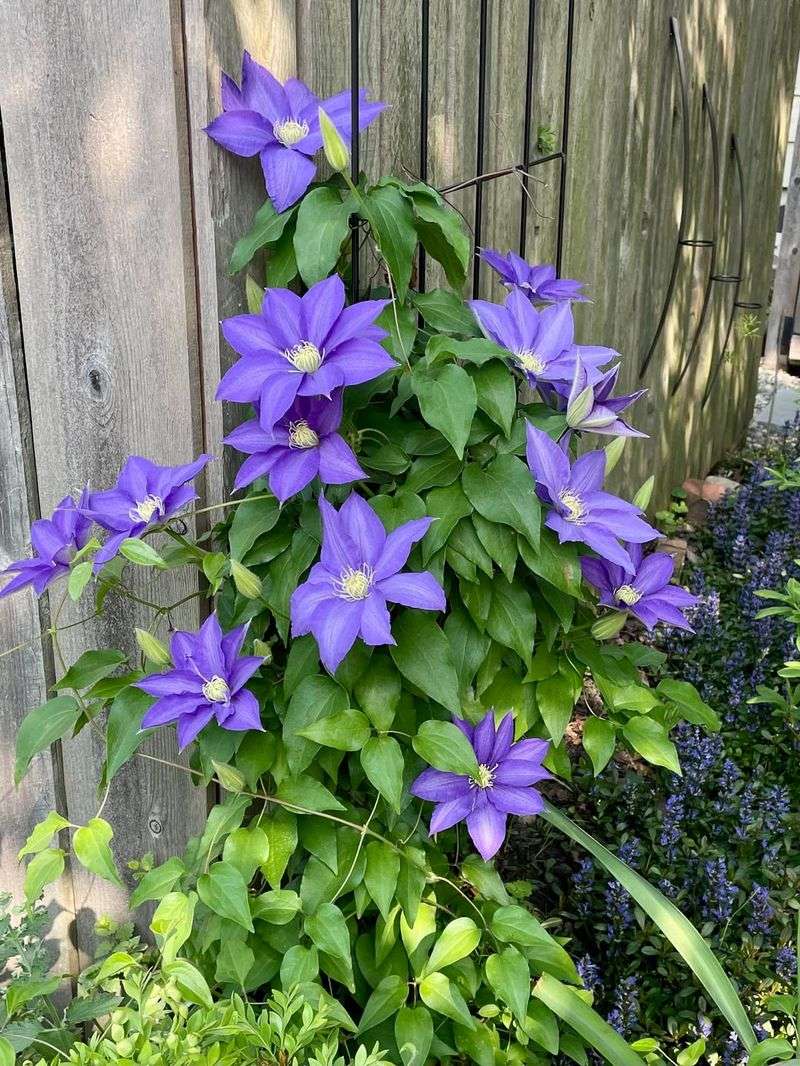
Patience is the hardest gardening tool to use. A newly planted clematis often spends its first one to two years building roots, not blooming.
The old saying goes: first year it sleeps, second year it creeps, third year it leaps. That timing is real and worth remembering.
A young plant is pouring all its resources underground. Building a strong root system is the foundation for years of heavy flowering ahead.
Pushing a young clematis with extra fertilizer or aggressive pruning can actually delay maturity. Let it grow at its own pace in the early stages.
Water consistently and keep the soil healthy, but resist the urge to intervene too much. The plant is using this time to establish its root system.
By year three, most clematis varieties reward patient growers with an explosion of color. The wait is genuinely worth every single day.
6. Poor Drainage Stresses Roots
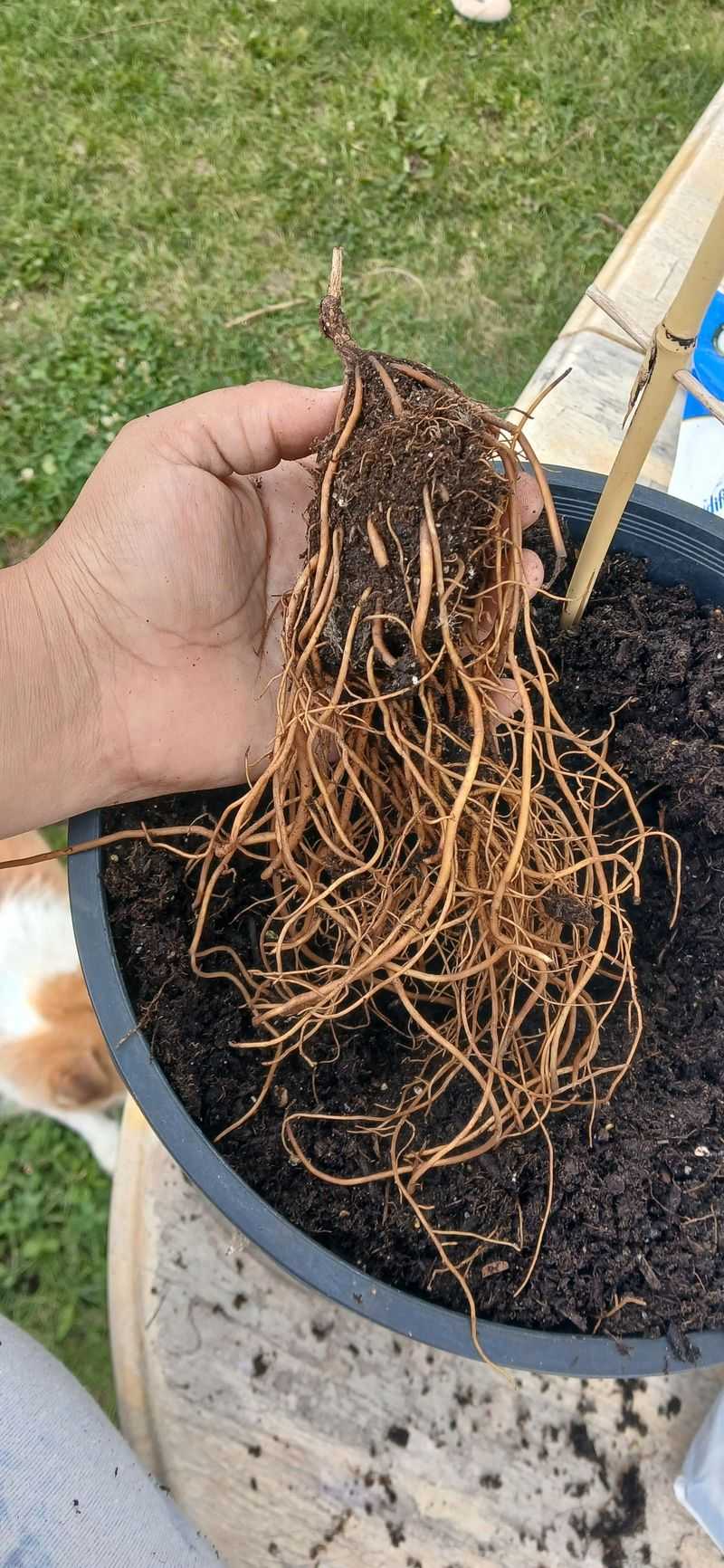
Soggy soil is a slow stressor that many gardeners mistake for a watering problem. When roots sit in standing water, they cannot absorb oxygen or nutrients properly.
Stressed roots send distress signals throughout the plant. Flowering gets pushed aside while the plant tries to cope with the wet conditions.
Clay-heavy soil is the most common culprit for poor drainage. It holds water like a sponge and keeps roots damp long after rain stops.
Raised beds and amended soil can fix drainage issues quickly. Mix in compost, perlite, or coarse sand to help water move through more freely.
Check your planting site after a heavy rain. If water pools for more than an hour, drainage is definitely your problem.
Healthy drainage gives roots the breathing room they need. Fix the soil, and your clematis will stop struggling and start blooming again.
7. Late Frost Damages Buds
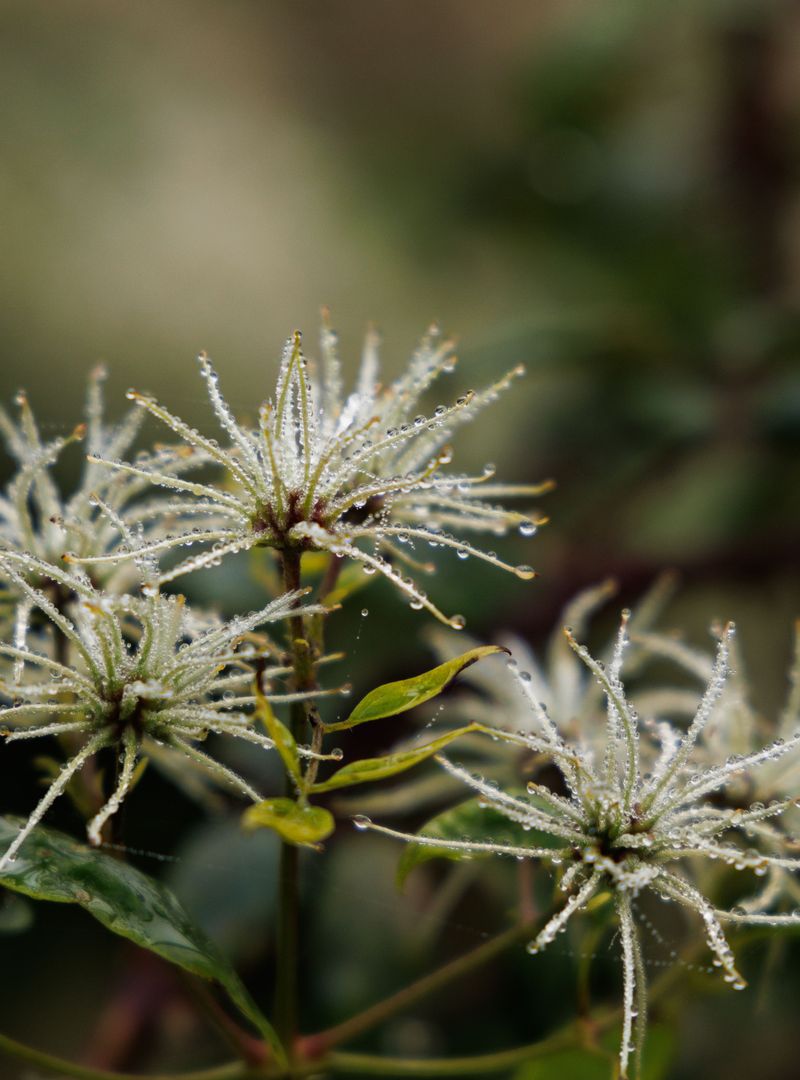
Spring frosts can unexpectedly damage early buds. A late frost hits just as buds are forming and wipes them out overnight.
Clematis buds are tender and vulnerable in early spring. Even a light frost at the wrong moment can damage or destroy the season’s potential flowers.
You might not notice the damage right away. Frost-damaged buds often look fine at first, then slowly turn brown and fall off over several days.
Covering your clematis with frost cloth or an old bedsheet on cold nights can save the buds. Even a few degrees of protection makes a real difference.
If your area has unpredictable spring weather, choose a planting spot with some natural wind shelter. A fence or wall can buffer against sudden cold snaps.
Losing a season to frost is disappointing, but the plant usually recovers fully by the following year. Protect early, and the blooms will be worth it.
8. Overcrowded Roots Limit Nutrients
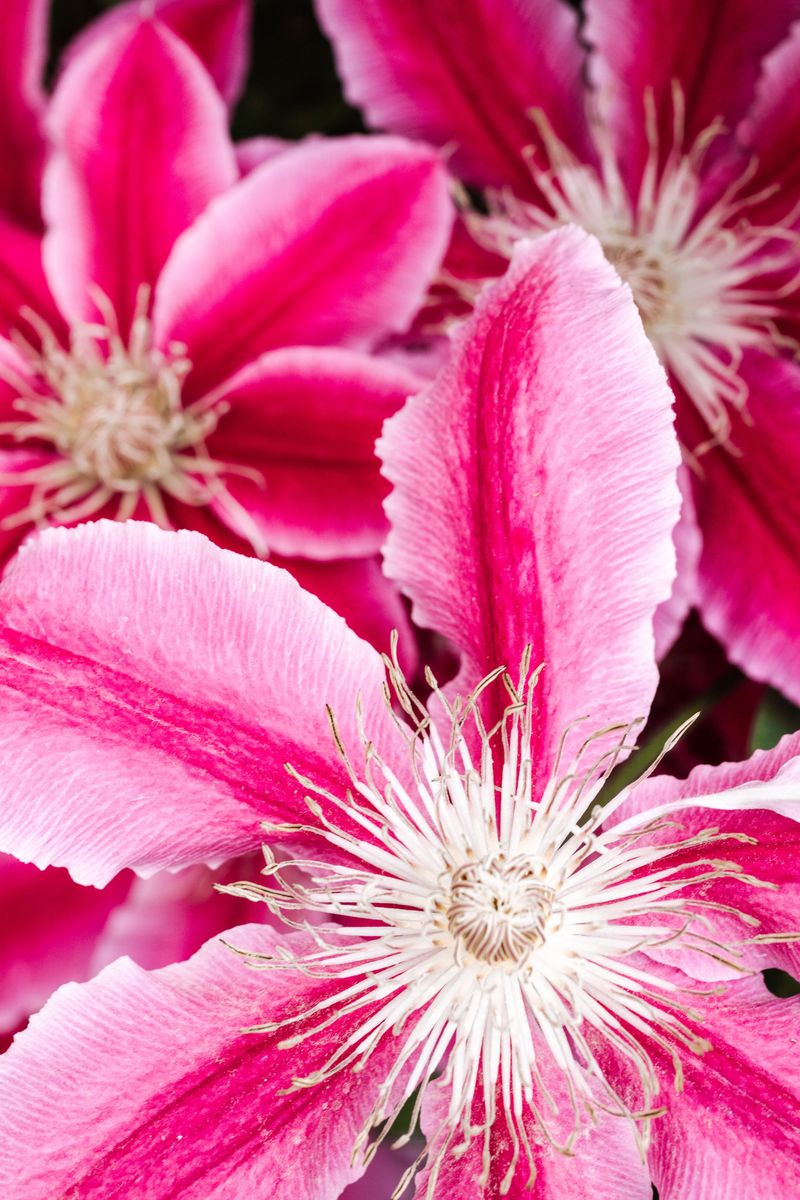
Roots need room to breathe and spread. When a clematis has been in the same spot for years, its roots can become crowded and competitive.
Nearby plants, shrubs, or tree roots can muscle in and steal water and nutrients. Your clematis ends up competing for limited resources.
Container-grown clematis can also become root-bound over time. When roots circle the inside of the pot, the plant hits a hard growth ceiling.
Repotting into a larger container or refreshing the soil every two to three years helps a lot. Give those roots new territory to explore.
In garden beds, check for invasive roots from nearby trees or aggressive perennials. Installing a root barrier can protect your clematis from underground competition.
Well-spaced, nourished roots produce well-spaced, abundant flowers. Give your plant the underground elbow room it needs to truly perform.
9. Improper Watering Drops Buds
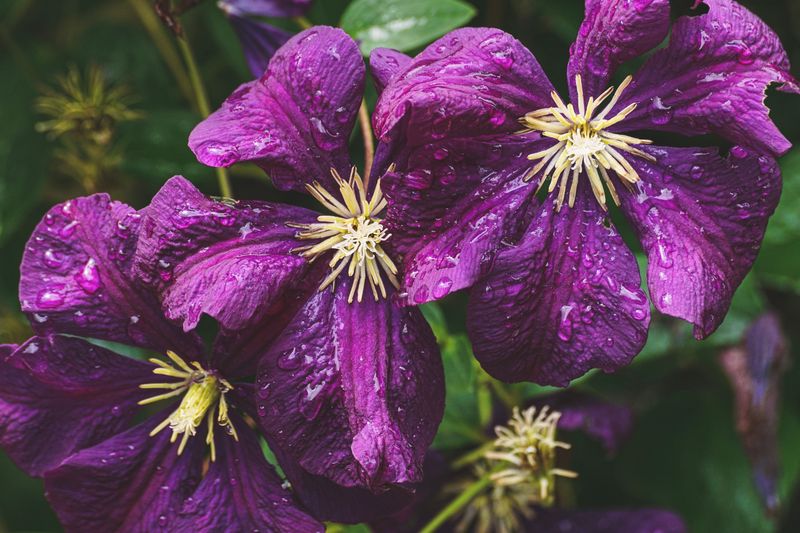
Bud drop is a common concern for clematis growers. You see buds forming, get excited, and then they fall off before opening.
Inconsistent watering is a leading cause of bud drop in clematis. The plant panics when the soil swings between bone dry and soaking wet.
Clematis prefers steady, moderate moisture throughout the growing season. Deep watering two to three times per week, adjusted for climate and soil type, works better than daily shallow sprinkles.
A soaker hose or drip system delivers water directly to the root zone. This approach keeps moisture consistent without wetting the foliage.
Letting the soil dry out completely between waterings signals stress to the plant. That stress often triggers bud drop as a self-preservation response.
Think of watering as a rhythm, not a reaction. Keep it steady, and those buds will hold on long enough to become beautiful blooms.
10. Old Wood Cut Wrong Time
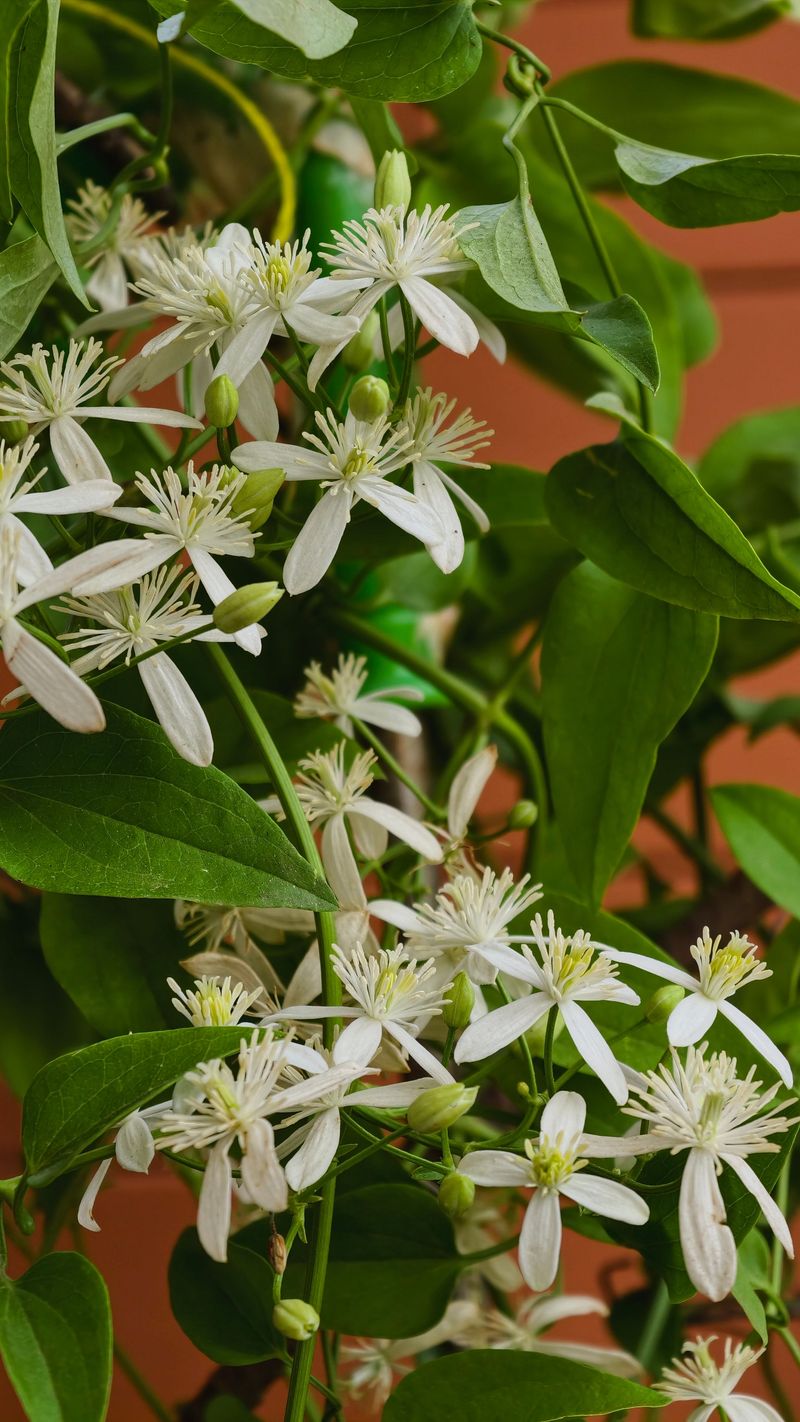
Old wood plays a specific role in next year’s blooms. For certain clematis varieties, last year’s stems are where next year’s flowers are already waiting to form.
Cutting those stems at the wrong time removes your entire bloom potential for the coming season. The plant looks fine, but the flowers are gone before spring arrives.
Group 1 and some Group 2 varieties rely heavily on established old wood for blooming. Pruning them hard in fall can remove that season’s blooms.
Learn to identify old wood by its darker, woodier appearance compared to fresh green stems. Treat it with care during your pruning sessions.
When in doubt, prune lightly and observe. You can always cut more next season once you understand how your specific variety blooms.
Handling old wood carefully protects next season’s blooms. Those seasoned stems carry the promise of flowers, so treat them with intention and care.
11. Compacted Soil Restricts Roots
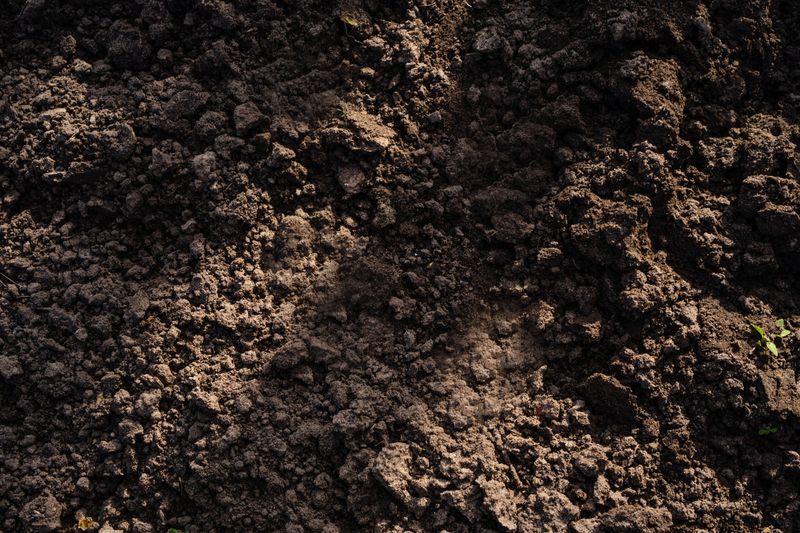
Compacted soil restricts root growth. When the ground is compacted, roots cannot spread, and a plant without spread cannot thrive.
Foot traffic, heavy rain, and clay-dense soil all contribute to compaction over time. The soil becomes so dense that water and air barely penetrate the surface.
Without air pockets in the soil, roots slowly lose access to oxygen. An oxygen-deprived root system limits the plant’s ability to form flower buds.
Aerating the soil around your clematis can make a surprising difference. Use a garden fork to gently loosen the ground without disturbing the roots too much.
Adding organic matter like compost improves soil structure over time. It breaks up clay, improves drainage, and gives roots the soft, open ground they crave.
Loose, rich soil is the foundation of a flowering clematis. Fix what is underground, and the show above ground will take care of itself.
12. Lack Of Potassium Reduces Blooms
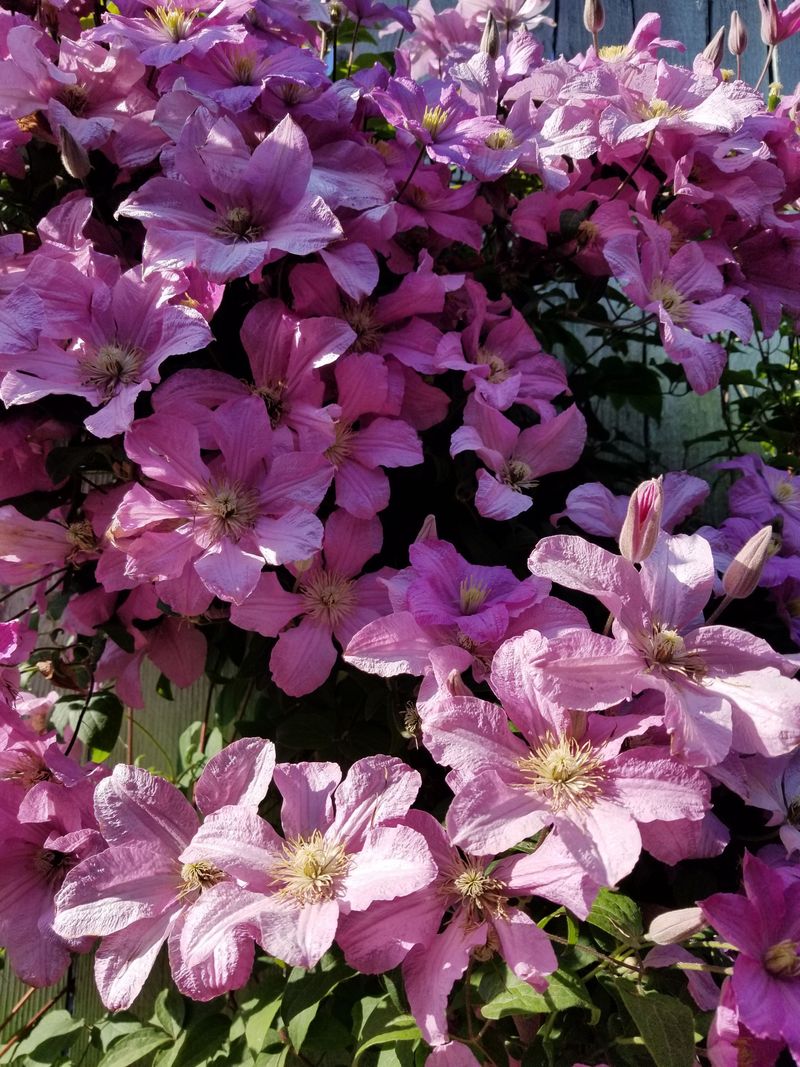
Potassium is the flowering mineral, and clematis craves it. Without enough potassium in the soil, your plant simply cannot produce the energy needed to bloom.
Signs of potassium deficiency include leaf edges that look scorched or brown. The plant may look mostly healthy while quietly struggling to hit its bloom potential.
Potassium helps plants regulate water, build strong cell walls, and trigger reproductive growth. Flowering is a reproductive act, and it needs this mineral to happen.
A soil test will tell you exactly where your potassium levels stand. Testing takes the guesswork out of your fertilizing routine completely.
Potassium-rich fertilizers are the most reliable way to boost levels. Wood ash and banana peels can help too, though they act more slowly and wood ash may raise soil pH.
Feeding your clematis the right nutrients is the final piece of the bloom puzzle. With potassium in balance, your clematis is far more likely to bloom fully.