The Vole-Resistant Plants Oregon Gardeners Are Using In Garden Beds
Something has been feasting on your bulbs, and it isn’t a rabbit. Look closer at those narrow tunnels crisscrossing your flower beds, voles have moved in, and they multiply fast in the damp, overgrown corners so common across Oregon.
These small rodents chew through roots, bark, and bulbs with surprising speed, leaving gardeners frustrated season after season. Traps and repellents only go so far when a better fix is already growing right in your soil.
Certain plants carry scents, textures, or natural compounds that voles simply avoid. Oregon gardeners have tested dozens of options and narrowed down which ones truly hold up against these persistent diggers.
This list pulls together the plants that work, so your garden beds stay intact without the constant guesswork.
1. Daffodils
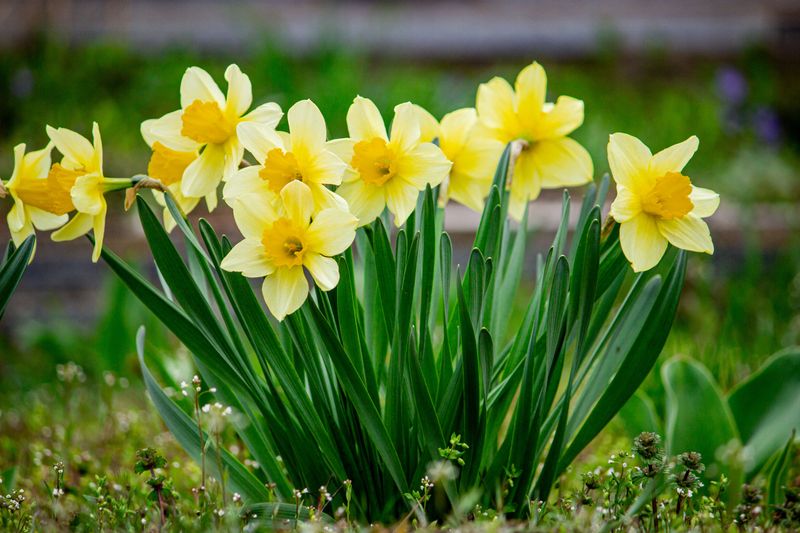
Voles will raid almost any garden bed, but daffodils are one plant they consistently refuse to touch. Daffodils contain lycorine throughout the bulb and foliage, a toxic alkaloid that makes them taste terrible to small rodents.
Oregon gardeners have long used daffodil bulbs as a protective border around more vulnerable plants. Planting them in a ring around tulips or other tasty bulbs creates a natural barrier that voles tend to avoid entirely.
Daffodils come in dozens of varieties, from classic yellow trumpets to soft peachy doubles. That variety means you can mix and match colors while still keeping your garden beds protected all season long.
They are also incredibly low-maintenance once established in Oregon soil. A little well-drained soil and a sunny spot is honestly all they need to come back reliably year after year.
Planting depth matters more than most beginners expect. Set bulbs about six inches deep in the fall, and they will reward you with blooms from late February through April in most parts of the state.
Beyond pest resistance, daffodils are one of the earliest signs of spring in Oregon gardens. Their cheerful blooms lift the mood of any yard after a long, gray winter season.
Pairing them with ornamental allium extends the bloom season and reinforces the deterrent effect below ground. Together, these two bulbs create one of the most reliable pairings for keeping tunneling rodents away from a bed.
2. Ornamental Allium
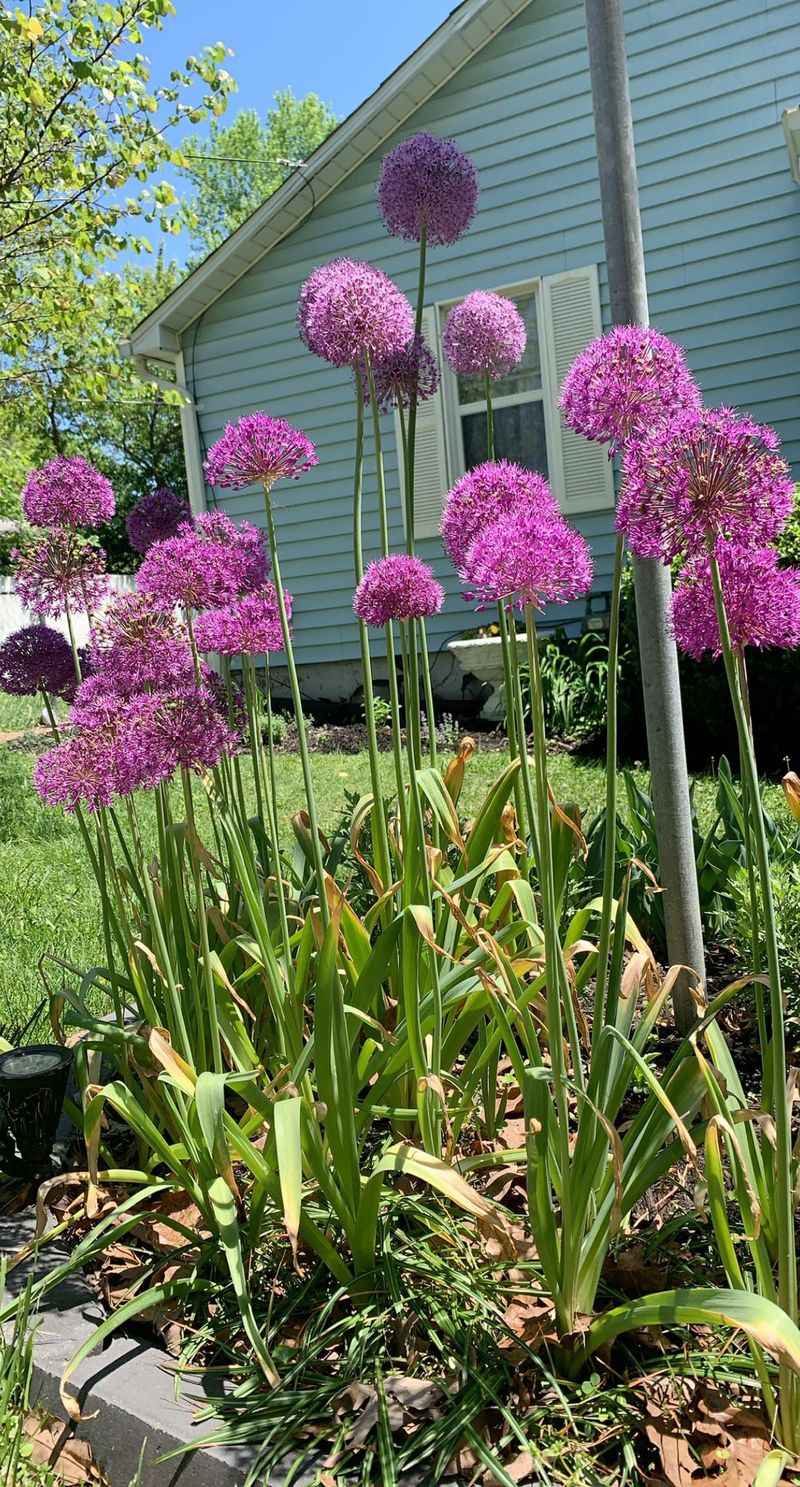
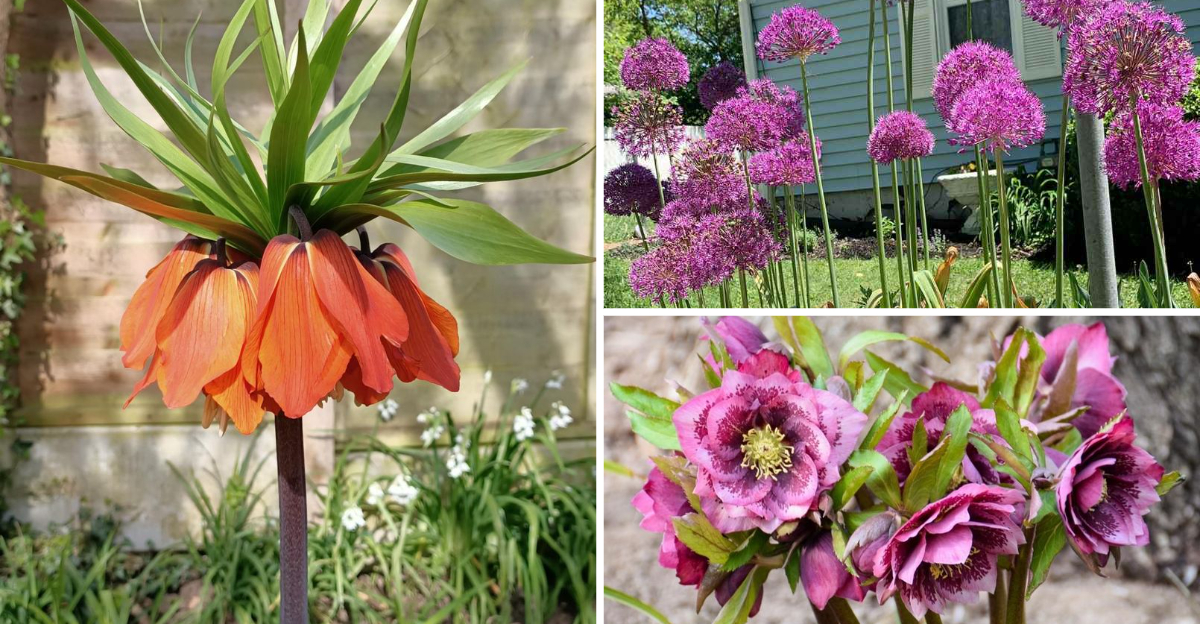
Few plants stop garden visitors in their tracks quite like ornamental allium. Those perfectly round, purple flower heads look almost too beautiful to be real, sitting atop long, slender stems.
The same sulfur compounds that make your eyes water when chopping onions send these rodents running in the opposite direction.
Oregon gardeners have discovered that planting allium throughout a bed, rather than in one cluster, spreads that deterrent effect more evenly. Spacing bulbs every eight to ten inches gives you both visual impact and broader protection across the whole area.
Allium blooms arrive in late spring, bridging the gap between early bulbs and summer perennials beautifully. The dried seed heads also look stunning through summer and into fall, adding structure when other flowers have faded.
Popular varieties for Oregon gardens include Allium giganteum, Allium Purple Sensation, and the shorter Allium christophii. Each one brings a slightly different height and color tone to the garden palette.
Your Oregon Garden Changes Every Week. Your Plan Should Too.
Gardening in Oregon changes quickly throughout the season. Every Friday you’ll receive a simple weekly plan showing exactly what to plant, prune, fertilize, harvest, and protect so you never miss the right timing.
These bulbs prefer full sun and well-drained soil, which is easy to achieve in raised beds. Adding a layer of gravel beneath the bulbs helps prevent rot during wet winters.
Squirrels also tend to leave allium alone, so it works double duty in yards where several critters cause problems. Planting it alongside daffodils gives a bed layered protection that few other bulb combinations can match.
3. Lavender
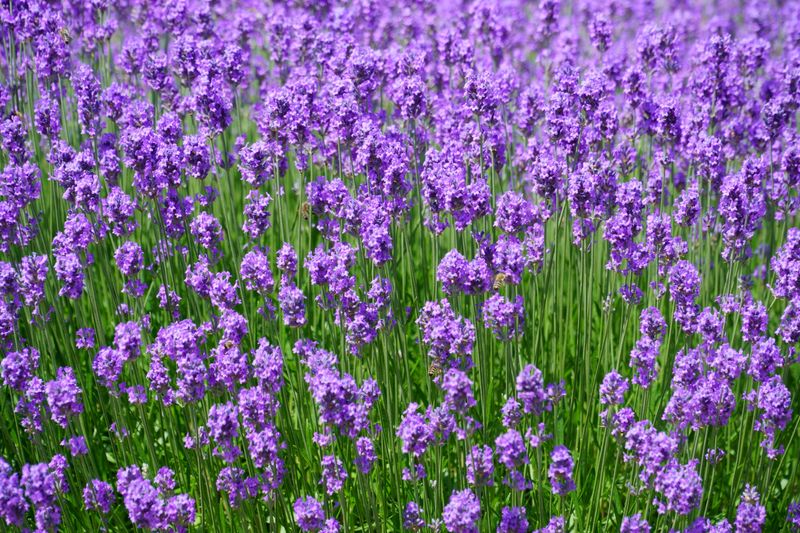
Lavender smells like a dream to humans, but to voles, it is a nightmare. The intense fragrance produced by lavender’s essential oils overwhelms the sensitive noses these small rodents rely on for navigation.
Oregon gardeners have planted lavender along bed edges for decades, and not just for its looks. It acts as a living fence that voles instinctively steer clear of, protecting the more vulnerable plants growing behind it.
English lavender varieties like Hidcote and Munstead perform especially well in Oregon’s climate. They are cold-hardy, drought-tolerant once established, and they bloom prolifically from June through August in most parts of the state.
Lavender needs excellent drainage above almost everything else. Raised beds or slopes work perfectly, since standing water around the roots is the fastest way to lose an otherwise tough plant.
Pruning is simple but important. Cut plants back by about one-third after the first flush of blooms fades, and they will reward you with a second round of flowers before summer ends.
Beyond pest control, lavender attracts pollinators in impressive numbers. Bees, butterflies, and hummingbirds all visit regularly, turning your garden bed into a busy, buzzing ecosystem.
Harvesting lavender for sachets or bundles also gives you an indoor vole deterrent. Tucking dried bundles near garden tool storage or compost areas extends the protective scent barrier beyond just the outdoor beds.
Lavender combines sensory power with year-round garden value, making it one of the most dependable choices for keeping rodents at a distance.
4. Salvia
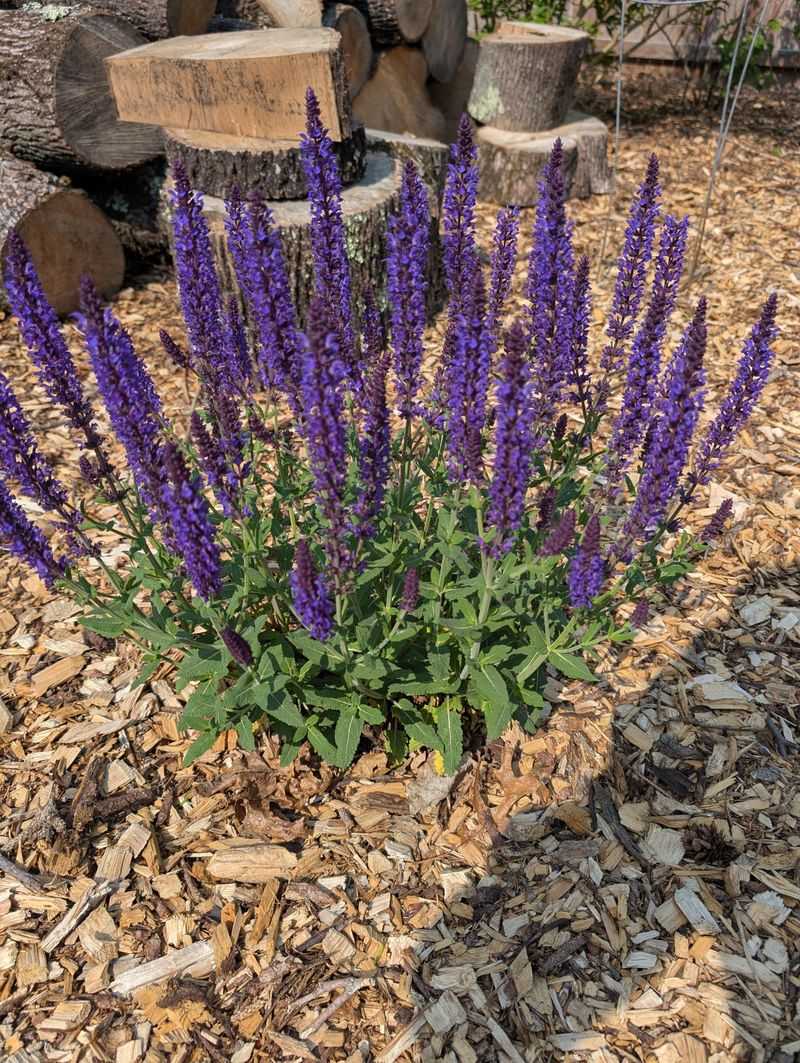
Few perennials work as hard as salvia while asking so little in return. Its tall spikes of blue, purple, or red flowers add vertical movement to a bed from midsummer well into fall.
Voles steer clear of salvia because of its pungent, almost medicinal scent. That same aroma which draws hummingbirds in from across the yard sends burrowing rodents elsewhere.
Salvia thrives in Oregon’s drier, sunnier spots and tolerates poor soil far better than most flowering perennials. Once established, it needs little more than occasional deadheading to keep blooming.
Perennial varieties prefer hardiness zones 4 through 8, which covers most of Oregon comfortably. Annual salvias fill in gaps while perennial clumps mature and spread.
Salvia also handles heat and drought with surprising ease once its root system settles in. That resilience makes it a low-maintenance choice for reliable color.
Deer tend to avoid salvia for the same reasons voles do, which makes it a useful pick for gardeners dealing with more than one type of pest.
Cutting spent flower spikes back throughout the season encourages fresh blooms to keep forming. This simple habit keeps the plant looking tidy while stretching its color well past a single flush.
Pairing salvia with coneflowers or grape hyacinth creates a pollinator-friendly border that also happens to be a dependable rodent deterrent. Bees and hummingbirds visit constantly, while voles keep their distance.
Few plants deliver this balance of low upkeep, long bloom time, and underground pest resistance quite as consistently as salvia does in an Oregon garden.
5. Grape Hyacinth
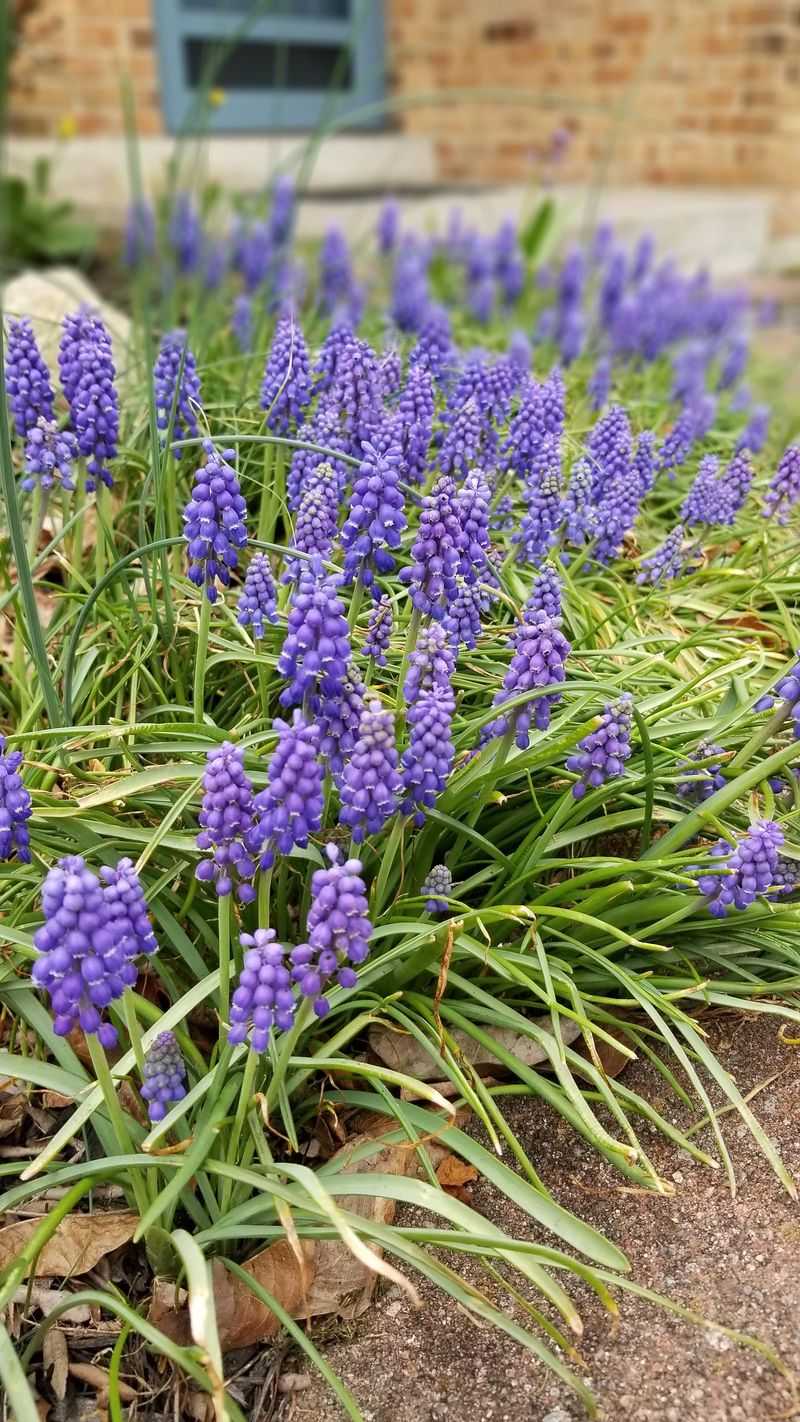
Grape hyacinth might be small, but it makes a big first impression each spring. Dense spikes of tiny, bead-like blue flowers push up early, often before most other bulbs have stirred.
Researchers have found that grape hyacinth is one of the bulbs voles reliably avoid, likely due to compounds within the bulb. That resistance makes it a smart companion for more vulnerable spring bulbs nearby.
In Oregon, grape hyacinth naturalizes easily and multiplies year after year without much attention. It prefers well-drained soil and full to partial sun.
Planting large drifts along pathways or bed edges creates a striking carpet effect each April. The dense clusters hold their color for several weeks.
The blooms fade by early summer, leaving space for later perennials to take over. Foliage can be left in place until it yellows naturally.
Because the bulbs are so small and inexpensive, gardeners can plant them in large quantities without a major investment. A hundred bulbs tucked along a border edge barely makes a dent in most budgets.
Grape hyacinth also works well in containers and rock gardens, where its compact size and early bloom time add interest before larger perennials wake up.
Combining grape hyacinth with daffodils doubles the underground protection while extending the bloom window into a longer, layered spring show.
6. Hellebore
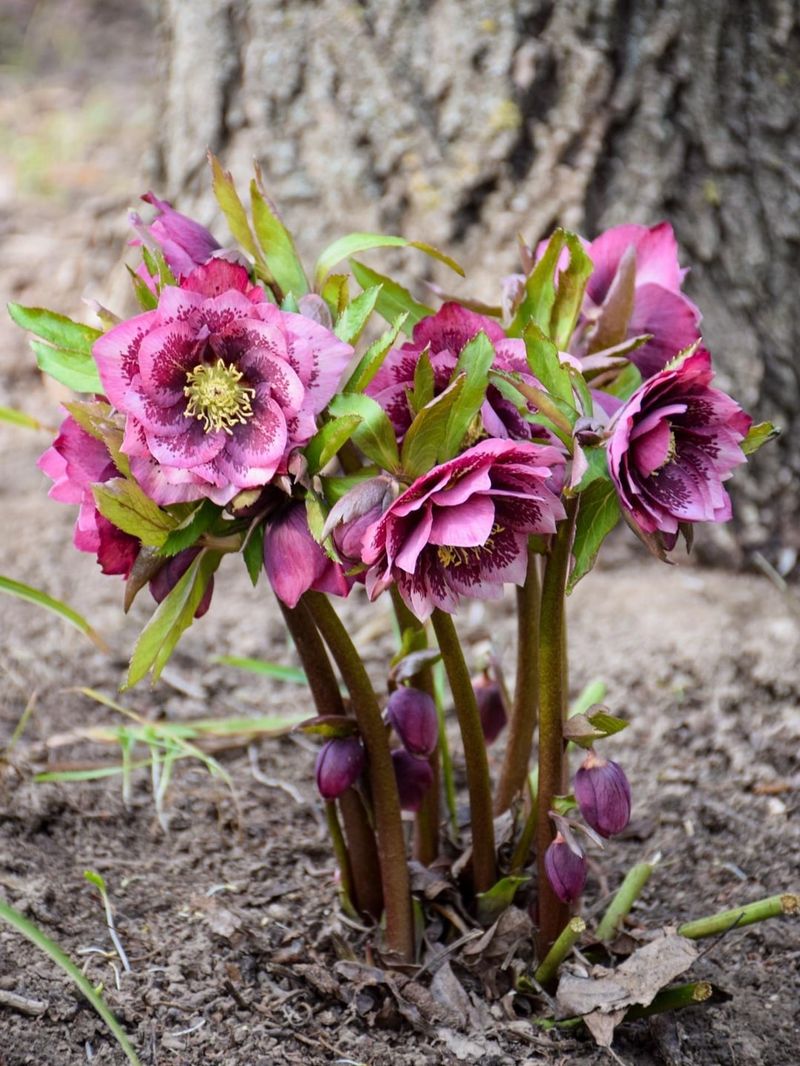
Hellebores bloom when almost nothing else will, pushing out elegant, nodding flowers in the gray heart of an Oregon winter. That alone would make them worth growing, but their toxicity to voles makes the case even stronger.
The hellebore plant contains compounds called helleborin and hellebrin throughout its roots and foliage, which are poisonous to small mammals. Voles seem to sense this and give hellebores a wide berth, even when tunneling through nearby soil.
Shade gardeners especially love hellebores because most vole-resistant plants require full sun. Hellebores thrive under deciduous trees and along north-facing beds where other flowering plants simply refuse to perform.
They are also evergreen in most Oregon winters, meaning they provide year-round structure in beds that might otherwise look bare from November through March. Their leathery, dark green leaves stay attractive even when the flowers have finished.
Helleborus orientalis hybrids offer the widest color range, from creamy white to deep burgundy and almost-black plum. New double-flowered varieties have become especially popular in recent years, with petals that look almost like small roses.
Planting them in groups of three or five creates a bolder visual impact than single plants scattered around a bed. Once established, they self-seed gently and slowly fill in gaps without becoming invasive or overwhelming their neighbors.
For gardeners struggling with shaded, rodent-prone beds, hellebore offers one of the most dependable solutions available in Oregon.
7. Crown Imperial
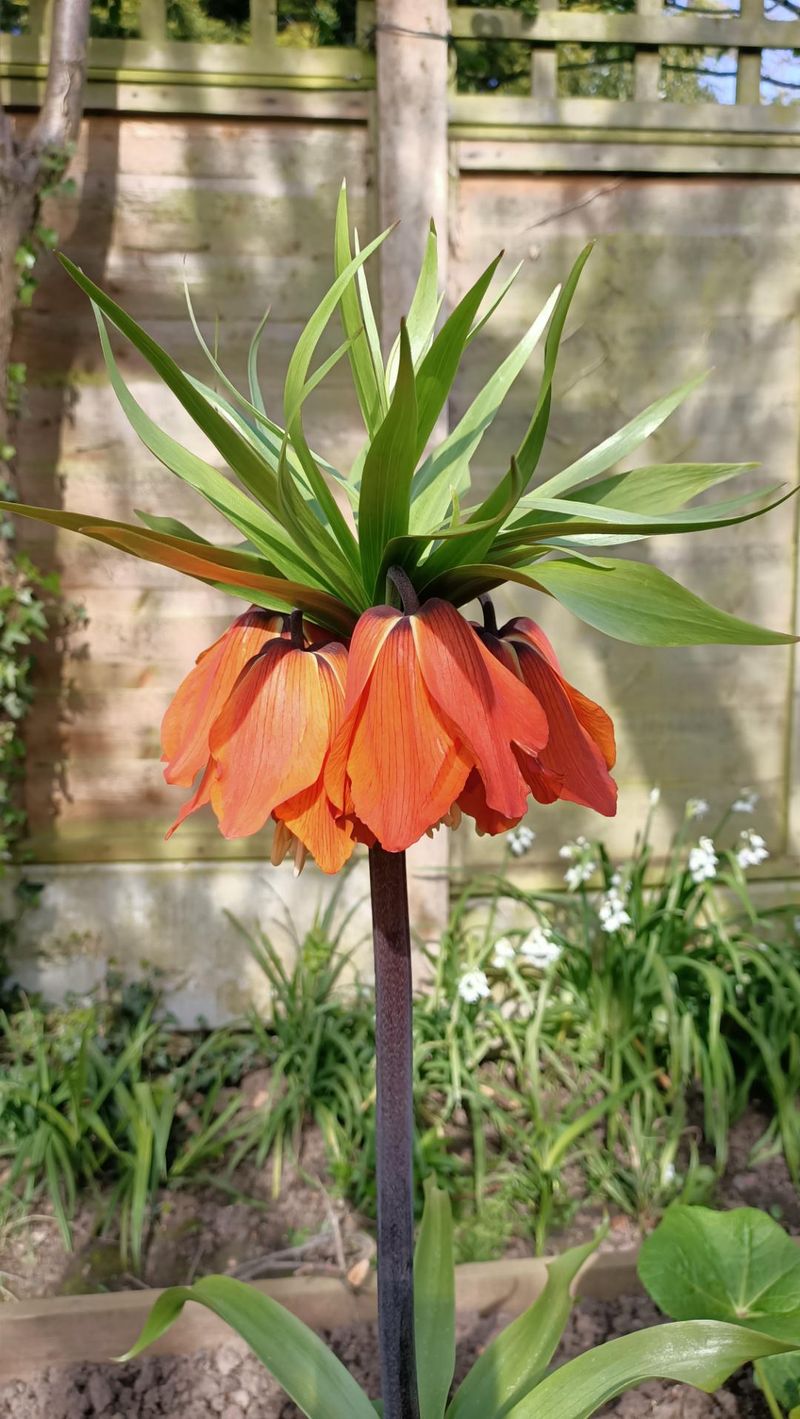
Crown imperial is not a subtle plant, and that is exactly the point. Tall stems topped with a ring of nodding orange or red bells often reach well over three feet.
Also known as skunk lily, crown imperial gives off a strong, musky odor that most gardeners find unmistakable and voles find intolerable. That smell alone is often reason enough to plant it.
Oregon gardeners in well-drained beds have good success with crown imperial, since soggy soil is the plant’s main weakness during wet winters. Raised beds or slightly sloped ground help.
It blooms in mid-spring, overlapping nicely with daffodils and grape hyacinth for a layered display. The bold color and height make it a natural focal point.
Crown imperial prefers to be left undisturbed once planted, since frequent digging can set the bulb back for a full season.
Planting the bulbs on their side at planting time helps prevent water from pooling in the hollow crown, which can otherwise lead to rot before the plant even sprouts.
The plant’s height makes it a natural choice for the back of a border, where its blooms can rise above shorter neighbors without overwhelming the overall design.
Planting crown imperial near more vulnerable bulbs extends its protective scent barrier across a wider area of the bed.
8. Bearded Iris
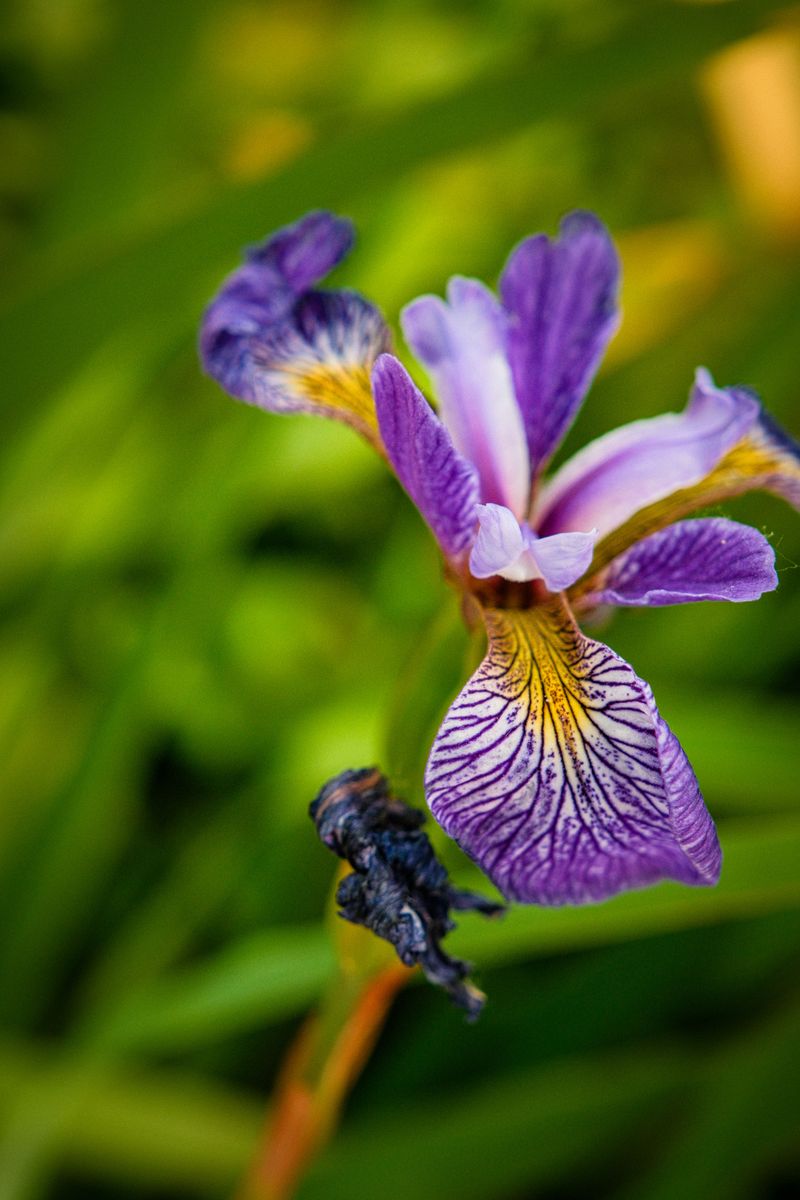
There is nothing quite like the moment bearded iris blooms in a spring garden. Those ruffled, almost theatrical flowers in shades of purple, gold, and white make every other plant in the bed stop and stare.
What most gardeners do not realize is that the rhizomes, which are the thick, fleshy roots that sit at the soil surface, contain irisin and other compounds that are toxic to voles. These rodents learn quickly to tunnel around them rather than through them.
Oregon’s climate suits bearded iris well, especially in the Willamette Valley and southern parts of the state where summers are warm and relatively dry. The key is avoiding wet, heavy soil that can cause rhizome rot during the rainy season.
Planting rhizomes at or just below the soil surface is actually correct for this plant, even though it looks wrong to new gardeners. Burying them too deep invites rot and reduces blooming significantly in the following season.
Dividing clumps every three to four years keeps the plants blooming vigorously and prevents overcrowding. Late summer, once the foliage has finished its cycle and faded, is the best time to lift, divide, and replant in refreshed soil.
Bearded iris pairs beautifully with grape hyacinth and ornamental allium, creating a mid-spring display that is both colorful and well-protected from underground pests. The combination covers a wide range of bloom times and garden heights.
For any Oregon gardener chasing drama in the border along with dependable rodent resistance, bearded iris delivers on both fronts without apology.