The Overlooked California Porch Plant That Keeps Yellow Jackets From Lingering At Your Front Door
California porch time gets a lot less relaxing once yellowjackets start circling the front door.
A sweet drink, pet bowl, sticky recycling bin, or bit of food near the entry can pull them toward the exact spot where everyone comes and goes.
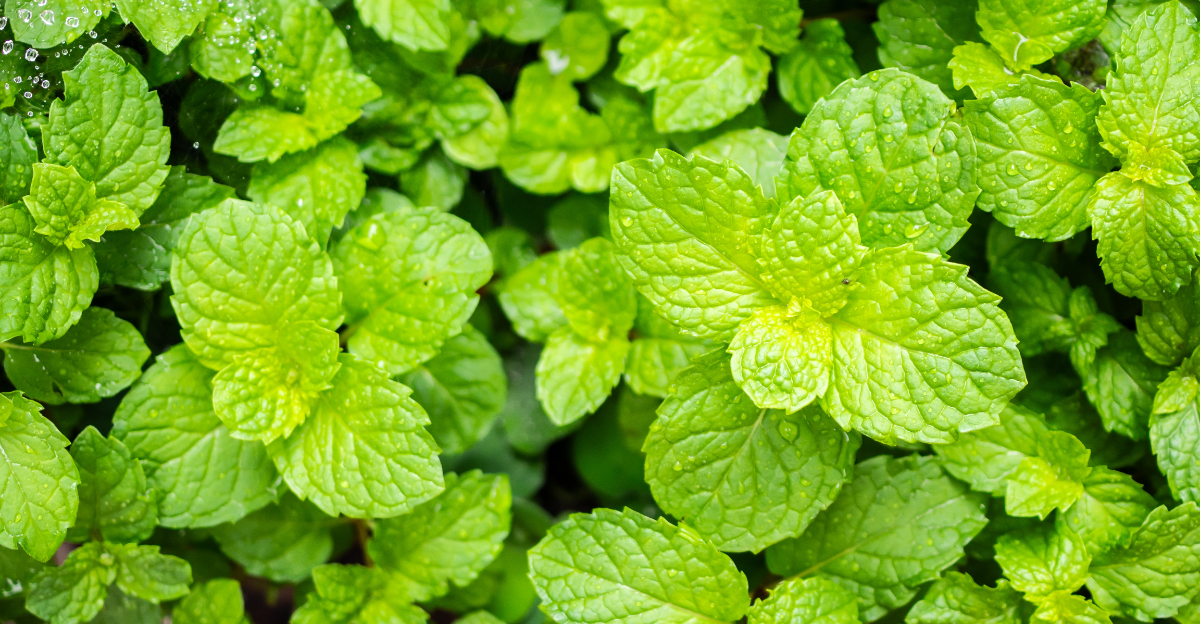
Peppermint gives that space a different advantage.
Its leaves release a sharp menthol-rich fragrance that many insects find unpleasant, and a healthy pot beside the doorway can add another discouraging layer around a busy porch.
It will not replace cleanup or nest control, but it can make the entrance smell far less inviting while giving you a useful herb at the same time.
So why peppermint instead of a random mint?
Its fragrance is stronger and cooler, especially after leaves are brushed, harvested, or lightly trimmed. That makes container placement matter.
Give it bright light, steady moisture, regular cuts, and enough root room, then keep the porch itself free of food and trash.
The plant can handle the fragrance shift. Your front door gets the benefit.
Grow Peppermint In A Pot By The Door
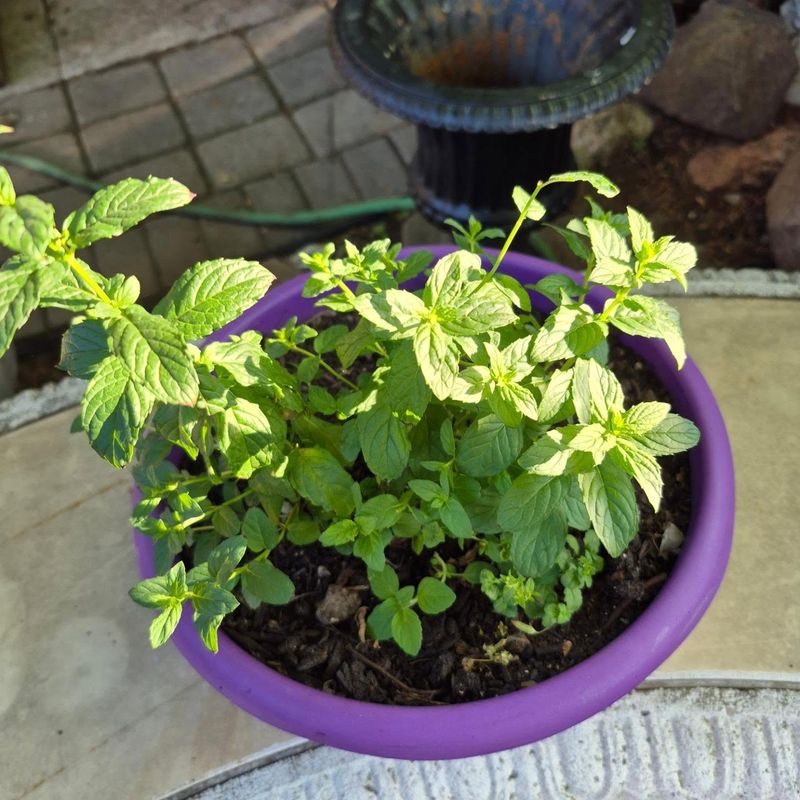
Peppermint earns its porch space the moment someone brushes past the leaves.
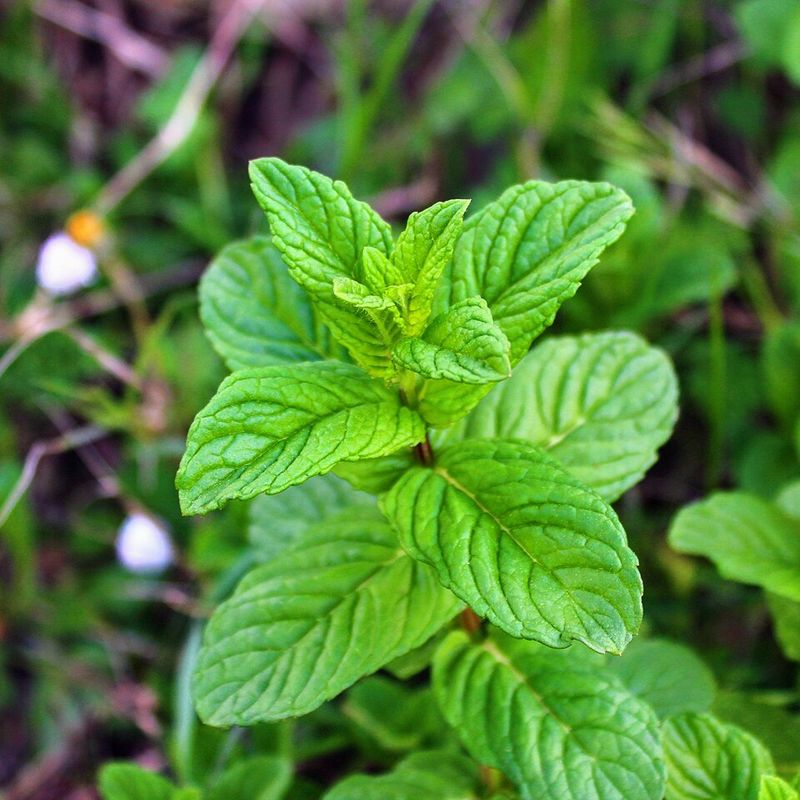
The foliage releases a sharp, cooling aroma dominated by menthol and related compounds.
That fragrance is one reason peppermint oils show up in many insect-deterrent products, and a living plant can add some of that same aromatic presence near a doorway.
Containers are the best way to grow it.
Peppermint spreads aggressively through underground stems, and open ground can turn one innocent plant into a permanent neighborhood project.
A pot keeps the roots contained and lets you position the fragrance exactly where yellowjackets tend to hover.
Choose a container about 8 to 12 inches wide for a young plant, with room to move up later as roots fill the mix.
Set it close enough to the door that normal foot traffic brushes the foliage occasionally. Every touch releases more scent without any extra work from you.
A porch pot also gives you flexibility during heat waves.
Move it a little farther from harsh afternoon sun, slide it nearer the seating area before guests arrive, or shift it away from a windy corner that dries the soil too fast.
Peppermint may be vigorous, but the container keeps that enthusiasm civilized. You get fresh leaves, strong fragrance, and a movable aromatic plant right where porch traffic is highest.
Give Peppermint Bright Light With Afternoon Relief
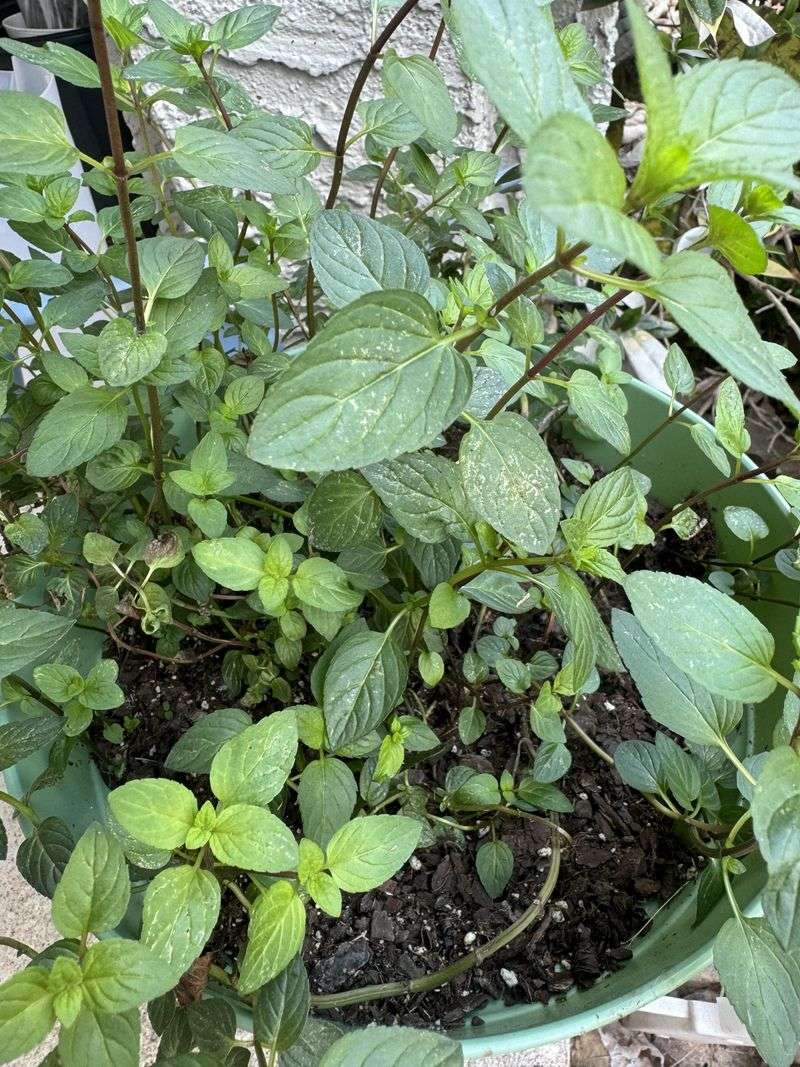
California sun changes dramatically from the coast to inland valleys, and peppermint notices the difference quickly.
Along cooler coastal areas, the plant can handle several hours of direct sun without much trouble. Farther inland, a west-facing porch can turn brutally hot by midafternoon, especially around dark walls, concrete, and black nursery pots.
Give peppermint bright morning light and some relief later in the day.
That balance keeps the plant dense and fragrant without leaving the leaves scorched or wilted by evening. A spot with sun until early afternoon often works well in hotter parts of the state.
Container color matters more than most people expect.
Your California Garden Changes Every Week. Your Plan Should Too.
Gardening in California changes quickly throughout the season. Every Friday you’ll receive a simple weekly plan showing exactly what to plant, prune, fertilize, harvest, and protect so you never miss the right timing.
Dark plastic heats the root zone fast. A lighter pot or thicker ceramic container can keep roots more comfortable during a long hot spell.
Watch the foliage for clues.
Pale, crispy edges often point to too much intense exposure. Long, floppy stems with wide gaps between leaves usually signal too little light.
Move the pot a foot or two before reaching for fertilizer or extra water.
Peppermint grows best when the top stays leafy and the roots stay cool enough to function.
The goal beside a front door is a full, aromatic plant, not one spending every afternoon performing a dramatic wilt against the wall. Good light keeps the fragrance strong and the porch display much better looking.
Keep Peppermint Moist Without Soaking The Roots
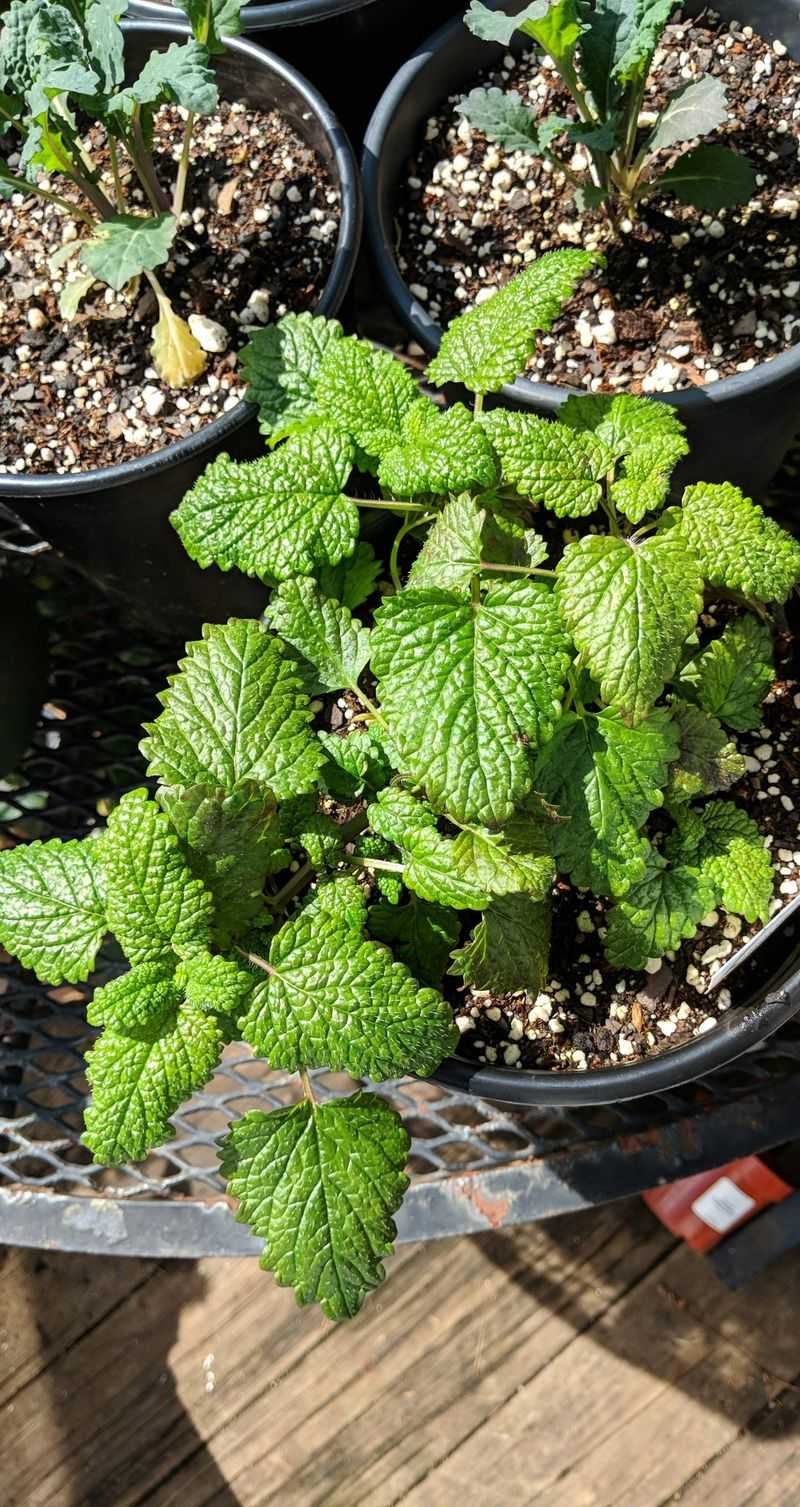
A peppermint pot can look thirsty and still have wet soil around the roots.
That is why the finger test beats a rigid watering calendar.
Push a finger about an inch into the potting mix. Dry soil at that depth means it is time for a thorough drink. Damp soil means the plant can wait.
Water until excess moisture leaves the drainage holes.
Peppermint likes steady moisture, but it does not benefit from sitting in stagnant water. A pot with no drainage can turn the root zone sour surprisingly fast, especially during warm California weather.
Use quality potting mix rather than heavy garden soil.
Container mix holds enough moisture for the plant while leaving air spaces around the roots. Dense yard soil can compact inside a pot and slow drainage after repeated watering.
Summer frequency depends on location.
A small pot on an inland porch may need water daily during a heat wave. A larger container in coastal shade can stay moist much longer.
Empty saucers after deep watering instead of letting the pot sit in a puddle for hours.
A thin surface mulch can slow evaporation, but keep it away from the crown.
Healthy moisture supports the fresh foliage that gives peppermint its strongest scent.
The plant should smell like a cool burst of menthol, not like a swamp in a decorative pot. Good drainage keeps both the roots and the porch arrangement on the right side of that comparison.
Harvest Peppermint Often For Fresh Fragrant Growth
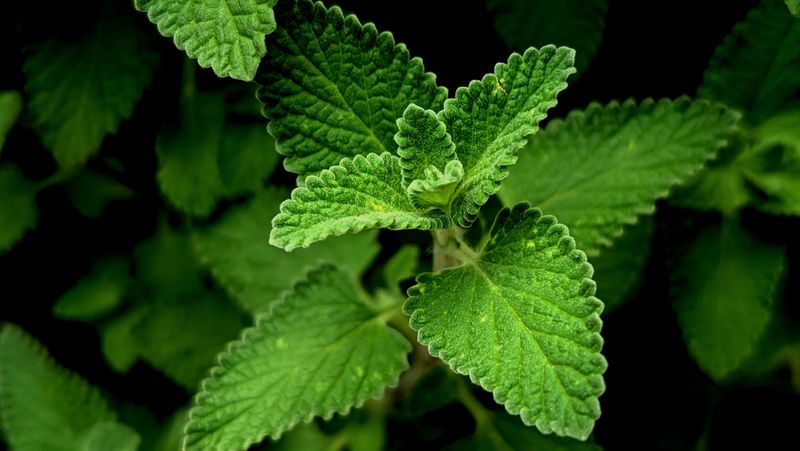
Peppermint gets bushier when the kitchen keeps stealing from it.
Regular harvest removes the top of each stem and encourages new side shoots lower down. That gives you more leaves, a fuller container, and more aromatic foliage near the front door.
Cut the upper third of selected stems every week or two.
Make each cut just above a healthy pair of leaves. New branches can develop from that point and fill the pot rather than sending one long stem toward the porch roof.
Morning is a great harvest window.
Leaves are cool, crisp, and strongly aromatic before afternoon heat becomes intense. Drop them into iced tea, lemonade, fruit, desserts, or a glass of cold water.
Even unused clippings can serve a purpose.
A light trim releases a fresh wave of peppermint scent around the porch, which can make the immediate area less appealing to insects that dislike strong aromatic oils.
Avoid stripping the entire plant at once.
Leaving plenty of foliage lets peppermint recover quickly and keeps the roots supplied with energy.
A small pair of clean snips beside the door makes the job almost effortless.
Peppermint has the rare gardening habit of responding to regular theft with better performance. Take a handful for the kitchen, and the plant answers with more branches, more leaves, and a stronger fragrant presence near the entrance.
Pinch Peppermint Back Before It Gets Leggy
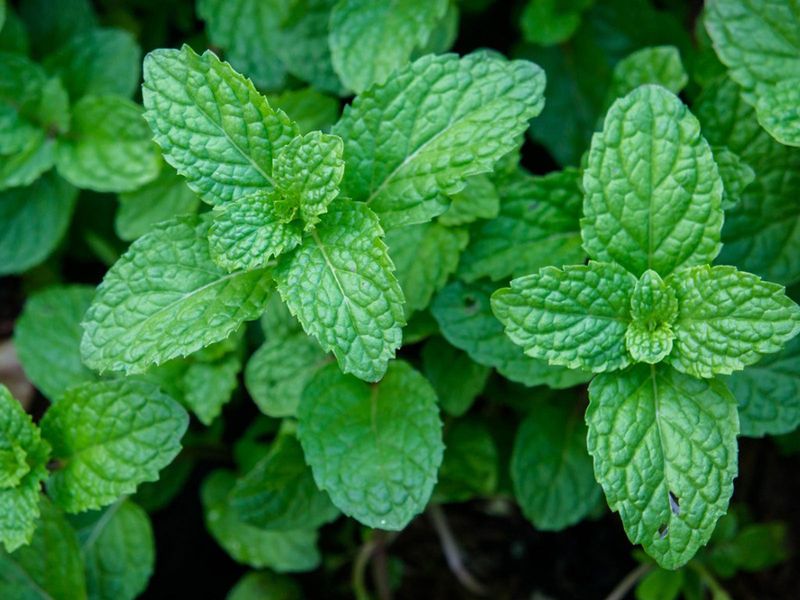
Long, bare stems are a sign that porch peppermint needs a quick haircut.
Without regular pinching, the plant can stretch upward, lose lower leaves, and flop across the rim of the container. That reduces the dense foliage you want near the door and makes the whole pot look neglected.
Pinch the growing tip just above a pair of leaves.
The stem usually responds by producing side growth below the cut, creating a broader, bushier shape. Work around the pot gradually rather than cutting every stem to exactly the same height.
Flower buds deserve attention too.
Peppermint eventually tries to bloom, especially during long summer days. Flowers can be useful to pollinators, but a plant grown mainly for fragrant leaves stays leafier when buds are removed before they fully open.
Cut flowering stems back to healthy foliage.
That redirects growth toward new leaves and helps maintain the strong peppermint aroma you wanted near the porch in the first place.
Keep the center open enough for some airflow.
A dense, soggy tangle can create leaf problems, especially near a shaded wall where air barely moves.
Regular pinching takes only a few minutes.
It also gives you the perfect excuse to crush one leaf between your fingers and check the scent.
A tidy peppermint pot should look compact, fresh, and ready for another round of growth, not like it spent three weeks trying to escape over the railing.
Divide Peppermint When The Roots Fill The Pot
Peppermint eventually fills a container from the bottom up.
The first warning may be roots circling the drainage holes, water running straight through without soaking evenly, or leaves becoming smaller despite normal care. At that point, more fertilizer will not solve the real problem.
The roots need room.
Slide the root ball from the container during a mild stretch of weather and inspect it. A thick mass of pale roots wrapped around the outside means division or repotting is due.
Separate the root ball into two or three healthy sections.
Use a clean knife for a very dense clump, trim away any soft or discolored roots, and place each section into fresh potting mix.
One section can return to the porch.
The others can become backup plants, kitchen herbs, or easy gifts for neighbors who appreciate peppermint but have not yet learned what happens when it escapes into open soil.
A fresh container mix also restores air space around the roots.
Old mix gradually compacts and becomes harder to manage after months of repeated irrigation.
Early spring is an especially convenient time for major division in much of California, before intense summer heat arrives.
Peppermint rarely takes the hint that a pot has limited square footage. Division is how the gardener delivers the message. The reward is renewed growth, larger leaves, and a much healthier aromatic plant by the door.