Can California Gardeners Still Plant New Perennials In Early Fall?
Something about that nursery aisle felt wrong, rows of healthy salvias and penstemons sitting there in full leaf, as if the whole display was somehow out of season.
Most people walk past shelves like that in September assuming they’re leftovers, the last stragglers nobody wanted back in spring.
That assumption turns out to be exactly backward.
Here in California, the calendar works differently than most gardeners expect, and the reasons behind it involve soil temperature, root growth, and a rainy season that doesn’t quite line up with when people think it should.
Curious why a nursery full of plants in October might actually be a better sign than the same shelves in April? The answer starts with a simple question nobody thinks to ask.
1. Early Fall Still Offers A Real Window
Short answer? Yes, and it’s a strong yes.
Across most of California, early fall is one of the best times of the whole year to put new perennials in the ground.
Gardeners in colder states often wrap up planting when summer ends. California plays by different rules, because our winters are usually mild and our rain tends to fall between late fall and spring.
So why does the calendar feel so wrong to so many people?
Many of us grew up with the idea that spring is when gardens begin. Garden centers add to the mix-up by stocking splashy flowers in April, which makes fall shopping feel like leftovers.
In reality, a nursery full of healthy stock in September or October is a good sign.
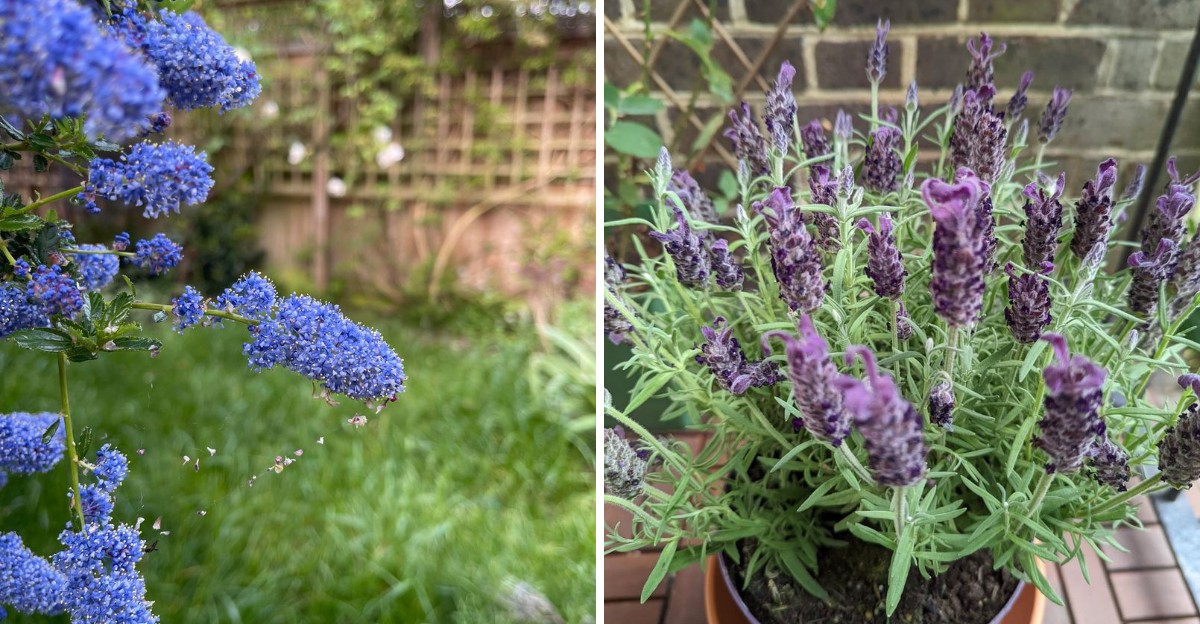
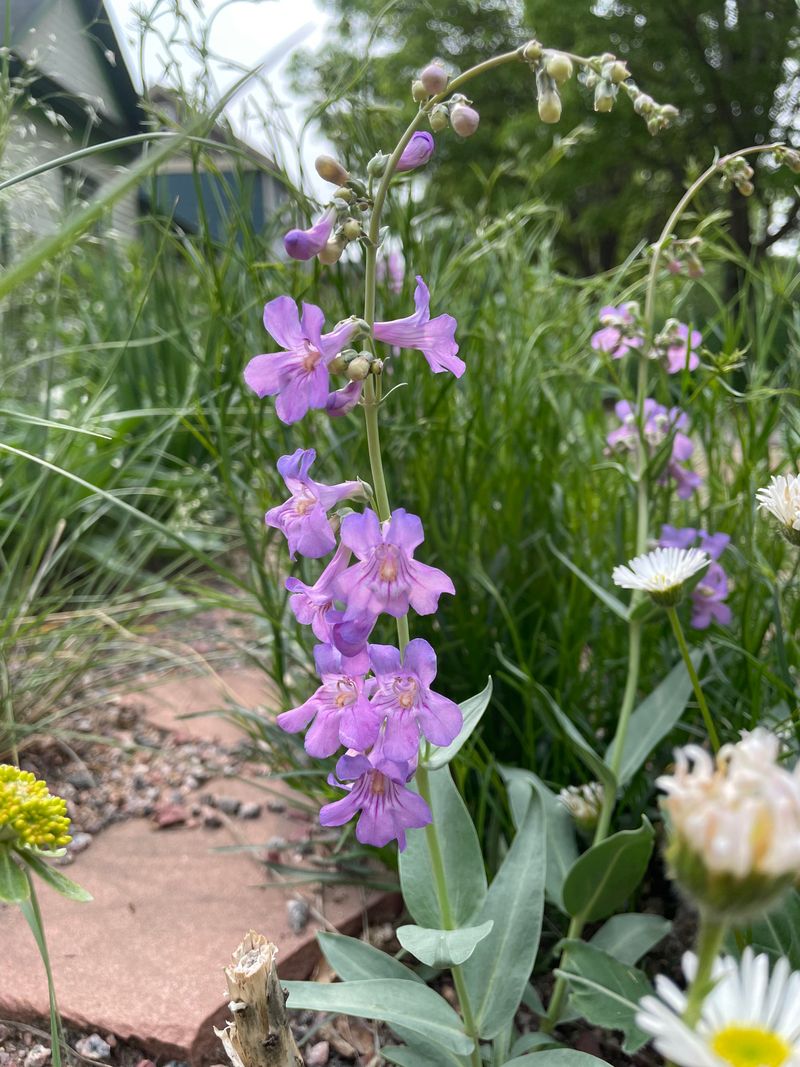
Growers know local gardeners can plant successfully right now. Perennials like salvia, yarrow, lavender, penstemon, and many California natives are ready to settle in.
Keep in mind that early fall means slightly different things in different parts of the state.
A foggy coastal yard and a hot desert lot will not follow the exact same schedule. Still, for most gardeners, the window is open, and it stays open for a while.
If you’ve been waiting for permission, consider this it. Grab a few plants, pick a cool morning, and start digging.
2. Cooler Air Reduces Transplant Stress
Moving to a new house during a heat wave, with no air conditioning and boxes everywhere, would wipe anyone out fast.
A young plant feels something similar when it gets pulled from its pot and tucked into the ground in July.
Transplanting always causes some shock.
Roots get disturbed, and a few tiny root hairs break off no matter how careful you are. For a while, the plant cannot pull up water as easily as it did in the nursery.
Summer heat makes that problem much worse.
Hot, dry air pulls moisture out of leaves quickly, so a stressed plant loses water faster than its damaged roots can replace it. That’s when you see wilting, crispy edges, and sad, droopy stems.
Cooler fall air flips the script entirely.
Milder temperatures mean leaves lose less water, which gives new roots breathing room to recover. Shorter days and softer sunlight help too.
Your California Garden Changes Every Week. Your Plan Should Too.
Gardening in California changes quickly throughout the season. Every Friday you’ll receive a simple weekly plan showing exactly what to plant, prune, fertilize, harvest, and protect so you never miss the right timing.
Meanwhile, the soil is still warm from summer.
Warm soil encourages root growth, while cool air keeps the top of the plant calm. It’s a sweet combination you only get this time of year.
A quick tip worth remembering. Even in fall, planting on a cloudy day or in the late afternoon gives your perennials an extra gentle start.
3. Roots Get Time To Settle Before Winter
Here’s a fun fact that surprises many new gardeners. Roots can keep growing when the leaves above them look like they’re taking a break entirely.
Soil holds on to summer warmth for weeks after the air cools down. That hidden warmth is a gift to anything you plant in early fall.
When you plant now, your perennial spends the next couple of months quietly building a root system.
It’s a bit like a student studying all semester instead of cramming the night before a test. By the time winter arrives, the plant already has a solid foundation.
California winters are mild in most places, so many perennials slow down rather than fully shutting off.
Even so, growth above ground often pauses while roots continue working. That steady root growth is a big reason fall planting pays off.
Strong roots matter most when summer comes back around.
A plant with deep, spread-out roots can reach moisture farther down in the soil. That means it handles its first hot season with less stress and often needs less water than a spring-planted twin.
Want to help those roots along? Loosen circling roots gently before planting, and dig a hole about as deep as the pot but a bit wider. Skip heavy fertilizer for now, since the goal is roots, not a burst of soft new leaves.
4. Regional Timing Still Shifts The Answer
California is huge, and its weather can change a lot in a two-hour drive.
A gardener in foggy San Francisco and one in sunny Palm Springs are basically living on different planets. That’s why the best planting date depends on where you dig.
Coastal gardens have the most wiggle room.
Ocean air keeps temperatures mild, so many coastal gardeners can plant from September well into late fall. Just watch for the occasional warm spell, which can pop up in September and October.
Inland valleys, like the Central Valley and inland Southern California, often stay hot through September.
Many gardeners there have better luck waiting until temperatures truly drop, often in October. Some inland areas get frost, so planting early enough for roots to settle before cold nights is smart.
Low desert areas play by their own rules entirely.
Summer can hang on into October, so many desert gardeners plant from mid-fall onward, once the brutal heat breaks. High desert towns are a different story, with colder winters that call for earlier planting and tougher plant choices.
These are general patterns, not strict rules, and conditions change from year to year.
The simple test? If you would not want to work outside for an hour in the afternoon, your new plants probably would not enjoy it either.
5. Watering Still Matters Until Rain Arrives
Here’s the catch that trips up plenty of gardeners.
Fall feels like rainy season, but in much of California, real rain may not show up until November, December, or even later. Some years, it barely shows up at all.
Until those storms arrive, your new perennials depend entirely on you.
Their roots are still stuck in a small ball of nursery soil, and that little ball can dry out fast. New plantings need regular water while they get established, even when the weather feels cool.
So how much is enough?
Water deeply right after planting to settle the soil around the roots. After that, check the soil every few days by pushing a finger a couple of inches down next to the plant.
If it feels dry, water slowly and deeply. If it feels damp, wait.
Overwatering can rot roots, especially in heavy clay soil, so more is not always better.
A layer of mulch, about two to three inches deep, helps a lot. It keeps moisture in the soil, blocks weeds, and evens out temperature swings.
Just keep the mulch pulled back a few inches from the plant’s stem.
Once steady rain begins, you can usually ease off. Keep an eye out during dry spells between storms, though, since a week or two of sunshine can dry things out again.
6. Waiting Too Long Narrows Your Options
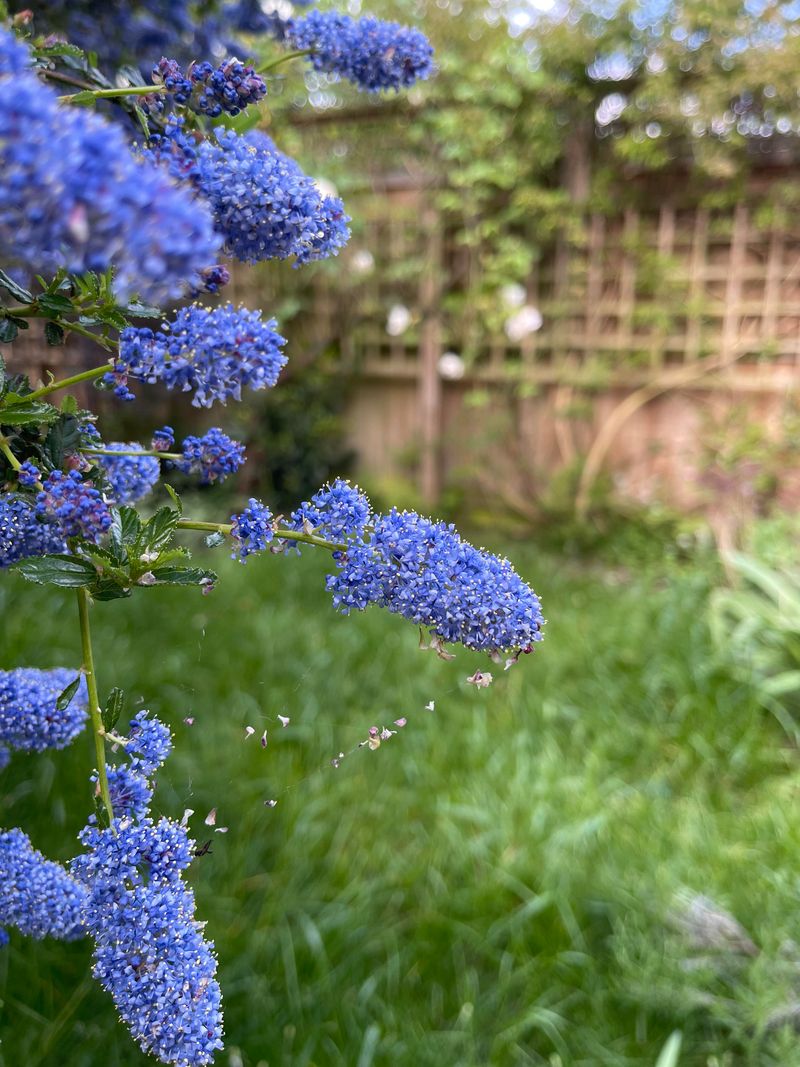
We’ve all done it. You tell yourself you’ll plant next weekend, then the weekend after that, and suddenly it’s December.
The good news is that coastal gardeners can often still plant then, but waiting does come with trade-offs.
First, the soil cools down.
Warm autumn soil is what makes fall planting so powerful, and it does not last forever. Plants set out in late fall have less time to grow roots before winter slows everything down.
Second, frost becomes a real risk in inland and high desert areas.
A young perennial with shallow roots and tender new growth is more likely to get damaged by a hard freeze. Some cold-sensitive plants may not bounce back at all.
Third, the nursery shelves start to thin out.
Those full aisles of salvias and grasses in September can look pretty picked over by late fall. Many garden centers shift toward holiday decorations, and your favorite variety might not return until spring.
Finally, working in the garden gets messier.
Heavy winter rain can turn clay soil into sticky mud, and digging in soggy ground can squash the tiny air pockets roots need.
None of this means late planting always fails. It just means the odds are best when you move sooner.
7. Early Fall Beats Waiting For Spring
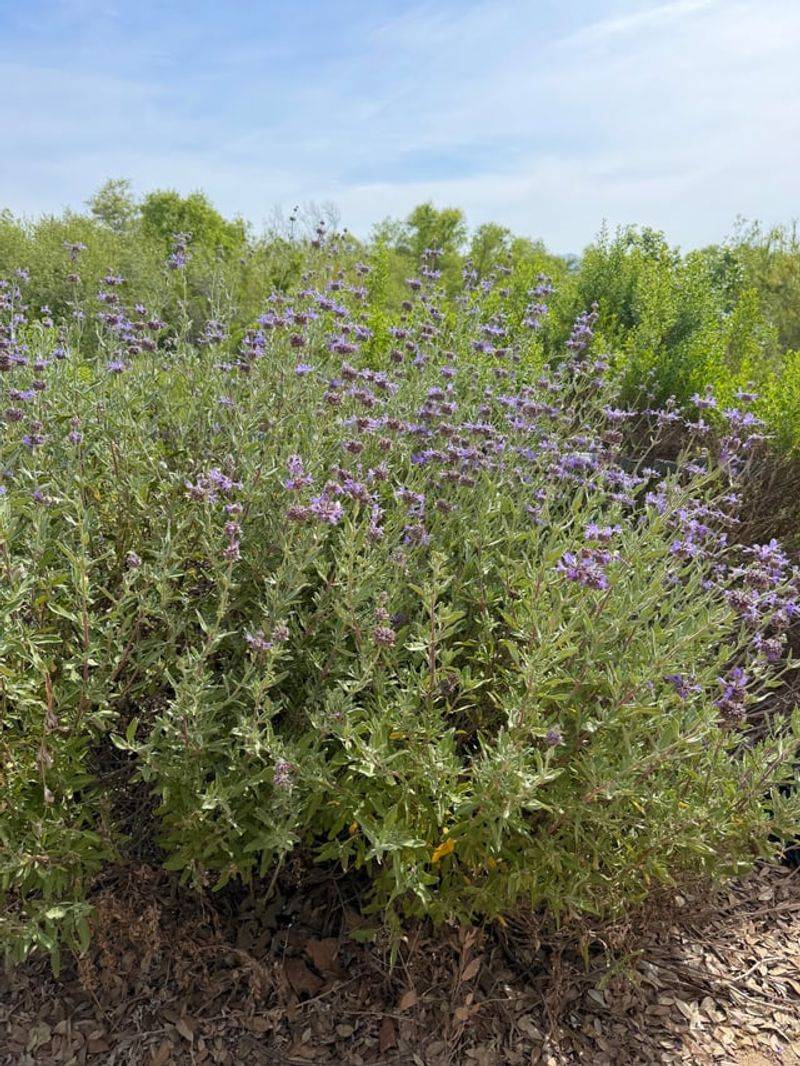
Consider two identical lavender plants. One goes into the ground in October, and the other waits on a shelf until April. By next July, the fall-planted one is usually bigger, sturdier, and far less thirsty.
That head start is the heart of the matter.
A fall perennial gets months of root growth, winter rain, and cool weather before facing its first summer. A spring perennial gets only a few weeks before the heat shows up.
Spring planting is not wrong, and plenty of gardens start that way. It simply asks more of you.
Spring-planted perennials usually need closer attention and more water through their first summer.
Fall planting also fits how California actually works. Our rainy season and our planting season line up, so nature does some of the watering for you once storms arrive.
There’s a joyful bonus, too.
Many fall-planted perennials put on a lovely show their very first spring, since they wake up already settled in. You get the flowers without the waiting.
So, back to that nursery aisle full of healthy plants. Those pots are not leftovers, they’re an invitation.
Pick a few favorites, match them to your region, keep them watered until the rain comes, and let fall do the rest.
8. Container Perennials Follow Slightly Different Rules
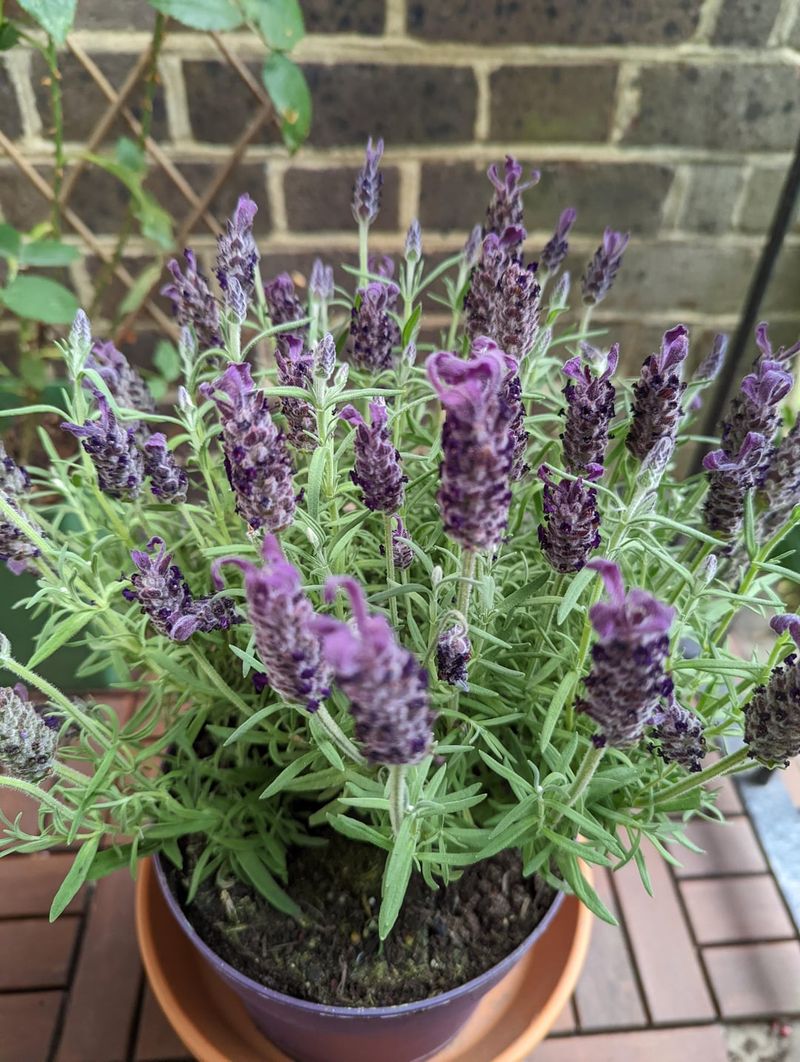
Everything said so far about fall planting applies a little differently once you move from garden beds to pots on a patio or deck.
Containers heat up and cool down faster than ground soil, since there’s no surrounding earth to buffer temperature swings the way an in-ground bed enjoys.
That means container perennials often benefit from fall planting even more than their in-ground counterparts, since cooler air genuinely matters when there’s less soil mass holding onto warmth or moisture.
Drainage becomes especially critical here. A pot that stays soggy through fall rain, with nowhere for excess water to escape except a single drainage hole, can rot roots far faster than the same amount of water would in open ground.
Check that every container actually drains freely before planting, and consider elevating pots slightly on feet or a small stand so water isn’t trapped underneath during a wet stretch.
Size matters more than most people expect too. A perennial planted in early fall still needs room to grow roots before summer arrives, so sizing up to the next container size now, rather than waiting until spring, gives roots more space to spread during that crucial establishment period.
Potting mix dries out faster than garden soil, so even with cooler temperatures, container plants typically need more frequent watering checks than their in-ground neighbors, sometimes every few days rather than once a week.
Come the first real cold snap, containers also offer an advantage ground plants don’t. Move them closer to a wall, under an eave, or into a more sheltered spot if frost threatens, giving young roots one more layer of protection while they’re still settling in.