What It Means When Your Georgia Lawn Turns Brown Overnight This August
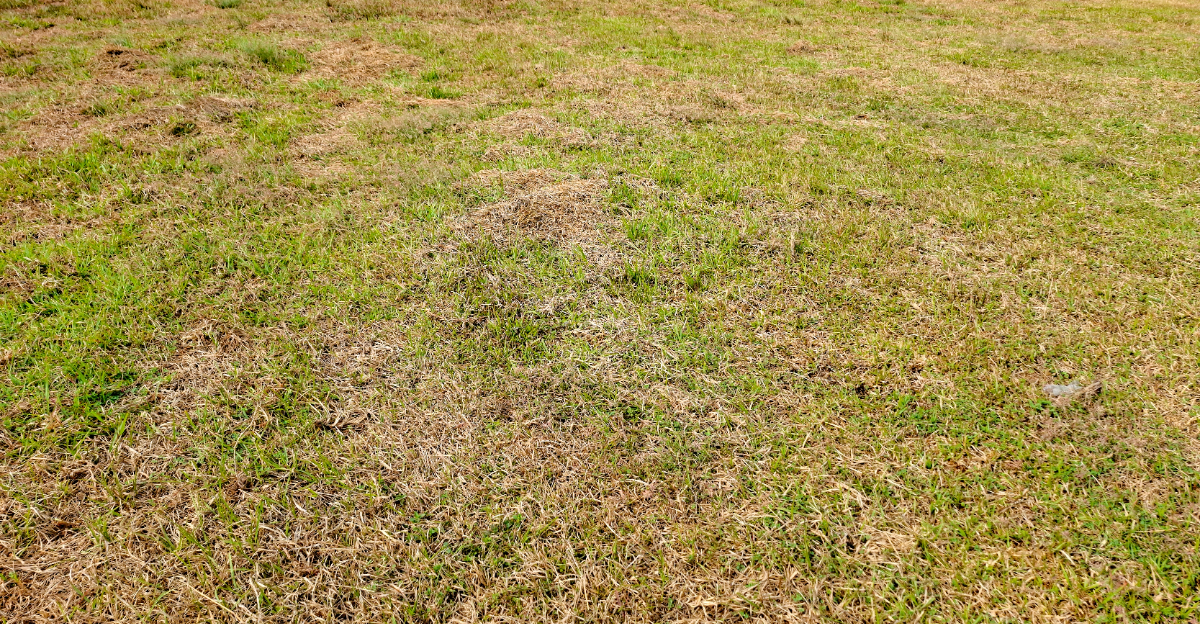
Your Bermuda grass looked fine at sunset. By sunrise, entire sections have gone the color of wheat, and nothing about that timeline makes sense to a rational homeowner. Georgia summers don’t leave much room for guessing games when your yard shifts overnight.
Zoysia, St. Augustine, and Bermuda each carry stress differently, but a fast, patchy color change like this almost always traces back to one specific troublemaker hiding in Georgia soil.
It works below the surface for weeks before you notice a thing, then strikes fast once the summer heat gives it the perfect opening.
A Sudden Change Points To One Common Culprit
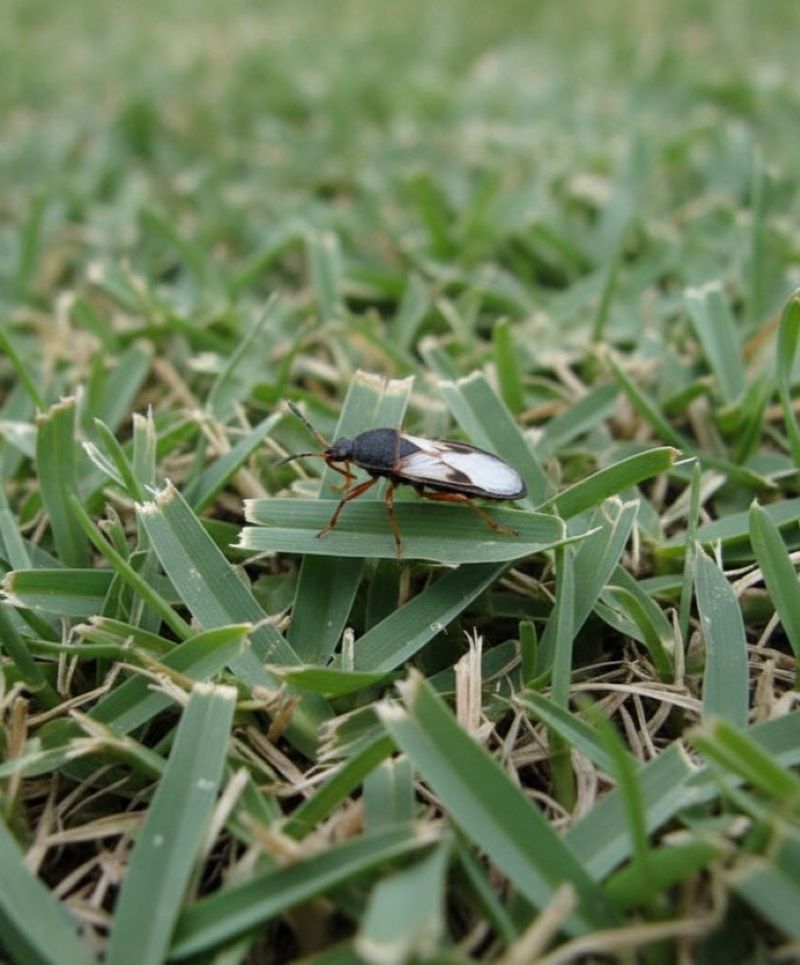
Brown patches do not appear overnight without a reason. When your Georgia lawn turns brown fast, the number one suspect is almost always the chinch bug.
Chinch bugs are tiny insects, roughly the size of a sesame seed. They pierce grass blades and suck out the plant juices while injecting a toxin that blocks water movement inside the blade.
The result looks like drought stress, but watering does nothing to fix it. That confusion is exactly why so many homeowners waste weeks before identifying the real problem.
These bugs thrive in hot, dry conditions, which makes August their peak season. A lawn that seemed fine on Monday can show serious browning by Wednesday if a colony is active.
The damage often starts near sidewalks, driveways, or sunny edges of the yard. Those spots heat up fastest and stay driest, creating ideal conditions for an infestation to explode.
Chinch bugs spread outward from a central point, so the brown area grows larger each day. Acting quickly is the difference between losing a patch and losing your whole front yard.
A simple way to confirm the culprit is the float test: cut both ends off a coffee can, push it into the soil at the edge of a brown patch, and fill it with water. If chinch bugs are behind the damage, several will float to the surface within minutes.
The encouraging part is that early detection makes recovery much easier. Catching chinch bug damage in the first week gives your grass a real chance to bounce back with proper treatment.
Georgia’s August Heat Creates The Perfect Storm
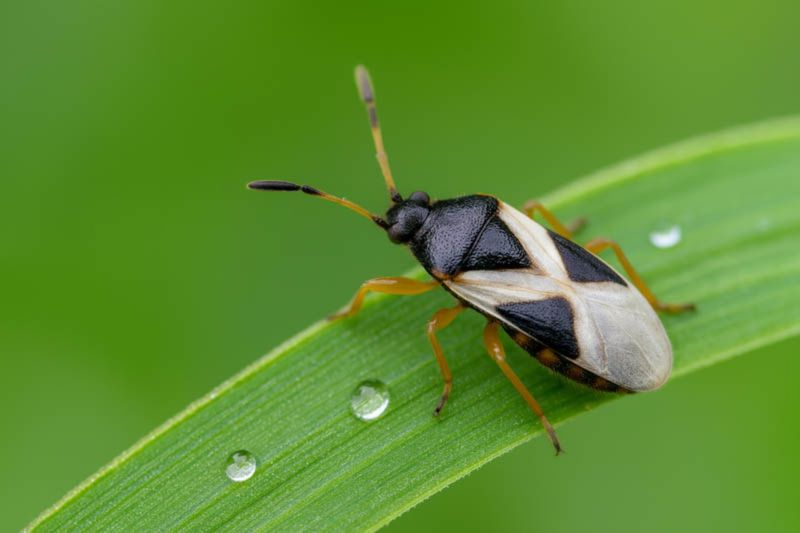
August in Georgia feels like standing inside an oven. Chinch bugs absolutely love that environment, and your lawn pays the price.
These insects prefer temperatures above 80 degrees Fahrenheit. When the thermometer climbs into the 90s, their reproduction rate skyrockets and colonies expand at a shocking pace.
A single female chinch bug can lay up to 300 eggs during her lifetime. Those eggs hatch within two weeks during peak summer heat, quickly flooding your lawn with hungry nymphs.
Lawns under heat stress are already weakened and less able to fight back. Chinch bugs take full advantage of that vulnerability, moving in fast wherever the grass is already struggling.
Thatch buildup makes the problem worse. A thick layer of dry grass and organic matter near the soil creates a warm, protected shelter where chinch bug populations can hide and multiply undisturbed.
Your Georgia Garden Changes Every Week. Your Plan Should Too.
Gardening in Georgia changes quickly throughout the season. Every Friday you’ll receive a simple weekly plan showing exactly what to plant, prune, fertilize, harvest, and protect so you never miss the right timing.
Overwatered or over-fertilized lawns are also at higher risk. Lush, soft grass growth actually attracts chinch bugs because the tender blades are easier to pierce and drain.
As chinch bugs feed, they inject a substance that blocks the grass from moving water properly, so blades dry out from the inside even while your sprinklers run on schedule. That disguise is exactly why so many homeowners end up treating the wrong problem first.
Understanding why August creates perfect conditions for these pests helps you stay one step ahead. Knowing the enemy is the first move toward protecting your turf.
Spotting The Difference Between Chinch Bug Damage And Drought
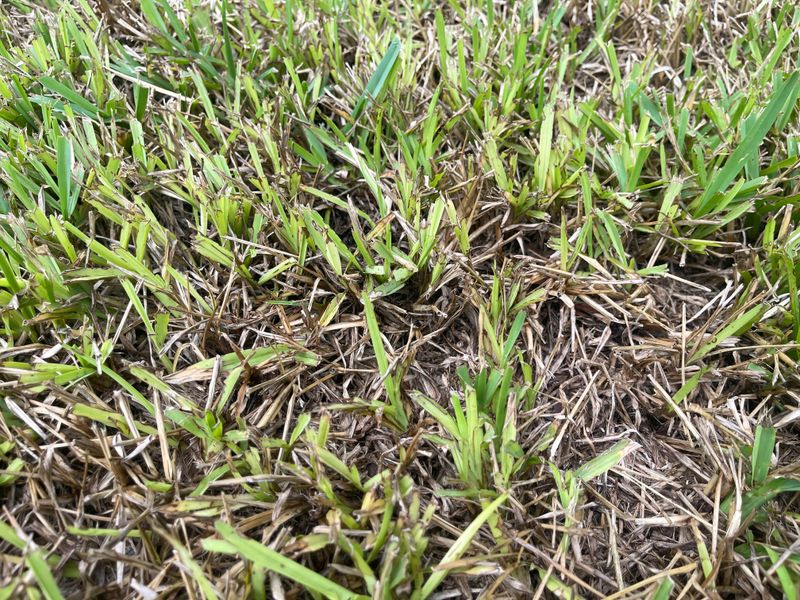
Drought stress and chinch bug damage look almost identical at first glance. Knowing the difference saves you from wasting money on the wrong fix.
Drought-stressed grass turns a uniform grayish-green before going brown. The color change happens evenly across open areas that receive the most sun exposure.
Chinch bug damage, by contrast, creates irregular brown patches with yellowish borders. The grass in affected zones looks scorched, not just thirsty.
Here is a key test: water the suspicious area deeply for two or three days. If the grass perks back up, drought was likely the issue.
If the brown patch stays the same or spreads despite watering, chinch bugs are almost certainly responsible. Water actually has no effect on the toxin they inject into grass blades.
Another clue is location. Drought damage tends to appear in the center of your yard first. Chinch bug patches typically start along hot edges near pavement or fences.
Pull back a handful of thatch near the border of the brown area and look closely. If you spot tiny black and white insects moving around, you have your answer.
Correctly identifying the problem early means your lawn gets the right treatment fast. That speed is what determines if your grass bounces back or keeps declining through the rest of summer.
Where These Pests Hide In Your Lawn
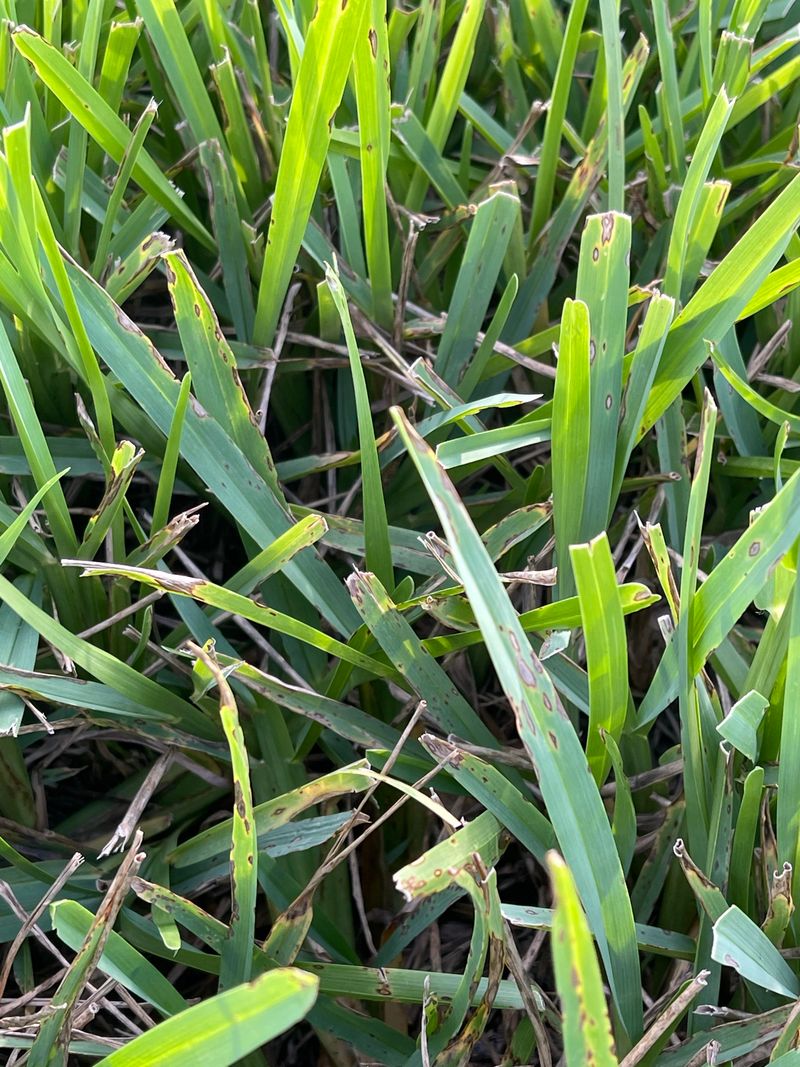
Chinch bugs are sneaky little creatures. They spend most of their time hidden just below the surface, making them easy to miss until the damage is already done.
Their favorite hiding spots are the thatch layer and the base of grass stems. Thatch is that spongy mat of dry grass, roots, and debris sitting between the green blades and the soil.
A thatch layer thicker than half an inch creates the perfect year-round home for chinch bugs. It keeps them insulated from predators, pesticides, and even extreme temperatures.
Sunny, south-facing sections of your yard are prime real estate for these pests. Those areas stay hotter and drier, which is exactly the habitat chinch bugs prefer above all others.
Spots near concrete driveways or sidewalks also attract heavy infestations. Pavement absorbs and radiates heat, raising the surrounding soil temperature and making the nearby grass more vulnerable.
Dense St. Augustine grass is particularly at risk. Its thick growth pattern and tendency to build thatch quickly gives chinch bugs both food and shelter in the same convenient location.
Once you know where they hide, scouting becomes much easier. Checking those high-risk zones regularly throughout August gives you the best shot at catching an infestation before it spreads across your entire yard.
Testing For Chinch Bugs Before You Treat
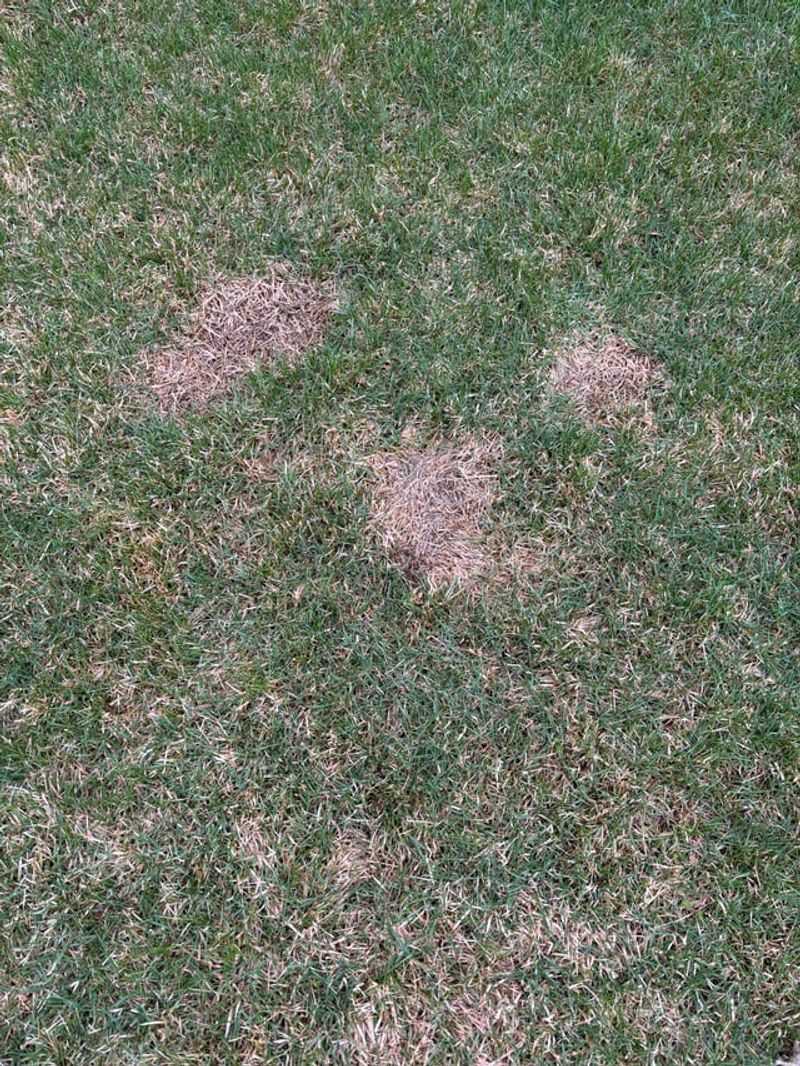
Before you spray anything on your lawn, confirm that chinch bugs are actually present. Treating for the wrong pest wastes money and delays real recovery.
The easiest method is the coffee can test. Cut both ends off a large metal coffee can and press one end firmly into the soil at the edge of a brown patch.
Fill the can with water and watch for about five minutes. Chinch bugs will float to the surface because they cannot swim and the water flushes them out of the thatch.
If you count more than three or four chinch bugs per can, your lawn has a confirmed infestation that needs treatment right away. Fewer than that suggests another issue may be at play.
You can also part the grass near the border of the damaged area with your fingers. Active chinch bugs are reddish-orange when young and black with white wing patches when mature.
They move quickly when exposed to light, so look fast. A hand lens or magnifying glass makes spotting the smaller nymphs much easier against the dark soil background.
Testing in multiple spots around the yard gives you a clearer picture of how widespread the infestation has become. That information helps you plan a treatment strategy that actually covers the full affected zone.
Steps To Stop The Spread And Help Your Lawn Recover
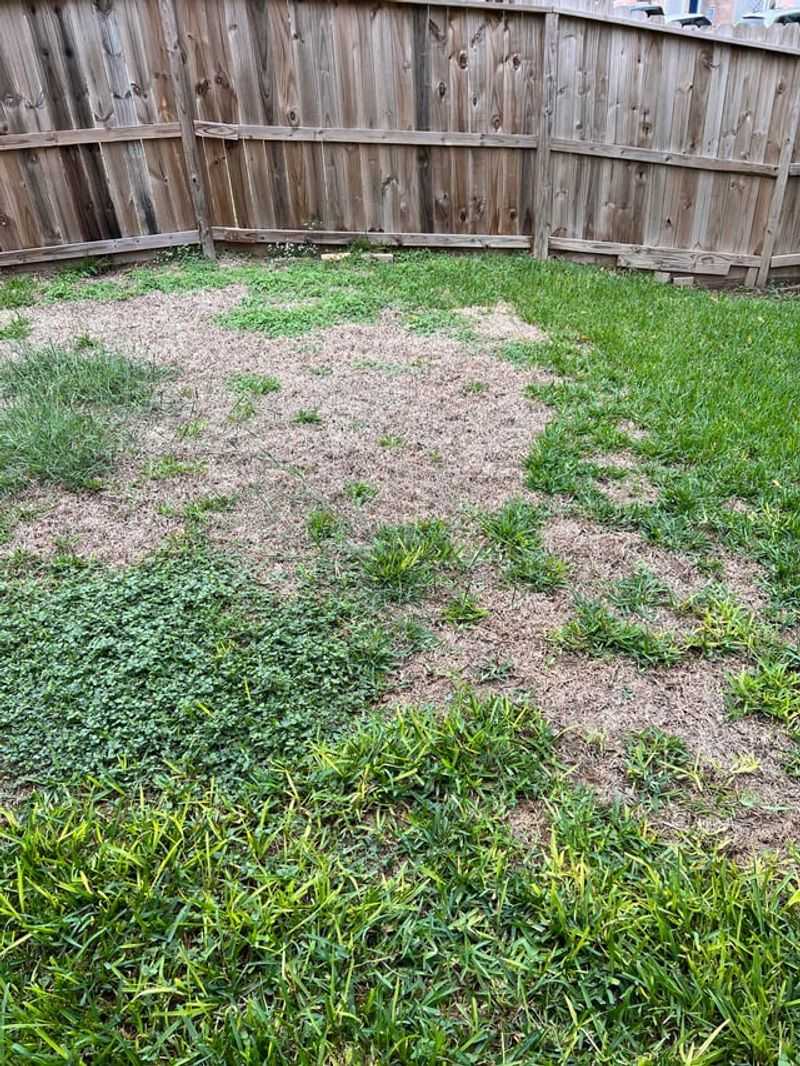
Once you confirm chinch bugs are the culprit, moving fast is essential. Every day without treatment means the colony spreads further into healthy turf.
Start by applying a labeled insecticide specifically formulated for chinch bugs. Products containing bifenthrin or imidacloprid are commonly used and widely available at garden centers across the region.
Always water the treated area lightly after applying granular products. This helps activate the insecticide and carries it down through the thatch where the bugs are actually living and feeding.
Treat a buffer zone of about five feet beyond the visible brown edge. Chinch bugs at the perimeter are still active and will keep advancing if you only treat the already-damaged area.
After treatment, reduce thatch buildup by dethatching in late spring or early summer, while the grass is actively growing. A thinner thatch layer removes the shelter these insects depend on to survive through future seasons.
Avoid over-fertilizing with nitrogen-heavy products during summer. Too much nitrogen pushes soft, lush growth that chinch bugs find especially attractive and easy to feed on.
Damaged grass can recover with proper care if the roots are still alive. Water consistently, avoid heavy foot traffic on recovering sections, and be patient as new growth fills in the brown zones.
Your Georgia lawn turns brown overnight for a reason, and chinch bugs are often behind it. Catching them early and treating correctly gives your yard a genuine shot at bouncing back strong before fall.