8 Late-Spring Heat Hazards Georgia Gardeners Should Avoid
Everything seems on track, and for a moment, the whole season feels under control. Then something shifts, and it shifts fast.
What makes late spring in Georgia particularly sneaky is that the mistakes showing up in June were made weeks earlier, during a stretch when everything still looked fine.
The same watering schedule that worked in March. The fertilizer routine that seemed perfectly reasonable in April. The transplanting decision that felt like good timing.
By the end of May, those same habits can quietly turn against everything you worked for.
The plants give signals, but the signals are easy to misread. Wilting that looks like thirst. Yellowing that looks like hunger. Slow growth that looks like a soil problem. Each one often traces back to something that was entirely avoidable.
Georgia gardeners who come through summer with their gardens intact make specific decisions in late spring that most people never think about.
A few of them might genuinely surprise you.
1. Overwatering Before Heat Peaks Invites Root Rot In Georgia Clay
Georgia clay looks innocent enough in spring. Then the temperatures climb, the soil stays wet, and things go sideways fast.
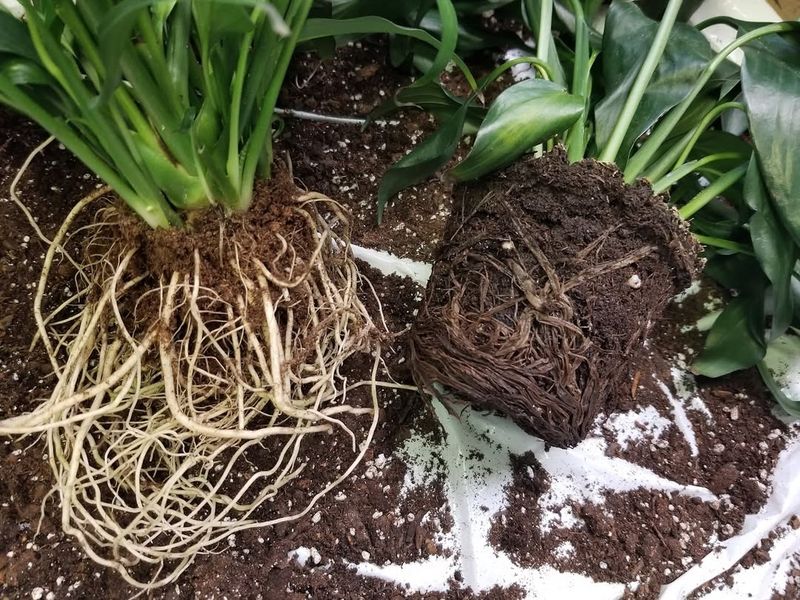
When clay holds too much moisture during the warming weeks of late spring, roots sit in water they cannot use. Fungal problems move in quickly under those conditions, and they are not easy to reverse once they take hold.
Here is the part that trips up so many gardeners. Plants sitting in waterlogged clay can actually look like they need more water. Leaves wilt. Edges yellow. Stems soften. The natural response is to water more, which makes the whole situation worse.
The real move is to pull back and check the soil before reaching for the hose. Push your finger two to three inches into the ground. If it feels wet down there, the plant does not need more water yet.
Timing and depth matter more than frequency. Water deeply, then give the soil time to drain before watering again. A soil moisture meter removes all the guesswork and costs very little at most garden centers.
Raised beds with amended soil drain faster than in-ground clay and warm up more reliably in spring. If your garden sits in native clay, mixing in aged compost before heat peaks improves drainage significantly.
Drip irrigation is another smart adjustment. It delivers water directly to the root zone without saturating the surrounding clay.
Small changes made now keep roots comfortable and fungal problems where they belong. That is a clay situation worth getting ahead of.
2. Fertilizing In High Heat Pushes Growth Plants Can’t Support
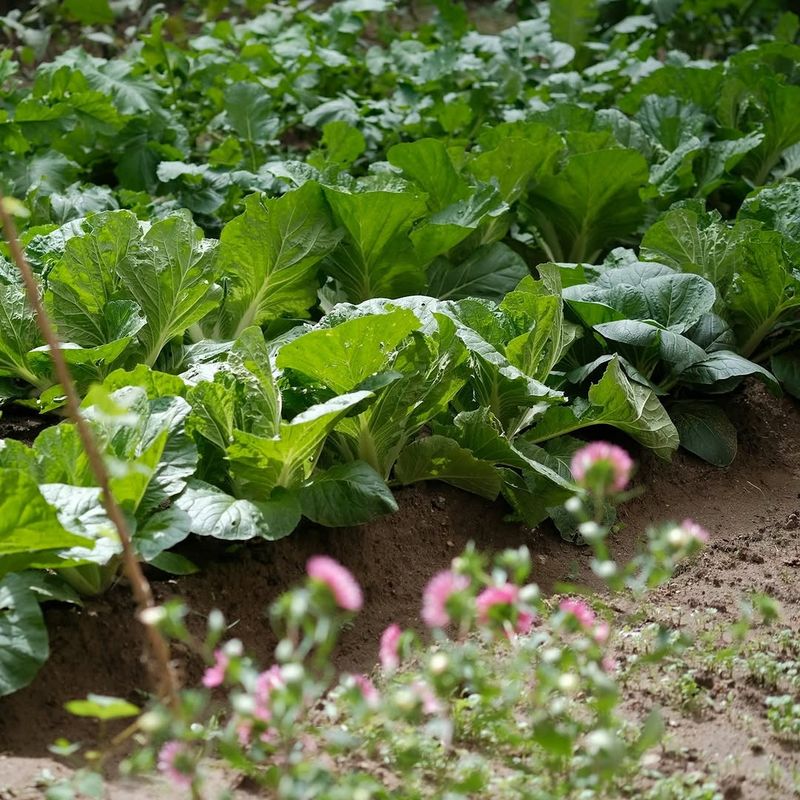
Reaching for the fertilizer bag during a heat spike feels productive. The garden looks stressed, something seems wrong, and feeding it feels like the right response.
It usually is not.
High-nitrogen fertilizers push rapid leafy growth, and during warm weather, plants produce that growth faster than their roots can support it. The result is soft, tender foliage that wilts quickly and attracts aphids and whiteflies almost immediately.
Your Georgia Garden Changes Every Week. Your Plan Should Too.
Gardening in Georgia changes quickly throughout the season. Every Friday you’ll receive a simple weekly plan showing exactly what to plant, prune, fertilize, harvest, and protect so you never miss the right timing.
Stressed roots during heat spells also cannot absorb nutrients efficiently. Much of what you apply either sits unused in the soil or washes away with the next rain. That is money spent on runoff rather than results.
A better approach is to fertilize lightly during cooler morning hours on mild-temperature days. Use a balanced slow-release fertilizer rather than a quick-acting liquid or granular product.
Slow-release formulas feed plants gradually over weeks, which reduces the risk of a sudden growth surge during heat.
Always water plants before and after fertilizing. That helps nutrients move into the root zone without stressing or scorching roots.
A soil test before adding anything is the smartest first step. Georgia soils vary widely in pH and nutrient levels, and applying fertilizer to already nutrient-rich soil creates more problems than it solves.
Testing usually costs very little and tells you exactly what your garden needs rather than what you assume it needs.
Work with the season instead of against it. That is fertilizing with actual heat sense.
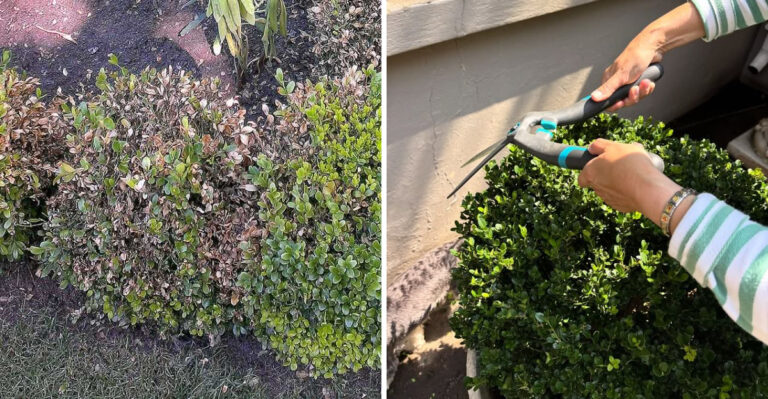
3. Pruning At Peak Temperatures Exposes Tender Tissue To Sun
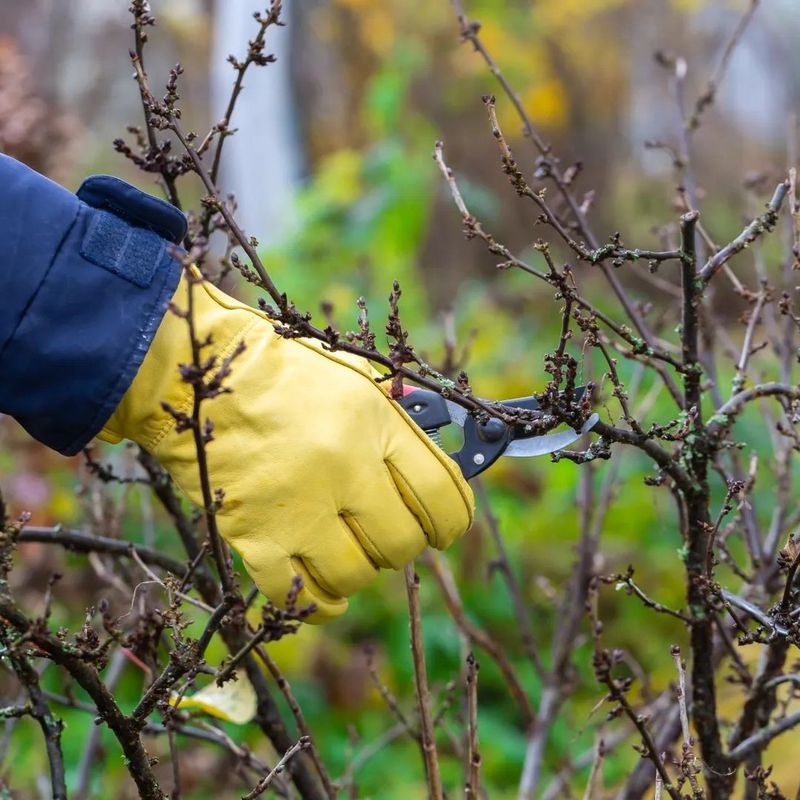
Grabbing the pruning shears at noon on a 92-degree Georgia afternoon is a commitment you may regret by evening.
Fresh cuts and newly exposed plant tissue are vulnerable to solar radiation. When temperatures peak in the early afternoon, that exposure can cause sun scorch on stems, leaves, and fruit.
Early morning pruning, before 9 a.m., gives cut surfaces time to begin callousing before the intense midday sun reaches them. Plant stress is also at its lowest in the morning, which means the plant responds better to the disruption.
Evening pruning works as a backup option. However, cuts left moist overnight in Georgia’s humid conditions can invite fungal problems, so it is not the ideal window.
Some plants are more sensitive than others. Tomatoes, peppers, and crepe myrtles show visible damage when pruned at peak heat.
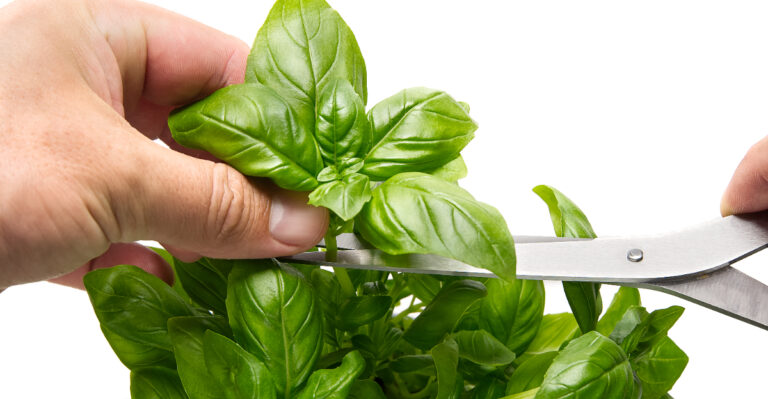
Roses pushed into new growth during a heat spell often produce foliage that wilts almost immediately. Even light basil trimming during a heat wave can accelerate bolting.
Sharp, clean tools matter more in hot weather than most gardeners realize. Ragged cuts from dull blades stay open longer in warm conditions and create more opportunity for problems.
Wipe blades with rubbing alcohol between plants to prevent spreading pathogens from one to the next. Your pruners should be doing surgery, not spreading problems around the neighborhood.
Prune early, prune clean, and let the plants actually benefit from the effort.
4. Planting Too Early When Soil Is Still Cool Hampers Growth
A tomato seedling sitting in cool soil is not growing. It is waiting.
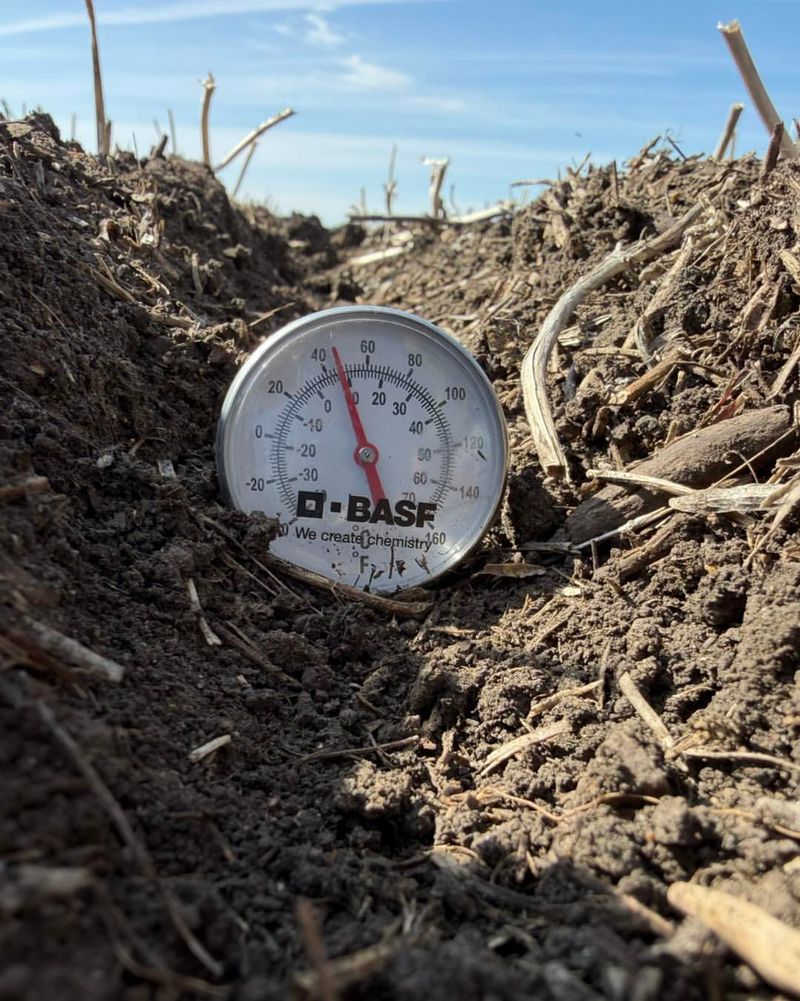
Root systems need warmth to function properly. When soil temperatures stay below 60 degrees Fahrenheit, nutrient uptake slows significantly and new roots barely spread. The plant just sits there looking planted while not much actually happens.
Waiting until soil reaches at least 65 degrees before transplanting warm-season crops makes a real difference.
Tomatoes, peppers, squash, and sweet potatoes all respond much better to warm ground than to a head start in cold soil.
A seedling planted two weeks later into warmer soil often catches up to an earlier planting within days. Sometimes it surpasses it entirely. Patience in this case genuinely saves time.
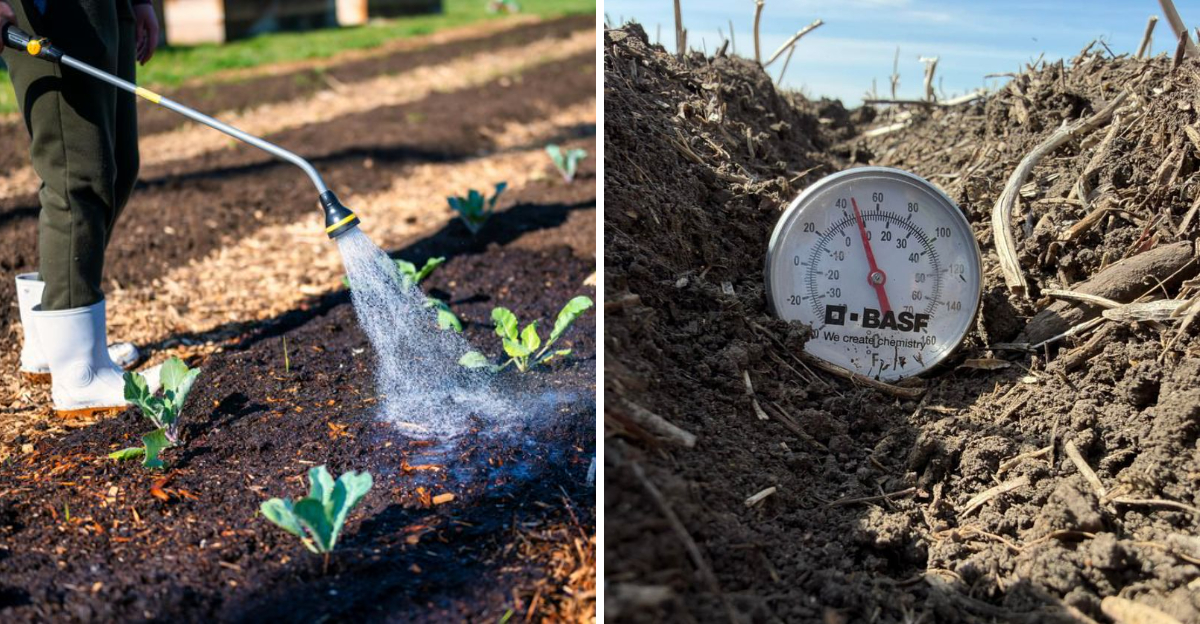
Soil thermometers are inexpensive and worth every penny. Push the probe four inches deep in the morning for the most accurate reading. If it reads below 60 degrees, wait a few days and check again.
Covering bare soil with black plastic mulch for a week or two before planting speeds up warming noticeably. That small step can shift your planting window earlier without the risk of putting plants into cold ground.
Cool soil also pushes the harvest window deeper into Georgia’s midsummer heat. Crops that set fruit during the hottest weeks often drop blossoms before producing.
Starting at the right soil temperature gives plants a better shot at flowering during the more manageable late spring stretch.
The result is a stronger start, better fruit set, and a harvest that arrives before the real heat takes over.
5. Skipping Mulch Lets Soil Dry Out And Stress Plants Even More
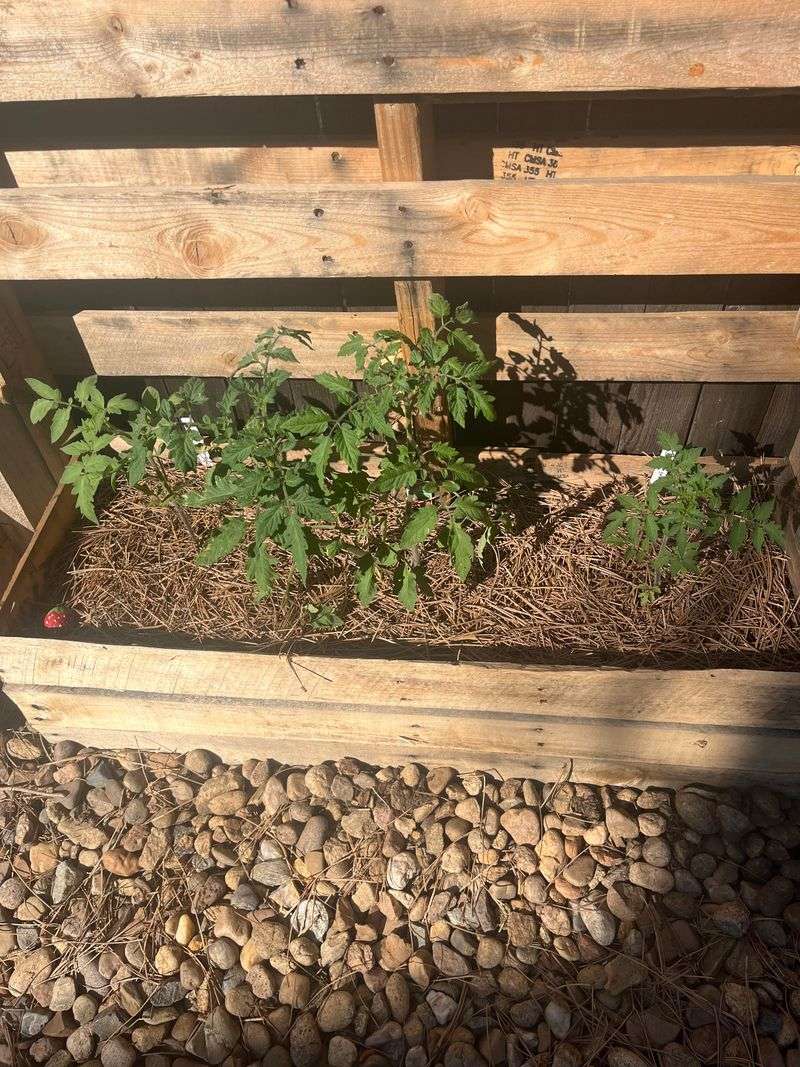
Bare soil in a Georgia garden during late spring is one of the most avoidable problems in the garden, and one of the most common.
Without mulch, soil loses moisture rapidly through evaporation. Surface temperatures can climb 20 degrees higher than the air temperature above. Weeds move in and compete for every drop of water your plants are trying to reach.
All of that happens quickly once Georgia heat gets going.
A two-to-four-inch layer of organic mulch addresses all three problems at once. It conserves moisture, moderates soil temperature, and suppresses weed growth without much effort from you.
Pine straw is the most popular choice across Georgia and earns that reputation. It stays loose, lets water penetrate easily, and breaks down slowly through the season. Wood chips and shredded leaves work equally well depending on what you have available.
Mulch also plays a quieter role in disease prevention that most gardeners overlook. Soil splash during rain or irrigation carries fungal spores onto lower leaves.
A good mulch layer acts as a physical buffer between the soil and your plants. For tomatoes especially, this protection against early blight is genuinely valuable during Georgia’s spring storms.
Apply mulch after the soil has had a chance to warm, not before. Cold wet mulch in early spring slows soil warming and pushes planting back.
By late April and into May, getting that mulch layer in place is one of the highest-return tasks of the entire season. A garden that holds moisture longer, runs cooler at the roots, and needs far less rescue watering through summer.
Honestly, mulch might be the most underappreciated thing in Georgia gardening. Has it gotten enough credit? Probably not.
6. Watering In Midday Heat Wastes Water And Scalds Foliage
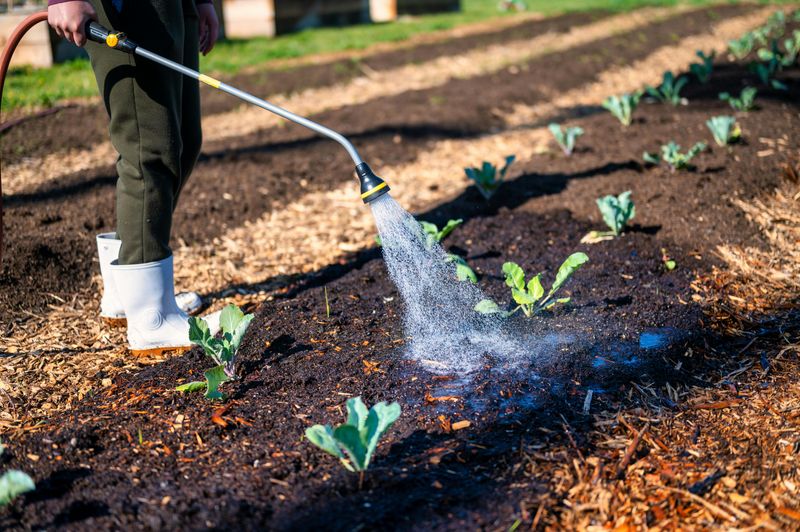
Running the sprinkler at noon feels like a rescue mission. In practice, you are mostly just creating steam.
Midday irrigation can lose significantly more water to evaporation than early morning watering. In a state where summer water restrictions are increasingly common, that is a costly habit to keep.
Water droplets sitting on foliage during peak sun hours also concentrate heat and cause small scorched spots on leaves.
The damage is especially visible on plants with large, flat leaves like squash, cucumbers, and basil. It shows up as pale, papery patches that reduce the plant’s ability to photosynthesize going forward.
Early morning watering, somewhere between 5 and 9 a.m., is the most effective window available.
Evaporation is minimal. Water pressure tends to be higher. Foliage has time to dry before nighttime, which matters in Georgia’s humid climate where wet leaves overnight invite fungal problems.
Drip irrigation and soaker hoses take the foliage issue off the table entirely. They deliver water directly to the root zone without wetting leaves at all. That is the most efficient setup for a Georgia summer garden.
Evening watering works as a backup when morning is not possible. Finish well before sunset so leaves have at least some time to dry.
A timer on your irrigation system handles early morning watering without requiring you to be outside before sunrise.
Healthier plants, lower water bills, and no alarm set for 5 a.m. That is genuinely one of the better deals in gardening.
7. Ignoring Soil Drainage Feeds Fungal Problems During Heat
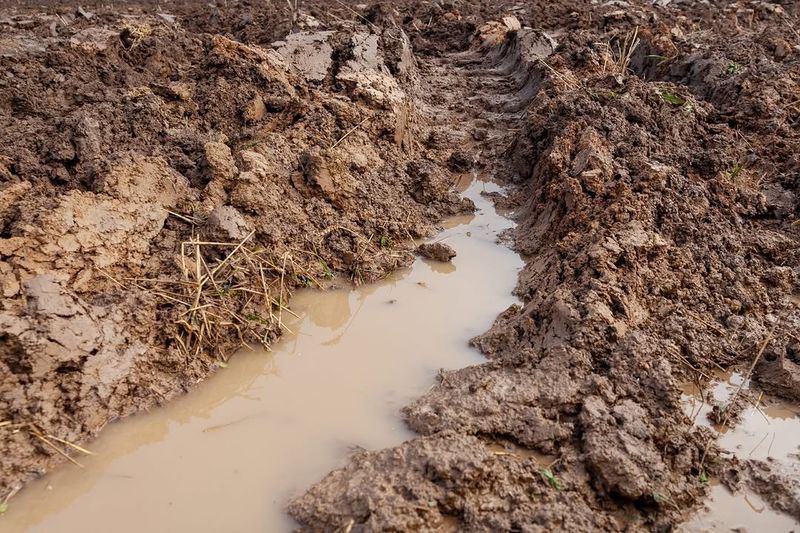
After the next solid Georgia spring rainstorm, step outside and look at your garden beds. If water is still pooling around plant bases 30 to 60 minutes after the rain stops, something is worth addressing before summer arrives.
Poor drainage combined with warm soil temperatures creates near-perfect conditions for soilborne fungal problems. Once those take hold in late spring, they tend to follow a garden through the entire season.
Compacted soil is one of the main culprits, and it is especially common in Georgia’s native clay. Walking on garden beds, heavy equipment nearby, or years of planting without adding organic matter can compact soil to the point where water simply cannot move through efficiently.
Incorporating several inches of aged compost annually improves soil structure and drainage over time. That is not a quick fix, but it is the most lasting one available.
For more immediate relief, raised beds and bermed planting areas lift root zones above the drainage problem.
French drains and gravel-filled trenches redirect water away from chronic low spots. Even repositioning a downspout can change how water moves through a garden space.
Drainage also affects how fertilizers behave. In waterlogged soil, nutrients can become unavailable to plants even when they are present in the ground.
Luckily, a simple percolation test tells you a lot. Pour water into a hole and time how fast it drains. One inch per hour is considered adequate for many garden situations in Georgia.
If yours is sitting at zero, well. Now you know where summer went wrong before summer even started.
8. Transplanting Young Plants At Heat’s Onset Sets Them Back
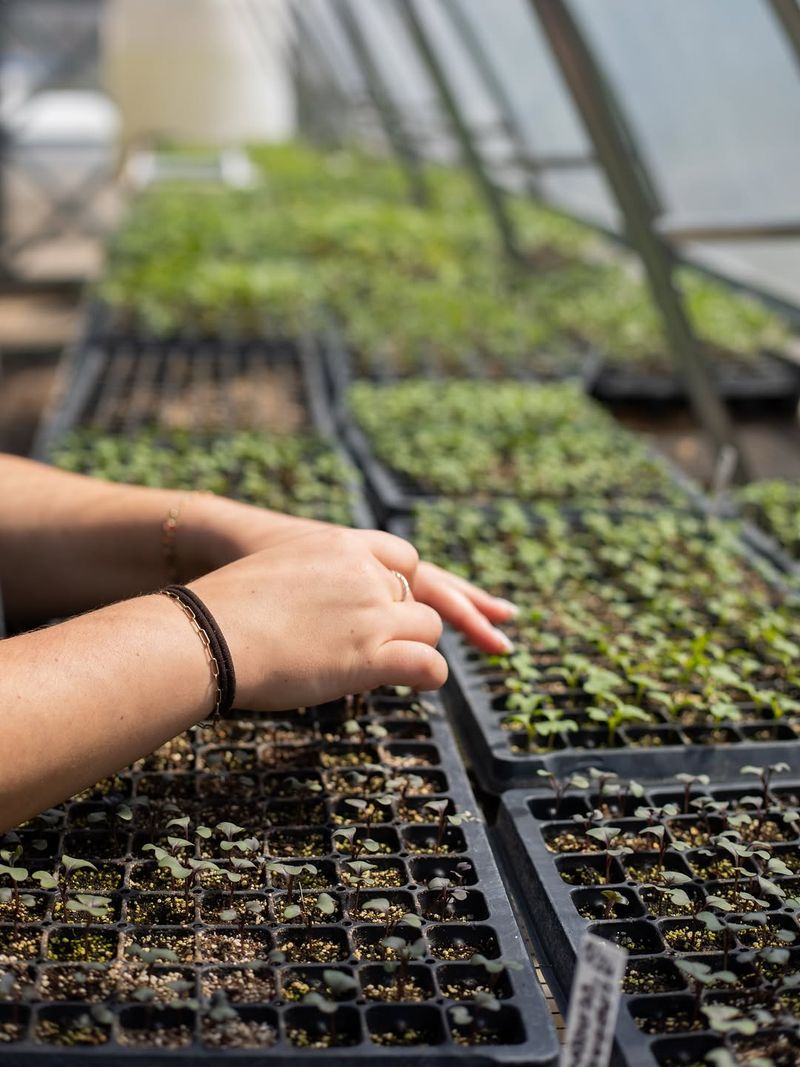
Young plants moved into the ground during a heat spike face an immediate challenge. Their roots are not yet established, which means they cannot pull water fast enough to keep pace with what leaves are losing on hot days.
Transplant shock in Georgia’s late spring heat can set plants back by several weeks. Some never fully recover the momentum they needed for a strong growing season.
Timing transplants around cooler stretches within the season makes a noticeable difference. Watch the five-day forecast and aim for a window when highs stay below 85 degrees and there is some chance of cloud cover or rain.
Late afternoon and early evening transplanting also reduces stress. Plants get the cooler overnight hours to begin establishing roots before facing daytime heat the following morning.
Shade cloth is one of the most useful tools for protecting new transplants during their first week or two in the ground.
A 30 to 40 percent cloth blocks the most intense solar radiation without cutting off too much light. It buys young plants the time they need to settle in without fighting full sun simultaneously.
Water transplants deeply right after planting. Then check soil moisture daily for the first week. Do not let newly transplanted seedlings dry out completely, but avoid waterlogging the soil either.
A light mulch layer placed around but not touching the stems holds moisture and keeps soil temperatures more stable through the adjustment period.
Give your transplants a fair start and they will reward you before the real heat arrives. Skip that start and you are basically asking them to run a race with no warmup. Georgia summers do not offer second chances easily.