Collect These Oregon Flower Seeds Now Before The First Fall Rain Ruins Them
The first fall rain can arrive before every flower seed in the garden has been gathered. Once mature seed heads get soaked, some begin to rot, drop their contents, or become harder to store successfully.
Late summer is the moment to watch closely, especially when petals have disappeared and dry seed heads are starting to replace them.
Harvesting at the right stage lets you save favorite flowers for next year without buying another packet or hoping volunteers appear in the right place.
Timing is more important than rushing through the entire yard at once. Some seeds are ready while the plant still looks lively, while others need extra time to mature on the stem.
A dry afternoon and a few paper envelopes may be all you need. Knowing which flowers are ready now can help you collect a surprisingly useful supply before Oregon’s wetter weather returns.
1. Cosmos Seeds Hiding In Crispy Flower Heads
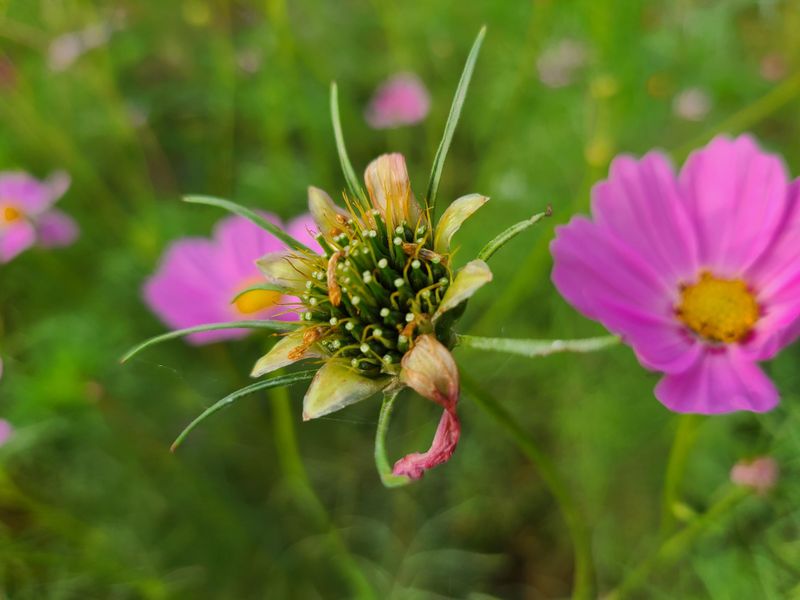
Their seeds hide so well inside the dried flower head that many Oregon gardeners walk right past them without ever noticing. Each thin, needle-like seed is tucked at the base of what used to be a petal.
Once the flower head turns brown and crispy, those seeds are ready to collect.
Run your fingers along the base of the dried flower and pinch the seeds off. They come out easily when fully ripe.
Drop them into a paper bag or a small bowl as you go. One cosmos plant can produce dozens of seeds, so even a few minutes of collecting can give you a full packet for next year.
Cosmos are annuals, which means they will not come back on their own unless you replant them. Saving seeds is the only way to keep your favorite colors going.
If you have a particularly bright pink or deep burgundy plant you love, mark it early in the season so you remember to collect from it.
After collecting, spread the seeds on a paper towel for a day or two to make sure they are fully dry before storing. Even a little leftover moisture can cause mold in storage.
Once dry, pop them in a labeled envelope and store in a cool, dark drawer. They will stay viable for two to three years if kept properly.
2. Zinnias Ready To Save For Next Summer
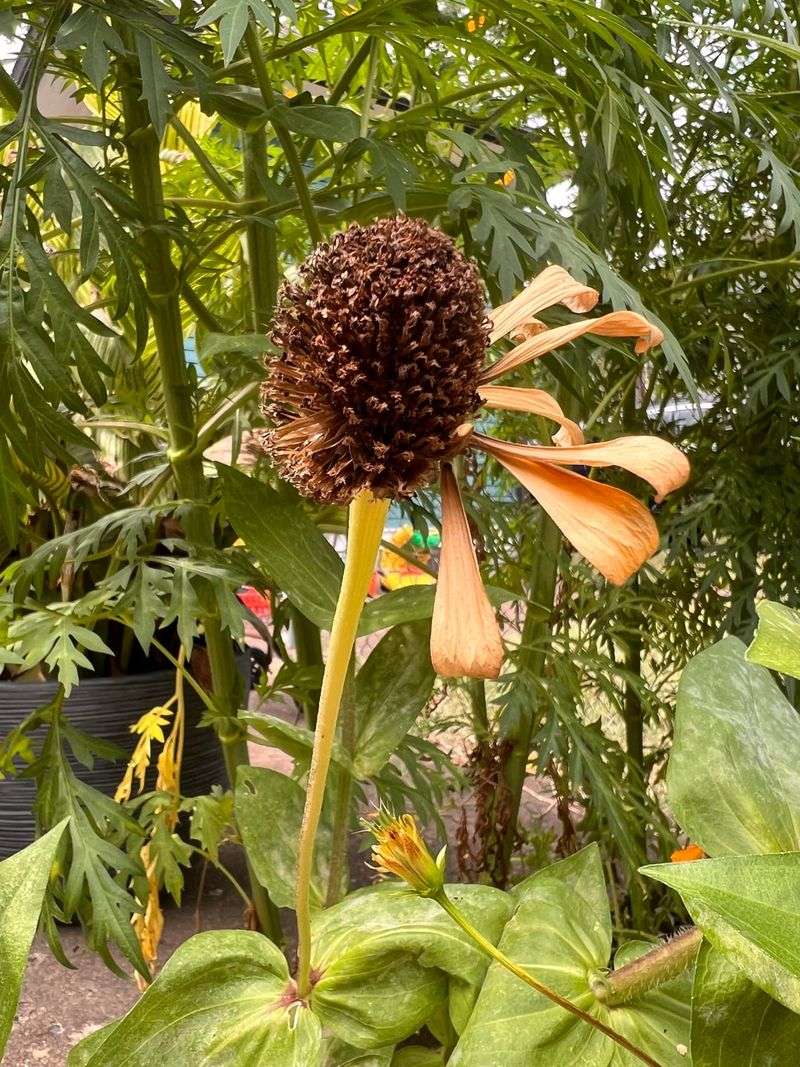
Zinnias are one of the most cheerful flowers in any summer garden, and the good news is they are incredibly easy to save seeds from. When a zinnia bloom fades and the petals turn papery and brown, the seeds are hiding right inside those dried petals.
Each petal base holds a small, arrow-shaped seed ready to be pulled free.
To collect, simply grab a dried flower head and pull the petals apart over a bowl or bag. The seeds will fall out or cling to the base of each petal.
Give them a gentle tug and they release easily. Try to choose the fullest, most vibrant blooms from the healthiest plants.
This gives you the best chance of strong plants next year.
Your Oregon Garden Changes Every Week. Your Plan Should Too.
Gardening in Oregon changes quickly throughout the season. Every Friday you’ll receive a simple weekly plan showing exactly what to plant, prune, fertilize, harvest, and protect so you never miss the right timing.
One thing to keep in mind with zinnias is that hybrid varieties may not grow true from seed. If you bought your zinnias as a named hybrid variety from a nursery, the seeds might produce plants that look different from the parent.
Open-pollinated or heirloom zinnias will grow true and are the best choice for seed saving.
After collecting, let the seeds dry completely on a flat surface before storing them. A few days on a paper towel at room temperature works well.
Once dry, seal them in a paper envelope, label with the color and date, and store somewhere cool. Zinnias saved this way will reward you with a full season of blooms next summer.
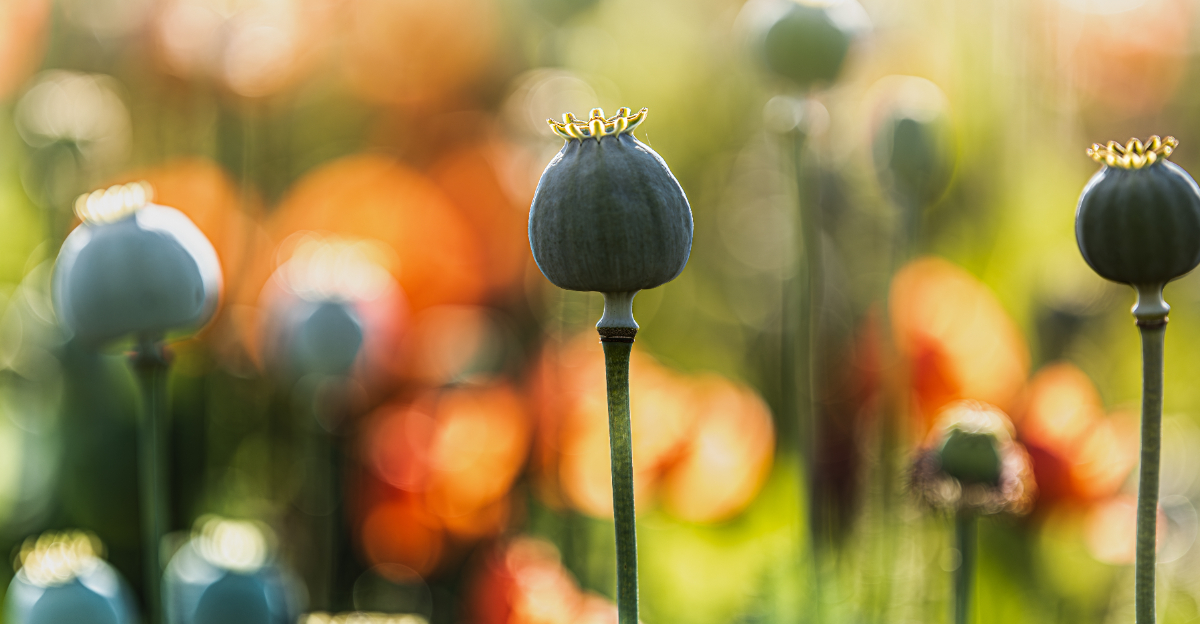
3. Poppies Before Their Pods Get Soaked
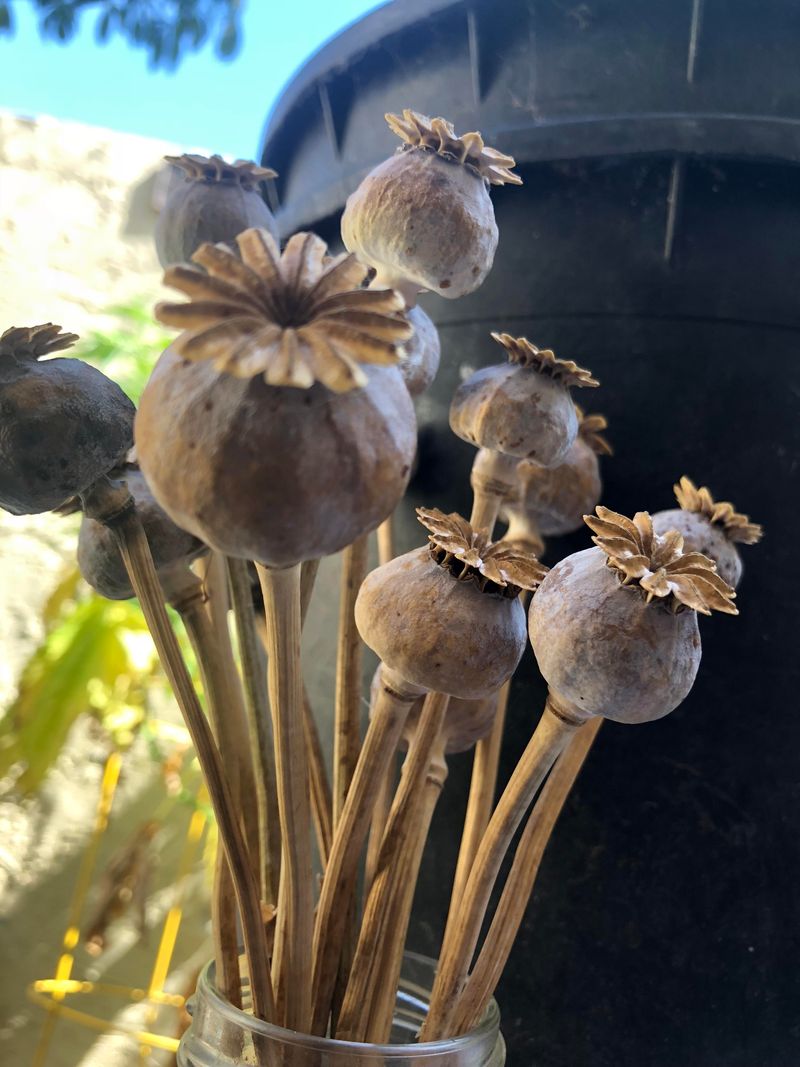
Few things in a garden are as satisfying as shaking a poppy pod and hearing seeds rattle inside. That sound means they are ready.
Poppy seed pods dry out beautifully on the stem, turning from green to tan as summer winds down. Once they look papery and feel light, it is time to act fast.
Bend a dry pod over a paper bag and give it a gentle shake. Hundreds of tiny seeds will fall right out.
If the pods are still slightly green, snip the whole stem and let them finish drying upside down in a warm, dry spot indoors. Never leave them outside once rain is in the forecast.
Poppies do not like to be transplanted, so saving seeds is the best way to keep them in your garden year after year. Store your collected seeds in a labeled paper envelope, not plastic, since plastic traps moisture.
Keep the envelope somewhere cool and dry through the winter.
Come spring, scatter the seeds directly where you want them to grow. They need a cold period to germinate well, so early spring sowing works perfectly in the Pacific Northwest.
One good poppy plant can give you enough seeds to fill an entire bed. Do not let that bounty go to waste just because the rain came early.
4. Marigolds Packing Seeds Under Faded Blooms
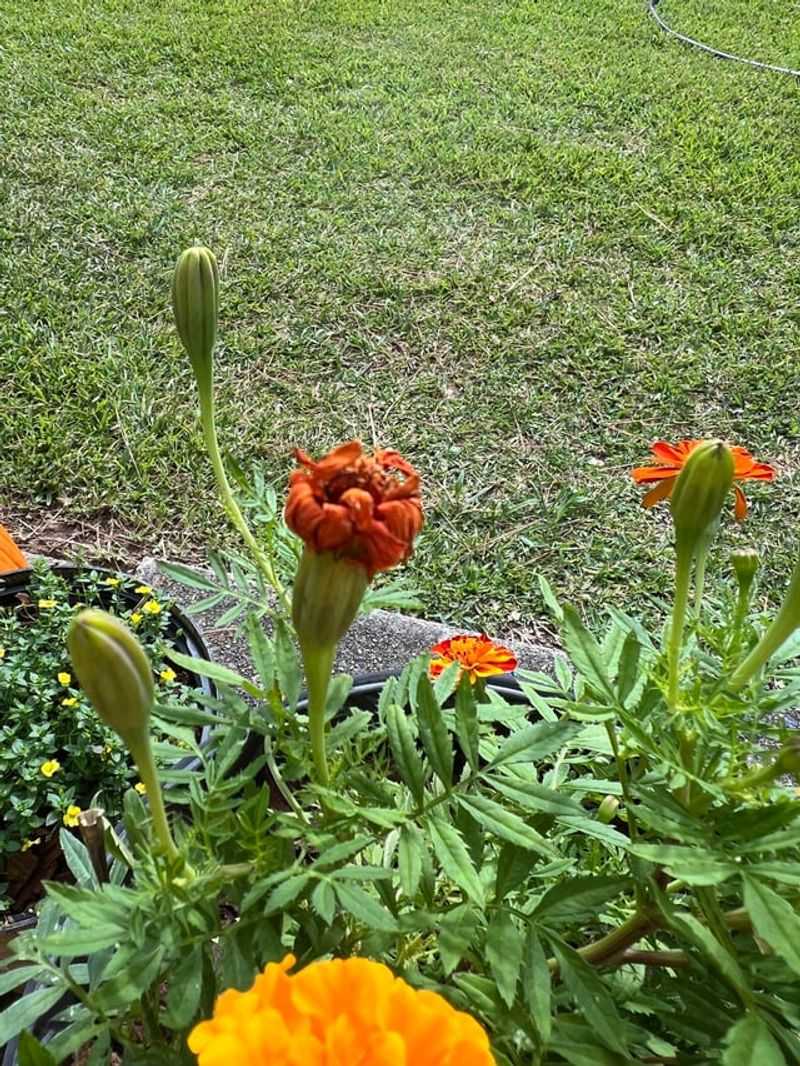
This might just be the easiest flower seeds to collect in the entire garden. Beneath every faded, dried bloom is a tight bundle of long, slender seeds just waiting to be pulled out.
They look almost like little arrows grouped together at the base of the flower. Once the bloom feels dry and papery to the touch, you are good to go.
Grab the base of the dried flower head and pull it apart with your fingers. The seeds will fan out in your hand.
They separate easily and require no special tools. A single marigold head can hold anywhere from twenty to forty seeds, so even a small plant gives you plenty to work with for the following year.
Marigolds are also known for being excellent companion plants in the garden. They help keep certain pests away from vegetables and other flowers.
Saving and replanting your own marigolds means you can spread them generously around your beds without spending a dime at the nursery. That is a real win for any budget-conscious gardener.
Let the collected seeds air dry for a few days before sealing them up. Lay them on a paper towel in a single layer and keep them away from humidity.
Once fully dry, store them in a small envelope or glass jar with the lid slightly loose. Label everything with the color and the year.
Marigold seeds stay viable for about two to three years when stored correctly.
5. Sunflowers Before Birds Beat You To Them
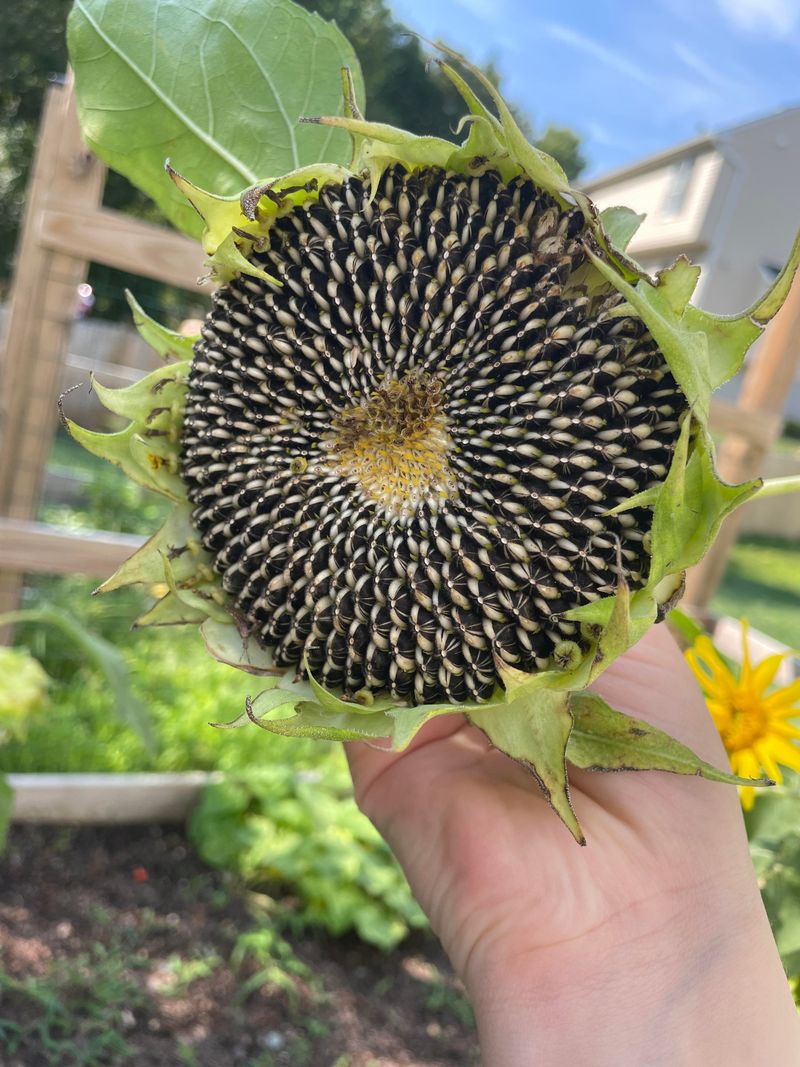
Sunflower seeds are the ultimate garden prize, but you are not the only one who wants them. Birds, especially finches and chickadees, will strip a sunflower head bare in just a day or two once the seeds ripen.
If you want to save seeds for planting, you need to move quickly once the back of the flower head turns yellow and then brown.
One easy trick is to cover the flower head with a paper bag or a piece of cheesecloth and tie it loosely around the stem. This keeps birds away while the seeds finish drying on the plant.
Check back every few days. When the seeds feel firm and the head is fully dry, cut it off and bring it inside.
To remove the seeds, rub two dried heads together over a large bowl or use your thumb to press the seeds out of the head. They pop out with satisfying ease.
Spread them on a tray to dry for another week before storing. Make sure there is no moisture left, especially in the thicker seeds.
Sunflowers saved from your own garden will often grow into plants that resemble the parent, especially if you have open-pollinated varieties. Hybrid sunflowers may vary.
Either way, growing sunflowers from your own saved seeds is deeply satisfying. Store them in a cool, dry place in a paper envelope or a small cloth bag, and they will be ready to plant come spring in Oregon.
6. Calendula Seeds Curling Up And Ready To Pick
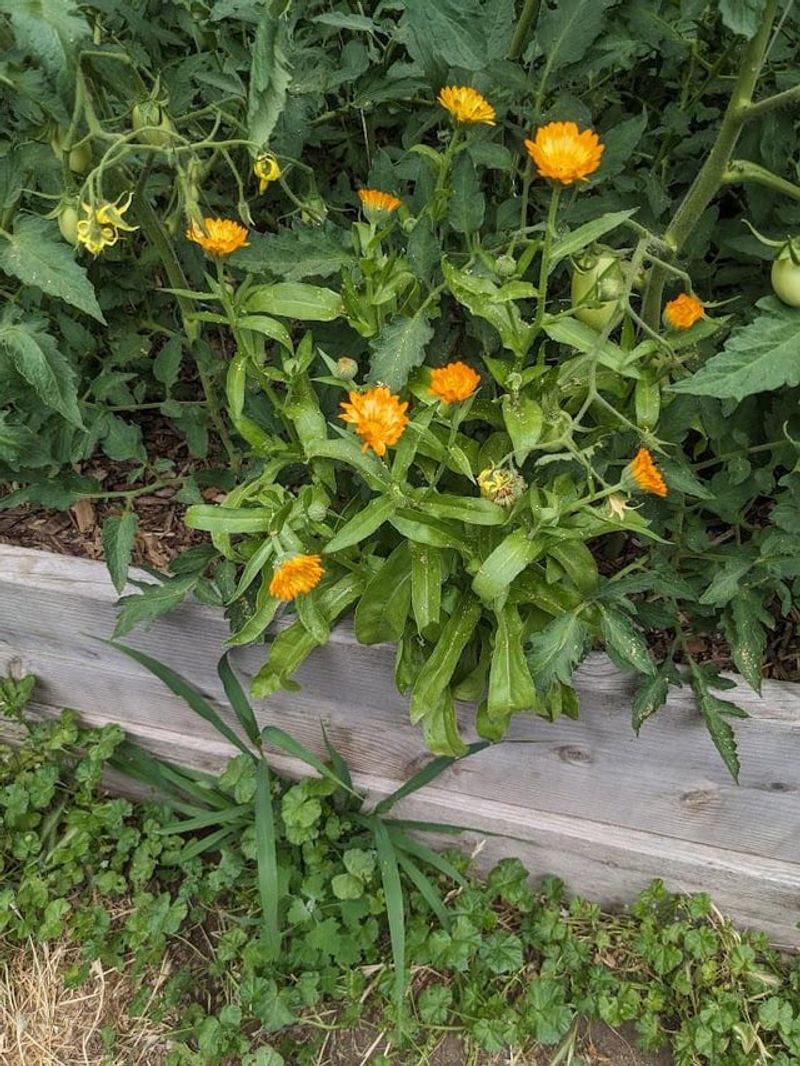
They curl up into little C-shapes that look almost like tiny caterpillars. Once the flower petals have completely dropped and the center of the bloom turns tan and dry, those curved seeds are ready to harvest.
They are usually clustered tightly around the center of the old flower head.
Simply pinch the seed cluster and roll the seeds off with your fingers into a bowl or bag. They detach easily when ripe.
Calendula plants tend to produce flowers and seeds over a long season, so you may be collecting from the same plant multiple times before the first frost arrives. Check your plants every week or so during late summer and early fall.
One of the best things about calendula is that it often self-sows if you leave some seeds behind. But for more control over where plants grow next year, collecting and storing seeds is the smarter move.
You can also share extras with neighbors or trade them at a local seed swap.
Calendula is a hardy, cheerful plant that thrives in cool weather, making it a great choice for Pacific Northwest gardens.
It has a long history of use in herbal remedies and skin care products, which adds a layer of usefulness beyond just good looks.
Dry your collected seeds thoroughly before storing. Label them clearly and keep them in a cool, dark location until spring planting season arrives.
7. Coneflowers Holding Seeds In Those Spiky Centers
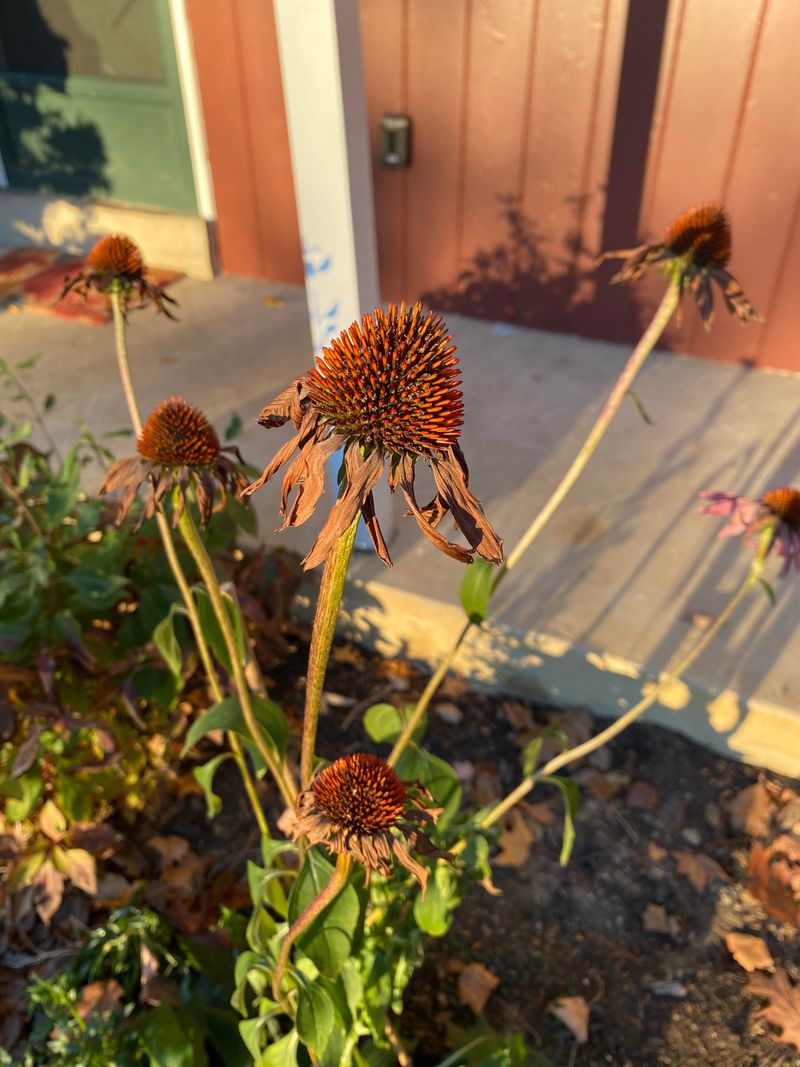
That prickly, dome-shaped center you see after the petals fall off is packed with seeds. Each point on that spiky cone holds one seed, and when the cone turns fully brown and dry, it is time to collect.
The seeds are small but plentiful, and one cone can hold dozens of them.
To harvest, simply hold a paper bag under the cone and rub it firmly between your palms. The seeds will fall into the bag.
You can also use scissors to snip the dried cone heads off and bring them inside to shake over a bowl. Wear gloves if you find the spiky texture uncomfortable.
Either method works well and takes only a few minutes.
Coneflowers, also known as echinacea, are perennials, which means they come back each year on their own. But saving seeds lets you expand your patch or start new plants in different spots.
They are also fantastic for pollinators, attracting bees and butterflies well into fall. Growing more of them is always a good idea.
After collecting, spread the seeds on a dry paper towel for several days. Make sure they are completely dry before sealing in an envelope.
Store in a cool, dry spot away from direct light. Coneflower seeds sometimes benefit from a cold stratification period before germination.
Placing them in the refrigerator for a few weeks before spring planting can improve germination rates significantly in Oregon gardens.
8. Nasturtiums Dropping Seeds Faster Than You Think
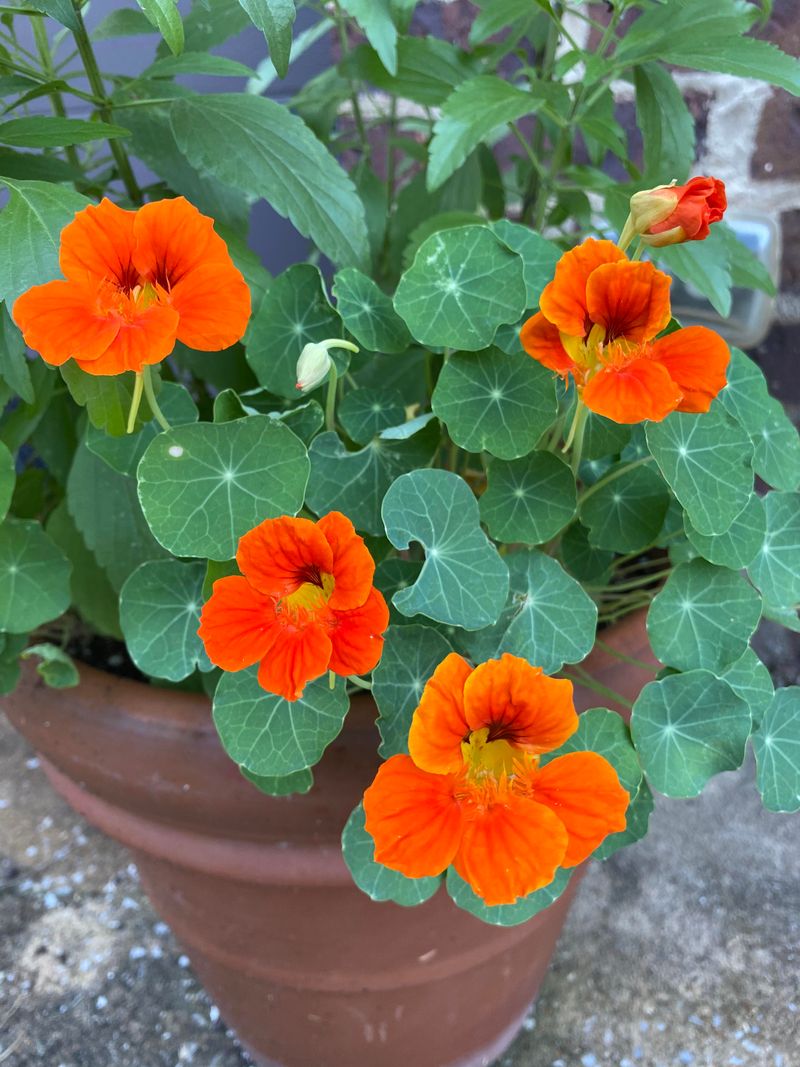
Nasturtiums have a habit of dropping their seeds the moment you turn your back. Unlike many flowers that hold their seeds tightly in pods, nasturtiums let their large round seeds fall to the ground as soon as they ripen.
If you are not paying attention, you will find them scattered all over the soil beneath the plant before you ever get a chance to collect them.
The seeds start out green and fleshy, then slowly turn tan and wrinkled as they ripen. You can collect them at the wrinkled stage directly from the vine, or carefully gather them from the soil below the plant.
Either way works. Just make sure they are fully dried before you store them, since fresh nasturtium seeds still have moisture inside and can rot in storage.
Spread collected seeds on a paper towel for a week in a warm, dry room. Turn them once or twice to make sure all sides dry evenly.
Once they feel hard and completely dry, they are ready to store. Use a small paper envelope or a glass jar with a loose lid.
Avoid airtight containers until you are certain the seeds are fully dry.
Nasturtiums are edible flowers, which makes them extra fun to grow. Both the flowers and leaves have a peppery taste great in salads.
Saving seeds from your favorite nasturtium plants means you can fill your garden and your plate with color every year. Do not let the rain wash those seeds away before you grab them.
9. Black-Eyed Susans Ready Once Heads Turn Dry
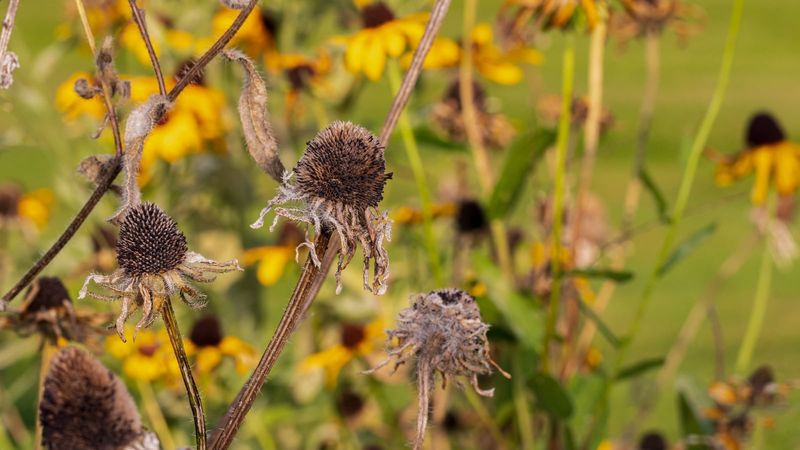
These flowers hold their seeds in a tight, dark center cone that looks almost like a small, bristly button. Once the bright yellow petals drop off and the center turns fully dark brown and dry, the seeds inside are ripe and ready.
These plants are generous with their seeds, and a healthy clump can give you more than enough to replant and share.
To collect, pinch the dried center head between your fingers and pull it from the stem. Drop it into a paper bag or a bowl.
You can also rub the head between your palms to release the seeds. They are small and dark, almost like tiny slivers.
A fine-mesh strainer can help separate seeds from the dried chaff if you want cleaner seed storage.
Black-eyed Susans are tough, reliable plants that love full sun and tolerate dry spells well. They are native to North America, which makes them a great choice for supporting local wildlife.
Bees and birds both benefit from these plants, so leaving a few heads standing through winter provides food for birds during lean months. Just remember to collect what you need before the rains arrive.
Once collected and dried, store seeds in a labeled paper envelope in a cool drawer or cabinet. They stay viable for up to three years.
Come spring, direct sow them outdoors after the last frost, or start them indoors six weeks early.
Either way, you will have cheerful golden blooms brightening your garden all summer long without spending a single dollar at a nursery.