14 Steps To Take The Moment Your Lawn Turns Brown, Plus 4 Mistakes That Spread It Faster
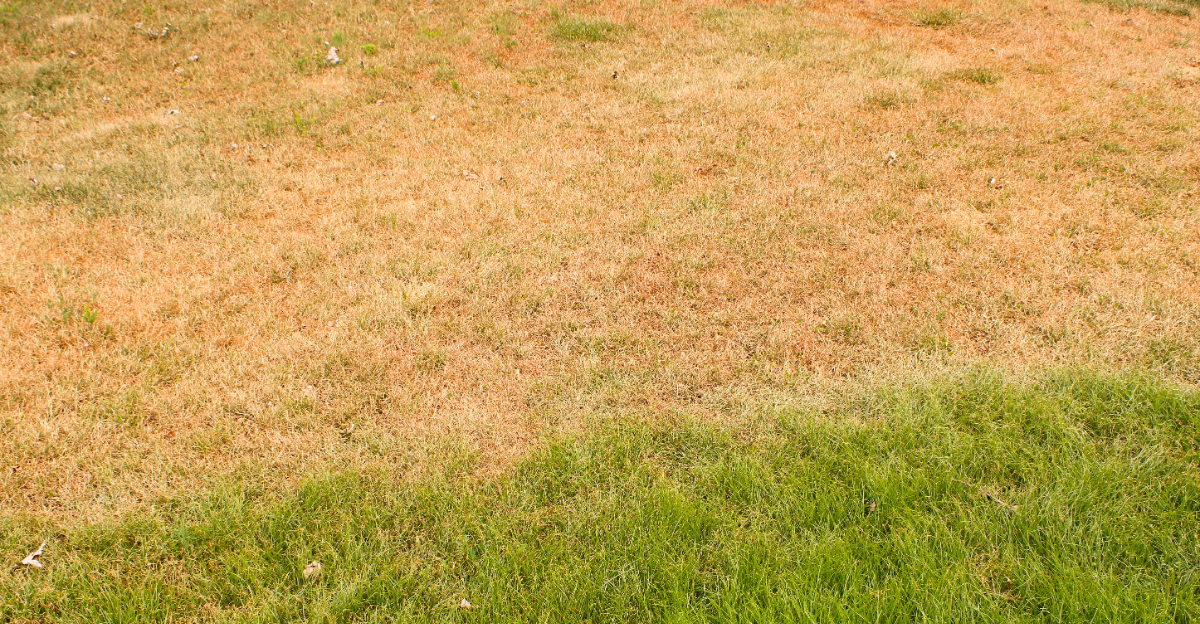
Your grass was green on Tuesday. By Friday, it looks like someone dragged a giant eraser across half the yard. That kind of speed catches even seasoned homeowners off guard.
Straw-colored patches rarely come from one single source: thirsty soil, an unwelcome pest, or a sprinkler schedule that’s been sabotaging you without you even noticing. Figuring out which one you’re dealing with changes your entire game plan.
What you do in the next couple days decides whether this stays a small eyesore or eats up your entire front yard. One wrong move, and a patch the size of a placemat turns into a much bigger regret.
Stop Mowing Until You Identify The Cause
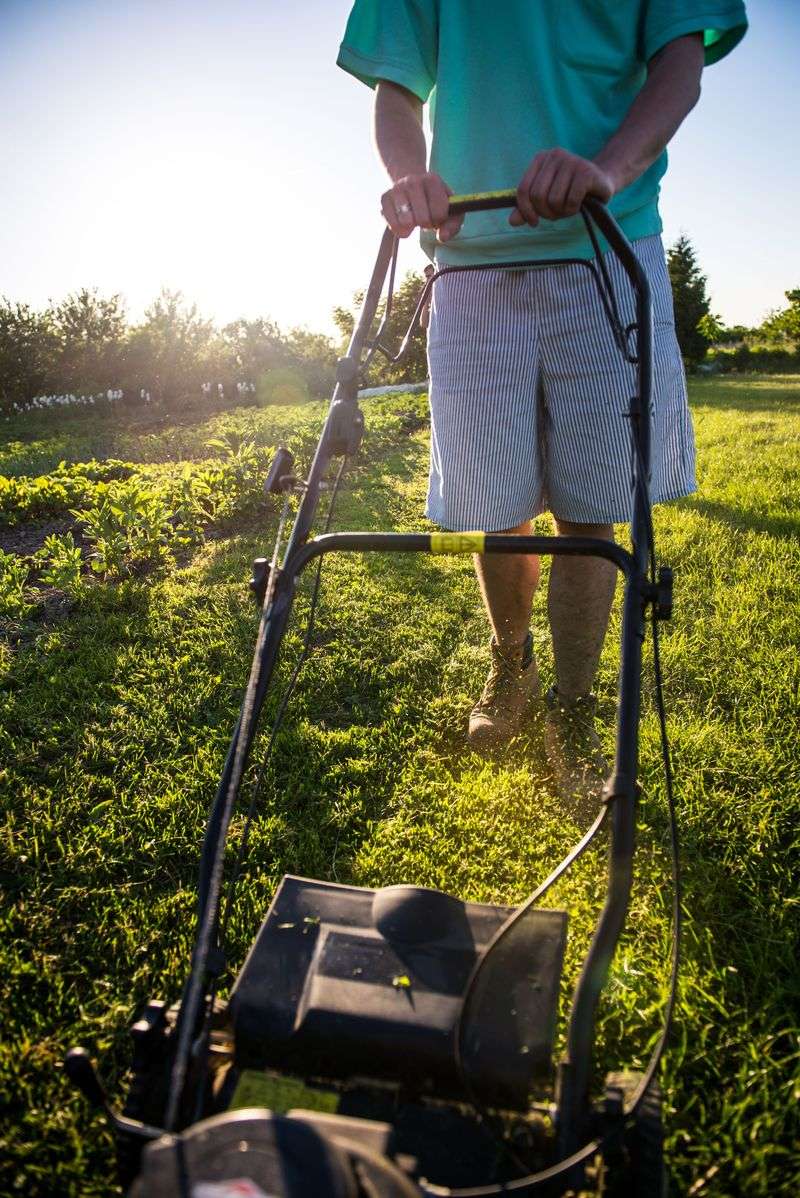
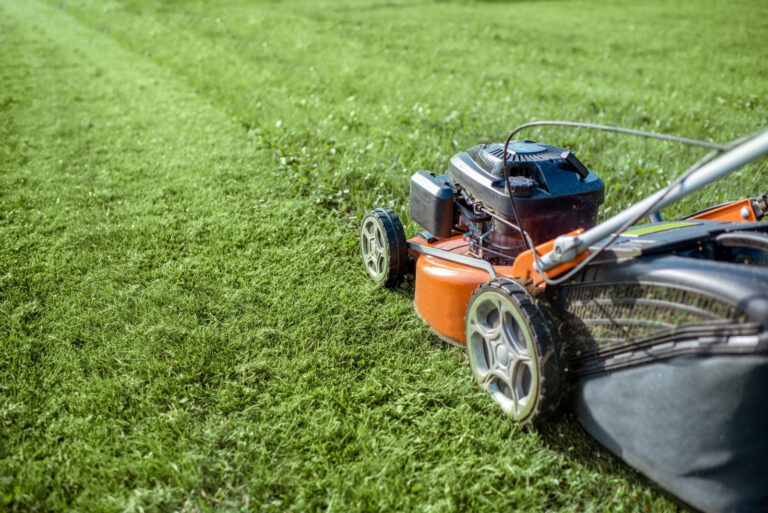
Your mower isn’t the fix right now. Firing it up the moment your lawn turns brown often makes things worse, not better.
Mowing stressed grass strains already-weakened blades, and each cut leaves tiny openings that fungal disease and pests can exploit quickly. Before mowing again, figure out the actual cause.
Drought, grubs, and fungus each need a different fix, and mowing blindly only delays your diagnosis. Dormant grass looks lifeless but is simply resting.
Running a mower over it compacts the soil and snaps fragile crowns at the base of each blade. Diseased patches spread through clippings too, infected grass dropped onto healthy turf expands the problem fast.
Give the lawn a few days of observation before touching it with equipment. Circular patches often point to fungal disease; irregular shapes usually mean drought stress or irrigation gaps.
Pausing the mower is a smart first move, not giving up.
Check Soil Moisture Before Watering Again
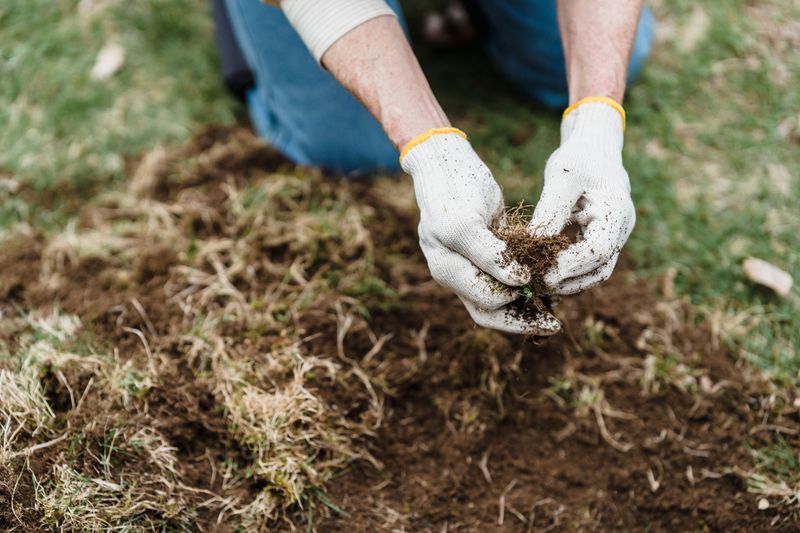
Not all brown grass is thirsty grass. That mix-up leads many homeowners into a cycle of overwatering that creates new problems.
Push a screwdriver or your finger about six inches into the soil. If it slides in easily and feels damp, your lawn likely doesn’t need more water right now.
Soggy soil is actually a major cause of brown turf, since root rot and oxygen deprivation thrive when ground stays waterlogged too long. Bone-dry soil that cracks underfoot tells a different story: drought stress that needs a deep, slow soak.
An inexpensive moisture meter from most garden centers removes the guesswork and gives an instant reading. Check moisture in a few spots, since soil varies even within a small yard, especially near trees or slopes.
Wait about a day before making watering decisions. Rushing in with a hose too soon often causes more harm than good.
Inspect Grass Blades For Early Warning Signs
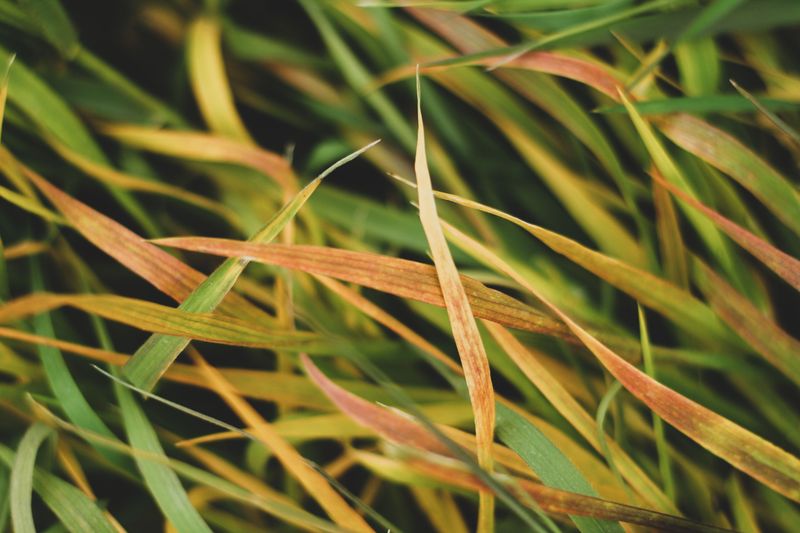
Get down close and look at individual blades. Most lawn problems leave clues that are easy to miss from standing height.
Purple or red edges often signal phosphorus deficiency, while tan centers with dark borders usually point to dollar spot fungus. A powdery white coating is powdery mildew, common in shaded, humid spots with poor airflow.
Ragged, chewed tips may mean insect feeding from cutworms, armyworms, or chinch bugs. Yellowing that starts at the tips and moves downward usually signals nitrogen deficiency. The grass looks faded rather than truly brown.
If blades pull free with almost no resistance, check the roots underground, since grubs feeding there make grass detach with barely a tug. A slimy coating after rain or heavy dew can mean fungal spores are active.
A few minutes inspecting blades closely can save weeks spent guessing at the wrong fix.
Pull A Small Patch To Examine The Roots
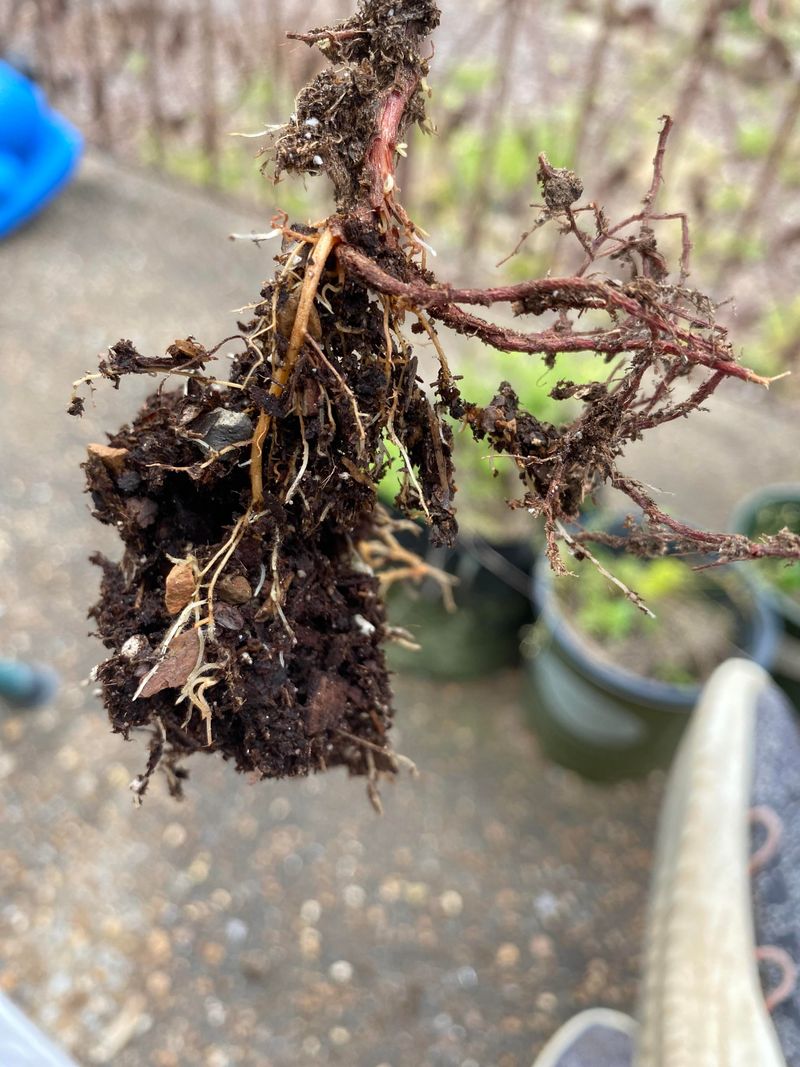
Grab a small handful of brown grass and pull gently. What’s underneath often tells you more than anything visible on the surface. Healthy roots are white or light tan, firm, and reach several inches into the soil.
Short, dark, or mushy roots point to a real problem below ground. Grub damage is common. Look for small white C-shaped larvae just beneath the surface.
Even a handful per square foot can cause noticeable browning, and larger numbers can make turf lift like loose carpet. Root rot from overwatering brings a foul smell and a dark, slimy texture as roots break down while the plant struggles above.
Dry, brittle roots that snap easily usually mean drought stress went on too long, and reseeding may work better than watering alone. This simple pull test takes under a minute and often reveals more than any product bought on a guess.
Adjust Your Irrigation Schedule

Your watering schedule might be the real issue. Many lawns turn brown not from too little water, but from irrigation running at the wrong time.
Midday watering evaporates fast before roots can absorb it. Evening watering leaves grass wet overnight, creating ideal conditions for fungal disease.
Early morning is the better window. Grass gets moisture before the heat arrives and blades dry naturally as the sun rises. Check sprinkler heads for clogging, since one faulty head can create a dry zone that mimics disease or pest damage.
Most cool-season grasses need roughly one inch of water total per week, while warm-season varieties like Bermuda or Zoysia often need slightly less.
A rain gauge or an empty can placed in the sprinkler zone shows exactly how much your system delivers, often a surprise compared to assumptions. Small timing fixes can bring noticeable improvement within a week or two.
Remove Thatch Buildup From The Affected Area
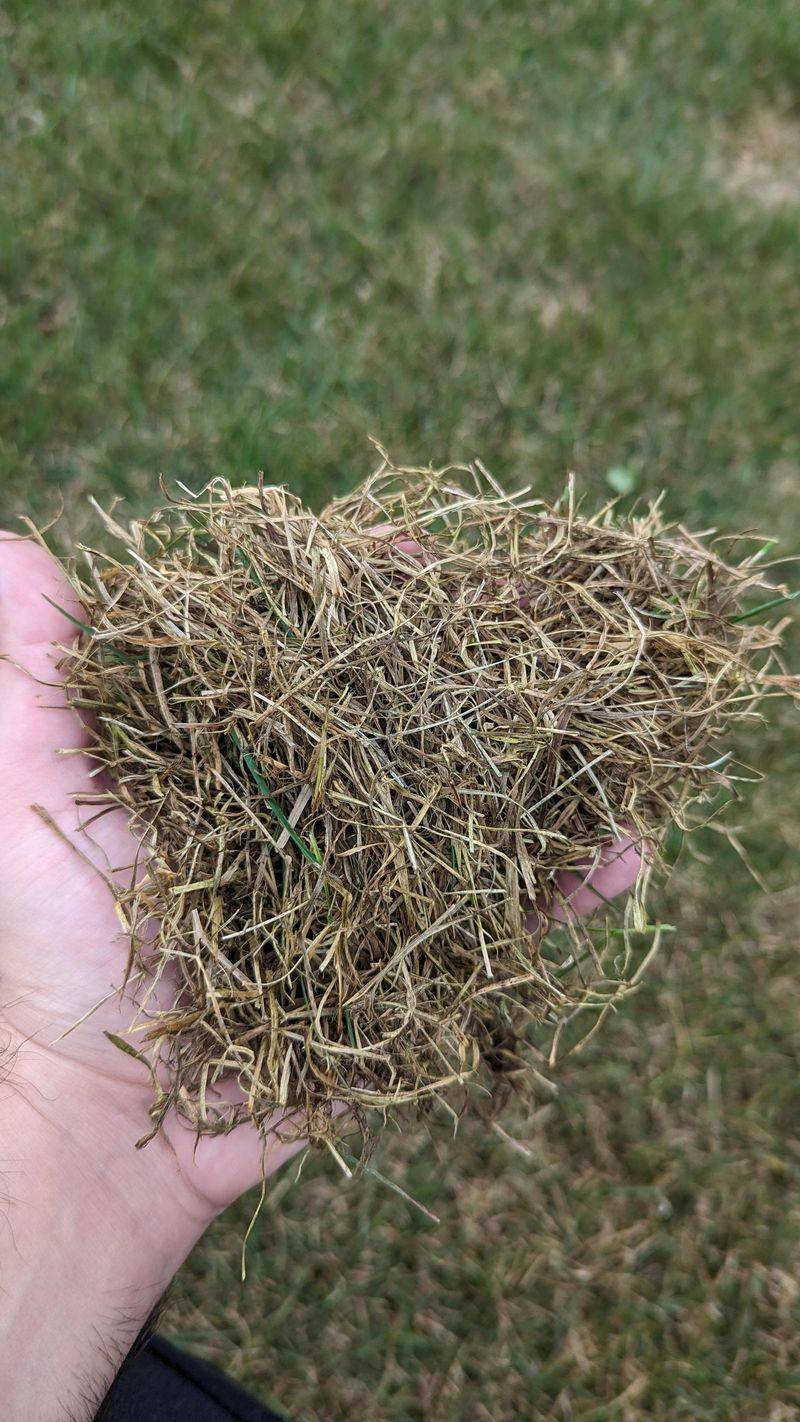
Thatch is the spongy layer of dry stems and roots between grass and soil. A thin layer is normal, but anything over half an inch starts causing trouble.
Thick thatch blocks water from reaching the root zone, so it beads off the surface instead of soaking in. It also traps heat and humidity, ideal conditions for brown patch and other fungal issues during warm months.
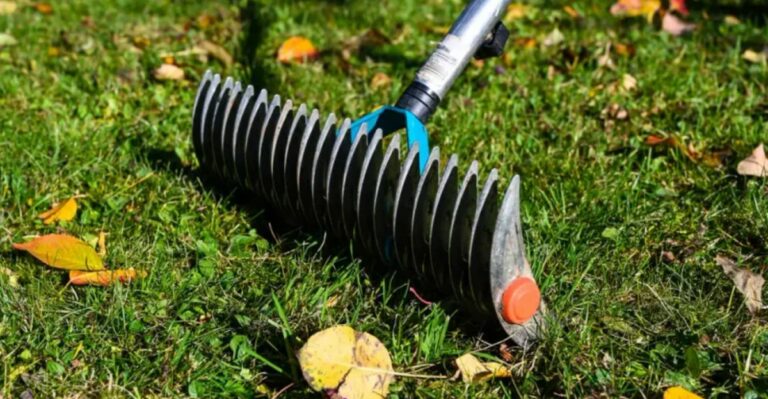
A dethatching rake or power dethatcher breaks up the buildup; work one direction, then perpendicular, for full coverage. Rake up and bag the loose material afterward, since leaving it behind lets it resettle into the same problem.
Cool-season lawns respond best to fall dethatching, while warm-season grasses do better in late spring or early summer. Expect a rough look for a week or two afterward, that’s normal.
Removing thatch opens the door for air, water, and nutrients to reach roots that have been struggling.
Test Soil pH With A Home Kit
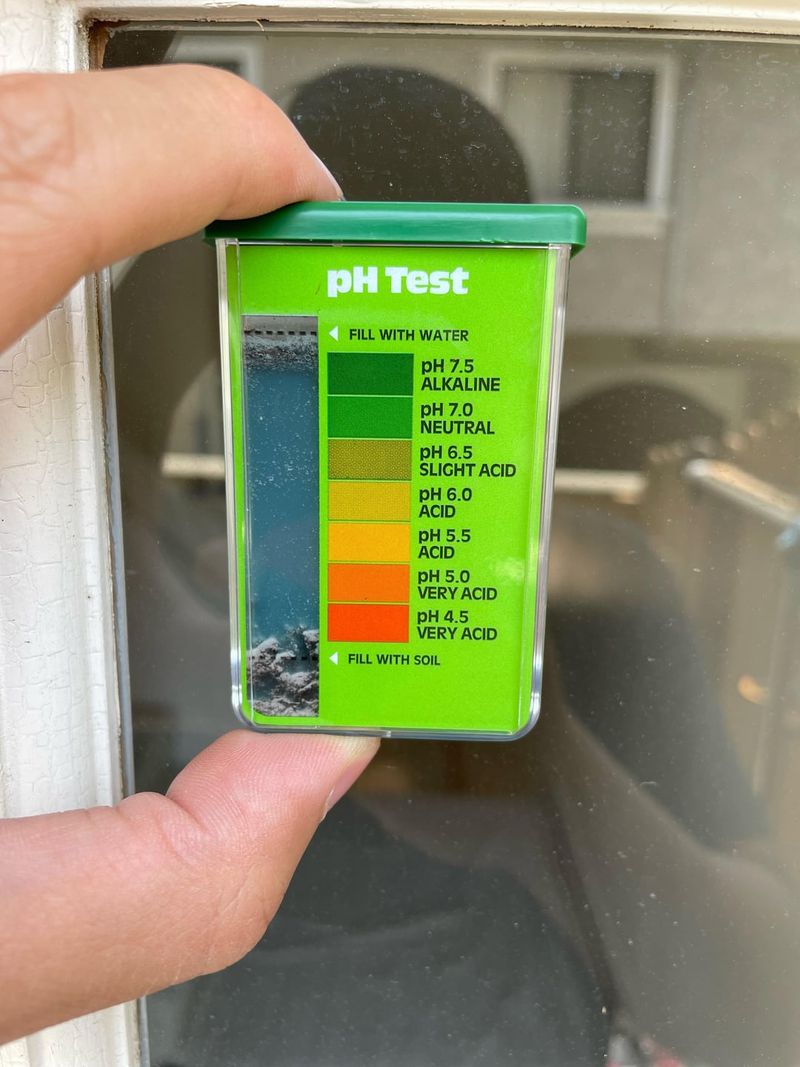
Soil pH is the invisible factor many homeowners overlook, yet it decides whether grass can absorb nutrients at all, no matter how much fertilizer goes down. Most lawn grasses prefer a pH between 6.0 and 7.0.
Outside that range, nitrogen, iron, and phosphorus become chemically locked and unavailable to roots. Acidic soil below 6.0 is common in high-rainfall areas and causes yellowing and thinning.
Alkaline soil above 7.5 creates similar lockout, often showing as iron chlorosis, where blades turn yellow-green between darker veins.
An inexpensive home pH kit from most garden centers gives results within minutes using a small soil sample and water. If pH is too low, ground limestone is the standard fix, applied evenly and watered in for gradual improvement.
High pH benefits from sulfur or acidifying fertilizers, with results appearing over several weeks. Testing first means you’re fixing the actual cause instead of just the symptoms.
Apply A Balanced Fertilizer Sparingly
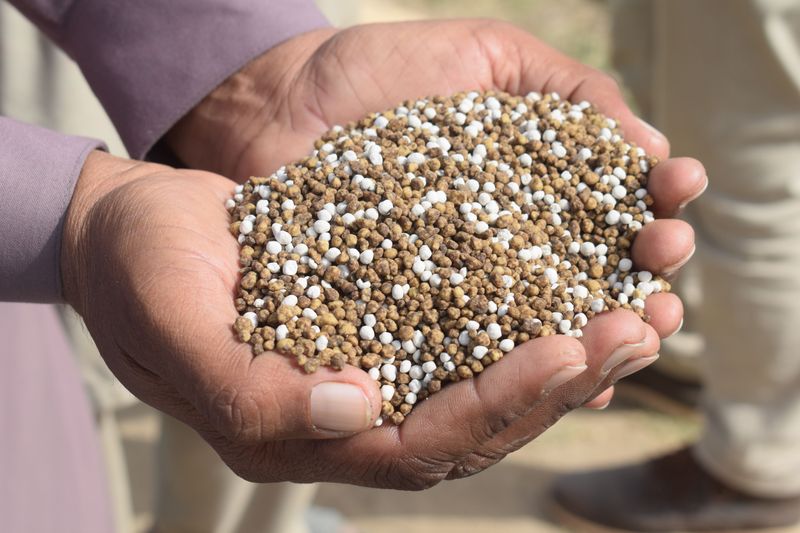
Fertilizer can help a struggling lawn, but too much at the wrong time makes browning worse. More isn’t always better with lawn nutrition.
Excess nitrogen during heat stress causes fertilizer burn. Salts pull moisture from blades, leaving scorched brown streaks. A balanced fertilizer with roughly equal nitrogen, phosphorus, and potassium gives steady nutrition without overwhelming stressed grass.
Slow-release formulas feed gradually over weeks instead of one heavy dose. Apply at half the recommended rate when the lawn is under stress, since it can’t process heavy feeding efficiently.
Water the fertilizer in gently afterward to activate it and prevent it from sitting on hot, dry blades. Avoid fertilizing during drought or an active heat wave. Wait for cooler temperatures and reliable moisture.
Used correctly, a light application gives recovering grass a gentle boost rather than a heavy load it isn’t ready for.
Aerate Compacted Soil Around Brown Patches
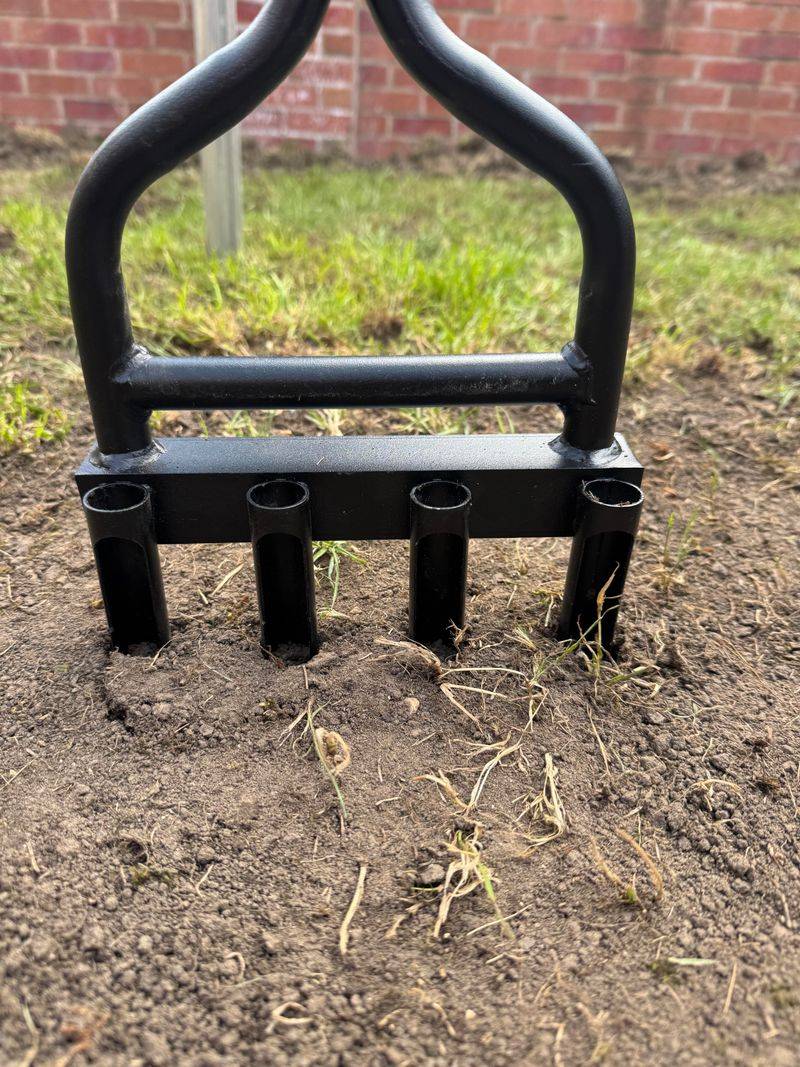
Compacted soil quietly damages healthy turf over time, even when everything else about your lawn care routine looks right. When ground packs too tightly, roots can’t expand and water can’t get through to where it’s actually needed.
High-traffic spots like pathways and play areas are the most prone to compaction. Core aeration is one of the most effective fixes, since it pulls small plugs of soil and opens channels for water and nutrients.
A walk-behind aerator can be rented from most home improvement stores for larger areas. For smaller sections, a manual spike aerator works well enough and leaves the soil plugs on the surface to break down naturally within a week or two.
Aerate when the soil is slightly moist rather than bone dry, since that makes the process far more effective. Afterward, overseed the area and add a light compost topdressing to help new growth take hold.
Rake Away Dry Grass And Debris
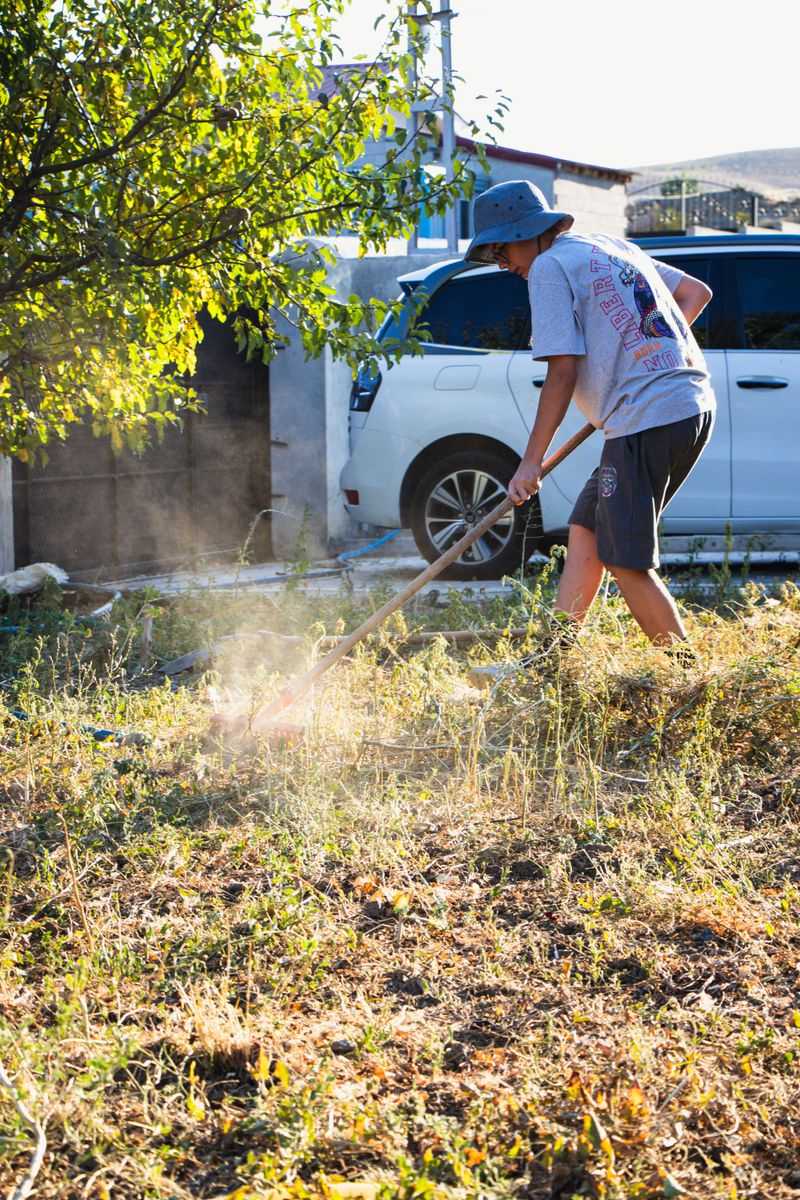
Dry grass and debris sitting on your lawn aren’t harmless, even though they’re easy to overlook. They trap moisture against the soil and create ideal conditions for fungal spores and pests to settle in.
After treating the cause of browning, clearing away dry material is a key next step, since leaving it in place slows recovery. A flexible leaf rake works better than a stiff one, which can damage crowns that are still alive underneath.
Rake gently in multiple directions to lift matted clumps without tearing up anything recoverable. Some grass looks dry but is simply dormant and will bounce back with time.
Bag the debris rather than composting it, since home compost piles rarely get hot enough to destroy fungal spores. Once the area is cleared, bare spots become obvious and much easier to map out for overseeding.
Water Deeply In The Early Morning Hours
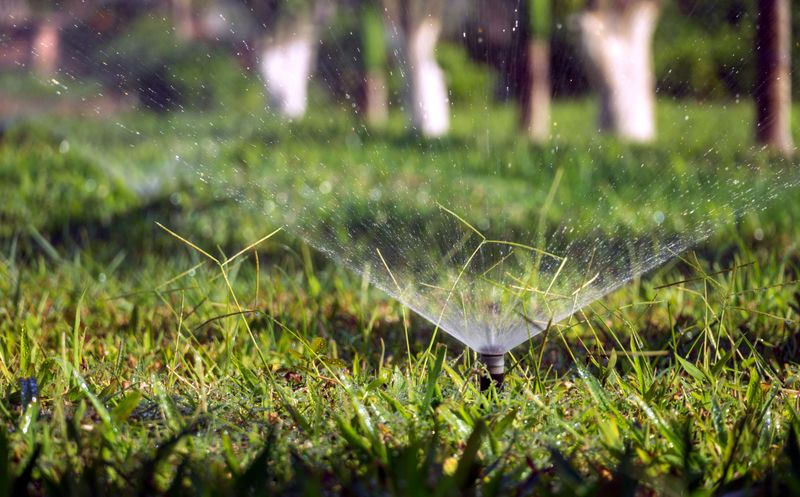
Deep watering changes everything for a struggling lawn, even when nothing else in your routine changes. Shallow, frequent watering keeps roots near the surface, where heat and drought hit them hardest.
Watering deeply lets moisture soak down six to eight inches, giving roots a reason to follow it and build a stronger system over time. Aim for that depth in one or two sessions weekly, using a rain gauge or empty can to track how much your system actually delivers.
Run irrigation early, ideally before eight, so grass absorbs moisture before the day’s heat arrives. Dry blades by evening mean far less risk of fungal disease taking hold overnight.
Sandy soils may need two shorter sessions to avoid runoff, while clay soils absorb much more slowly. A long, gentle soak works better for clay than a quick burst that just runs off the surface.
Isolate The Brown Zone From Healthy Turf
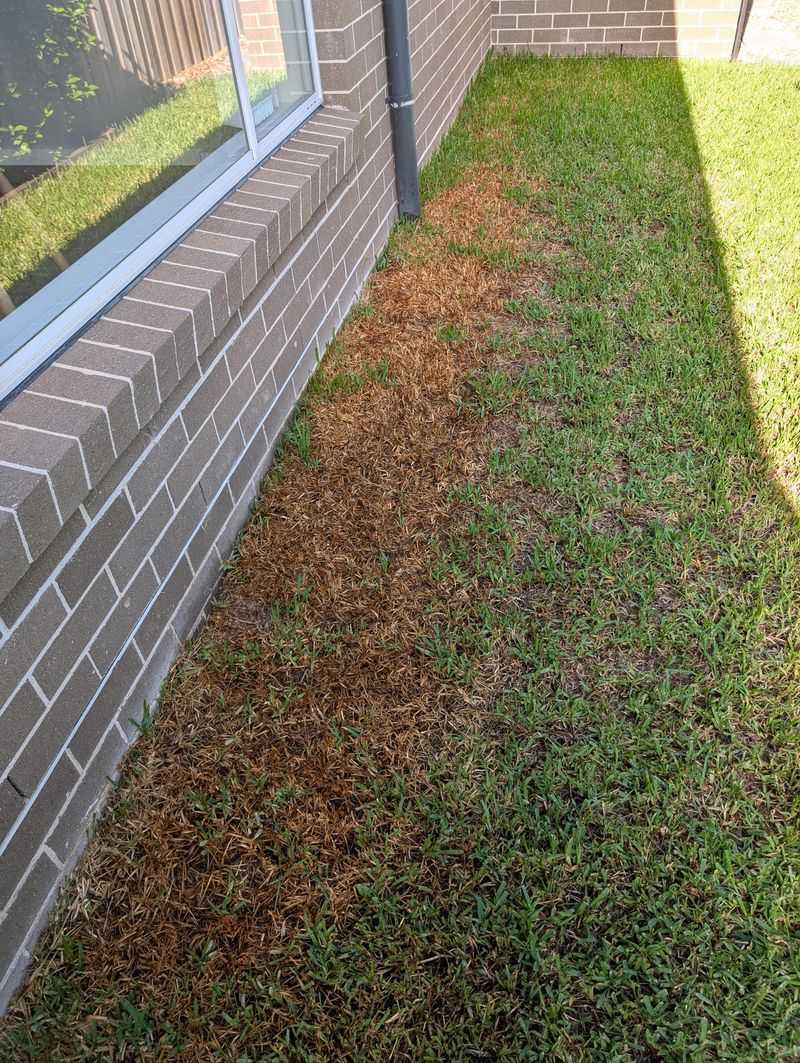
Protecting healthy grass matters just as much as treating the damaged area itself. Fungal disease or insects can spread to nearby turf faster than most homeowners expect.
Create a buffer zone by limiting foot traffic across the boundary, since each footstep can carry spores or larvae straight into healthy grass. Be careful with overspray or runoff when treating the brown area, and use small flags or stakes to mark the zone clearly.
Brown patch and pythium blight can expand noticeably overnight under the right conditions. Keep separate tools for the affected zone too, since sharing an uncleaned rake or spreader can move spores between areas.
Check the boundary every few days for signs of expansion, adjusting your approach if the treated area isn’t holding steady.
Monitor Nearby Plants For Similar Symptoms
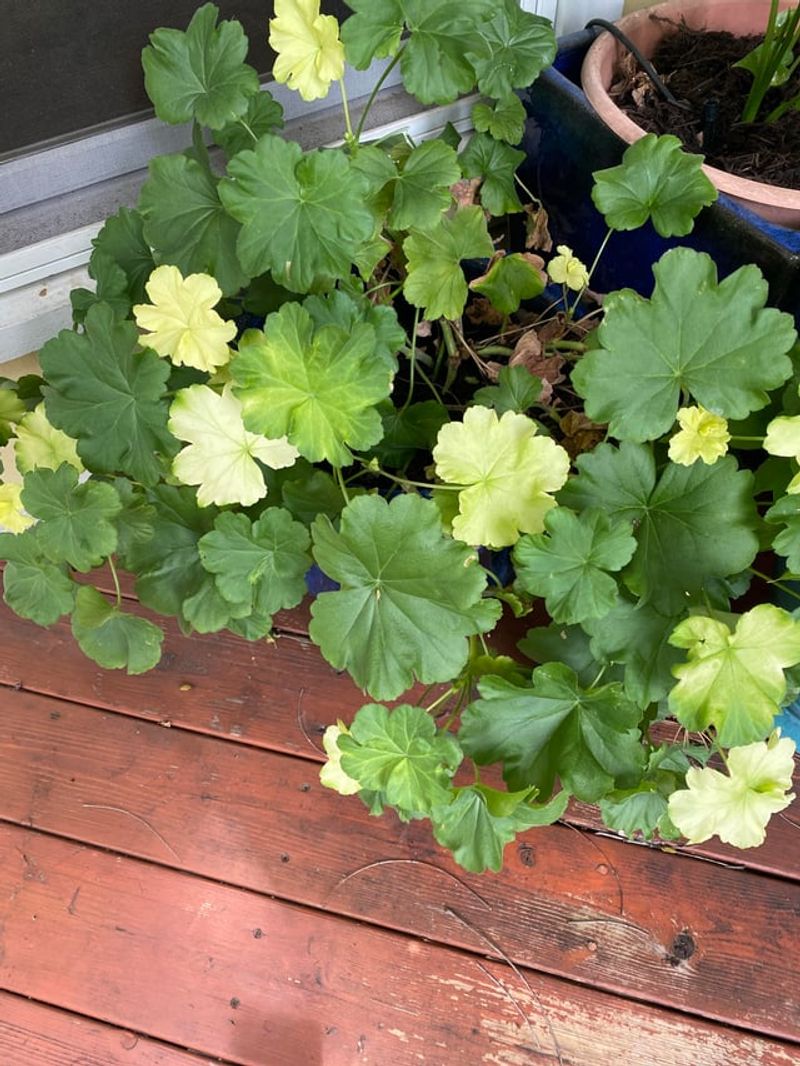
Your lawn doesn’t exist in isolation. Nearby plants, shrubs, and trees can offer real clues about what’s happening in and around your brown turf.
If nearby plants also show yellowing or wilting, the cause may be soil-based: poor drainage, root competition, or a broader nutrient deficiency affecting grass and ornamentals together.
Some diseases, like pythium blight, thrive in the same wet conditions that stress garden beds, so similar symptoms across plant types point to an environmental cause rather than a grass-specific one.
Pests cross over too. Grubs that feed on grass roots also feed on the roots of perennials and shrubs, so checking garden beds nearby can confirm suspicions.
Heavy shade from low branches reduces sunlight and airflow, creating damp conditions where turf thins out. If only the grass looks affected, the issue is likely grass-specific, which narrows your diagnosis.
Contact A Local Extension Office For Guidance
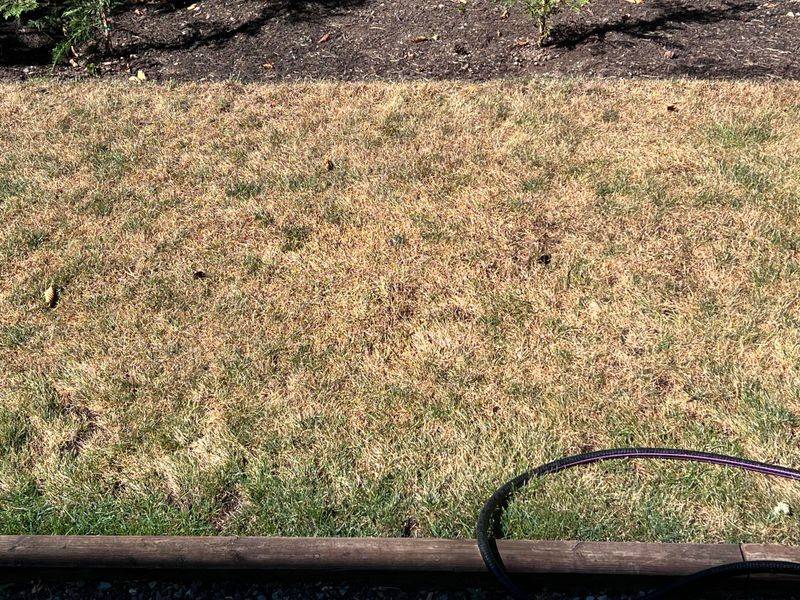
When brown patches keep spreading despite your efforts, your local cooperative extension office is one of the most useful, underused resources in lawn care.
Run through state universities, these offices offer free or low-cost advice from trained horticultural specialists who understand local soil, regional pests, and climate patterns that generic online advice can’t cover.
Many offer soil testing for a small fee, going beyond a basic home pH test to reveal nutrient levels and organic matter content. You can often bring a grass and soil sample in person, and specialists can identify disease or nutrient issues quickly.
Some offices run master gardener hotlines staffed by trained volunteers offering free phone consultations during business hours. If problems are spreading in your area, extension offices often stay aware and share timely guidance.
Reaching out costs little beyond a call or short drive.
Mowing Over The Affected Patch Repeatedly
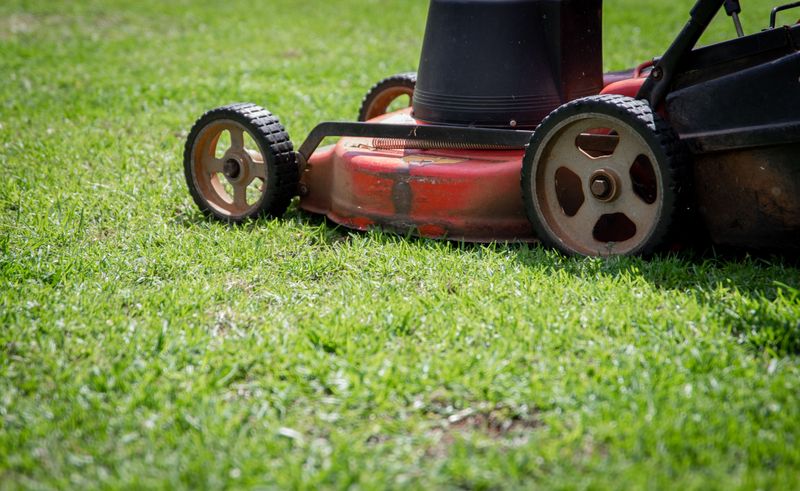
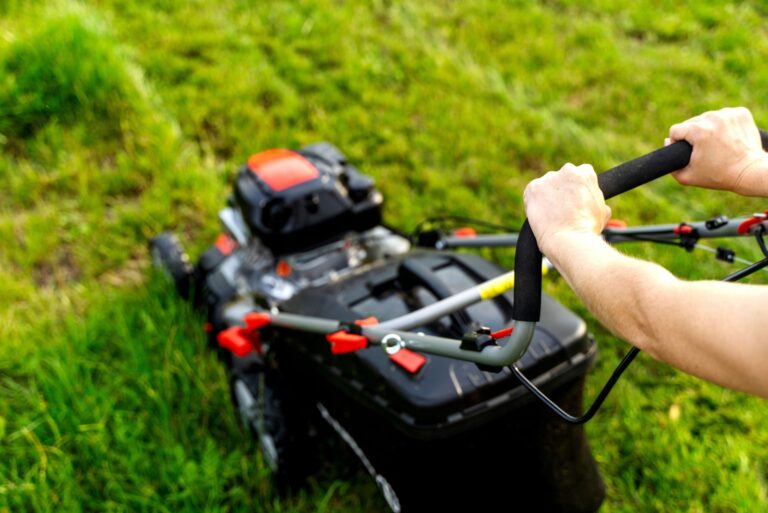
Mowing a stressed lawn repeatedly is one of the fastest ways to turn a small brown patch into a much bigger problem. Many homeowners do it out of pure habit.
Each pass over weakened grass creates fresh openings in fragile tissue. This gives fungal spores and pests an easy way in.
Mower wheels also compact soil with every pass, which slows recovery even when everything else is done right. Grass clippings from diseased turf can spread the problem further.
Mowing too short during stress adds another layer of trouble, since scalping removes leaf surface the grass needs to recover. If mowing is unavoidable, raise the deck to its highest setting. Clean the mower deck after working near brown areas.
Watering Lightly And Frequently Instead Of Deeply
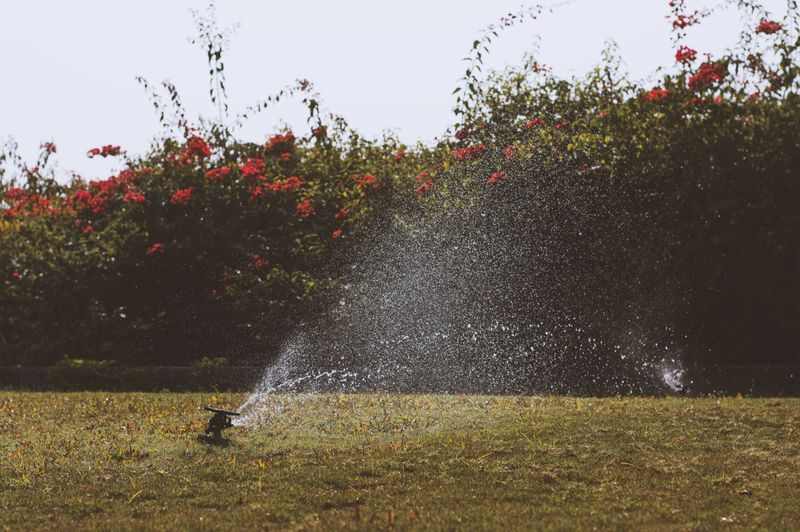
Light, frequent watering feels generous, but it’s one of the most damaging habits for a struggling lawn, since shallow watering keeps roots near the surface and more exposed to stress.
When water only reaches the top inch of soil, roots have little reason to grow deeper, leaving them more vulnerable during heat or dry spells. Constant surface moisture also creates ideal conditions for fungal issues like dollar spot and brown patch.
The fix is simple: water two to three times a week at most, each session long enough to push moisture six to eight inches deep. A screwdriver pushed into the soil afterward should slide in easily to that depth, confirming it reached the roots.
Letting the surface dry slightly between sessions encourages roots to grow downward, building a naturally stronger, more drought-tolerant lawn.
Walking Across The Area During Recovery

Foot traffic during recovery is easy to forget about, especially once the lawn starts looking normal again from a distance. Even light walking causes real damage to turf still working to bounce back.
Recovering grass has fragile crowns and shallow root connections that haven’t fully re-established. A single footstep can crush the crown, the growing point responsible for new blades.
Soil compaction builds up gradually with every pass over the same spot, slowing re-establishment more than most homeowners realize. Kids, pets, and regular walking paths are usually the main culprits.
Redirecting traffic with temporary fencing, stakes, or a simple rope line can make a real difference while the area heals. Wet soil is especially vulnerable, and impressions left behind can take weeks to recover.
Using The Same Tools On Healthy Grass
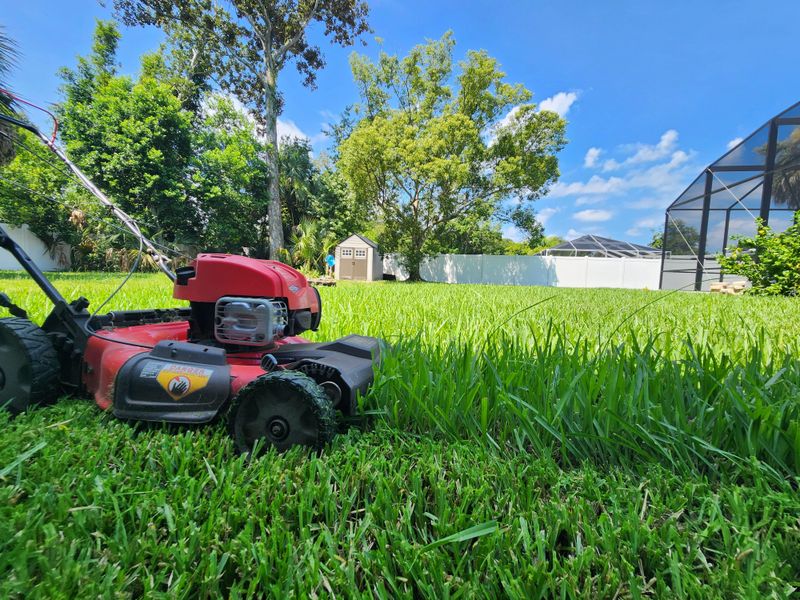
Spreading problems through shared tools is one of the easiest ways lawn issues move across an entire yard, and most homeowners never think of equipment as the culprit.
Fungal spores cling to rake tines, mower blades, spreader hoppers, and even garden gloves with surprising persistence. A single tool used carelessly can spread disease across a healthy lawn in one session.
After working near a brown area, clean every tool before using it elsewhere. A simple mix of one part bleach to nine parts water works well on metal and plastic surfaces.
Mower blades need extra attention since they cover ground fast. Rinse the deck and wipe it down after use near problem zones.
Spreaders can hold residual spores too, so empty and rinse the hopper before refilling for healthy turf. Even shoes and gloves can carry spores between zones, so wiping boots down is a smart habit.