8 Reasons This August Is Perfect For Planting Porch Rosemary In Connecticut

Nothing about Connecticut in late August feels remotely ordinary once you notice your porch. Warm soil right now practically begs your rosemary to take hold.
Sunlight lingers noticeably longer, giving you extra hours for roots to settle. Rosemary rewards you instantly, filling your entrance with sharp, clean fragrance. Pests retreat, drought barely bothers it, and frost rarely threatens your rosemary.
Connecticut rarely offers you this exact, perfect mix of heat and calm. Your porch, however small, can hold a plant built for permanence. Apartments and sprawling mansions alike welcome this adaptable herb into your life.
You gain structure, scent, and color without adding daily chores. Confidence builds fast once you watch rosemary root before your eyes. Every week you wait shrinks rosemary’s chance to anchor before frost.
Choosing now gives you weeks rosemary cannot get back later. Waiting any longer simply costs you the porch you truly deserve this fall.
1. Fragrant Leaves Welcome Guests At Entryways

Imagine brushing past a plant and instantly smelling something clean, piney, and alive. That is exactly what happens when porch rosemary guards your front door.
Rosemary releases its oils with just a gentle touch. Guests brush the leaves as they walk in, and suddenly your entryway smells like a Tuscan hillside.
That scent does something powerful to people. Herbal aromas like rosemary’s are often associated with a calming effect for many people.
Your front door is the first impression your home makes. A rosemary plant placed beside it signals that someone thoughtful and intentional lives there.
August is the sweet spot for planting rosemary near entryways in Connecticut. The warm soil encourages roots to spread fast before September cools things down.
Choose a spot that gets at least six hours of direct sun daily. Entryways facing south or west are perfect candidates for this fragrant herb.
Tall, upright varieties like Tuscan Blue work beautifully as living sentinels on either side of a door. They grow full and lush without sprawling onto walkways.
Pair your rosemary with a simple clay pot in a warm terracotta tone. The color contrast against silver-green foliage looks polished and intentional.
Visitors will notice the plant before they even knock. That first sensory moment sets a welcoming, warm tone for everything that follows inside your home.
2. Compact Growth Fits Narrow Porch Spaces
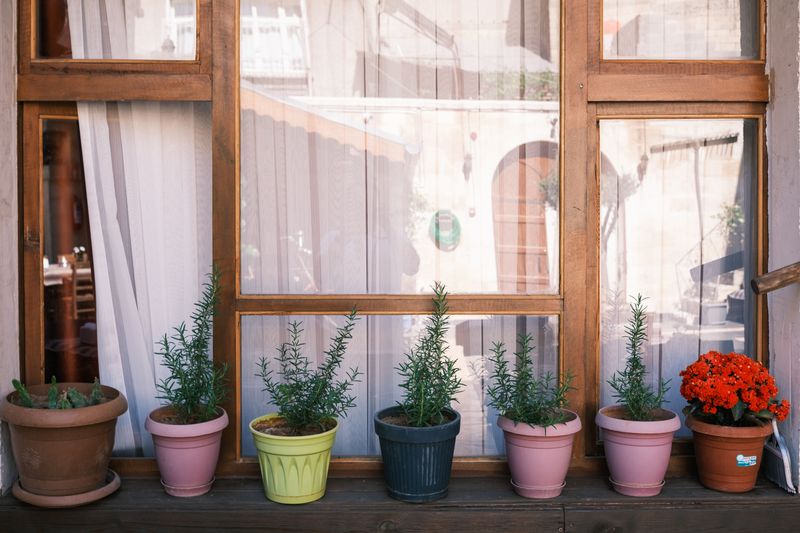
Not every porch in Connecticut is a sprawling wraparound. Some are tight, shallow strips barely wide enough for a chair and a welcome mat.
Rosemary respects your square footage. Certain varieties stay slim and upright, growing tall without ever sprawling sideways into your walking path.
Varieties like Tuscan Blue and Miss Jessopp’s Upright are naturally columnar. They reach upward instead of outward, making them ideal for tight spots along railings or steps.
Planting in August gives these compact growers enough warm weeks to anchor themselves before fall winds arrive. Strong roots now mean a sturdier plant all winter long.
A narrow rectangular planter works perfectly for porch railings. You can line two or three rosemary plants in a row for a tidy, aromatic hedge effect.
Your Connecticut Garden Changes Every Week. Your Plan Should Too.
Gardening in Connecticut changes quickly throughout the season. Every Friday you’ll receive a simple weekly plan showing exactly what to plant, prune, fertilize, harvest, and protect so you never miss the right timing.
The needle-like leaves stay dense and full without any pruning. That means less maintenance for you and more visual impact from a small footprint.
Even a six-inch-wide ledge can host a small rosemary pot. The plant is surprisingly tolerant of tight quarters as long as it gets plenty of sun.
Pair a slim rosemary with a trailing succulent at its base. The combination fills vertical and horizontal space without crowding your porch at all.
Small porches deserve big personality. Rosemary delivers exactly that, proving that great things really do come in compact, needle-covered, wonderfully scented packages.
3. Drought Tolerance Suits Late Summer Heat

August in the Northeast can bring intense heat. Temperatures spike, rainfall gets unreliable, and most herbs start looking sad and droopy by mid-month.
Rosemary tolerates dry spells well. Native to the rocky, sun-baked coasts of the Mediterranean, it evolved specifically to survive on very little water.
This drought tolerance makes it one of the most forgiving plants you can choose for a late summer porch garden. Forget to water for a week? Rosemary barely notices.
The secret is in its waxy, needle-like leaves. That coating reduces moisture loss dramatically, letting the plant stay hydrated even when the air feels like a furnace.
August planting in Connecticut works well because the dry heat actually encourages rosemary to push roots deeper. Stressed plants seek water and spread their root systems faster.
Water your new rosemary deeply once a week after planting. Then step back and let it do its thing without hovering over it daily.
Avoid the temptation to overwater. Rosemary roots do poorly in soggy soil, and too much moisture causes root rot far faster than drought ever would.
Use a well-draining potting mix with added perlite or coarse sand. That simple tweak keeps moisture levels balanced through Connecticut’s unpredictable late summer rain patterns.
Tough plants make for relaxed gardeners. Choosing rosemary this August means spending less time worrying about your porch garden and more time actually enjoying it.
4. Sun-Loving Habit Thrives In Porch Light
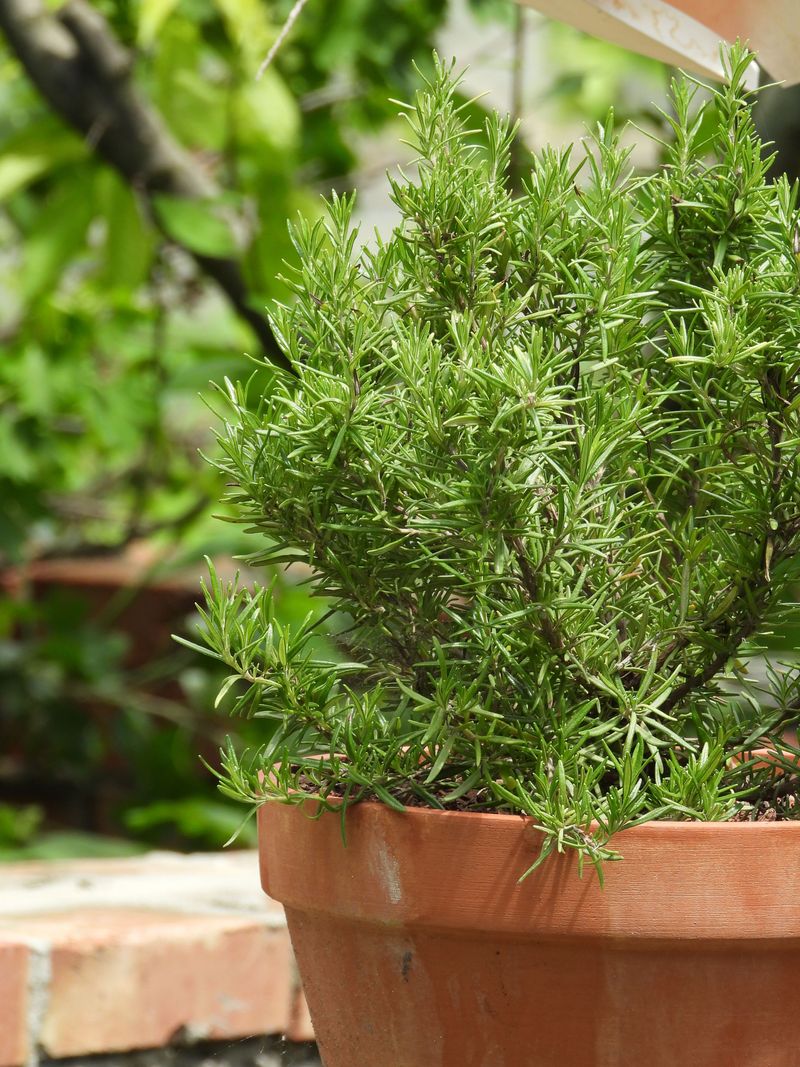
Rosemary needs full sun to perform at its best. Give it six to eight hours of direct light daily and it will reward you with vigorous, fragrant growth.
August porches in Connecticut are sun-drenched and glorious. That abundance of late summer light is exactly what newly planted rosemary needs to thrive from day one.
South and west-facing porches are the jackpot. Those orientations capture the strongest afternoon rays, which rosemary absorbs efficiently to fuel lush, aromatic foliage.
If your porch leans more east-facing, do not worry. Morning sun still works, though growth may be slightly slower and you will want to supplement with reflected light when possible.
Avoid deep shade at all costs. Rosemary planted in low light grows leggy, pale, and weak. It loses both its beautiful shape and much of its signature scent.
One trick for shadier porches is using white or light-colored walls nearby. Reflected light from pale surfaces can boost the total sun exposure your plant receives each day.
Rotate your container every two weeks so all sides of the plant get equal sun exposure. This keeps growth balanced and prevents the plant from leaning awkwardly toward the light.
August days are long and generous. Planting now means your rosemary gets maximum light hours before the shorter days of October begin cutting into its daily sun quota.
Sun plus rosemary equals a porch that practically glows. That combination works especially well in New England conditions.
5. Pest-Repelling Scent Keeps Bugs Away

Nobody wants to sit on their porch dealing with heavy mosquito activity. August in Connecticut means peak bug season, and rosemary is a natural, fragrant defense.
The strong aromatic oils in rosemary confuse and repel a surprising range of insects. Mosquitoes, cabbage moths, and aphids all tend to steer clear of heavily scented herbs.
Rosemary’s natural camphor and cineole compounds are known to help deter common garden pests.
Placing rosemary near seating areas on your porch creates a subtle aromatic barrier. Bugs pick up on the scent and often choose a different landing zone entirely.
You can boost the effect by gently brushing the leaves every evening before sitting outside. That releases a fresh burst of oils right when you need protection most.
Rosemary also protects neighboring plants in container gardens. Pairing it with tomatoes, peppers, or basil in a porch planter helps shield those more vulnerable plants from damage.
Unlike chemical sprays, rosemary does not leave residue on your skin or furniture. Its pest-repelling power is completely passive, working quietly in the background all season long.
August is when bugs are boldest and most abundant. Planting rosemary now means your defense is already rooted and active before peak bug season arrives.
A bug-free porch is a porch you actually use. Rosemary makes that happen without a single aerosol can in sight.
6. Container-Friendly Roots Adapt To Pots

Rosemary is one of the most container-adaptable herbs you can grow. Its roots are compact, efficient, and perfectly comfortable living in a pot for years at a time.
That adaptability makes it ideal for porch gardens where in-ground planting is not an option. You do not need a yard, a raised bed, or even much soil to succeed.
Choose a pot that is at least 12 inches wide and deep. Rosemary roots need room to spread, and a cramped container will stunt growth and reduce fragrance output.
Terra cotta pots are the gold standard for rosemary containers. The porous clay allows excess moisture to evaporate through the walls, which mimics the well-drained soil of its native habitat.
August is an excellent month to pot up rosemary because warm soil temperatures speed up root establishment. Your plant will settle into its new home faster than it would in spring or fall.
Use a premium potting mix blended with coarse perlite or horticultural grit. That combination drains quickly and stays loose enough for roots to push through without resistance.
Add a layer of gravel at the bottom of your pot for extra drainage insurance. This simple step prevents water from pooling around the root zone during heavy August rains.
Container rosemary should be moved indoors before temperatures drop below freezing, since potted roots are more vulnerable to cold than roots in the ground.
Moving it indoors before frost sets in gives Connecticut homeowners a way to keep this herb thriving year-round. A well-potted rosemary plant can become a long-term porch fixture.
7. Year-Round Greenery Adds Curb Appeal

Most porch plants fade or decline by fall, often looking great in July but bare by October, leaving your entryway empty and lifeless all winter.
Rosemary stays green through every season. As an evergreen shrub, it holds its needle-like foliage through every season, giving your porch consistent color when everything else has gone dormant.
In Connecticut winters, a green plant by the front door is genuinely rare. That rarity makes your home stand out in a neighborhood full of bare pots and empty window boxes.
Planting rosemary this August gives it a full growing season to establish before winter arrives. Strong August roots translate directly into a plant that holds up beautifully through cold snaps.
The silvery-green foliage looks especially striking against snow. Neighbors will notice the contrast between your lush, fragrant porch plant and the white winter landscape surrounding it.
Rosemary also blooms in late winter and early spring with tiny blue or purple flowers. Those blossoms add a pop of unexpected color right when everyone is desperate for signs of life.
Curb appeal is not just a summer game. Buyers, guests, and passersby form opinions about your home year-round, and a thriving rosemary plant signals care and attention in every season.
Pair your rosemary with a simple seasonal wreath or a string of warm lights. The combination creates an inviting, polished entryway that works from August straight through February.
Evergreen plants are an investment in your home’s first impression. Rosemary pays that investment back with interest, every single month of the year.
8. Culinary Use Puts Herbs Within Reach

Fresh rosemary from your own porch hits completely different than the dried stuff in a grocery store jar. The flavor is brighter, more complex, and genuinely alive.
Having a rosemary plant within arm’s reach changes how you cook. Suddenly, roasted potatoes get a handful of fresh sprigs. Grilled chicken gets a rosemary-infused olive oil drizzle.
August is peak grilling season in Connecticut. Planting rosemary now means you have fresh, home-grown sprigs ready to toss onto the grill or into marinades all month long.
Harvest by snipping the top two to three inches of any stem. That gentle pruning actually encourages the plant to grow fuller and bushier over time.
Never take more than one-third of the plant at a single harvest. Keeping most of the foliage intact ensures the plant stays healthy and productive through fall.
Rosemary pairs beautifully with garlic, lemon, olive oil, lamb, and root vegetables. It is one of the most versatile culinary herbs a home cook can grow on a porch.
You can also infuse rosemary into simple syrups for cocktails or lemonade. A sprig in a glass of sparkling water makes an elegant, herb-forward drink that guests always notice.
Drying excess rosemary is simple and rewarding. Bundle a few stems together and hang them upside down in a warm, airy spot for two weeks until crisp.
Planting porch rosemary this August is one of the most satisfying decisions a Connecticut homeowner can make. Your kitchen, your guests, and your porch will all thank you for it.