Connecticut Homeowners Are Reconsidering Japanese Barberry This Summer
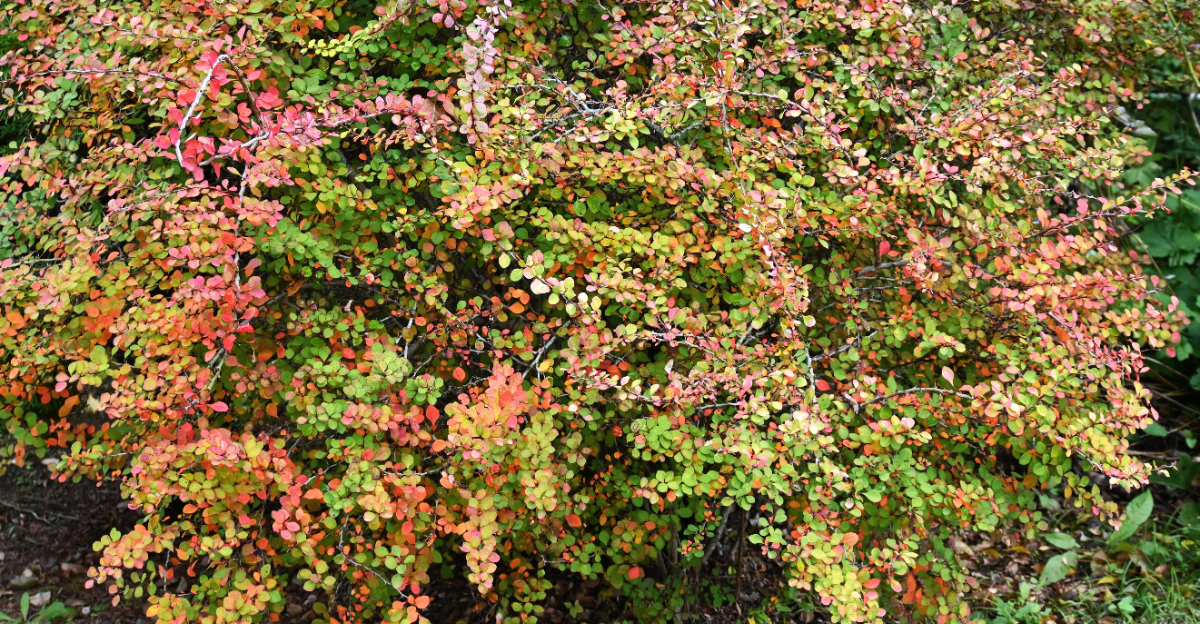
Japanese barberry has quietly taken over more than garden borders across Connecticut. This compact shrub with reddish leaves once seemed like the perfect low-maintenance choice for foundation plantings and hedges.
Homeowners planted it by the thousands, drawn to its color and its refusal to fuss. But barberry doesn’t stay where it’s planted. Birds scatter its berries into forests, where dense thickets take root and choke out native plants.
Those same thickets trap humidity at ground level, creating a microclimate ticks find irresistible. Researchers have linked barberry stands to higher tick populations and greater rates of tick-borne illness in nearby communities.
Connecticut backyards often border woodlands, which makes this personal. That barberry hedge might be doing more than blocking a view from the street. It could be inviting trouble much closer to home.
The Hidden Health Risk Behind This Popular Landscaping Shrub
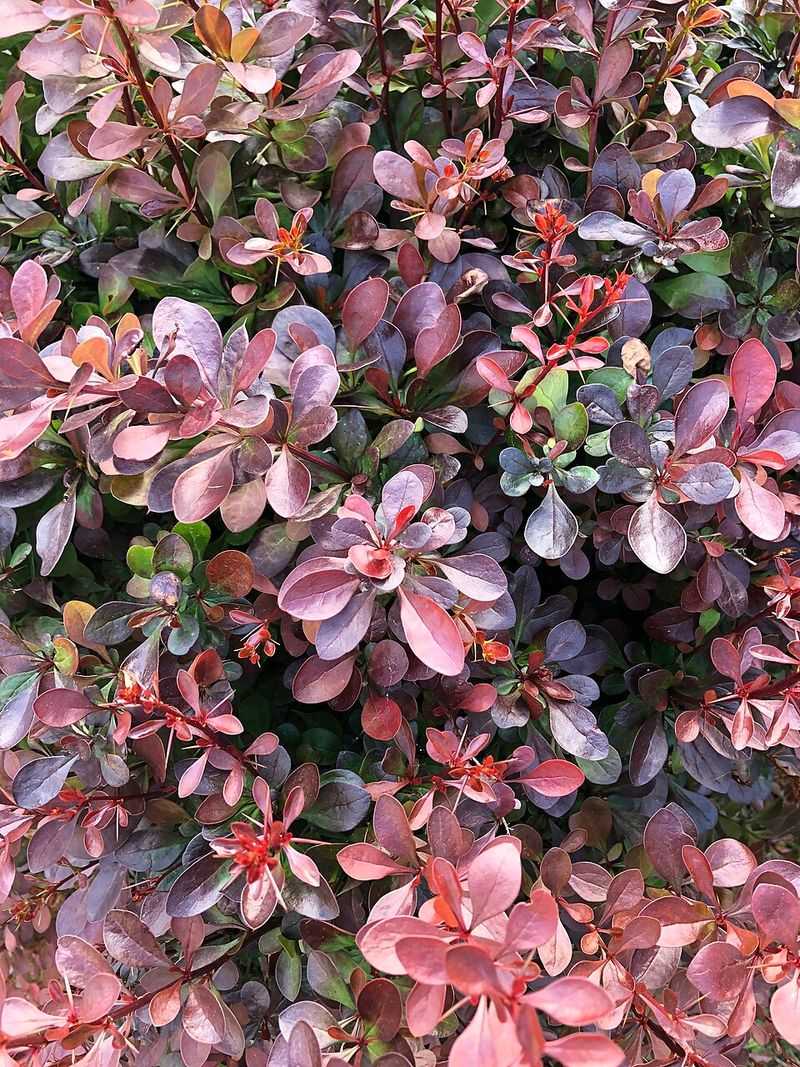
Nobody plants a shrub expecting it to become a health hazard. Yet Japanese barberry has done exactly that in neighborhoods across the Northeast.
Research from the Connecticut Agricultural Experiment Station found something alarming. Yards with barberry had significantly higher tick populations than yards without it.
Blacklegged ticks, the ones that spread Lyme disease, love barberry thickets. The dense, low branches create a humid microclimate that ticks absolutely thrive in.
Connecticut has long ranked among the top ten states for reported Lyme disease cases, even as its case rate has leveled off in recent years.
Making the connection between your landscaping and your health risk is not a stretch. Scientists have already done that work for you.
Barberry creates shade at ground level, keeping moisture locked in. That moisture is exactly what ticks need to survive and reproduce.
Even homeowners who avoid their barberry patches aren’t fully in the clear. Ticks often hitch rides on mice, deer, and pets, ending up on lawns and patios far from the original thicket.
The shrub was never designed with public health in mind. It was imported for its looks, and its consequences were not considered.
Pulling it out or replacing it could genuinely lower your family’s exposure to tick-borne illness. That is a powerful reason to act this summer.
How To Identify Japanese Barberry In Your Yard
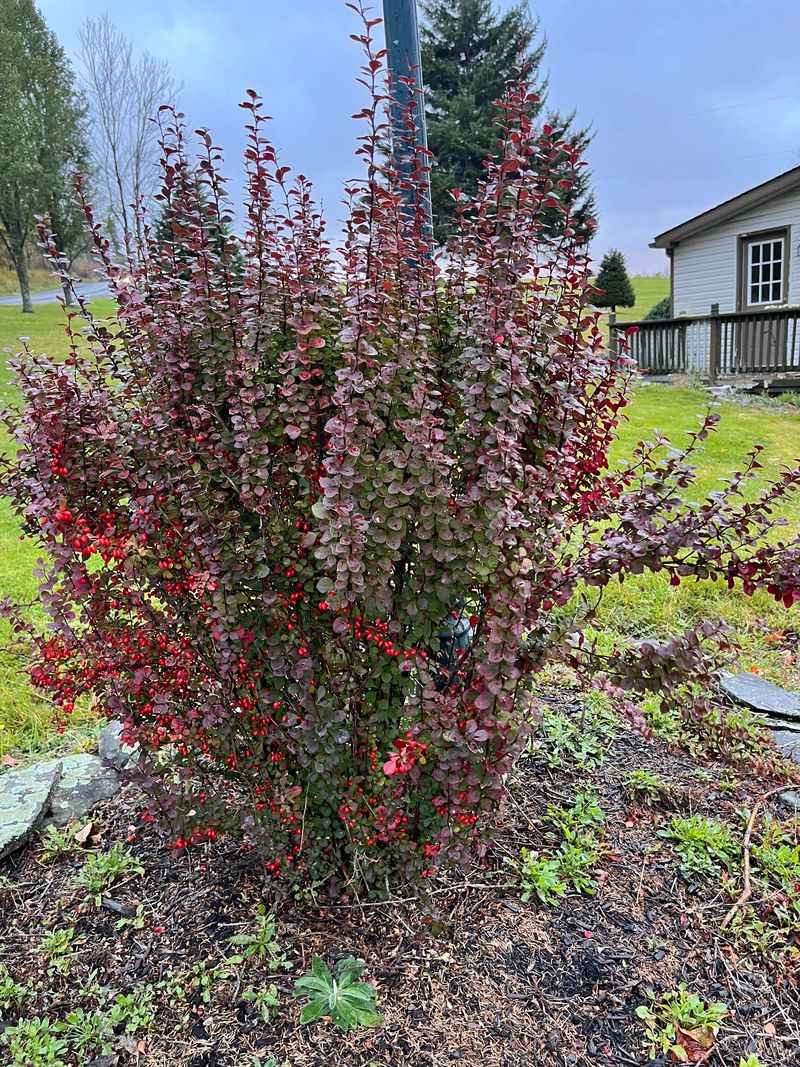
Spotting Japanese barberry is easier than most people expect. Once you know what to look for, it jumps out at you everywhere.
The shrub grows in a mounding shape, usually two to four feet tall. Its branches are covered in sharp single thorns that make handling it unpleasant.
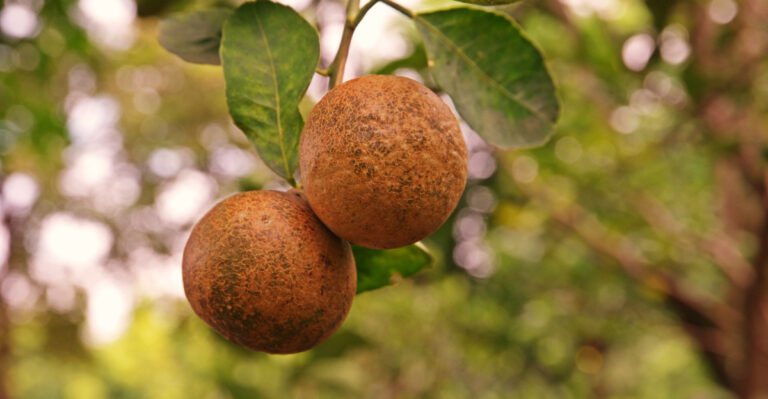
Leaves are small and oval, often with a reddish or purple tint in popular ornamental varieties. In fall, the plant produces bright red oval berries that birds find irresistible.
Snap a branch and you will see something distinctive. The inner wood is bright yellow, which separates barberry from most other common shrubs.
American barberry, a native relative, is sometimes confused with the Japanese species. Look closely though: American barberry has toothed leaves and clustered spines, not the single thorns and yellow inner wood of its invasive cousin.
Your Connecticut Garden Changes Every Week. Your Plan Should Too.
Gardening in Connecticut changes quickly throughout the season. Every Friday you’ll receive a simple weekly plan showing exactly what to plant, prune, fertilize, harvest, and protect so you never miss the right timing.
Barberry tends to spread outward from original plantings. You might find young seedlings popping up near fence lines, garden edges, or wooded borders.
Birds eat the berries and deposit seeds far from the parent plant. This is how barberry moves from yards into wild areas so efficiently.
If you find a cluster of low, thorny shrubs near a woodland edge, barberry is a strong candidate. Check for the yellow wood to confirm.
Knowing what you have growing on your property is the first step toward making an informed choice. Identification puts the power back in your hands.
Why This Shrub Became A Tick Magnet
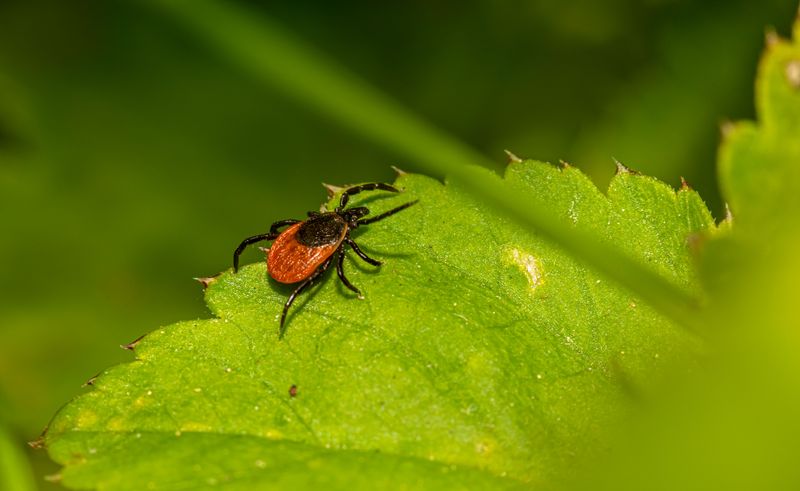
Ticks are picky about where they hang out, and barberry checks every box on their wish list. Shade, moisture, and dense cover are the trifecta.
Research from the Connecticut Agricultural Experiment Station found tick populations several times higher in barberry thickets than in areas without the shrub.
The shrub grows so densely at ground level that sunlight barely penetrates. Soil underneath stays damp even on dry summer days.
Ticks dehydrate quickly in open, sunny spaces. Barberry acts like a little hotel that keeps them comfortable and alive far longer than they would survive otherwise.
White-tailed deer also play a role. They graze around barberry because the thorns protect it, and deer carry ticks from yard to yard.
Small mammals like mice and chipmunks love hiding in barberry thickets. These critters are primary hosts for the blacklegged tick larvae that eventually bite humans.
The relationship between barberry, small mammals, and ticks creates a feedback loop. More barberry means more habitat, which means more ticks finding more hosts.
Researchers at the University of Connecticut have studied this connection for over a decade. Their findings consistently point to barberry as a contributing factor in local tick abundance.
Swapping out barberry for a less hospitable plant can genuinely disrupt that cycle. Your yard can stop being part of the problem.
The Broader Impact On Connecticut’s Native Landscape
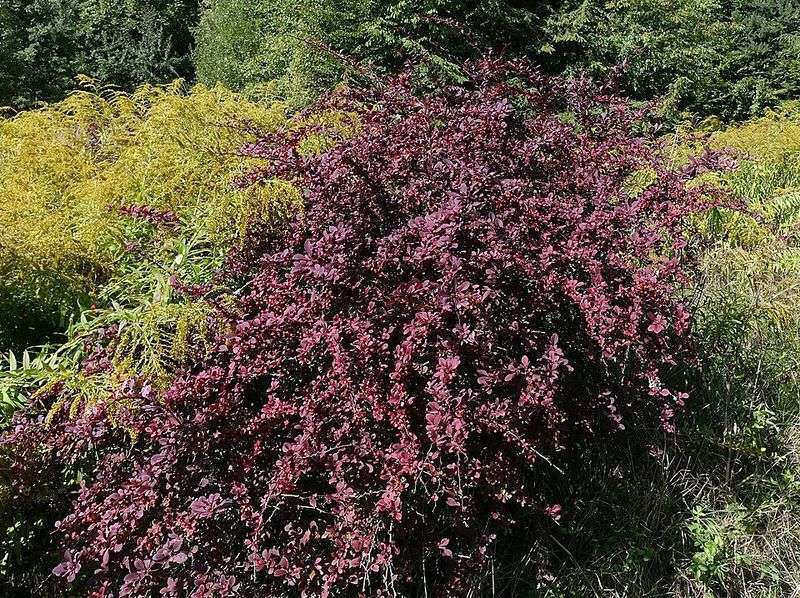
Your backyard does not exist in isolation. What grows there eventually affects the forests, wetlands, and meadows just beyond your fence line.
Japanese barberry is classified as an invasive species in Connecticut. It outcompetes native plants by leafing out earlier in spring and holding its leaves later into fall.
That extended growing season gives barberry a real edge, one that native plants often struggle to match year after year.
When barberry takes over a forest understory, native wildflowers like trillium and bloodroot disappear. These plants support insects, birds, and small animals that depend on them.
Loss of native understory plants creates a ripple effect through the food web. Fewer insects mean fewer birds, and fewer birds mean ecosystems start to unravel quietly.
Barberry also changes soil chemistry. It raises soil pH in ways that favor its own seedlings over native competitors, essentially rewriting the rules for what can grow nearby.
Barberry has spread well beyond backyards into state parks, preserves, and wildlife corridors across the region.
Homeowners often do not realize their garden plants are the source of these invasions. Seeds travel far, carried by birds that eat the berries and fly into wild spaces.
Choosing what you plant is a conservation act. The decision you make in your yard echoes far beyond your property line.
Removing Japanese Barberry From Your Property
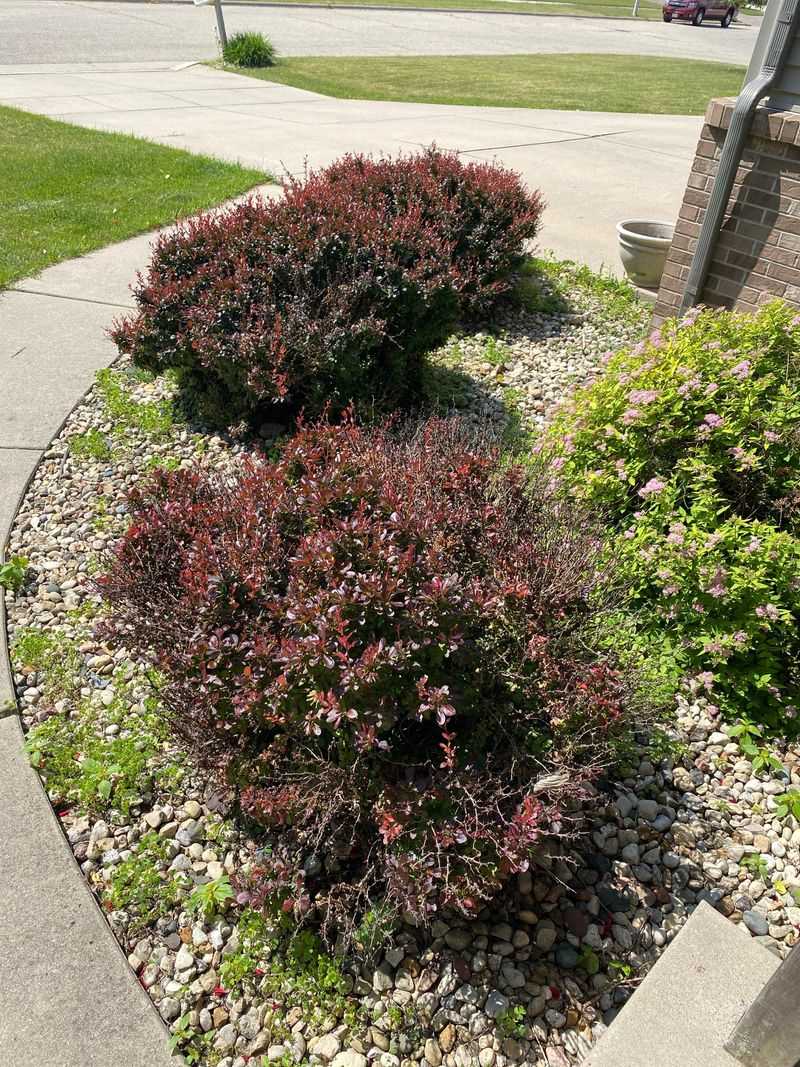
Getting rid of barberry is not glamorous work. Those thorns are no joke, and the roots are stubborn enough to test your patience.
Protective gear is non-negotiable before you start. Thick leather gloves, long sleeves, and eye protection will save you from a very uncomfortable afternoon.
Small plants can sometimes be pulled by hand after a good rain softens the soil. Larger, established shrubs almost always require loppers, a pruning saw, or a mattock.
Cut the shrub down to the base first, then work on the root ball. Leaving roots in the ground can lead to regrowth, so be thorough.
Bag all plant material, including berries, before disposing of it. Do not compost barberry because seeds can survive and sprout in finished compost.
Check your local municipality for guidance on disposal. Some towns in the state have specific rules about invasive plant material in yard waste.
For very large infestations, professional removal services are worth considering. Some landscape companies now specialize in invasive species management across the Northeast.
After removal, the bare soil needs attention quickly. Exposed ground is an open invitation for new invasives to move in before natives get established.
Planting a native ground cover or shrub immediately after removal is smart strategy. Speed matters when you are trying to reclaim a space from an aggressive colonizer.
Native Alternatives Worth Planting Instead
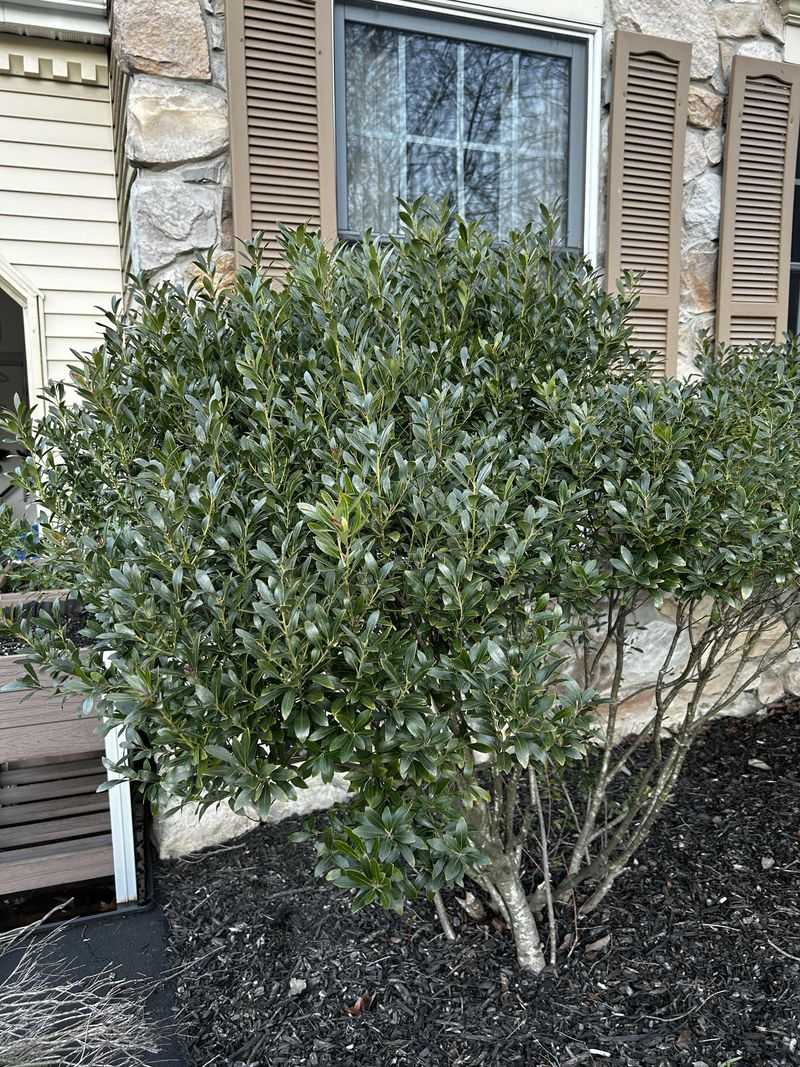
Connecticut has no shortage of beautiful native shrubs ready to fill the gap barberry leaves behind. Some are showier than barberry ever was.
Spicebush is a top recommendation from native plant experts across the region. It offers golden fall color, fragrant leaves, and red berries that migratory birds absolutely seek out.
Inkberry holly is another excellent option for shady or wet spots. It stays evergreen through winter and provides berries that songbirds rely on during cold months.
Native viburnums are among the most wildlife-friendly shrubs you can plant. Arrowwood viburnum, in particular, handles sun or shade and produces clusters of blue-black fruit in late summer.
Buttonbush works beautifully near water features or low-lying areas. Its unusual spherical white flowers attract pollinators and make it a genuine conversation piece in any garden.
Sweetshrub, also called Carolina allspice, brings fragrance and burgundy blooms to shadier corners. Gardeners who discover it tend to wish they had planted it years sooner.
Native azaleas offer the pop of color that many homeowners miss from ornamental shrubs. Pinxterbloom azalea blooms in pink clouds each spring and supports native bees.
These plants evolved alongside local insects, birds, and soil organisms. They do not need babysitting once established, and they give back far more than they take.
Replacing barberry with natives is not a sacrifice. It is an upgrade that your whole yard will feel for years to come.