Native Georgia Shrubs That Handle Both Drought And Downpours Better Than Boxwood
Georgia weather can make a shrub border feel like it is being tested from opposite directions.
One stretch brings hard ground, wilted lawns, and weeks without meaningful rain. Then summer storms arrive and leave clay soil holding water around roots for days.
Boxwood does not always enjoy that swing.
Several Georgia-native shrubs are better equipped for landscapes where moisture changes quickly, especially once their roots are established and the plant is matched to the right site.
Some tolerate both dry spells and temporary wet periods. Others lean strongly toward damp ground but recover well when summer moisture becomes less dependable.
So which one belongs where?
Start by watching drainage after a storm, then notice which beds dry first during a hot week. Sun exposure, soil acidity, and mature size matter just as much as rainfall.
The goal is not finding one shrub that survives everything.
It is choosing natives whose natural habits already resemble the conditions in your yard, giving the landscape more resilience when Georgia weather changes direction again.
1. Plant Yaupon Holly For Moisture Swings
Some Georgia beds go from dusty to drenched so quickly that a less adaptable shrub barely has time to complain before conditions change again.
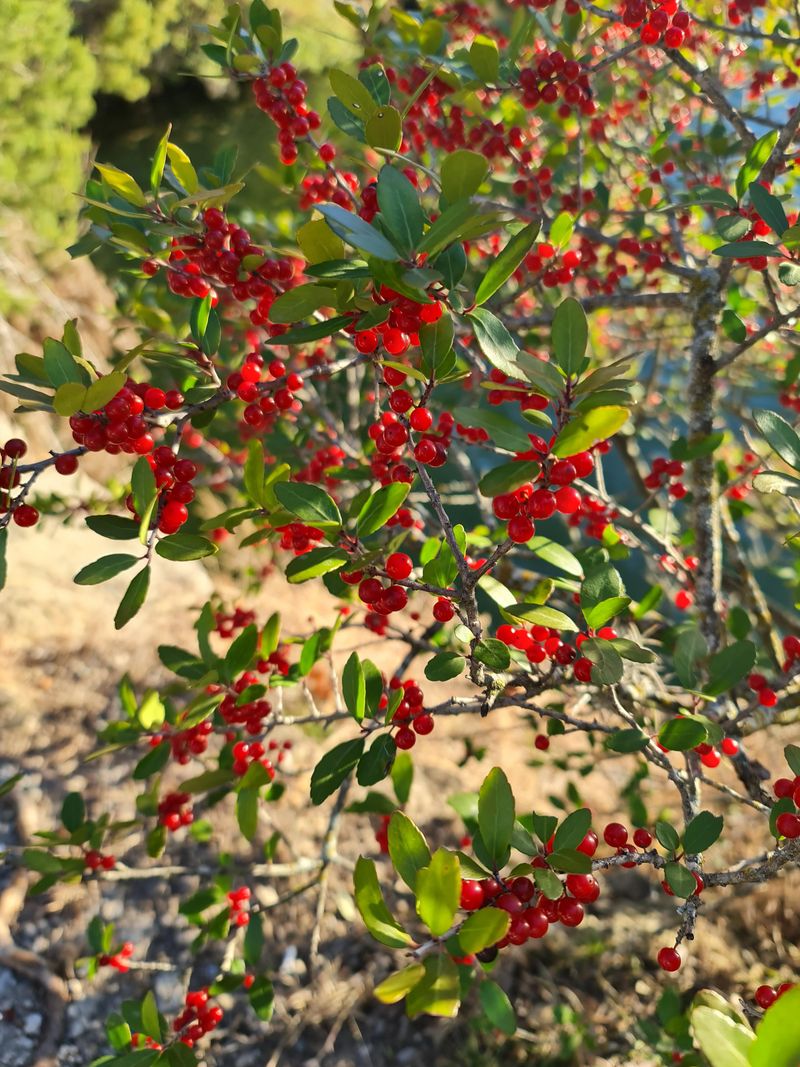
Yaupon holly, Ilex vomitoria, is one of the strongest native choices for that kind of site. Once established, it tolerates dry stretches well, yet it can also handle periodically moist soil without immediately developing the root problems that trouble boxwood.
Evergreen foliage keeps the planting full through winter.
The shrub grows in sun or partial shade and accepts a broad range of soils, from coastal sand to heavier inland ground. It still performs best where excess water eventually drains away. Weeks of standing water call for a wetter-site specialist.
Size deserves attention before planting.
Full-sized yaupon can become a substantial shrub or small tree, while dwarf cultivars stay much lower and work better around foundations or formal borders. Choosing the right form prevents years of unnecessary shearing.
Female plants can produce red or yellow fruit when a male pollinator grows nearby. Birds quickly turn those berries into winter snacks, giving the shrub another job beyond screening.
Yaupon’s biggest strength is flexibility.
It does not demand that Georgia weather pick one personality and stick with it. Give the roots room, establish the plant well, and it can move through ordinary drought and downpour cycles with far less fuss.
2. Use Inkberry In Damp Acidic Ground
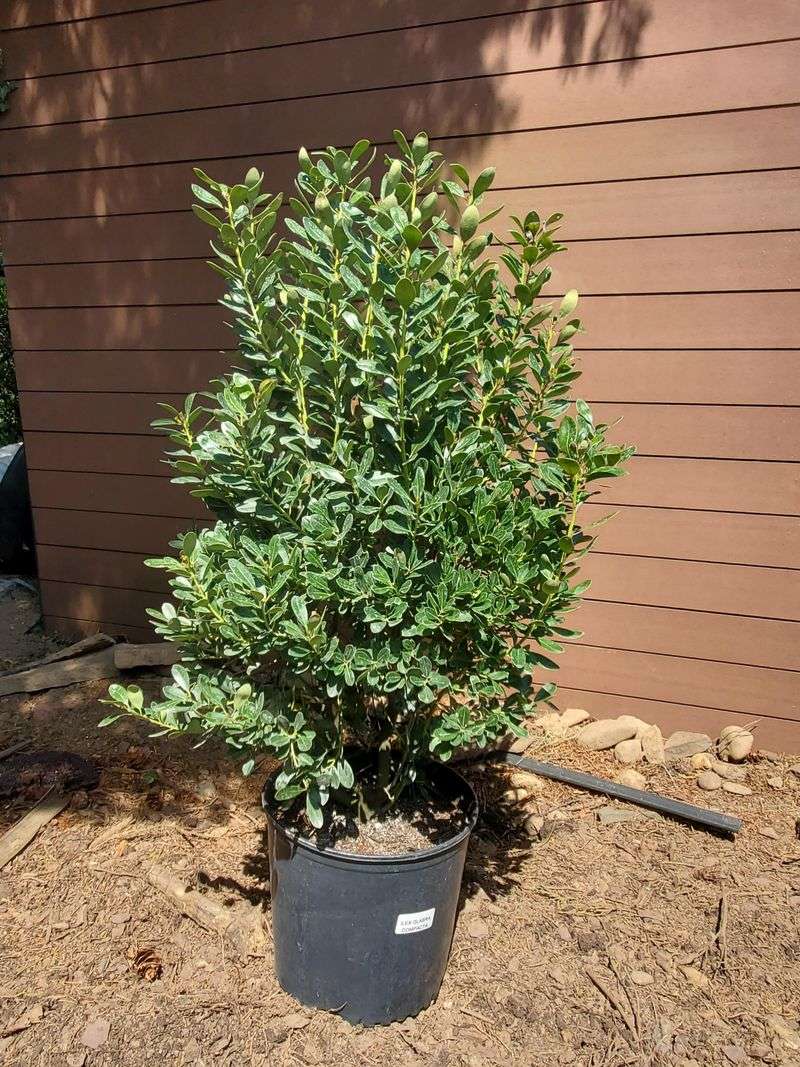
Inkberry holly, Ilex glabra, is useful when the problem leans more toward wet than dry.
This evergreen native naturally occurs in acidic, moisture-retentive habitats, so it handles damp ground better than boxwood and stays especially comfortable in low beds where water drains slowly after a storm.
The dark foliage gives it familiar hedge potential.
Inkberry can form a rounded, multi-stemmed shrub roughly six to eight feet tall and wide, though cultivar size varies.
It also spreads gradually through suckers, which can help fill a broad naturalistic border but may require occasional edge control in a tighter bed.
Your Georgia Garden Changes Every Week. Your Plan Should Too.
Gardening in Georgia changes quickly throughout the season. Every Friday you’ll receive a simple weekly plan showing exactly what to plant, prune, fertilize, harvest, and protect so you never miss the right timing.
Black fruit appears on female plants when compatible pollination is available.
Birds use the berries, while the evergreen branching adds cover through winter.
The important limitation is summer dryness.
Inkberry is not the strongest choice for a blazing south-facing slope that becomes powder-dry for weeks. Established plants can tolerate short dry periods, but consistently parched soil works against their natural preferences.
Acidic soil matters too.
A high-pH bed can lead to pale foliage and weaker performance, so soil conditions deserve attention before planting.
For a Georgia yard with clay, seasonal wetness, or a rain-garden edge that eventually drains, inkberry offers a much better match than forcing boxwood to keep its roots comfortable in damp ground.
Give it moisture without permanent flooding, and it settles into the role nicely.
3. Try Southern Wax Myrtle For Adaptable Screening
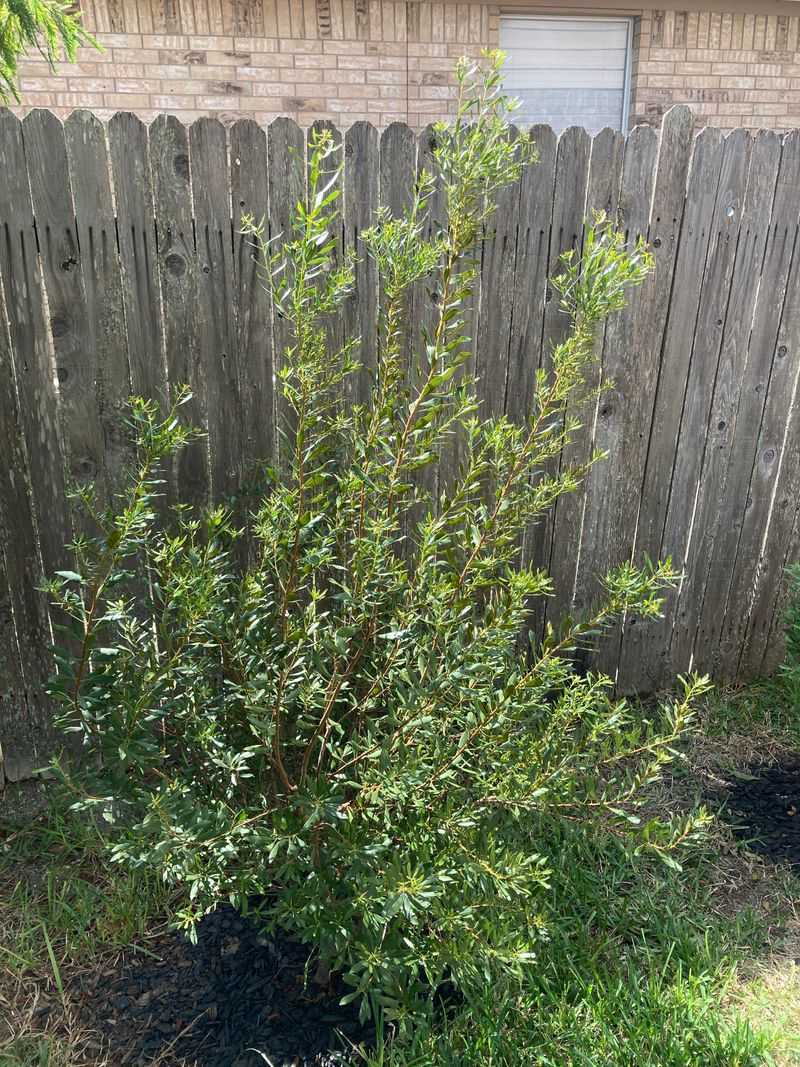
A privacy shrub earns extra points when it can handle a thunderstorm week and still cope once the forecast turns hot and empty.
Southern wax myrtle, Morella cerifera, brings that kind of flexibility to many Georgia landscapes. It tolerates periodically wet soil, yet established plants also handle moderate drought surprisingly well.
Growth can be fast under good conditions.
Wax myrtle often develops into a broad, multi-stemmed shrub that reaches about 10 to 20 feet, sometimes more. That makes it useful for screening property lines, softening fences, or filling the middle layer of a mixed native border.
Sun produces dense growth, though partial shade is acceptable.
The aromatic foliage adds another pleasant detail, especially along paths where leaves get brushed occasionally. Female plants can produce grayish berries that attract winter birds, including yellow-rumped warblers.
Space is the main management issue.
A wax myrtle planted beside a narrow walkway can become a recurring pruning project. Give it enough width from the beginning and the natural form requires much less interference.
Cold can also thin foliage in northern Georgia during harsher winters.
Across warmer parts of the state, it tends to stay more consistently evergreen.
For gardens that experience ordinary summer drought followed by sudden heavy rain, wax myrtle is one of the most balanced choices on the list.
It responds to weather swings more like a seasoned Georgia resident than a shrub waiting for perfect conditions.
4. Plant Virginia Sweetspire In Low Wet Spots
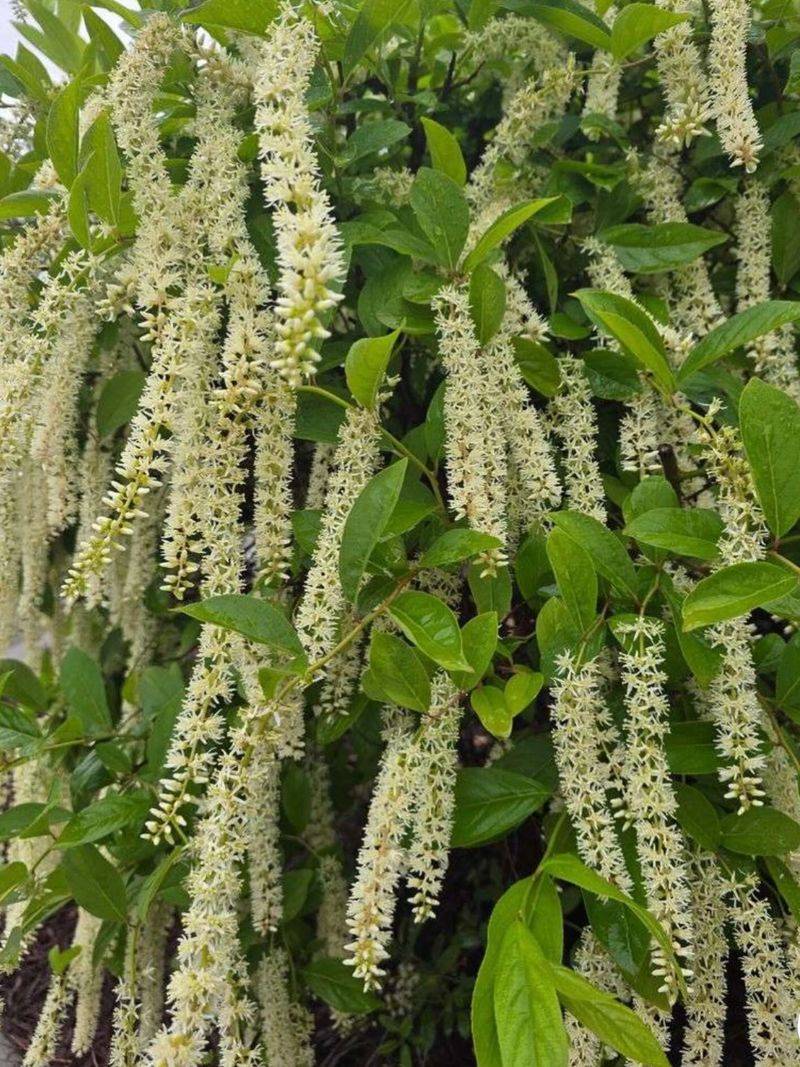
A low spot does not automatically need another drainage ditch.
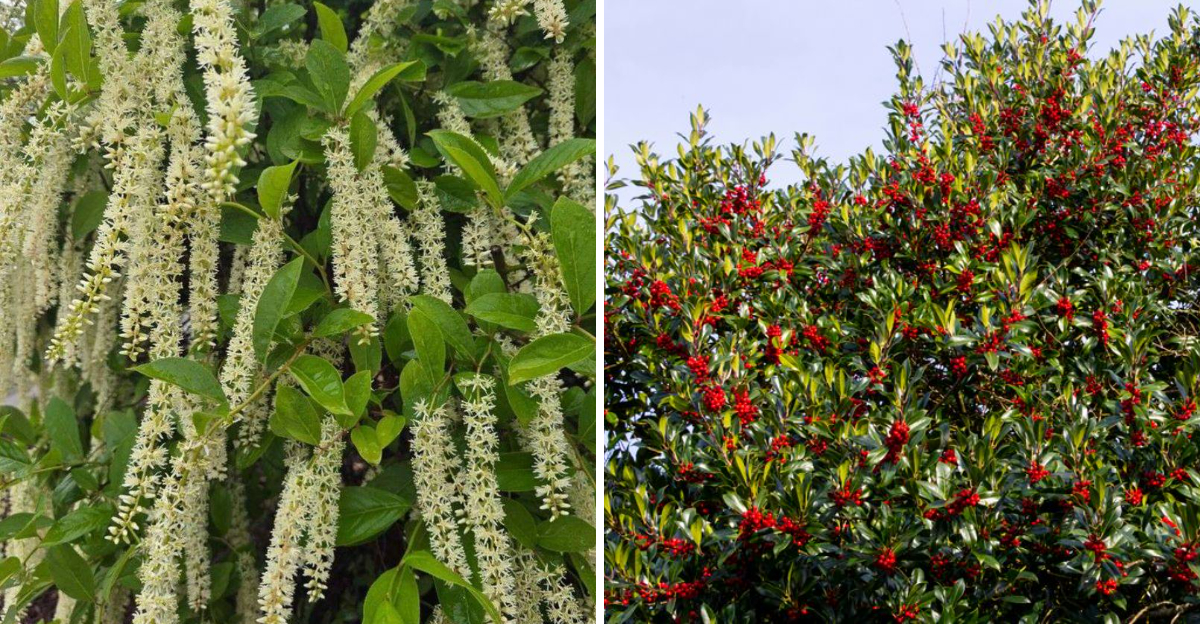
Virginia sweetspire, Itea virginica, naturally grows around stream edges and moist woodland sites, making it a strong native choice for parts of a Georgia yard that receive runoff or stay damp after storms.
It also brings more seasonal interest than a plain evergreen hedge.
Arching white flower clusters appear from late spring into early summer and draw pollinators. Later, the foliage can turn rich red, burgundy, orange, and purple as autumn develops.
The shrub usually reaches around three to five feet tall.
It spreads by suckers over time, which helps stabilize slopes and fill rain-garden edges. Gardeners who prefer a crisp border can remove wandering shoots before the colony expands farther than planned.
Established sweetspire handles short dry stretches better than its wetland reputation suggests.
That does not make it a true drought shrub for hot, sandy ground. Regularly baked soil will leave it struggling.
Its sweet spot is a site that shifts between moist conditions and occasional summer dryness rather than one that stays at either extreme.
Partial shade can help on hotter sites, while more sun often strengthens flowering and fall color when moisture remains dependable.
For a troublesome Georgia depression that goes soggy after storms and merely damp during drier weeks, sweetspire turns an awkward moisture pattern into an advantage.
Boxwood may sulk there. Sweetspire tends to treat the whole situation like home territory.
5. Give Buttonbush The Wettest Ground
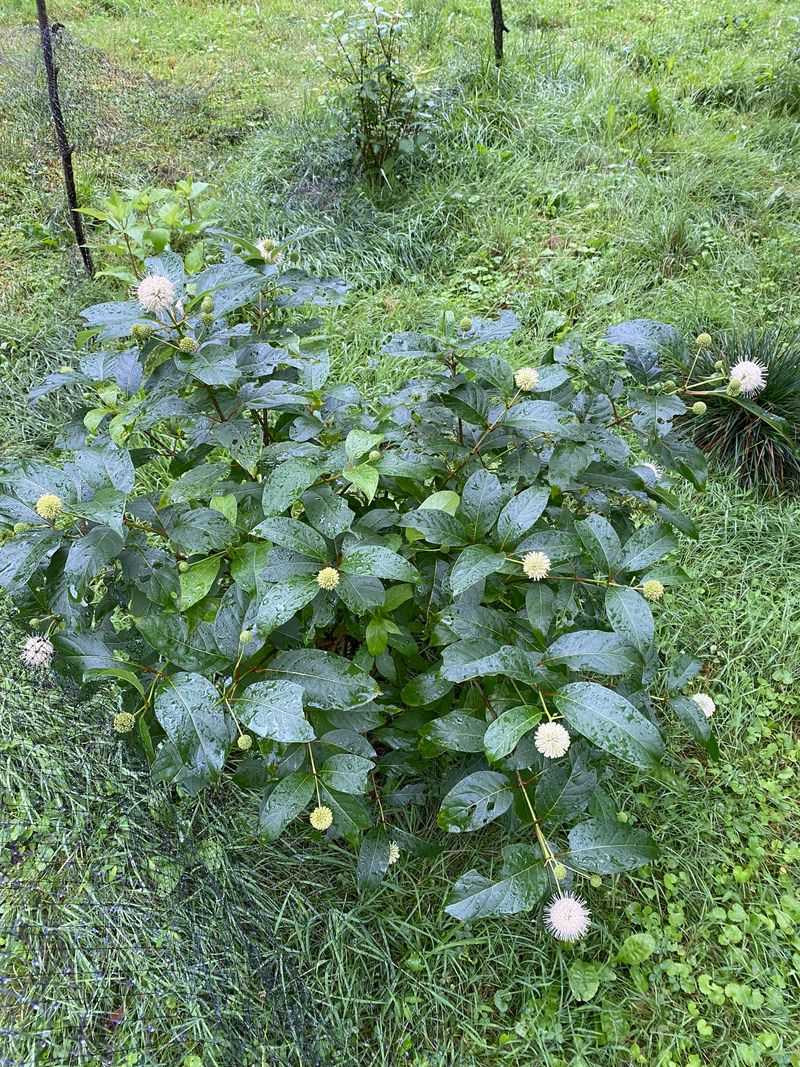
Some parts of a yard do not experience temporary wetness.
They become miniature ponds.
Buttonbush, Cephalanthus occidentalis, is the native shrub for those places. It naturally grows along pond margins, wetlands, stream edges, and flood-prone ground, so repeated saturation is far less troubling to it than it would be to boxwood.
The summer flowers make the plant memorable.
Round white flower heads look like pincushions and attract bees, butterflies, and other pollinators. Seed heads that follow can provide food for birds associated with wet habitats.
Mature plants commonly reach six to twelve feet in both height and spread.
That size gives buttonbush enough presence for the back of a rain garden, a pond edge, or a wide low area where a smaller ornamental would disappear.
This shrub does not belong in the driest bed on the property.
Buttonbush can tolerate some seasonal fluctuation once established, but repeated drought in fast-draining soil goes against its natural habitat.
It is included here because Georgia downpours create places where ordinary shrubs fail, not because it loves every dry spell too.
Full sun usually brings the strongest flowering, though partial shade is workable.
Give it the wet zone and let more drought-tolerant natives handle higher ground.
The lesson is useful: resilience does not always mean one plant tolerates everything. Sometimes it means putting the moisture specialist exactly where the storm water keeps winning.
6. Use Fothergilla For A Smaller Native Shrub
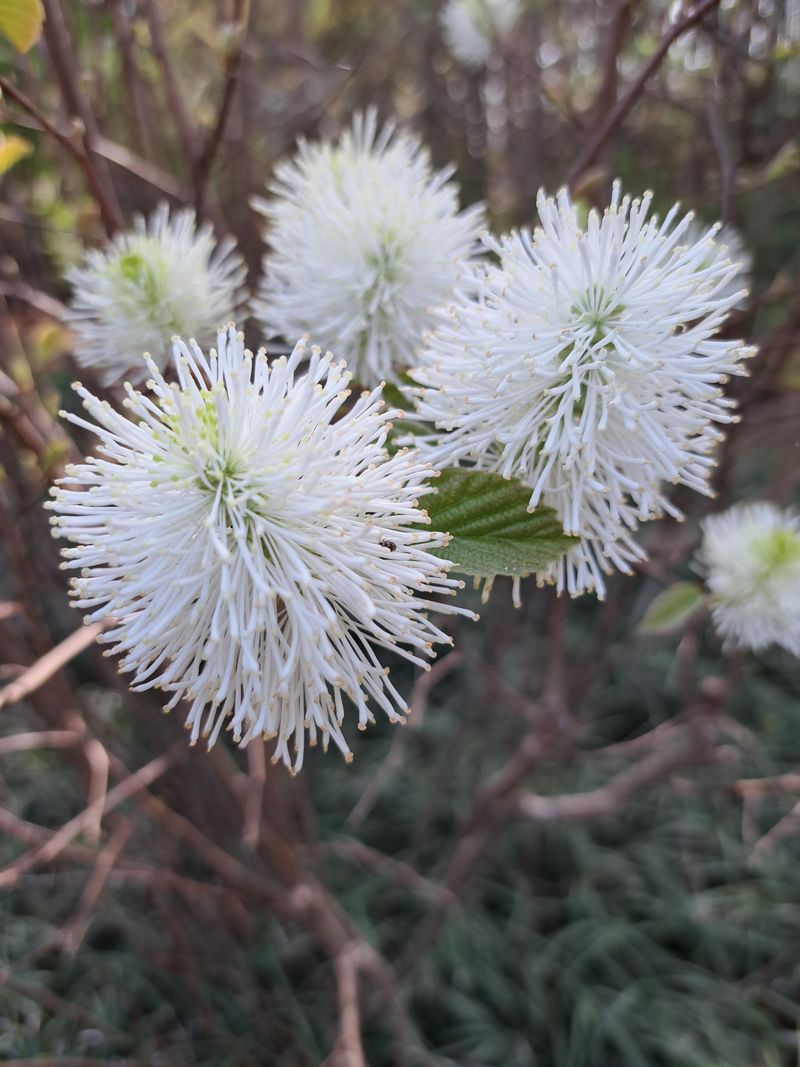
Not every replacement for boxwood needs to become a privacy screen.
Fothergilla offers a smaller native option for Georgia beds where the soil stays moist but drains reasonably well.
Dwarf fothergilla, Fothergilla gardenii, often stays around two to four feet, while larger forms associated with Fothergilla major can reach roughly six to ten feet.
Spring starts the show.
White bottlebrush flowers open around the time foliage emerges, carrying a light sweet fragrance. Autumn brings the second act as leaves shift through yellow, orange, red, and combinations of all three.
That ornamental range gives fothergilla more seasonal personality than a clipped boxwood border.
Moist, acidic, well-drained soil produces the best growth. Established plants can manage occasional dry stretches, especially with mulch and some afternoon protection, but prolonged drought is not their favorite condition.
Flooding is not a strength either.
A low bed that holds standing water after every storm suits sweetspire or buttonbush better. Fothergilla prefers the middle ground, where rainfall can be heavy but the excess does not linger around roots.
Sun to partial shade works, with adequate moisture becoming more important as exposure increases.
Its compact size makes it useful near patios, woodland edges, and mixed foundation beds.
For gardeners wanting resilience without planting a giant shrub, fothergilla offers a gentler scale. It handles Georgia’s changes best when the soil drains before the next weather argument begins.
7. Try Possumhaw Holly Where Moisture Changes
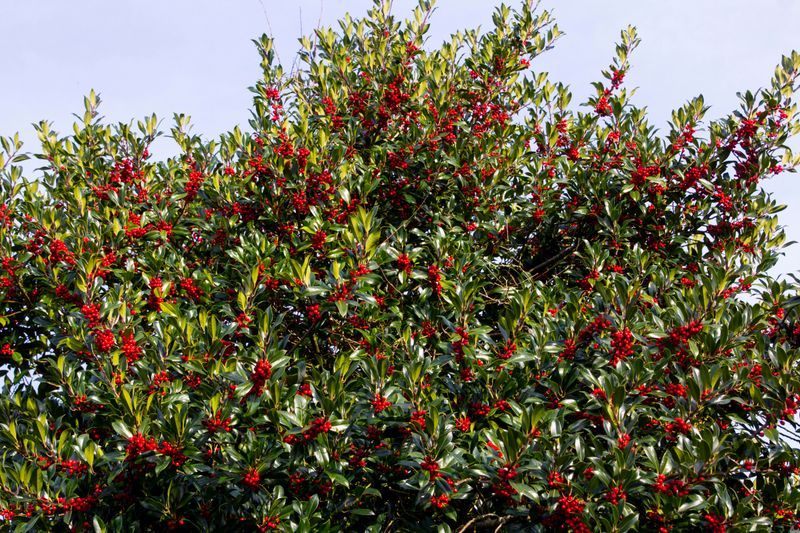
Possumhaw holly, Ilex decidua, looks almost understated during the growing season.
Winter changes that completely.
After the leaves drop, female plants can hold clusters of red, orange, or yellow fruit along bare branches, creating one of the brightest native shrub displays in a Georgia landscape.
The plant also handles changing moisture surprisingly well.
Possumhaw naturally occurs around low woods, stream margins, and other sites that can become periodically wet.
Established shrubs can tolerate drier summer stretches too, which makes them useful where soil moisture changes with the season rather than staying consistently soggy.
Mature size usually ranges from about seven to fifteen feet.
The form is open and multi-stemmed rather than dense and formal, so it works best in a mixed screen, wildlife border, or naturalistic planting instead of a tightly clipped hedge.
Fruit requires planning.
Male and female flowers occur on separate plants, so a compatible male needs to grow nearby for female plants to produce a strong berry display. Birds quickly appreciate the result once winter food becomes scarcer.
Possumhaw still benefits from reasonable drainage and establishment watering.
It is not a desert shrub, and prolonged severe drought can stress it.
For a Georgia bed that receives spring moisture, occasional storm saturation, and some summer drying, though, it offers useful flexibility.
Boxwood gives you green geometry. Possumhaw gives you seasonal resilience and a winter branch display that looks like someone decorated the shrub before breakfast.