These Are The Reasons Your Hydrangea Leaves Are Turning Spotty Brown In Illinois
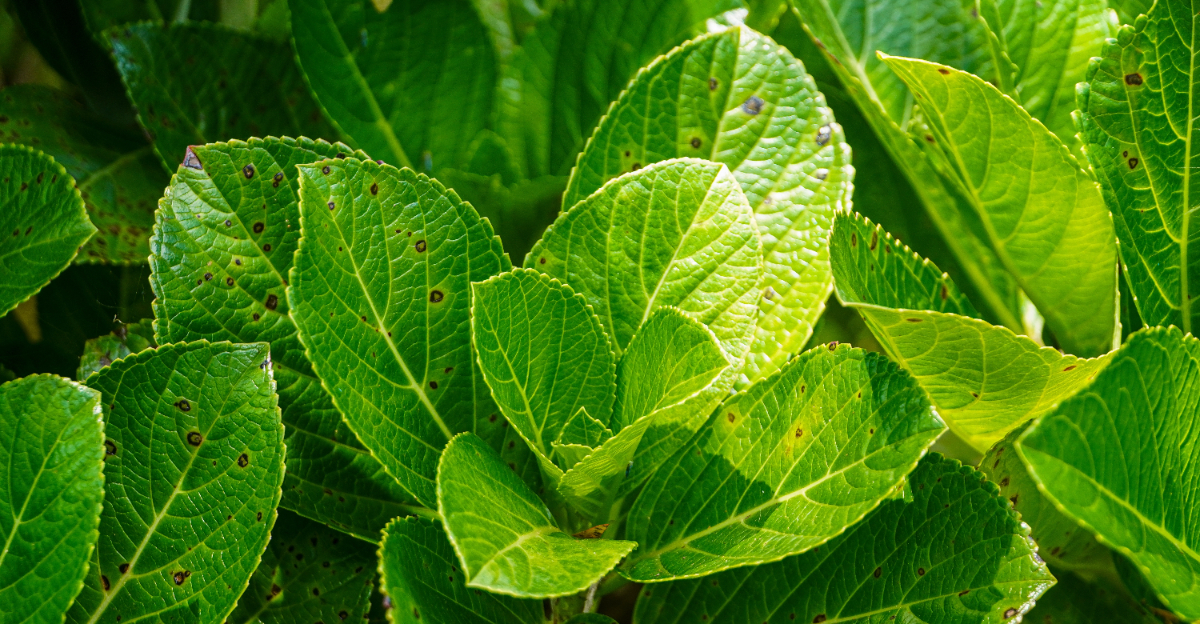
Brown spots don’t appear on hydrangeas by accident. Your leaves were flawless last week, yet now they’re transformed. Gardens across Illinois are facing a sudden wave of fungal outbreaks.
Humidity traps moisture against foliage, creating breeding grounds for spores. Heat accelerates the change, turning small blemishes into full infections overnight. Nobody warned you that thriving plants could weaken so fast.
Fungi thrive quietly, spreading before symptoms ever show themselves. Summers here deliver exactly the conditions these pathogens favor across Illinois. Watching your hydrangea struggle feels unsettling, almost personal.
Something invisible spreads beneath leaves before you notice. Staying calm helps, but understanding helps far more. Every spot tells a story about airflow, watering habits, and timing.
Diagnosing the cause changes everything about your recovery plan. Ignoring it guarantees worse outcomes as the season continues.
Answers exist, and they’re more specific than you think. Keep going, because your hydrangeas can’t fix themselves.
1. Fungal Leaf Spot Thrives In Humidity
Walk outside on a muggy Illinois morning and your hydrangeas are experiencing very warm, humid conditions. Fungal leaf spot spreads readily in that kind of weather.
The fungus that causes spotty brown patches on hydrangea leaves needs two things to spread fast: warmth and moisture. Illinois summers deliver both in abundance, especially from late June through August.
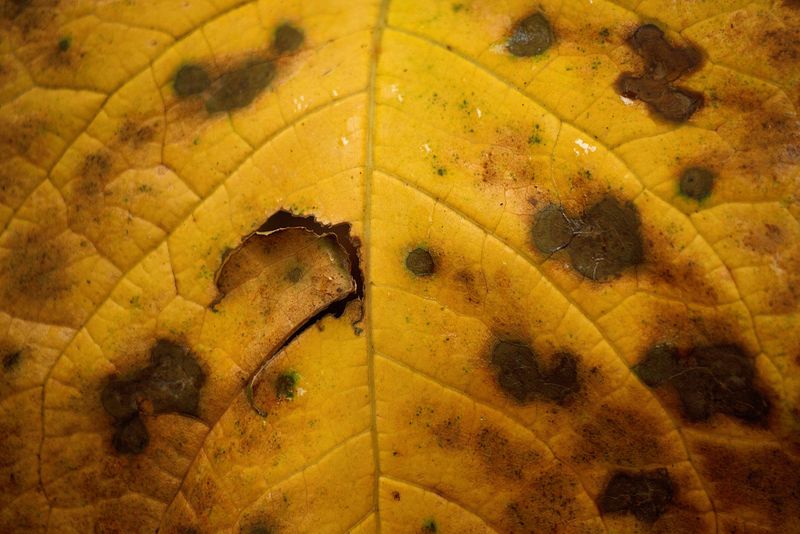
Leaf spot fungi work by landing on a wet leaf surface and sending tiny threads into the leaf tissue. Once inside, they start breaking down the cells, which creates those telltale brown circles with darker borders.
The spots usually start small, about the size of a pencil eraser. Over time they grow larger and sometimes merge together into bigger patches of damaged tissue.
Infected leaves often turn yellow around the brown spots before eventually dropping off the plant. This early leaf drop weakens the shrub and reduces its ability to make food through photosynthesis.
Spotty brown hydrangea leaves caused by fungal infection are a manageable problem, not necessarily fatal to the plant. Catching the problem early gives you a real advantage in stopping the spread before it gets out of hand.
A copper-based fungicide applied on a regular schedule during humid stretches can slow fungal activity significantly, always follow the specific product’s label for exact timing.
2. Overhead Watering Spreads Disease Between Leaves
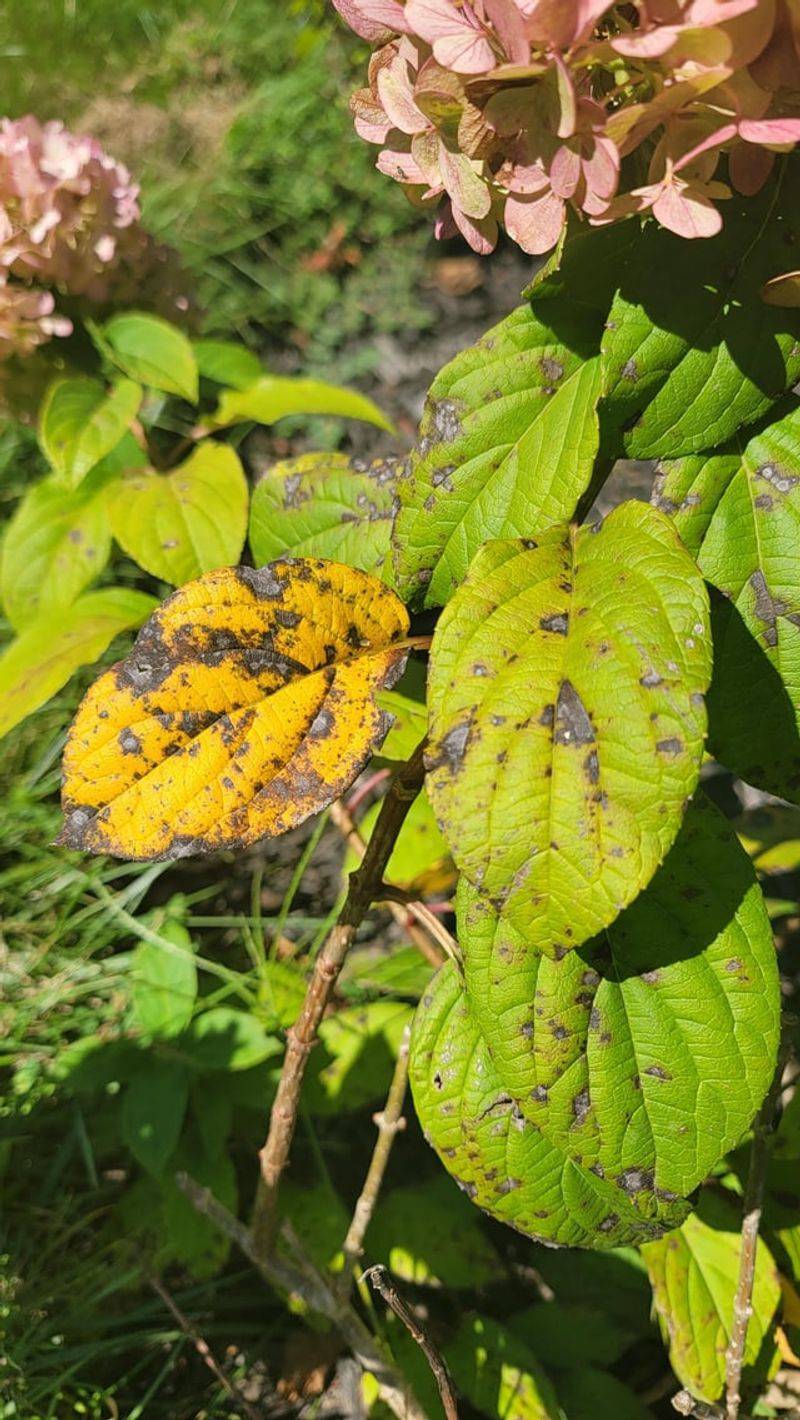
Sprinklers feel satisfying to watch, but they can worsen fungal spread. Water landing on leaves creates the wet surface that fungal spores need to germinate.
When droplets hit an infected leaf and bounce off, they carry spores with them. Those spores land on nearby healthy leaves and the cycle of infection keeps moving through your garden bed.
Overhead irrigation is one of the fastest ways to spread leaf spot disease across an entire hydrangea planting. Even a single infected plant can infect its neighbors within a few watering sessions.
Switching to drip irrigation or a soaker hose changes everything. Water goes directly to the root zone, the leaves stay dry, and fungal spores have nowhere moist to settle and grow.
Your Illinois Garden Changes Every Week. Your Plan Should Too.
Gardening in Illinois changes quickly throughout the season. Every Friday you’ll receive a simple weekly plan showing exactly what to plant, prune, fertilize, harvest, and protect so you never miss the right timing.
If you must water from above, do it in the early morning so the sun has all day to dry the foliage. Wet leaves sitting overnight create favorable conditions for fungal growth.
Hand watering at the base of each plant with a watering wand is another smart option. It takes a little more time, but the payoff is healthier foliage and fewer spotty brown leaves overall.
Spotty brown hydrangea leaves often clear up noticeably just by changing the watering method. Simple habit shifts in the garden can make a surprisingly big difference in plant health.
3. Poor Air Circulation Traps Excess Moisture
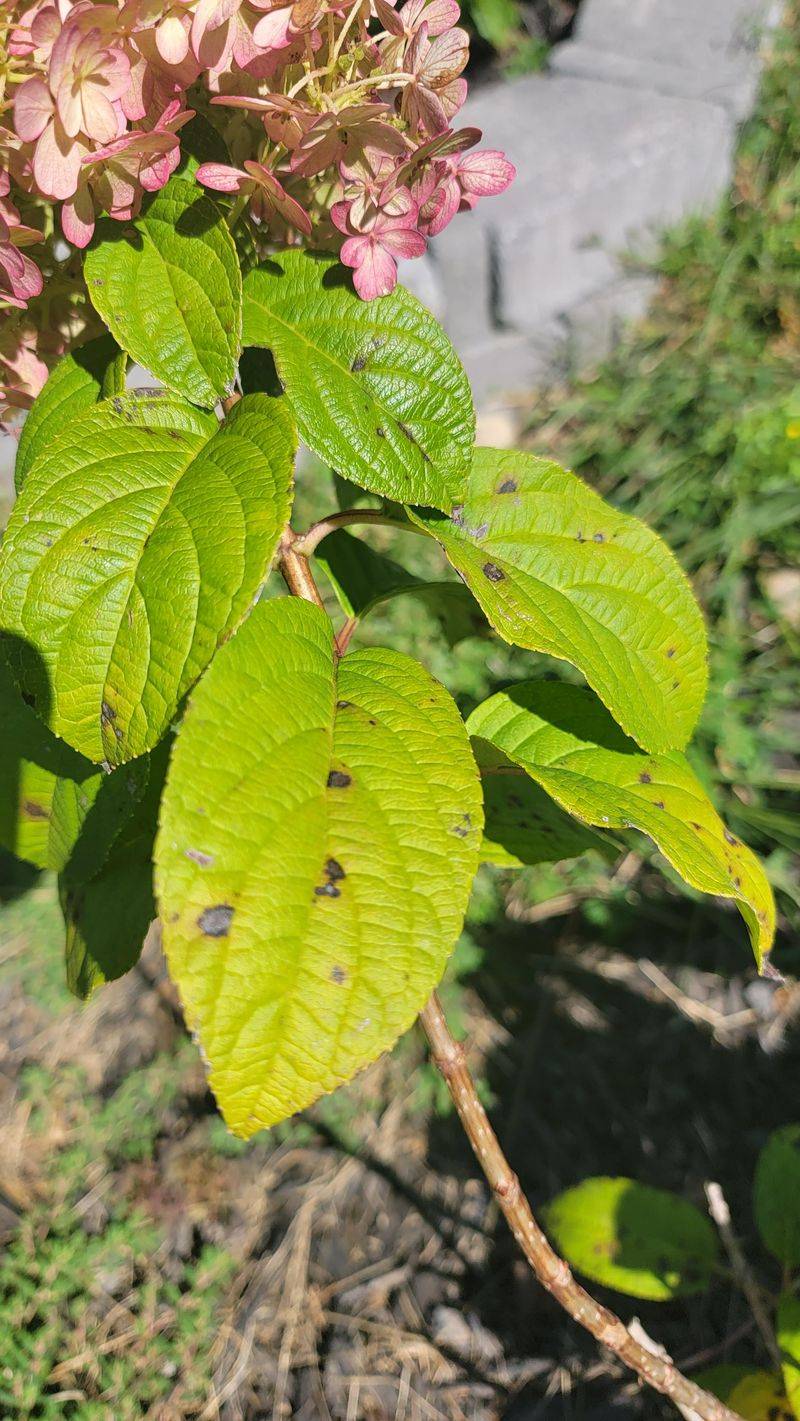
Imagine wearing a rain jacket on a humid day with no breeze. A hydrangea planted too close to other shrubs or structures experiences a similarly stagnant, damp microclimate.
Poor air circulation keeps moisture locked around the foliage long after rain or irrigation stops. Fungal spores need that lingering dampness to take hold and start damaging leaf tissue.
Hydrangeas planted along fences, walls, or in tight corners often show more leaf spot damage than those in open areas. The lack of airflow means leaves stay wet for hours longer than they should.
Pruning is one of the most effective tools for improving circulation inside the plant itself. Removing crossing branches and thinning out dense interior growth lets air move freely through the canopy.
When planting new hydrangeas, spacing matters more than most gardeners realize. Most varieties benefit from several feet of spacing between plants to allow healthy airflow and reduce fungal pressure, though exact spacing depends on the specific cultivar.
Even established plants benefit from strategic pruning done in late winter or early spring. Opening up the center of the shrub allows sunlight and air to reach inner leaves that would otherwise stay damp all day.
Spotty brown hydrangea leaves in poorly ventilated spots are a signal to rethink your garden layout. A few thoughtful changes now can protect your plants for many seasons ahead.
4. Cercospora Fungus Targets Stressed Hydrangeas
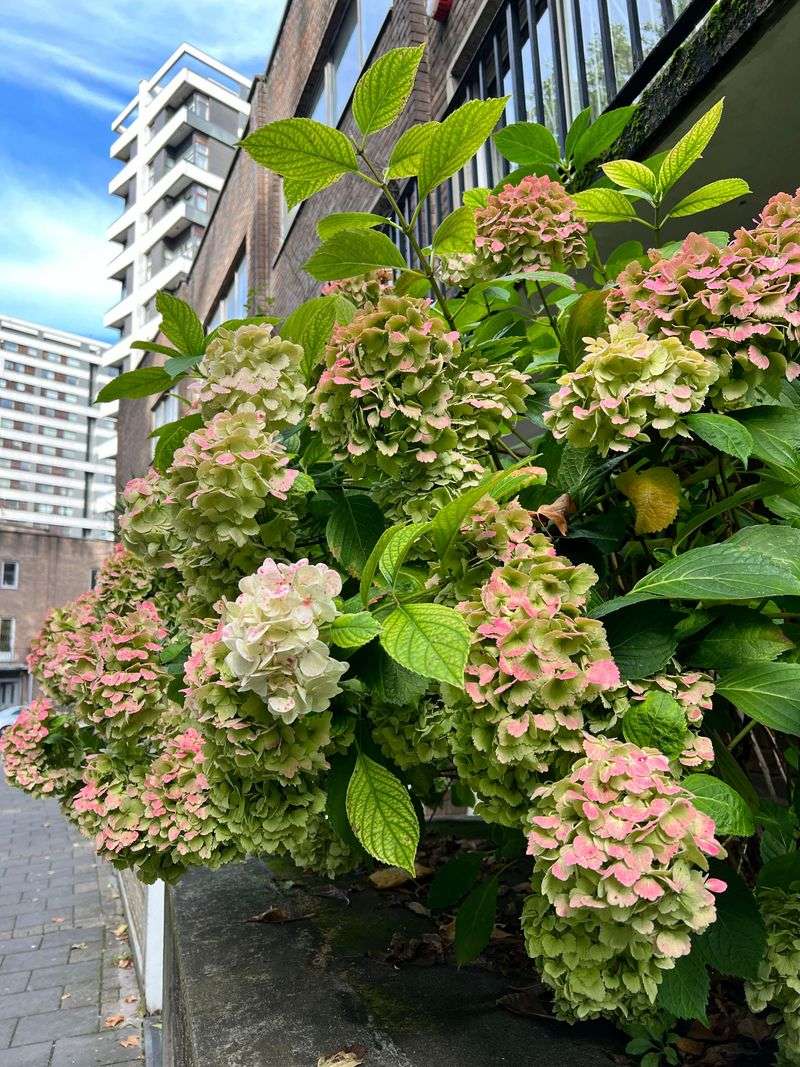
Not all brown spots are created equal, and Cercospora is one fungus that Illinois gardeners should know by name. This particular pathogen creates angular brown spots that often have a distinct purple or tan halo around them.
Cercospora leaf spot tends to hit the lower leaves first, working its way upward as spore counts increase. Plants that are already dealing with drought stress, root problems, or nutrient imbalances tend to get hit hardest.
Stressed plants produce less of the natural compounds that fight off pathogens. Think of it like a person catching a cold when they are run down and exhausted from a tough week.
Keeping hydrangeas well-watered during dry spells is one of the best defenses against Cercospora. A plant with consistent moisture at the roots is far better equipped to resist fungal infection.
Mulching around the base of each shrub helps retain soil moisture and keeps roots cool during hot Illinois summers. A moderate layer of shredded hardwood mulch, generally a couple of inches deep, works well for most hydrangea beds across the Midwest.
Removing infected lower leaves as soon as you spot them slows the upward spread of Cercospora significantly. Bag those leaves and throw them away rather than composting them, since compost piles may not get hot enough to destroy spores.
Spotty brown hydrangea leaves from Cercospora are manageable with consistent care and early action. Healthy, well-fed plants are simply harder for this fungus to affect.
5. Wet Foliage Overnight Invites Infection
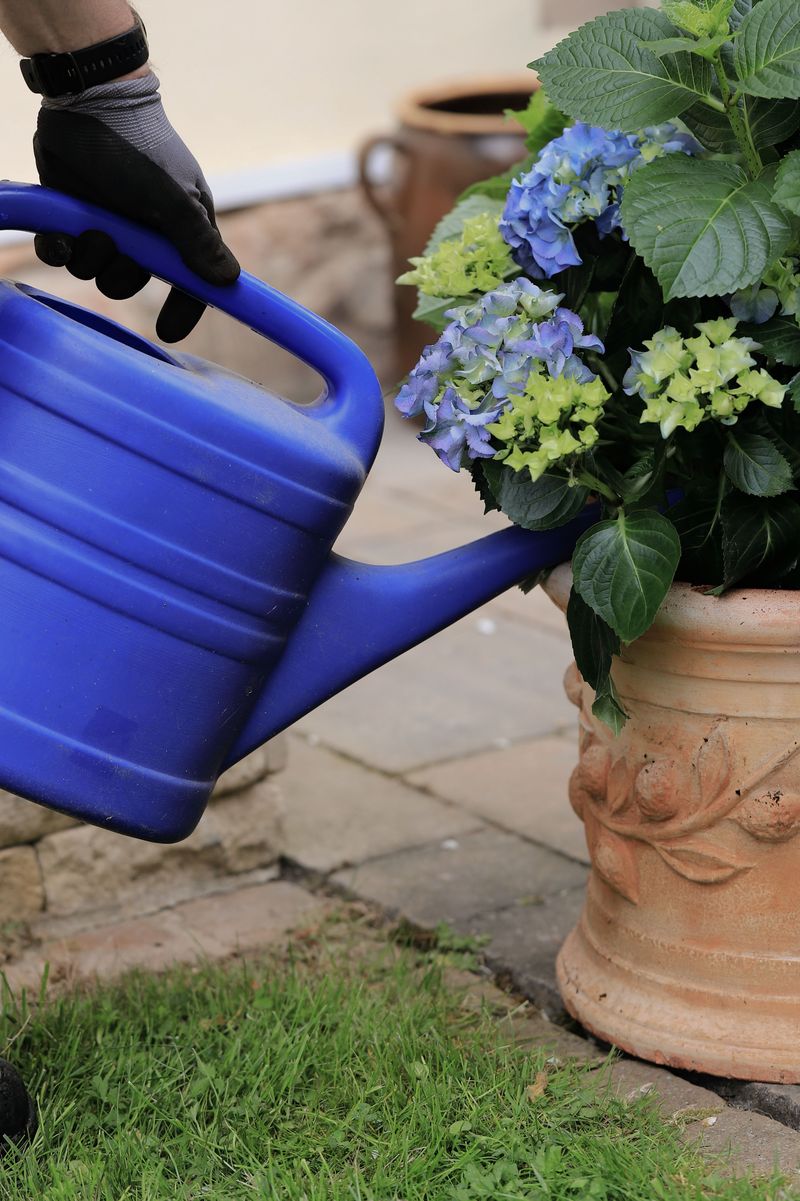
Evening is beautiful in the garden, but it can be the worst time for wet hydrangea leaves. Foliage that stays moist through the night gives fungal spores the perfect window to germinate and penetrate leaf tissue.
Fungal spores are always present in the air and soil around your garden. They are just waiting for the right conditions, and wet foliage overnight creates ideal conditions for spore germination.
Even natural events like heavy dew can leave leaves damp enough to trigger infection. On humid nights in Illinois, dew settles fast and sits on leaves for hours, creating favorable conditions for spore germination.
Timing your watering sessions carefully is a simple but powerful protective step. Morning watering gives leaves the entire day to dry out before temperatures drop and moisture lingers again after sunset.
Avoid pruning or handling plants when they are wet, since tools and hands can spread spores from one leaf to another quickly. Dry conditions are always the better time to work in the garden.
Applying a preventive fungicide spray before a stretch of rainy or humid weather adds an extra layer of protection. Products containing chlorothalonil or copper octanoate are commonly recommended for hydrangea fungal issues.
Spotty brown hydrangea leaves that appear after a string of warm, damp nights are almost certainly fungal in origin. Adjusting your routine around moisture management can stop the cycle before it continues to worsen.
6. Crowded Plants Encourage Fungal Spread
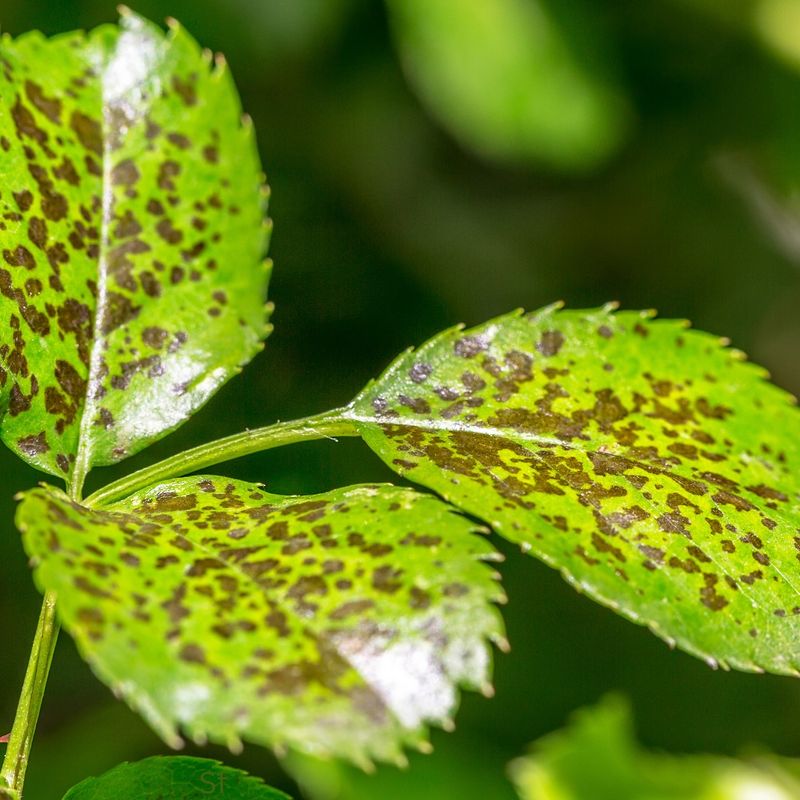
A garden packed with lush hydrangeas looks stunning in a catalog photo, but tight spacing is a recipe for fungal trouble in real life. When plants crowd each other, their leaves overlap, trap humidity, and spread spores between adjacent leaves easily.
Fungal diseases spread most aggressively through direct leaf-to-leaf contact. One infected plant touching a healthy neighbor can pass spores along in a single breezy afternoon.
Overcrowded beds also make it harder to spot early signs of infection before they escalate. Leaves buried inside a dense planting often show significant damage before anyone notices them.
Thinning out your planting bed by removing or transplanting a few shrubs can feel counterintuitive when everything looks green and growing. However, giving each plant breathing room pays off with stronger, healthier growth across the whole bed.
If transplanting is not an option right now, aggressive pruning can create temporary space between plants. Cutting back the outermost branches of neighboring shrubs reduces contact points where spores travel.
Keeping the ground beneath crowded plants clean of fallen leaves also helps slow fungal spread. Decaying leaf litter on the soil surface harbors spores that rain splashes back up onto healthy foliage.
Spotty brown hydrangea leaves in a crowded bed are a clear signal that the garden needs more breathing room. Giving plants space is one of the kindest things a gardener can do.
7. Excess Nitrogen Weakens Leaf Resistance
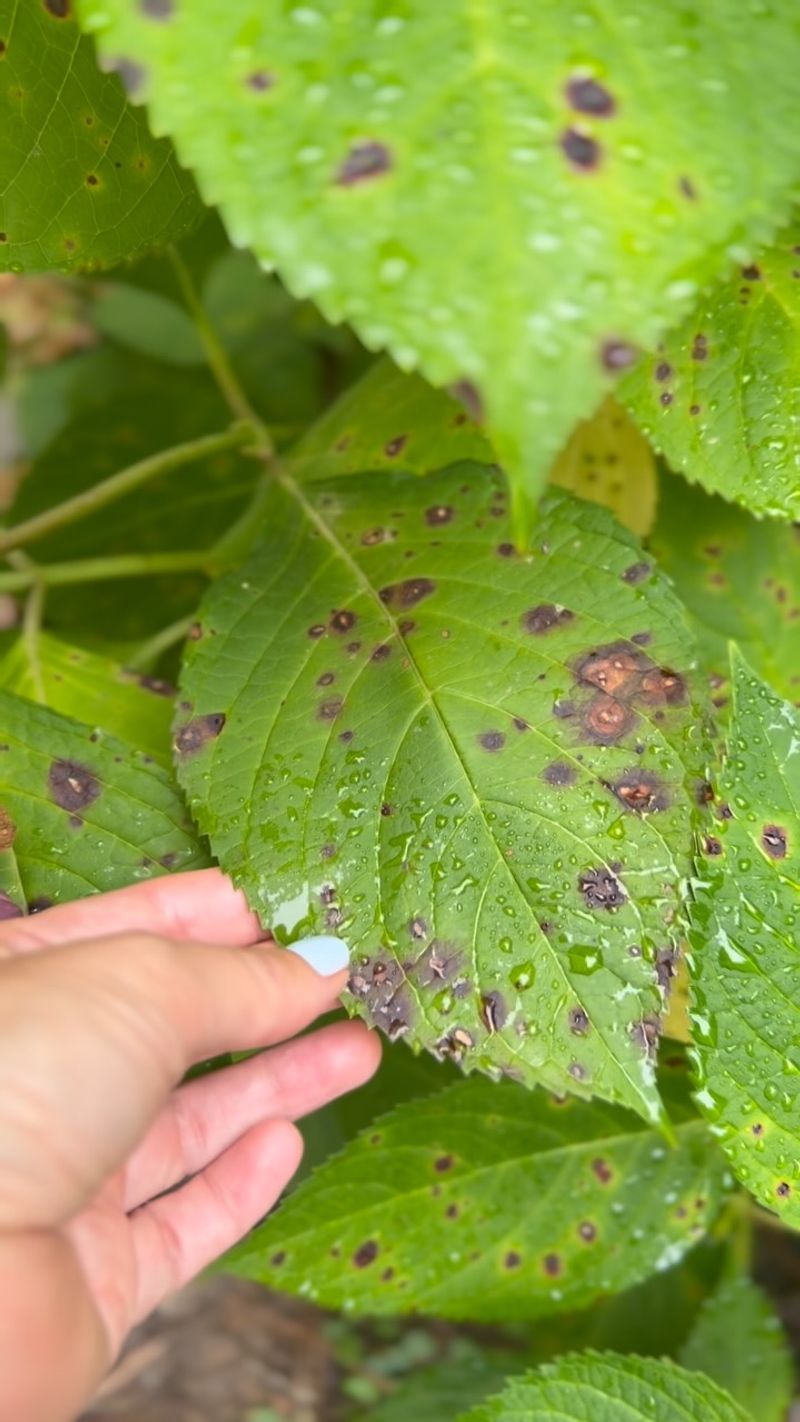
More fertilizer sounds like a good thing, but too much nitrogen can be counterproductive for hydrangea health. Plants that receive excess nitrogen grow fast and lush, but that soft new growth is much easier for fungi to penetrate.
Nitrogen pushes plants to produce large, tender leaves with thin cell walls. Fungal spores find thin cell walls far easier to break through than the tougher tissue on plants fed more moderately.
Many Illinois gardeners over-fertilize with high-nitrogen lawn fertilizers that drift into garden beds or get applied too close to shrubs. That extra nitrogen hit in spring can leave hydrangeas vulnerable to leaf spot all summer long.
A soil test is the smartest starting point before adding any fertilizer to your garden. Knowing exactly what your soil needs prevents the guesswork that leads to accidental over-application.
Balanced, slow-release fertilizers are a much better choice for hydrangeas than high-nitrogen quick-release formulas. They feed plants steadily over time without triggering the surge of soft, weak growth that fungi can easily infect.
Cutting back on fertilizer mid-season can actually help plants toughen up their foliage. Less nitrogen means slower growth, but the leaves that do develop are thicker and more resistant to infection.
Spotty brown hydrangea leaves linked to excess nitrogen are a reminder that more is not always better in the garden. Feeding with intention and restraint keeps your shrubs both beautiful and strong.
8. Splashing Rain Carries Spores Upward

A good summer rainstorm feels refreshing, but it is also an effective way spores travel from soil to leaves. Raindrops hit the soil surface and bounce upward, carrying fungal spores from the ground directly onto the lower leaves of your hydrangeas.
This upward splash is why leaf spot infections almost always start at the bottom of the plant and move higher over time. Spores living in the soil or in fallen leaf debris get launched onto fresh foliage with every raindrop.
Mulching around the base of your hydrangeas creates a physical barrier that absorbs raindrop impact. Instead of splashing off bare soil, rain soaks into the mulch layer and spores stay put rather than flying upward.
A two-to-three-inch layer of shredded hardwood mulch is ideal for most hydrangea beds across the Midwest. Avoid piling mulch directly against the stem, since that creates its own moisture problem right at the crown of the plant.
Keeping fallen leaves raked up from beneath your plants during the growing season removes a major spore reservoir. Clean ground means fewer spores present to be carried by the next rainstorm onto healthy foliage.
Staking or caging lower branches that droop close to the soil also limits contact with splash-up spores. Keeping foliage lifted off the ground even slightly makes a real difference in infection rates.
Spotty brown hydrangea leaves following heavy rains are a classic sign of splash-up infection. A simple mulch layer is one of the easiest and most affordable fixes any gardener can make this season.