Illinois Just Had A Standout Honey Season, And Here’s Why
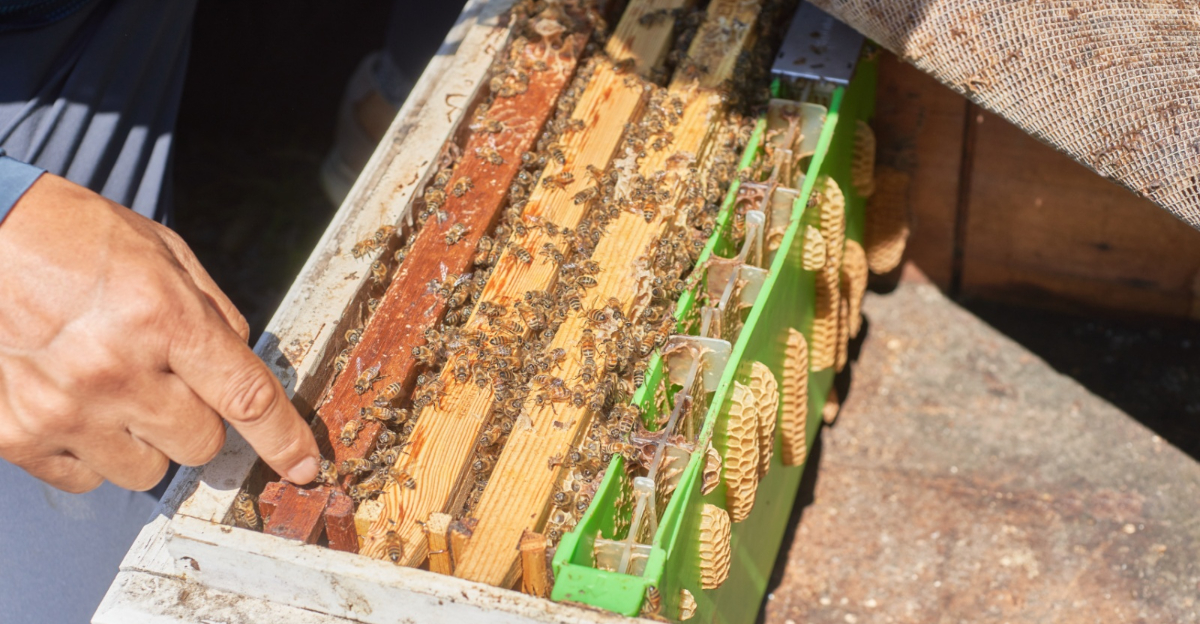
Illinois beekeepers have a problem this year, and it’s a good one: not enough jars. From Rockford’s backyard hives to the orchards outside Cairo, honey supers are overflowing weeks ahead of schedule, and nobody quite expected it.
Ask ten keepers why, and you’ll get ten answers, but they all circle back to the same idea. This wasn’t one lucky break.
It was timing, rainfall, clover, and patience all landing in the same season. Bees don’t care about calendars, but this year the calendar cared about them.
A wet spring stretched the bloom season longer than usual, giving colonies more time to forage before the summer heat shut things down. Healthier colonies met better weather, and conditions aligned in their favor.
So grab a spoon and get comfortable, because the story behind Illinois’s golden summer is worth more than a passing glance. It’s a lesson in how small shifts in weather and habit can turn an ordinary season into a record one.
1. Warmer Spring Widened The Foraging Window
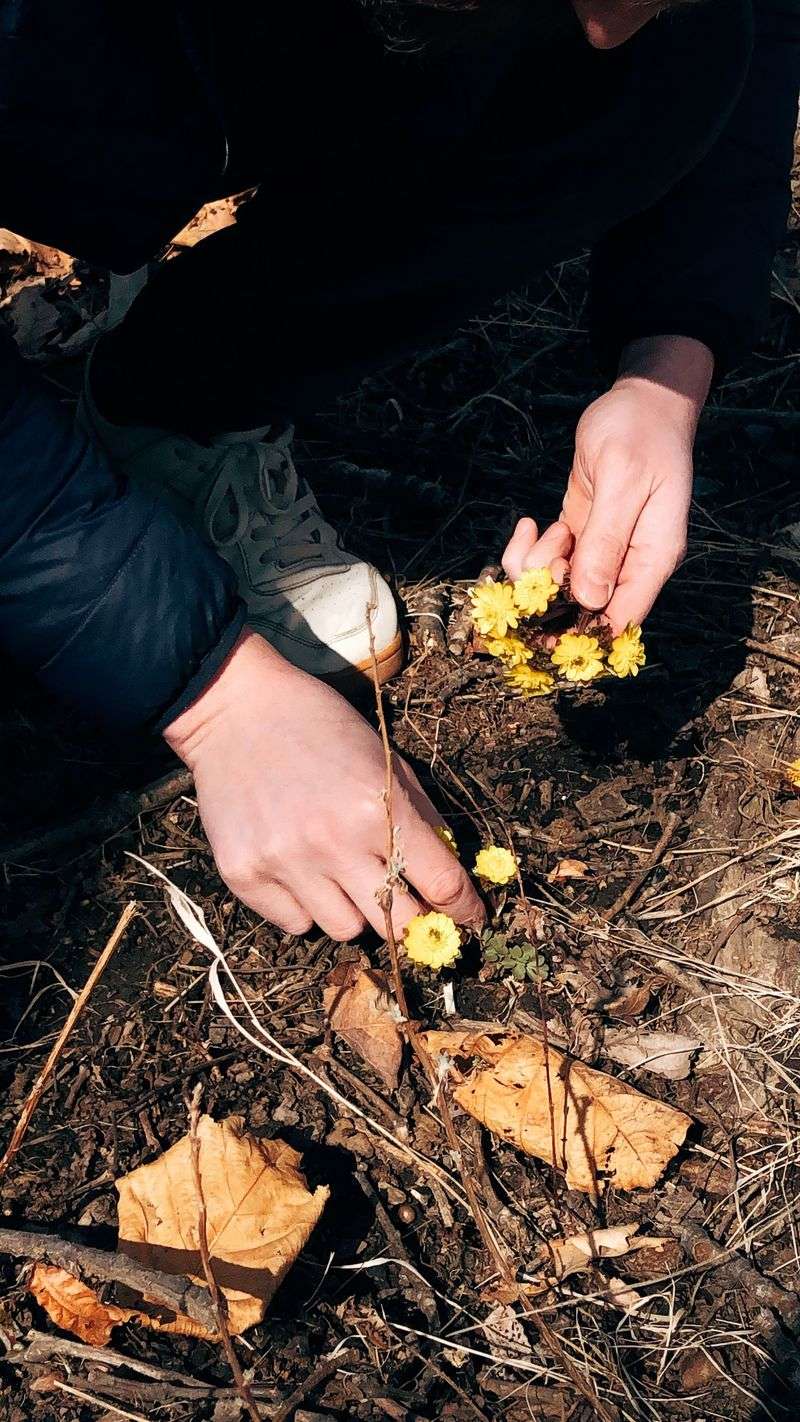
Spring arrived early this year, and bees noticed immediately. Warmer temperatures in March and April pushed flowering plants out of the ground weeks ahead of schedule.
That extra time matters more than most people realize. Bees can only forage when it is warm enough to fly, typically above 55 degrees Fahrenheit.
An earlier warm-up meant colonies started collecting nectar before they would in a normal year. Those extra weeks translate directly into more honey stored inside the hive.
Think of it like getting a head start in a race. The bees were already building their reserves while other years’ colonies were still waiting for the cold to lift.
Dandelions, one of the first major nectar sources, appeared to bloom earlier than usual this season, according to several beekeepers in the northern part of the state.
Beekeepers across the northern part of the state reported their bees working dandelion patches hard by mid-March.
That early nectar gave colonies a nutritional boost right when they needed it most. Strong early nutrition helps queens lay more eggs, which grows the forager population faster.
A bigger forager workforce means more bees out collecting at any given moment. More collectors working longer seasons is a simple math equation that ends in fuller supers.
Seasoned beekeepers say a wide foraging window is one of the most underrated factors in a bumper crop year. This spring handed Illinois hives exactly that gift, and the bees made the most of every warm afternoon.
2. Nectar Flows Lined Up With Strong Forager Numbers
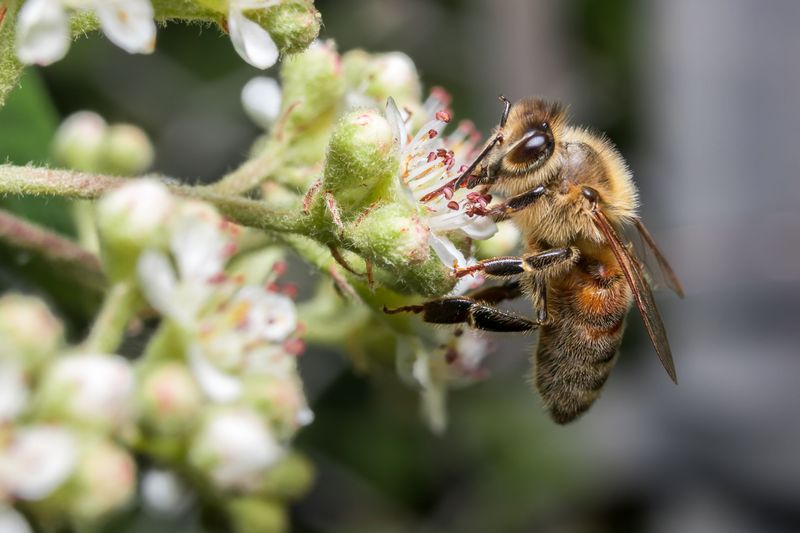
Timing in beekeeping is everything, and this summer nailed it. The biggest nectar flows of the season hit right when colony populations were at their absolute peak.
Clover, black locust, and linden trees all bloomed in a sequence that kept nectar flowing for weeks without a gap. Bees had something to collect almost every single day.
A colony at peak population can have 60,000 or more bees, a large share of which serve as foragers ready to work. When that workforce meets a full nectar flow, the results inside the hive are almost unbelievable.
Your Illinois Garden Changes Every Week. Your Plan Should Too.
Gardening in Illinois changes quickly throughout the season. Every Friday you’ll receive a simple weekly plan showing exactly what to plant, prune, fertilize, harvest, and protect so you never miss the right timing.
Frames fill up faster than keepers can add new boxes in a strong season. Several Illinois beekeepers reported adding extra honey supers multiple times in a single week during the linden bloom.
The alignment of peak bee numbers with peak nectar availability is not guaranteed every year. Weather delays, a cold snap, or a dry spell can shift the bloom timing so it misses the forager peak entirely.
This season, the stars aligned. Warm nights kept queens laying steadily through May, so forager populations were enormous by the time the major flows began in June.
It is the kind of synchrony that experienced beekeepers talk about for years afterward. Some keepers in the Champaign area described pulling frames that felt noticeably heavier than usual, a sign of just how much nectar had come in.
When bees and blooms meet at exactly the right moment, the results inside those hives can be remarkable. Illinois saw that synchrony play out in abundance this summer, and the honey jars reflect it.
3. Better Rainfall Kept Blooms Going Longer
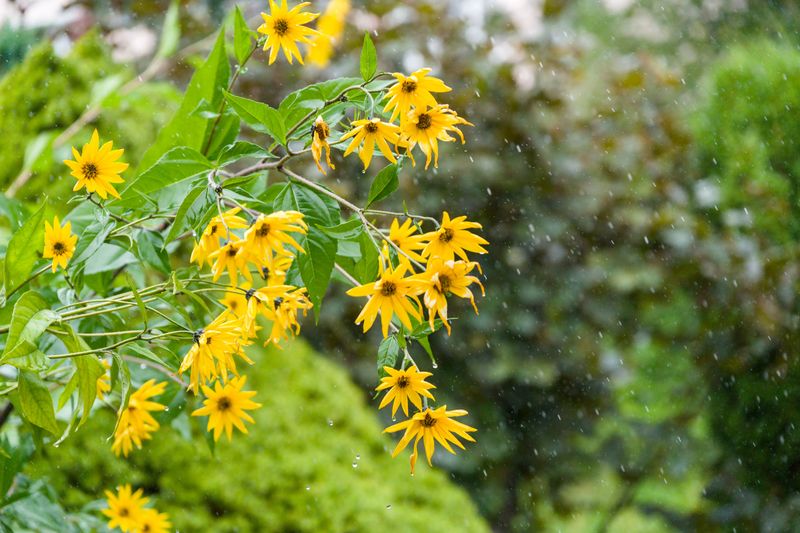
Rain at the right time is like money in the bank for bees. This summer brought steady, well-spaced rainfall across most of the state, and plants responded beautifully.
Blooms that normally last a week or two stretched into three or four weeks of active nectar production. Consistent soil moisture keeps flowers producing nectar far longer than dry conditions allow.
Drought is one of a beekeeper’s worst enemies during summer. When plants stress from lack of water, they pull back nectar production almost immediately to conserve energy.
That did not happen this season. Rainfall across central and southern parts of the state was steady and well-timed from May through July, keeping the landscape lush and productive.
White clover, a backbone nectar source for Illinois bees, thrived especially well. Fields that might have gone brown and dormant by late June stayed green and flowering well into August.
Prairie wildflowers like bergamot and cup plant also had outstanding seasons. These plants need deep soil moisture to sustain long bloom periods, and this year they got exactly that.
Beekeepers who farm or have access to agricultural land noticed their bees ranging less far than usual. When blooms are abundant nearby, foragers don’t burn energy flying long distances.
Shorter foraging trips mean more trips per day and less energy spent on travel. That efficiency boost, multiplied across tens of thousands of bees, adds up to significantly more honey by season’s end.
4. Lower Mite Pressure Kept Colonies Healthier
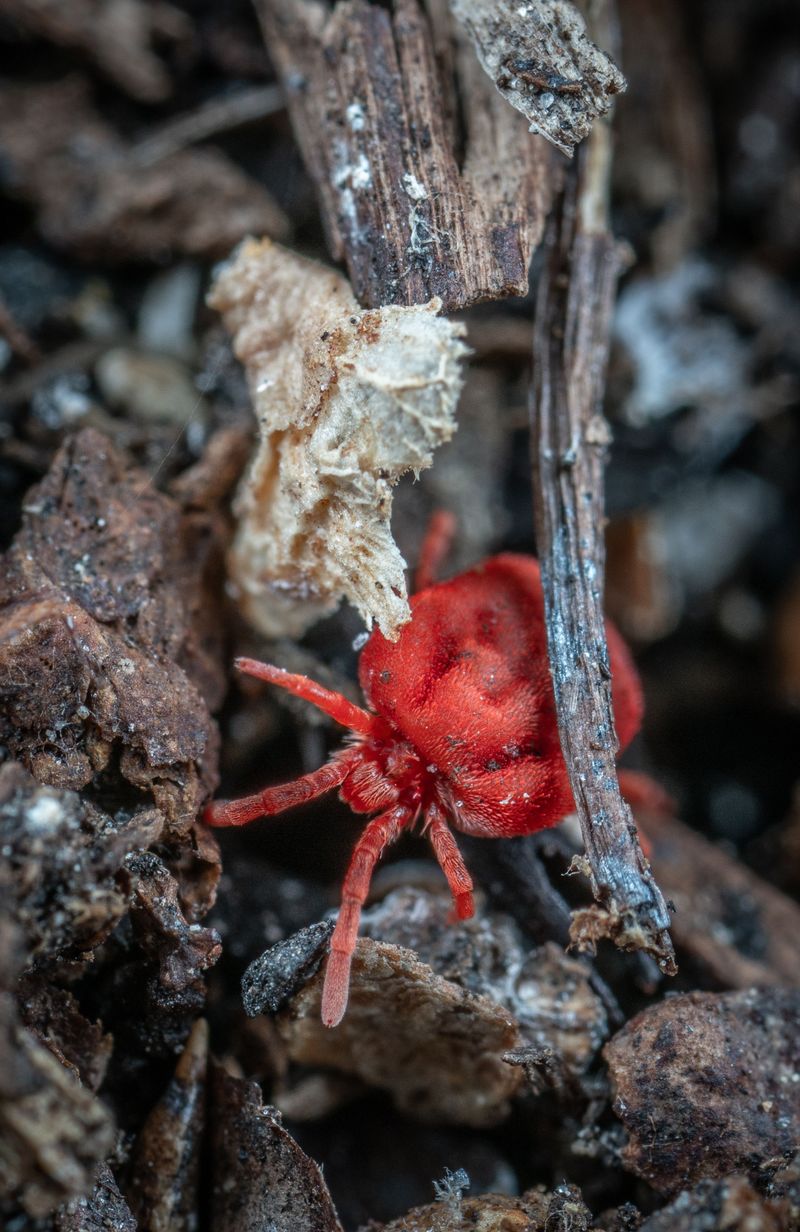
Varroa mites are the number one threat to honeybee colonies across North America. These tiny parasites weaken bees, spread viruses, and can crash a hive within months if left unchecked.
This summer, many Illinois beekeepers reported lower-than-usual mite counts heading into the main honey season. That gave colonies a significant health advantage right from the start.
Healthier bees live longer and forage more effectively. A bee weakened by mite feeding has a shorter lifespan and carries less nectar per trip than a healthy one.
When mite pressure is low, the queen’s brood develops at higher rates. That means colony populations build faster and stay strong through the most critical foraging weeks.
Experts believe the mild winter played a role in disrupting mite reproduction cycles. Certain temperature patterns during winter can slow mite population growth before the season even begins.
Beekeepers who treated proactively in late summer and fall of last year also set themselves up well. Those who managed mites aggressively going into winter came out of spring with much cleaner colonies.
Cleaner colonies mean more energy goes into honey production instead of fighting off disease. It is a simple but powerful shift that shows up clearly in the harvest numbers.
Some Illinois beekeepers reported unusually large harvests from individual hives this season, with several crediting consistent mite management as the biggest factor in their results.
5. Native Plantings Gave Bees More Forage
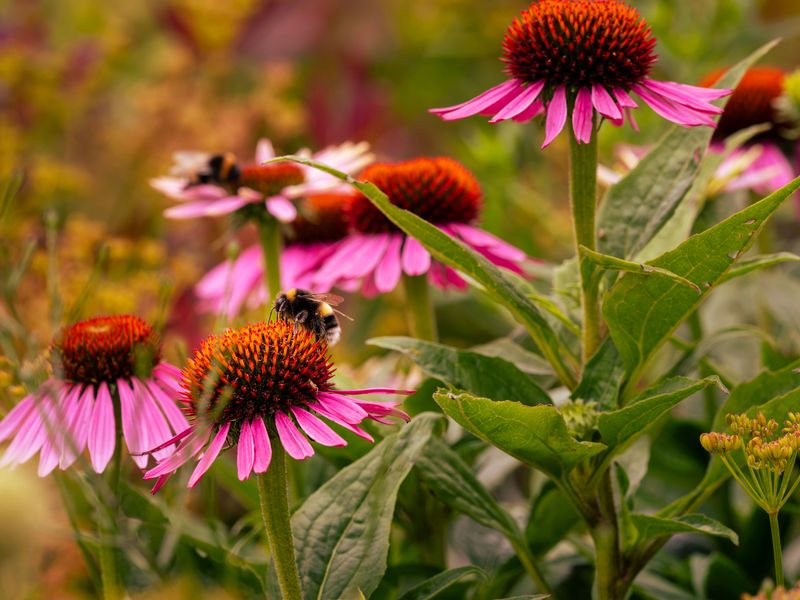
Something quiet has been growing across Illinois neighborhoods over the past few years. Homeowners, schools, and municipalities have been replacing grass with native wildflower plantings at a remarkable pace.
Those choices are paying off in a big way for local bee populations. Native plants evolved alongside native bees, which means they produce nectar and pollen in forms bees can access most efficiently.
Purple coneflower, wild bergamot, goldenrod, and swamp milkweed are showing up in yards and parks across the state. Each one serves as a miniature gas station for foraging bees passing through.
The cumulative effect of thousands of small plantings creates what researchers call a forage corridor. Bees can travel across a landscape and find food at regular intervals without exhausting themselves.
Urban and suburban beekeepers have especially noticed the difference. Areas that once offered little beyond turf grass now provide diverse, season-long nutrition for colonies managed nearby.
Goldenrod, which blooms in late summer and early fall, is particularly valuable. It gives bees a final burst of nectar and pollen right before they begin preparing for winter.
Community gardens, pollinator patches along roadsides, and school garden projects have all contributed to this shift. Each small planting adds another stop on the foraging map bees use every day.
Beekeepers who once worried about late-season nutrition gaps are seeing their hives enter fall with fuller honey stores than ever before. Native plants are genuinely changing the game for Illinois colonies.
6. Mild Winter Kept Losses Low And Colonies Strong
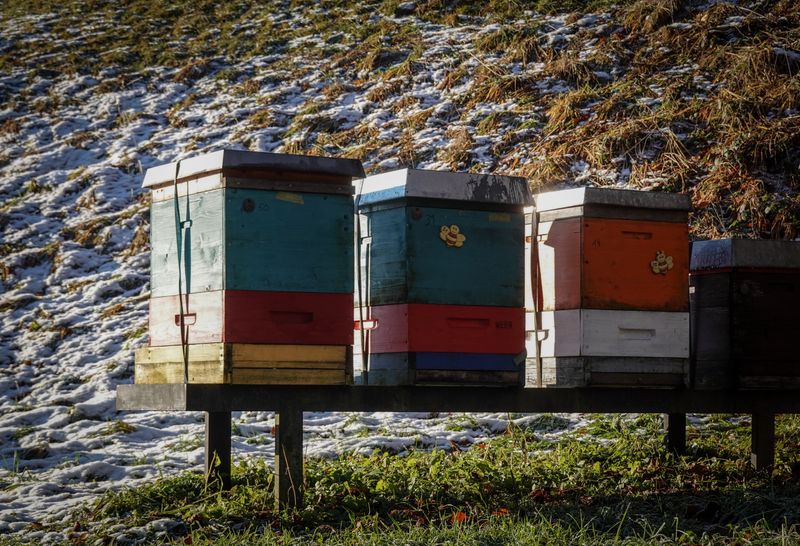
Winter is always a gamble for beekeepers. Colonies can starve, freeze, or collapse from disease pressure during the cold months, leaving keepers with empty boxes come spring.
This past winter was notably kind across most of the state. Temperatures stayed moderate, and extended deep freezes were shorter and less severe than in recent years.
Mild winters help bees in several important ways. Colonies consume less stored honey when temperatures don’t drop to brutal lows, so they enter spring with better food reserves.
Bees also cluster less tightly for shorter periods, which reduces the stress on the queen and the brood nest. A queen that winters well comes out laying strongly almost immediately.
Early spring reports from local beekeeping associations suggested colonies came through winter in better shape than in recent years, though statewide figures have not been independently confirmed.
That meant more beekeepers started the season with full, healthy hives rather than scrambling to replace lost colonies.
Starting strong in spring is a massive advantage. A colony that makes it through winter intact can build its population much faster than one that limped through and needs weeks to recover.
Beekeepers who lost hives in previous harsh winters know exactly how demoralizing it is to begin spring behind schedule. This year, most of them got a welcome break from that cycle.
Strong winter outcomes set the foundation for everything else that followed. Without it, even perfect weather and abundant blooms would not have produced the record harvests seen across the state.
7. Close Monitoring Caught Problems Early
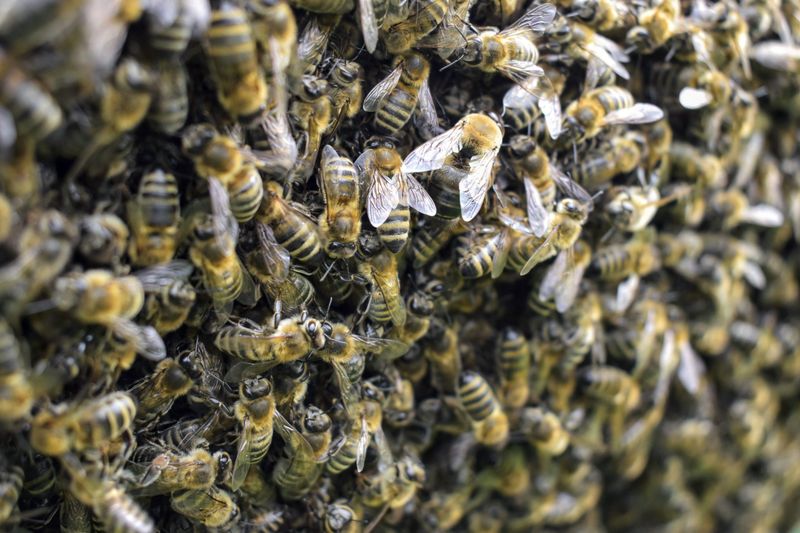
Good beekeeping is not just about what you do when something goes wrong. It is about catching problems before they become disasters, and this season showed how much that matters.
More Illinois beekeepers than ever are conducting regular hive inspections and keeping detailed records. That shift in practice is a meaningful contributor to this summer’s strong yields.
When a queen goes off-lay or a colony starts showing signs of stress, an attentive beekeeper can intervene within days. Left unnoticed, those same problems can wipe out a hive in weeks.
Digital tools have made record-keeping easier for hobbyists and professionals alike. Apps designed for hive tracking let keepers log inspection notes, mite counts, and brood patterns in real time.
Some beekeepers are also using hive scales, which measure weight changes daily. A sudden weight drop signals a problem, while steady gains confirm the colony is working productively.
Early intervention keeps colonies on track during the critical foraging season. A hive that loses two weeks to a swarming event or a failing queen misses nectar flows it can never recover.
Catching a swarm impulse early and splitting the hive properly can actually expand a beekeeper’s operation while keeping both colonies productive. That kind of management turns potential losses into gains.
Beekeepers who stayed engaged this season were rewarded with healthier, more productive hives. Attention and consistency are tools just as important as a smoker or a hive tool.
8. Mentorship Helped New Beekeepers Avoid Mistakes
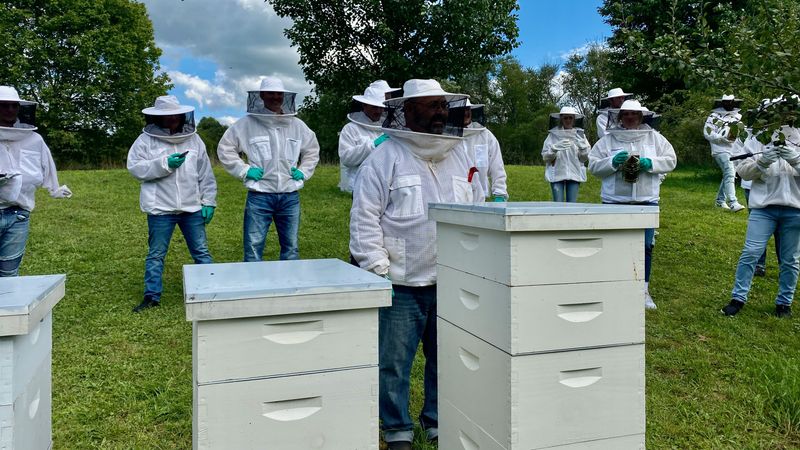
Beekeeping has seen a surge of new enthusiasts over the past decade, and Illinois is no exception. But enthusiasm alone does not fill honey supers, and first-year mistakes can be costly.
What made this season different for many newcomers was access to strong mentorship networks. Local beekeeping clubs across the state ramped up their pairing programs after the pandemic years slowed them down.
An experienced mentor can spot a problem during a hive visit that a beginner would walk right past. That kind of real-time guidance is worth more than any book or online video.
New beekeepers who worked closely with mentors this season reported far fewer colony losses and significantly better harvests. The learning curve in beekeeping is steep, but a good mentor flattens it fast.
Common beginner mistakes, like adding honey supers too late or misidentifying a laying worker situation, were caught and corrected before they caused serious setbacks. That saved hives that might otherwise have been lost.
Illinois beekeeping associations also hosted more field days and hands-on workshops than in previous years. Those events gave newer keepers chances to work multiple hives and see a wide range of situations.
Community knowledge-sharing created a rising tide that lifted all boats this season. When experienced beekeepers invest time in teaching, the whole local pollinator community benefits.
This summer’s strong honey yields across Illinois are not just a product of good weather. They reflect a community of beekeepers who learned, shared, and showed up for each other all season long.