Diagnose Grub Problems By Spotting These Illinois Lawn Signs
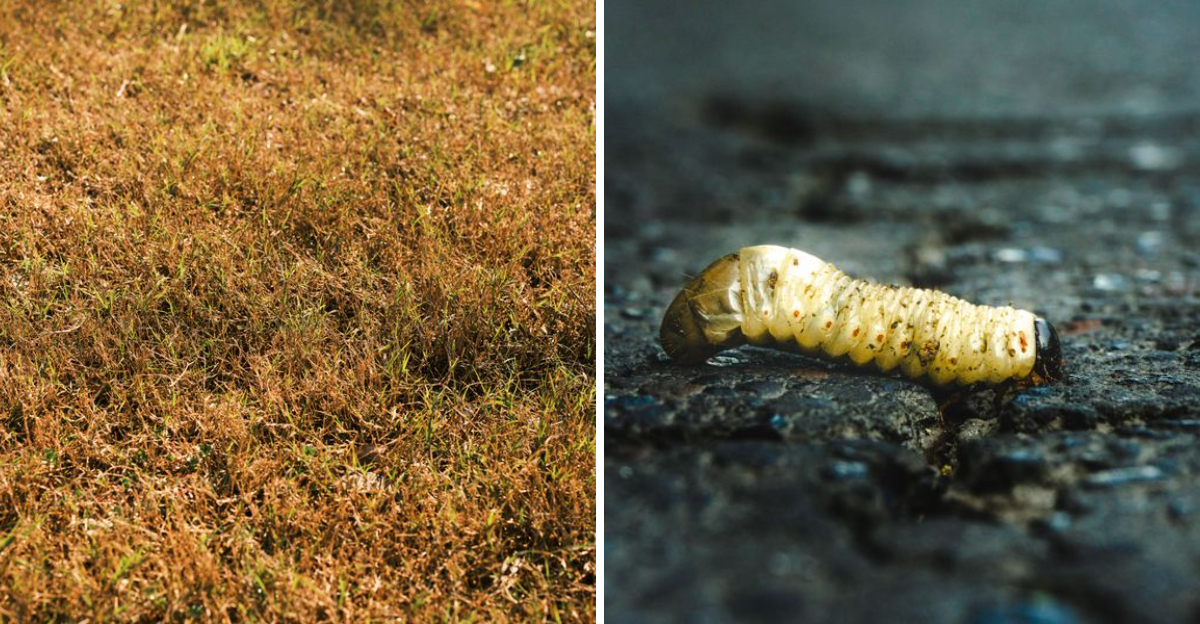
Beneath your feet, grub activity may already be underway. Illinois puts your lawn at risk every year. Grubs feed on your roots while grass weakens above. Nothing warns you before the surface changes.
Roots fade long before you notice symptoms. Trouble spreads through your lawn overnight. Brown patches spread across your lawn unnoticed. Left alone, grubs weaken your lawn from below.
Untreated turf declines faster than you might expect. Skunks and raccoons tear up your soil hunting grubs. Signs hide in places you rarely inspect closely. Moles follow the grubs, ripping tunnels across your property.
Every yard in Illinois faces this threat, yours included. Spring reveals trouble you can no longer hide. Waiting through summer makes your recovery slow and costly.
Confidence in your lawn fades with each week. Investment in your lawn shrinks with every root affected. Your lawn is changing right now, and you need to know why.
1. Check For Brown Patches That Lift Like Carpet
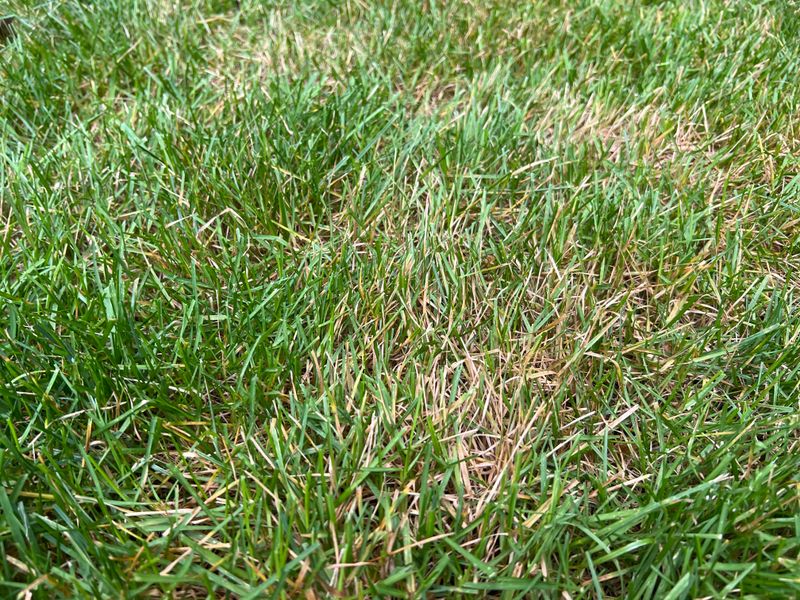
Pull up a corner of that discolored brown patch and see what happens. If the grass peels back like a loose carpet, you have a serious clue on your hands.
Healthy grass holds firm because its roots grip the soil tightly. Grubs feed on those roots, reducing the turf’s ability to stay anchored.
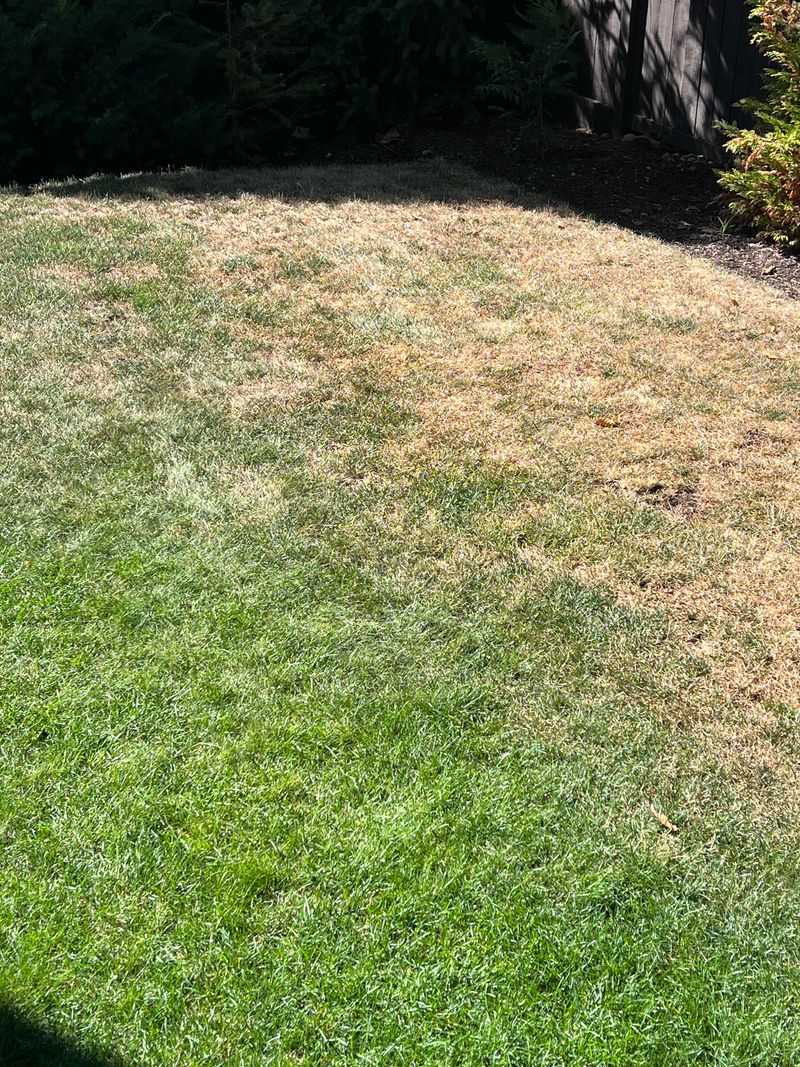
Brown patches caused by grub damage tend to appear in late summer and early fall. They often start small but expand quickly across the yard.
The grass in affected areas feels spongy or soft underfoot, almost like walking on a wet sponge. That bouncy feeling is a red flag worth investigating right away.
Drought stress can also cause brown patches, but drought-damaged grass does not lift easily. If your turf rolls back without resistance, grubs are the likely cause.
Check multiple spots across your lawn to see if the pattern is widespread. Scattered brown patches that all lift easily point strongly toward a grub infestation.
Diagnosing grub damage early through this simple carpet test saves you from expensive lawn repairs later. Trust what your hands are telling you when the grass peels away too easily.
2. Look For Increased Bird Or Raccoon Activity

Notice more birds pecking at your lawn than usual? That is not just a coincidence worth ignoring.
Birds like starlings, robins, and crows have excellent instincts for finding food underground. When they start working one specific lawn area repeatedly, they are hunting something beneath the surface.
Raccoons are even more obvious about it. These clever animals will tear up chunks of turf overnight, leaving behind a disturbed, dug-up yard by morning.
Skunks also join the grub-hunting party, leaving shallow cone-shaped holes scattered across the grass. Finding those small divots is a strong sign that something tasty is hiding in your soil.
Wildlife activity alone does not confirm a grub problem, but it raises a serious flag. Animals rarely work this hard for nothing, so their behavior is worth paying attention to.
Track where the digging happens most often and mark those spots. Concentrated animal activity in one zone suggests a dense grub population lurking just below.
Your Illinois Garden Changes Every Week. Your Plan Should Too.
Gardening in Illinois changes quickly throughout the season. Every Friday you’ll receive a simple weekly plan showing exactly what to plant, prune, fertilize, harvest, and protect so you never miss the right timing.
Cross-reference those spots with any visible brown patches or soft turf sections. When wildlife activity and lawn symptoms overlap in the same area, the evidence adds up fast.
Diagnosing grub damage becomes much easier when you let nature give you hints. Animal activity can serve as an early indicator worth paying attention to.
3. Dig A Small Section To Count Grubs Visible
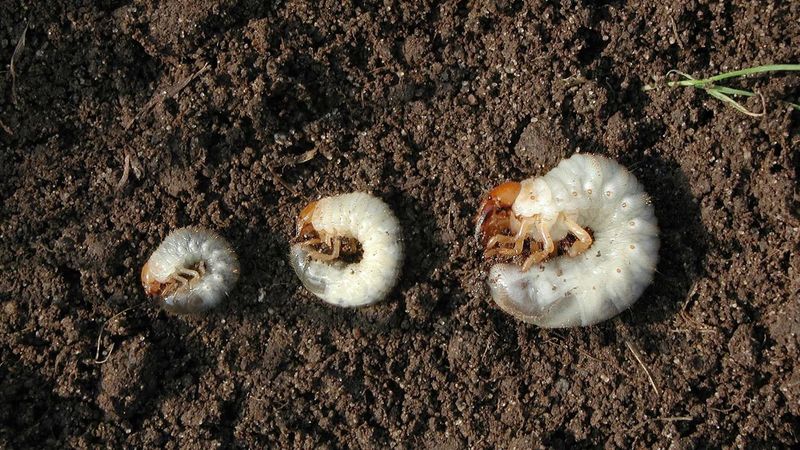
Sometimes the most reliable method is also the most straightforward one available. Grab a hand trowel and dig a one-square-foot section of soil about three inches deep.
Carefully sift through the removed dirt and count any white, C-shaped larvae you find. Each one is a grub, and the number you find tells an important story.
Finding a small number of grubs per square foot is generally considered a low-level population, though exact thresholds vary by turf type and region. Most healthy lawns can tolerate that without showing major visible symptoms.
Discovering a high concentration of grubs in that same space typically signals a heavy infestation, though thresholds vary by source. At that density, root damage becomes severe enough to cause the brown patches you see above ground.
Dig several test sections across different areas of your yard for a fuller picture. One sample spot gives limited information, but five or six samples reveal a pattern.
Focus your digging near the edges of brown patches where grubs are actively feeding. The center of an affected patch often has fewer grubs since they have already moved outward.
Use a plastic bag to collect a few grubs if you want to identify the species later. Knowing what type of grub you have helps narrow down the best response options.
This hands-on approach is the gold standard for diagnosing grub damage in any Illinois lawn. No app or gadget beats getting your hands in the dirt for a real answer.
4. Examine Roots For Chewed Or Missing Sections
Roots tell the real story of what has been happening underground all season long. When you pull up a section of turf, flip it over and examine the root system closely.
Healthy grass roots are white, long, and fan out in multiple directions beneath the soil. They look almost like tiny threads holding the whole turf mat firmly in place.
Grub-damaged roots look completely different from healthy ones. They appear short, stubby, brown, or sometimes completely absent where feeding occurred most heavily.
Run your fingers along the base of the turf mat and feel for gaps in the root structure. Missing roots in patchy clusters confirm that something has been feeding aggressively underground.
Even if a few grubs are present, extensive root loss means the lawn cannot recover without help. The turf has lost its ability to absorb water and nutrients efficiently.
Compare roots from a healthy green section of your yard against the damaged area. The contrast between full, white roots and short, damaged stubs makes the grub problem instantly visible.
Photograph what you find so you can track changes over time as conditions shift. Visual documentation also helps if you consult a lawn care professional for a second opinion.
Examining roots is one of the clearest ways to confirm diagnosing grub damage beyond any doubt. What you see at root level does not lie about the health of your lawn.
5. Test Soil Moisture Since Dryness Compounds Stress
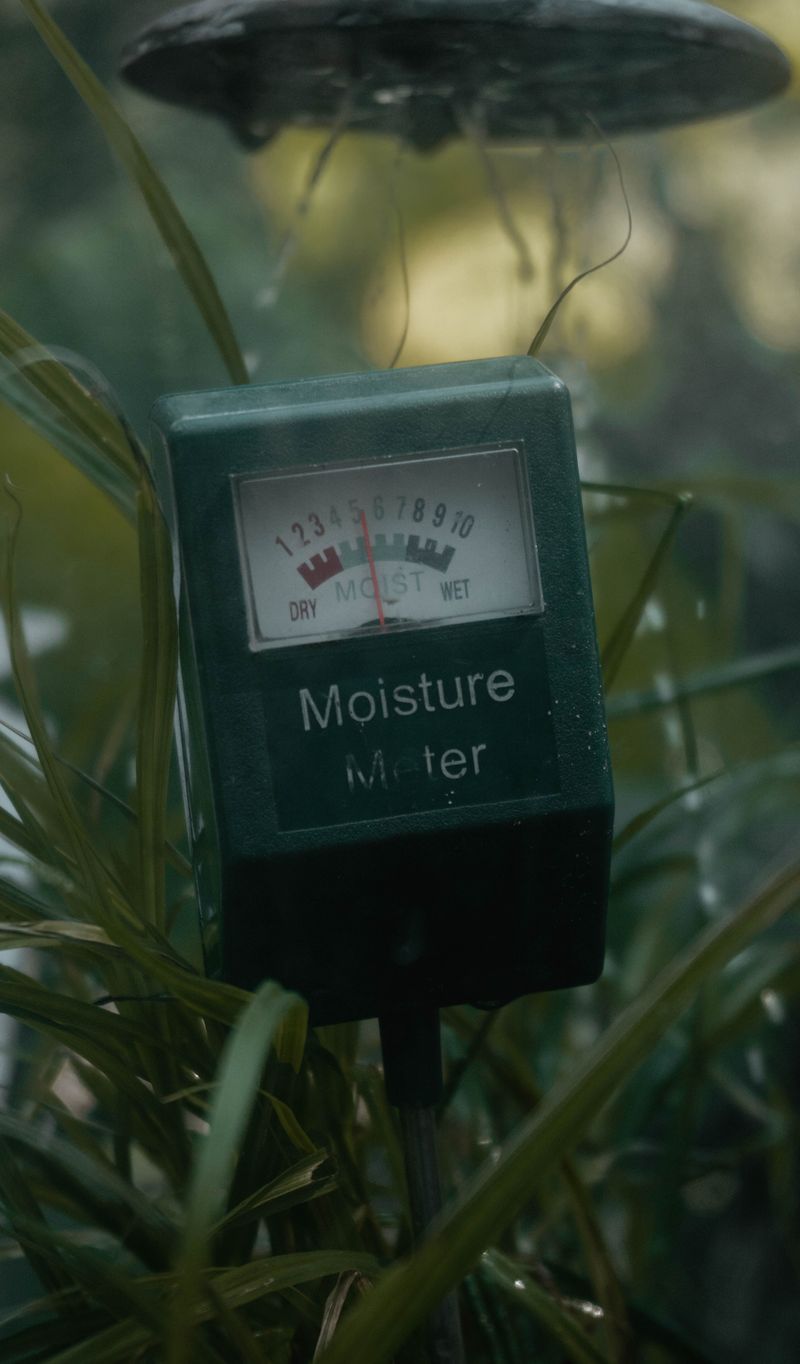
Dry soil and grub activity make a difficult combination for any lawn. When grubs weaken roots, the grass loses its ability to pull moisture up from the soil efficiently.
A simple soil moisture test can reveal whether dry conditions are amplifying the visible damage. Push a screwdriver or moisture probe six inches into the soil near a brown patch.
If the probe slides in easily, the soil retains some moisture despite the surface appearance. If you meet significant resistance, the soil is too dry and the turf is under double stress.
Grub-infested lawns dry out faster than healthy ones because weakened roots cannot access deeper water reserves. Brown patches in grub-damaged areas tend to worsen rapidly during hot, dry Illinois summers.
Watering a grub-damaged lawn helps stressed turf survive but does not address the underlying pest problem. Think of moisture management as a support measure, not a cure for the infestation.
Check moisture levels in both affected and unaffected lawn sections for a meaningful comparison. If healthy areas retain moisture but damaged spots stay dry, root damage is likely the reason.
Consistent moisture testing over several days gives a clearer picture of how severe the damage has become. Patterns in soil dryness often mirror the spread of the grub population underground.
Testing soil moisture adds valuable context when diagnosing grub damage across your property this season. Dry soil combined with other symptoms builds a strong, convincing case for grub activity.
6. Monitor Lawn Areas Near Lights And Gardens

Some adult beetle species, such as June bugs and masked chafers, are strongly attracted to bright lights on warm summer nights.
They gather near porch lights, street lamps, and garden spotlights in large numbers during peak season.
After mating near those light sources, female beetles lay their eggs in the soil directly below. That means lawns closest to lights often face the heaviest grub populations later in the season.
Garden beds near the lawn are also prime egg-laying zones for Japanese beetles and masked chafers. Rich, moist garden soil is an ideal nursery environment for newly hatched larvae.
Pay close attention to lawn sections close to any outdoor lighting fixture. If brown patches appear in those specific zones first, beetle activity near the lights is a strong explanation.
Tracking where adult beetles congregate in early summer gives you a preview of where grub damage may appear later in the season. Location patterns are predictable and surprisingly consistent each year.
Reduce outdoor lighting during peak beetle season to make your yard less attractive for egg-laying. Motion-activated lights are a smarter option than leaving fixtures on all night long.
Keep a simple notebook or phone notes app to record where adult beetles appear each summer. That data becomes a helpful map for diagnosing grub damage in the following season.
Monitoring activity near lights turns a passive observation into a proactive lawn protection strategy. Knowing where the problem starts gives you a real head start on preventing it.
7. Compare Patch Patterns To Drought Stress Symptoms
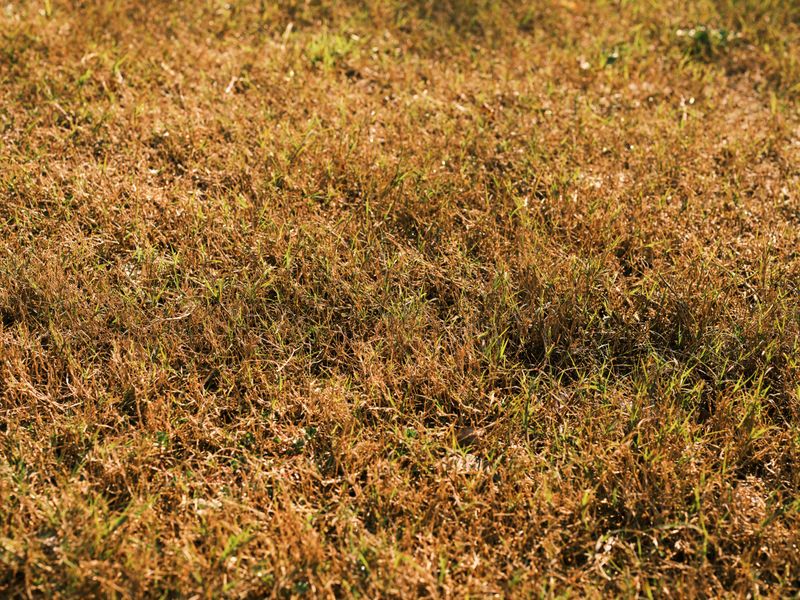
Brown patches from drought and grub damage look almost identical from a distance. Getting the diagnosis right means knowing exactly what separates one from the other.
Drought stress tends to affect the lawn in a uniform, widespread pattern across open sunny areas. The brown color appears gradually and consistently rather than in scattered, irregular spots.
Grub damage, on the other hand, tends to show up in irregular patches that expand outward over time. The edges of grub-damaged areas often look ragged and uneven compared to drought patterns.
Press your foot firmly into a brown patch and feel how the turf responds beneath your weight. Drought-stressed grass feels firm underfoot because the roots are still intact and anchoring the soil.
Grub-damaged turf feels soft and spongy, almost hollow beneath the surface. That springy texture results from the missing root structure that once supported the turf from below.
Water a test section of the brown patch deeply for three or four days straight. Drought-stressed grass typically shows green recovery within a week after consistent watering is applied.
If the patch stays brown despite adequate watering, root damage from grubs is the more likely cause. Grass simply cannot recover when the roots responsible for absorbing water are gone.
Comparing patch patterns carefully is a critical step in accurately diagnosing grub damage this season. Correct identification helps you choose an effective, cost-efficient treatment.
8. Confirm Grub Species Before Choosing Treatment Options
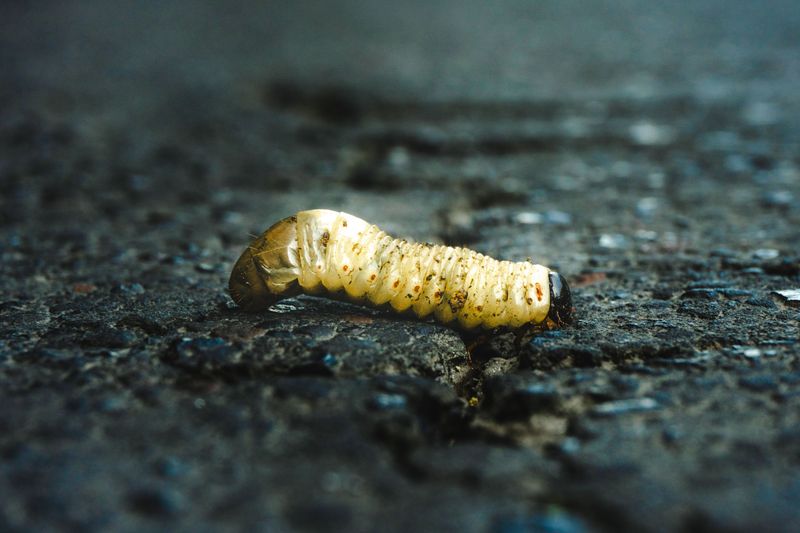
Not every grub in your lawn is the same species, and that distinction matters a great deal. Japanese beetle grubs, masked chafer grubs, and June bug larvae all respond differently to various treatments.
The easiest way to identify the species is by examining the raster pattern on the underside of the grub. That pattern is a unique arrangement of small spines near the tail end of the larva.
Different grub species show distinct raster patterns near the tail end, though accurate identification often requires magnification and comparison to a verified reference guide.
Use a magnifying glass and a field guide or extension service resource to make a confident identification. Your local University of Illinois Extension office may offer identification help and resources for homeowners. Check current program offerings for details.
Species identification also affects timing decisions for any treatment you plan to apply. Some products work best on young grubs in late summer, while others target more mature larvae in spring.
Applying the wrong product at the wrong time wastes money and leaves the infestation untouched. Knowing your species removes the guesswork and makes any response far more targeted and effective.
Collect three to five grubs from different areas of your yard before attempting an identification. A larger sample gives a more accurate picture of which species is actually causing the damage.
Confirming the species is the final step in fully diagnosing grub damage across your Illinois lawn. With the right information, you can proceed with a clear, targeted plan.