This Invasive Grass Is Quietly Overtaking Kentucky Gardens
Kentucky gardeners keep asking the same question this summer: what is this grass that refuses to stay where it was planted? It shows up between tomato rows, along fence lines, and right through the middle of flower beds nobody invited it into.
At first, it blends in. The blades look ordinary enough that most people walk right past without a second glance, assuming it will thin out on its own.
Underground, though, something far less innocent is happening. A tangled network is spreading root by root, claiming space faster than most homeowners can track it.
By the time it’s tall enough to notice from the porch, it’s already had weeks to settle in uninvited.
Aggressive Underground Rhizomes Fuel Rapid Spread
Pull one stalk of Johnsongrass and you have barely scratched the surface. Beneath your Kentucky garden soil, a dense web of thick white rhizomes is already spreading further than you’d expect.
Rhizomes are underground stems that grow horizontally, sending up new shoots every few inches. A single rhizome segment can stretch six feet or longer, and the entire network keeps branching from there.
A single plant can produce over 200 feet of rhizomes annually. That number sounds impossible, but gardeners who have dealt with this weed know it firsthand.
When you cut or till the soil, each broken rhizome fragment becomes a brand-new plant. Tilling actually makes the problem worse by spreading those pieces across a wider area.
Rhizomes store starch and energy reserves that help the plant survive harsh winters. Even a hard frost will not wipe out an established underground network.
The root system essentially acts like a rechargeable battery. No matter how many times you cut the top growth, new shoots keep pushing up from below.
Understanding the rhizome system is the first step toward tackling it smarter. Knowing how it grows changes everything about how you approach removal.
Tall Stalks Often Go Unnoticed Early
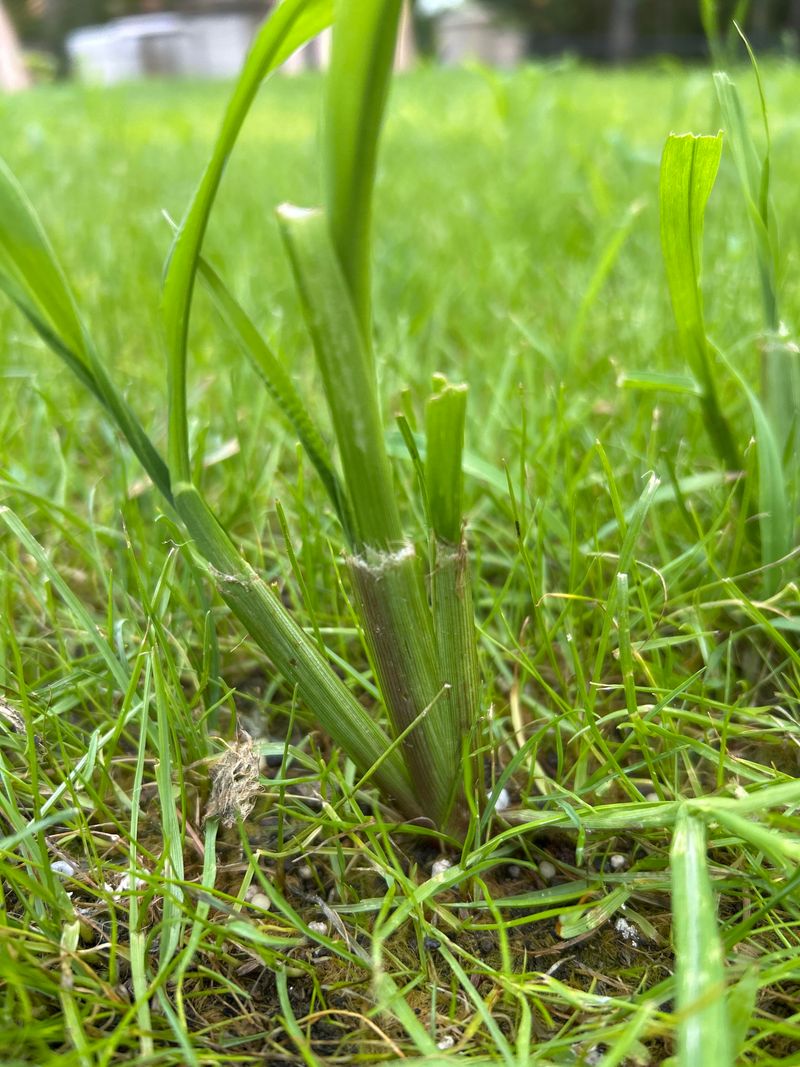
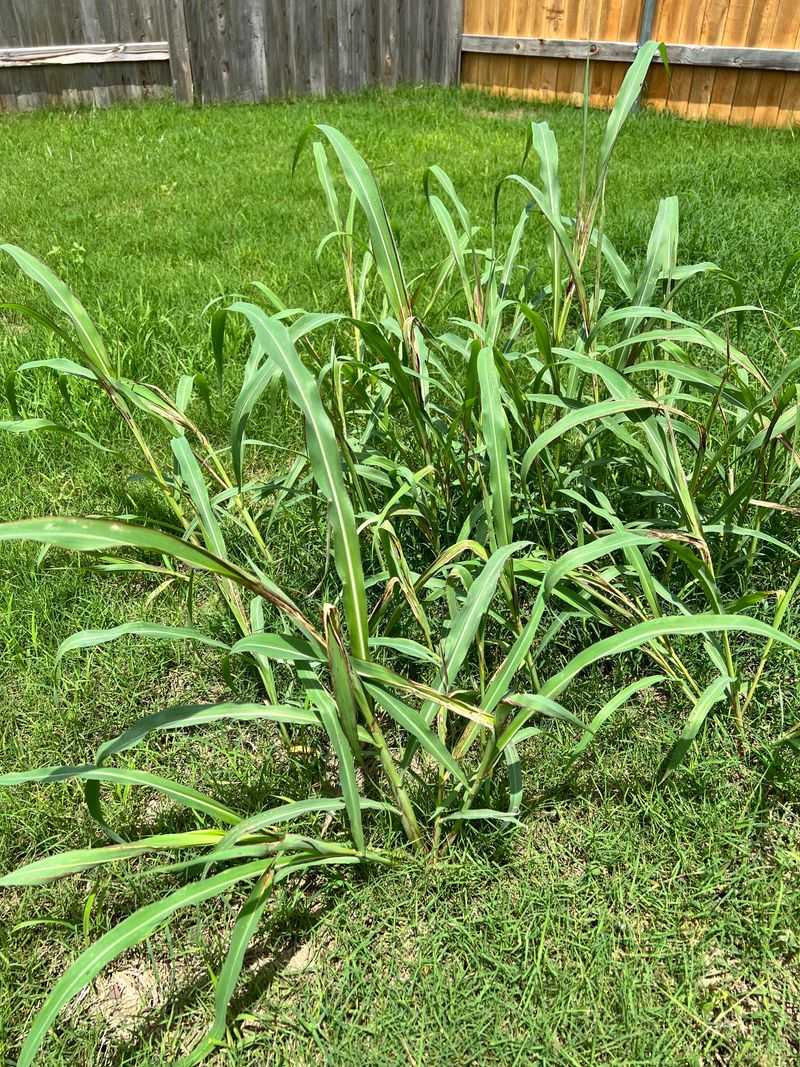
Johnsongrass is a master of disguise during its early growth stage. Young shoots look almost identical to corn seedlings, which is part of why so many Kentucky gardeners miss it completely.
In spring, the stalks emerge as slender green blades with a pale midrib running down the center. Most people assume it is a harmless grass or even a desirable ornamental plant.
By midsummer, those “harmless” blades can tower six to eight feet tall. At that height, the plant has already produced seeds and spread its rhizome network considerably.
The leaves are wide and smooth with a waxy feel. That waxy coating helps the plant resist both drought and many herbicide sprays, making treatment trickier.
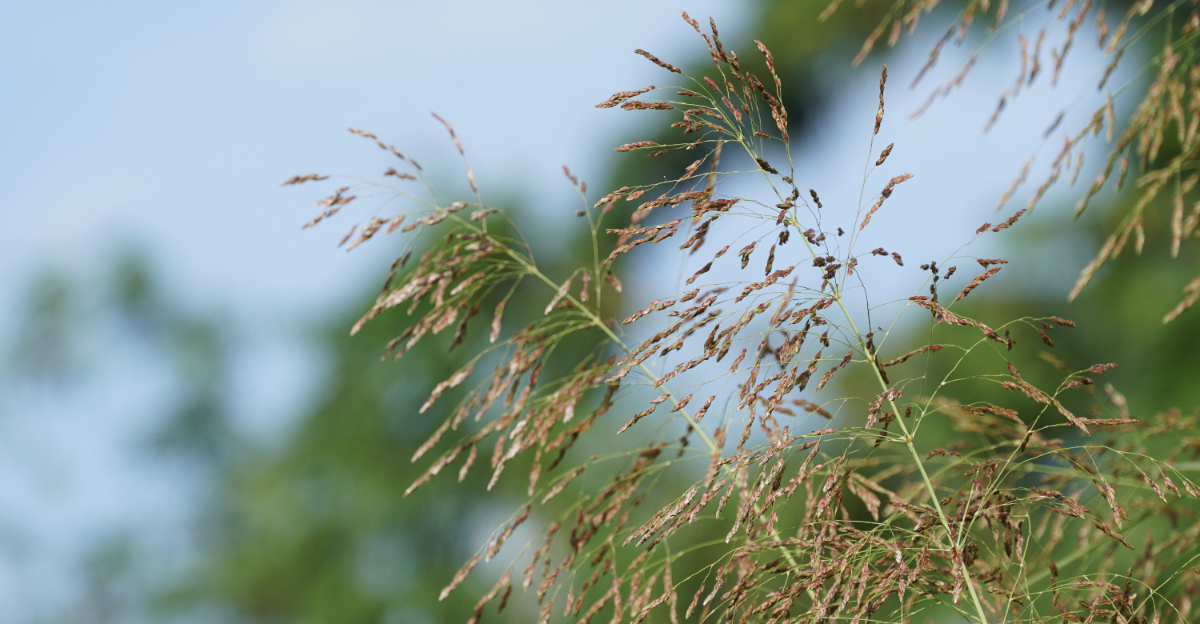
One reliable identification clue is the white midrib stripe running down each leaf blade. Paired with reddish-purple seed heads at the top, that combination is a clear giveaway.
Catching this invasive grass early, when stalks are under two feet tall, gives you the best chance of stopping it. Waiting until full maturity means dealing with thousands of seeds ready to drop.
Walk your garden borders every two weeks during spring. Spotting new growth fast is one of the most powerful tools any gardener has against Johnsongrass.
Your Kentucky Garden Changes Every Week. Your Plan Should Too.
Gardening in Kentucky changes quickly throughout the season. Every Friday you’ll receive a simple weekly plan showing exactly what to plant, prune, fertilize, harvest, and protect so you never miss the right timing.
Garden Beds Are Especially Vulnerable Targets
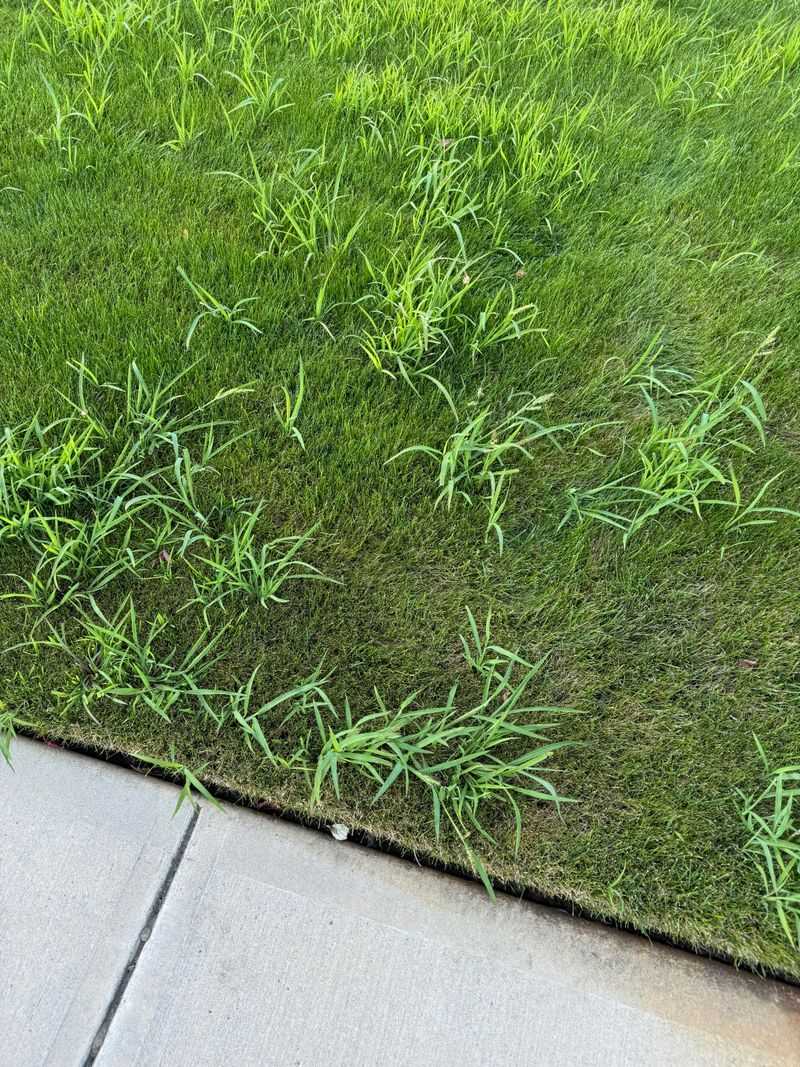
Raised beds and cultivated garden plots are practically a welcome mat for this invasive grass. Loose, nutrient-rich soil is exactly the kind of environment where Johnsongrass thrives best.
Most garden beds receive regular watering, fertilization, and soil amendments. All of those improvements that you make for your tomatoes also benefit the invader growing alongside them.
Rhizomes spread most aggressively in soft, workable soil. The looser the ground, the faster underground stems can travel from one end of a bed to the other.
Ornamental flower beds face the same threat. Perennial borders are especially at risk because they are rarely fully dug up, giving rhizomes years to establish deep networks.
Vegetable gardens suffer a double hit. Not only does the invasive grass compete for space, but it also blocks sunlight from reaching lower-growing crops like lettuce and beans.
Container gardens and raised beds with open bottoms are not safe either. Rhizomes can travel under the frame and push up through drainage holes or gaps in wood.
Inspect the edges of every garden bed monthly during the growing season. Catching new growth at the perimeter stops rhizomes from penetrating your most valuable planting areas.
Nutrients Get Pulled Away From Desired Plants By Johnsongrass
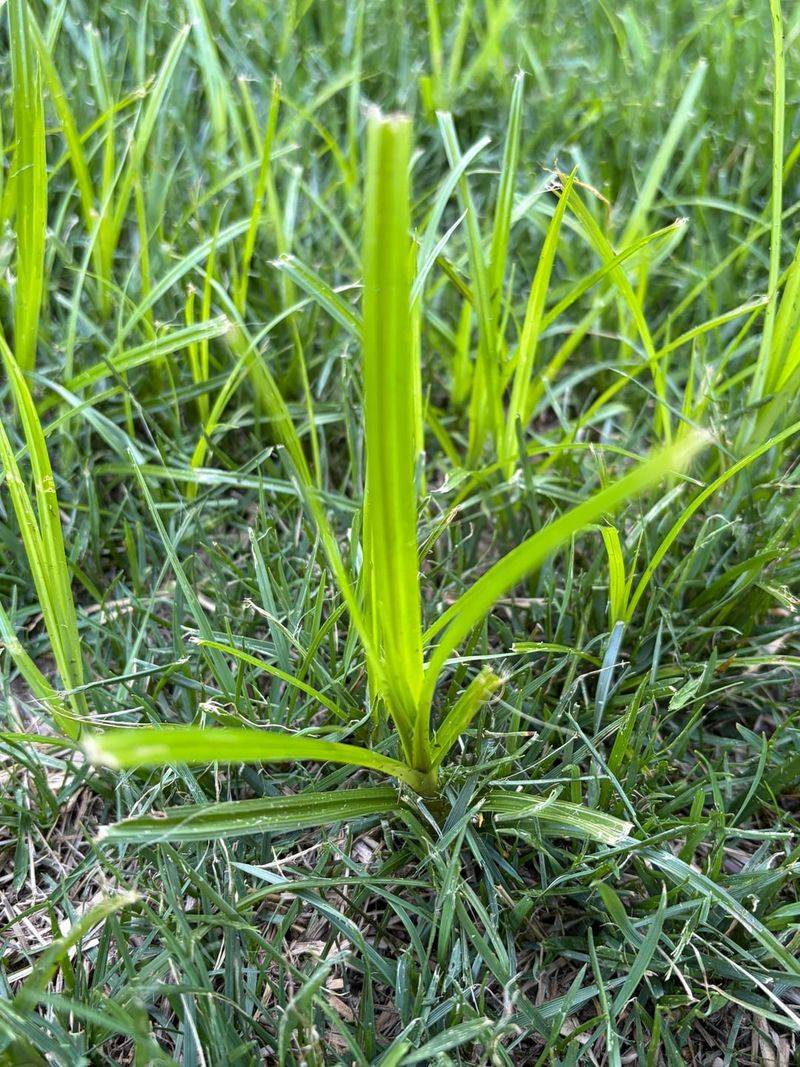
Johnsongrass is not a polite neighbor. It is a resource thief that quietly drains moisture, nitrogen, and sunlight from every plant growing nearby.
Studies have shown that this invasive grass can reduce crop yields by 30 percent or more in heavily infested areas. Home gardeners see similar losses in their tomatoes, peppers, and squash.
The root system is incredibly efficient at pulling nitrogen from the soil. Nitrogen is the nutrient most responsible for leafy green growth, and your vegetables need it badly.
When Johnsongrass roots compete for water, surrounding plants show signs of stress first. Wilting during the afternoon, even after morning watering, is a common early warning sign.
Sunlight competition becomes severe once the stalks reach full height. At six feet tall, this grass casts shade that stunts fruit production and weakens overall plant health.
Even after removal, the soil may need time to recover its nutrient balance. Adding compost and a balanced fertilizer helps replenish what was stripped away during the infestation.
Think of every week you let Johnsongrass stay as a withdrawal from your garden’s savings account. The longer it grows, the bigger the deficit your other plants are forced to absorb.
Removal Requires Persistent, Repeated Effort
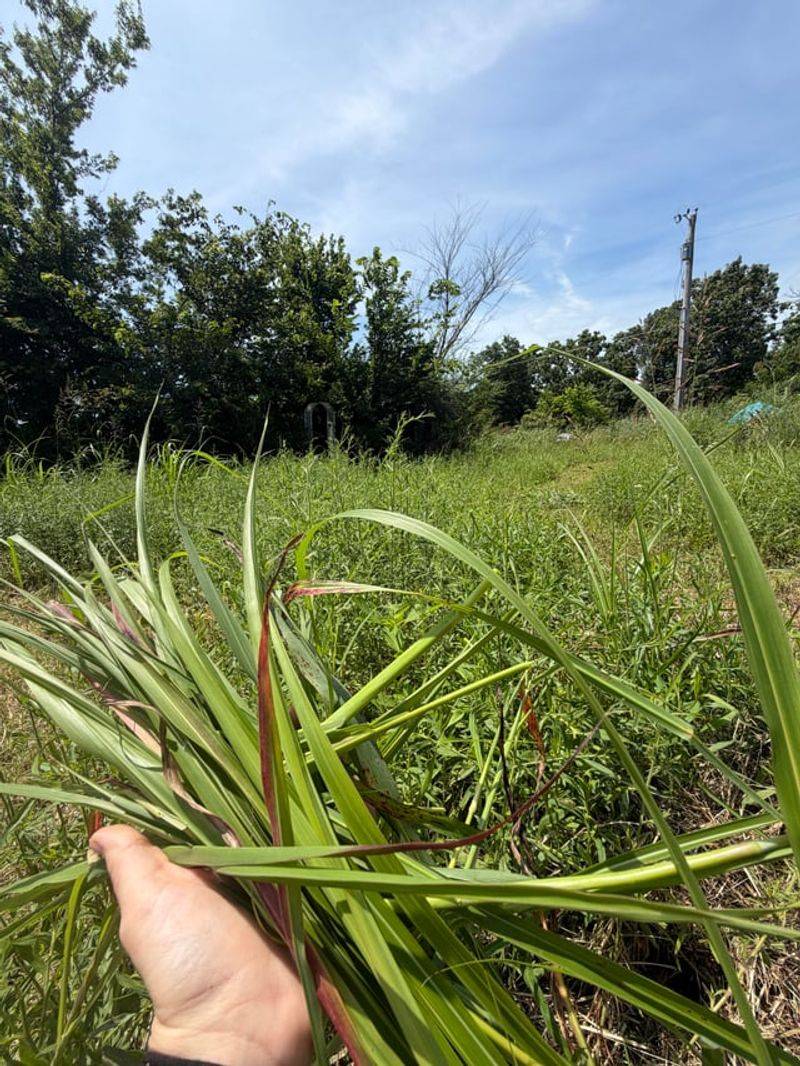
There is no one-and-done solution when it comes to Johnsongrass removal. Many gardeners who try a single treatment and walk away come back to find it worse.
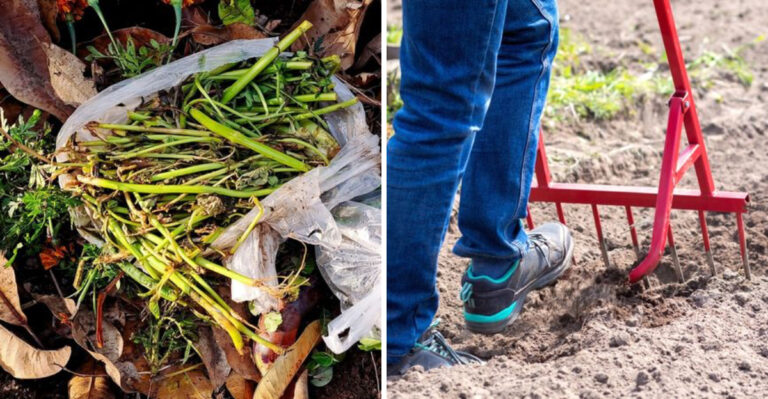
Hand-pulling works only when plants are young and the soil is moist. You must remove the entire root mass, not just the top growth, or new shoots appear within days.
A garden fork or narrow spade is more effective than bare hands for extraction. Loosen the soil in a wide circle around each plant before attempting to lift the root ball.
For established infestations, repeated cutting every two to three weeks weakens the plant over time. Each cut forces the rhizome to burn stored energy sending up new growth.
Smothering with thick cardboard or black landscape fabric cuts off sunlight for an entire season. Combined with repeated cutting at the edges, this approach starves the underground network gradually.
Targeted herbicide applications using glyphosate or fluazifop-P-butyl can be effective on mature plants. Be sure to follow label directions carefully and avoid spraying near desirable garden plants.
Consistency is the real advantage here. Skipping even one growing season of treatment allows the rhizome network to fully recharge and undo months of hard work.
Prevention Starts With Early Identification
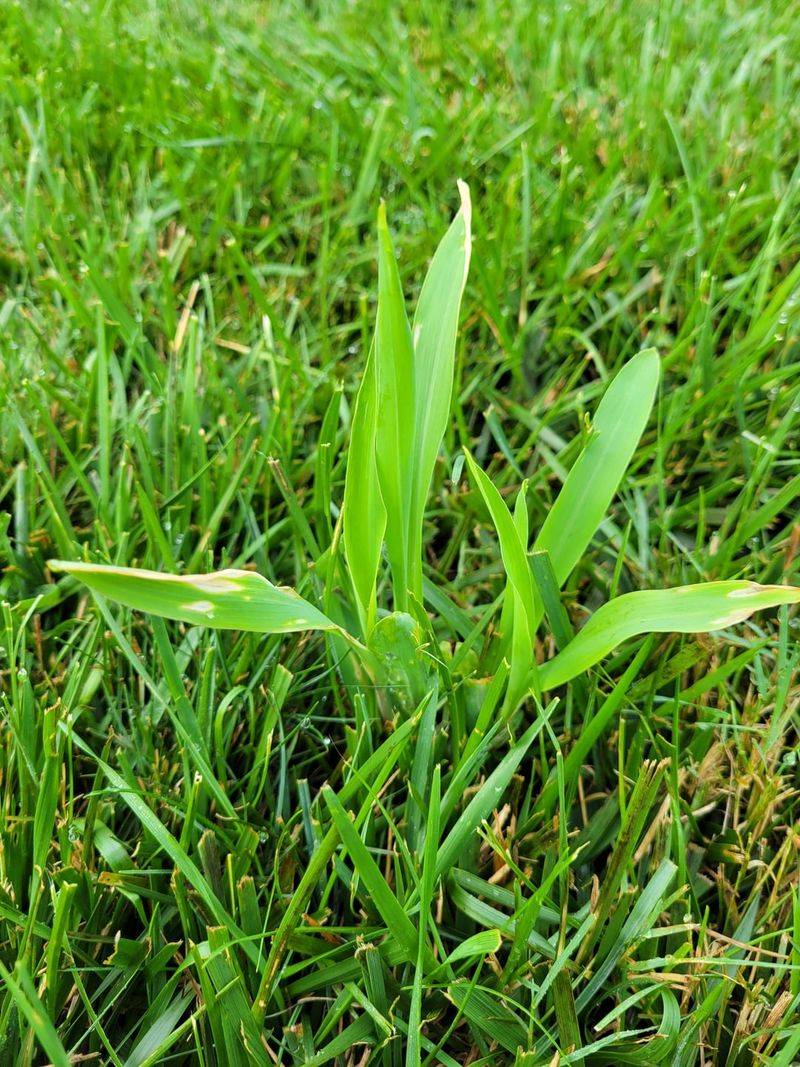
Stopping Johnsongrass before it takes over is far easier than dealing with a full-blown infestation. Early identification is the single most powerful prevention tool available to any Kentucky gardener.
Learn the key visual markers now, before spring arrives. The white midrib stripe on the leaf blade and the reddish-purple branching seed head are your two most reliable clues.
New seedlings emerge in clusters and can be confused with ornamental grasses. The difference is that Johnsongrass grows faster and taller than most garden grasses within just a few weeks.
Check areas near fence lines, compost bins, and garden edges first. Seeds travel by wind and water, so low spots and drainage paths are common entry points.
Birds also spread seeds across your yard after feeding on the seed heads. Any area where birds perch or gather should be monitored closely each spring.
Buying clean, certified weed-free compost and mulch reduces the risk of introducing seeds accidentally. Contaminated bulk materials are one of the most overlooked entry points for invasive plants.
Share what you learn with neighbors, because Johnsongrass does not respect property lines. A coordinated neighborhood approach gives everyone a much better chance of keeping this invasive grass from returning.
Seed Production Makes The Problem Exponentially Worse
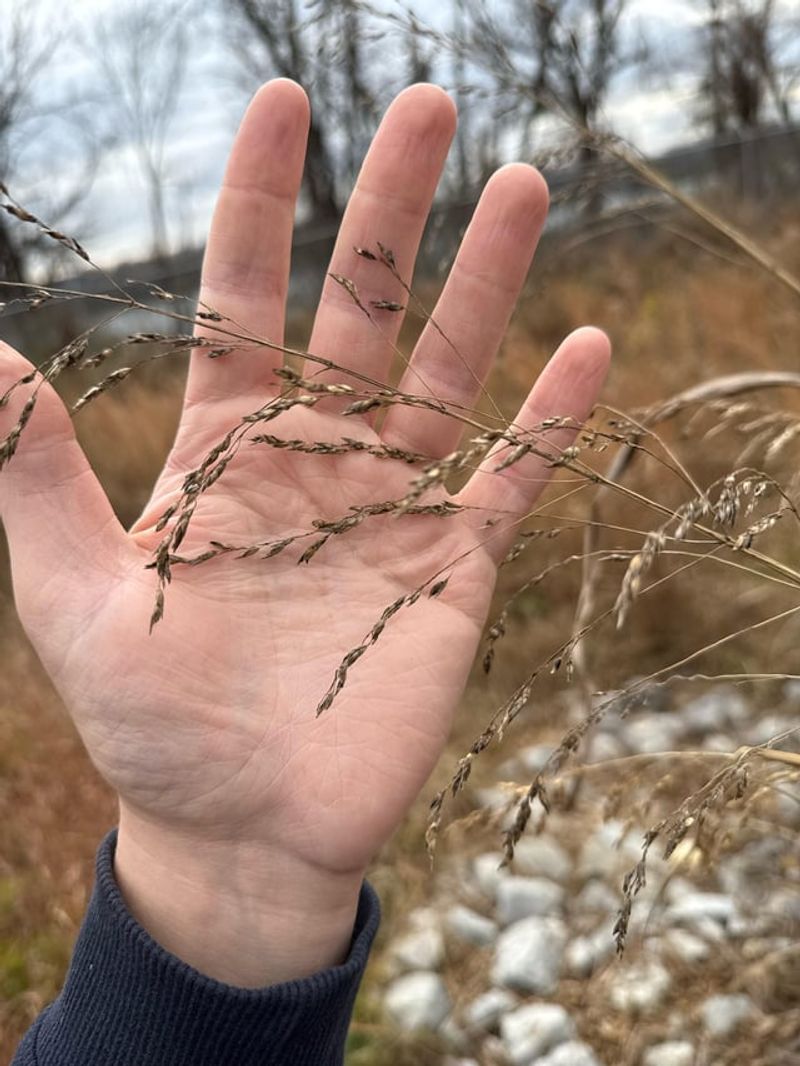
One mature Johnsongrass plant can produce up to 80,000 seeds in a single growing season. That number is not a typo, and it explains why infestations spread so fast.
Seeds are lightweight and designed to travel. Wind carries them dozens of feet from the parent plant, dropping them into garden beds you thought were safe.
Seeds can remain viable in the soil for up to 10 years. Even if you eliminate every living plant this season, dormant seeds are already waiting for the right conditions.
Mowing before seed heads mature is one of the most effective prevention steps. Cut plants down before the seed head opens, and you stop thousands of future plants in one pass.
Avoid adding Johnsongrass seed heads to a home compost pile. Most backyard compost does not reach temperatures high enough to destroy the seeds, spreading them right back into your Kentucky garden.
Bag seed-bearing stalks separately and dispose of them in sealed trash bags. This one step prevents accidental reseeding during cleanup and makes your removal efforts far more effective.
Seed management paired with rhizome control gives you a two-part strategy against this invasive grass. Tackle both at once and you dramatically shorten the time it takes to reclaim your garden.