8 Plants That Thrive When Kentucky Summer Gets Hot And Water Gets Scarce
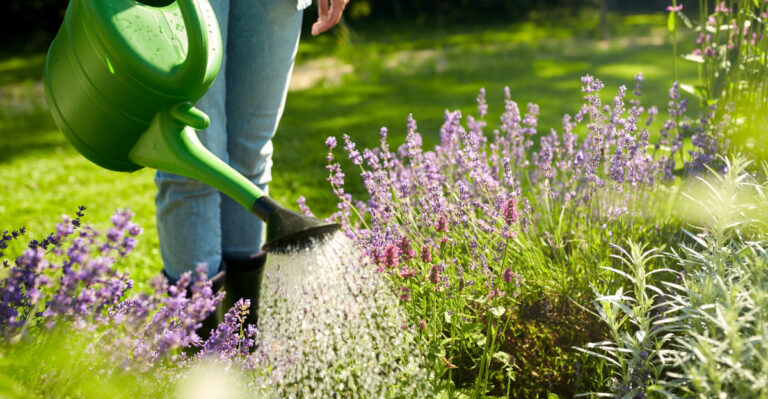
Kentucky summers play no games. The heat builds slow and then hits hard, baking the soil and draining every drop of moisture from your garden.
Weeks without rain can turn even the most promising beds into a dusty disappointment. But some plants are built for exactly this.
Native and naturalized species have spent generations adapting to the Bluegrass State’s punishing dry spells, and they have the stamina to prove it. They do not just survive the heat.
They rise up and bloom while everything around them fades. These remarkable plants deserve a spot in your yard. They ask for little and deliver a lot. No constant watering, no fussing, no regrets.
Somewhere between the first dry week of July and the fifth, most gardens start to struggle. These plants do not.
They might just change how you approach summer planting altogether, with less watering, less worrying, and more color than you expected.
1. Black-Eyed Susan
Forget babying your garden through a brutal August drought. Black-eyed Susan handles dry spells and blazing sun with ease.
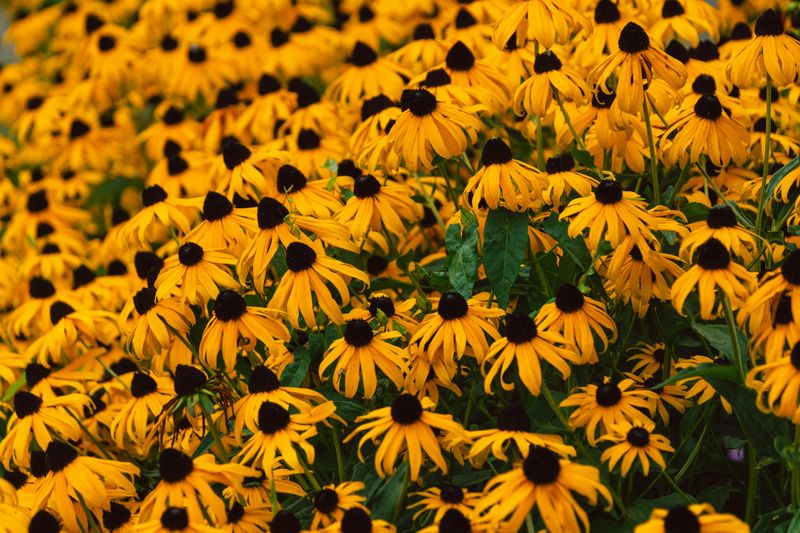
This cheerful wildflower, with its golden-yellow petals and dark chocolate centers, is one of the toughest bloomers you can grow in Kentucky’s punishing summer heat. Once it gets established, it basically takes care of itself.
Overwatering is the one thing that can trip it up, so resist the urge to coddle it. Plant it in a sunny spot, give it a little water when it’s young, and then step back and watch it fill with color from July all the way into September.
Native to North America, this plant has deep roots that pull moisture from lower in the soil, giving it a serious edge during dry stretches. It grows about two to three feet tall, making it a standout in borders, meadow gardens, and naturalized areas.
Pollinators go absolutely wild for its blooms, so expect butterflies and bees to become regular visitors.
One underrated bonus: Black-eyed Susan self-seeds freely, so your patch naturally expands each year without any effort from you. Remove spent flowers if you want to control spreading, or leave them for goldfinches to snack on through fall and winter.
Either way, this sun-loving powerhouse earns its place in any water-wise Kentucky garden with minimal drama.
2. Coneflower
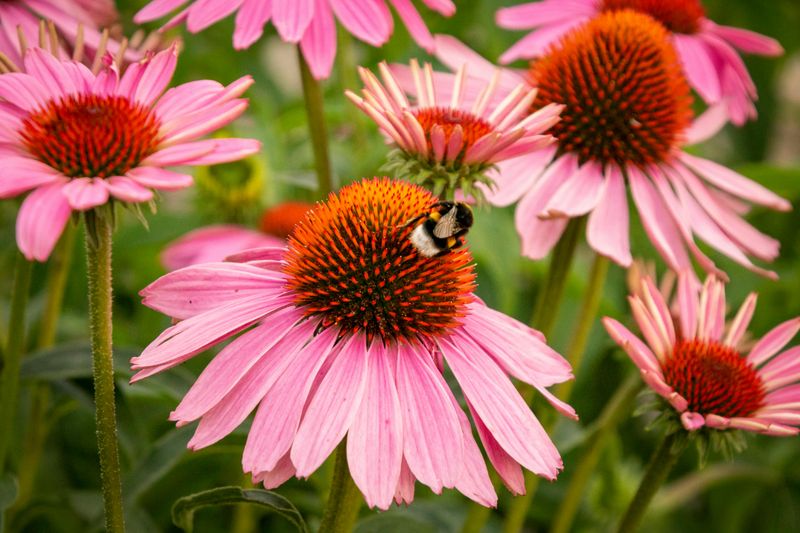
Some plants whisper in the garden. Coneflower shouts.With its bold purple-pink petals radiating out from a spiky, copper-colored center, this native perennial commands attention from across the yard.
It’s one of the most recognizable wildflowers in the eastern United States, and it earns serious respect for its ability to handle scorching temperatures and weeks without rain.
Echinacea, as it’s also known, develops a thick taproot that anchors deep into the ground and taps into moisture long after the top layer of soil has turned to dust.
That underground toughness is exactly why gardeners across Kentucky swear by it during the driest stretches of July and August. Plant it once, and it rewards you for years with almost no intervention needed.
Your Kentucky Garden Changes Every Week. Your Plan Should Too.
Gardening in Kentucky changes quickly throughout the season. Every Friday you’ll receive a simple weekly plan showing exactly what to plant, prune, fertilize, harvest, and protect so you never miss the right timing.
Coneflower grows best in full sun and well-drained soil, and it actually blooms more prolifically when conditions are a little tough.
Rich, wet soil encourages floppy stems and fewer flowers, so skip the heavy amendments. A simple spot in a sunny bed or along a fence line is all this plant needs to put on a serious summer performance.
Beyond its good looks, coneflower is a wildlife magnet from the moment it blooms until the last seed head disappears in winter. Bees crowd the flowers all summer, while American goldfinches cling to the seed heads for months after the petals fall.
Leaving the dried stems standing through winter gives birds a food source and your garden a striking, architectural look even in the coldest months.
3. Daylily
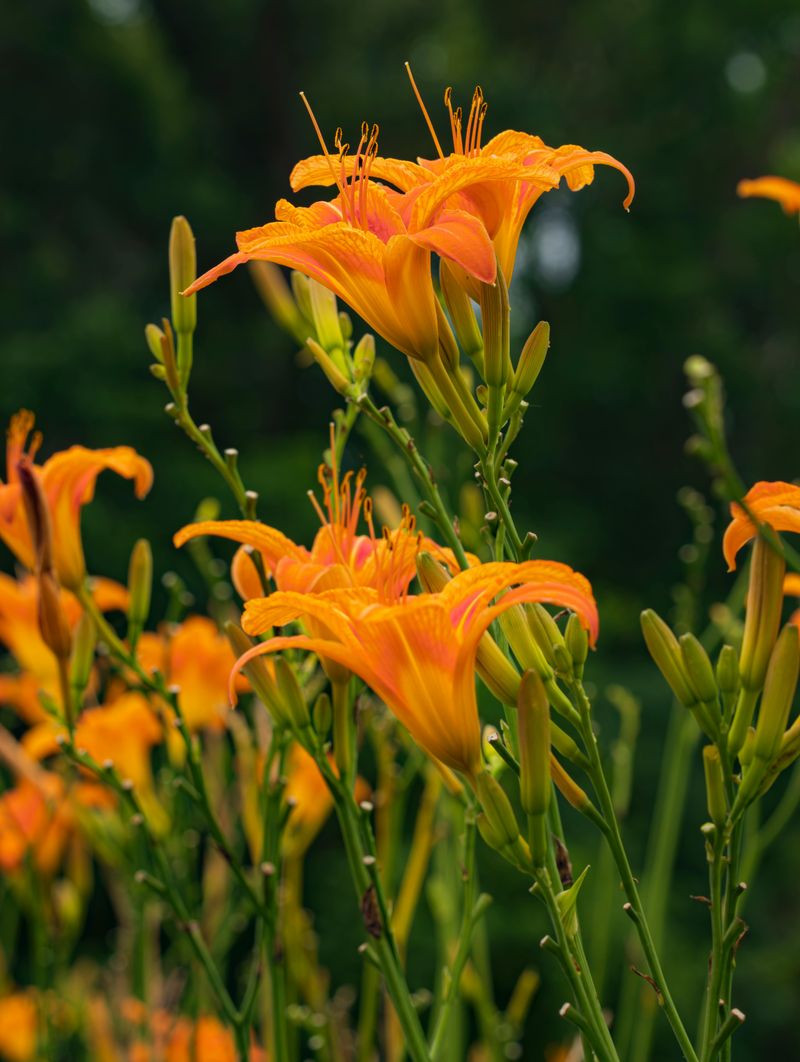
You have almost certainly seen daylilies growing wild along Kentucky roadsides without a single drop of supplemental water, and that tells you everything you need to know about their toughness.
These plants spread along ditches, fence lines, and abandoned lots as if daring the summer heat to slow them down.
The classic orange variety, often called the ditch lily, has naturalized across much of the country and thrives in conditions that would flatten most garden plants.
Modern daylily hybrids come in an almost dizzying range of colors, from pale lemon yellow to deep burgundy and nearly every shade in between.
Each flower lasts only a single day, but a healthy clump produces so many buds that the display continues for weeks on end.
Planted in a sunny spot with decent drainage, daylilies need almost no attention once they settle in after their first season.
Their fleshy, tuberous roots store water and nutrients, acting like a built-in survival kit during dry spells.
This adaptation makes them extraordinarily resilient during the kind of hot, rainless stretches that are common in Kentucky from late June through August.
They do appreciate a deep watering every couple of weeks if there’s been no rain at all, but they rarely look stressed even when left completely on their own.
One important caution: daylilies are highly toxic to cats. Even small amounts of the plant including flowers, leaves, or pollen can cause acute kidney failure. Households with cats should choose a different plant entirely.
Daylilies also make excellent ground covers on slopes where erosion can be a problem, since their dense root systems hold soil firmly in place.
Dividing clumps every few years keeps them blooming vigorously and gives you extra plants to spread around the yard or share with neighbors who want a low-effort, high-reward summer flower.
The classic orange roadside variety can spread aggressively and crowd out native plants if left unchecked. Modern hybrid varieties are generally better-behaved choices for garden beds.
4. Butterfly Weed
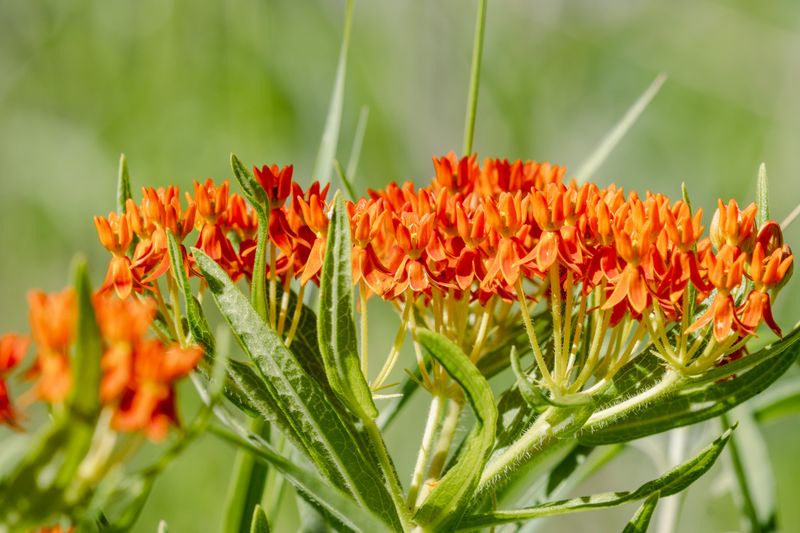
Bright orange and completely unbothered by drought, Butterfly Weed is one of those plants that makes you wonder why it isn’t in every single yard in Kentucky.
This native milkweed relative produces clusters of vivid, flame-colored flowers that seem almost too intense for a plant surviving in bone-dry soil.
It blooms from late spring through midsummer and occasionally reblooms if conditions cooperate, giving pollinators a reliable food source during some of the hottest weeks of the year.
Unlike its milkweed cousins, Butterfly Weed does not produce the milky sap that gives the family its name, and it stays much more compact and tidy in the garden.
It tops out around two feet tall, making it a neat fit for borders, rock gardens, and naturalized areas. Full sun and sharp drainage are non-negotiable for this plant.
Soggy soil is the one condition it genuinely cannot handle, so avoid low spots and heavy clay without amendment.
Its deep taproot is a survival superpower. Once established, usually after the second growing season, Butterfly Weed can endure weeks without rain while continuing to flower and feed wildlife.
Monarch butterflies rely on milkweed species like this one as their sole caterpillar host plant, making it one of the most ecologically important flowers you can grow in a home garden.
Butterfly Weed is slow to emerge in spring, often popping up weeks after everything else has leafed out. Mark its location in fall so you do not accidentally dig it up when the spot looks empty.
5. Blazing Star
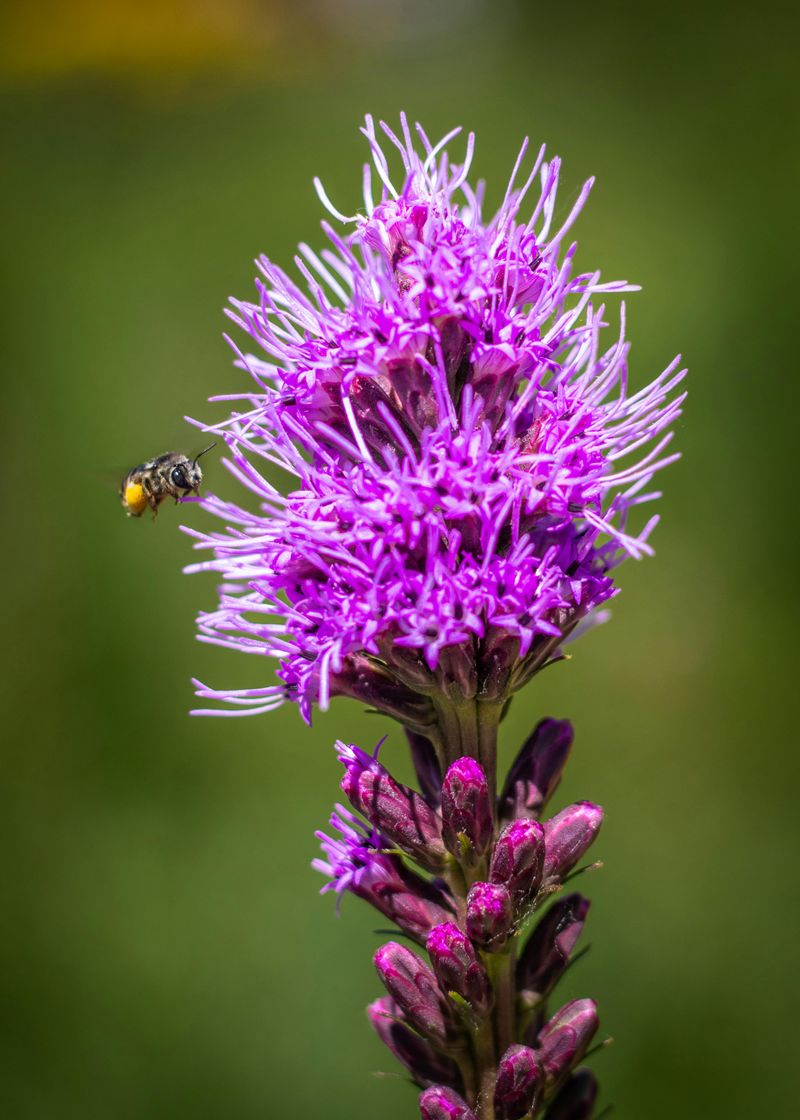
Blazing Star earns its dramatic name every single August. Tall, wand-like spikes of rich purple bloom from the top down, which is unusual in the plant world and makes it instantly recognizable.
Standing anywhere from two to four feet tall, it rises above lower-growing neighbors like a purple torch. Monarch butterflies, tiger swallowtails, and bumblebees flock to it throughout the season.
And it does all of this while enduring heat and drought that most other plants struggle to tolerate.
Also known as Liatris, this native prairie plant evolved in open grasslands where summer sun is relentless and rainfall is unpredictable.
That heritage makes it perfectly suited to Kentucky gardens, especially in spots where the soil is lean and drainage is good.
It grows from a corm, which is a compact underground storage organ similar to a bulb, and that structure holds enough energy and moisture to keep the plant going through extended dry periods.
Blazing Star performs best in full sun with soil that does not stay wet after rain. Raised beds, slopes, and rocky areas are ideal.
Unlike many ornamentals, it actually resents being pampered with rich soil and extra water, producing floppy stems and fewer flowers when conditions are too cushy. A little neglect goes a long way with this one.
After the flowers fade, the seed heads attract migrating birds, especially goldfinches, who cling to the stems and pick out the tiny seeds well into fall.
Leaving the plants standing through winter adds structure to the garden and provides shelter for small insects and overwintering beneficial bugs that your garden needs come spring.
6. Hyssop
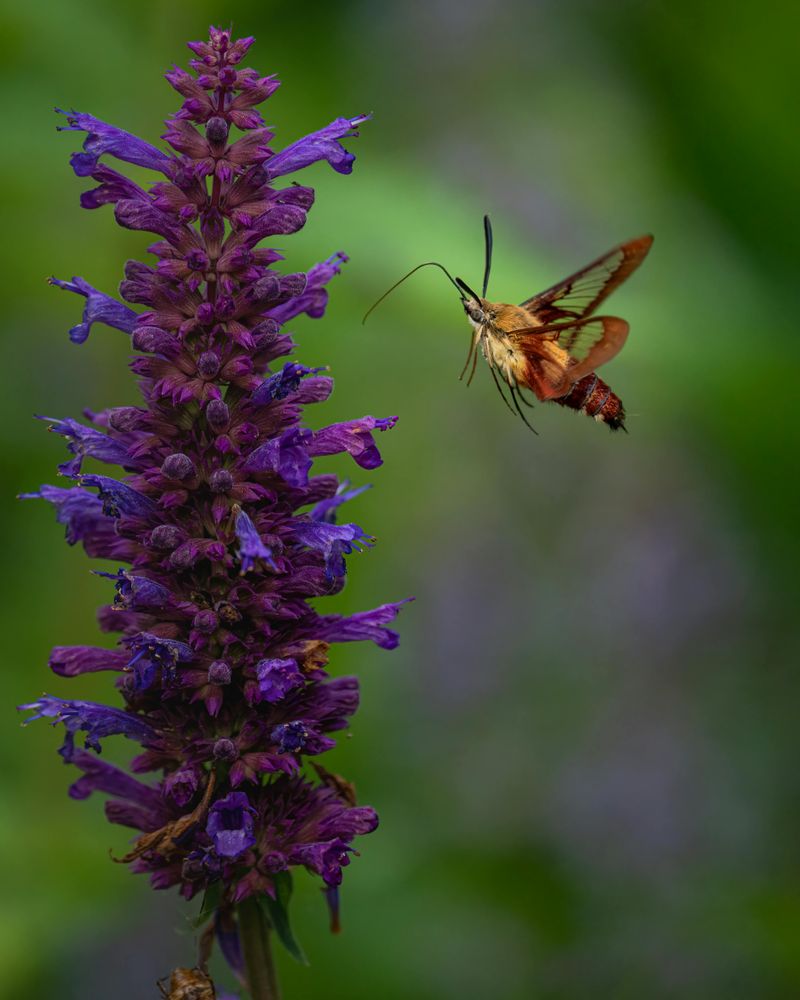
Walk past Hyssop on a hot summer afternoon and you will stop in your tracks. The scent hits you first, a warm, anise-like fragrance that rises from the foliage even without touching it.
Then you notice the tall, bottlebrush spikes of blue-purple flowers absolutely packed with bees, hummingbirds, and butterflies.
Agastache, as it is formally known, is one of the most underused pollinator plants for dry, sunny gardens in the region, and once you grow it, you will wonder how your yard ever felt complete without it.
Native to North American prairies and open woodlands, Hyssop has built-in drought tolerance that kicks in after its first season in the ground.
The roots go deep, the stems stay upright even in heat, and the flowers keep coming from midsummer through early fall without missing a beat.
It handles poor soil with ease and actually produces more aromatic foliage when conditions are dry and lean, since stress concentrates the essential oils in the leaves.
Plant it in a spot that gets at least six hours of direct sun per day, and make sure the soil drains freely. Hyssop absolutely despises wet feet, and standing water around the crown in winter is the fastest way to lose an otherwise tough plant.
A light layer of gravel mulch around the base helps with drainage and reflects heat upward, which this plant genuinely seems to enjoy.
The dried flower spikes hold their shape beautifully into winter and make excellent additions to dried arrangements.
Crushing a leaf between your fingers releases that unmistakable herbal scent, which is reason enough to plant it somewhere you pass by every single day.
7. Stonecrop
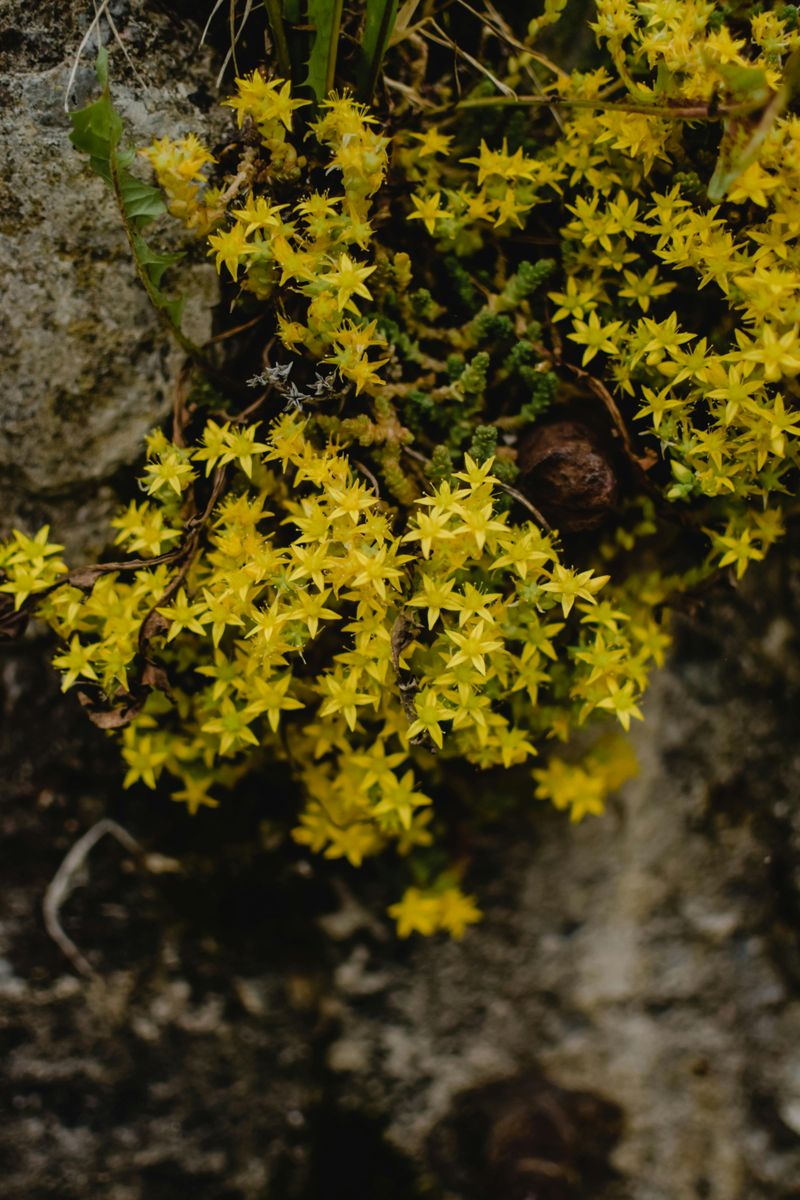
Stonecrop is the plant that thrives where other plants wave a white flag. Growing naturally in rock crevices, gravel beds, and sun-baked slopes, this succulent ground cover stores water in its thick, fleshy leaves the same way a cactus does.
That built-in reservoir lets it sail through weeks of dry weather without flinching, making it one of the most practical choices for challenging spots in a Kentucky yard where the soil is thin and the sun is merciless.
When selecting a variety, avoid Sedum acre (goldmoss stonecrop), which can spread aggressively into natural areas in the eastern U.S.
Better-behaved choices for Kentucky gardens include Sedum spurium, Sedum kamtschaticum, and the popular Autumn Joy (now classified as Hylotelephium).
The shorter creeping types are fantastic for filling gaps between stepping stones, edging paths, or cascading over retaining walls. The taller varieties work beautifully as border plants and pair well with ornamental grasses.
Stonecrop flowers range from pale yellow to deep rose-pink depending on the variety, and they bloom at a time, late summer into fall, when many other flowers have already called it quits for the season.
That late-season color is genuinely valuable in the garden, and pollinators recognize it too, crowding the blooms right up until the first frost arrives.
Planting Stonecrop is almost foolproof. Stick it in a sunny spot with fast-draining soil, water it a handful of times until it roots in, and then essentially forget about it.
Overwatering is the single most common mistake people make with this plant, so when in doubt, hold off and let the soil dry out completely between waterings.
8. Blanket Flower
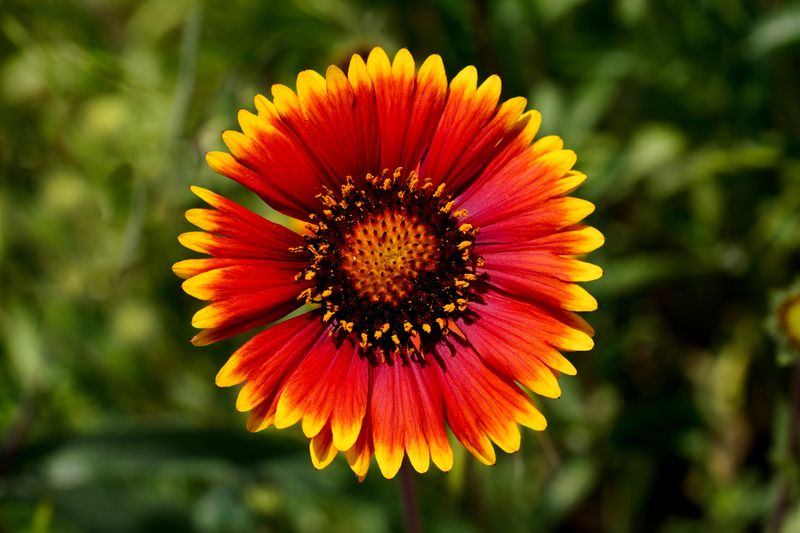
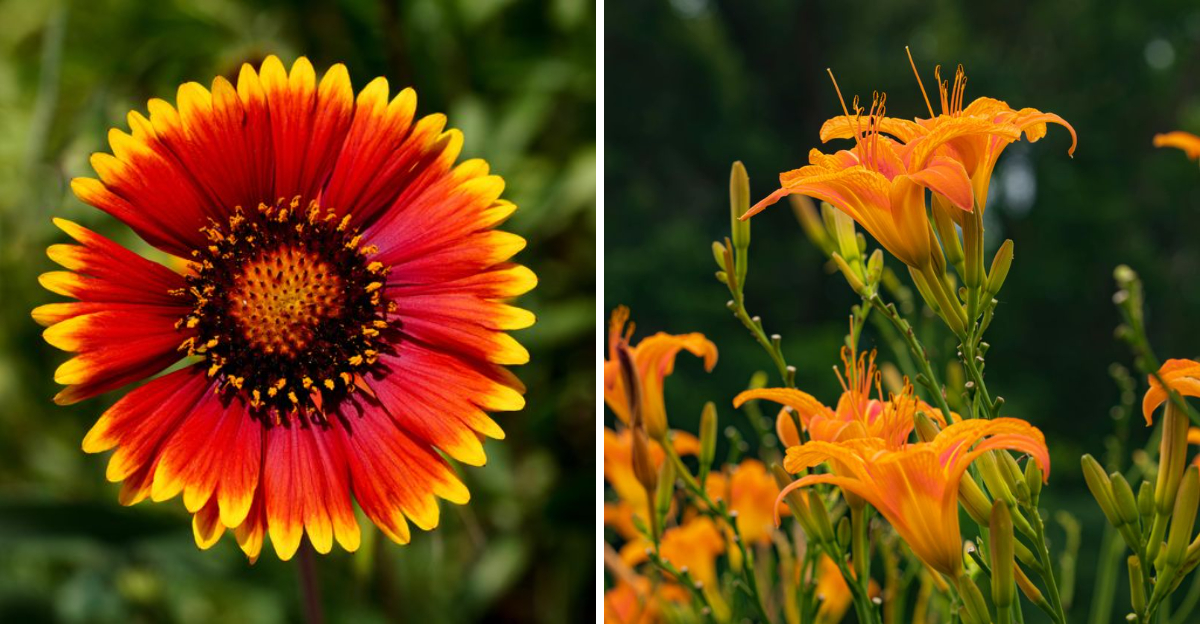
If a flower could look like a summer sunset, it would be Blanket Flower. The blooms are a striking combination of deep red at the center and bright yellow at the tips, radiating outward in bold, flame-colored rings that almost seem to glow in afternoon light.
Gaillardia, as botanists call it, is one of the longest-blooming perennials you can grow in Kentucky, putting out flowers from late spring until hard frost with almost no encouragement from the gardener.
Native to the open prairies of North America, Blanket Flower evolved in environments with intense sun, thin soil, and unpredictable rainfall. That heritage translates directly into the garden, where it handles dry spells with remarkable ease.
The more sun it gets, the better it blooms, and it genuinely prefers poor, sandy, or gravelly soil over rich amended beds.
Adding too much compost or fertilizer encourages lush foliage at the expense of flowers, which is the opposite of what you want.
Blanket Flower grows about twelve to eighteen inches tall and spreads into tidy clumps over time. Removing spent blooms keeps new flowers coming, though even without it this plant produces abundantly all season.
A light trim in midsummer can rejuvenate a plant that starts to look a little tired and push a fresh flush of blooms.
Blanket Flower is a reliable, no-fuss performer that earns a permanent spot in any water-wise garden. Plant it once and it will reward you for seasons to come.