Why Kentucky Fire Ant Mounds Keep Spreading After Rain And How To Stop Them
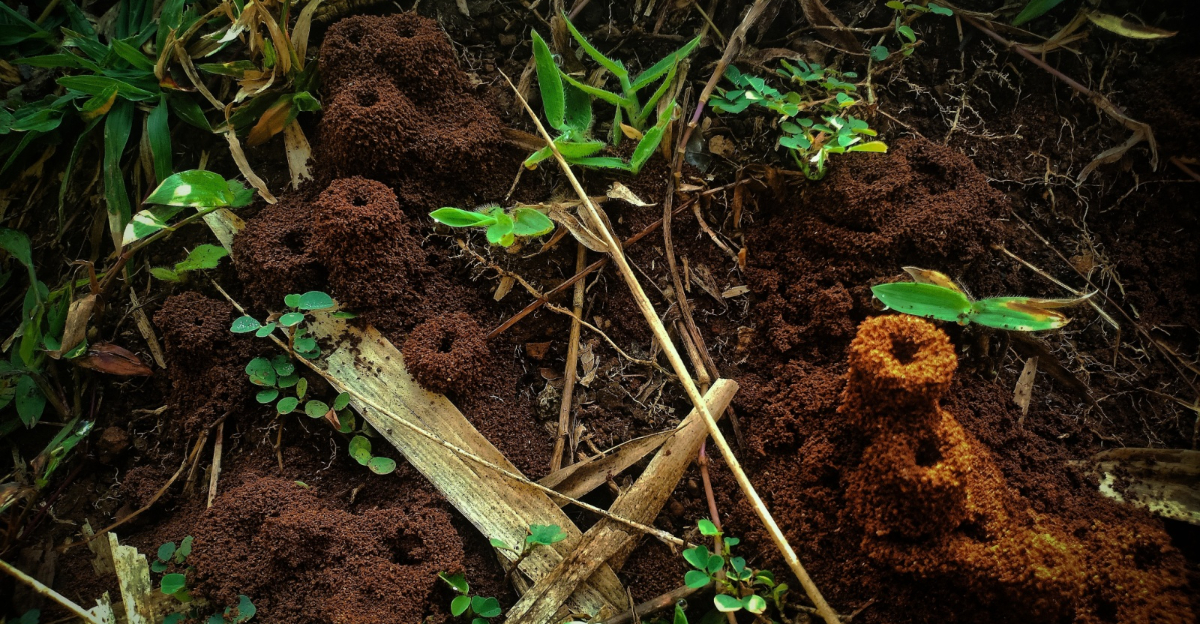
You step outside after a summer rainstorm. Your yard looks completely different. Tiny dirt mounds have appeared overnight, scattered across the lawn like a miniature landscape.
Fire ants in southern Kentucky are not slowing down, and heavy rain is making things worse. Most homeowners are caught off guard. They treat one mound, then three more appear.
The cycle feels endless. But what most people do not realize is that rain does not just bother fire ants.
It energizes them. When water floods their underground tunnels, entire colonies relocate fast.
They rebuild quickly, spread across new areas, and settle into different parts of your property. You do not have to keep losing ground to these persistent insects.
Once you understand what is happening beneath the surface, you can take steady, practical steps and reclaim your yard for good. So, are you ready to find real, lasting solutions against fire ants once and for all?
Flooded Tunnels Force Them Up
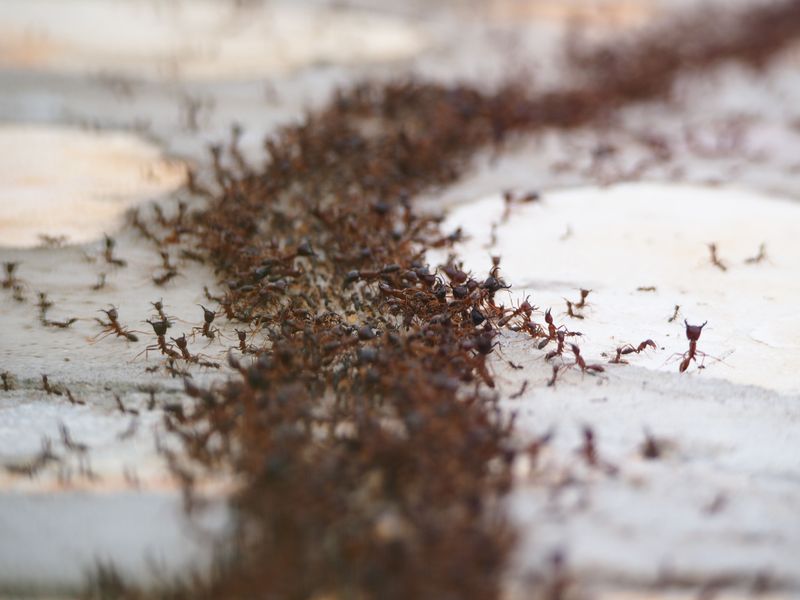
Picture thousands of tiny workers suddenly scrambling for higher ground. When heavy rain floods underground tunnels, fire ants have no choice but to move upward fast.
Their tunnel systems can stretch several feet below the surface. Even a moderate downpour can push water deep enough to make the lower chambers unlivable.
Worker ants carry eggs and larvae to safety near the top of the mound. The queen gets moved too, because protecting her is the colony’s top priority.
Once the water drains away, they rebuild deeper and wider than before. Each flood event pushes the colony to adapt and prepare differently for the next one.
This is why fire ants in southern Kentucky seem to spread after every rainfall. They are not new colonies popping up from nowhere.
They are existing ones adapting fast with every storm that rolls through your neighborhood.
Rain Reveals Already Existing Colonies
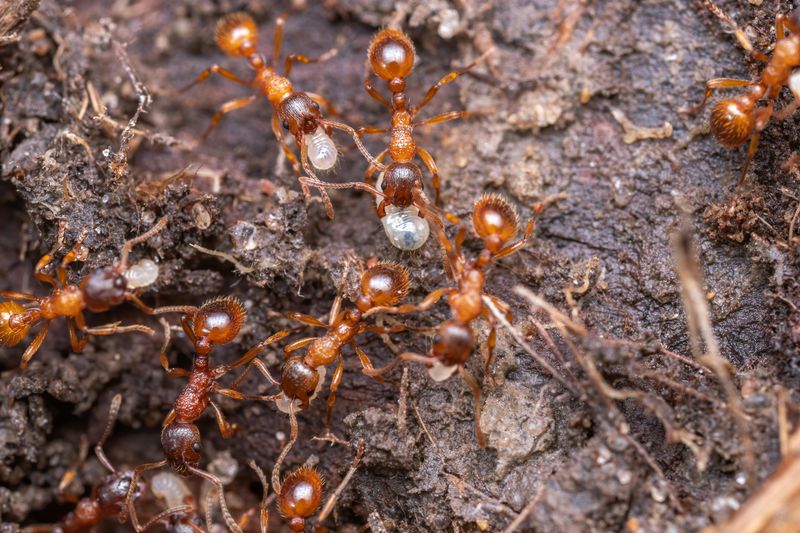
Surprise, those mounds were already there before the storm hit. Rain does not create new colonies overnight. It just makes hidden ones impossible to ignore.
Before a heavy rain, fire ant mounds can sit nearly flat against the ground. Dry conditions allow them to stay low and blend into the lawn without drawing attention.
Once moisture softens the soil, workers begin pushing dirt upward to improve air circulation inside the nest. That activity creates the familiar raised mound shape that suddenly appears in your yard.
Homeowners often count mounds after a storm and panic at the number. What they are actually seeing is the full picture of what was always living beneath their feet.
Knowing this changes your strategy completely. Treating only visible mounds after rain means you were already behind the problem.
A smarter approach starts with treating the entire lawn before storms arrive, not scrambling to react after every single one rolls through your property.
Wet Soil Is Easier To Dig
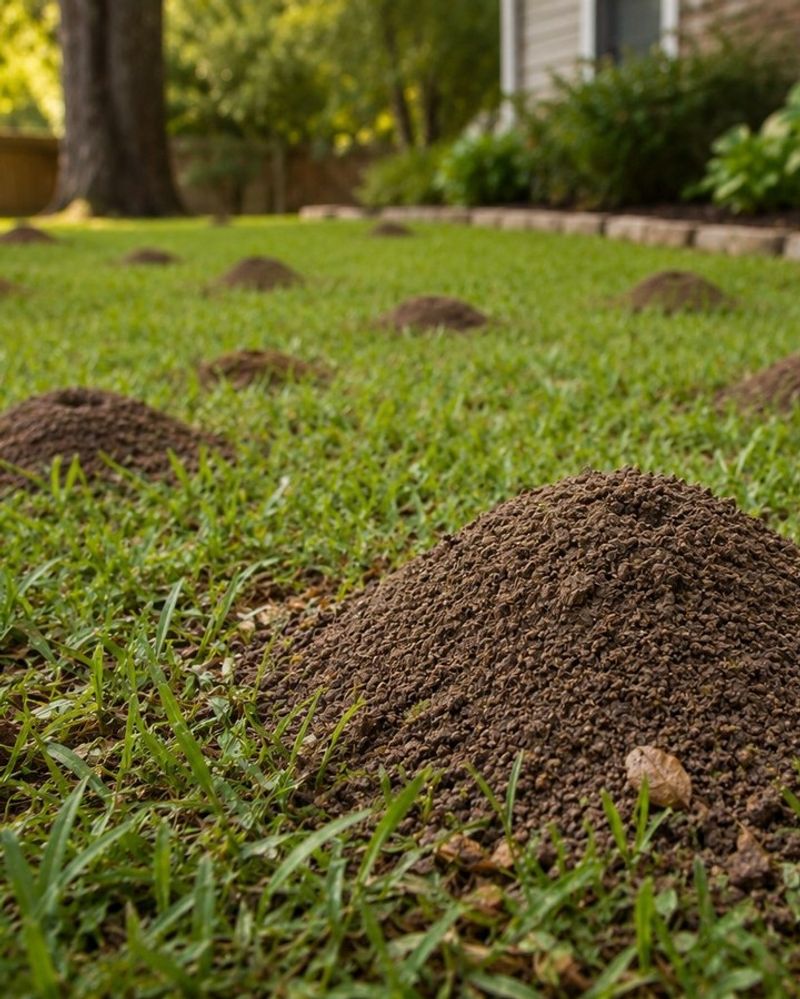
Hard, dry dirt slows construction down even for industrious insects. Wet soil is a completely different story for a fire ant colony on the move.
Your Kentucky Garden Changes Every Week. Your Plan Should Too.
Gardening in Kentucky changes quickly throughout the season. Every Friday you’ll receive a simple weekly plan showing exactly what to plant, prune, fertilize, harvest, and protect so you never miss the right timing.
After rain softens the ground, worker ants can excavate tunnels at a much faster pace. What might take considerably longer in dry conditions can happen much more quickly when moisture is present.
Faster digging means colonies can spread their network more quickly after each storm. New chambers get added, old ones get reinforced, and the overall footprint of the nest grows larger underground.
This expansion often goes unnoticed by homeowners because most of it happens below the surface. By the time visible mounds appear, the colony has already spread across a significant stretch of your yard.
Wet soil also allows satellite mounds to form at greater distances from the main nest. One colony can end up covering a surprisingly wide patch of lawn.
Stopping expansion early, before the ground gets soaked again, is the most effective way to limit how far they spread across your property.
Colonies Resurface After Drought Hiding

Long dry spells do not wipe out fire ant colonies. They just push them deeper underground where conditions stay cooler and more humid.
During a drought, the colony goes into a kind of low-activity mode. Workers reduce movement, foraging slows down, and the mound surface becomes barely noticeable above ground.
When rain finally arrives, it is like a starting gun going off inside the nest. Activity surges almost immediately as workers sense the moisture and begin expanding upward again.
Many southern Kentucky homeowners assume that a dry summer took care of their fire ant problem. Then the first good rain of late summer arrives and the yard is suddenly covered in mounds again.
The colony never left. It was just waiting patiently underground for better conditions to return.
Treating before a drought ends, or immediately after the first significant rain, gives you the best chance of catching the colony while it is active and most responsive to bait and contact treatments applied to the mound area.
Rain Speeds Up Egg Hatching
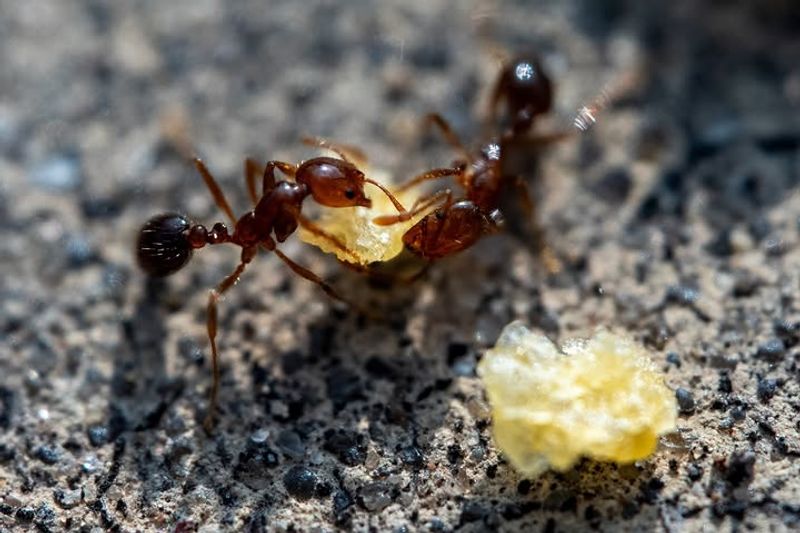
Warmth and moisture support healthy fire ant development. A warm southern Kentucky rainstorm delivers both at the right moment.
Fire ant eggs typically hatch within 7 to 10 days under warm, humid conditions. Rain helps maintain the moisture levels that support steady brood development inside the nest.
When conditions stay consistently warm and moist, the worker population can grow at a pace that surprises even experienced pest managers. More workers means more foraging, more digging, and more mound building happening all at once.
A colony that seemed manageable before a rainy stretch can feel noticeably more active just a couple of weeks later. The number of ants moving across the surface increases as new workers emerge from the brood chamber.
Understanding this cycle helps you time your treatments better. Applying bait right before or immediately after a rain event, when foraging activity is at its peak, gets the product in front of the most workers possible.
Treating during a period of high activity is far more effective than waiting until things calm down on their own.
Flooding Scatters Colonies To New Spots
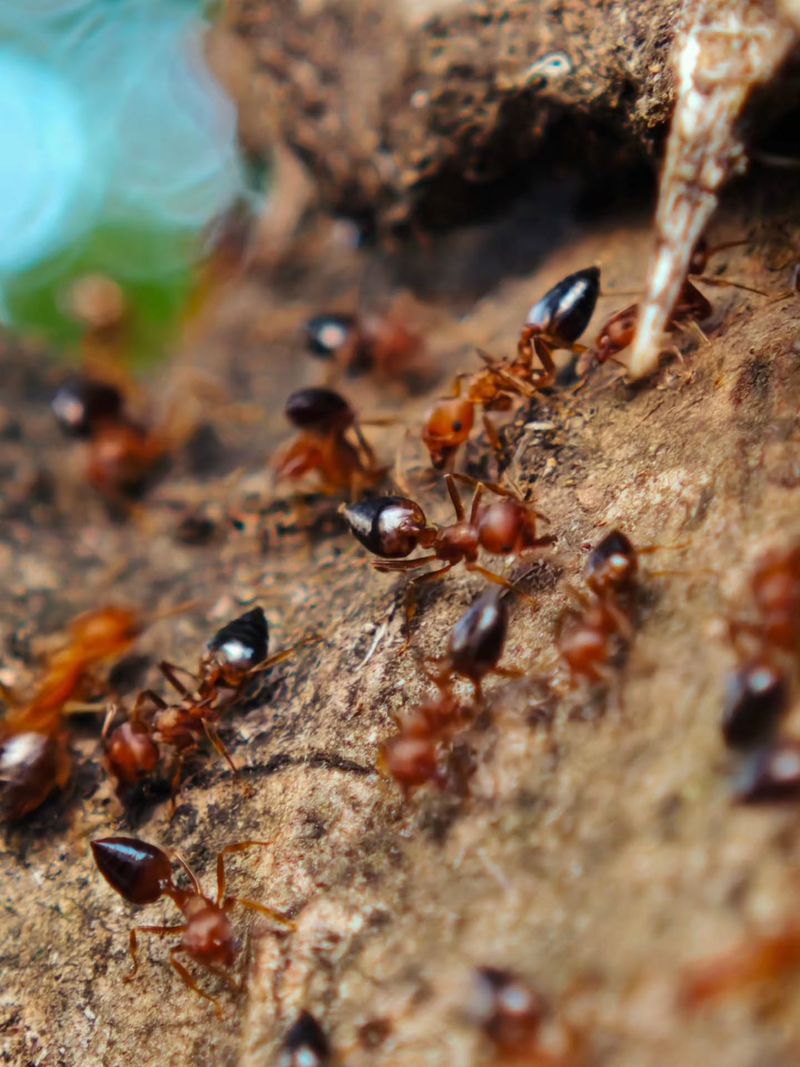
Fire ants do something remarkable when floodwater rises too fast for them to retreat underground. They link their bodies together and form a living raft that floats on the surface.
This survival behavior has been documented across the Southeast and is now becoming a growing concern in Kentucky as the species establishes itself in border counties. The raft can stay afloat for up to two weeks if needed.
When the raft touches dry ground, the entire colony walks off and immediately begins establishing a new nest. This is how a single flood event can spread fire ants across multiple properties in one neighborhood.
Flowing stormwater carries these rafts along drainage ditches, streams, and low-lying areas. Any yard that borders a waterway is at higher risk of receiving a colony that floated in from somewhere else entirely.
Flooding is one of the primary reasons fire ants in southern Kentucky keep appearing in new locations after every significant storm.
Treating your yard alone may not be enough if nearby untreated colonies could float onto your property during the next big rain.
Rain Surfaces More Food
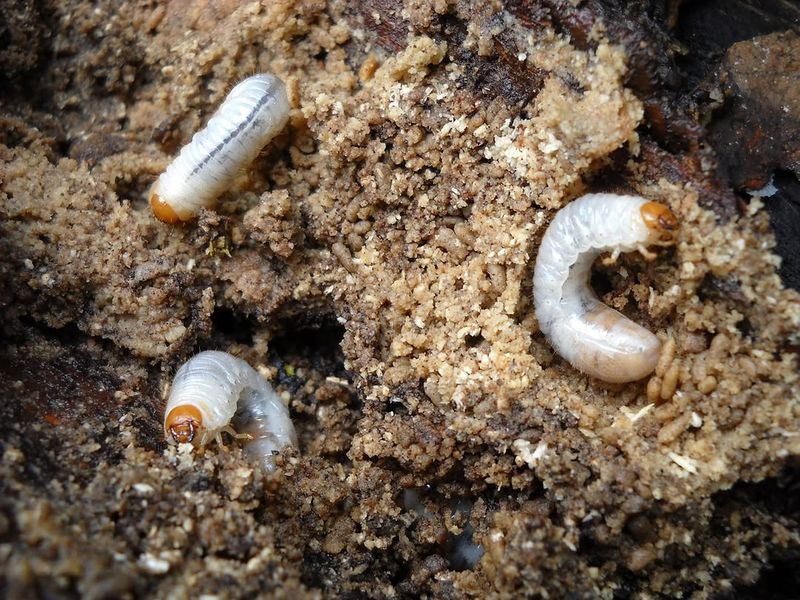
Earthworms come up when soil gets saturated. Beetles, grubs, and other insects also surface when their underground habitat floods out.
Fire ants are opportunistic feeders, and a post-rain yard offers an abundance of food for a hungry colony. More available food means faster colony growth and increased reproductive activity.
A well-fed queen lays more eggs. Worker populations grow when nutrition is plentiful, and the colony can support more satellite mounds spreading across the yard.
This connection between rainfall, food availability, and colony growth is one reason fire ant populations become more active during wet summers. Each rain event triggers a period of increased foraging that fuels the next wave of activity.
Reducing food sources in your yard can help slow this cycle down. Keeping grass cut short limits the habitat that attracts the insects fire ants feed on.
Addressing grub problems with appropriate lawn treatments also removes a major food source that supports large, thriving colonies throughout the warmer months of the year.
Summer Heat And Rain Are Ideal Conditions
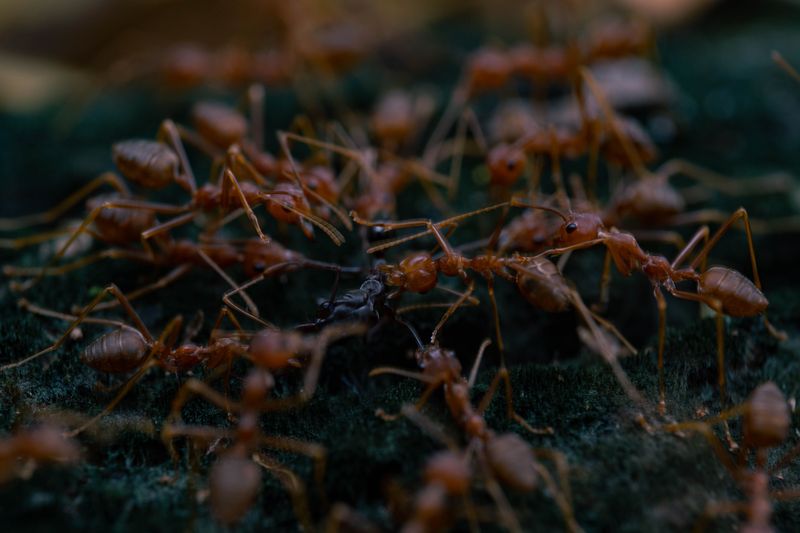
A hot, rainy July in southern Kentucky creates very favorable conditions for a fire ant colony.
Warm soil temperatures combined with regular moisture support rapid population growth. Fire ants are most active when soil temperatures stay between 72 and 97 degrees.
Above that range, they typically retreat deeper underground until conditions cool. Kentucky summers hit that range consistently from late May through early September.
Afternoon thunderstorms that drop an inch of rain and then clear out by evening are particularly beneficial for colonies. The soil stays warm, moisture penetrates deeply, and foraging conditions improve noticeably by nightfall.
Pest control professionals in the region report their busiest call volumes during years when summer combines high heat with frequent storms.
The two factors together create a compounding effect that pushes colony numbers higher than either one would alone.
Timing your treatments to coincide with the beginning of this seasonal window gives you a real advantage.
Getting bait and mound treatments down before peak summer conditions arrive means the colony encounters control products right as activity is starting to increase, not after it has already peaked.
Kentucky Is A New Expanding Zone
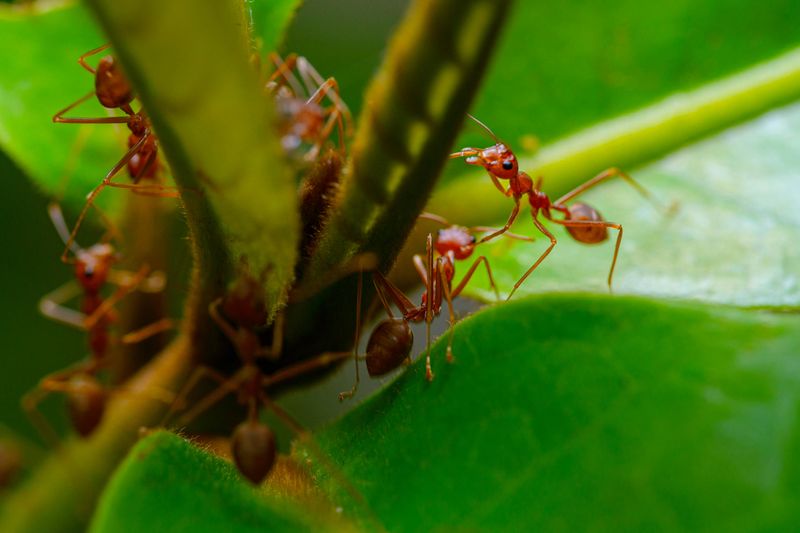
Fire ants were once considered a Deep South problem. States like Texas, Alabama, and Georgia dealt with them for decades while Kentucky remained mostly untouched.
That has been changing. Fire ant surveys in western Kentucky began around 2000, with the first confirmed colony detected in Calloway County in 2009.
By 2022, they were confirmed in southern border counties including McCreary, Whitley, and Knox. Milder winters appear to be helping them establish a foothold further north.
Kentucky sits right on the expanding northern edge of the fire ant range. That position means populations here are still growing and moving into new areas every single year.
Populations in newly established areas like southern Kentucky are still being monitored closely. Experts recommend learning the biology of this species now, before populations become more widespread.
Residents in these counties are often encountering fire ants for the first time, without knowing what treatment approaches actually work.
Learning the biology and behavior of this species now, before populations spread further, gives homeowners a real window to get ahead of the problem.
DIY Treatments Leave Colonies Intact
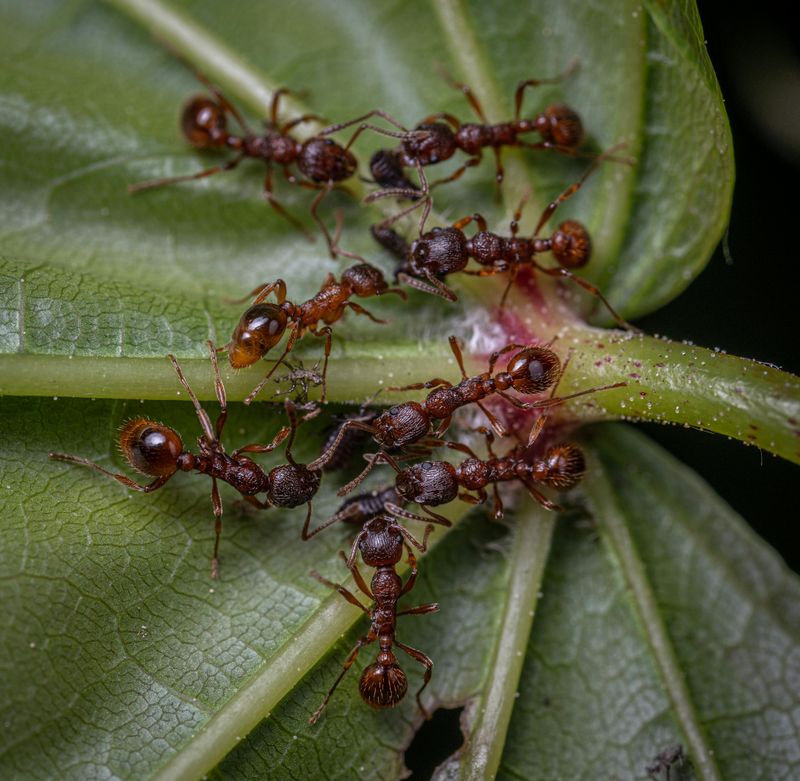
Pouring boiling water on a mound feels satisfying in the moment. Unfortunately, it rarely reaches the queen, and a colony can recover surprisingly fast anyway.
Most store-bought sprays and powders only affect the ants on the surface or in the upper chambers.
The queen and most of the brood stay protected several inches below where the product ever reaches. Spot treatments also address only the visible portion of the problem.
For every mound you see above ground, there is a network of tunnels and chambers spreading in multiple directions below.
Dish soap solutions and similar home remedies have very low success rates. Using them wastes time that the colony spends growing and sending out new workers to establish additional mounds nearby.
Effective control requires a whole-yard approach, not a mound-by-mound reaction. Treating individual mounds without addressing the broader population is like patching one hole in a leaking boat.
The colony simply relocates, regroups, and resurfaces somewhere else in your yard within a matter of days.
Broadcast Bait The Whole Yard
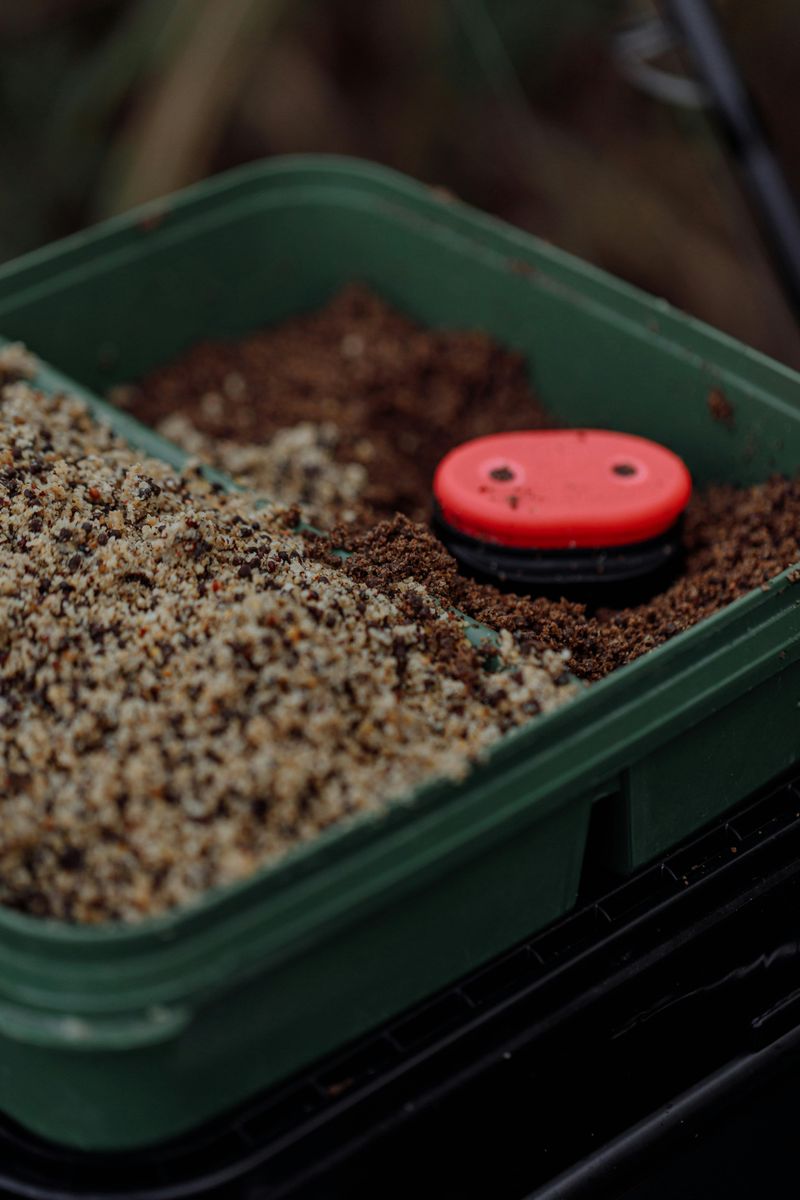
Broadcast baiting is the single most effective tool available to homeowners dealing with widespread fire ant activity. It works with the colony’s own foraging behavior instead of fighting against it.
Worker ants pick up bait granules thinking they are food and carry them back to the queen. Once she consumes the active ingredient, egg production stops and the colony gradually declines.
Products containing spinosad or hydramethylnon are widely available at garden centers and home improvement stores.
Always apply bait when the ground is dry and temperatures are between 65 and 95 degrees for best results. Moisture ruins bait quickly, so timing matters a great deal.
Apply it at least two days before expected rain, or wait until two days after a storm when the soil surface has dried out again. Treat the entire lawn, not just the areas where you see active mounds.
Fire ants in southern Kentucky forage up to 100 feet from the mound, so scattered bait coverage ensures that workers from every colony in the yard encounter the product and bring it home.
Apply Contact Insecticide Into Mounds
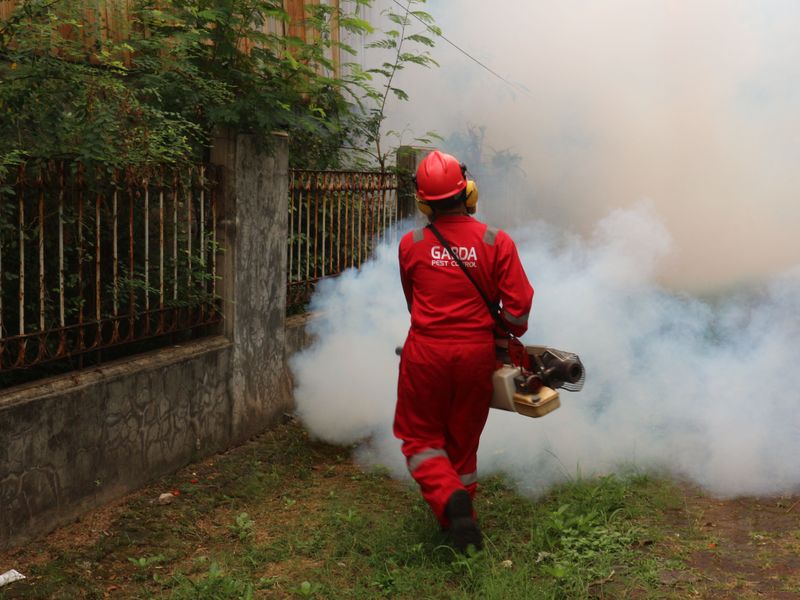
Broadcast bait works slowly over one to three weeks. When you need faster results on specific mounds, contact insecticide is the right tool to reach for.
Granular products containing bifenthrin or permethrin can be applied directly to the mound and watered in lightly. The insecticide penetrates the upper chambers and affects workers on contact as they move through treated soil.
Always wear gloves and closed-toe shoes when treating mounds directly. Disturbing a fire ant mound causes workers to respond quickly, and their stings are uncomfortable and can be painful.
Liquid drenches are another effective option for individual mound treatment. Mixing a product like spinosad concentrate with water and pouring it slowly over the mound moves the insecticide deep into the tunnel system.
Use contact treatments alongside broadcast bait for a two-pronged approach that addresses both the visible mounds and the broader colony population.
Combining both methods consistently is the strategy that pest professionals rely on most when dealing with fire ants in southern Kentucky during active summer seasons.
Retreat After Every Heavy Rain
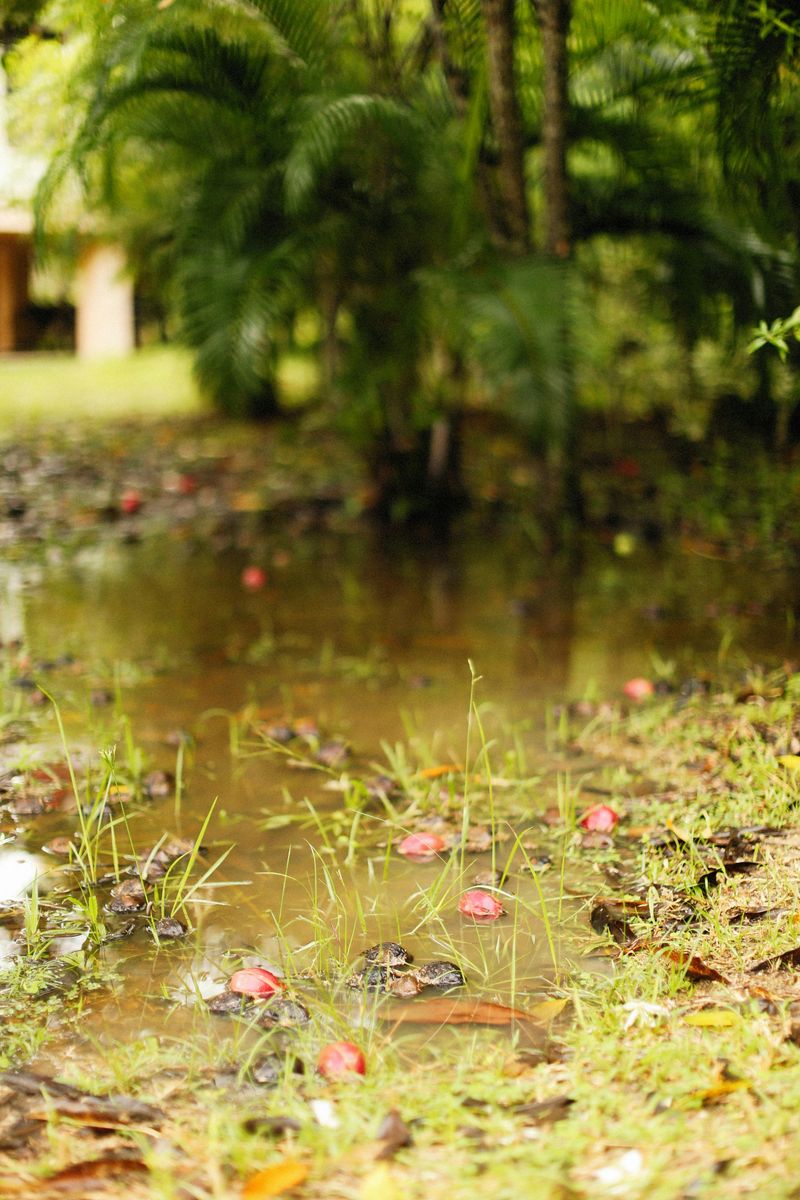
One treatment never finishes the job when summer storms keep rolling through. Fire ant control in a rainy climate is an ongoing process, not a one-time event.
Rain washes away surface bait, dilutes contact products, and triggers new foraging activity that changes conditions in the yard.
Any treatment applied more than two days before a heavy storm should be considered expired and reapplied afterward.
Mark your calendar after each significant rainfall above half an inch. Wait two days for the soil surface to dry, then walk the yard and retreat both with broadcast bait and any mounds that have resurfaced.
Consistency through the summer months is what separates homeowners who get ahead of the problem from those who stay frustrated all season long.
Skipping a retreat cycle gives remaining colonies time to rebound and spread before the next round of control products goes down.
Staying on schedule with fire ants in southern Kentucky means checking the yard regularly and treating proactively.
A small investment of time after each storm pays off with a lawn that stays safer, more enjoyable, and noticeably cleaner of mounds from one end of summer to the other.