This Bright Green Missouri Caterpillar Deserves A Second Look Before You Touch It
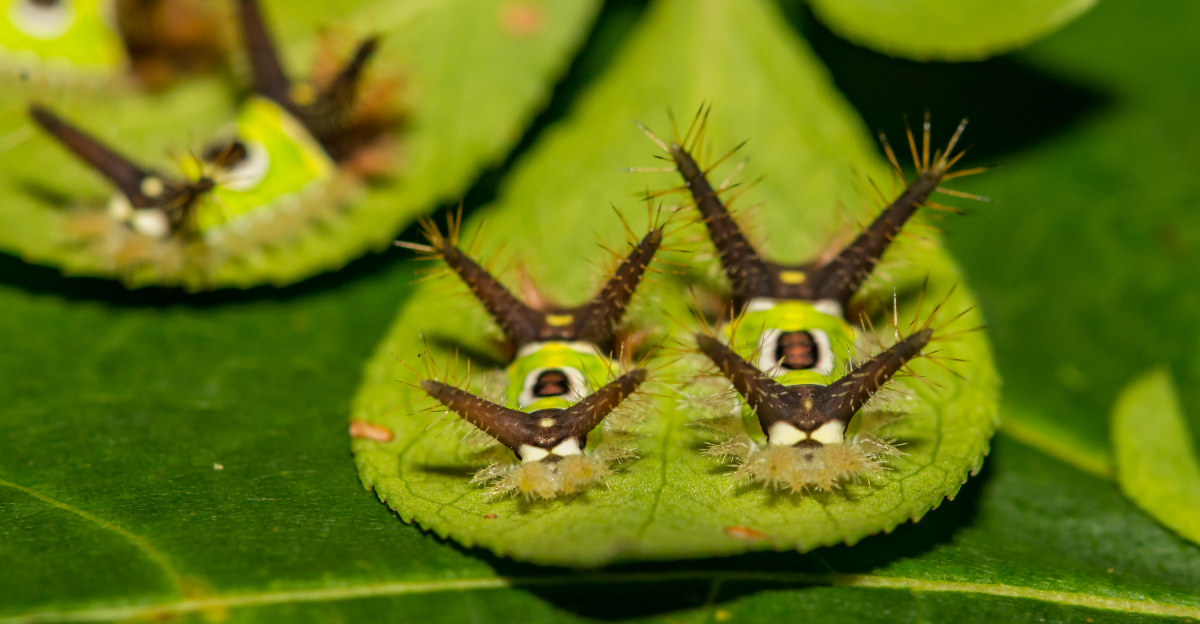
Your eyes catch a sudden flash of green crawling toward you. You assume it looks harmless, almost like a toy. Missouri hides this vivid creature inside your own garden beds.
Look closer and you will spot a strange marking. Spines line its body, ready to touch your skin. A gentle prickle spreads slowly across your fingers in seconds. Discomfort reaches you fast, then irritation settles in.
Marks can linger on your skin for hours after. Gardeners across Missouri often let your guard down here. Hikers brushing past leaves rarely warn you in time. Children often reach for bright colors near you outside.
Skin remembers this tiny stranger long after your touch. Overlooking the signs could leave you feeling quite uncomfortable. Knowing what to look for now truly protects you later on.
Everyone around you deserves this knowledge before any encounter. What happens next could truly determine how comfortable you feel.
Saddleback Caterpillars Are Common In Missouri Gardens
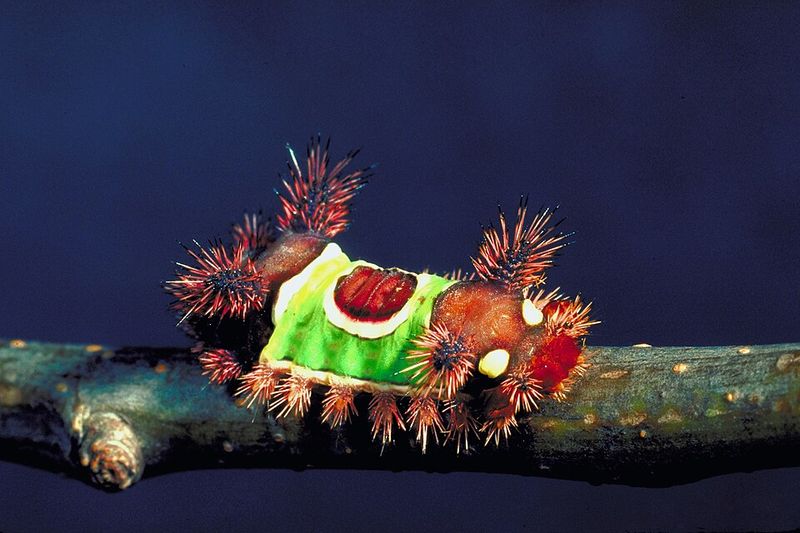
Bright green and boldly patterned, the Saddleback Caterpillar shows up in Missouri gardens more often than most people expect.
Gardeners across the state spot them on corn, apple trees, blueberry bushes, and a wide range of ornamental shrubs from mid-summer through early fall.
This caterpillar belongs to the moth family Limacodidae, commonly called slug moths. The adult moth is a plain brown color, so most people never connect it to the flashy larva crawling across their plants.
Saddleback Caterpillars thrive in Missouri because the state offers warm, humid summers and a wide range of host plants. They are not picky eaters, which means they can turn up almost anywhere there is leafy vegetation.
Gardeners who work without gloves are most at risk of accidental contact. A simple brushing motion against one of these caterpillars is enough to trigger a painful sting.
The caterpillar’s vivid green color can actually make it harder to spot on lush foliage. Many people only notice it after they have already made contact, which is why awareness is so important.
Knowing this species lives in your area is the first step toward protecting yourself. Once you recognize the Saddleback Caterpillar by sight, you will think twice before reaching into a dense patch of leaves.
The Bright Green Body Hides A Painful Sting
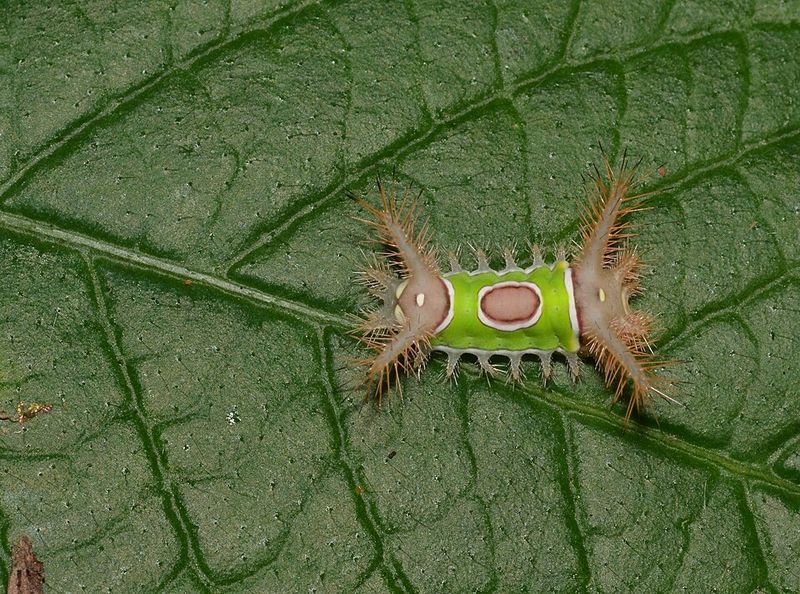
Few caterpillars in North America are as visually striking as the Saddleback. Its lime-green body, chocolate-brown saddle, and white border make it look almost like a piece of enamel jewelry sitting on a leaf.
That beauty is a classic example of aposematism, which is nature’s way of advertising danger through color. Bright patterns in the animal world almost always mean: back off.
The brown saddle in the center of its back gives this caterpillar its name. Surrounding that saddle are dense clusters of hollow spines that contain venom ready to deploy on contact.
Most people assume a caterpillar this small cannot cause real harm. That assumption often proves wrong once those spines break the skin and the burning sensation spreads across the contact area.
Your Missouri Garden Changes Every Week. Your Plan Should Too.
Gardening in Missouri changes quickly throughout the season. Every Friday you’ll receive a simple weekly plan showing exactly what to plant, prune, fertilize, harvest, and protect so you never miss the right timing.
The Saddleback grows to about three-quarters of an inch long at full size. Despite being smaller than your thumbnail, it delivers a sting disproportionate to its size.
Its green coloring also serves as camouflage against fresh foliage. So while the saddle marking stands out, the rest of the body blends right into the plant, making a casual glance easy to misjudge.
The bright green Missouri caterpillar earns every bit of its reputation for being deceptively dangerous. Admire the colors from a safe distance and keep your fingers well away from those spiny tufts.
Venomous Spines Trigger Welts And Swelling
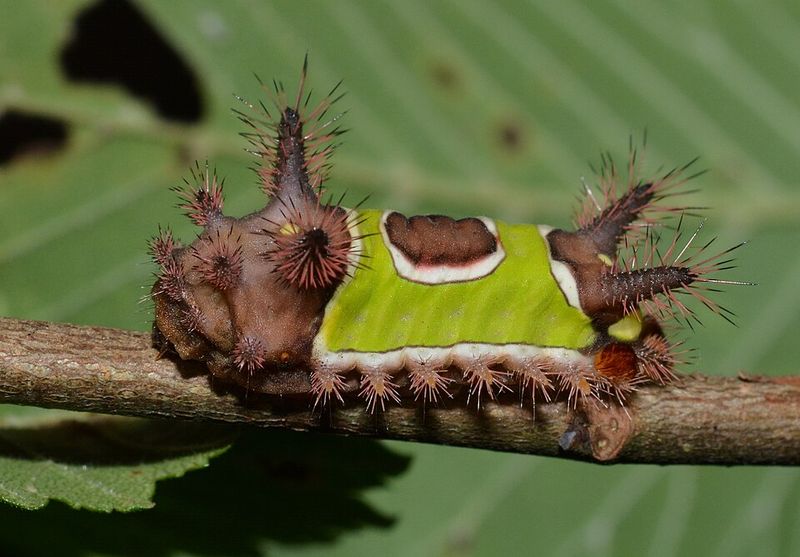
The spines covering a Saddleback Caterpillar are not just decorative. Each hollow spine is connected to a venom gland beneath the skin, and the slightest pressure causes them to break and release irritants into your skin.
Within minutes of contact, most people feel a sharp burning sensation at the sting site. That burning quickly escalates into redness, swelling, and raised welts that can look alarming.
Some people describe the pain as similar to a bee sting, while others say it feels more like touching a hot stove. Individual reactions vary widely depending on skin sensitivity and the number of spines involved.
The spines can also become embedded in skin and continue releasing venom even after the caterpillar is no longer present. Removing them carefully is a critical part of first aid.
People with allergies or sensitivities may experience more intense reactions, including widespread rash or localized swelling that spreads beyond the sting site. Seeking medical attention in those cases is a smart move.
Children may react more strongly to stings, so extra caution is worth taking around them. Parents should teach kids to recognize the caterpillar before letting them explore garden areas unsupervised.
The venom itself is not life-threatening for most healthy adults. But the discomfort can last anywhere from a few hours to several days, making prevention far better than treatment.
Why This Caterpillar Is Often Mistaken For Harmless
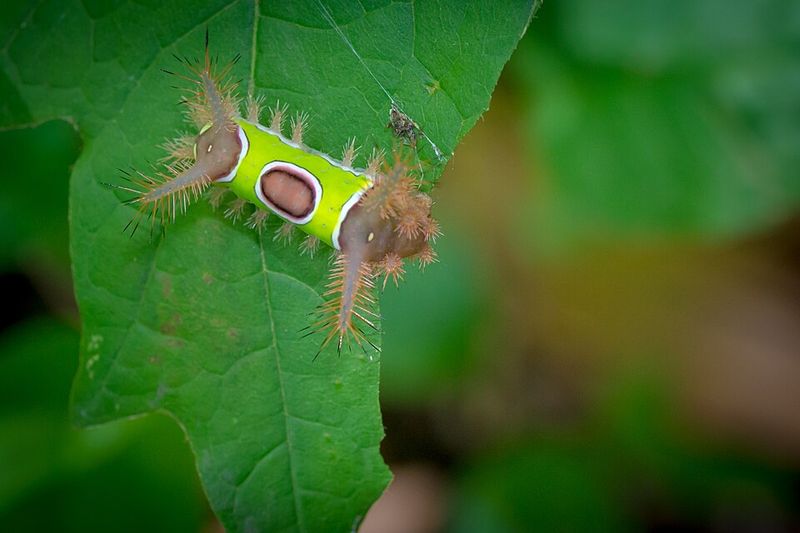
Green caterpillars are everywhere in summer, and most of them are completely harmless. That abundance of harmless look-alikes is exactly why the Saddleback so often catches people off guard.
A quick glance might register only the green color and small size, triggering a mental shortcut that says: just a regular caterpillar. That shortcut is where things go wrong.
Many gardeners have decades of experience handling caterpillars without incident. That history of safe encounters builds confidence that can work against them when a genuinely dangerous species appears.
Children are especially prone to picking up caterpillars without hesitation. Their natural curiosity is wonderful, but it needs to be paired with basic knowledge about which species carry risks.
The Saddleback’s spines also lie flat against its body at rest, making them less obvious at a casual glance. Only when the caterpillar feels threatened do the spines bristle outward in a more visible defensive posture.
Photos shared online sometimes fail to capture the spines clearly, especially in low-resolution images. Someone who has only seen blurry pictures may not recognize the real thing when it appears on a plant in their yard.
Accurate identification is the single best protection against an accidental sting. Learning the saddle marking and the four prominent spine clusters at each corner of the body will help you spot this caterpillar before it spots your fingers.
Where They’re Most Likely To Turn Up
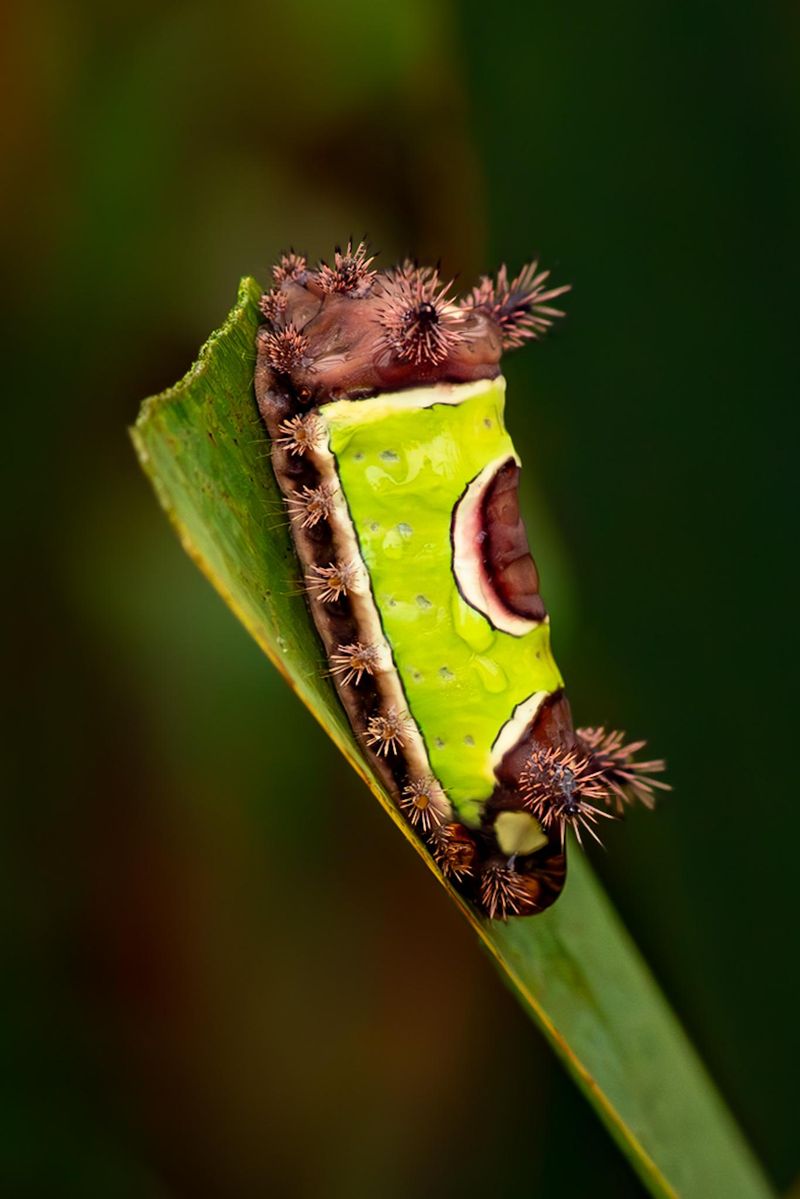
Saddleback Caterpillars are generalist feeders, which is a fancy way of saying they will eat a wide variety of plants. That flexibility makes them turn up in a surprising range of locations across the state.
Ornamental shrubs and flowering plants are common hosts, and gardeners who tend them without gloves are among the most commonly stung. The caterpillar tucks itself along stems and leaf undersides where hands naturally go.
Corn crops attract them too, as do apple trees, blueberry bushes, and ornamental maples. If you grow any of these in your yard, the odds of an encounter go up significantly during late summer.
Wooded areas and forest edges also harbor healthy populations. Hikers who brush against low-hanging branches or reach out to steady themselves on vegetation can make contact without ever seeing the caterpillar.
Fallen leaves on the ground can still host caterpillars that have dropped from plants above. Raking or handling leaf litter with bare hands in late summer carries its own set of risks.
They tend to appear most frequently between July and October in Missouri. Peak season overlaps with the busiest months for outdoor gardening and yard work.
Wearing gloves during garden work and shaking branches before grabbing them are simple habits that dramatically reduce your chances of an unwanted encounter with this bright green Missouri caterpillar.
What To Do If You’ve Been Stung
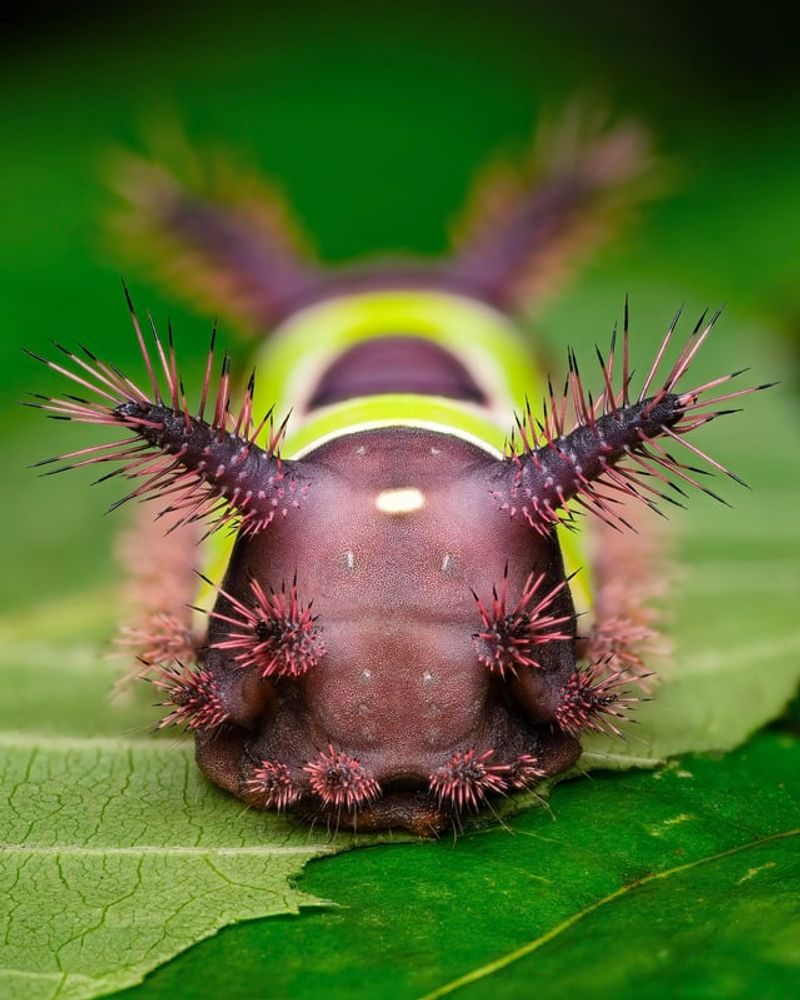
Getting stung by a Saddleback Caterpillar is painful, but it is manageable if you act quickly and stay calm. The first priority is removing any embedded spines from the skin without making things worse.
Use adhesive tape pressed firmly over the sting area and then peeled away quickly. This technique pulls out broken spines without spreading venom deeper into the skin.
Avoid rubbing the affected area under any circumstances. Rubbing pushes spines further in and spreads the venom across a larger surface, intensifying both the pain and the reaction.
Once the spines are removed, wash the area thoroughly with soap and water. A gentle scrub helps clear away any remaining venom residue sitting on the skin surface.
Applying an ice pack wrapped in a cloth reduces swelling and numbs the burning sensation. Over-the-counter hydrocortisone cream can also calm the inflammatory response once the spines are fully removed.
Oral antihistamines like diphenhydramine help with itching and may reduce the overall severity of the reaction. They are especially useful if the sting area begins to spread or if hives develop beyond the initial contact point.
Seek medical attention if breathing becomes difficult, if swelling spreads rapidly, or if the reaction seems severe. Most healthy adults recover fully within a day or two with basic home treatment after a Saddleback Caterpillar encounter.
How To Protect Yourself During Outdoor Work
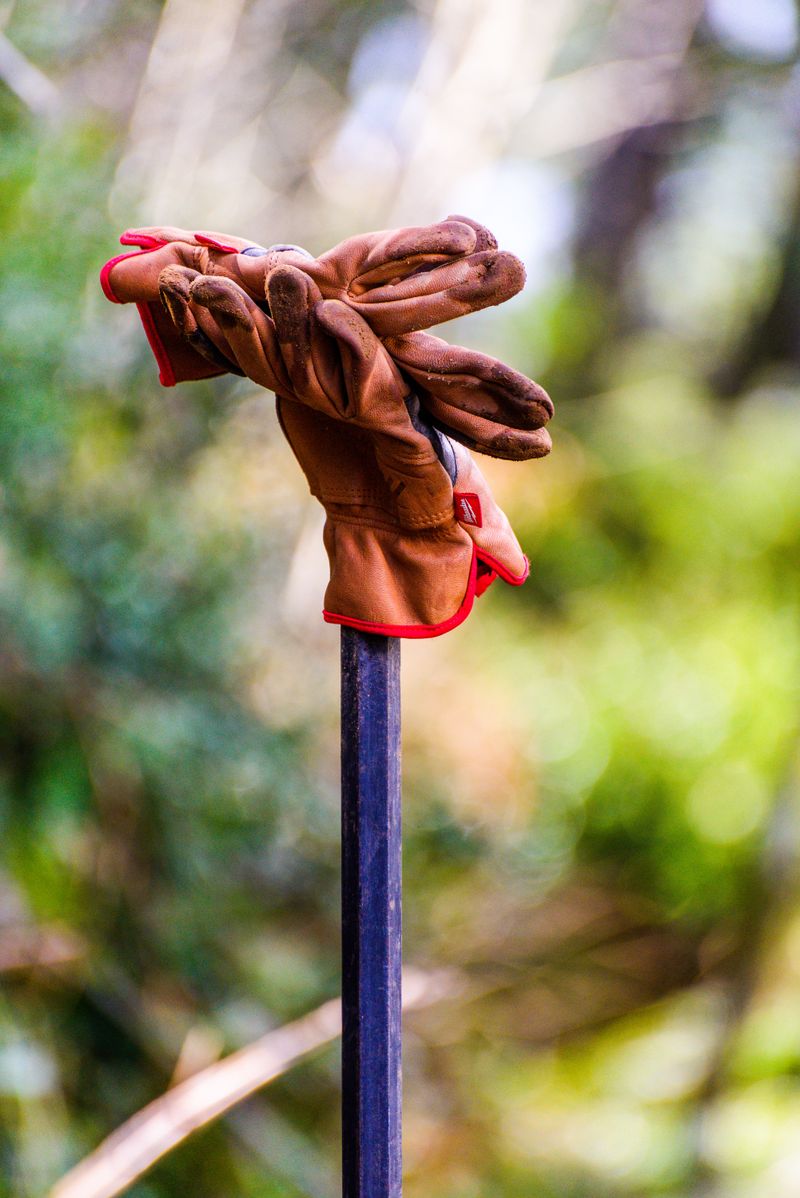
Protective gear is your best friend when working in areas where Saddleback Caterpillars might be present. Thick leather or rubber-coated gloves provide a reliable barrier between your skin and those venomous spines.
Long sleeves are equally important, especially when pruning shrubs or harvesting from fruit trees. Exposed forearms are a common sting location simply because they brush against foliage during routine tasks.
Before grabbing a branch or reaching into dense plant growth, take a moment to visually scan the area. A few extra seconds of looking can prevent hours of discomfort.
Shaking a plant gently before touching it can cause caterpillars to drop or shift position, making them visible before contact occurs. This simple habit takes almost no extra time and adds meaningful protection.
Teaching children to look before they touch is one of the most valuable outdoor lessons a parent can pass along. Making it a game or a challenge tends to stick better than a stern warning.
Keeping garden tools clean and checking handles before gripping them is another underrated precaution. Caterpillars sometimes rest on tool handles left leaning against plants overnight.
Awareness is one of the most effective ways to avoid a sting. Once you know what the Saddleback Caterpillar looks like and where it tends to hide, your outdoor time becomes both safer and more enjoyable.