Those Silky Webs Wrapping Missouri Branches Are Not Tent Caterpillars
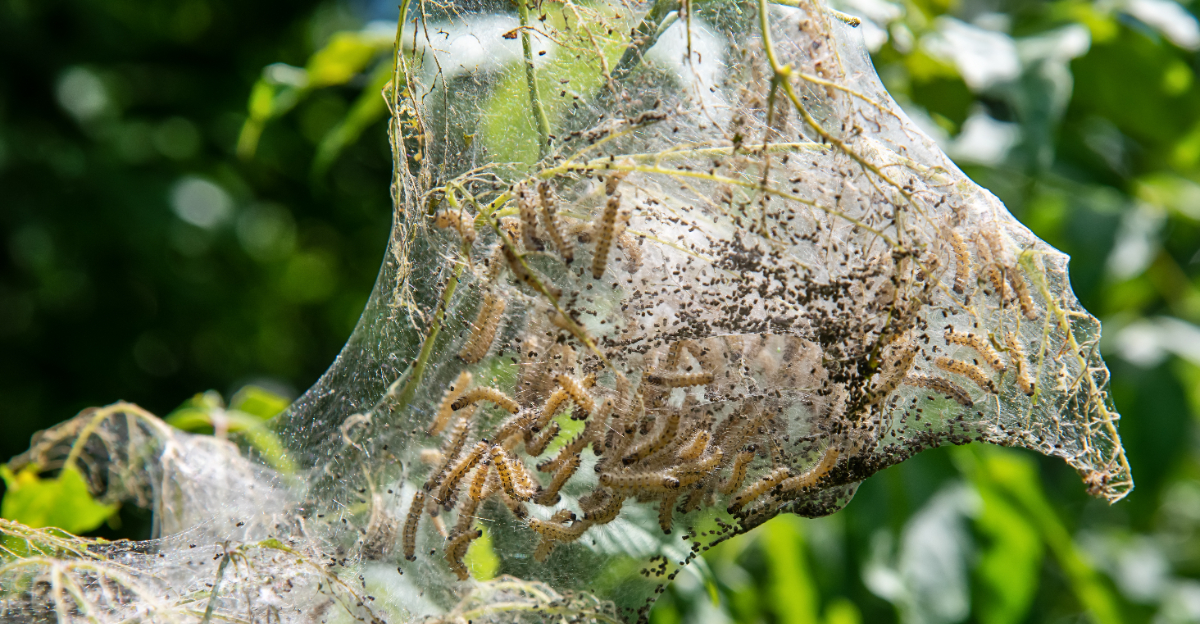
Silk has draped itself over the branch tips above your Missouri yard overnight, and nothing about it looks accidental.
Panic is the easiest reaction you’ll feel, especially when memory jumps straight to the caterpillar everyone fears. Thick sheets of webbing catch the morning light, hiding whatever built them behind a curtain of white thread you can’t quite explain.
Nobody expects different pests to leave such similar signs, yet Missouri trees deal with exactly that kind of confusion every season. Timing gives away more than the webbing itself, though you probably never think to check it.
Location on the branch matters too, and so does how the silk behaves when you disturb it. Guessing wrong here costs you time, effort, and sometimes a perfectly healthy tree.
You need to identify exactly what has taken over those branches before deciding what happens to them next.
Fall Webworms Build At Branch Tips While Tent Caterpillars Build In Crotches
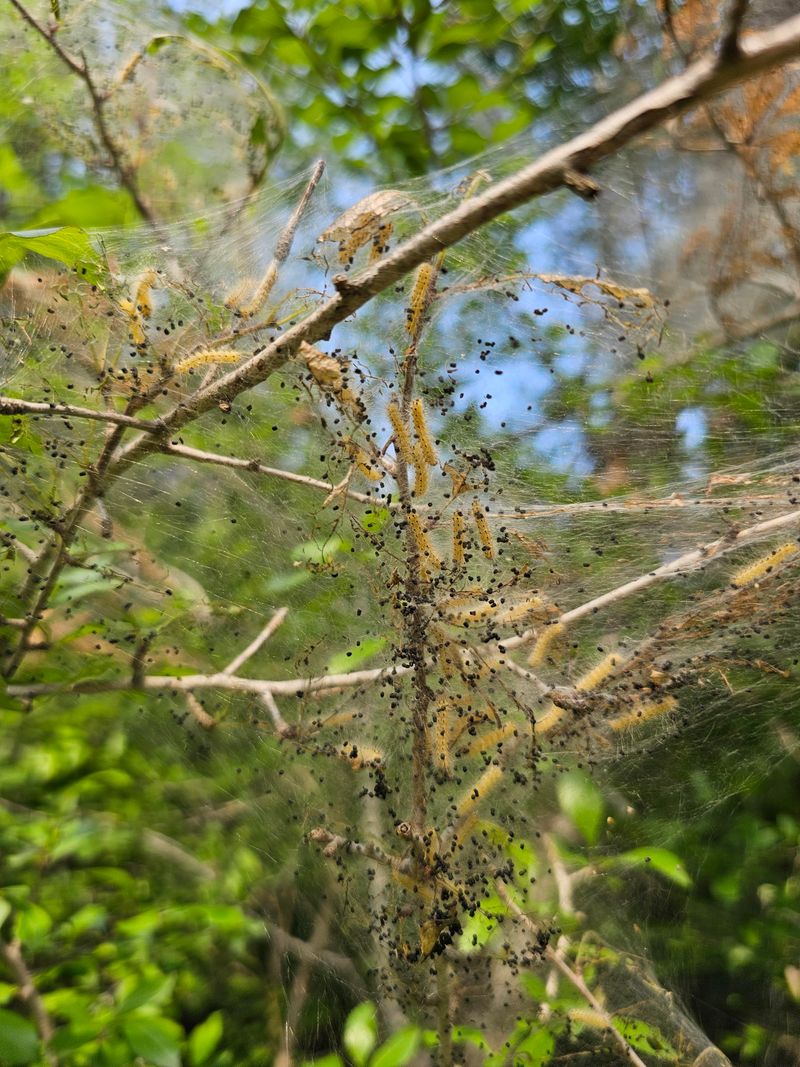
Picture two neighbors who both make a mess but in completely different spots of the yard. That mental image actually explains the biggest physical difference between these two insects.
Fall webworms spin their webs at the outermost ends of branches, wrapping leaves inside a silky tent as they feed. The web keeps growing outward, swallowing more foliage as the colony expands through late summer and fall.
Tent caterpillars do the opposite. They build their shelters in the crotch of a branch, that forked area where two limbs split apart, not at the tips. The location alone is your fastest field identification tool.
Webworm tents look messy and loose, almost like someone tossed cotton candy into the treetop. Tent caterpillar shelters are tighter, silkier, and tucked neatly into branch forks in spring.
Those silky webs wrapping Missouri branches are not tent caterpillars when you spot them clinging to branch ends in August or September. The tip location is usually the fastest giveaway you’ll get.
Webworms also enclose their food source inside the web, feeding on leaves trapped within. Tent caterpillars leave their shelter to feed on surrounding foliage, then return to rest.
One practical tip: grab binoculars before grabbing pruning shears. A quick look at where the web sits on the branch tells you exactly what you are dealing with. Knowing the builder changes everything about your next step.
Why The Timing Of Each Species Gives The Answer Away
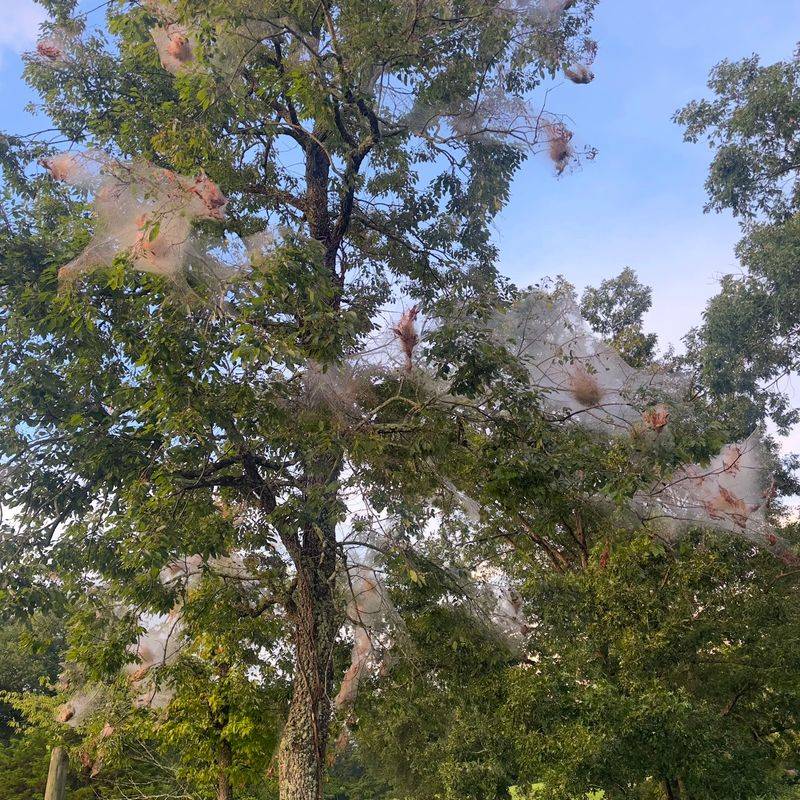
Nature runs on a schedule, and these two insects are rarely on the same one. Timing is honestly the simplest clue most homeowners overlook entirely.
Tent caterpillars show up in early spring, often before trees have fully leafed out. You will spot their tight silky shelters in March and April when the air still carries a chill.
Fall webworms, as the name practically announces, appear in late summer and early autumn. August and September are peak months, right when you are thinking about back-to-school season, not tree pests.
So if you are standing in your yard in July staring at a fresh web, tent caterpillars are unlikely to be your suspect. The calendar alone rules them out before you even get close to the tree.
Your Missouri Garden Changes Every Week. Your Plan Should Too.
Gardening in Missouri changes quickly throughout the season. Every Friday you’ll receive a simple weekly plan showing exactly what to plant, prune, fertilize, harvest, and protect so you never miss the right timing.
The two species rarely line up in timing, which makes identification surprisingly straightforward in most years.
Webworms can produce one to two generations in a single season, sometimes more in warmer years. The first flush appears in early summer, and a second, often larger wave hits in late August.
Tent caterpillars produce just one generation per year and are long gone by midsummer. Keeping a simple mental calendar of what you see and when saves you from misidentifying the pest and choosing the wrong response. Timing remains one of your most reliable diagnostic tools in the garden.
The Missouri Trees That Attract Webworms Most Often
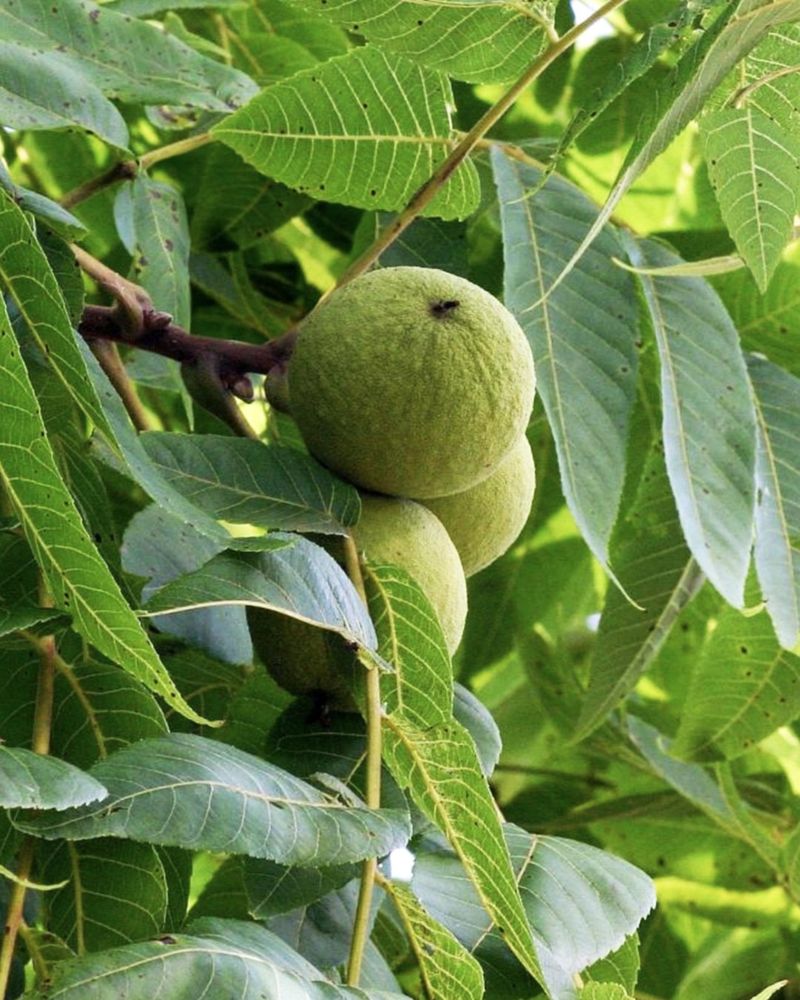
Not every tree in your yard is equally appetizing to a fall webworm. These caterpillars have preferences, and knowing them helps you watch the right trees each season.
Black walnut is a top target across the state, and webworm colonies can cover dozens of branch tips on a single large tree by late August. Persimmon, hickory, and sweetgum also rank high on the webworm menu.
Fruit trees are not spared either. Wild cherry, crabapple, and peach trees frequently host colonies, which frustrates backyard orchardists who spot the webs mid-harvest season.
Interestingly, conifers like pine and cedar are rarely touched. Webworms strongly prefer broadleaf deciduous trees, which gives your evergreen plantings a natural pass.
The pattern holds fairly consistently from year to year. If your black walnut had webworms last August, plan to check it again the following summer.
The caterpillars do not travel far from where they hatched. Eggs are laid on the undersides of leaves by adult moths that return to familiar host trees each season.
Keeping a short list of your most vulnerable trees makes early detection much easier. A quick weekly scan of branch tips on walnut, hickory, and fruit trees from July onward puts you ahead of the problem before webs get large enough to alarm the neighbors.
How Much Damage A Heavy Web Season Actually Causes
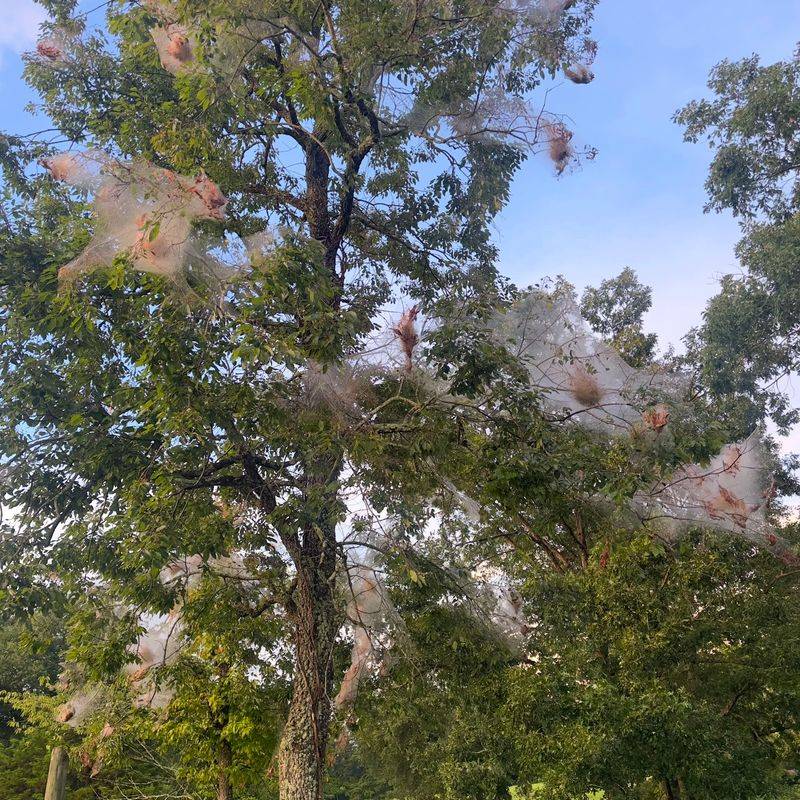
Seeing a tree wrapped in white webbing feels alarming, like something is seriously wrong. The reality is much calmer than the visual suggests.
Fall webworms feed on leaves that are already preparing to drop in a matter of weeks. By the time the webs appear in late summer, the tree has finished most of its critical photosynthesis work for the year.
A healthy, established tree can handle significant defoliation in August without lasting harm. The energy reserves stored in the roots are already set for the winter ahead.
Young trees and newly planted saplings carry slightly more risk because they have smaller reserves. Still, even for younger trees, one season of webworm feeding rarely causes long-term decline without other stressors piling on.
Unlike spring defoliation from tent caterpillars, late-season leaf loss is far less stressful for the tree. Spring feeding hits trees when they need every leaf to build energy stores.
Multiple consecutive years of heavy webworm pressure can weaken a tree over time. But that level of infestation is the exception, not the rule, in a typical backyard setting.
The honest takeaway is that most homeowners worry more about webworms than the tree does. Aesthetic discomfort is real, but structural damage to a mature, well-watered tree from fall webworms alone is genuinely rare. Your tree is tougher than it looks.
When Pruning The Web Out Makes Sense And When It Does Not
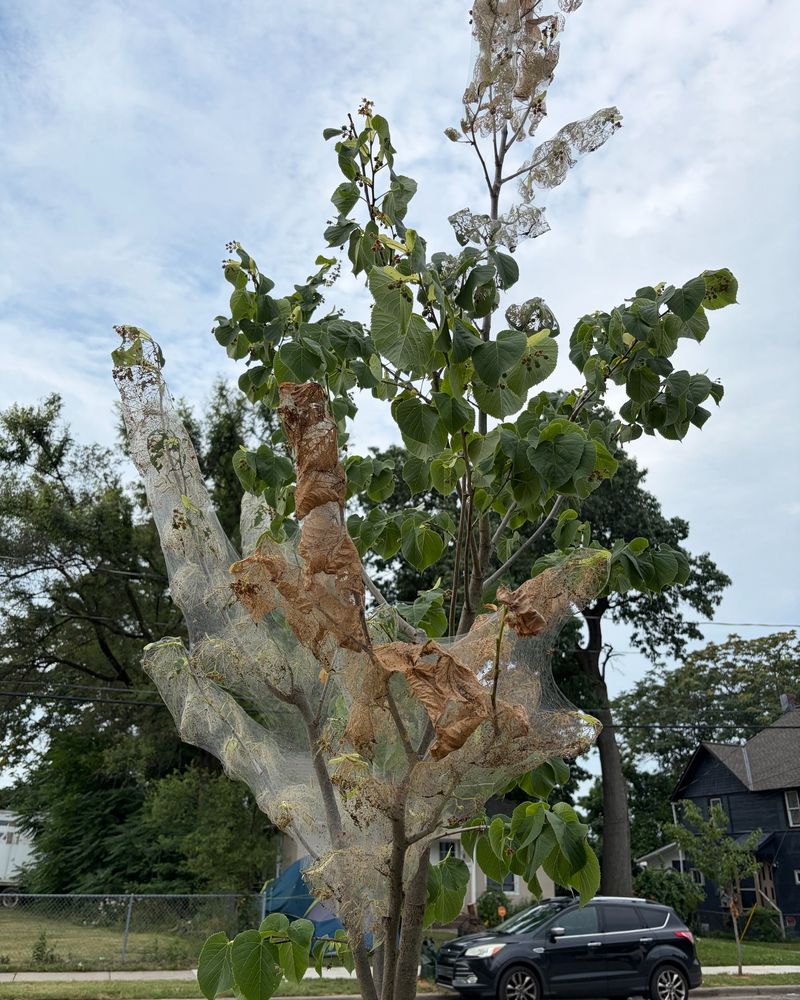
Grabbing the pruning shears feels satisfying when you see a web, but the timing and size of the colony matter before you start cutting. Not every web needs to come down.
Small webs on low, reachable branches are fair targets for removal in late summer. Clip the branch just beyond the web, drop it into a bucket, and dispose of it away from the yard.
The goal is to remove the colony before the caterpillars mature and disperse. Once the larvae have spread to multiple branches, pruning becomes less effective and more disruptive to the tree.
Avoid pruning webs located high in the canopy on large, established trees. Climbing high or using a ladder near power lines creates more risk to you than the web creates for the tree.
Burning the webs is sometimes suggested online, but open flame near a tree is genuinely dangerous and unnecessary. A clean snip and removal achieves the same result without the fire hazard.
Resist the urge to treat every web with the same urgency. Tent caterpillar removal in spring protects critical growing-season leaves, but fall webworm removal is mostly cosmetic.
Ask yourself one practical question before cutting: is this web on a branch I can safely reach from the ground? If yes, remove it. If no, step back and let nature handle the rest. Your safety outweighs the aesthetics every time.
The Birds That Handle The Problem Without Any Spray
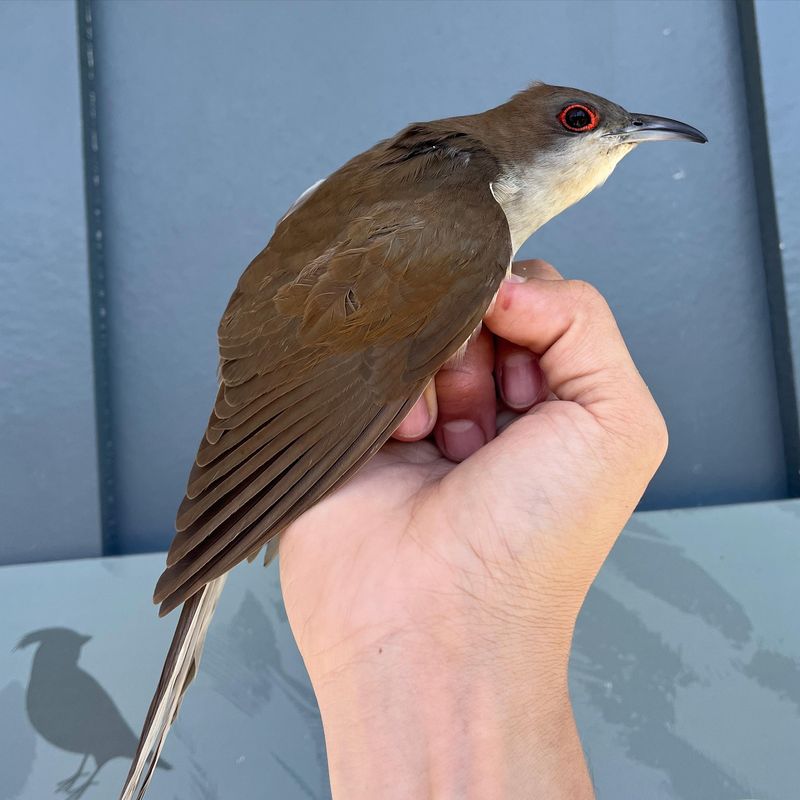
Before you reach for any product, look up. Chances are something with wings already has the situation under control.
The yellow-billed cuckoo is the most celebrated natural predator of fall webworms in the eastern United States. This bird will tear directly into the silky tent to pull out caterpillars, unbothered by the sticky webbing that deters other species.
Black-billed cuckoos share the same appetite and the same fearless approach to webworm colonies. Both species time their migration and nesting cycles to align with peak caterpillar season, which is no coincidence.
Chickadees, blue jays, and starlings also pick off individual caterpillars when colonies begin to break apart. Parasitic wasps and flies lay eggs inside webworm larvae, quietly reducing populations from the inside out.
A yard with mature trees, water sources, and minimal pesticide use attracts more of these natural allies each season. Spraying broad-spectrum insecticides can wipe out the beneficial insects that would otherwise keep webworm numbers in check.
The bird community tends to respond on its own, often handling infestations before a homeowner even notices the web. Cuckoos in particular are a sign of a healthy, balanced yard ecosystem.
Planting native shrubs and adding a birdbath near your most vulnerable trees creates habitat that pulls predators in naturally. The best pest management plan sometimes involves doing less and letting your local wildlife earn their keep.