The Oregon Native Plant Nurseries Worth The Late-Summer Drive Most Have Never Heard Of
Late summer is when Oregon gardens start telling the truth.
Spring’s easy growth is long gone, the hottest weeks have already tested everything in the ground, and thirsty plants are no longer pretending they can handle conditions they were never meant for.
That makes this time a surprisingly useful one to go nursery hunting. Native plant specialists offer something very different from the typical garden-center experience.
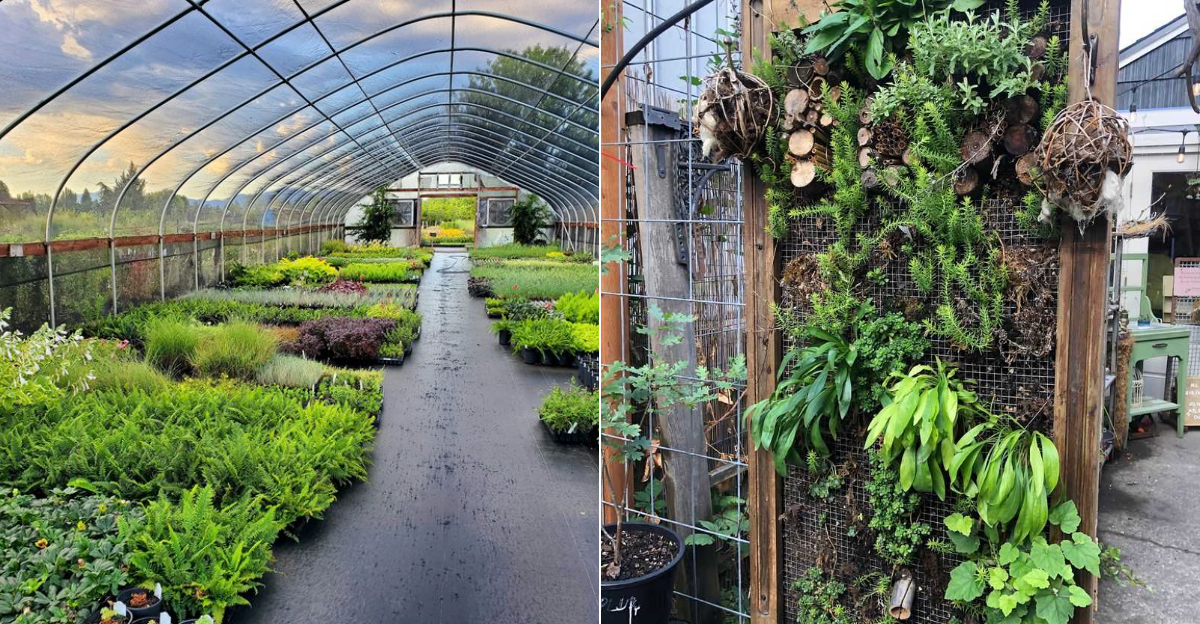
Their shelves and growing fields are filled with plants that belong to this part of the country, from woodland ferns and flowering prairie species to shrubs built for dry slopes and berries that feed both people and wildlife.
Some of these nurseries sit well outside the usual shopping routes. Others operate on a smaller scale, take visitors by appointment, or focus heavily on restoration work rather than colorful rows of annuals.
That only makes the search more interesting. And with Oregon’s cooler fall planting season approaching, late summer is a perfect time to see what survived the heat, gather ideas, and choose plants before the next round of rain arrives.
1. Echo Valley Natives – Sandy, Oregon
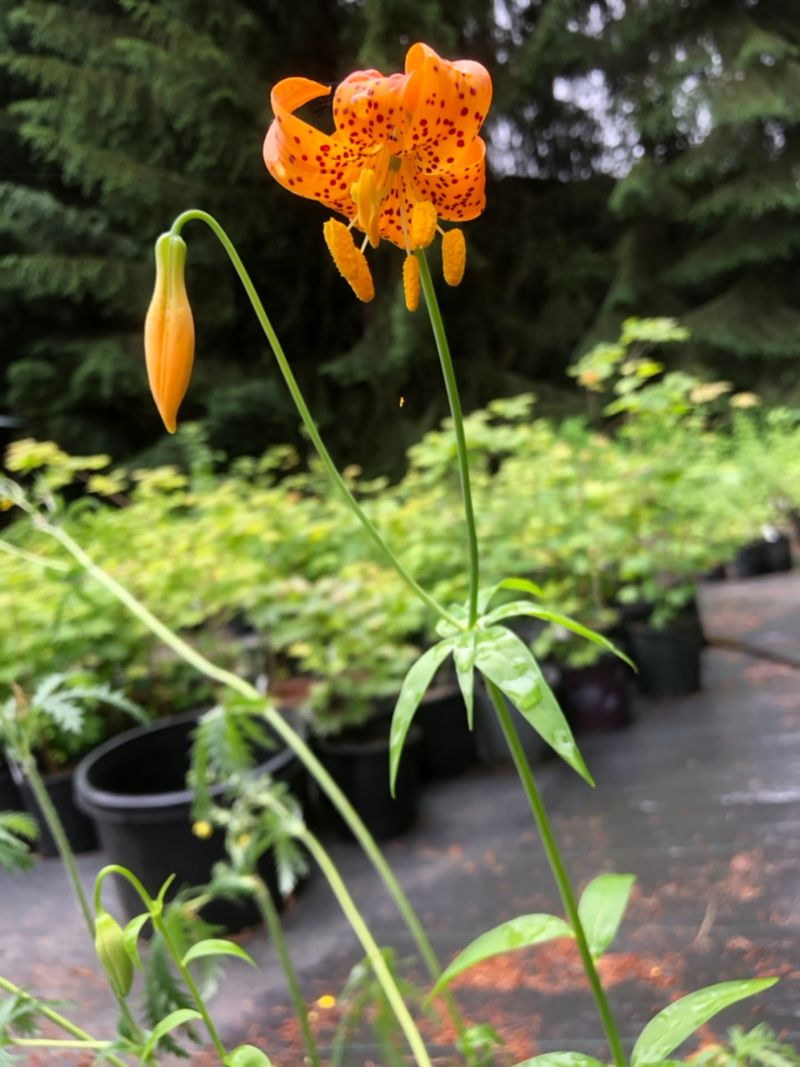
The foothills near Mount Hood already make a good excuse for a drive, and Echo Valley Natives gives gardeners another reason to head toward Sandy.
Its roughly one-acre retail area is devoted to Pacific Northwest native plants, with around 200 species represented across the nursery.
That is enough variety to cover an impressive range of garden problems.
There are plants for sunny slopes, damp corners, woodland shade, pollinator beds, and those awkward patches where something always seems to struggle. Demonstration plantings make the experience especially useful.
Instead of trying to imagine what a small nursery pot might look like three years from now, visitors can see established plants growing together and get a better feel for their eventual size, texture, and character.
That can completely change what ends up going home with you.
A modest-looking shrub suddenly becomes the obvious answer for an empty corner. A fern that seemed ordinary in a pot starts making perfect sense beneath taller plants.
Many selections are propagated from seed, cuttings, and divisions, while additional plants come from other regional growers.
Container stock is available through much of the year, with bare-root plants appearing during colder months.
The nursery is open year-round when weather allows, although its schedule changes seasonally and Wednesdays are currently closed.
Bring a few notes about your garden’s light, soil, drainage, and available space. The more specific the problem, the easier it becomes to leave with something that actually belongs there.
2. Sauvie Island Natives Nursery – Portland / Sauvie Island, Oregon
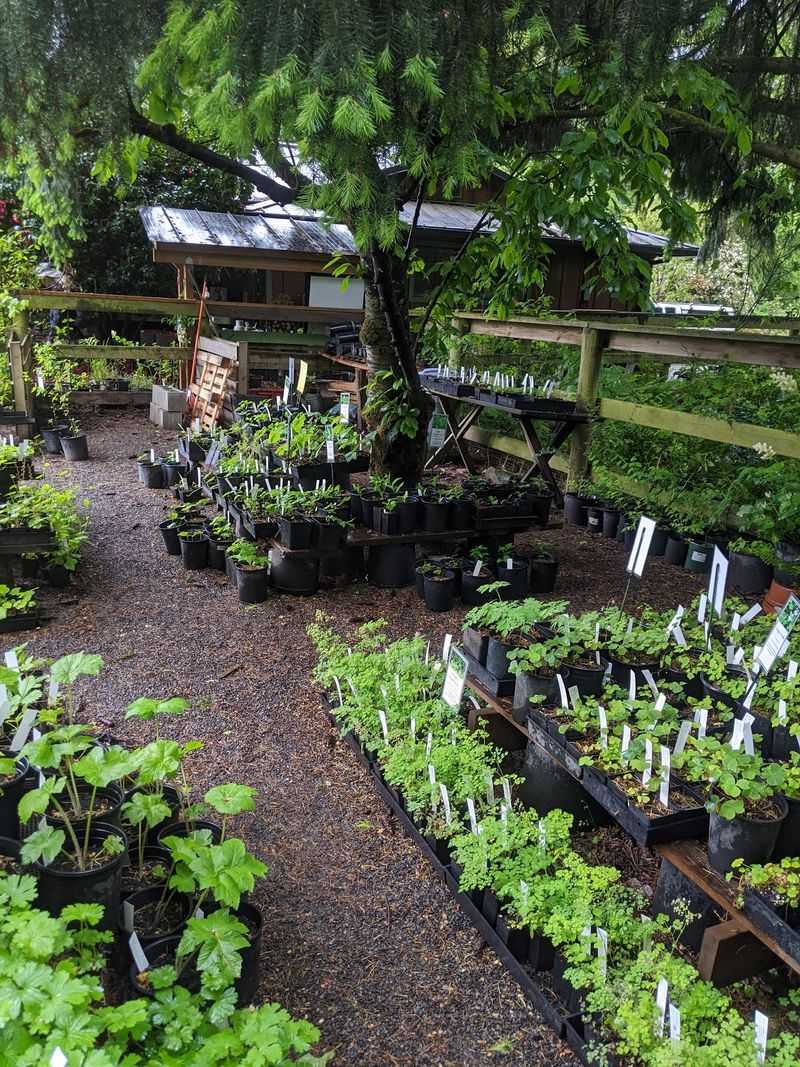
Sauvie Island already feels like someone turned down Portland’s volume knob.
Fields open up, traffic thins, birds appear everywhere, and the landscape seems to stretch farther in every direction. Sauvie Island Natives Nursery fits naturally into that setting.
Operated by Jane Hartline, the nursery specializes in Pacific Northwest native perennials, shrubs, trees, ferns, sedges, and other plants suited to regional landscapes.
Your Oregon Garden Changes Every Week. Your Plan Should Too.
Gardening in Oregon changes quickly throughout the season. Every Friday you’ll receive a simple weekly plan showing exactly what to plant, prune, fertilize, harvest, and protect so you never miss the right timing.
This is not a place for an unplanned dash through aisles fifteen minutes before closing.
Visits are arranged by appointment, giving the nursery a smaller and more personal rhythm than a conventional retail garden center.
The selection is especially useful for gardeners trying to build habitat rather than simply fill empty spaces.
Native shrubs can provide cover and berries. Flowering perennials can support pollinators.
Sedges and moisture-loving plants can turn difficult wet spots into parts of the garden that finally feel intentional. Then there are Oregon’s dry summers.
Plenty of established native plants are well adapted to seasonal drought, although new additions still need regular water while their roots settle in.
That makes late summer a revealing time to see what mature plants actually look like under real Northwest conditions.
Pair the nursery visit with a slow drive around the island and the outing feels less like an errand and more like a miniature escape from the city. Just make the appointment first.
3. Bosky Dell Natives – West Linn, Oregon
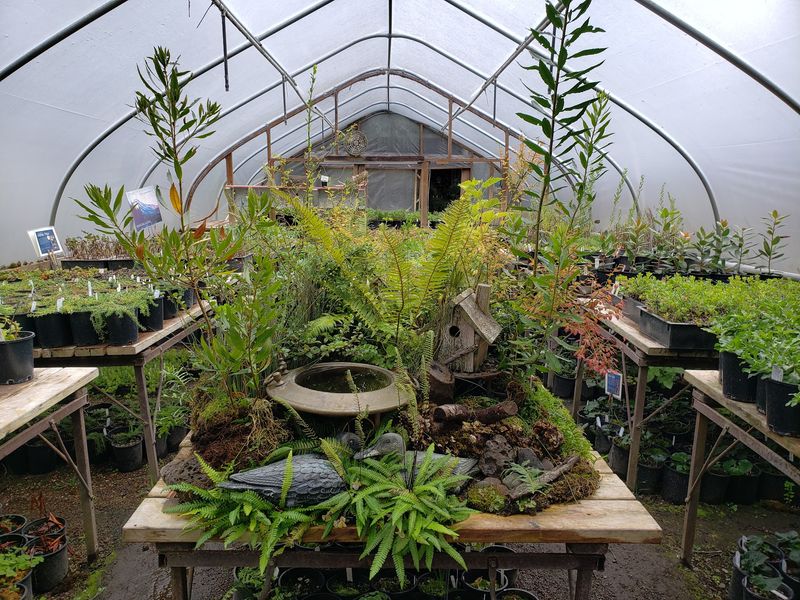
Bosky Dell Natives has the kind of personality that polished chain garden centers spend a lot of money trying to manufacture. Here, it grew naturally.
The West Linn nursery has been working with Oregon and Pacific Northwest native plants for decades, building an offering that includes more than 300 varieties. Yet the sheer number is not what makes the place memorable.
Handcrafted details, established plantings, quirky touches, and an informal atmosphere give the property the feeling of a garden that has accumulated stories over time.
The plant selection follows the same pattern. Sword ferns sit comfortably beside flowering natives like Western columbine, showy milkweed, and pearly everlasting.
Seeds and specialty mixes add options for gardeners starting larger areas from scratch, while bare-root material can be useful for restoration or erosion-control projects.
Bosky Dell’s work also reaches well beyond home gardens.
The nursery has contributed native seed to projects including the revitalization of Cully Park and has spent years involved with restoration work at Fields Creek.
That background gives the nursery a depth that becomes more obvious the longer you look around. Late summer brings another reason to pay attention.
Native huckleberries begin ripening around this part of the season, and Bosky Dell has even shared recipes built around the fruit.
A nursery that can send you home thinking about habitat restoration and dessert in the same afternoon deserves some credit.
Hours shift with the season, particularly on Sundays, so checking the current schedule before making the trip is worthwhile. Once inside, it is very easy to forget why you originally came.
4. Native Foods Nursery – Dexter, Oregon
Native Foods Nursery starts with a question most garden centers never ask.
Why shouldn’t the native plants in your yard feed you too?
The Dexter nursery specializes in edible native species, turning familiar Northwest landscapes into potential sources of berries, herbs, fruits, and other food.
More than 70 species are grown here, selected for combinations of edibility, appearance, adaptability, and ecological value.
Huckleberries immediately make sense. Salmonberries do too. Then the possibilities start getting more interesting, with blackcap raspberries, wild onions, and other plants that blur the line between ornamental landscaping and edible gardening.
The nursery uses organic growing methods at its nursery and nature sanctuary.
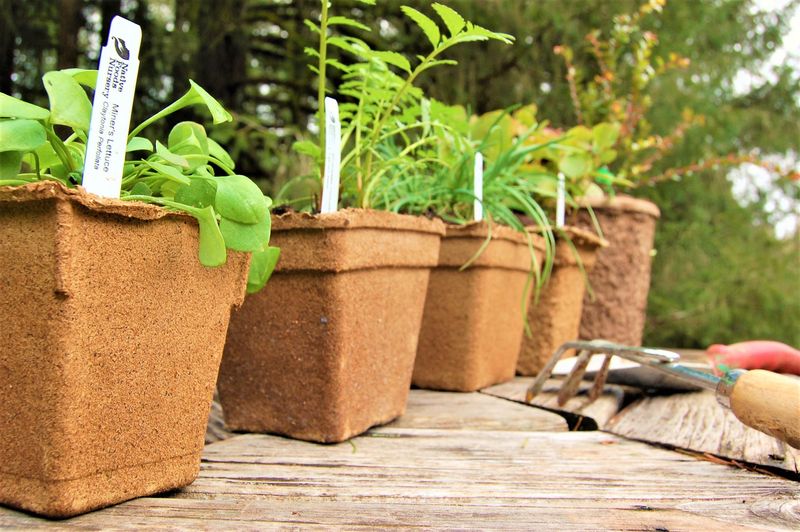
Most plants ship in biodegradable Eco-Pots designed to go directly into the soil, while some of the largest sizes come in conventional plastic containers.
Shipping is a big part of the business, which means gardeners across Oregon do not necessarily need to drive to Dexter at all.
For those who do want to visit, in-person nursery appointments can be arranged.
That appointment-based setup makes more sense once you realize this is primarily a specialty mail-order grower rather than a traditional walk-in garden center.
Landscape design and installation services add another layer for people who want edible natives incorporated into a larger plan.
Fall and winter can also bring bare-root plants and bulbs. The biggest danger here may be leaving with a completely different idea of what your backyard is supposed to do.
Sometimes the most interesting plant in the yard is also the one you can eat.
5. Plant Oregon – Talent, Oregon
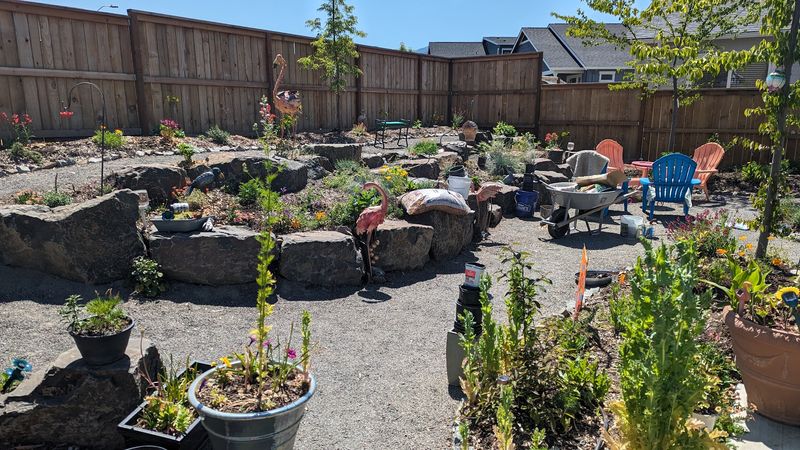
Southern Oregon gardening plays by its own rules. Summers run hotter, drought matters more, and plants that look perfectly comfortable farther north can suddenly start complaining once the Rogue Valley turns dry.
Plant Oregon in Talent understands that landscape. Located along Wagner Creek Road, the nursery carries trees, shrubs, restoration plants, and other material suited to Southern Oregon conditions.
Native species make up an important part of the offering, particularly for gardeners thinking about habitat, erosion control, screening, or a more naturalistic look.
Oceanspray is an easy plant to notice once you know what it can do.
Creamy summer flower clusters soften its loose branching shape, making it a strong choice for slopes and informal plantings.
Mock orange brings fragrant white blossoms, while Indian plum starts performing much earlier, producing some of the first spring interest before many nearby trees have fully leafed out.
Then there is sagebrush. Its silvery foliage looks completely different from the greener woodland natives people often associate with Oregon, but in the hotter and drier parts of the state it can make perfect sense.
Plant Oregon also works at a scale that goes beyond somebody filling three empty spaces beside a patio.
Its plant material is used in larger landscapes and restoration projects as well as home gardens.
That broader focus can make the nursery especially useful when you are thinking about an entire property rather than one flower bed.
Current public retail hours are concentrated around weekdays, with additional arrangements possible at other times.
Check the schedule before heading toward Talent. The drive is much more enjoyable when you know the gate will actually be open.
6. Ash Creek Forest Management Native Nursery – Cornelius, Oregon
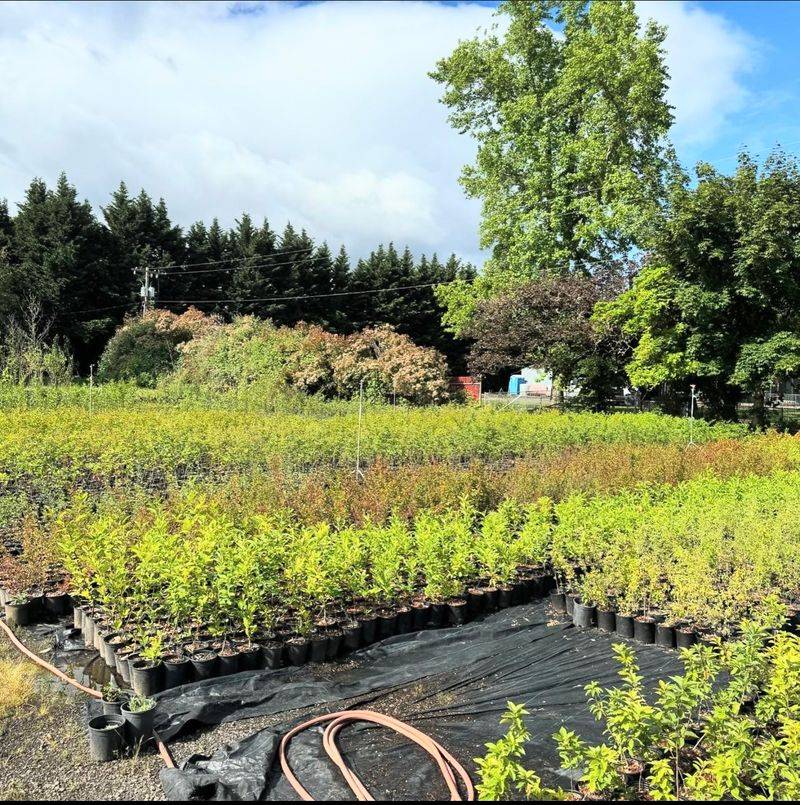
Not every native plant nursery is designed around leisurely browsing.
Some exist because a wetland needs thousands of plants, a streambank needs rebuilding, or an entire restoration site has to be planted with the right species at the right scale. Ash Creek’s nursery in Cornelius lives much closer to that world.
It is connected to Ash Creek Forest Management, an ecological restoration company founded in 1997 and certified as a B Corporation.
The nursery produces native container plants, plugs, cutting stock, and other material intended heavily for habitat restoration and larger landscape projects.
That changes the conversation immediately. Instead of asking which flowering perennial will look nice beside the front porch, customers may be planning hundreds or thousands of plants across acres of disturbed land.
Contract growing helps make that possible. Specific species can be produced in quantities tailored to upcoming projects, giving restoration professionals a much more predictable supply than simply hoping enough inventory happens to be available.
Genetic sourcing is another major part of the operation. For ecological projects, where a plant comes from can matter nearly as much as the species written on the label.
The nursery also emphasizes keeping high-quality native material affordable enough for large restoration work to remain practical.
Retail purchases are possible, but the atmosphere leans more toward professional growers, land managers, conservation groups, and large-scale projects than casual weekend shopping.
That is precisely why it belongs on this list. Seeing where restoration plants come from gives a completely different perspective on native gardening.
Every wetland, streambank, and habitat project has to begin somewhere. Sometimes it begins in rows of very small pots in Cornelius.
7. Bloomsday Natives – Portland, Oregon
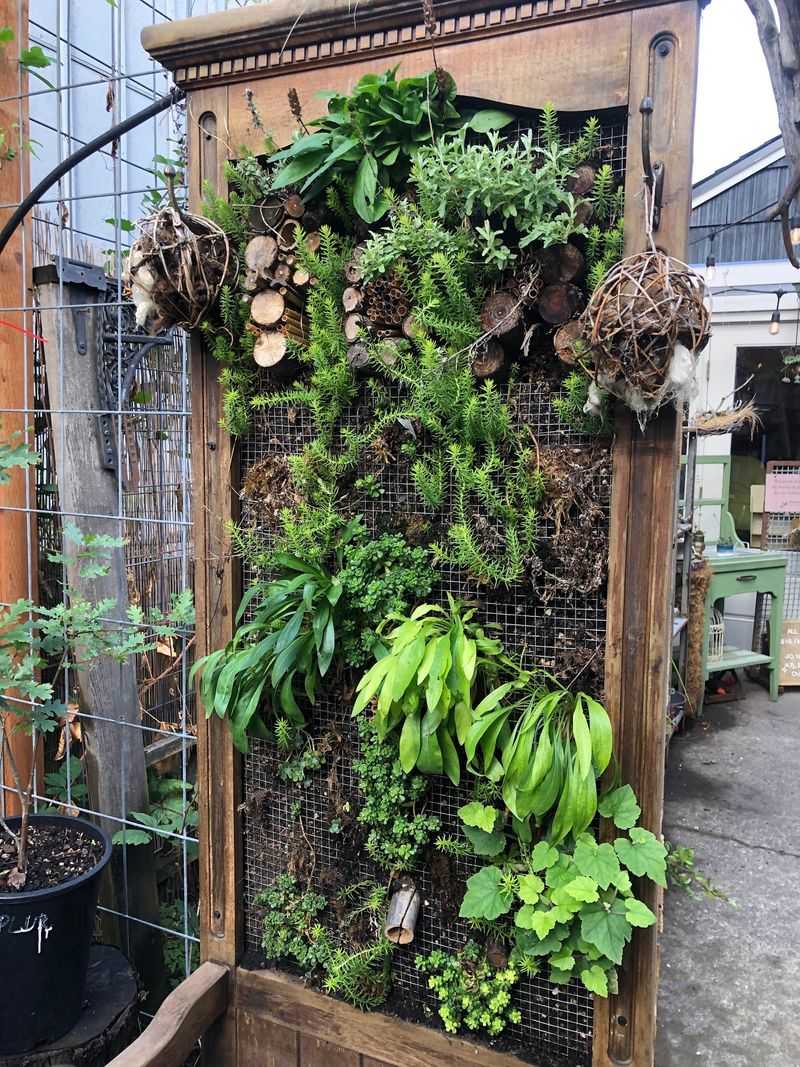
Bloomsday Natives is less interested in selling you a random collection of attractive plants than in figuring out what your entire piece of land is trying to become.
The Portland ecological landscape design company and native nursery works across residential, commercial, community, and public spaces.
Its services reach into habitat development, stormwater management, edible landscapes, natural-resource enhancement, and climate-resilient design.
That is a lot more ambitious than choosing something pretty for the side of a driveway. Projects commonly begin on site.
Sunlight, drainage, existing vegetation, surrounding habitat, and the way people actually use the property all become part of the conversation.
That approach makes particular sense with native landscapes. A species that thrives in one corner of Portland may hate the conditions ten feet away if the soil suddenly stays wet all winter.
Bloomsday also offers contract growing and plant ordering, helping connect design work with the actual material needed to build it.
For visitors who would rather browse than redesign their entire yard, there is a retail presence at Plural Collective in Portland.
It is currently open daily from 11 AM to 5 PM, with plants, seeds, and native-themed goods available.
Climate resilience and biodiversity sit at the center of much of Bloomsday’s work. The result is a style of gardening that looks beyond opening day. A landscape should change.
Plants should spread, insects should arrive, birds should find cover, and the space should become more alive as the years pass. That is a much more interesting goal than keeping everything exactly where it was planted.
8. Rewild Native Plant Nursery – Oregon
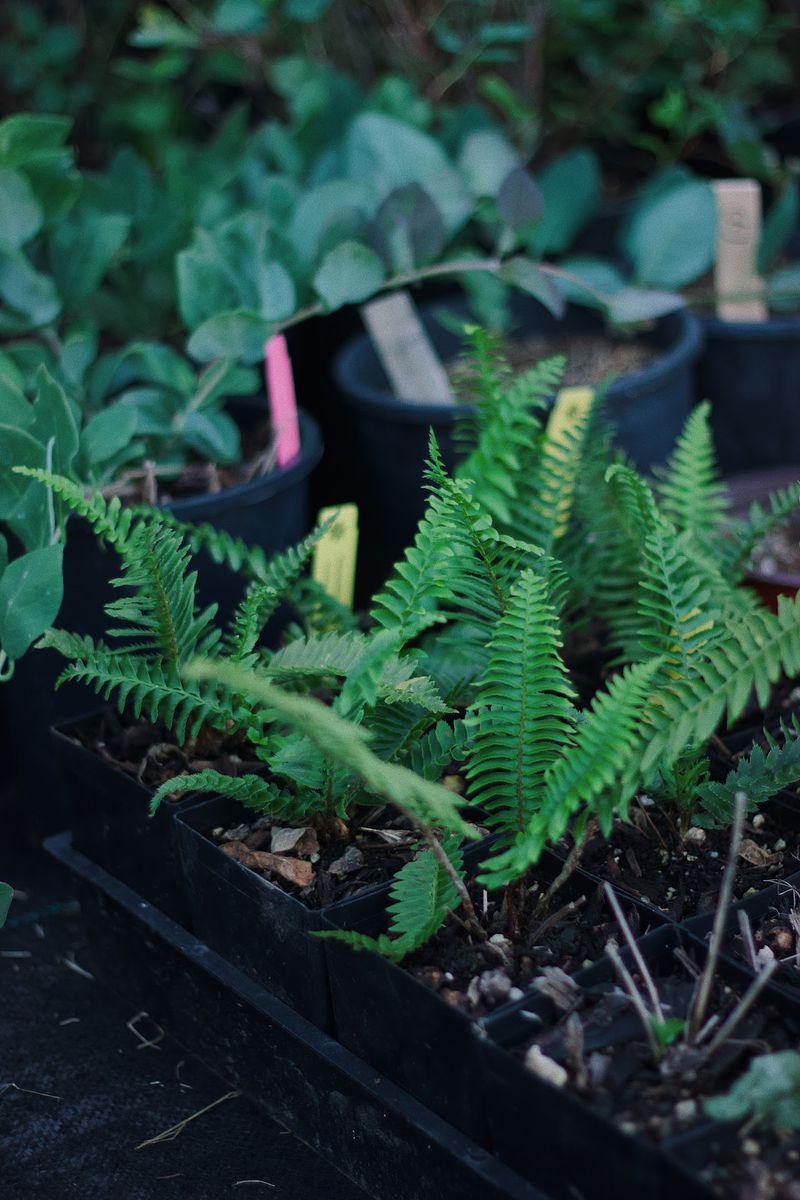
Rewild Native Plant Nursery in Salem takes one familiar gardening word and makes it surprisingly complicated. Native.
A plant can be native to Oregon, the Pacific Northwest, or half of western North America. But that does not necessarily mean every population of that species is genetically identical.
Rewild focuses heavily on Willamette Valley prairie plants and locally appropriate genetic material, giving gardeners a reason to think about where their plants came from as well as what they are called.
That matters most in restoration work, but it can be fascinating in an ordinary backyard too.
Western columbine has appeared among the nursery’s offerings, bringing dangling multicolored flowers that hummingbirds and other pollinators can visit.
Streambank lupine, Pacific hound’s tongue, and great camas show just how different Willamette Valley natives can look from one another.
One sends up bold flower spikes. Another stays closer to the ground. Great camas can create one of those spring displays that makes an ordinary patch of soil suddenly look like it belongs in a meadow.
Seeds add another dimension. Some native species benefit from fall sowing because winter cold and moisture help trigger spring germination.
Others follow completely different rules, which makes checking the needs of each species far more useful than applying one planting calendar to everything.
Live plants can also be ordered online with pickup options available. Rewild’s emphasis on plant origins gives the nursery its strongest identity.
The name printed on a label may tell you what species you are buying. The seed source tells you another part of the story.
9. Shooting Star Nursery – Central Point, Oregon
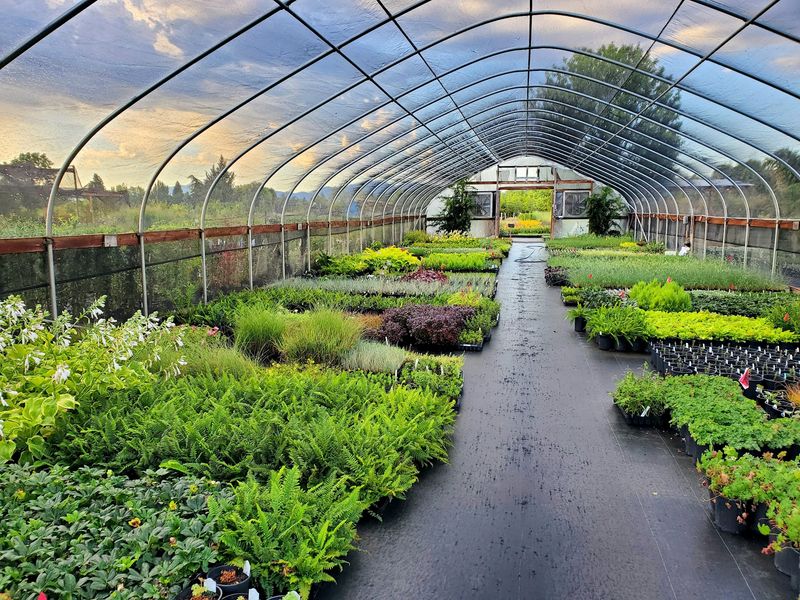
Shooting Star Nursery feels substantial from the moment you arrive.
The Central Point operation spreads across more than seven acres, giving Southern Oregon gardeners room to explore trees, shrubs, perennials, grasses, and other plants selected with the Rogue Valley in mind.
Native species share the space with drought-tolerant and pollinator-friendly plants from a broader range of backgrounds.
That mix suits a region where summer heat can quickly expose poor plant choices. One policy is especially interesting for pollinator-minded gardeners.
Shooting Star says everything it grows itself is neonic-free and pollinator-friendly.
That gives shoppers another question worth asking when browsing plants brought in from outside growers as well: where was this one grown, and how was it treated?
Staff can help with plant selection, while design consultations are available by appointment for larger or more complicated projects.
Late summer is a particularly revealing time to walk through a Southern Oregon nursery. By August, plants have already experienced months of heat, intense sun, and dry weather.
The survivors tend to look convincing. Oceanspray, mock orange, and Nootka rose can all bring structure to a native-focused garden while serving wildlife in different ways.
Nootka rose keeps contributing after the flowers fade, developing bright hips that add another round of seasonal interest. Not everything sold here is native, and that is part of the nursery’s broader appeal.
Gardeners can compare regional species with other plants capable of handling the same climate and build a landscape around performance rather than labels alone.
Summer hours extend through weekdays and Saturday, though exceptionally hot weather can sometimes shorten the day.
In the Rogue Valley, even the nursery knows when the afternoon sun has won.