What Does It Mean When A Hawk Keeps Perching In Your Oregon Yard?
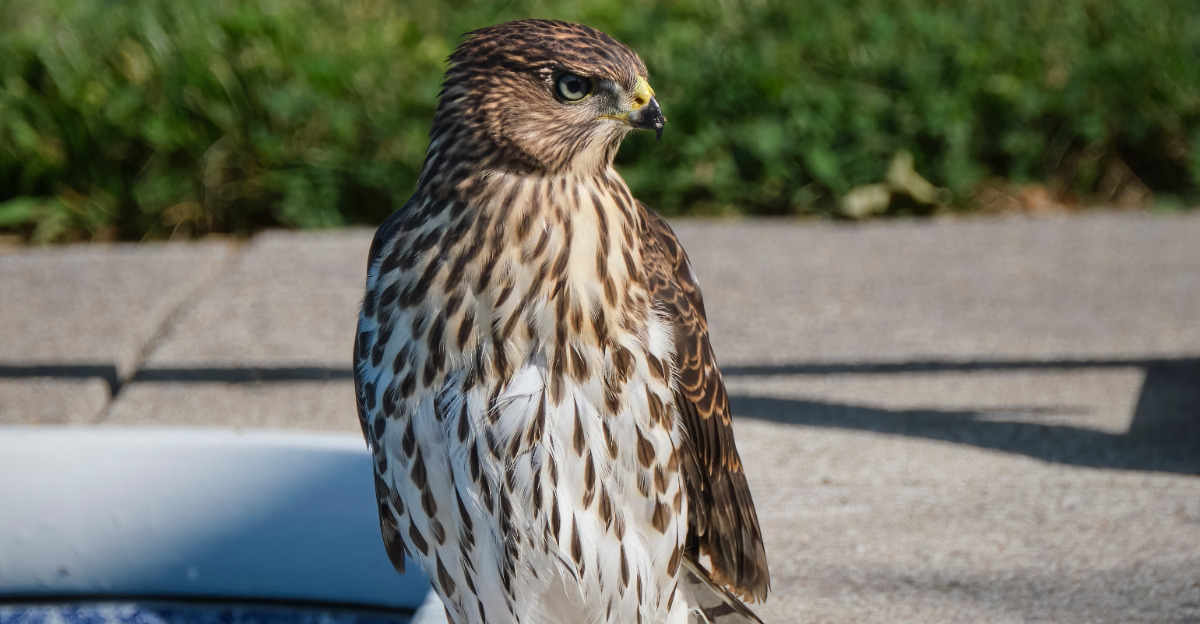
A hawk returning to the same fence post or tree branch day after day can make your Oregon yard feel suddenly important.
Repeated visits usually mean the bird has found something useful nearby, but the reason may not be obvious at first.
A high perch offers a clear view of the ground, giving a hawk time to watch the area before making its next move. That can turn one quiet corner into a regular lookout.
Seasonal behavior may also change how often you notice the bird, especially when young hawks are dispersing or local food patterns shift.
The presence of a hawk does not automatically signal trouble for pets or backyard birds, though it can alter how other wildlife behaves.
If the same visitor keeps appearing, its favorite perch may reveal more about your yard than the hawk itself.
1. Your Yard May Be Offering An Easy Hunting Spot
Hawks are not random visitors. When one keeps showing up in the same yard, it usually means that yard is doing something right from a hunting perspective.
Open space, low ground cover, and visible movement below make a yard feel like a prime location for a hungry hawk.
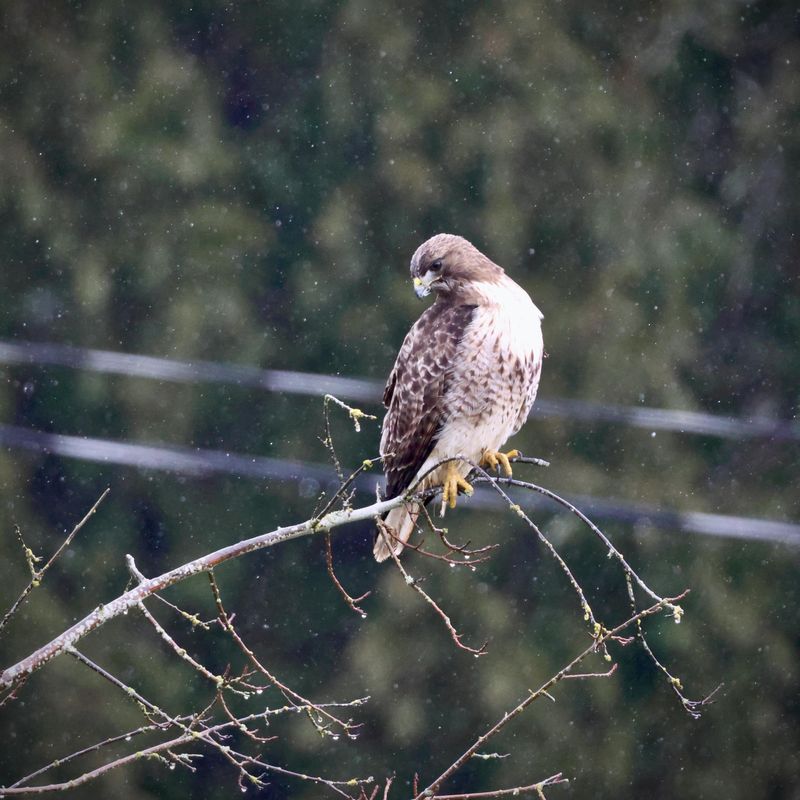
Red-tailed Hawks, one of the most common species in the Pacific Northwest, love spots where they can see clearly from above.
If your yard has short grass, open garden beds, or bare patches of soil, it gives them an unobstructed view of anything moving on the ground.
That is exactly what they need. Voles, mice, and small birds tend to be active in yards with mixed plantings and open areas. A hawk that has spotted prey in your yard once will remember it.
Hawks have excellent memory for locations where food was found before.
You might notice the hawk perching in the same tree or on the same fence post each time it visits. That is not a coincidence.
It has already mapped out the best vantage points in your yard. Think of your outdoor space as a restaurant it has already reviewed and rated highly.
If prey keeps appearing there, the hawk will keep returning. Reducing dense ground cover can sometimes make your yard even more appealing to them as a hunting area.
2. Fence Posts Make Perfect Hawk Lookouts
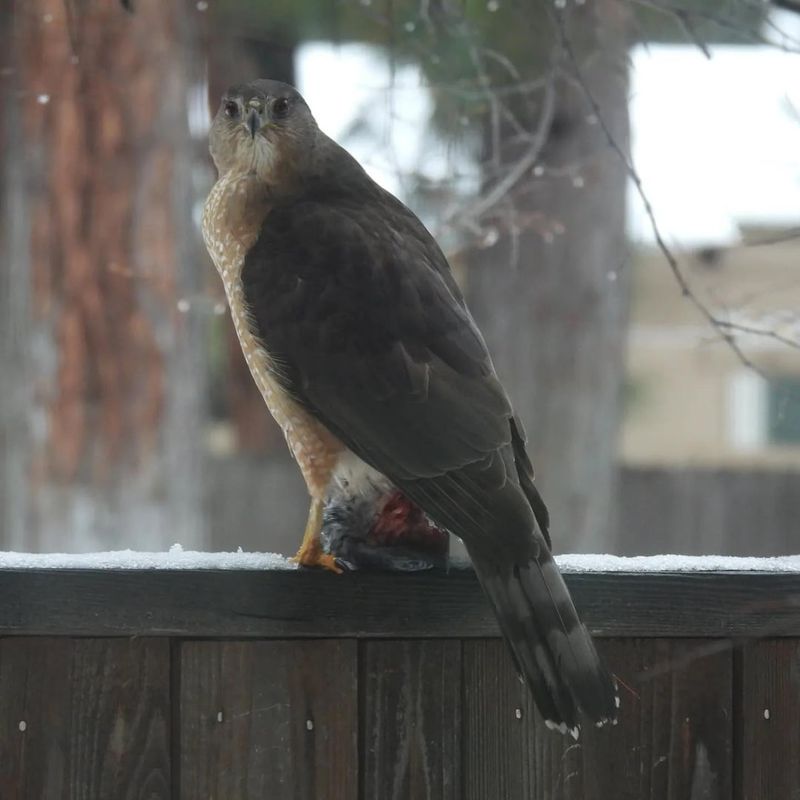
Most people do not think much about their fence posts, but to a hawk, they are incredibly valuable.
A tall post in an open area gives a hawk height, a clear 360-degree view, and a stable place to sit while it waits for prey to appear. That combination is hard to beat.
Hawks prefer elevated perches because height gives them a tactical advantage. From the top of a fence post, they can see small animals moving through grass or garden beds below.
The moment something moves, they can drop down in seconds with pinpoint accuracy. Fence posts are also better than trees in some situations. Trees have branches and leaves that can block sight lines.
A fence post offers a clean, open view with no visual clutter. For a hawk focused on hunting, that clarity matters a lot.
Your Oregon Garden Changes Every Week. Your Plan Should Too.
Gardening in Oregon changes quickly throughout the season. Every Friday you’ll receive a simple weekly plan showing exactly what to plant, prune, fertilize, harvest, and protect so you never miss the right timing.
If your yard has wooden fence posts, especially older ones with flat or slightly rough tops, you may notice claw marks or droppings near the base over time. These are signs the hawk has been using that spot regularly.
Some homeowners even notice the hawk using the same post at the same time each day. Hawks are creatures of habit, and a reliable perch becomes part of their daily routine quickly.
Adding a post or pole to your yard can sometimes attract hawks intentionally if you enjoy watching them up close.
3. Rodents Could Be Keeping It Coming Back
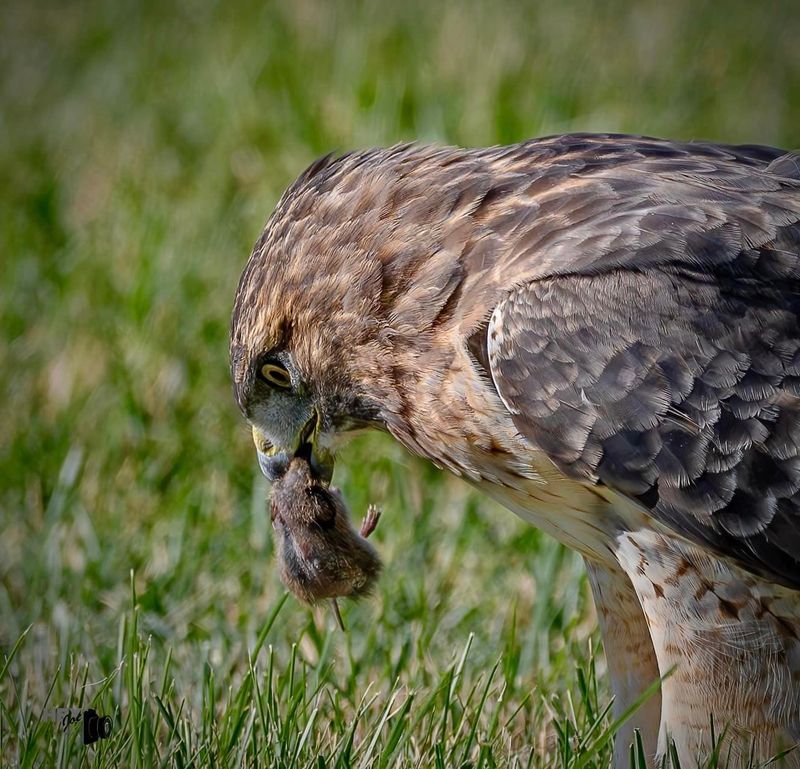
One of the most straightforward reasons a hawk keeps returning is that it has found a reliable food source. In most residential yards, that food source is rodents.
Mice, voles, and rats are extremely common in neighborhoods, especially near gardens, compost piles, or bird feeders that drop seeds.
Hawks are natural rodent controllers. A single Red-tailed Hawk can consume several small rodents in a single day.
If your yard has a steady population of mice or voles, the hawk has essentially found a buffet it plans to revisit regularly. It is not being aggressive or threatening.
It is simply doing what it was built to do.
Yards with compost bins, overgrown shrubs, or piles of wood or debris tend to attract more rodents. Those rodents then attract hawks.
The hawk is actually doing you a favor by keeping the rodent population in check naturally. Many gardeners and homeowners appreciate this free pest control.
If you have been noticing chewed plants, small tunnels in the soil, or droppings near your garden, you likely have a rodent issue you may not have noticed yet. The hawk spotted it before you did.
Rather than worrying about the hawk, consider it a helpful indicator that rodents are active nearby.
Encouraging the hawk to stay by keeping your yard open and uncluttered can help manage that rodent population without chemicals.
4. Bird Feeders May Be Bringing More Than Songbirds
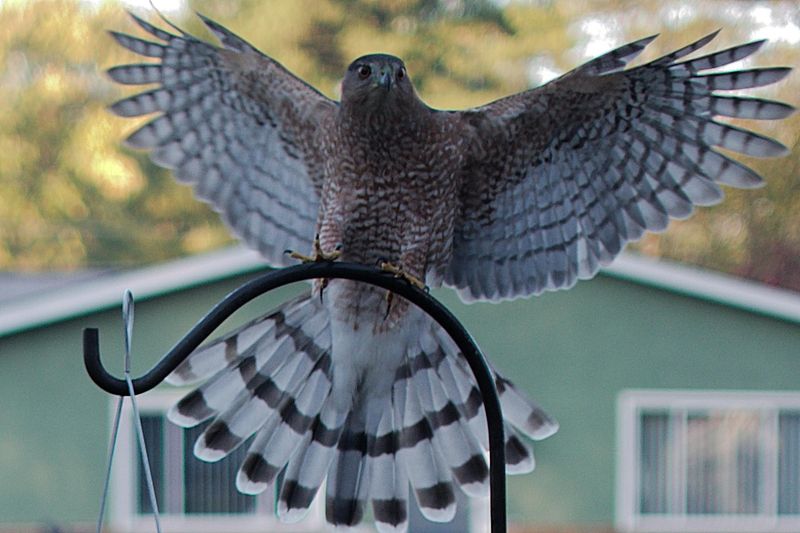
Bird feeders are wonderful for attracting colorful songbirds, but they also attract something else: hawks that eat those songbirds.
If you have a feeder in your yard and have noticed a hawk hanging around, the connection is very likely not a coincidence.
Species like the Cooper’s Hawk and the Sharp-shinned Hawk are built specifically for hunting small birds. They are fast, agile, and incredibly skilled at weaving through trees and shrubs to catch their prey.
A busy bird feeder is like a signal that food is nearby. Once a hawk discovers this, it tends to stake out the area regularly.
You might notice the songbirds at your feeder suddenly go quiet or scatter all at once. That sudden silence often means a hawk is nearby.
Birds are very good at warning each other about predators, and the alarm spreads quickly through the flock.
If you want to keep attracting songbirds while reducing hawk visits, try placing your feeder near dense shrubs where small birds can quickly hide. Moving the feeder closer to a window or under a covered porch can also help.
Hawks prefer open approaches where they have room to maneuver. Offering shelter to smaller birds gives them a better chance of escaping if a hawk does show up.
Balancing both needs takes some experimenting, but it is very doable with a few simple changes to your setup.
5. Open Lawns Make Prey Easier To Spot
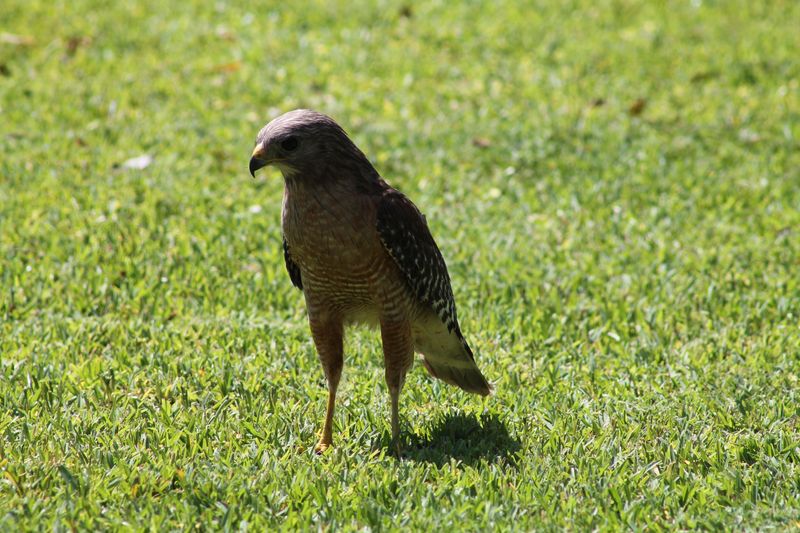
If your Oregon yard has a big open lawn, you have likely created one of the most hawk-friendly environments possible without even trying. Wide, flat, open grass is incredibly easy for hawks to scan from above.
There is nowhere for small animals to hide when the ground is clear and short.
Voles and mice that cross an open lawn are extremely vulnerable. A hawk circling overhead can spot movement from hundreds of feet in the air.
The moment a small animal steps out into the open, the hawk has a clear path to swoop in without any obstacles in the way.
Many homeowners in the Pacific Northwest have large lawns surrounded by trees or shrubs, which creates a perfect combo for hawks.
The trees offer perching spots and cover, while the open lawn gives them a clear hunting field just a few feet away. It is a setup hawks actively seek out.
Interestingly, freshly mowed lawns tend to attract more hawk activity than tall grass. When grass is cut short, small animals that were hidden suddenly have less cover.
They are easier to spot and easier to catch. So after mowing your lawn, do not be surprised if a hawk shows up soon after.
It has noticed the change in your yard and is taking advantage of the newly exposed ground.
Short grass equals better visibility, and better visibility means better hunting conditions for a focused predator.
6. One Favorite Perch Can Become A Daily Routine
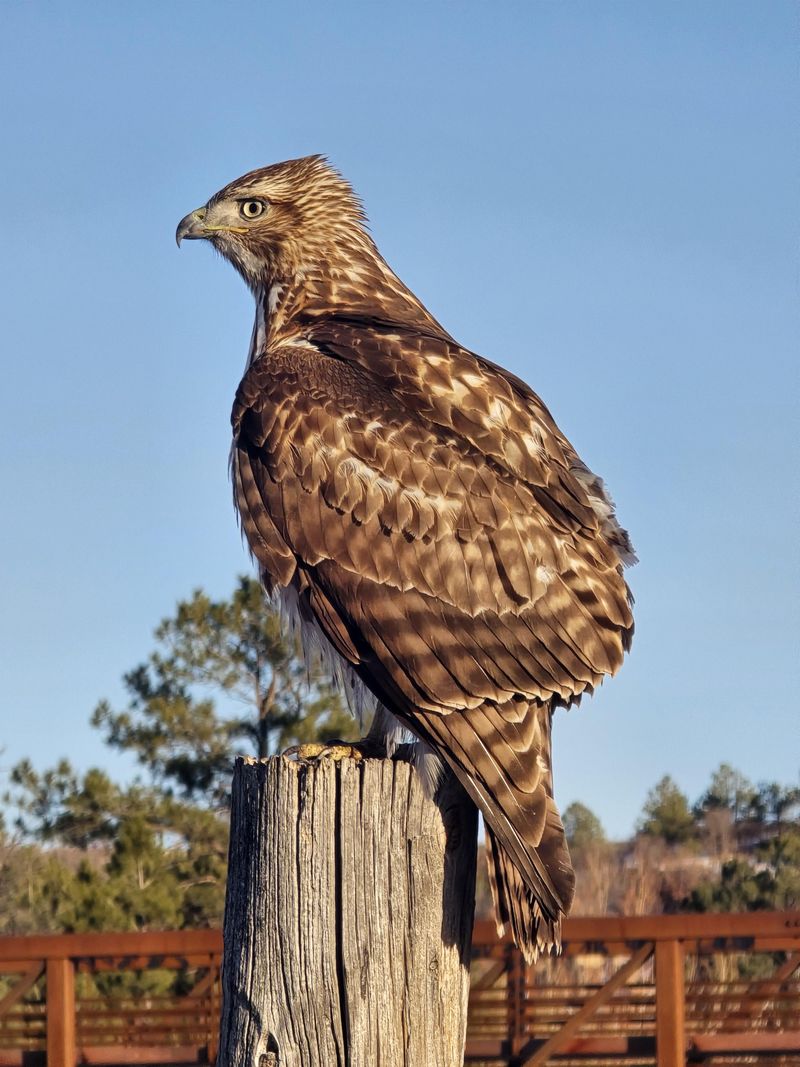
Hawks are smarter than most people realize. Once they find a perch they like, they tend to use it over and over again.
It becomes part of their daily pattern. If you keep seeing a hawk in the exact same tree or on the same rooftop, that spot has been officially claimed as a favorite.
Routine matters a lot to birds of prey. They learn which spots offer the best views, the least wind interference, and the most reliable prey activity below.
Once all those boxes are checked, there is little reason for them to switch things up. A hawk that has found a great perch will return to it daily, sometimes at the same hour each morning or afternoon.
This kind of predictable behavior can actually be fun to observe. Some homeowners start noticing the hawk arrives around the same time each day, almost like clockwork.
Setting up a chair near a window with a good view of that perch can turn into a relaxing birdwatching habit.
Hawks also use familiar perches for activities beyond hunting. They preen their feathers, rest, and survey their territory from these spots.
A hawk sitting quietly and looking around is not always on the hunt. Sometimes it is simply taking a break or keeping watch over its claimed area.
Respecting that space and avoiding sudden loud noises near the perch can help keep the hawk comfortable and coming back for you to enjoy watching.
7. A Nearby Nest May Explain The Repeat Visits
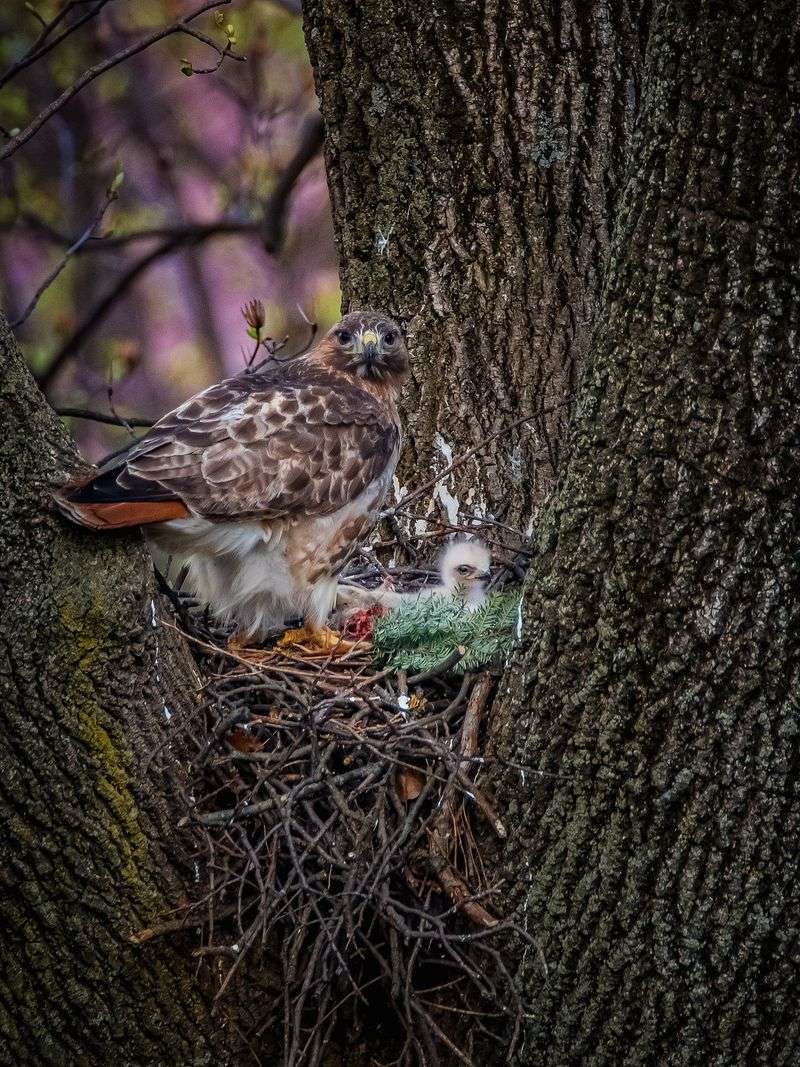
Sometimes the reason a hawk keeps visiting your yard has nothing to do with food at all. If there is a nest nearby, the hawk may simply be patrolling the area around its home.
Hawks are very protective of the space around their nests, especially during breeding season in spring and early summer.
Red-tailed Hawks often build their nests in tall trees near open areas. If a large Douglas fir, oak, or cottonwood is close to your yard, there could be a nest tucked into the upper branches that you have not noticed yet.
Hawks build bulky stick nests that can be hard to spot until the leaves fall in autumn.
During nesting season, both parents take turns hunting and standing guard. One hawk may perch near your yard while the other tends to the nest.
As the season progresses and chicks hatch, you might even start hearing high-pitched calls from the nest nearby.
Oregon nesting season for many hawk species runs roughly from March through July. If your hawk visits started in late winter or early spring and have continued steadily since, a nest is a very likely explanation.
Try scanning the tallest trees in your immediate neighborhood with binoculars. Look for a large platform of sticks near the top of the canopy.
Finding the nest can be an exciting discovery and helps explain all those repeat visits to your outdoor space.
8. Young Hawks Often Spend More Time Close To Homes
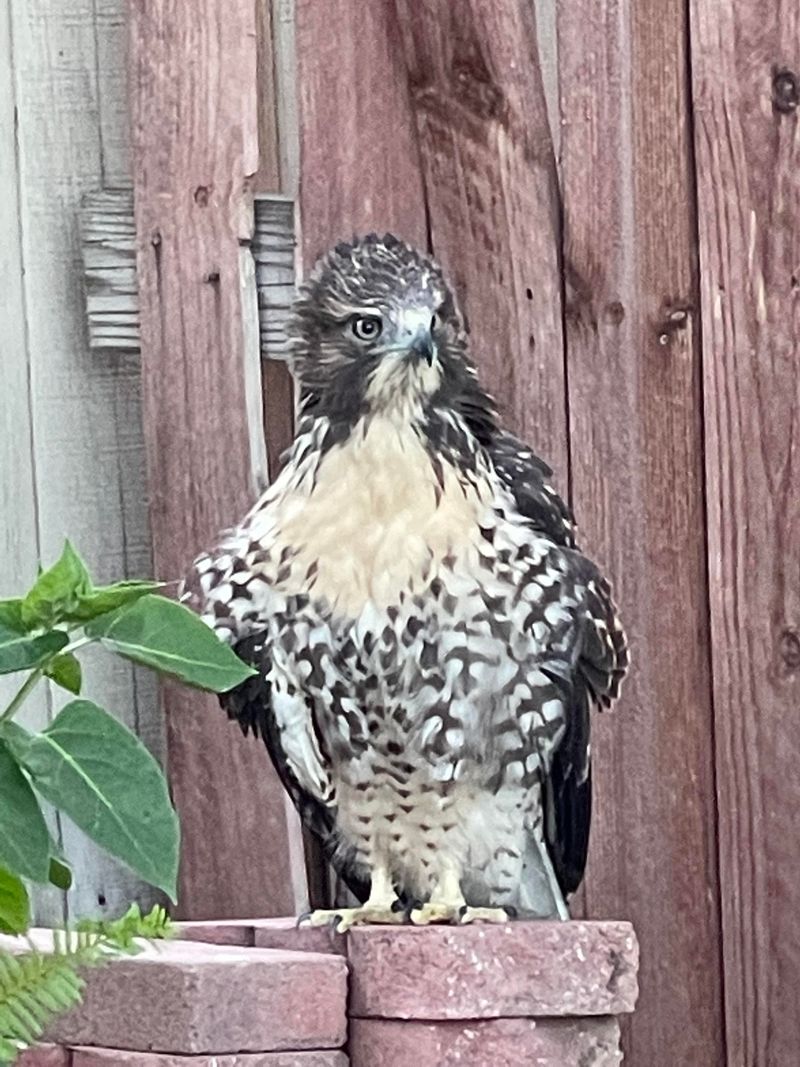
Not every hawk visitor is a seasoned adult. Young hawks, called juveniles, are still learning how the world works.
They have not yet developed the sharp instincts of older birds, and they tend to explore areas that more experienced hawks might avoid, including busy suburban yards.
Juvenile hawks often look slightly different from adults. They may have streaky brown feathers, lack the classic rust-colored tail of an adult Red-tailed Hawk, and behave in ways that seem a little uncertain or clumsy.
You might see one sitting low on a fence, staring at something on the ground for a long time without acting. That hesitation is normal for a young bird still figuring things out.
Young hawks that were raised in nearby nests often begin exploring the surrounding neighborhood in late summer and early fall. They are building mental maps of their territory and learning where food can be found.
Your yard may just happen to fall within the area they are exploring during this critical learning period.
Seeing a young hawk up close can be a memorable experience. They tend to be less wary of humans than adults and may sit surprisingly close without flying off.
If you spot one, enjoy the view but keep your distance. Do not try to approach or feed it.
Let it observe and learn on its own terms. That is exactly what it needs to grow into a skilled and confident adult hunter.