Plants Oregon Gardeners Should Prune This Season And Those To Leave Alone
Knowing what to prune and when can make or break your garden. Cut back the wrong plant at the wrong time and you lose a season of blooms. Leave the right one alone and it rewards you with fuller growth and better flowers.
Oregon gardeners deal with a unique mix of wet winters, dry summers, and mild temps that change how and when plants respond to pruning.
Some plants are ready for a trim right now. Others need more time before you touch them. A few should stay untouched until they show you exactly what they need. Getting this right does not take years of experience.
It just takes knowing which plants fall into which category. Once you know the difference, you can walk into your garden with confidence and know exactly what to do.
1. Rhododendrons
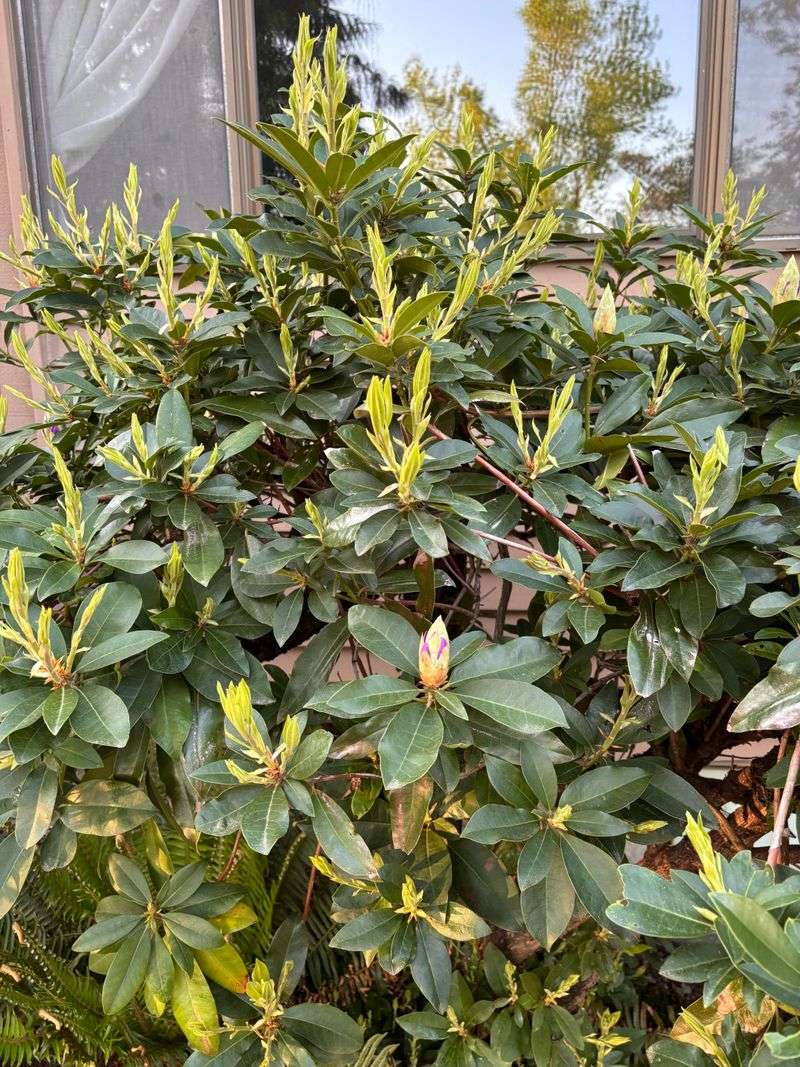
Rhododendrons are practically the mascot of Pacific Northwest gardening, and Oregon has ideal conditions for growing them. They love the cool, moist climate and reward gardeners with stunning clusters of blooms each spring.
Knowing when and how to prune them keeps them looking full and healthy for years.
The best time to prune is right after the flowers fade, usually in late spring. Deadheading spent blooms is a great place to start.
Simply snap or snip off the old flower clusters before they go to seed. This redirects the plant’s energy into producing strong new growth instead of making seeds.
For shaping or size control, do any cutting right after bloom time as well. Rhododendrons are slow growers, so be careful not to remove too much at once.
Cutting back into bare wood can work, but it takes a long time for the plant to recover and fill back in.
Leggy or overgrown rhododendrons can be rejuvenated with a gradual approach. Remove one or two of the oldest, woodiest stems each year to let light and air into the center.
Avoid pruning in fall or winter, since new cuts can be vulnerable to frost damage in Oregon’s cooler inland valleys. Patience and timing are everything with these beloved shrubs.
2. Lilacs
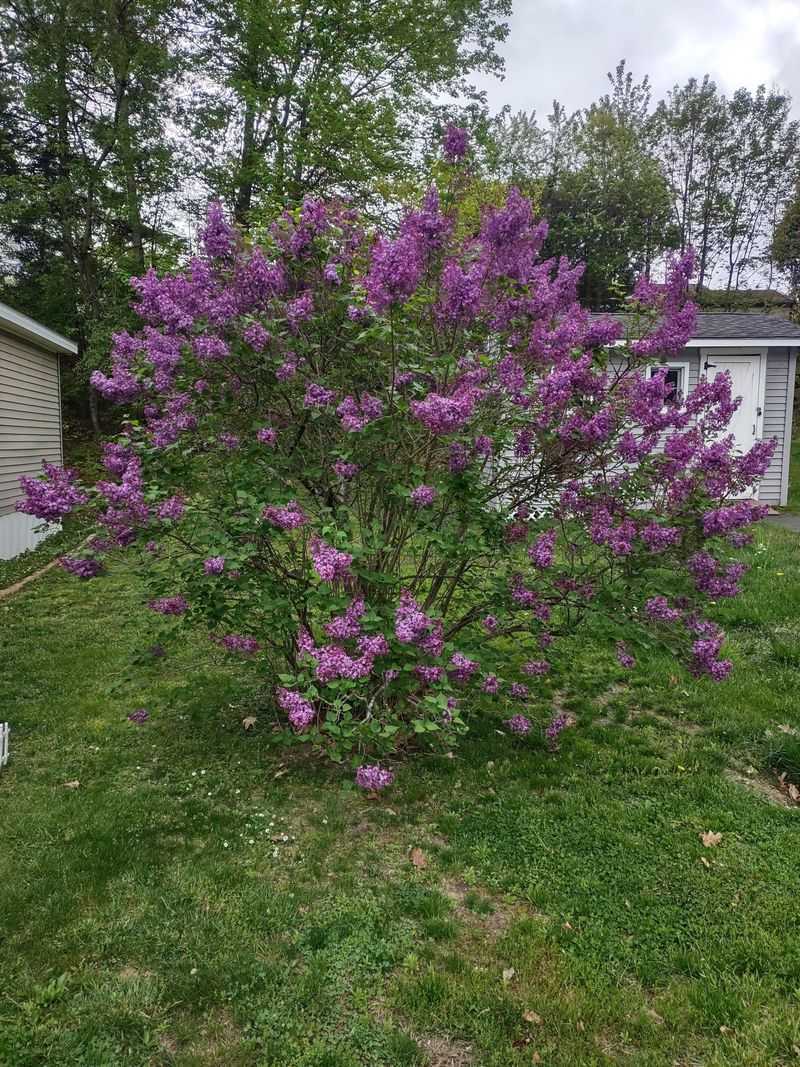
Few plants bring as much joy as a lilac in full bloom. That sweet, old-fashioned scent is hard to beat, and Oregon gardeners are lucky to grow some truly spectacular ones.
Pruning lilacs at the right time makes a big difference in how well they bloom the following year.
Right after the flowers fade is the best window to prune. Lilacs bloom on old wood, which means the flower buds for next spring are already forming shortly after this year’s blooms drop.
If you wait too long into summer, you risk cutting off those buds before they even get a chance.
Focus on removing dead or crossing branches first. Then take out any suckers growing from the base, since those steal energy from the main plant.
You do not need to do a heavy cutback every year. A light shaping is usually all it takes to keep the plant healthy and looking tidy.
Your Oregon Garden Changes Every Week. Your Plan Should Too.
Gardening in Oregon changes quickly throughout the season. Every Friday you’ll receive a simple weekly plan showing exactly what to plant, prune, fertilize, harvest, and protect so you never miss the right timing.
Older lilacs that have gotten tall and leggy can handle a harder rejuvenation prune. Remove one-third of the oldest stems each year over three years.
This keeps the plant from going into shock while encouraging fresh, vigorous growth from the base. With a little patience, an overgrown lilac can become a showstopper again in just a few seasons.
3. Azaleas
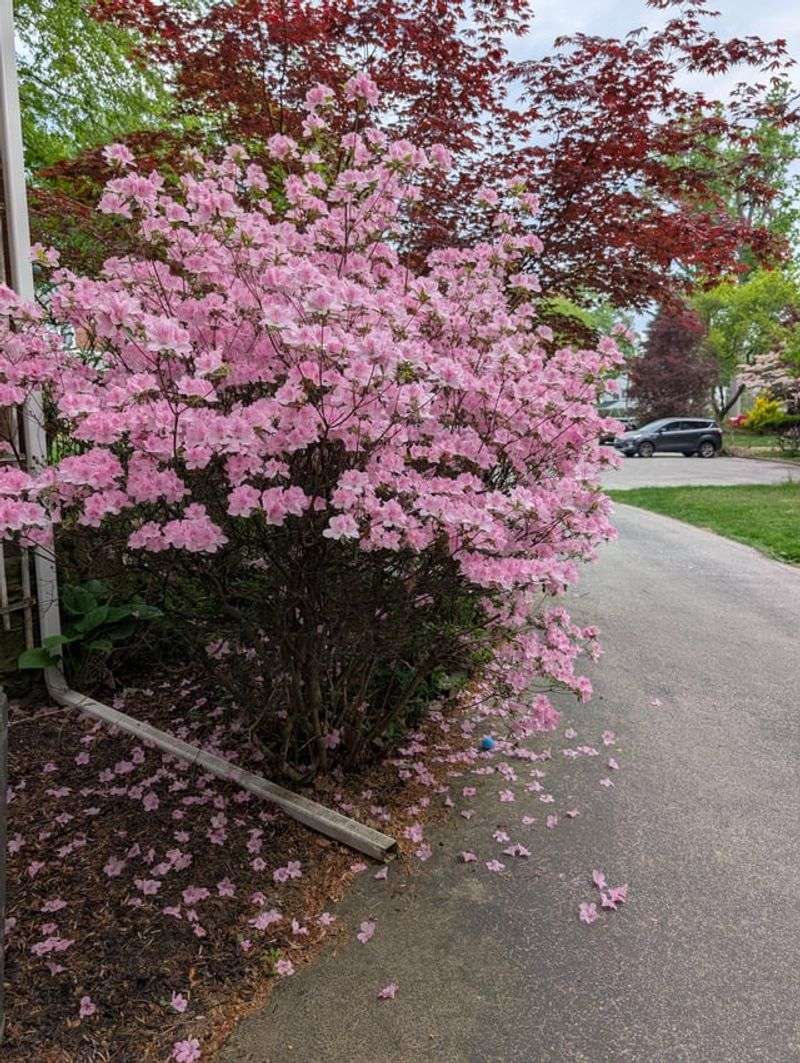
There is nothing quite like the burst of color azaleas bring to a spring garden. Whether yours are blazing red, soft pink, or vivid orange, these shrubs are a favorite across Oregon for good reason.
They are low-maintenance, long-lived, and absolutely stunning when they are happy.
Like rhododendrons, azaleas bloom on old wood. That means the flower buds for next year start forming on the current season’s new growth shortly after blooming ends.
Pruning right after the flowers fade gives the plant time to push out new growth and set those buds before the season winds down.
Keep pruning light and purposeful. Remove any dead or damaged branches first.
Then shape the plant by cutting back any stems that are sticking out awkwardly or making the shrub look uneven. Always cut just above a leaf node to encourage fresh branching from that point.
Deciduous azaleas, which lose their leaves in winter, can handle slightly harder pruning than evergreen types. Even so, avoid cutting back more than one-third of the plant at a time.
Heavy pruning in late summer or fall is a common mistake in Oregon gardens that results in fewer blooms the following spring. A post-bloom trim is simple, quick, and well worth the effort for a fuller, more floriferous plant next year.
4. Forsythia
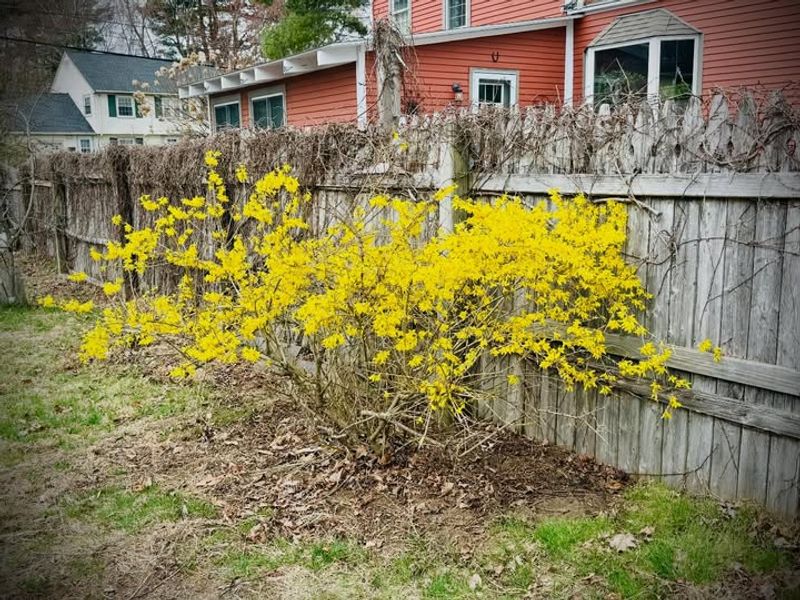
Forsythia is one of the first signs that winter is finally letting go. Those bright yellow flowers explode on bare branches before the leaves even appear, making it one of the most cheerful shrubs in any Oregon garden.
Keeping it well-pruned helps it stay full, vigorous, and loaded with blooms every single year.
Forsythia blooms on old wood, so timing is everything. Prune it right after the flowers fade in early to mid-spring.
Waiting too long means cutting into the wood that will carry next year’s flowers. Even just a few weeks past bloom time can cost you a season’s worth of color.
Start by removing any old, thick stems that are crowding the center of the plant. Forsythia blooms best on younger wood, so cutting out those old canes encourages the plant to push out fresh, flower-producing growth.
Aim to remove about one-third of the oldest stems each year rather than cutting the whole plant back at once.
If your forsythia has gotten out of hand, a hard rejuvenation prune right after bloom can reset it completely. Cut the entire plant down to about twelve inches from the ground.
It will look rough for a season, but it will bounce back quickly with new growth. Many Oregon gardeners are surprised at how fast forsythia recovers and how much better it blooms after a good reset.
5. Camellias
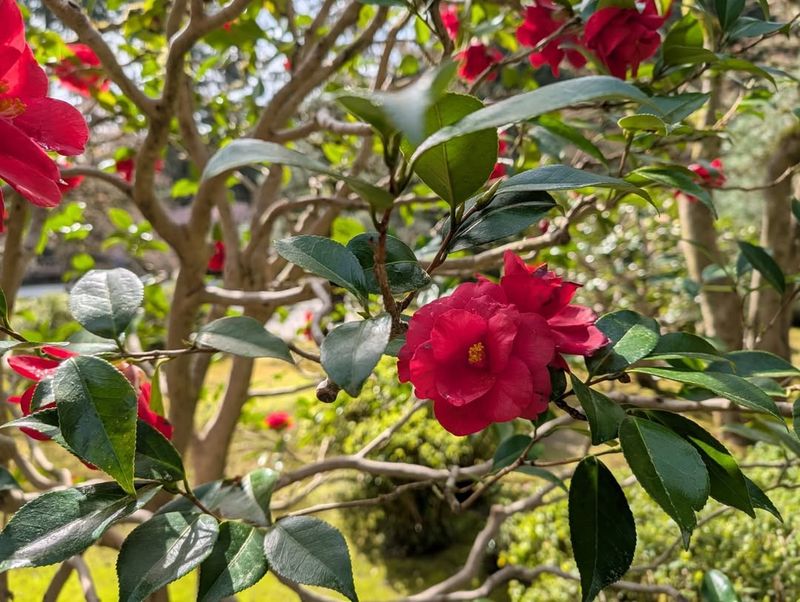
Camellias are elegant, long-lived shrubs that thrive in Oregon’s mild, rainy climate. They bloom anywhere from late fall through early spring depending on the variety, and their waxy, rose-like flowers are absolutely gorgeous.
Pruning them correctly keeps the plant shapely and encourages strong blooming year after year.
Wait until the flowers have fully finished before picking up the shears. For most Oregon gardeners, this means pruning in late spring after the last blooms drop.
Camellias set their buds for the following season on the new growth that comes after pruning, so getting the timing right is key to keeping the blooms coming.
Light pruning is usually all camellias need. Remove any crossing branches, dead wood, or stems that are spoiling the shape of the plant.
If you want to control the size, cut back the longest stems to a strong outward-facing bud. Avoid shearing camellias into tight geometric shapes, since that removes too much of the flowering wood.
Older camellias that have become too large or leggy can handle a harder pruning. Cut back the main branches by up to one-third to encourage a denser, more compact shape.
Do not be surprised if the plant takes a season to fully recover and bloom heavily again. In Oregon’s forgiving climate, camellias are remarkably resilient and usually bounce back with vigor.
6. Most Apple And Pear Trees
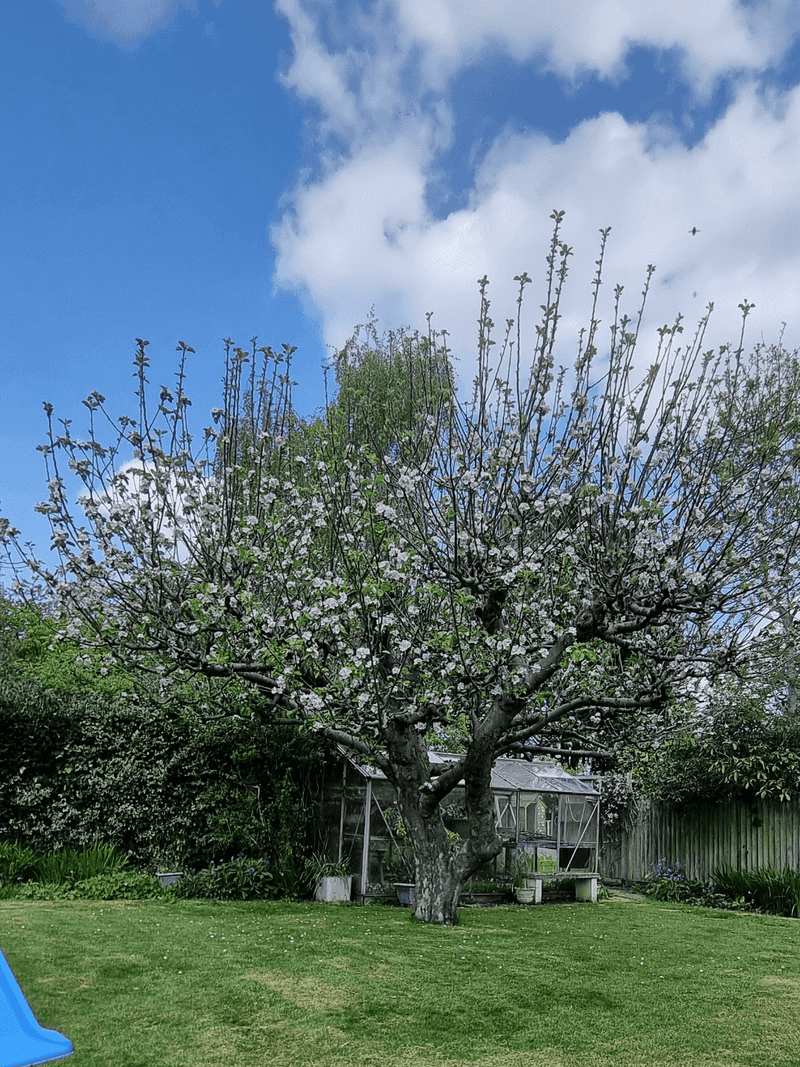
Fruit trees are a rewarding addition to any Oregon garden, and apples and pears are among the most popular choices. Proper pruning is one of the most important things you can do for these trees.
It improves airflow, reduces disease pressure, and helps the tree put its energy into producing bigger, better fruit.
The ideal time to prune apple and pear trees is late winter to early spring, just before the buds begin to swell. In Oregon, this usually falls somewhere between late February and mid-March depending on your location.
Pruning while the tree is still dormant makes it easier to see the branch structure and reduces stress on the tree.
Start by removing any dead, damaged, or crossing branches. Then take out any water sprouts, which are the fast-growing upright shoots that rarely produce fruit.
The goal is an open canopy that lets sunlight reach the interior of the tree. Good light penetration means better fruit color and flavor throughout the whole tree.
Avoid removing more than one-quarter of the tree’s canopy in a single year. Taking off too much at once stresses the tree and can actually trigger an explosion of unproductive water sprouts.
Young trees need more shaping, while mature trees mostly need maintenance pruning to stay healthy and productive. A well-pruned apple or pear tree can produce reliably for decades in Oregon’s favorable growing conditions.
7. Spring Bloomers That Have Not Finished Flowering Yet
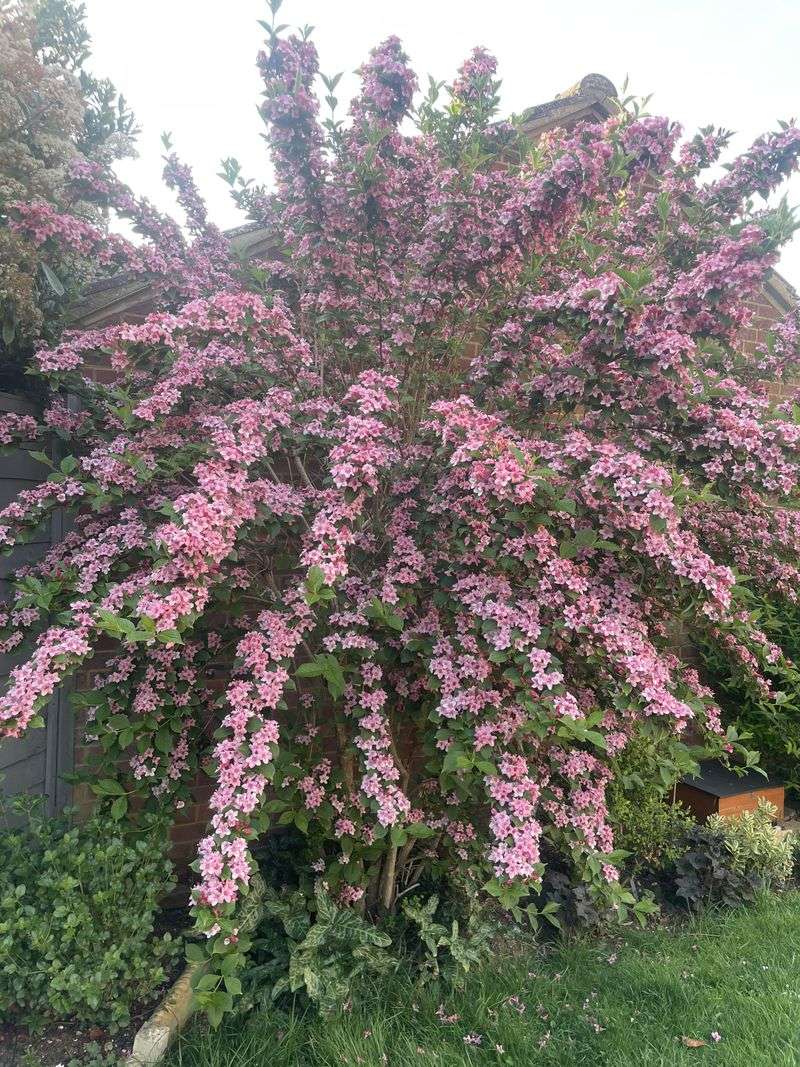
Patience is one of the most valuable tools a gardener can have, and nowhere is that more true than with spring-blooming plants that are still putting on their show. It can be tempting to start tidying up the garden as soon as the weather warms, but grabbing the pruners too early can cost you weeks of beautiful blooms.
Plants like weigela, spirea, flowering quince, and many ornamental cherries all bloom on old wood. Cutting them back while they are still flowering removes the very branches that are carrying those blooms.
The flowers will be gone, and you will not get them back until next spring at the earliest.
A good rule of thumb is to wait until the last petal has fallen before doing any pruning on spring bloomers. In Oregon, spring can stretch well into May or even early June in some areas, so keep an eye on each plant individually rather than pruning everything on the same schedule.
Use the waiting time wisely. Check your tools, sharpen your pruners, and plan out which branches you want to remove.
That way, as soon as the blooms fade, you are ready to move quickly and get the pruning done before the plant starts setting next year’s buds. A little patience now pays off with a spectacular display next spring.
8. Old Wood Hydrangeas
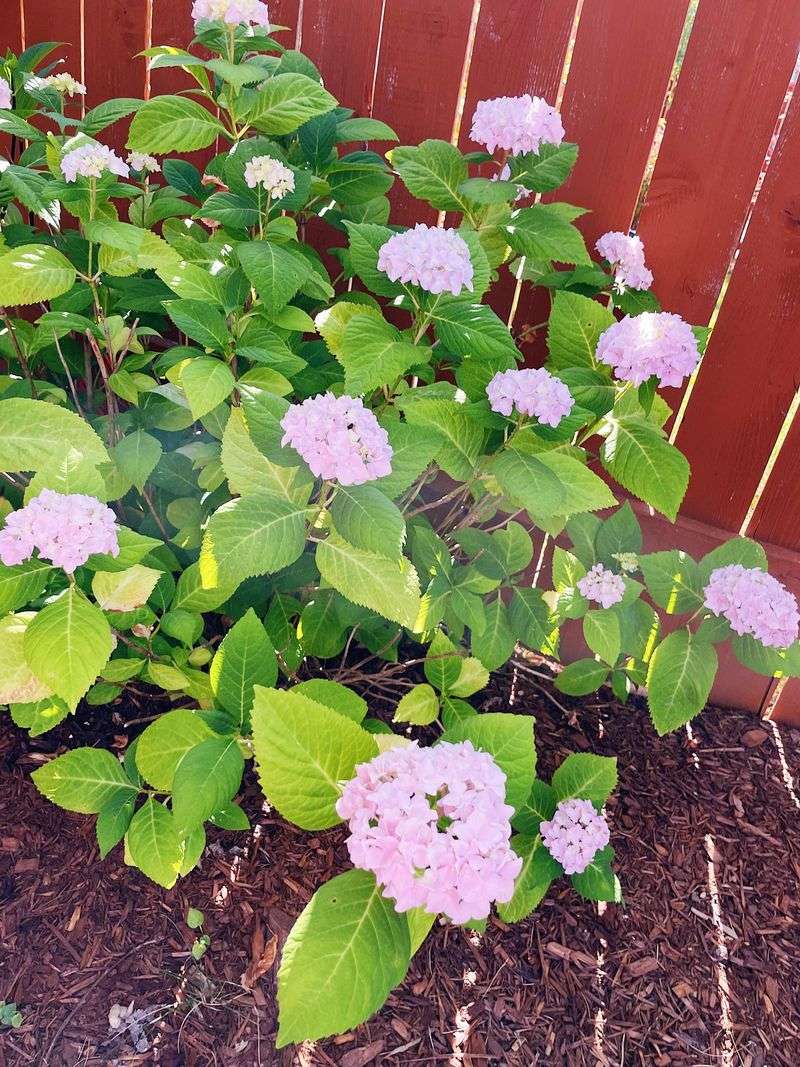
Hydrangeas are one of the most misunderstood plants when it comes to pruning, and old wood varieties are where most gardeners go wrong. Bigleaf hydrangeas, also called mopheads and lacecaps, along with oakleaf hydrangeas, bloom on old wood.
That means their flower buds are already sitting on last year’s stems right now, just waiting to open.
Cutting these hydrangeas back in early spring is one of the most common mistakes Oregon gardeners make. It feels like the right thing to do since the stems look dead and bare, but those stems are carrying all the flower buds for the coming season.
Remove them, and you will have a full, leafy plant with zero blooms.
The safest approach is to leave old wood hydrangeas alone in spring. Only remove stems that are clearly broken, completely hollow, or show no signs of budding at all.
Use your thumbnail to scratch the bark lightly. If you see green underneath, that stem is alive and worth keeping.
If you want to tidy things up, wait until the plant has fully leafed out and you can clearly see which stems are not producing. Light cleanup is fine, but resist the urge to do a hard cutback.
Oregon’s mild winters are generally kind to hydrangea buds, so with a hands-off approach in spring, your old wood hydrangeas should reward you with a stunning flush of blooms come summer.