Why This Week’s Scattered Storms Won’t Save Your Georgia Garden
Do not cancel your watering plans just because thunderstorms are showing up in the forecast. Scattered summer rain can sound much more helpful than it actually becomes in your garden.
A storm may pass directly over Georgia today, then leave nearby yards almost untouched tomorrow. That unpredictable pattern makes rainfall a poor substitute for checking what your plants actually receive.
There is another catch when rain falls hard and disappears quickly. Parched summer ground does not always absorb that sudden rush of water as effectively as gardeners expect.
Your flowers and shrubs can look refreshed afterward while the soil around their roots remains surprisingly dry. That difference matters once hot sunshine returns.
So treat every passing storm as a possible bonus, not guaranteed irrigation.
Your plants will respond better when their actual soil moisture guides what you do next.
1. Scattered Storms Leave Some Gardens Mostly Dry
Patchy rain is one of summer’s biggest tricks. A storm can drop half an inch of water two streets over and leave your garden barely damp.
That’s just how scattered systems work in the South.
Radar might show green over your neighborhood, but radar doesn’t measure what actually hit your raised beds or containers. Ground-level rainfall can vary widely even within a single block.
Relying on what you see in the sky is risky.
Spotty coverage is especially common in Georgia during July and August. Afternoon thunderstorms build fast and move faster.
They don’t soak an area evenly.
After any storm, walk your garden and press a finger into the soil. If it’s dry an inch below the surface, the rain didn’t do enough.
Your plants need moisture deeper than the top layer to actually benefit.
Shallow wetting can fool you into thinking everything is fine. Roots sitting in dry soil underneath a moist crust won’t get what they need.
Skipping a watering based on surface appearance can set plants back quickly in summer heat.
Keep a simple rain gauge near your garden beds. It takes the guesswork out completely.
Anything under half an inch usually means you still need to water.
2. Brief Downpours May Not Soak Roots Enough
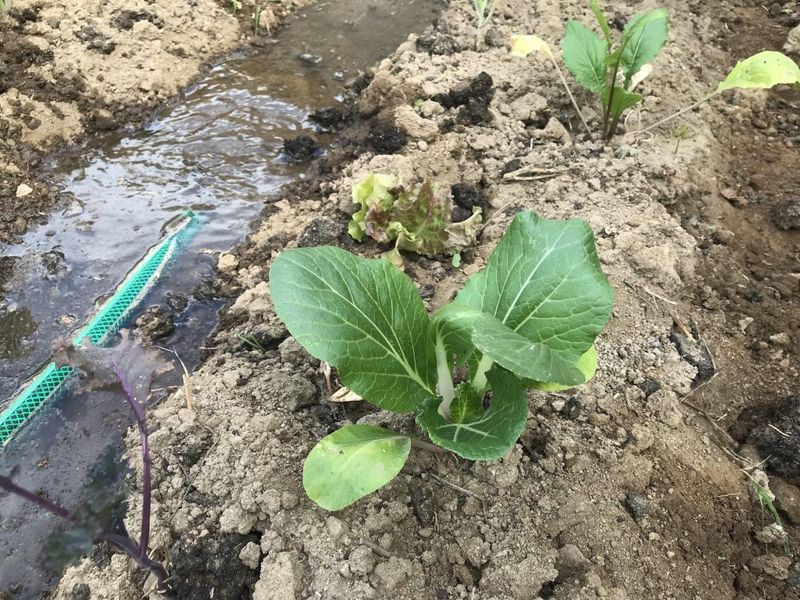
Speed matters when rain falls. A ten-minute downpour sounds impressive, but most of that water runs off before it can soak in.
Roots need time and volume, not just a quick splash.
Hard, compact soil is especially bad at absorbing fast rain. Water beads up on the surface and flows toward low spots instead of soaking straight down.
Raised beds and clay-heavy ground both struggle with rapid absorption.
Root zones for most vegetables and flowering plants sit four to eight inches underground. A brief storm may wet the top inch or two and stop there.
That moisture evaporates quickly in summer heat, leaving roots no better off than before.
Slow, steady watering lets soil absorb moisture gradually and push it deeper. Drip irrigation or soaker hoses do this better than overhead sprinklers.
They’re worth considering if you’re dealing with quick-draining or compacted ground.
Your Georgia Garden Changes Every Week. Your Plan Should Too.
Gardening in Georgia changes quickly throughout the season. Every Friday you’ll receive a simple weekly plan showing exactly what to plant, prune, fertilize, harvest, and protect so you never miss the right timing.
After a short storm, dig a small test hole near your plants. Check how deep the wet soil goes.
If you hit dry ground at two inches, the storm didn’t reach the root zone at all.
Watering deeply two to three times per week tends to work better than relying on brief rain events. Consistent depth builds stronger root systems and keeps plants more stable during dry stretches.
3. Summer Heat Quickly Pulls Moisture From Soil
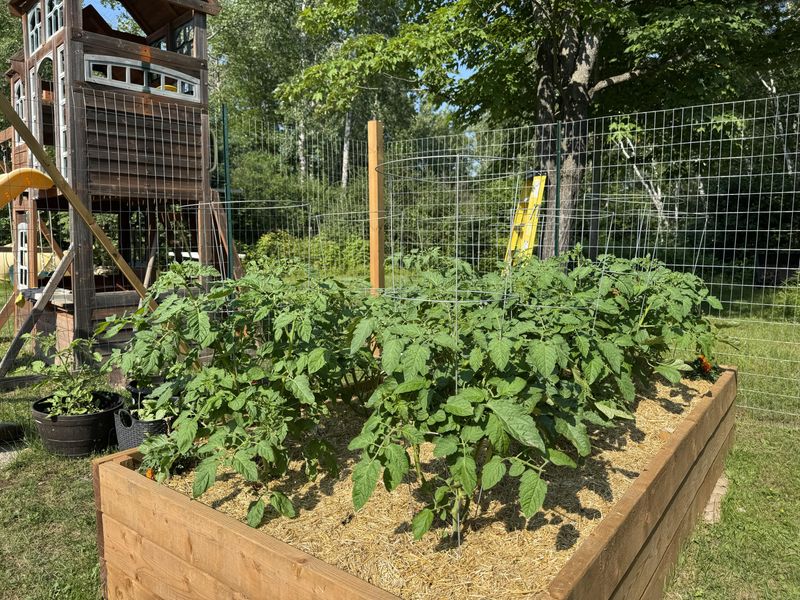
Soil doesn’t hold onto water long when temperatures climb past 90 degrees. What rained down in the morning can be mostly gone by afternoon.
Summer heat is relentless, and your garden feels every degree of it.
Evaporation works fast on bare soil. Exposed ground loses moisture much quicker than soil covered with mulch or plant canopy.
If your beds are wide open to direct sun, you’re fighting an uphill battle after every storm.
Humidity makes the air feel heavy, but it doesn’t slow soil moisture loss much. High heat still pulls water upward and out.
Plants in full sun may wilt by mid-afternoon even after morning rain.
Sandy soils drain fast and dry out even faster than clay. Loamy soil holds moisture better, but no soil type is immune to consistent summer heat.
Knowing your soil helps you water smarter.
Watering in the early morning gives moisture time to soak in before peak heat. Late afternoon watering can work too, but wet leaves overnight sometimes invite fungal problems.
Morning is generally the safer window.
Checking soil temperature with a simple probe can show you how hot things are getting below the surface. Soil temps above 85 degrees stress many vegetable roots.
Shade cloth and mulch can help bring those numbers down a bit.
4. Containers Can Dry Out Between Rainy Periods
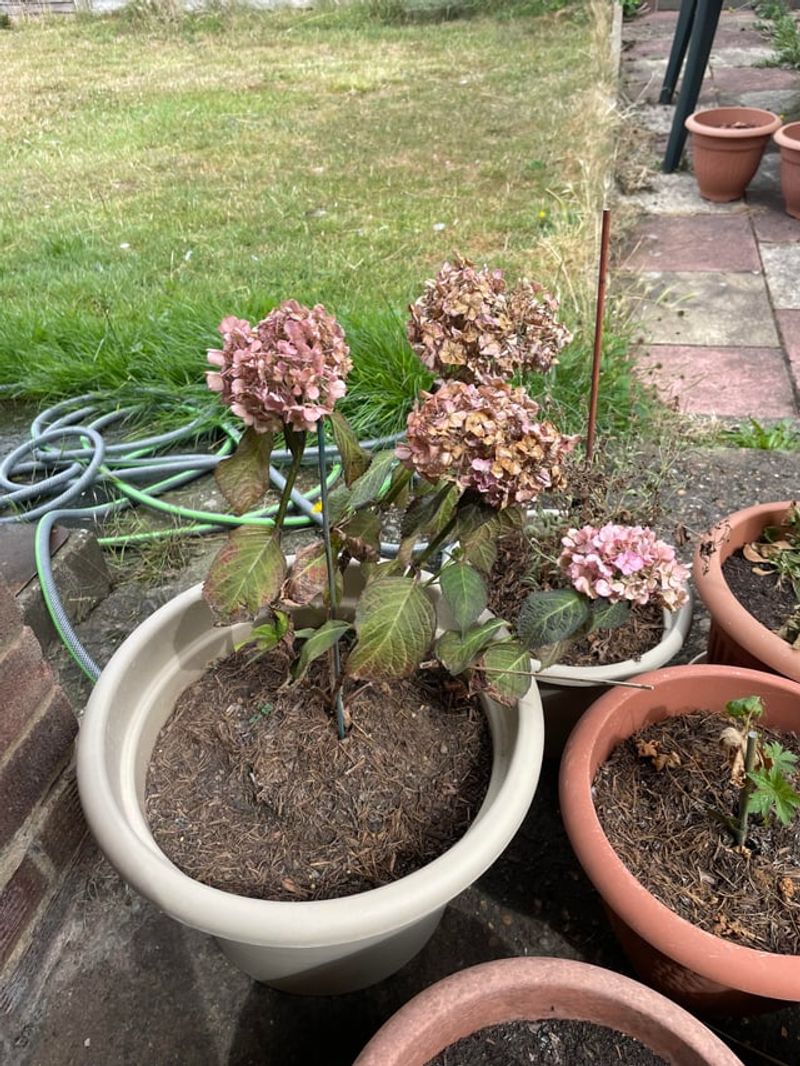
Container plants play by different rules. Pots dry out faster than in-ground beds because there’s less soil volume holding onto moisture.
A single warm afternoon can drain a small container completely.
Rain often misses containers on covered porches or tucked under eaves. Even an open patio container may catch only part of a passing storm.
Wind-driven rain can skip them entirely depending on the direction of the storm.
Terra cotta pots lose moisture through their walls in addition to the drainage holes. They look charming, but they need more frequent watering than plastic or glazed ceramic pots.
In peak summer, daily watering is often necessary for smaller containers.
Roots in containers have nowhere to go searching for water. In-ground plants can push roots deeper toward moisture.
Container roots are stuck with what’s in the pot, so running low hits them hard and fast.
Self-watering containers with built-in reservoirs help extend moisture between waterings. They won’t eliminate the need to water, but they buffer dry spells better than standard pots.
Worth considering for herbs, tomatoes, and peppers.
Stick a finger two inches into container soil after a storm. If it feels dry at that depth, water thoroughly until it drains from the bottom.
Partial watering just wets the top layer and doesn’t help roots much.
5. Mulch Helps Hold Water Around Plants
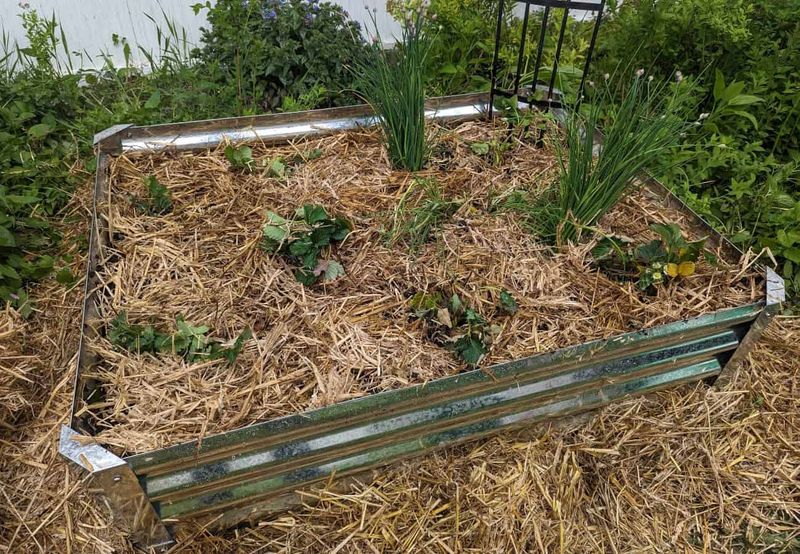
Bare soil and summer sun are a tough combination for any garden. Mulch breaks that cycle by covering the ground and slowing evaporation.
A two to three inch layer makes a real difference in how long soil stays moist.
Straw, wood chips, shredded leaves, and pine needles all work well as mulch options. Each one insulates the soil, softens heavy rain impact, and reduces runoff.
Choosing one comes down to what’s available and what works with your plants.
Mulch also keeps soil temperatures lower during heat waves. Cooler soil holds moisture longer and stays more comfortable for root systems.
That combination helps plants handle dry spells between storms much better.
Organic mulches break down over time and add nutrients back into the soil. It’s a slow process, but it improves soil structure season after season.
Topping off mulch each year keeps the layer effective.
Pulling mulch slightly away from plant stems prevents rot and keeps moisture from sitting against the base. A small gap of an inch or two around each stem is enough.
Mulch should cover the root zone, not smother the plant itself.
Gardens in Georgia’s summer heat benefit noticeably from mulched beds versus bare ones. Moisture checks after storms consistently show deeper retention in mulched areas.
Adding it before the hottest weeks pays off fast.
6. Check The Soil Before Skipping A Watering
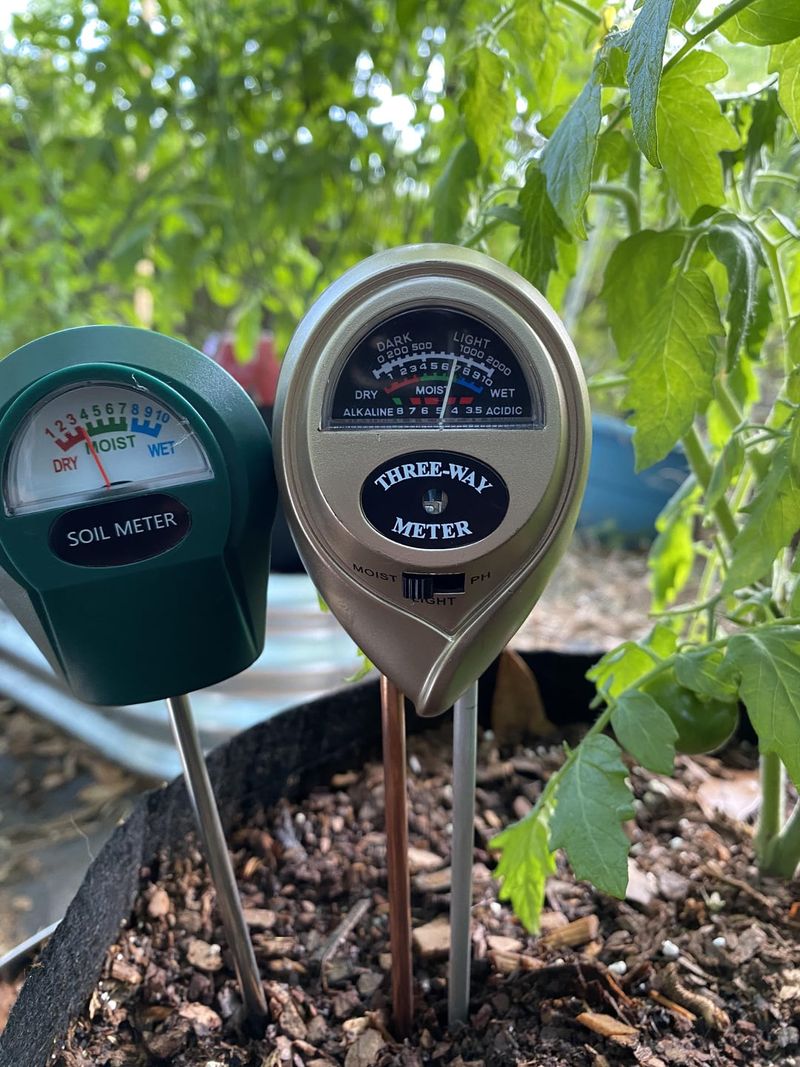
Guessing whether your garden needs water is a habit that costs plants. A quick soil check takes ten seconds and tells you exactly what’s happening below the surface.
Skipping that step based on recent rain is where problems start.
Press one finger about two inches into the soil near the base of a plant. If it feels dry at that depth, water.
If it feels cool and moist, you can likely wait another day. That simple test beats any other method for accuracy.
Wilting leaves can signal drought stress, but they can also mean other things like heat, root stress, or overwatering. Checking soil first gives you better information before you act.
Reacting only to leaf appearance can sometimes make things worse.
Moisture meters are inexpensive tools that remove all guesswork. They read soil moisture levels at different depths with a simple probe.
Beginner gardeners often find them helpful during their first few summers.
Different plants have different thirst levels. Tomatoes and squash prefer consistent moisture.
Herbs like rosemary and thyme handle drier conditions better. Knowing each plant’s needs helps you water smarter instead of watering everything equally.
Building a quick daily check into your routine makes a difference over a season. Catching dry soil early prevents stress before it shows up in the leaves.
Prevention is easier than recovery once a plant has been struggling for days.
7. Consistent Moisture Matters More Than Passing Showers
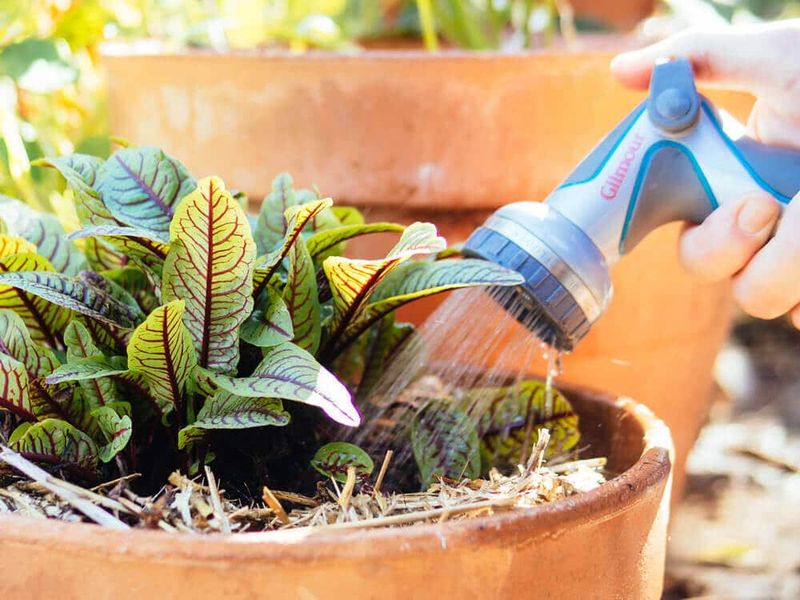
Steady moisture is what most garden plants actually need. A random storm here and there doesn’t replace a reliable watering schedule.
Roots respond to consistency, not occasional luck from passing clouds.
Irregular watering causes problems that aren’t obvious right away. Tomatoes crack when they get a big drink after a dry stretch.
Peppers can drop flowers when moisture swings back and forth. Predictable watering prevents a lot of that stress.
Building a schedule around your soil type and plant needs works better than reacting to weather. Clay soil holds moisture longer and may need watering every two to three days.
Sandy soil may need water daily during peak heat weeks.
Drip irrigation takes the scheduling work off your plate. Timers deliver water at set intervals without you having to remember.
Setup takes a few hours, but it pays off across the whole growing season.
Overhead watering with a hose works fine when done at the right time and depth. Slow, deep watering beats frequent shallow watering every time.
Roots follow moisture downward and build stronger systems when they have to reach for it.
Across the South, experienced gardeners tend to water on a schedule and treat rain as a bonus, not a replacement. That mindset keeps gardens healthier through dry spells, heat waves, and spotty summer storm patterns.
Reliability wins over randomness in the long run.