Simple Watering Habits That Help Texas Gardens Survive 100-Degree Weeks
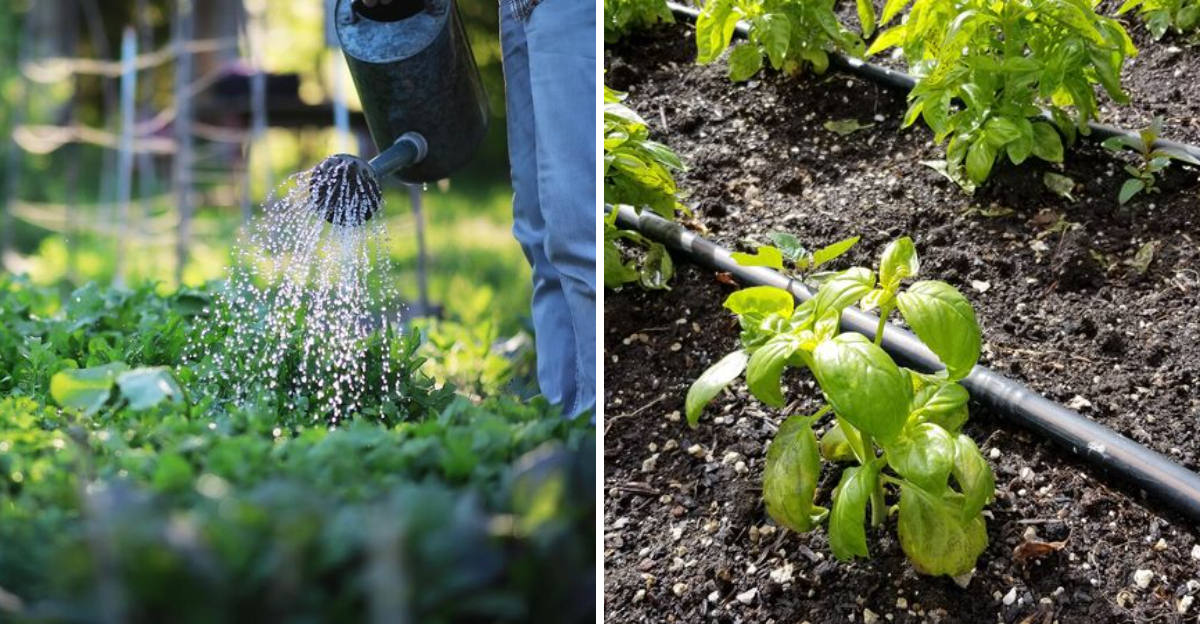
A Texas garden can look fine at sunrise and exhausted by late afternoon once a string of 100-degree days settles in.
Heat pulls moisture from soil fast, pots dry even faster, and shallow roots have almost no reserve when the next scorching day arrives.
The answer is not simply more water.
Better timing, deeper soaking, slower delivery, and a soil check before each round can make the same amount of water work much harder.
Mulch protects that moisture, drip lines keep it close to roots, and healthy irrigation systems prevent water from disappearing onto pavement.
So which habits matter most during a brutal Texas heat stretch?
Start by helping roots reach deeper moisture rather than training them to depend on a damp surface. Then adjust the routine for clay, sand, containers, vegetables, lawns, and established landscape plants.
Triple-digit weeks are demanding, but a garden with the right watering rhythm can stay steadier, cooler, and more resilient through the hottest part of summer without turning every morning into an irrigation marathon.
1. Water Deep Enough To Reach The Roots
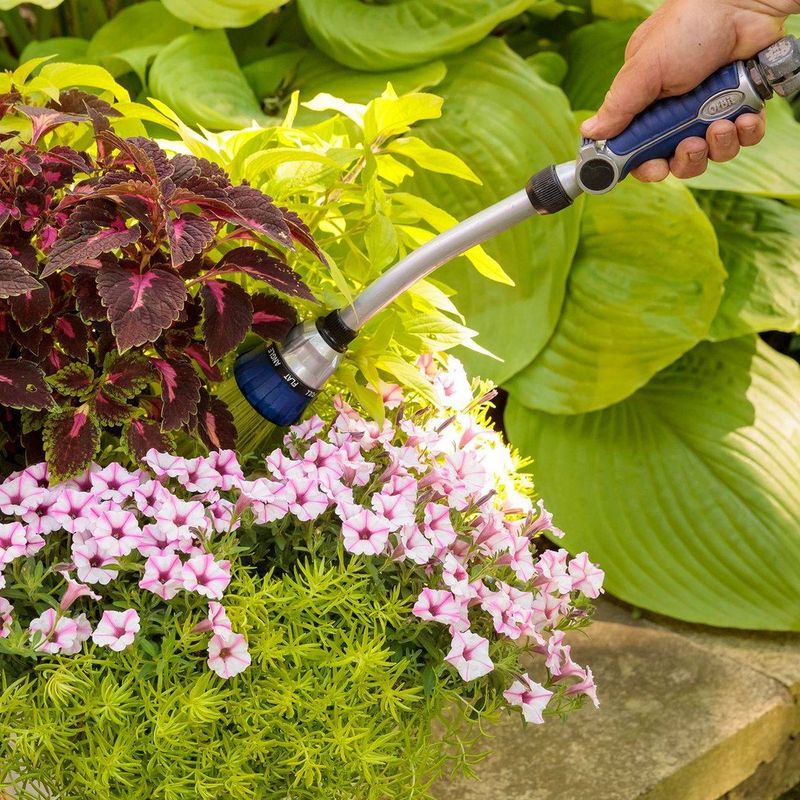
A quick surface sprinkle can make dry soil look fixed while deeper roots stay thirsty.
Established vegetables, perennials, shrubs, and young trees benefit much more from water that reaches several inches into the soil.
For many garden beds, moisture extending roughly six to eight inches down gives roots a useful reserve during a 100-degree afternoon.
Check the depth after a normal watering session.
Push a long screwdriver, wooden dowel, or narrow soil probe into the bed. It should move easily through damp soil and meet more resistance where the ground turns dry. That simple test tells you far more than the color of the surface.
Shallow watering trains roots to stay near the top.
Those roots heat quickly and lose access to moisture as soon as the surface dries. Deeper watering encourages a broader, more resilient root system that can draw from cooler soil below.
Texas clay may need several shorter irrigation cycles rather than one long run.
Pause between cycles so water can soak downward instead of running across the surface. Sandy soil accepts water faster but may need attention more often because moisture moves through it quickly.
The goal is not to flood the bed.
It is to wet the root zone thoroughly, then give roots time to use that stored moisture before the next deep watering.
2. Start Before The Day Turns Brutal
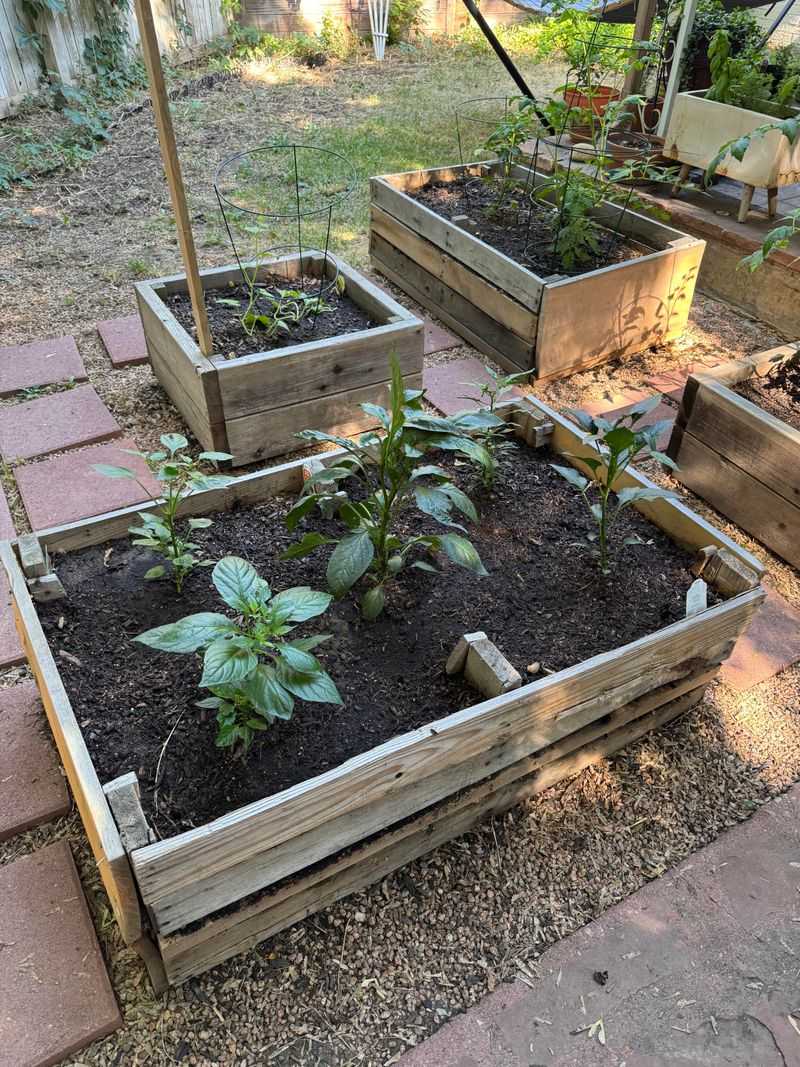
Early morning gives Texas gardens a useful head start before heat becomes intense.
Air temperatures are lower, wind is often lighter, and soil has not yet been baked by hours of direct sun. Water placed near the root zone during that window has more time to soak in before evaporation accelerates.
Aim for the morning whenever the schedule allows.
Drip lines and soaker hoses are especially effective then because they deliver water directly to soil without soaking a wide area of foliage. Overhead systems also lose less water early than they do during the hottest, windiest part of the afternoon.
Your Texas Garden Changes Every Week. Your Plan Should Too.
Gardening in Texas changes quickly throughout the season. Every Friday you’ll receive a simple weekly plan showing exactly what to plant, prune, fertilize, harvest, and protect so you never miss the right timing.
A timer can make the routine easier.
Program irrigation to finish before midday, then check the system occasionally rather than assuming every zone is working perfectly. Heat waves are exactly when a clogged emitter or misaligned sprinkler becomes expensive.
Midday watering is not forbidden.
A container with bone-dry mix and severe heat stress needs water when the problem appears. Waiting until the next morning can add needless stress. The same applies to a fresh transplant whose small root ball has dried rapidly.
Treat emergency watering differently from routine watering.
Routine irrigation belongs in the cooler morning window because it uses water more efficiently. Emergency water goes where a plant needs it, regardless of the clock.
Texas heat is already demanding enough. The garden does not need to compete with the noon sun for every drop.
3. Check Soil Before Watering Again
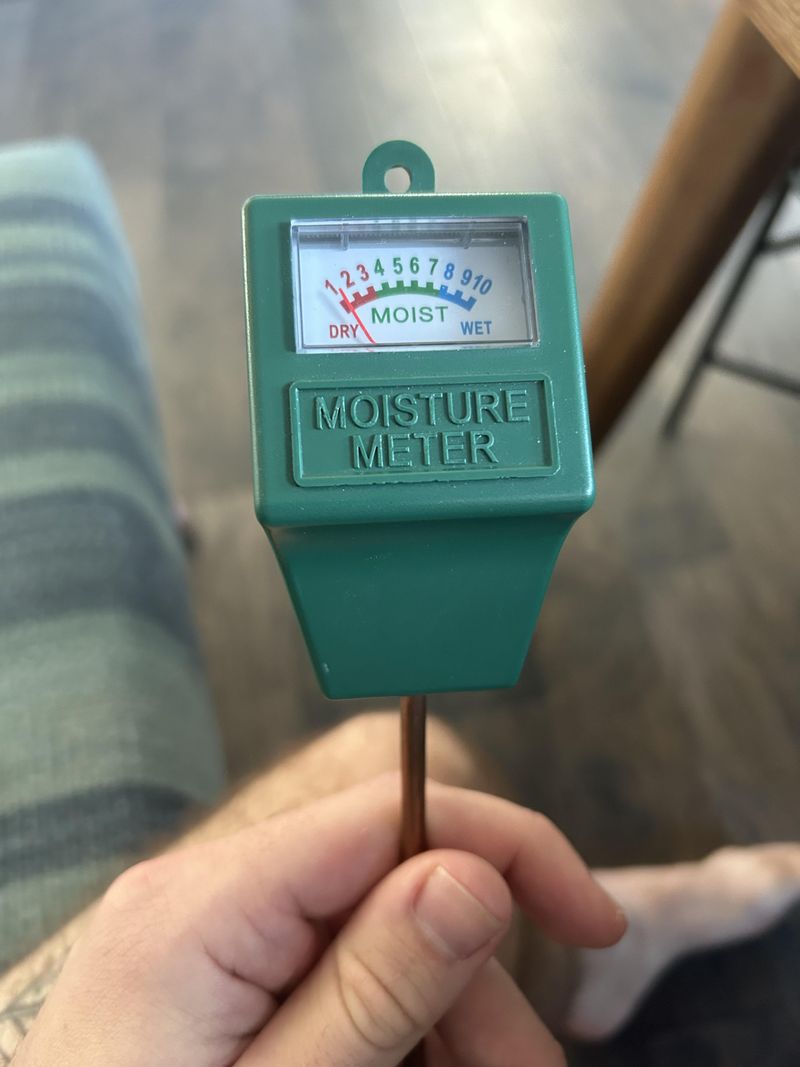
A fixed calendar can become unreliable during a Texas heat wave.
Cloud cover, a surprise thunderstorm, soil texture, mulch depth, plant size, and exposure all change how quickly a bed dries.
Watering every day without checking the root zone can leave heavy soil too wet while a sandy bed several feet away stays dry.
Pull mulch aside and test the soil below it.
A finger pushed a couple of inches down works well in many vegetable and flower beds. Cool, damp soil usually means the next watering can wait. Dry, crumbly soil signals that moisture is running low.
Do not judge from surface cracks alone.
Texas clay can form a dry crust while useful moisture remains underneath. Sandy soil can look darker on top after a brief splash while deeper layers remain dry.
A simple soil probe helps in larger beds.
Check several spots rather than relying on one easy location near an emitter. Uneven irrigation often creates wet pockets beside dry ones, especially around mature shrubs and vegetables with spreading roots.
This habit also catches overwatering.
Roots stressed by constantly saturated soil can droop and yellow in ways that look similar to drought stress. More water only makes that problem worse.
The soil should make the decision.
Timers are useful tools, but they should not become the boss of the garden. One moisture check can save water and prevent a well-meaning irrigation routine from creating its own heat-season problem.
4. Use Drip Lines For Slower Delivery
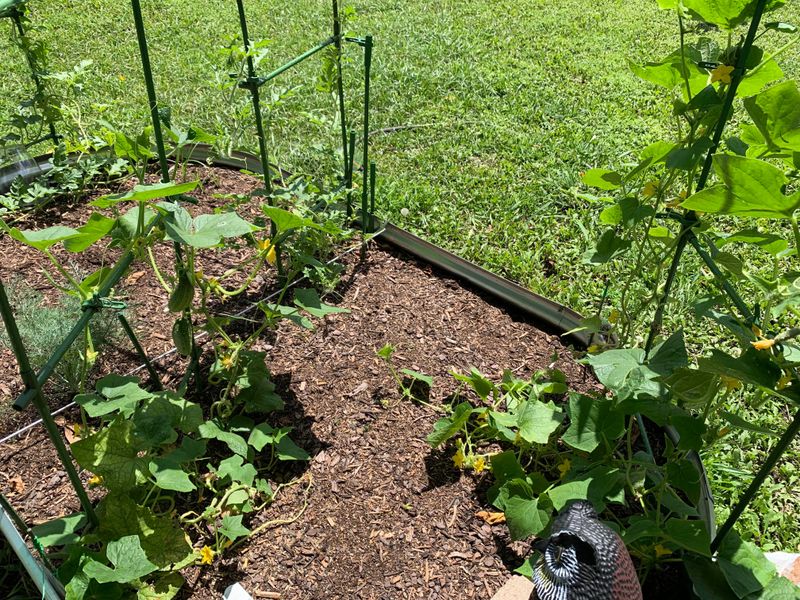
Drip irrigation gives water time to soak where roots can actually use it.
That matters on Texas clay, where a fast sprinkler stream may puddle or run toward the curb before much moisture moves below the surface. A slow emitter places water in a smaller area and gives compact soil more time to absorb it.
Position emitters around the active root zone.
For shrubs and perennials, that usually means placing water away from the main stem rather than directly against the crown. Mature plants often need more than one emitter because their roots spread well beyond the original planting hole.
Vegetables need the same attention.
A young tomato may start with one emitter close to the root ball, then benefit from wider coverage as the plant grows. Large summer crops can develop a much broader root system than their seedling footprint suggests.
Check the line during every serious heat spell.
Mineral deposits, insects, soil particles, or small bits of debris can clog an emitter. A plant may wilt beside a line that looks perfectly normal until you notice no water is coming out.
Flush lines periodically and repair leaks promptly.
Slow delivery only works when the water reaches the right place.
Drip irrigation also reduces wasted spray on paths, fences, and bare ground. That becomes valuable during weeks when every gallon matters.
A hose nozzle can rescue a thirsty plant. A well-maintained drip system turns that rescue into a dependable routine.
5. Mulch Before Moisture Disappears
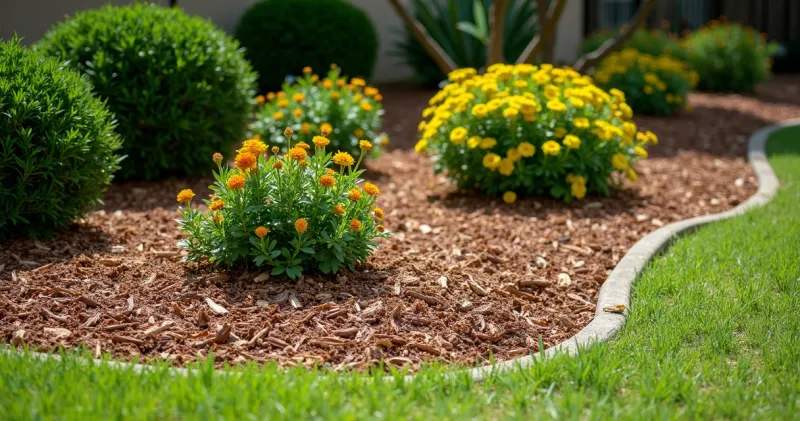
Mulch is the simplest ways to make irrigation last longer during extreme Texas heat.
A layer of organic material shades the soil surface, slows evaporation, reduces crusting, and keeps the root zone cooler than bare ground. That gives plants more time to use the water already present rather than depending on constant replacement.
Spread mulch across the active root area.
Shredded hardwood, pine bark, leaves, and other suitable organic materials can work well. A layer around three inches deep is enough for many beds, though the exact depth depends on the material and site.
Keep mulch away from trunks and crowns.
Piling it directly against stems can hold excess moisture where airflow is useful. Leave a small open ring around the base while covering the broader root zone.
Refresh thin spots before peak summer.
Organic mulch settles and decomposes, so a bed that looked well covered in spring may be showing bare patches by July. Those exposed areas heat quickly and lose water faster.
Mulch also helps control weeds.
Every weed removed from the competition leaves more soil moisture available for the plants you actually want to keep.
Water still has to reach the soil beneath the mulch.
Check penetration after irrigation rather than assuming a dark mulch surface means the root zone is wet.
The best mulch layer works quietly. It keeps sun off the soil, keeps moisture longer, and makes each watering session earn more of its keep.
6. Check Containers Every Hot Day
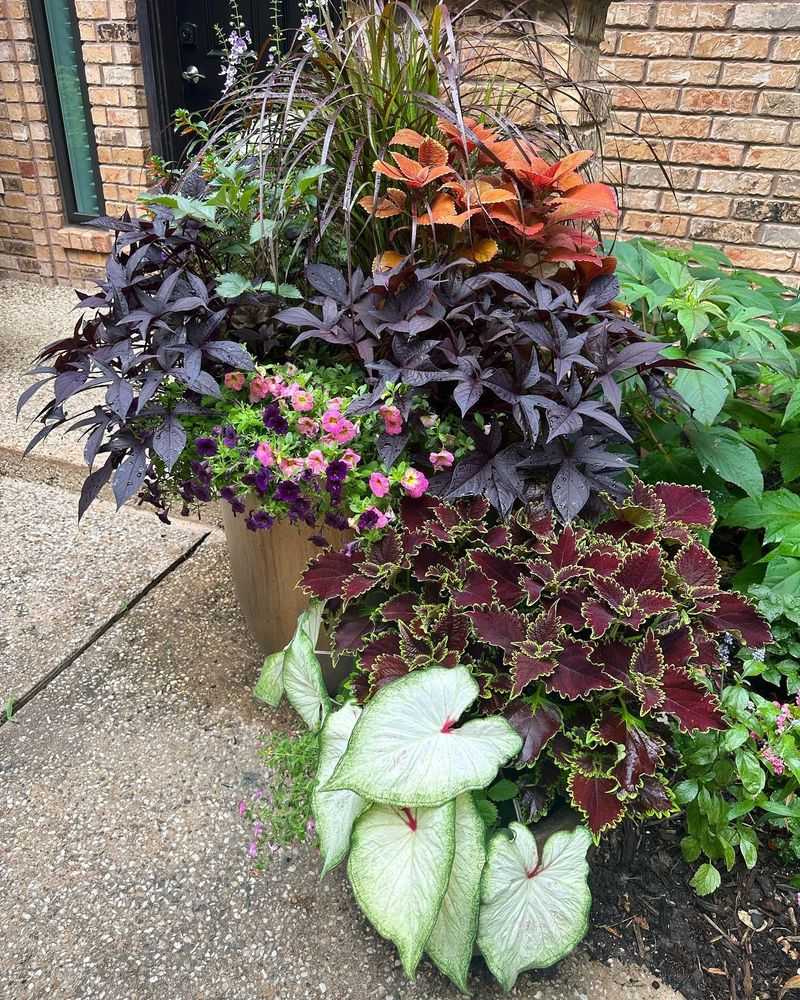
Containers can dry much faster than garden beds during a Texas heat wave.
Potting mix has limited volume, and the root ball is exposed to heat from the air, the sun, and the container walls. A pot sitting on concrete or beside a west-facing wall can heat from several directions at once.
Check pots every morning.
Push a finger into the mix or lift smaller containers to judge their weight. Dry mix feels much lighter than fully watered mix, which makes container weight a useful clue.
Some pots need another check late in the day.
Small containers, hanging baskets, dark plastic pots, and thirsty vegetables can lose moisture rapidly during prolonged triple-digit weather. Large pots usually hold moisture longer because they contain more mix around the roots.
Water thoroughly when the root ball is dry enough to need it.
Apply water slowly until the mix is moistened and excess water begins leaving the drainage holes. A quick splash across the top can leave dry pockets deeper in the pot.
Make sure drainage holes stay open.
A container that cannot drain may become just as stressful as one that dries too quickly.
Afternoon shade can help too.
Moving movable pots away from intense western sun reduces heat load and slows moisture loss without changing the plant’s growing setup.
Texas patio containers live in a harsher little climate than nearby garden beds. They deserve their own watering routine rather than leftovers from the landscape schedule.
7. Adjust Watering To Soil And Plant Type
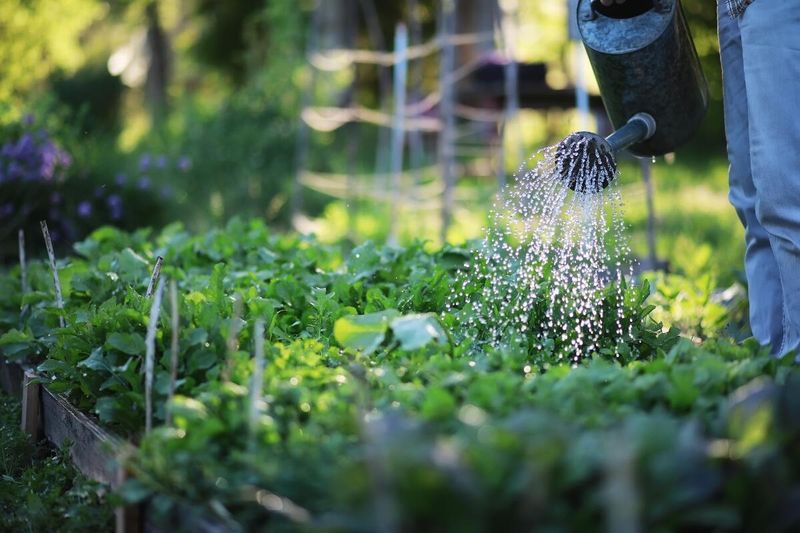
Texas gardens rarely contain one soil type, one root depth, or one level of drought tolerance.
Sandy ground drains quickly and often needs water more frequently than heavy clay. Clay stores water longer but accepts it more slowly, so cycle watering can prevent runoff while still pushing moisture deeper.
Plants add another layer.
New transplants have small root systems and need closer attention until roots move into surrounding soil. Established shrubs and trees can often go longer between deep waterings because their root systems occupy a much larger volume.
Vegetables usually need steadier moisture.
Tomatoes, squash, peppers, cucumbers, and other actively producing crops can struggle when the root zone swings sharply between very dry and very wet. Containers are more demanding still because their available soil volume is limited.
Established drought-tolerant natives may need far less supplemental water.
Giving them the same schedule as thirsty annuals wastes water and can leave their root zones wetter than they prefer.
Lawns also vary.
Warm-season grasses differ in water demand, shade tolerance, soil response, and recovery from drought. A single irrigation schedule across turf, vegetables, shrubs, and containers rarely makes sense.
Group plants by need where practical.
That makes every irrigation zone easier to manage and prevents one thirsty bed from dictating the schedule for the whole yard.
Texas heat rewards precision. Water according to roots, soil, exposure, and plant type rather than treating every green thing as the same customer.
8. Fix Leaks Before Extending Run Times
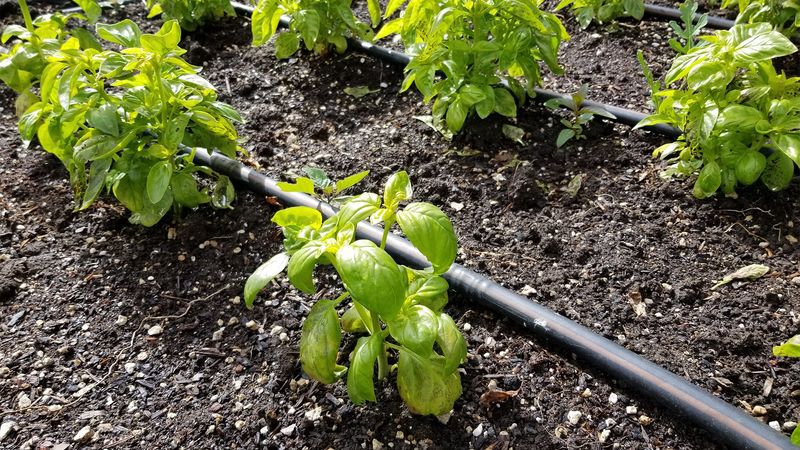
A longer irrigation cycle cannot compensate for a system that sends water to the wrong place.
Broken emitters, cracked fittings, tilted sprinkler heads, clogged nozzles, and loose hose connections can waste water during a 100-degree week.
The plants at the end of the line may still receive too little while one leak creates a muddy patch nearby.
Run each irrigation zone while you watch it.
Look for spray hitting pavement, fences, walls, or bare areas. Check for heads that no longer rise properly and drip emitters that stay dry while neighboring ones flow normally.
Repair those problems before extending run times.
Adding another twenty minutes to a faulty zone simply gives the leak twenty more minutes to work.
Watch water pressure too.
A sudden drop can signal a break somewhere in the line. Uneven pressure may also keep distant emitters from delivering the amount of water expected.
Heat waves expose small maintenance problems quickly.
A shrub can look mysteriously stressed for days before anyone realizes its emitter stopped working. A weekly walk-through catches those failures before foliage starts showing serious heat stress.
Keep hoses in good condition as well.
Washers at the fittings are cheap, easy to replace, and capable of stopping constant drips that add up through summer.
Efficient watering starts before the water reaches the soil.
A reliable system makes every minute count, which is much smarter than asking a leaky setup to run twice as long.