How To Keep Oregon Container Plants Alive Through This Week’s Heat
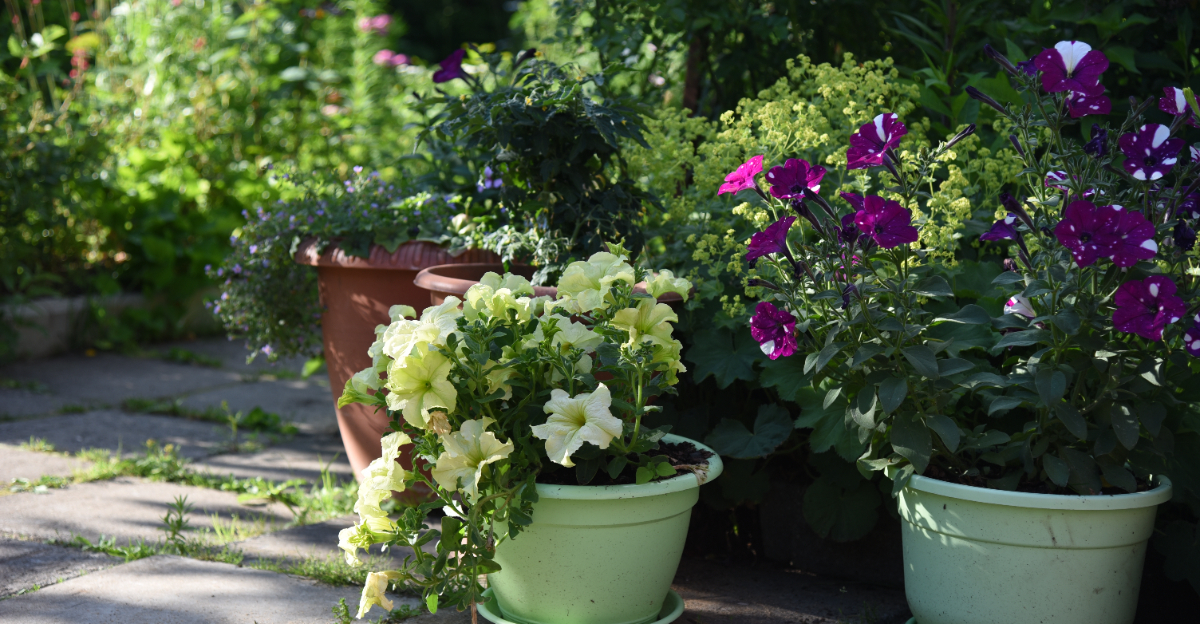
Noon in Oregon this summer can look harmless right up until the terracotta under your palm starts feeling like a stovetop.
Soil inside a pot heats up faster than the eye can catch, and roots trapped inside have nowhere to retreat from that warmth. A plant in open ground pulls moisture from deeper layers, but one stuck in a container is left with only what’s already there.
By evening the leaves lose their crispness, and the color fades right when you thought watering had covered you for the day.
What actually saves the situation isn’t equipment or a horticulture degree, it’s catching what’s happening beneath the surface early enough to still do something about it.
1. Move Containers Out Of Direct Afternoon Sun
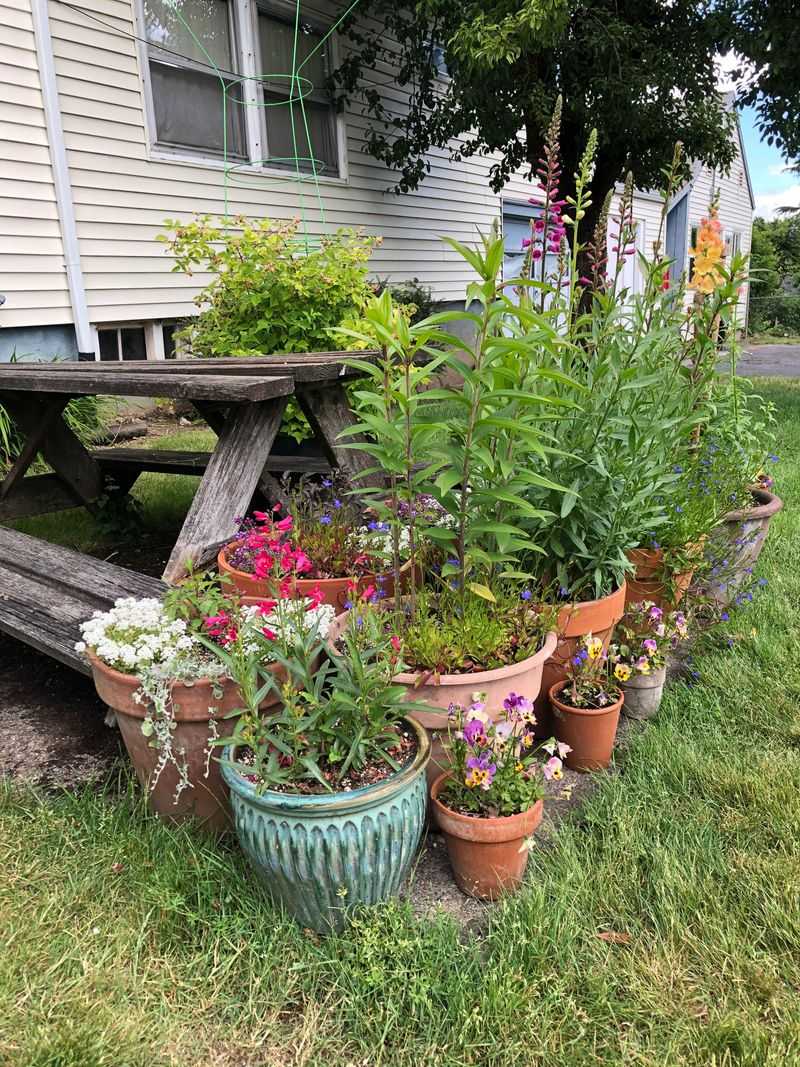
Afternoon sun is brutal, and your containers take the worst of it. Between noon and 5 PM, temperatures can push plants past their breaking point.
Container plants sitting in full afternoon sun absorb heat from two directions at once. The sun beats down from above while the pavement radiates heat from below.
Moving pots to a shaded spot during those peak hours can cut stress significantly. A covered porch, a tree’s shade, or even a tall fence can act as a shield.
You do not have to move every single pot in your garden. Focus on the ones in the most exposed spots first.
Leafy greens, herbs like basil, and flowers such as impatiens are especially sensitive to afternoon heat. These plants will show stress the fastest when left in direct sun.
Tomatoes and peppers are tougher, but even they benefit from a break during the hottest window. Shade cloth draped over a frame is a great option when moving pots is not practical.
Timing matters more than most people realize. Shifting your containers just a few feet can make a dramatic difference in soil temperature.
Think of it like moving a parked car out of direct sun on a hot day. The interior cools down fast once the sun is blocked.
Your plants respond the same way. A little afternoon shade goes a long way toward keeping your patio garden healthy through this week’s heat.
2. Water Twice A Day During Peak Heat
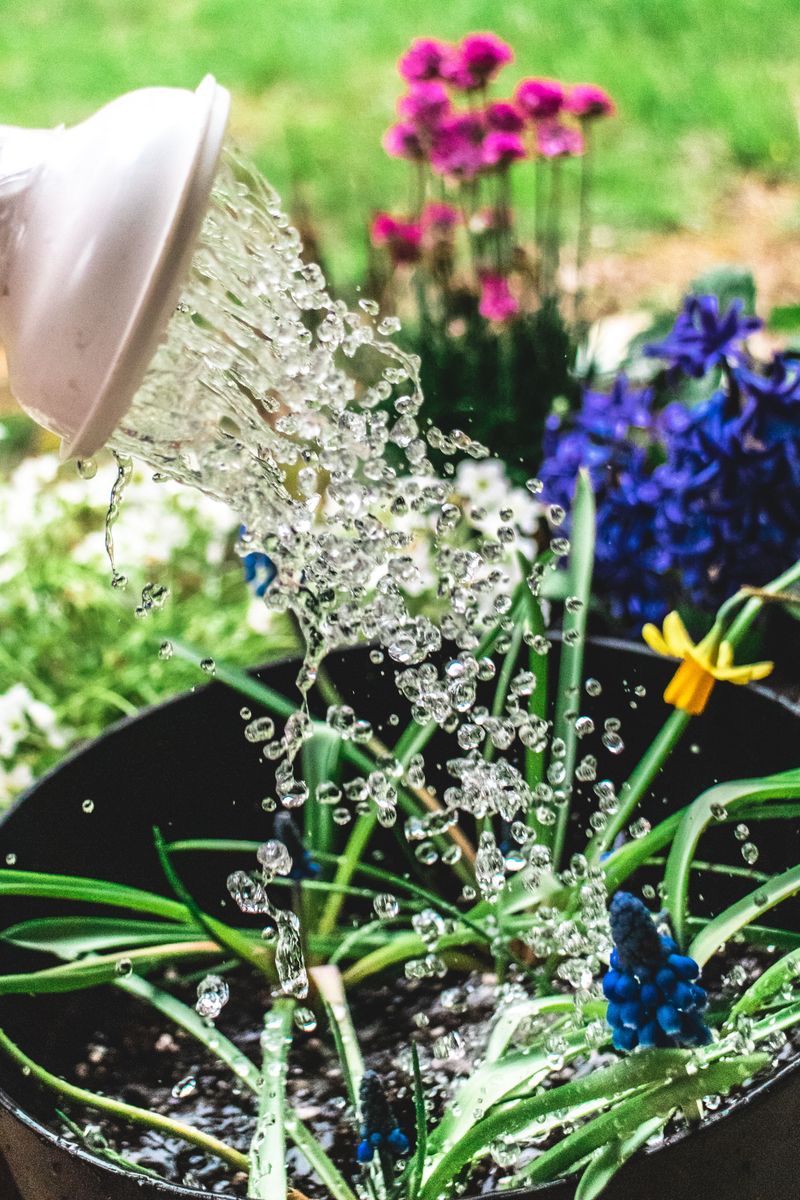
One watering a day is not enough when temperatures climb past 90 degrees. Container soil dries out shockingly fast during a heat wave.
A morning watering session and an evening session can keep roots from drying out completely. Aim for early morning, around 6 to 8 AM, and again after 6 PM.
Watering in the middle of the day is less effective because the heat evaporates moisture before roots can absorb it. Stick to cooler times for the best results.
Check the weight of your pots as a quick test. A lightweight pot almost always means the soil is bone dry inside.
Water slowly and deeply each time you go out. Fast, shallow watering just wets the surface and does little for the roots below.
Watch for water running straight through the pot without being absorbed. That is a sign the soil has dried out so much it has pulled away from the pot walls.
Your Oregon Garden Changes Every Week. Your Plan Should Too.
Gardening in Oregon changes quickly throughout the season. Every Friday you’ll receive a simple weekly plan showing exactly what to plant, prune, fertilize, harvest, and protect so you never miss the right timing.
When that happens, set the pot in a tray of water for 20 minutes. The soil will rehydrate from the bottom up.
Staying consistent with your watering schedule is what separates thriving pots from wilted ones by Friday. Missing even one session on a 100-degree day can cause serious wilting.
Set a phone reminder if you tend to forget. Your plants cannot remind you themselves, but a little consistency now saves a lot of heartache later.
3. Group Pots Together To Trap Moisture
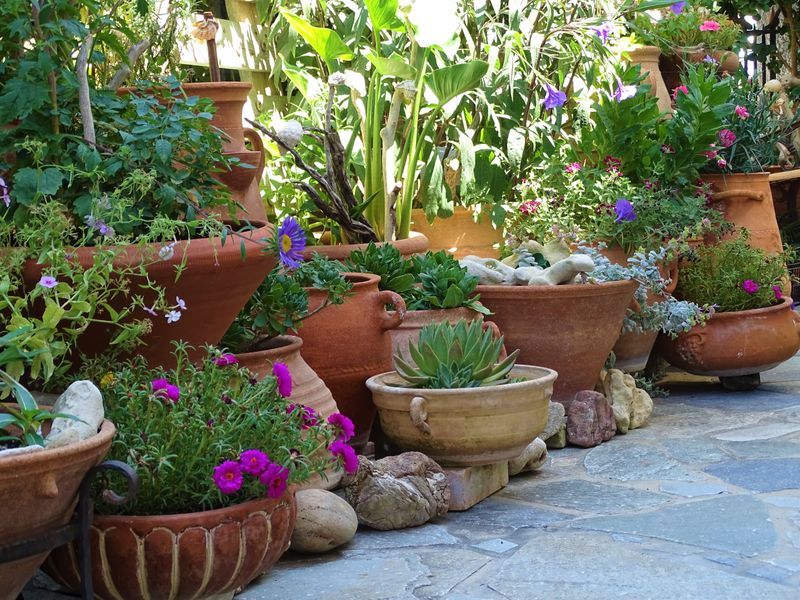
Lonely pots sitting apart from each other lose moisture faster than you might think. Grouping containers together creates a mini microclimate that slows evaporation.
When plants are close to each other, their leaves create a canopy effect. That canopy blocks direct sun from hitting the soil surface and keeps things cooler underneath.
Plants also release moisture through their leaves in a process called transpiration. Grouped together, that released moisture lingers in the air around them instead of drifting away.
Think of it like a small jungle in miniature. The more plants sharing the same space, the more humidity they generate for each other.
Cluster your heat-sensitive plants in the shadiest corner of your patio. Tuck the tougher, drought-tolerant pots toward the edges where conditions are harsher.
Larger pots can act as windbreaks for smaller ones. Position big containers on the south and west sides to block the hottest afternoon breezes.
You do not need a perfectly designed arrangement to make this work. Even a loose cluster of six or eight pots will perform better than pots spread across an open deck.
Adding a shallow tray of water near the group can boost humidity slightly. As the water evaporates, it adds moisture to the air immediately around your plants.
Grouping pots is one of the easiest tricks in a gardener’s playbook. Try it today and notice the difference in how your plants look by tomorrow morning.
4. Add A Layer Of Mulch On Top Of Soil
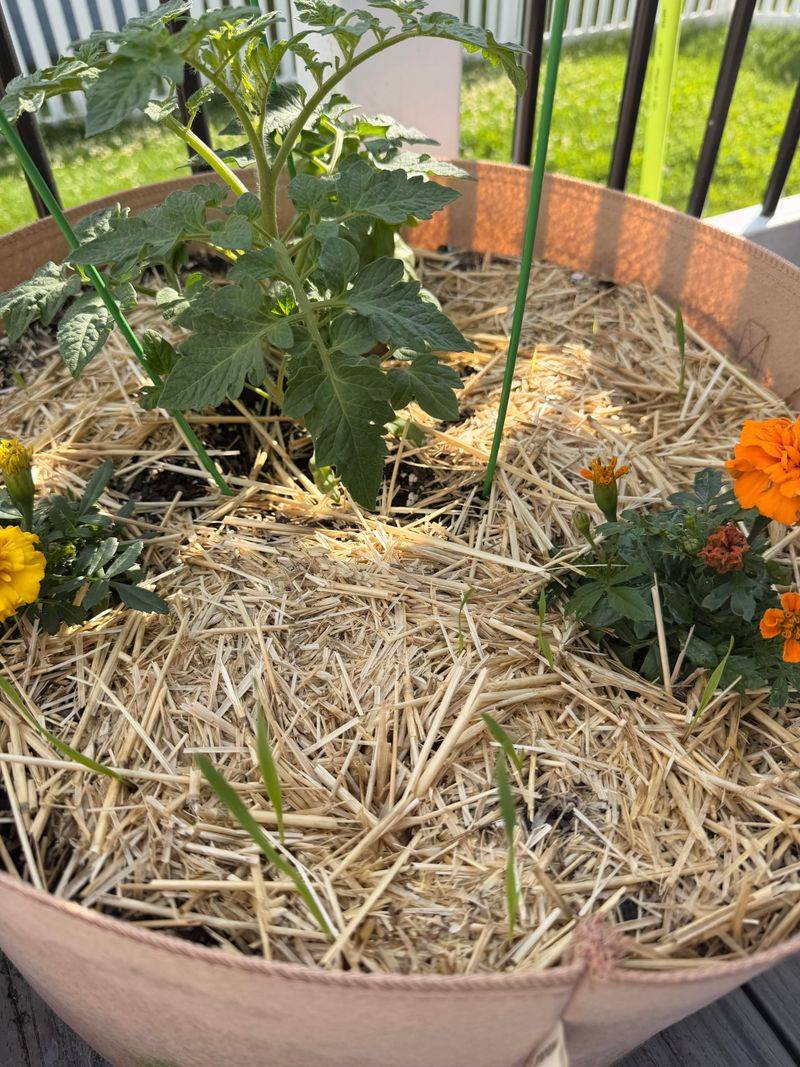
Bare soil in a pot is like a sponge left out in the sun. It loses moisture within hours on a hot day.
Adding a thin layer of mulch on top of the soil dramatically slows that moisture loss. Even one inch of material makes a real difference.
Wood chips, straw, shredded leaves, or even small pebbles all work well. The goal is to cover the soil surface and block direct sun from hitting it.
Mulch also insulates the root zone from extreme temperature swings. Roots stay cooler and calmer when they are not exposed to full heat from above.
You can find bagged mulch at most hardware stores for just a few dollars. A single small bag is usually enough to cover a dozen medium-sized containers.
Avoid piling mulch right up against plant stems. Leave a small gap around the base to prevent rot and allow airflow near the crown of the plant.
Dark-colored mulch absorbs more heat, so opt for lighter shades during a heat wave. Light-colored gravel or pale straw reflects heat instead of holding it.
Reapply mulch every few weeks since it breaks down over time. Fresh material keeps its insulating power better than old, compacted layers.
This simple step can cut your watering frequency noticeably. Healthy roots protected by mulch are far more resilient when Oregon temperatures spike without warning.
5. Choose Light-Colored Containers Over Dark Ones
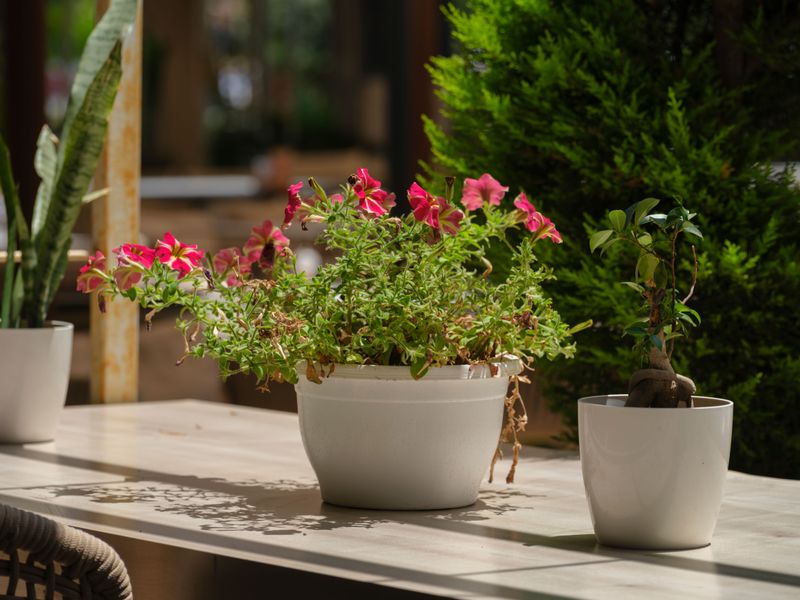
Dark pots absorb heat like tiny solar panels sitting on your patio. On a 95-degree day, the soil inside a black plastic pot can climb dramatically higher than the air around it.
Roots cannot function properly in soil that hot. They stop absorbing water and nutrients, leaving the plant stranded even if the soil seems moist.
Switching to white, cream, or light gray containers reflects sunlight instead of soaking it in. That single change can drop root-zone temperatures significantly.
Glazed ceramic pots in pale shades are a stylish and practical choice. Terra cotta is also a solid option because it breathes and naturally regulates temperature better than plastic.
If you already own dark pots and cannot replace them right now, there is a quick fix. Wrap them in burlap, white fabric, or even aluminum foil to reflect heat.
Painting dark pots white with outdoor spray paint is another budget-friendly solution. It takes about 15 minutes and can protect your plants for an entire season.
Double-potting is another clever trick. Place the dark pot inside a larger light-colored container with some air space between them.
That air gap acts as insulation and keeps the inner pot from overheating. Your roots stay cooler without any extra watering effort on your part.
Sometimes the fix has nothing to do with watering and everything to do with the container itself. The right pot color is one of the easiest wins in your summer garden.
6. Elevate Pots Off Hot Pavement Surfaces
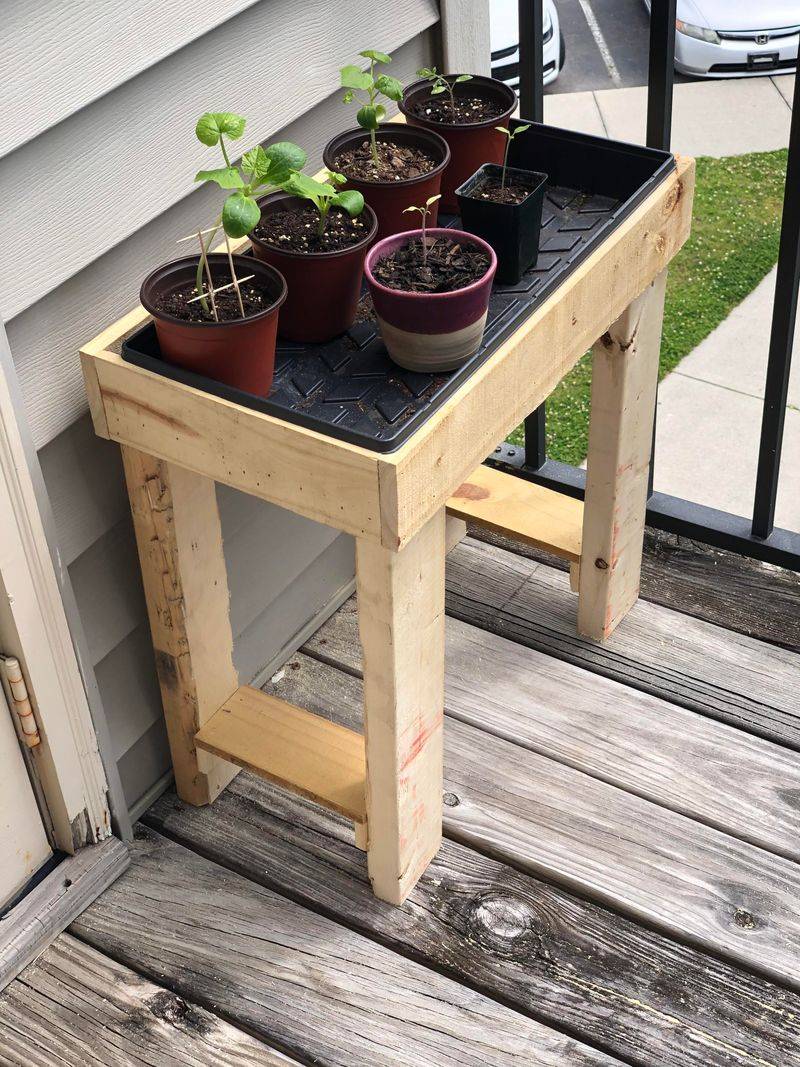
Concrete and asphalt pavement can reach temperatures of 150 degrees Fahrenheit on a sunny summer afternoon. Pots sitting directly on that surface absorb heat from the bottom up.
Elevating containers just a few inches off the ground breaks that heat connection. Air can circulate beneath the pot, keeping the base cooler and protecting the roots inside.
Pot feet are small, inexpensive accessories that lift containers off hard surfaces. You can find them at garden centers or make your own from wooden blocks or bricks.
A simple wire plant stand works just as well and adds a decorative touch. Even a few smooth river rocks placed under the pot can create enough of a gap.
Elevation also improves drainage, which matters a lot during frequent watering. Water flows freely out of drainage holes instead of pooling under the pot and sitting stagnant.
Standing water under a pot in extreme heat creates another problem. It can encourage fungal growth and attract pests that thrive in warm, moist conditions.
Wooden decking surfaces are slightly cooler than concrete, but elevation still helps. Heat from any hard surface transfers upward, so lifting pots is generally the smarter choice.
If you have large, heavy pots that are hard to lift, use a furniture dolly to slide them onto a wooden pallet. Pallets create excellent airflow and are often free from local businesses.
A small lift makes a big difference when pavement temperatures are extreme. Your plant roots will thank you with stronger growth and steadier hydration.
7. Mist Foliage During The Hottest Hours
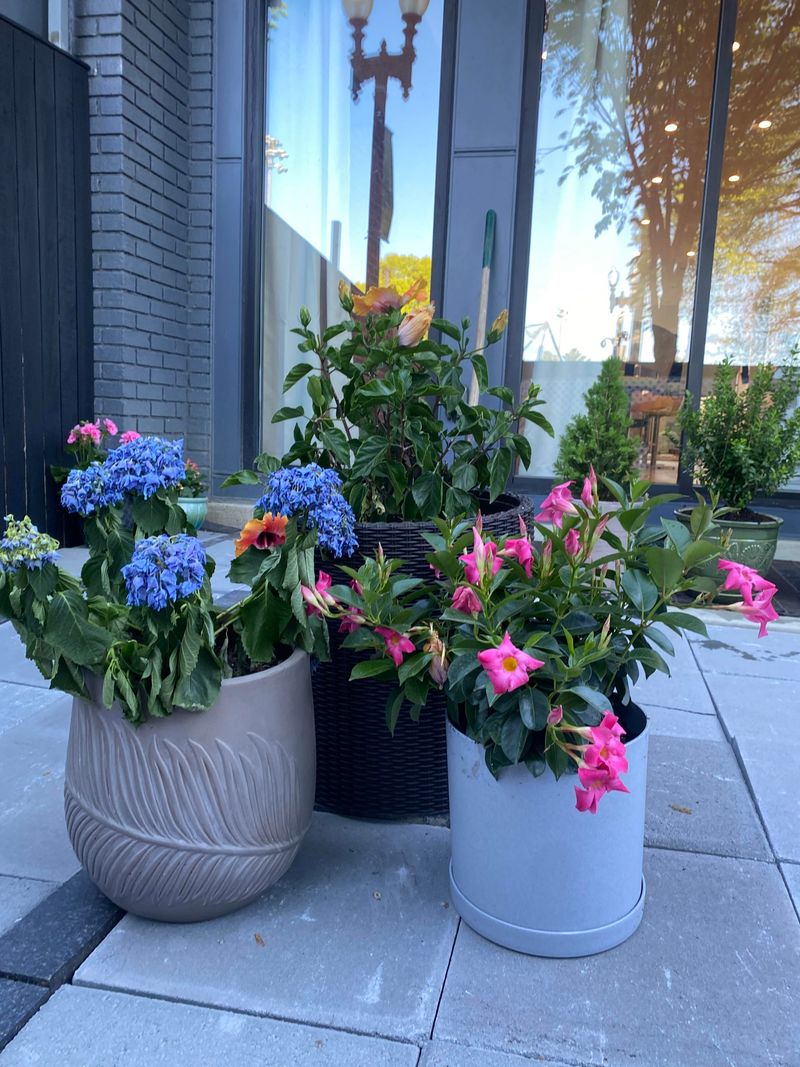
Leaves feel the heat just like skin does on a scorching day. A quick mist of cool water can bring surface leaf temperature down by several degrees almost instantly.
Misting is not a substitute for watering the soil, but it is a helpful bonus during extreme heat. Think of it as a cool splash of water for your plant’s face.
Use a simple spray bottle filled with cool tap water. Mist the tops and undersides of leaves for the best effect. Avoid misting in full direct sun, since droplets can sometimes leave faint marks on leaves.
The best time to mist is during early afternoon when plants show the first signs of wilting. A light mist can perk up drooping leaves within minutes.
Repeat every hour or two during the hottest part of the day if your plants are struggling. Consistent attention during peak heat hours prevents lasting damage.
Herbs like mint and parsley respond especially well to misting. Their soft, delicate leaves lose moisture quickly and bounce back fast with a little extra humidity.
Tropical houseplants moved outside for summer love misting the most. They are built for humid environments and suffer more than native plants when air turns hot and dry.
Misting takes less than two minutes per plant and costs nothing. A small spray bottle is one of the most useful tools you can keep on your summer patio.
8. Check Soil Moisture Before You Water
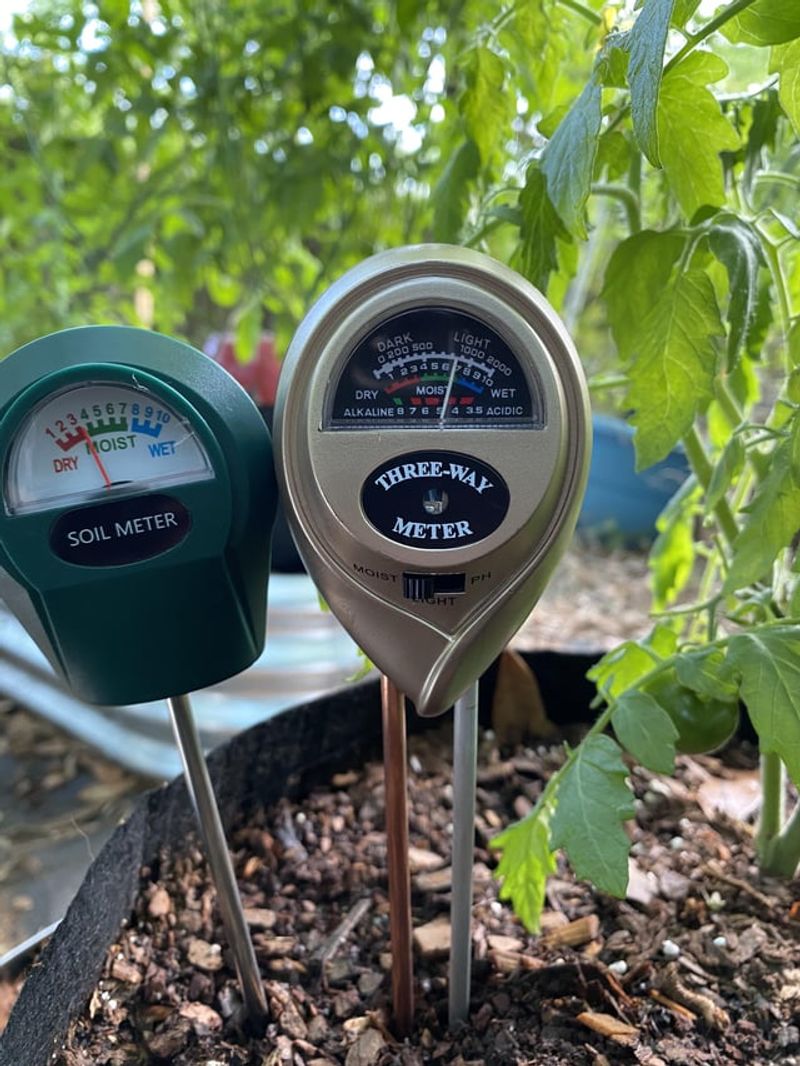
Overwatering during a heat wave is a more common mistake than most gardeners expect. Waterlogged soil stresses roots just as much as dry soil does.
Before grabbing the hose, stick your finger an inch into the soil. If it feels moist, wait a few more hours before adding more water.
Checking soil moisture before watering keeps Oregon container plants alive through this week’s heat without the risk of root rot. Wet roots in hot soil raise the risk of disease taking hold.
A wooden chopstick works as a handy moisture probe if you prefer not to use your finger. Push it two inches into the soil and pull it out after 10 seconds.
Soil clinging to the chopstick means moisture is still present. A clean, dry chopstick means the plant needs water right away.
Moisture meters are inexpensive tools available at most garden centers. They give a precise reading and take the guesswork out of your watering decisions.
Different plants have different thirst levels even in the same heat conditions. Succulents and lavender need far less water than ferns or impatiens sitting nearby.
Group plants with similar moisture needs together to make checking easier. You will spend less time second-guessing and more time enjoying your garden.
Trusting your instincts is good, but trusting your finger in the soil is better. Consistent moisture checks are the foundation of every successful container garden during a Pacific Northwest heat wave.