The Michigan Native Perennial That Blooms Hardest When August Heat Peaks
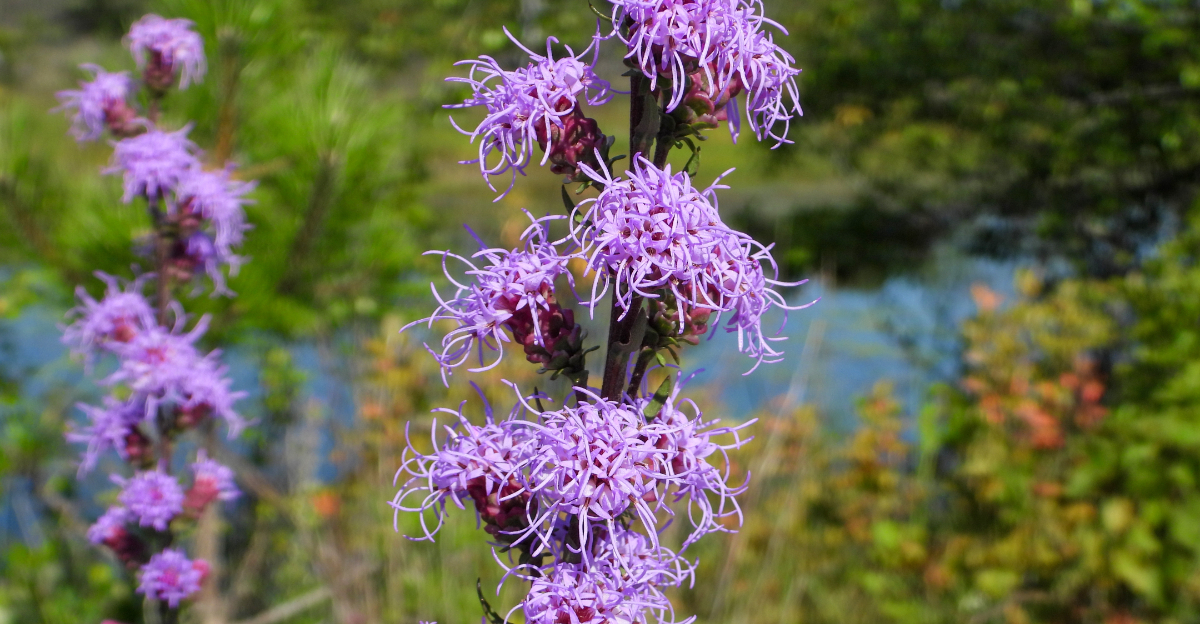
Rough blazing star truly comes into its own during the peak heat of Michigan August, blooming more vigorously as temperatures climb higher.
This native perennial produces tall, striking purple flower spikes that attract butterflies and bees precisely when many other plants start slowing down.
Unlike many perennials that struggle or wilt under intense heat, blazing star actually thrives in these hot, sunny conditions.
Its deep root system allows it to access moisture other shallow rooted plants simply cannot reach during dry summer stretches.
This drought tolerance makes it an excellent choice for challenging, sun exposed areas where other perennials often fail.
Once established, blazing star requires very little maintenance, returning reliably each year with minimal additional care.
Its vertical form also adds valuable structure and height to garden beds during the peak of summer.
Choosing this resilient native rewards gardeners with dependable color exactly when the summer heat feels most relentless.
1. Rough Blazing Star Owns Late Summer
Picture your garden in mid-August, when heat shimmers off the soil and most flowering plants have already faded.
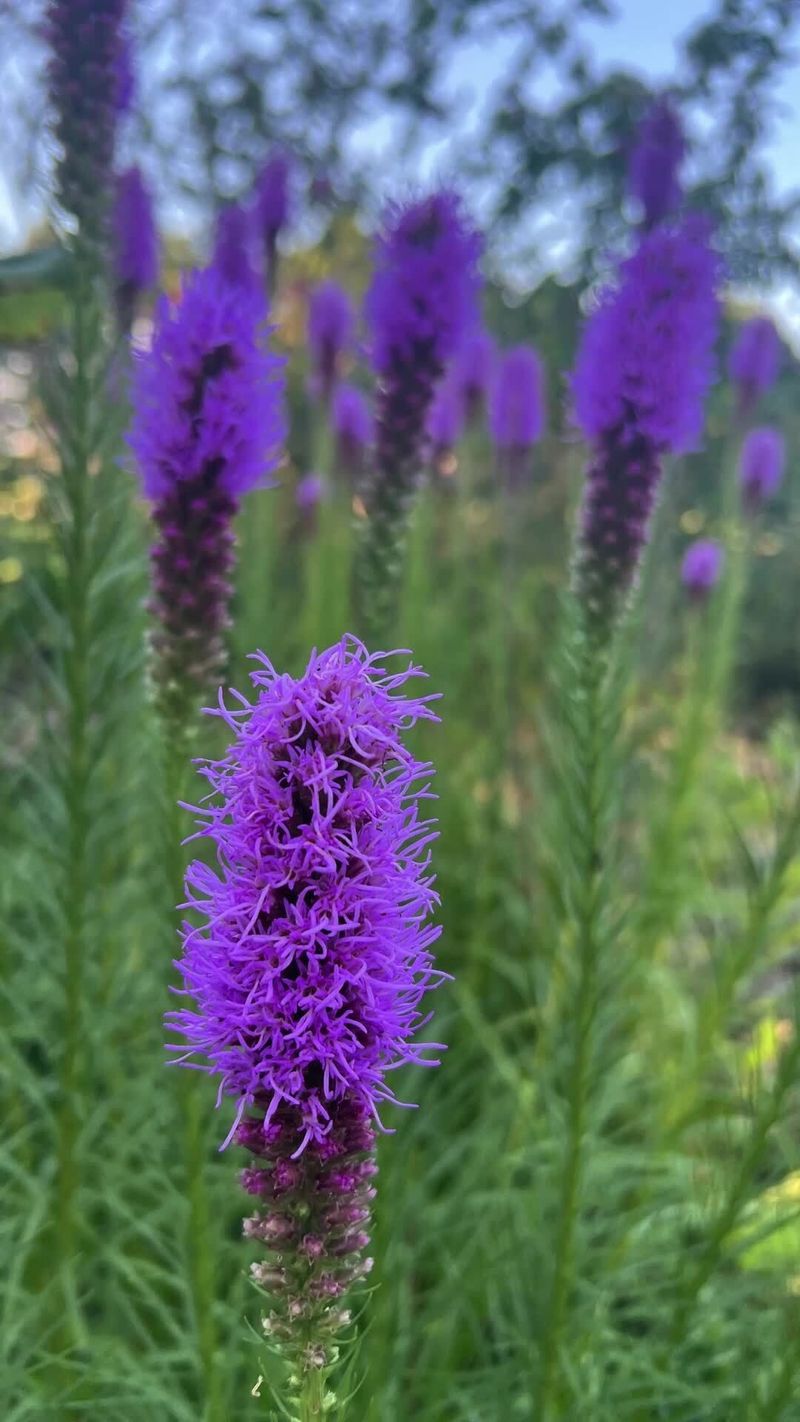
That is exactly when rough blazing star, known scientifically as Liatris aspera, steps into the spotlight with tall, bold purple flower spikes that seem almost defiant of the summer heat.
Native to Michigan and much of the Midwest, this perennial has a dramatic presence that is hard to ignore once it starts blooming.
Growing anywhere from two to five feet tall, rough blazing star produces dense spikes covered in fluffy, rose-purple flower heads that create a striking vertical element in any garden.
The flowers appear reliably each year without much help from the gardener, which makes this plant incredibly satisfying to grow.
Once established, it comes back stronger every season. What makes rough blazing star especially exciting is its timing. Most perennials wrap up their show by July, leaving a color gap that can feel frustrating.
Rough blazing star fills that gap beautifully, carrying color and energy through late summer and into early fall.
It pairs naturally with goldenrod, black-eyed Susan, and prairie dropseed to create a truly stunning native planting.
Gardeners across Michigan have been rediscovering this plant, and once you see it in full bloom, it is easy to understand why it earns so much admiration.
Few native perennials command attention the way rough blazing star does when August heat peaks and the garden needs it most.
2. August Is Its Natural Flowering Season
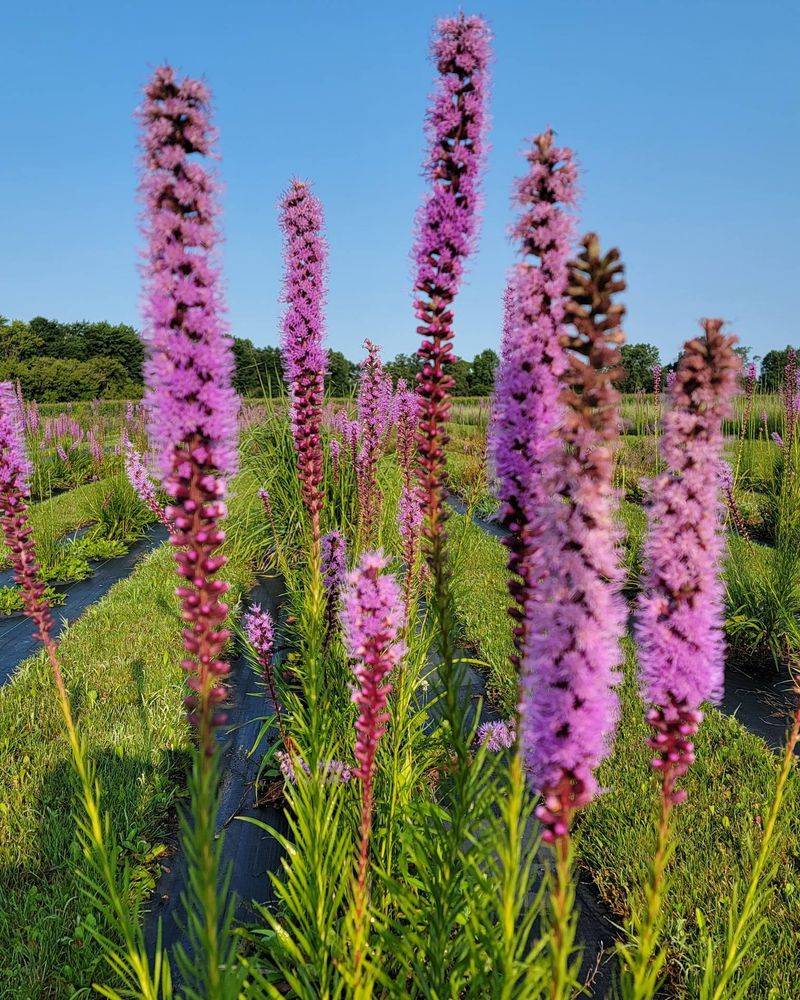
Some people assume that a plant blooming hard in August must be responding to the heat, pushing out flowers because the conditions force it. With rough blazing star, that is not how it works at all.
The August bloom is simply part of its natural biological schedule, a rhythm that has been built into this species over thousands of years of evolving on Midwestern prairies.
Heat does not trigger the bloom; the plant just happens to be perfectly timed for it. Rough blazing star grows from a corm, which is a compact underground storage structure similar to a bulb.
Your Michigan Garden Changes Every Week. Your Plan Should Too.
Gardening in Michigan changes quickly throughout the season. Every Friday you’ll receive a simple weekly plan showing exactly what to plant, prune, fertilize, harvest, and protect so you never miss the right timing.
Through spring and early summer, the plant quietly puts energy into building strong roots and tall stems.
By the time August arrives, it has stored enough energy to fuel a spectacular flowering display that can last for several weeks. The timing is precise, reliable, and genuinely impressive.
This natural schedule is one of the reasons rough blazing star is such a valuable plant for Michigan gardens.
You do not need to do anything special to encourage it to bloom on time. No deadheading tricks, no fertilizer pushes, no special watering routines. The plant simply follows its own internal calendar with confidence.
For gardeners who want a low-maintenance perennial that delivers consistent late-summer color year after year, rough blazing star is a near-perfect choice.
Understanding that its bloom is nature-driven rather than heat-forced also helps explain why it thrives even in dry, difficult August conditions without complaint.
3. Give It Plenty Of Sun
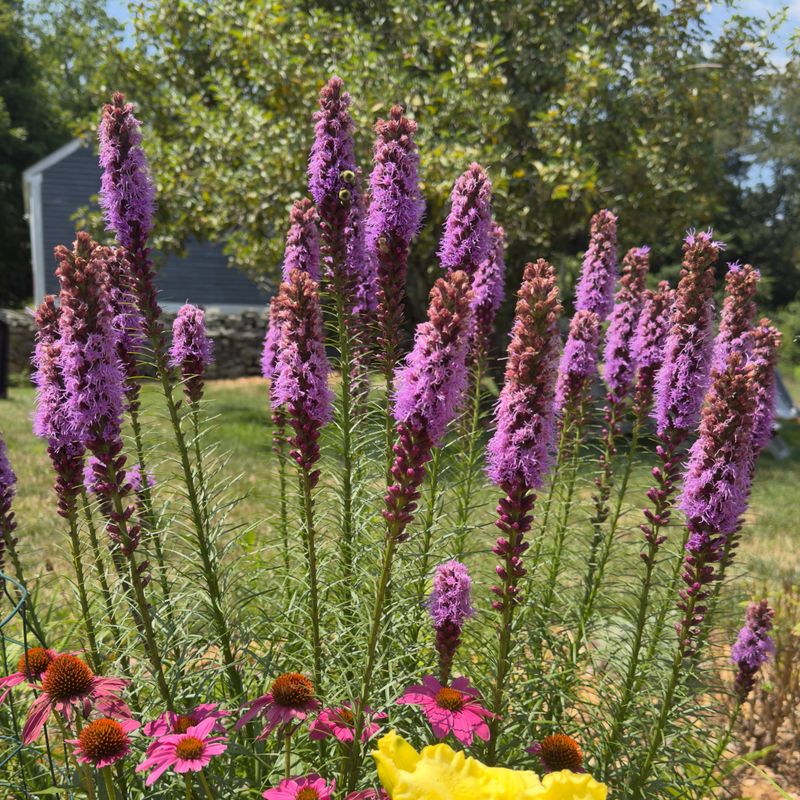
Full sun is not just a preference for rough blazing star. It is genuinely what this plant was built for.
Across its native range, rough blazing star grows on open prairies, dry hillsides, and sunny roadsides where sunlight hits it from morning to evening with almost no interruption.
Planting it in a spot that receives at least six to eight hours of direct sun each day gives it everything it needs to grow strong and bloom at its best.
When rough blazing star does not get enough sun, the results show up quickly. The stems may lean or flop sideways instead of standing upright.
Fewer flower spikes form, and the ones that do appear tend to be shorter and less colorful than they should be.
A shady location also increases the risk of fungal issues because air circulation and sunlight work together to keep the foliage dry and healthy. Choosing the right spot before planting saves a lot of frustration later.
South-facing or west-facing garden beds are often ideal in Michigan, where summer sun angles are strong and consistent.
Avoid placing rough blazing star near large trees or shrubs that cast afternoon shade, even if the morning sun looks adequate.
Once planted in a genuinely sunny location, this perennial rewards you with upright, sturdy stems and a flower display that looks exactly the way it should.
Sun is the single easiest thing you can provide, and it pays off in a big way every single August when those purple spikes open up tall and proud.
4. Dry Soil Does Not Scare It
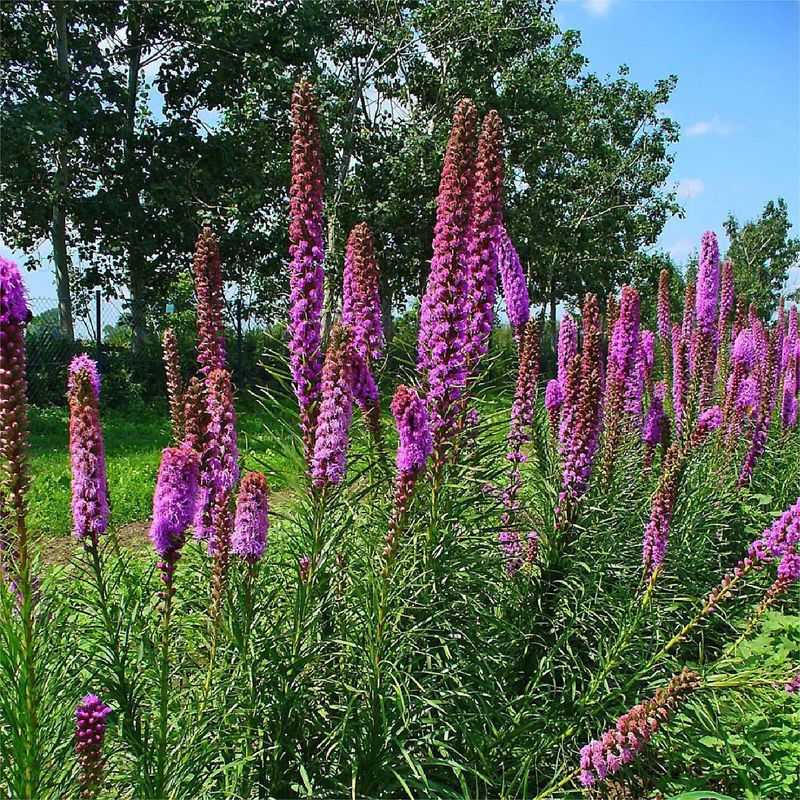
Drought is the enemy of many garden perennials, but rough blazing star practically shrugs at it.
Growing naturally on dry prairies and sandy hillsides across Michigan and the broader Midwest, this plant has adapted to survive and even thrive in soil conditions that would stress most garden favorites.
When August brings weeks of hot, dry weather, rough blazing star keeps right on blooming while neighboring plants wilt and struggle. The secret behind this drought tolerance lies underground.
The corm that rough blazing star grows from acts like a water and energy reserve, helping the plant push through dry spells without skipping a beat.
Roots also reach deep into the soil over time, tapping into moisture that surface-rooted plants simply cannot access.
Once established after its first full growing season, rough blazing star rarely needs supplemental watering except during the most extreme dry periods.
For Michigan gardeners dealing with sandy or gravelly soils that dry out fast, rough blazing star is a genuine solution rather than a compromise.
Many beautiful perennials simply cannot handle those challenging conditions long-term, but rough blazing star settles in and gets stronger with each passing year.
Overwatering is actually a bigger concern than underwatering with this plant. Keeping the soil on the drier side mimics its natural prairie habitat and encourages the deep root growth that makes it so resilient.
If you have a hot, dry corner of the yard that other plants have given up on, rough blazing star is worth planting there with confidence.
5. Drainage Matters More Than Rich Soil
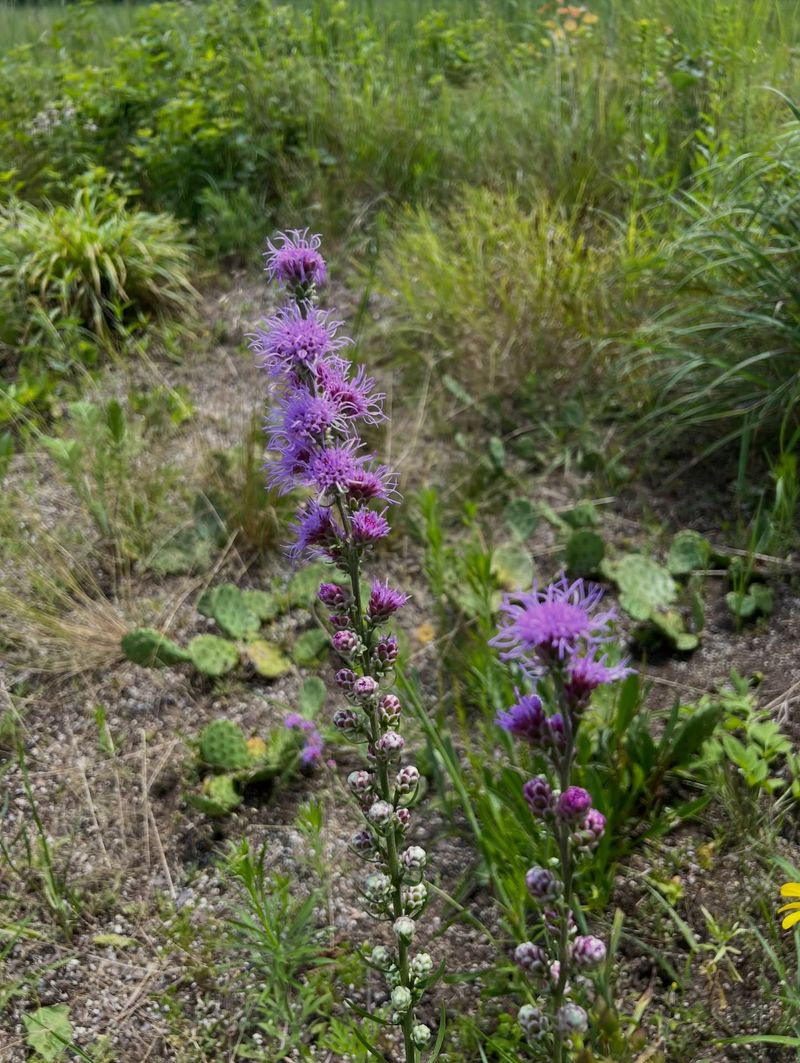
Here is something that surprises a lot of gardeners when they first learn about rough blazing star: it actually prefers lean, average, or even poor soil over rich, heavily amended garden beds.
The plant evolved on nutrient-limited prairies where the soil was often sandy or rocky, and it performs best when those conditions are recreated in the garden.
Piling on compost or rich topsoil does not help rough blazing star; in many cases it actually causes problems. The biggest threat to this plant is not drought, poor nutrition, or even cold winters.
Consistently wet or waterlogged soil around the corm is what causes the most damage, leading to rot that weakens or eliminates the plant over time.
Gardens with heavy clay soil that holds water after rain are the most challenging environments for rough blazing star.
If you have clay soil, raising the planting area slightly or mixing in coarse sand and fine gravel can dramatically improve drainage and give the plant a much better chance.
Sandy loam, gravelly soil, or even rocky hillside conditions are where rough blazing star truly excels.
The roots breathe well, the corm stays healthy through wet springs and rainy summers, and the plant builds the strong underground structure it needs to bloom reliably every August.
Think of drainage as the one non-negotiable condition for success with this perennial.
Get the drainage right, and rough blazing star will reward you with years of low-maintenance beauty. Ignore it, and even the sunniest spot will not save the plant from struggling.
6. Purple Flowers Open From The Top Down
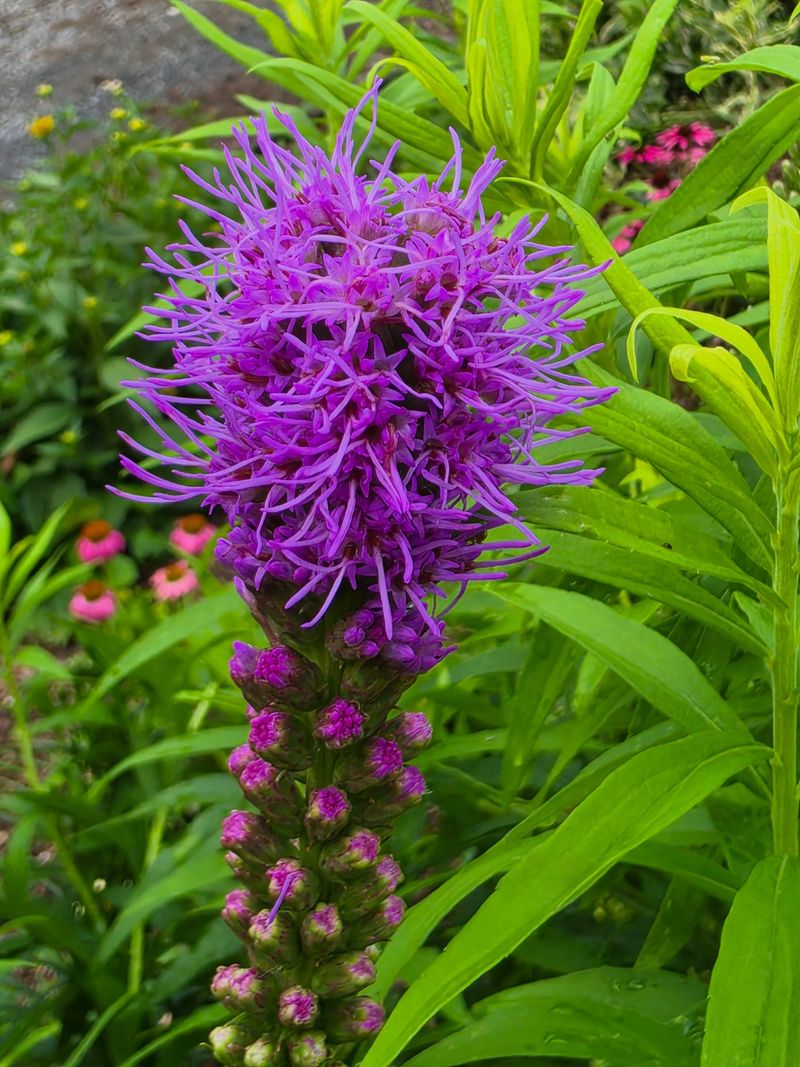
Most flowering plants open their blooms from the bottom of the stem upward, saving the top for last.
Rough blazing star does the opposite, and that quirky habit is one of the things that makes it so fascinating to watch.
The flowers at the very top of each spike open first, creating a bright purple crown that gradually works its way down the stem over several weeks.
This top-down progression keeps the plant looking fresh and colorful for far longer than a plant that blooms all at once.
Each individual flower head on the spike is made up of tiny disc florets packed tightly together into a rounded, fluffy button shape.
As the top buttons open and begin to fade, fresh ones are opening just below them, creating a continuous wave of color that moves slowly down the stem.
By the time the lowest flowers finally open, the plant has been in bloom for a month or more, which is an impressive run for any perennial.
Watching this bloom progression is genuinely satisfying, almost like watching a slow-motion fireworks display moving downward.
Gardeners who pay close attention can track exactly where the blooming front is on each spike from week to week.
The top-down pattern also has a practical benefit for pollinators, since fresh nectar-rich flowers are consistently available throughout the entire bloom period rather than all at once.
For gardeners who love plants with personality and interesting details, this unique flowering behavior makes rough blazing star even more worth growing in a Michigan native garden.
7. Pollinators Arrive With The Flowers
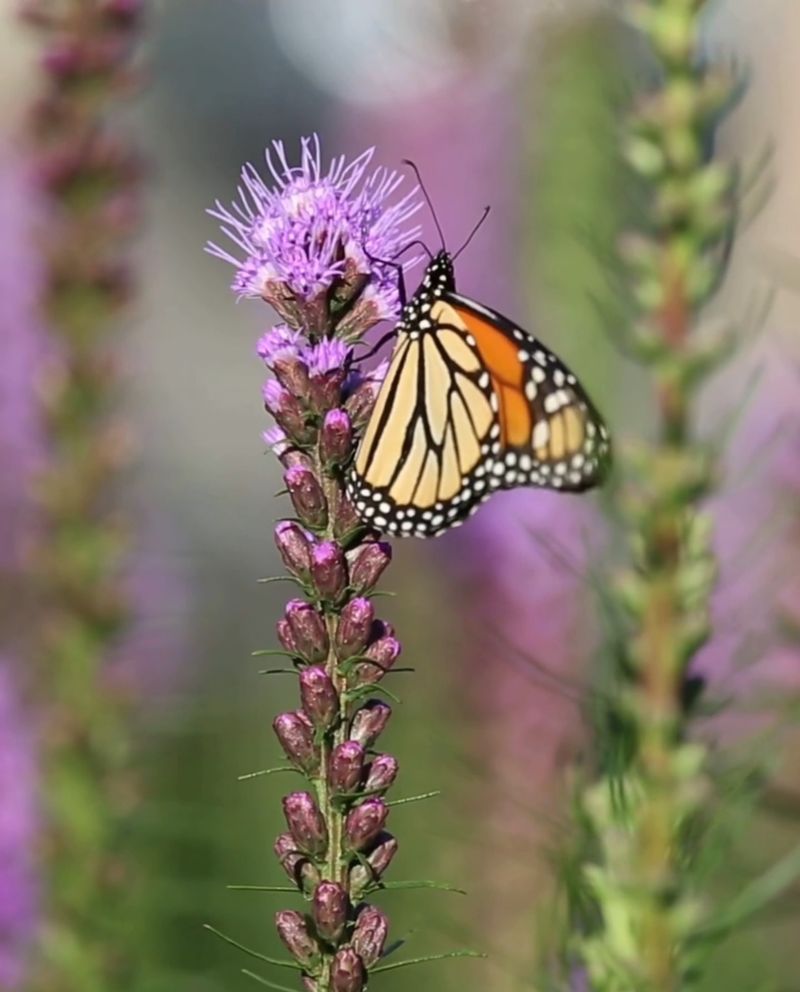
The moment rough blazing star opens its first purple flowers in August, pollinators seem to appear out of nowhere.
Monarch butterflies, which are in the middle of their incredible southward migration by late summer, are especially drawn to the nectar-rich blooms.
Watching a monarch pause on a rough blazing star spike on a warm August afternoon is one of those garden moments that feels almost magical.
The timing between the plant and the migrating butterflies is not a coincidence; it is a relationship built over thousands of years.
Beyond monarchs, rough blazing star attracts a wide variety of native bees, including bumblebees, sweat bees, and specialist bees that depend heavily on native plants for their survival.
Skippers, painted ladies, and other butterfly species also visit regularly throughout the bloom period.
The plant essentially becomes a buzzing, fluttering hub of activity during late summer, making it one of the most wildlife-friendly perennials a Michigan gardener can grow.
Goldfinches add another layer of interest after the flowers fade.
The seed heads that form on rough blazing star spikes are a favorite food source for goldfinches in fall, meaning the plant continues to support wildlife long after its purple bloom has finished.
Leaving the stems standing through winter instead of cutting them back right away gives birds more time to enjoy the seeds and adds textural interest to the garden during colder months.
For anyone building a pollinator garden or a wildlife-friendly landscape in Michigan, rough blazing star belongs on the list without question.
8. Use It In Sunny Michigan Native Beds
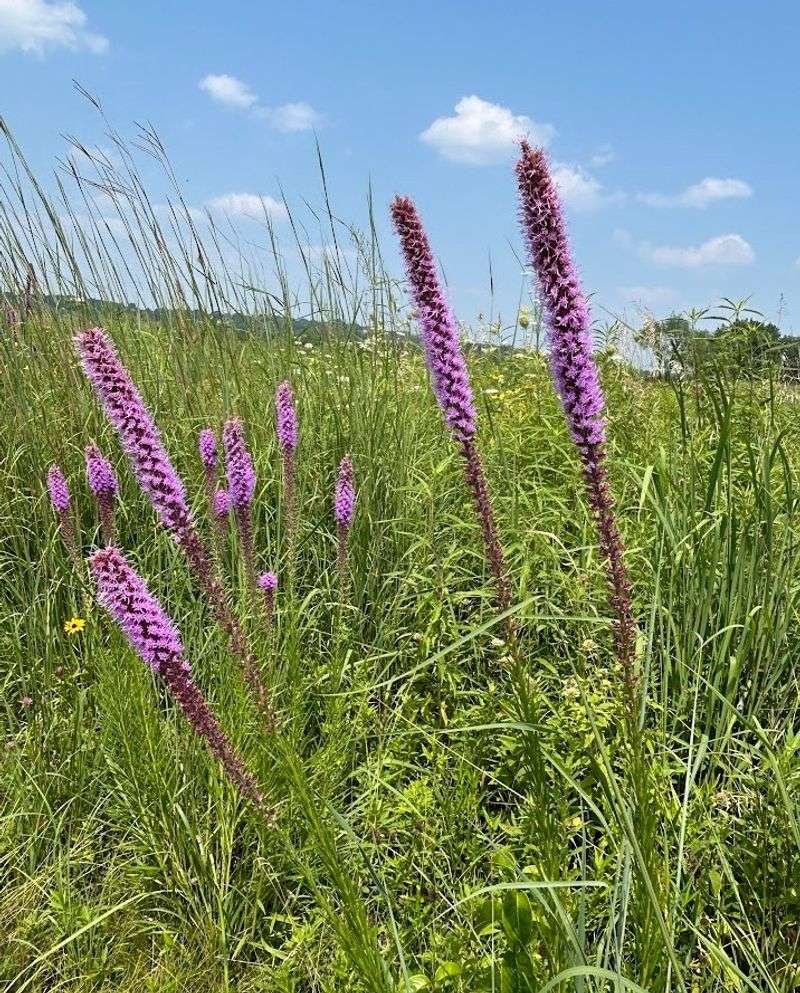
Rough blazing star fits naturally into a wide range of sunny garden settings, and knowing where it shines brightest helps you get the most out of it.
Prairie-style gardens are an obvious home for this plant, where it can grow alongside other Michigan natives like little bluestem grass, prairie coneflower, wild bergamot, and butterfly weed.
The combination of textures, heights, and bloom times in a well-planned native prairie bed creates a garden that looks beautiful from spring through fall with very little ongoing maintenance required.
Pollinator gardens are another perfect fit. Because rough blazing star blooms later than many other pollinator favorites, it fills a critical late-season gap when nectar sources become harder for butterflies and bees to find.
Pairing it with Joe-Pye weed, ironweed, and goldenrod creates a late-summer pollinator buffet that supports local wildlife in a meaningful way.
Even a small sunny corner planted with a few of these natives can make a real difference for pollinators in your neighborhood.
Rough blazing star also works beautifully along sunny fence lines, at the back of mixed perennial borders, or in naturalized areas where the soil is dry and drainage is good.
Its tall, vertical form adds structure and height without becoming invasive or difficult to manage.
Unlike some aggressive native plants, rough blazing star stays in its lane and plays nicely with its neighbors.
For Michigan gardeners who want a plant that is beautiful, wildlife-friendly, low-maintenance, and genuinely native to the region, rough blazing star checks every single box with ease.