Michigan Gardeners Should Know This Shade Perennial That Blooms Where Others Struggle
Almost every Michigan gardener has that spot. The one that gets maybe an hour of real light, stays damp half the year, and has defeated every plant you have tried to grow there.
You have probably stopped expecting much from it. Many people do. They toss in another annual, watch it sulk through July, and quietly give up by August.
But there is a native perennial that was literally built for that spot. It evolved under Michigan’s tree canopies, through Michigan winters, in Michigan soil.
It does not just tolerate shade. It prefers it.
And every spring, right in that gap between the last tulips and the first summer flowers, it covers your most difficult corner in soft blue-violet blooms that smell like something you would pay a lot of money to recreate with candles.
Michigan gardeners who find this plant tend to get a little evangelical about it. Once you see what it does with a shady corner in April, you will understand why. Curious yet?
Meet Woodland Phlox First
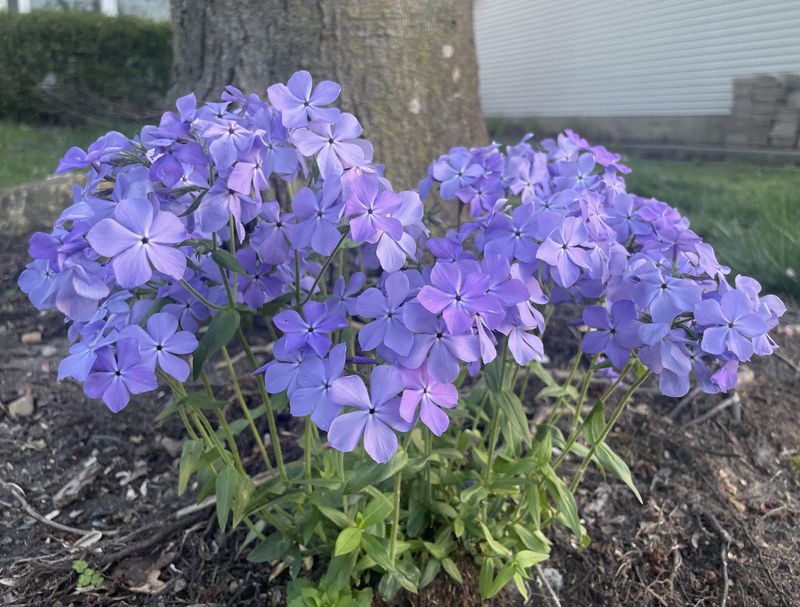
Not every plant earns a loyal following among Michigan gardeners, but woodland phlox has built one over many years.
Its botanical name is Phlox divaricata, and it is native to Michigan woodlands, meaning it evolved right here under our trees, in our soil, through our cold winters.
That kind of local history matters when you are choosing plants that will actually perform long-term.
Woodland phlox is a low-growing perennial that stays close to the ground, usually reaching only eight to fifteen inches tall.
It forms loose mats of semi-evergreen foliage that look tidy even when the plant is not blooming. The leaves are small, oval, and slightly sticky to the touch, which is a charming quirk most people only notice when they are right up close.
What makes this plant genuinely stand out is its blooming window.
Most shade perennials wait until summer to show off, but woodland phlox blooms in April and May, filling that awkward gap between early spring bulbs and summer flowers.
Gardeners who plant it often describe a similar experience. You almost forget it is there all winter, and then one morning you walk outside and the whole shady corner is glowing with soft color.
For Michigan gardens with difficult spots, that kind of reliable spring performance is genuinely hard to find.
It is the plant equivalent of a friend who shows up exactly when needed, does not make a big deal about it, and somehow looks great doing it.
It Performs Best In Cool Woodland Shade
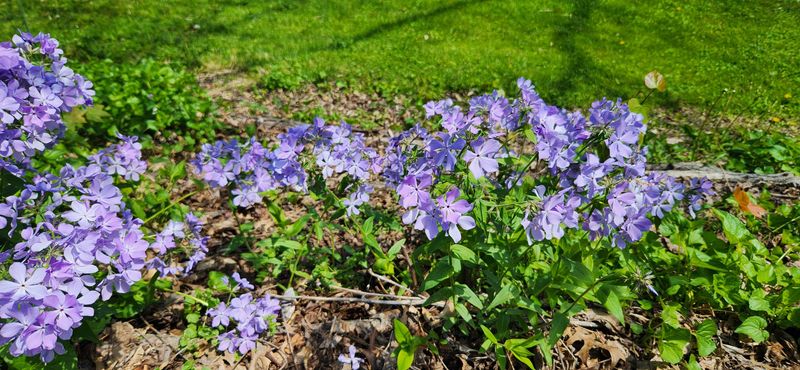
Forget what you know about sun-loving flowers needing the brightest spot in the yard. Woodland phlox flips that rule completely.
This plant was born in the forest understory, where sunlight arrives filtered through a canopy of oak, maple, and beech.
That soft, dappled light is exactly what it wants, and it grows noticeably better in those conditions than it ever would in full sun.
Direct afternoon sun can scorch the leaves, especially during Michigan summers when heat builds unexpectedly.
Your Michigan Garden Changes Every Week. Your Plan Should Too.
Gardening in Michigan changes quickly throughout the season. Every Friday you’ll receive a simple weekly plan showing exactly what to plant, prune, fertilize, harvest, and protect so you never miss the right timing.
Morning light is fine and actually helps the plant dry off after dew, which reduces the chance of powdery mildew, a common issue with phlox species grown in the wrong conditions.
Think about the areas in your yard where other plants have struggled. Maybe it is under a large oak where shade is dense and roots compete for moisture.
Maybe it is the north-facing side of the house where sunlight barely visits. Those spots feel like gardening puzzles with no satisfying answer.
Woodland phlox is often that answer. It has adapted over thousands of years to exactly these conditions, making it far more reliable than any shade-tolerant annual dropped in as a temporary fix.
Planting something that genuinely belongs in an environment is always a smarter long-term strategy than fighting the conditions with the wrong plant.
Woodland phlox does not fight the shade. It was raised by it.
Leafy Soil Helps It Settle In Fast
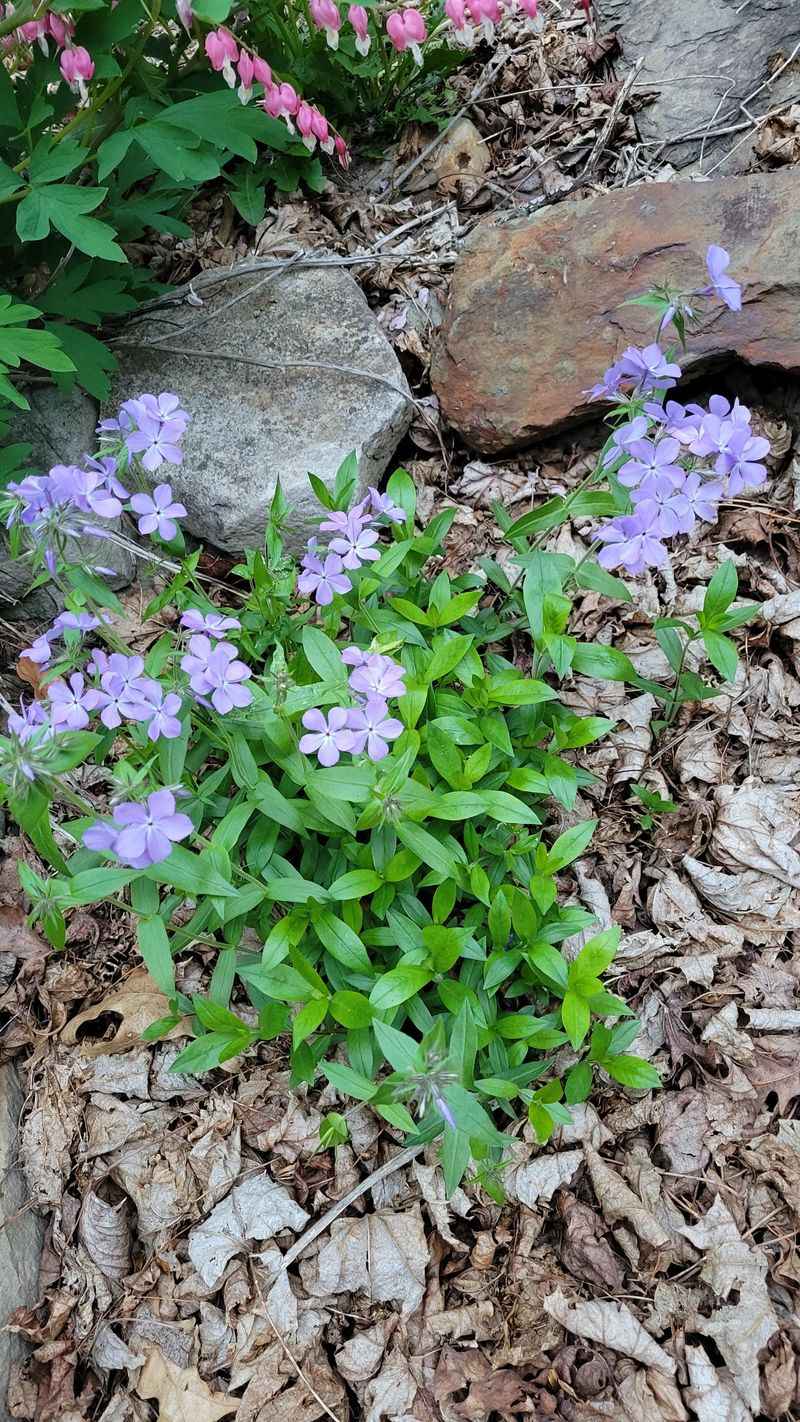
Walk into any Michigan woodland and crouch down near the base of a tree. What you feel under your fingers is not hard-packed clay or sandy gravel.
It is soft, dark, crumbly soil built from years of fallen leaves breaking down layer by layer. That natural process creates something gardeners spend a lot of money trying to replicate, and woodland phlox absolutely loves it.
Before planting, spend a little time improving your soil if it is compacted or low in organic matter. Work in a few inches of leaf compost, aged wood chips, or shredded fall leaves.
You are not trying to create rich vegetable-garden soil. You are trying to make it loose, slightly moisture-retentive, and full of the slow-release nutrition that forest plants depend on naturally.
Drainage still matters even though this plant likes moisture.
Soggy, waterlogged soil can cause root problems over time, especially during Michigan winters when water sits in frozen ground. Aim for soil that stays evenly moist but never puddles after rain.
Woodland phlox naturally grows along stream banks and forest edges where soil moisture is consistent but never stagnant.
Matching those natural conditions in your garden gives new plants the best possible start and helps them establish quickly without a lot of extra effort from you.
Good soil preparation before planting is honestly the most important thing you can do, and it only takes an afternoon. The plant handles everything after that.
Soft Blue Blooms Brighten Dark Corners
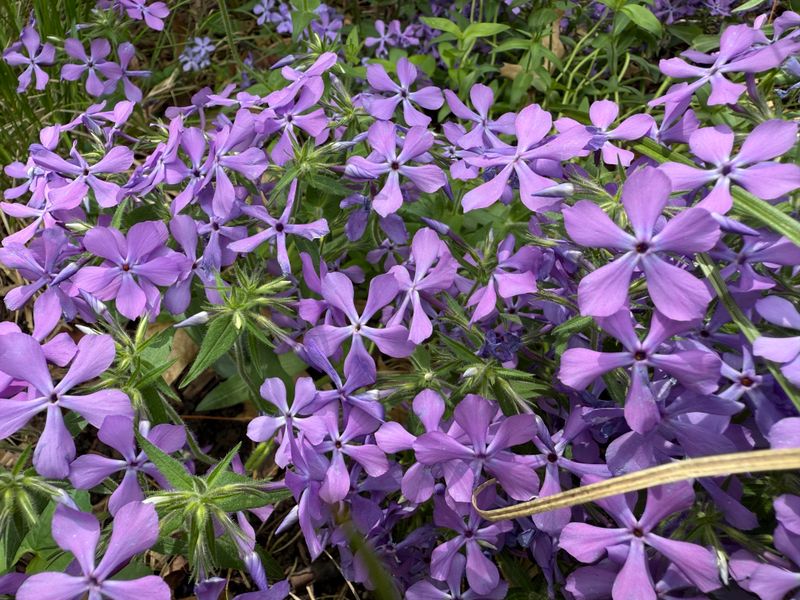
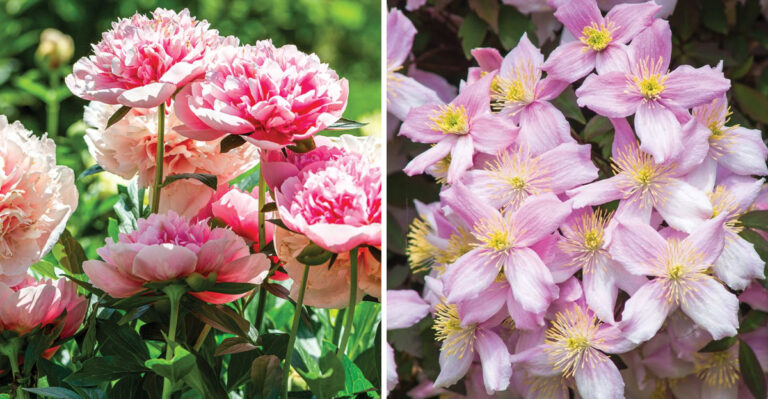
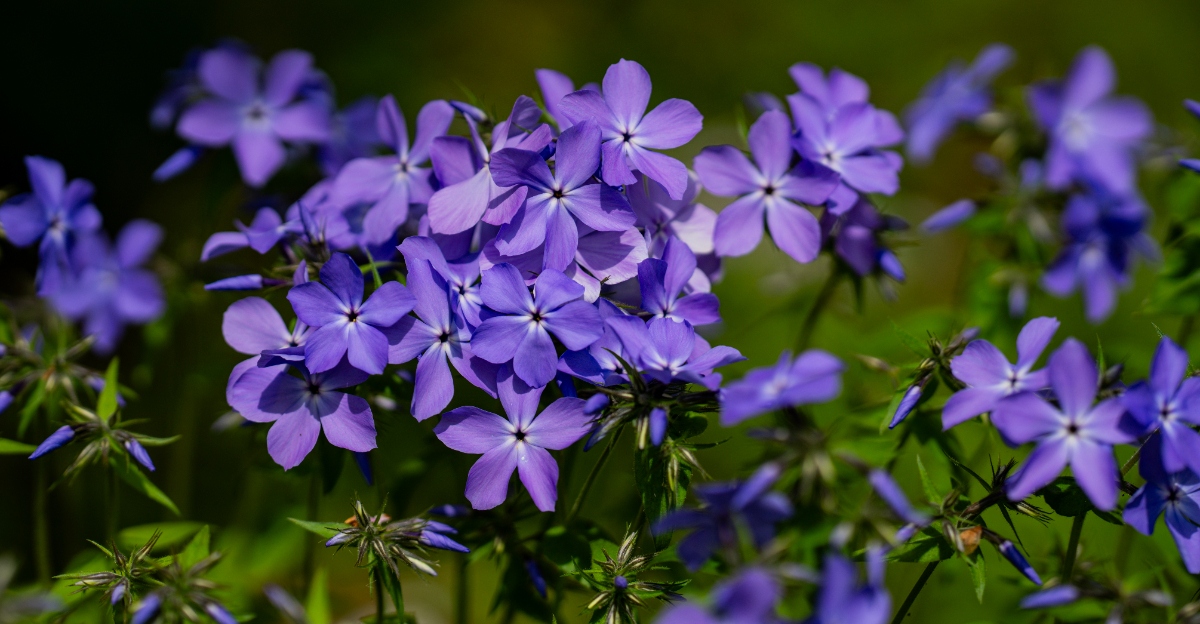
There is something remarkable about walking past a shaded corner in April and spotting a wash of soft blue-violet color where nothing interesting has ever grown before. Woodland phlox does that.
Its flowers open in loose clusters, each bloom with five slightly notched petals arranged in a flat-faced shape that catches light beautifully even in dim conditions.
The color range runs from pale lavender to a deeper blue-violet, with some cultivars offering near-white tones.
The species itself tends toward a soft periwinkle blue that looks especially lovely against dark soil and green ferns. That color combination is not accidental.
In nature, these flowers evolved to stand out in low-light environments where pollinators need clear visual signals to find them.
For gardeners dealing with the visual challenge of shady beds, the spring bloom is genuinely refreshing. Most shade perennials are grown primarily for foliage, with flowers playing a supporting role at best. Woodland phlox reverses that dynamic completely.
Its blooms are the main event in April and May, creating a soft carpet of color that feels completely unexpected in a spot that usually looks bare at that time of year.
Pair it with white-blooming trillium or the bold yellow of celandine poppy for a woodland color combination that looks like it belongs in a nature preserve rather than a backyard.
The effect is stunning and surprisingly easy to achieve, which is a combination that does not come along in gardening nearly as often as it should.
Gentle Spreading Turns Bare Spots Pretty
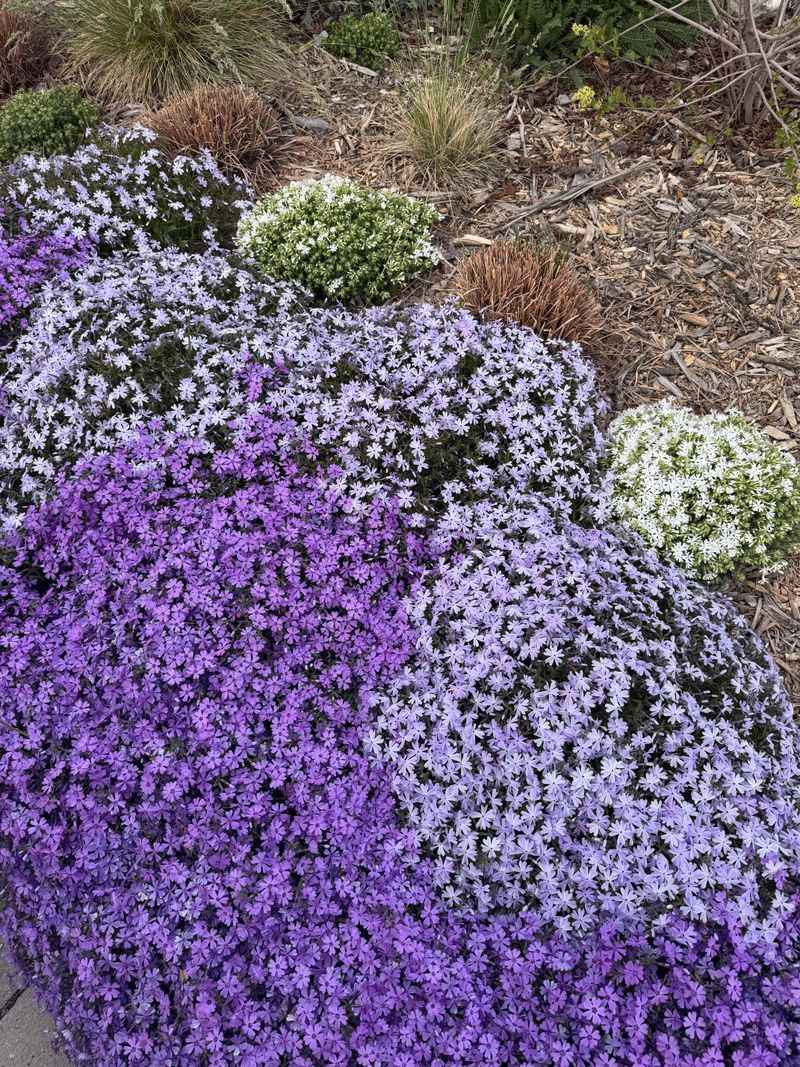
One of the most common frustrations in shaded gardens is bare ground.
Tree roots compete for space, light is limited, and many groundcovers either refuse to grow or take over everything in sight. Woodland phlox finds a comfortable middle ground that most gardeners genuinely appreciate once they see it working.
This plant spreads through short underground stems called stolons, slowly filling in around its original planting spot over a few seasons.
The key word is slowly. Woodland phlox is not a thug. It does not sprint across the garden and crowd out everything else. It moves at a polite pace, filling gaps and weaving between other plants in a way that looks natural rather than aggressive.
For faster coverage, plant woodland phlox in groups of three or five rather than as single specimens.
Odd-numbered groupings tend to look more natural, and plants placed about a foot apart will knit together into a cohesive patch within two or three growing seasons.
Once established, that patch expands year after year without demanding much from you.
Bare spots under trees that felt like permanent eyesores transform into soft, textured groundcover that changes with the seasons.
The spring bloom is the showstopper, but even after the flowers fade, the low mat of foliage keeps things looking tidy and intentional through summer and into fall.
A plant that solves your problem and then continues improving the space every year afterward is genuinely worth getting excited about.
Ferns And Sedges Make It Look Intentional
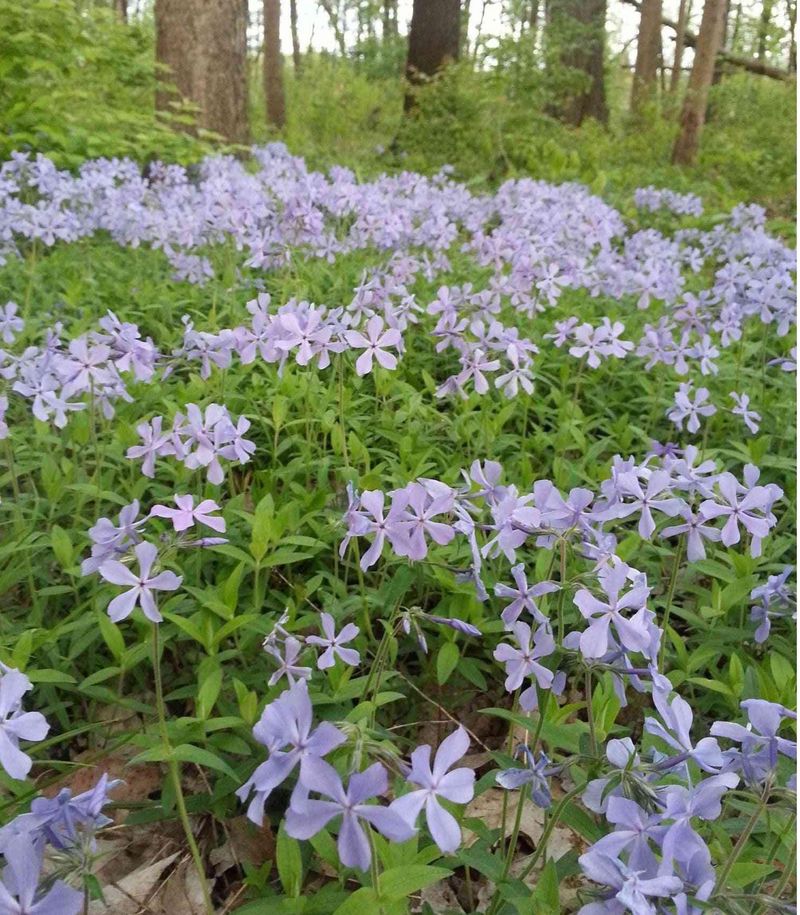
A shady garden that looks designed rather than accidental usually comes down to smart plant combinations.
Woodland phlox is a fantastic team player, and pairing it with the right companions turns a simple planting into something that looks like it took years of careful planning to achieve.
Ferns are a natural match. Ostrich fern, cinnamon fern, and the smaller maidenhair fern all share the same woodland habitat as woodland phlox in Michigan.
Their upright, feathery texture contrasts beautifully with the low, spreading habit of the phlox. While the phlox is blooming in spring, the ferns are just unfurling their new fronds, creating a layered scene that feels lively and full of movement even in deep shade.
Pennsylvania sedge is another excellent companion. This low-growing native fills space between larger plants without competing aggressively.
Its fine texture and soft green color complement the blue-violet flowers in a way that feels completely effortless.
Wild ginger works well as a bold-leafed contrast, and Solomon’s seal adds vertical structure with its arching stems and dangling white flowers.
Choosing plants that naturally share the same habitat means they have similar needs for moisture, soil, and light, which makes the whole garden considerably easier to maintain.
You spend less time troubleshooting and more time enjoying a space that looks polished from early spring right through to the first frost. Honestly, the hardest part is choosing which combination to try first.
Early Pollinators Find It Before Summer
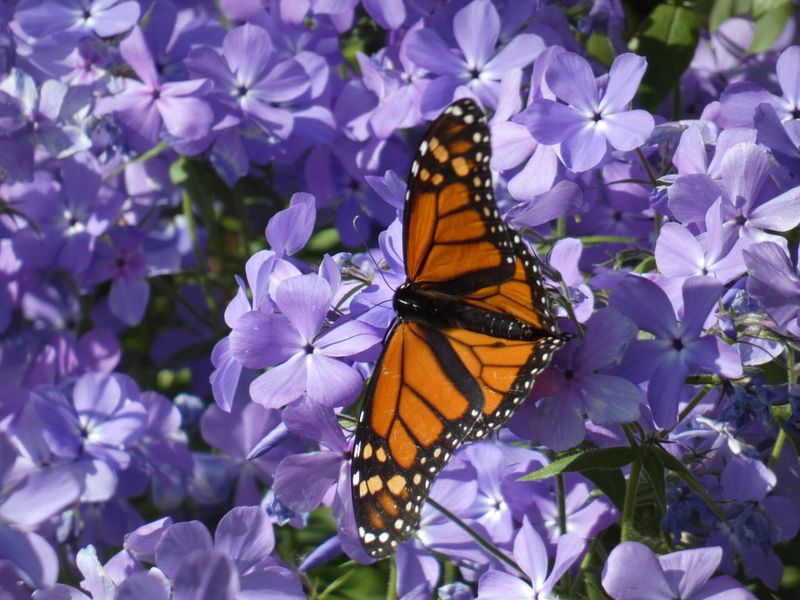
Spring in Michigan arrives slowly, and early pollinators are hungry before most garden flowers even consider opening.
Woodland phlox blooms right in that critical window, offering nectar when options are genuinely scarce. That timing is not a coincidence.
It is the result of thousands of years of co-evolution between this plant and the creatures that depend on it.
Hummingbirds returning from their winter migration arrive in Michigan around late April and early May, right when woodland phlox is in full bloom.
The tubular base of each phlox flower suits long-tongued visitors especially well. Butterflies, native bees, and sphinx moths also visit regularly, drawn by a sweet fragrance that carries surprisingly well through a shaded garden on a warm spring morning.
That fragrance deserves its own mention.
Many gardeners plant woodland phlox specifically because the blooms smell wonderful, a soft, slightly sweet scent that drifts through the garden in the evening and early morning when the air is still.
Planting it near a garden path or seating area lets you enjoy that fragrance up close on a regular basis.
From a wildlife perspective, adding this plant to your shade garden means supporting a whole community of early-season pollinators at a time when they genuinely need it most.
Michigan’s native bee populations especially benefit from spring-blooming native plants, and woodland phlox is one of the most reliable and accessible options available.
The pollinators find it faster than you might expect, which is one of the more rewarding surprises in gardening.
Fallen Leaves Keep The Roots Comfortable
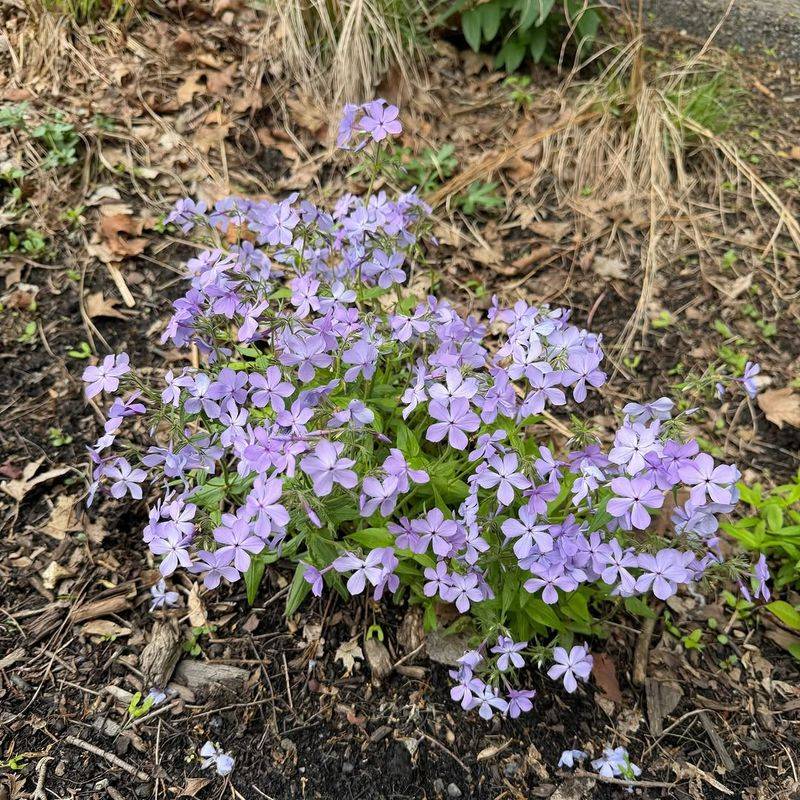
Here is something many gardeners learn the hard way: woodland plants do not need the same aggressive fall cleanup that vegetable gardens or formal flower beds require.
Raking every leaf away from woodland phlox actually works against the plant rather than helping it. The leaves are doing a job, and it is a genuinely good one.
Fallen leaves from oak, maple, and beech trees break down slowly over winter, creating a natural insulating layer over the roots below.
For woodland phlox, this leaf litter mimics the forest floor conditions it evolved in. The leaves moderate soil temperature during Michigan’s freeze-thaw cycles, hold moisture during dry spells, and gradually break down to feed the soil with organic matter.
It is a completely free mulching system that also happens to be perfectly suited to the plant.
A loose layer of two to three inches is plenty to provide insulation without smothering the foliage, which stays semi-evergreen through winter in Michigan.
Too many leaves and worry about matting? Shred them with a lawn mower before leaving them in place. Shredded leaves break down faster and are less likely to clump into a soggy mass that blocks new growth in spring.
Come spring, the remaining leaf bits will have mostly disappeared into the soil, and your woodland phlox will emerge looking fresh, healthy, and completely ready to put on another season of that beautiful spring show.
All you had to do was put the rake away and let nature handle the rest. Turns out, doing less is occasionally the right gardening advice.