Finish Pruning These Oregon Shrubs Before Fall Or You Could Cut Off Next Year’s Blooms
Late summer in Oregon can be the last comfortable chance to shape certain flowering shrubs before their growth cycle shifts.
The catch is that not every plant follows the same schedule, and a cut made at the wrong point in the season can affect what shows up next spring.
That is what makes August pruning more complicated than simply tidying anything that looks overgrown. Some shrubs are already setting up next year’s display even while this season is still winding down.
Others can handle a trim much later without losing a single flower. The difference is easy to miss if you are pruning by appearance alone.
Before the weather turns cooler, it is worth knowing which shrubs still have a safe window and which ones should be left completely alone until their next proper pruning time.
1. Bigleaf Hydrangeas Setting Next Year’s Buds Soon
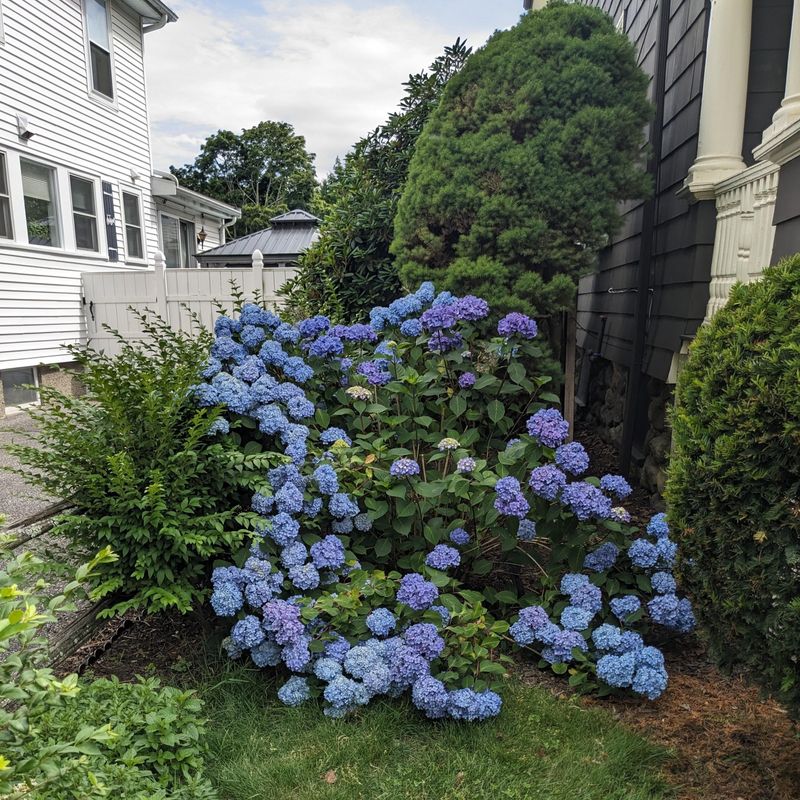
Few garden moments compare to seeing a bigleaf hydrangea burst into color after a long winter wait. These beloved shrubs are some of the most popular in Pacific Northwest yards, and for good reason.
Their massive flower heads in shades of pink, blue, and purple are truly hard to beat.
The catch is that bigleaf hydrangeas bloom on old wood. That means the buds for next year’s flowers are already forming on this year’s branches right now.
If you prune them after late summer, you are removing those buds before they ever get to open.
The best time to prune bigleaf hydrangeas is right after they finish blooming, usually in mid to late summer. At that point, you can safely remove withered wood and shape the plant a little.
Keep cuts light and focused on cleaning up the shrub rather than drastically reducing its size.
Avoid the urge to give them a big chop in fall when the garden starts looking tired. Many gardeners make this mistake and then wonder why their hydrangea barely blooms the following year.
Patience pays off here. If your plant has lots of damaged stems from winter damage, wait until spring growth starts to appear before removing them.
That way you can see exactly which branches are still alive and which ones need to go. Careful timing keeps the blooms coming every single year.
2. Mountain Hydrangeas Needing Their Final Shape-Up Now
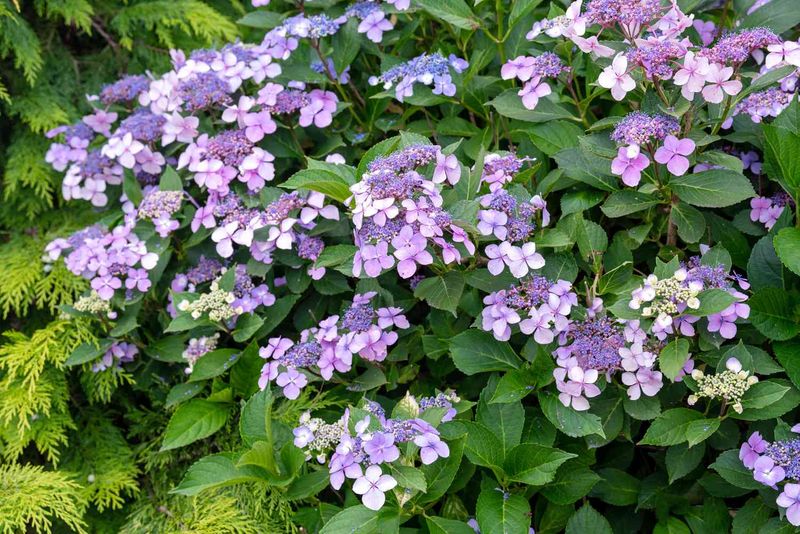
Mountain hydrangeas are a little less common than their bigleaf cousins, but they are just as rewarding to grow. They tend to be more cold-hardy and a bit more compact, making them a great choice for smaller garden spaces.
Their lacecap-style flowers have a natural, airy look that feels right at home in a woodland garden setting.
Like bigleaf hydrangeas, mountain hydrangeas bloom on old wood. The buds for next season are already developing on this summer’s stems.
Any pruning done after the flowers fade needs to happen soon, before those buds fully set and harden for winter.
Right now is your window. Deadhead spent blooms and remove any crossing or weak branches.
Your Oregon Garden Changes Every Week. Your Plan Should Too.
Gardening in Oregon changes quickly throughout the season. Every Friday you’ll receive a simple weekly plan showing exactly what to plant, prune, fertilize, harvest, and protect so you never miss the right timing.
Keep the overall shape tidy, but avoid cutting back healthy stems aggressively. Each healthy stem you leave in place is a potential source of next year’s flowers.
One helpful tip is to mark any branches that produced good blooms this year. Those are the ones worth protecting.
Focus your pruning on branches that looked weak, crowded, or unproductive during the growing season.
After pruning, avoid fertilizing heavily. Too much nitrogen in late summer pushes soft new growth that can be damaged by early frosts.
A light layer of mulch around the base of the plant will help protect the roots as temperatures start to drop. Simple care steps now lead to a showstopping display next summer.
3. Oakleaf Hydrangeas Better Left Alone Once Fall Starts
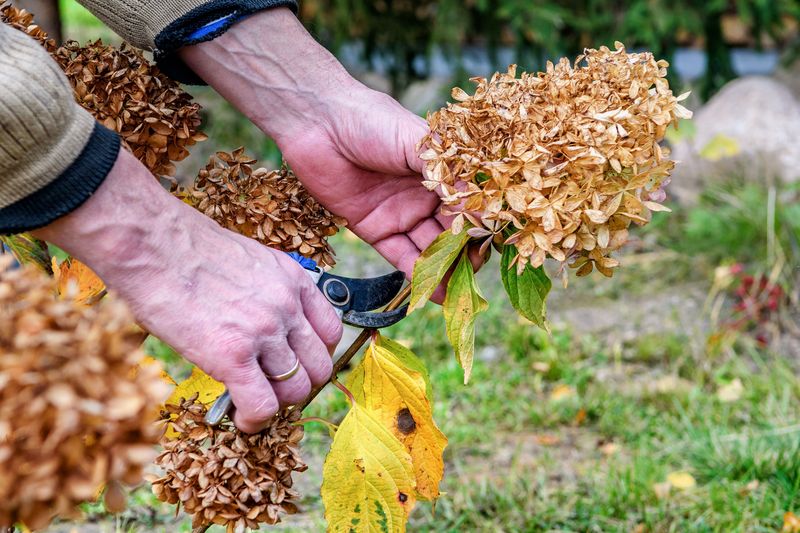
There is something almost architectural about an oakleaf hydrangea. Its large, cone-shaped flower clusters and deeply lobed leaves give it a bold, dramatic look that few other shrubs can match.
In fall, the leaves turn rich shades of red, orange, and burgundy, adding even more interest to the garden.
Oakleaf hydrangeas also bloom on old wood, so the same pruning rules apply here. The window for safe pruning closes as summer winds down.
Once fall arrives, the buds for next year’s blooms are already in place, and cutting the plant back will remove them.
The good news is that oakleaf hydrangeas generally need very little pruning. They have a naturally attractive shape and do not require much intervention to look good.
Most years, all you really need to do is remove spent flower heads and any damaged wood.
If you want to do any shaping, aim to finish it by late July or early August in most Oregon growing zones. After that, put the pruners away and let the plant do its thing.
The dried flower heads that remain through winter actually add texture and visual interest to the garden during the colder months.
Resist cutting everything back just because it looks a little rough after summer. Oakleaf hydrangeas are tough plants that reward patience.
Leave them alone through fall and winter, and they will reward you with a stunning display of blooms the following season.
4. Rhododendrons Already Preparing Next Season’s Flowers
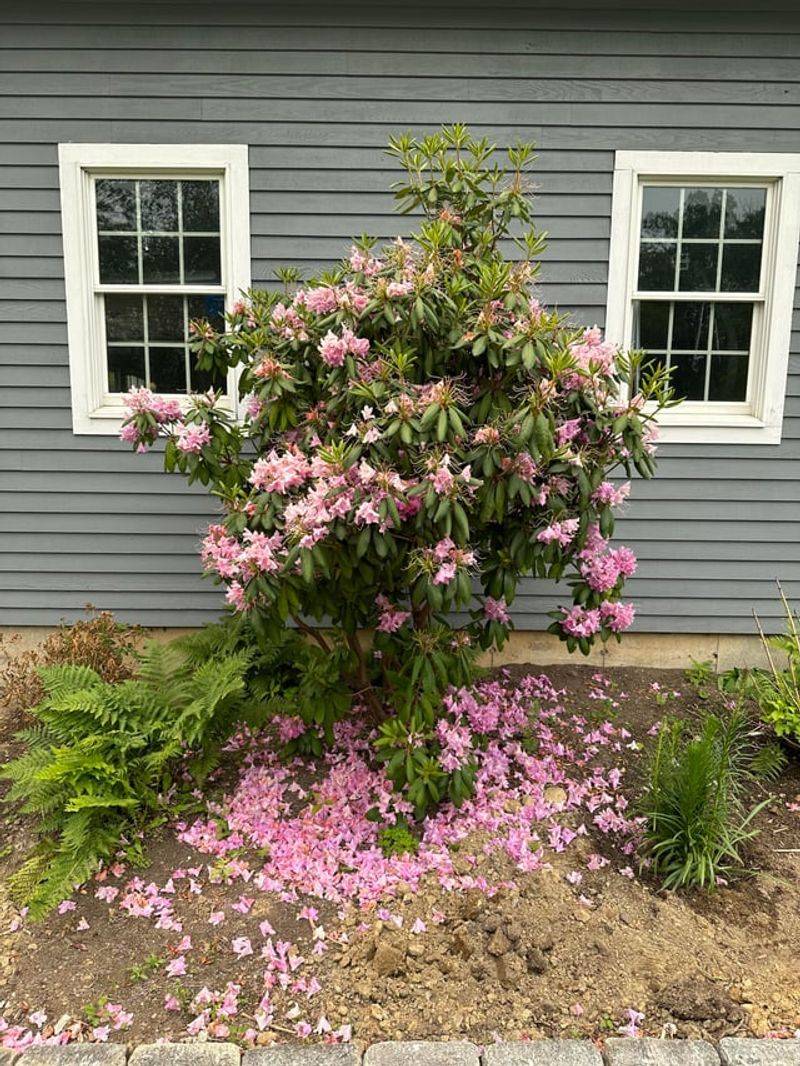
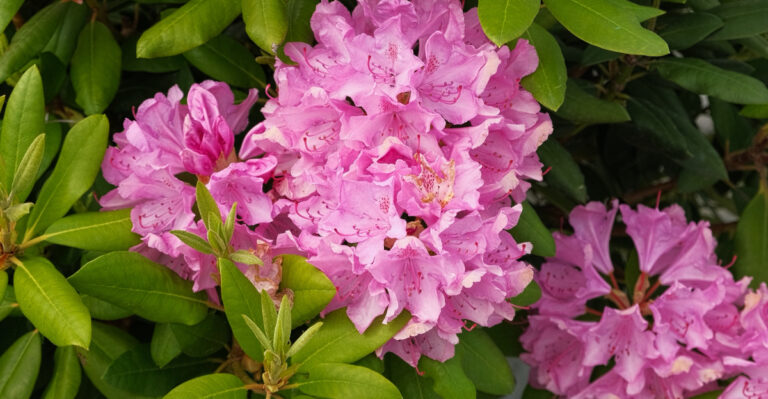
Rhododendrons are practically the signature plant of the Pacific Northwest. Drive through almost any neighborhood in spring and you will see them exploding in shades of pink, red, purple, and white.
They are stunning, long-lived shrubs that can grow quite large over time.
What many gardeners do not realize is that rhododendrons start forming next year’s flower buds almost immediately after they finish blooming in spring.
By midsummer, those buds are already visible at the tips of the branches. Pruning in fall means cutting them all off.
The ideal time to prune a rhododendron is right after it finishes blooming in spring. At that point, you can deadhead the spent flower clusters and do any light shaping you need.
New growth will emerge quickly and have the whole summer to harden off properly before winter.
If you missed the spring window this year, do not panic. You can still do very minor cleanup now, like removing clearly withered wood.
Just avoid cutting back into healthy green stems. Save any significant shaping for next spring right after bloom time.
Rhododendrons are generally slow-growing, so they do not need heavy pruning very often anyway.
Keeping them healthy with good drainage, the right soil pH, and a layer of acidic mulch will do more for their long-term performance than any amount of cutting.
Treat them well and they will bloom reliably for decades.
5. Azaleas Can Lose Future Blooms To Late Pruning
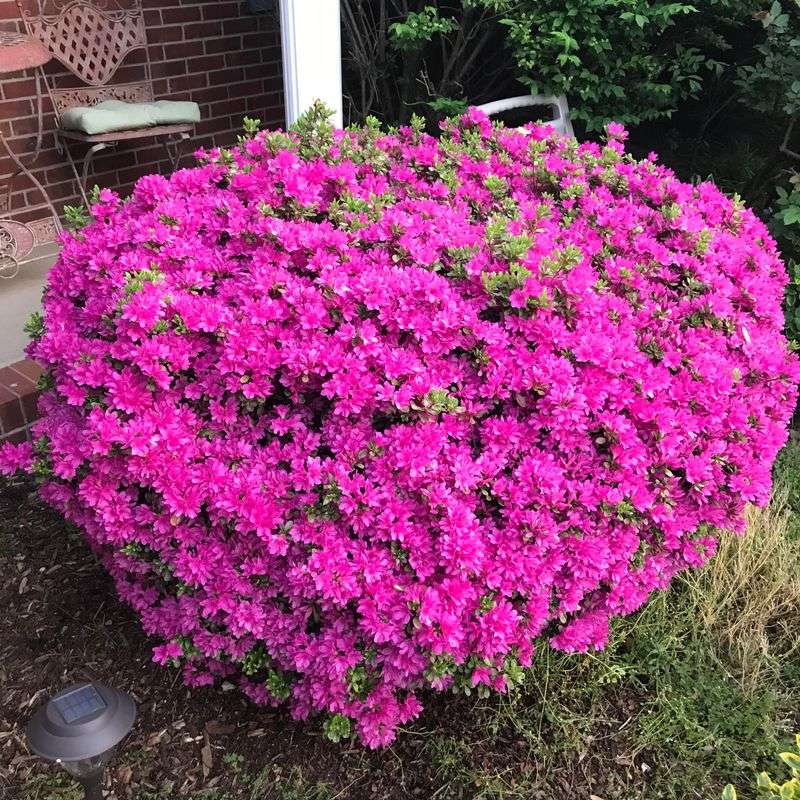
For a few weeks each year, Azaleas are absolutely covered in flowers, turning entire hillsides and garden beds into walls of color. Then, almost as quickly as they arrived, the blooms are gone and the plant settles into a quiet summer of leafy green growth.
During that quiet summer period, azaleas are busy building their future. Flower buds for the following spring are forming right now on this year’s stems.
Pruning in fall removes those buds and leaves you with a shrub that looks full and healthy but produces very few flowers come spring.
Prune azaleas right after they finish blooming in spring. That is the sweet spot.
You get to shape the plant while the buds for next year have not yet formed, so you are not sacrificing any future flowers. Wait too long and you start risking next year’s display.
Light deadheading and the removal of crossing branches are the main tasks. Azaleas generally do not need dramatic pruning.
They grow slowly and tend to maintain a pleasing shape on their own with just a little guidance each year.
One thing to watch for is old, leggy stems that are no longer producing many flowers. These can be cut back harder in spring to encourage fresh growth from the base.
Just make sure to time it right, right after blooming ends, and the plant will bounce back beautifully by the following season.
6. Lilacs Should Not Get A Fall Haircut
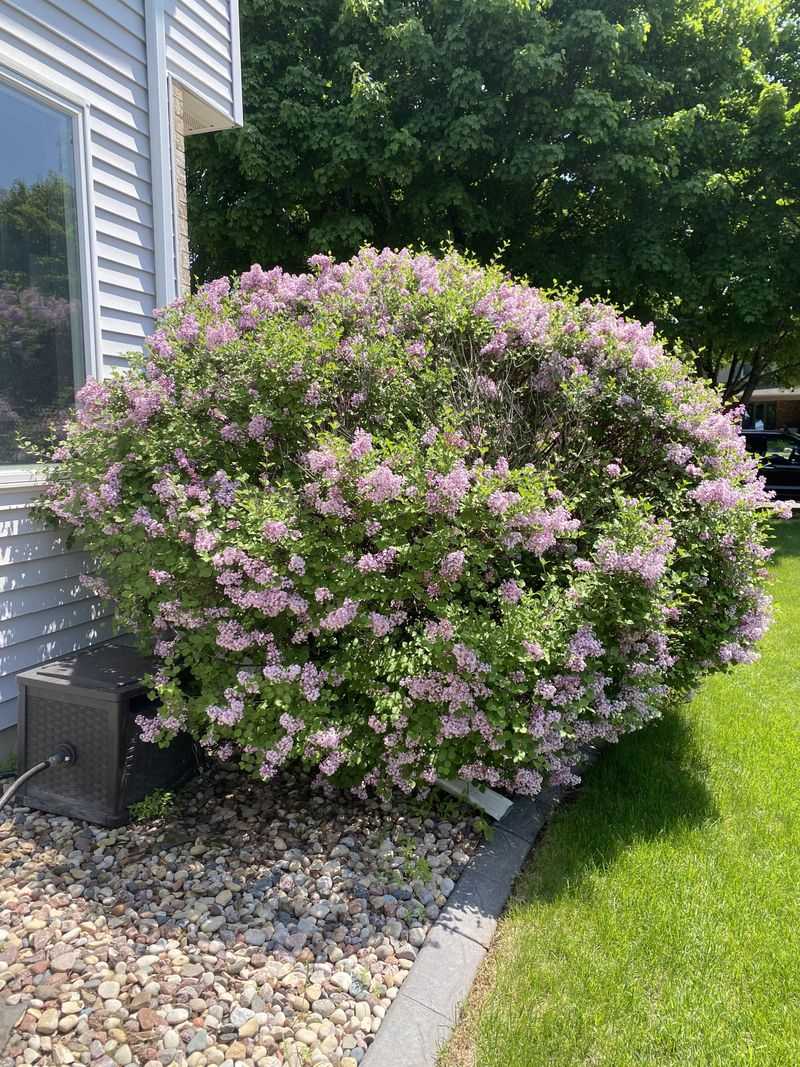
Few plants carry as much nostalgia as a lilac in full bloom. The fragrance alone is enough to stop people in their tracks.
Lilacs have been a garden favorite for generations, and they are surprisingly tough plants that can thrive for many decades with minimal care.
They also bloom on old wood, and their buds form quite early. By late summer, next year’s flower buds are already set and ready to go.
A fall pruning session will remove most of those buds, leaving you with a plant that is perfectly healthy but frustratingly bare of blooms the following spring.
The right time to prune a lilac is within about two to three weeks after it finishes blooming in late spring or early summer. During that short window, the plant has not yet started forming next year’s buds.
You can shape it, remove old wood, and thin crowded stems without any risk to future blooms.
Removing old, thick stems from the base every few years helps rejuvenate the plant and keeps it producing flowers on younger, more vigorous wood. This kind of renewal pruning is best done gradually over several seasons rather than all at once.
Once summer is in full swing and you can see tiny buds starting to form at the branch tips, put the pruning shears away. The plant is done being shaped for the year.
Let it rest, protect those precious buds through winter, and get ready for another glorious spring display.
7. Camellias Need Any Cleanup Finished Before Cooler Weather
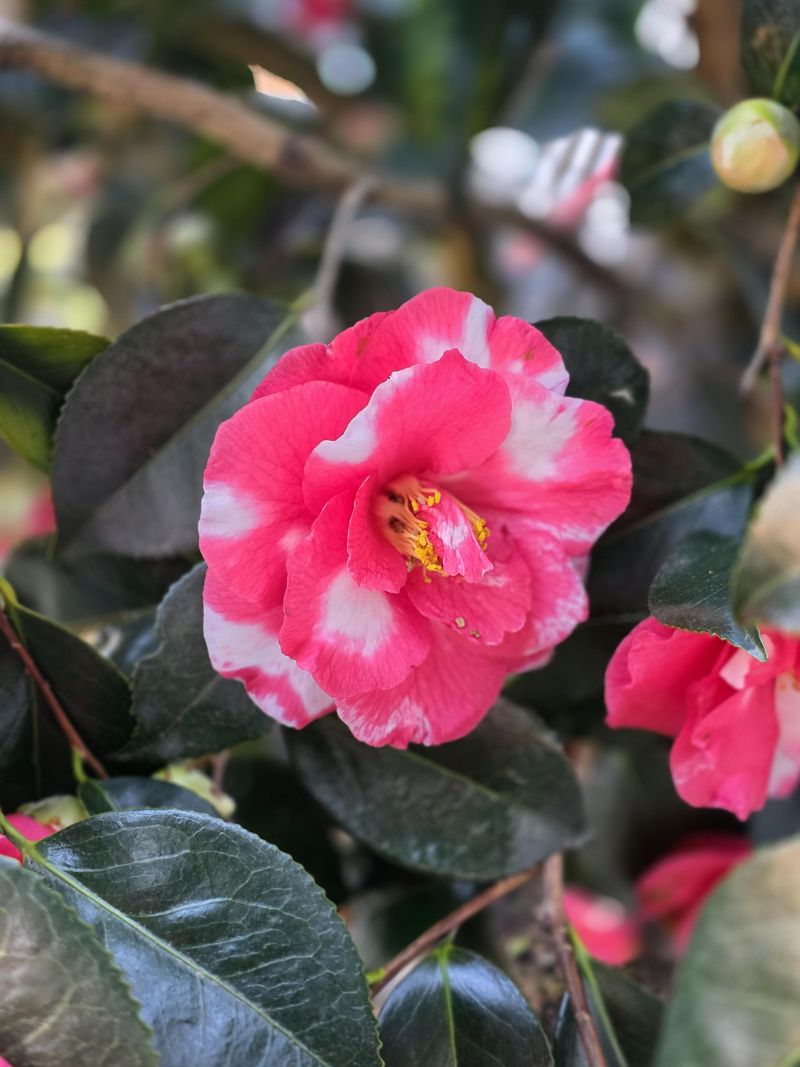
Camellias are one of those plants that make you feel like a serious Oregon gardener just for having them. Their large, perfectly formed flowers look almost too beautiful to be real.
They bloom in late winter or early spring when almost nothing else is flowering, making them especially valuable in the garden.
Most camellias bloom on old wood, and their buds develop during the summer months. By late summer, those buds are already visible as small, round swellings at the branch tips.
Pruning after this point removes the buds and reduces next season’s flower count significantly.
The best time to prune camellias is right after they finish blooming. For spring-blooming varieties, that means pruning in late spring or early summer.
This gives the plant the entire growing season to push out new growth and set buds for the following year without any interference from the pruning shears.
Light shaping is usually all that is needed. Remove any damaged or crossing branches, trim back any stems that are growing out of bounds, and clean up the overall silhouette of the plant.
Avoid cutting back into older, thick wood unless absolutely necessary, as camellias can be slow to recover from heavy pruning.
Giving camellias a light application of acidic fertilizer right after pruning helps fuel the new growth they need to set strong buds.
As the weather cools down in fall, ease off on fertilizing completely and let the plant harden off naturally for winter. Timed right, this routine keeps camellias blooming reliably every single year.
8. Old-Wood Bloomers Are The Ones To Watch Most
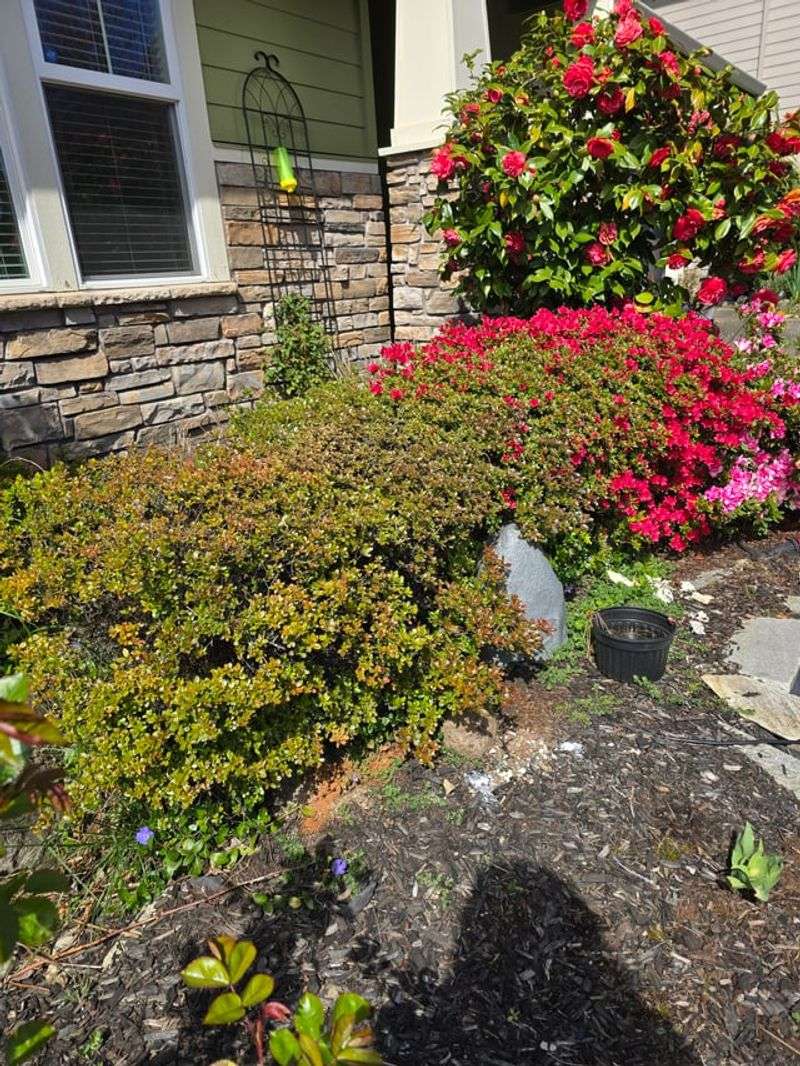
Here is the big picture that ties everything together. All of the shrubs covered in this guide share one key trait: they bloom on old wood.
That single fact changes everything about how and when you should prune them. Getting this concept clear in your mind is the first step toward a more successful garden.
Old-wood bloomers store their flower energy in the stems that grew during the previous season. When spring arrives, those stems are ready to produce flowers almost immediately.
If those stems were cut back in fall or winter, the plant has to start over from scratch, spending its energy on new growth instead of blooms.
A simple rule of thumb is to prune these shrubs right after they finish flowering. That window is usually safe because new buds have not yet formed.
As summer progresses and buds begin to develop, it is time to back off and let the plant prepare for next year on its own schedule.
Marking your calendar right after each shrub blooms is a practical way to stay on track. A quick note like “prune rhododendron by June 15” or “shape lilac by July 1” can save you from making a costly mistake later in the season.
Gardens in Oregon have a wonderful range of conditions that support all of these beautiful shrubs. Understanding how each one grows and blooms makes you a more confident and effective gardener.
Respect the timing, follow the plant’s lead, and your garden will reward you with spectacular color every spring.