8 New York Vines That Are About To Become Illegal To Grow
Something green and gorgeous on your backyard fence might be hiding secrets. Officials across New York have quietly targeted plants homeowners love without question.
Vines that look charming often carry aggressive roots and relentless ambition. Wildlife struggles quietly while these climbers crowd out native trees and shrubs.
Wetlands lose diversity fast when invasive species take hold unchecked. Conservation groups warn that removal grows nearly impossible over time.
Fences, walls, and trellises across New York host these quiet invaders unknowingly.
Gardeners rarely realize their favorite plant impacts entire ecosystems nearby. Beauty disguises trouble better than almost anything growing outdoors.
Nurseries still sell some of these vines despite mounting pressure. Regulators are moving toward stricter oversight, though enforcement varies by species and county.
Homeowners may face new restrictions on some of these species in the years ahead. Every yard holds clues worth examining before it’s too late.
You need to know which vines affect your yard, wallet, and local wildlife.
1. Porcelain Berry
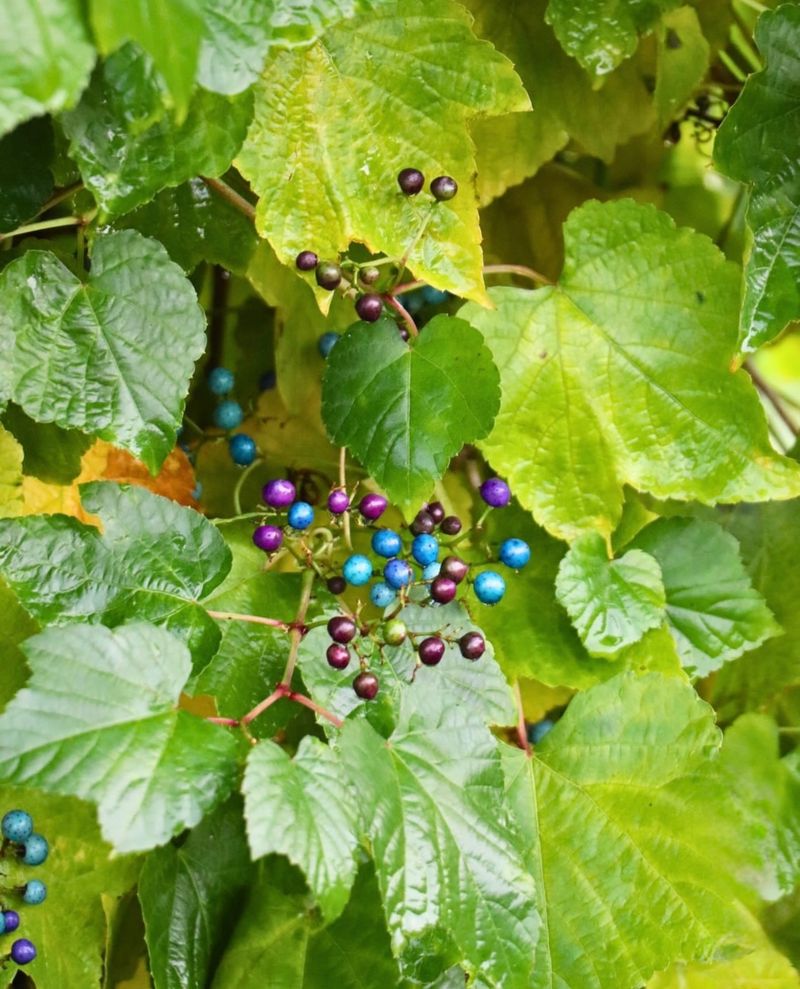
Pretty berries can hide a less obvious downside, and Porcelain Berry proves it clearly. This vine looks stunning with clusters of fruit in shades of blue, purple, pink, and turquoise, often compared to jewelry scattered across a fence.
Many homeowners plant it on purpose, believing it adds instant charm to trellises and walls. Underneath that beauty, though, lies one of the most aggressive invasive vines spreading across the northeastern United States.
Porcelain Berry grows quickly, with some sources reporting multiple feet of growth per week under ideal summer conditions. It smothers native shrubs and young trees by blocking sunlight from ever reaching their leaves.
Birds love eating the colorful berries, which sounds harmless enough at first glance. The real problem is that birds carry seeds far beyond the original planting site, spreading this vine into forests, wetlands, and parks where it causes lasting damage.
Once established, Porcelain Berry becomes incredibly stubborn to remove from any landscape. Its root system runs deep underground, and cutting the vine above ground often triggers even faster regrowth from below the surface.
New York conservation officials have flagged this species as a serious ecological threat to native habitats. Several counties are already pushing for stronger restrictions on its sale, transport, and planting statewide.
If you spot this vine growing anywhere on your property, experts strongly recommend removing it before it sets seed. Acting early gives you the best realistic chance of controlling this deceptively beautiful, hard-to-contain climber.
2. Oriental Bittersweet
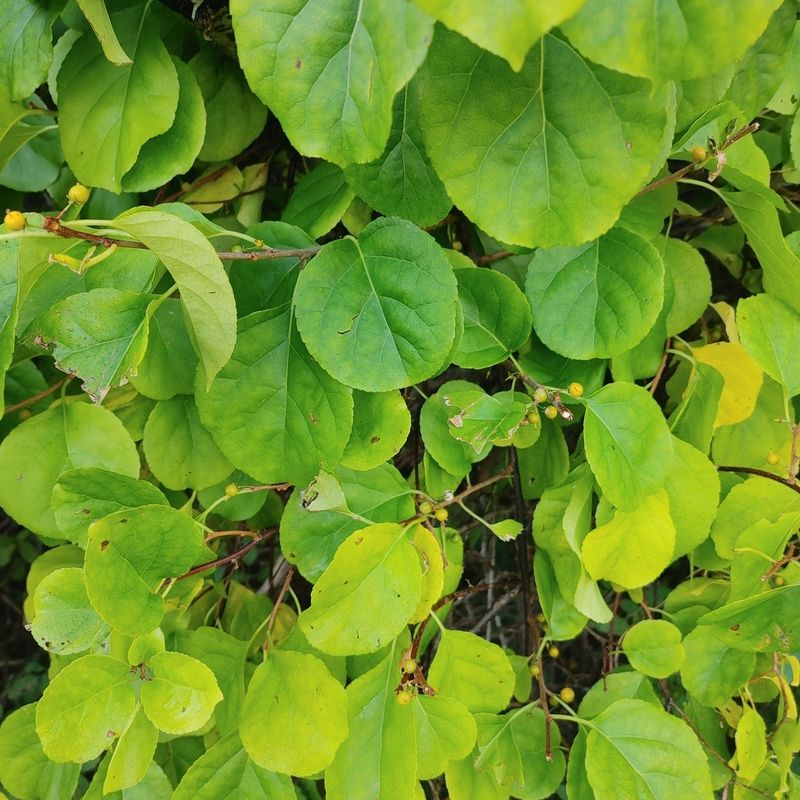
Walk through any New York forest in autumn and you might spot bright orange and red berries catching the fading light.
That stunning display almost certainly belongs to Oriental Bittersweet, one of the most destructive invasive vines found anywhere in the region. It wraps tightly around tree trunks and branches as it grows.
Over time, it girdles the tree, cutting off the flow of water and essential nutrients until the host plant eventually collapses entirely. Oriental Bittersweet was introduced from Asia back in the eighteen sixties as a decorative ornamental plant.
Nurseries sold it widely for wreaths and fall decorations, unaware of the ecological problems it would eventually cause. Today, it is listed as a regulated invasive species in New York, with restrictions on its sale and transport.
Your New York Garden Changes Every Week. Your Plan Should Too.
Gardening in New York changes quickly throughout the season. Every Friday you’ll receive a simple weekly plan showing exactly what to plant, prune, fertilize, harvest, and protect so you never miss the right timing.
Despite that, it still pops up in garden centers under misleading names, so always double-check before buying anything labeled simply as bittersweet.
The vine spreads through seeds carried by birds and through underground roots that sprout entirely new shoots. A single plant can produce thousands of seeds in just one season, making containment extremely difficult for landowners.
Removing it requires cutting the vine at its base and treating the stump to prevent stubborn resprouting later. Pulling young plants in early spring before they set seed remains your strongest possible defense.
If you have been growing this vine on purpose, consider replacing it with American Bittersweet, a native alternative that supports local wildlife without any of the destructive, uncontrollable spread that makes its Asian cousin so genuinely dangerous.
3. Mile-A-Minute Weed
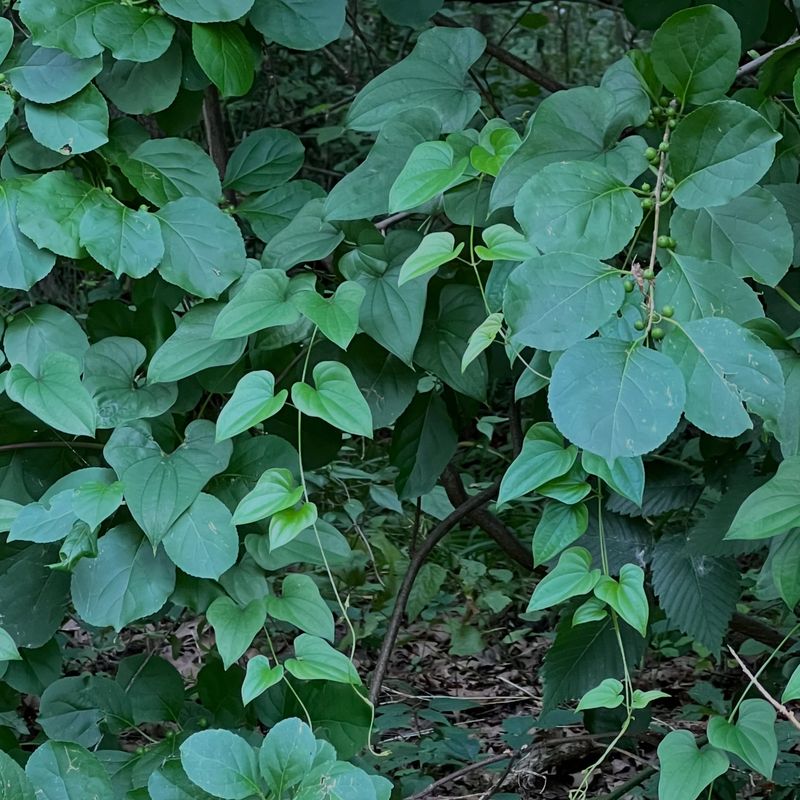
The name alone should tell you everything you truly need to know. Mile-A-Minute Weed earned its nickname from reports of rapid daily growth under favorable conditions.
This fast-moving vine can cover an entire shrub within one growing season alone. Once it blankets a plant, that plant loses access to sunlight and slowly weakens beneath a dense green mat.
Mile-A-Minute Weed is covered in tiny backward-pointing barbs running along its stems. These barbs make it genuinely painful to pull by hand, which explains why so many people give up trying to remove it.
Originally from Asia, it arrived in the United States accidentally through contaminated nursery stock during the nineteen thirties. Since then, it has spread aggressively throughout the mid-Atlantic and northeastern states, including New York.
It thrives in disturbed areas like roadsides, forest edges, and quiet stream banks. These happen to be exactly the places where native plants are already struggling, making Mile-A-Minute Weed an especially aggressive competitor.
A biological control agent, a tiny weevil called Rhinoncomimus latipes, has been released in some infested areas to help manage it.
Results have been encouraging so far, but the vine still spreads faster than control efforts can realistically keep up. New York includes this species on its list of regulated invasive plants.
If you spot its distinctive triangular leaves and round, pale blue berries, report it to your local extension office immediately before it takes over completely.
Waiting even a single season can allow this vine to spread far beyond anything you originally expected.
4. Kudzu
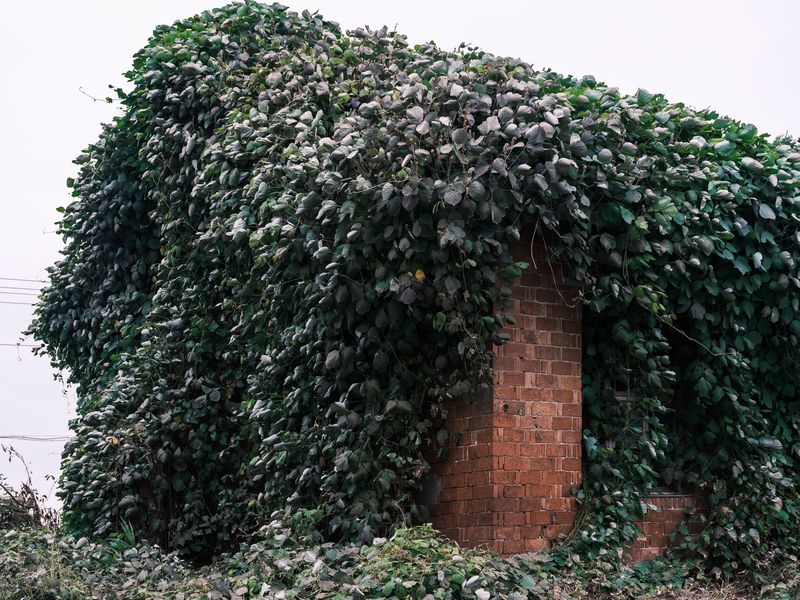
Kudzu is the stuff of legend in the American South, but it has been creeping northward for decades. Known as the vine that ate the South, it is now showing up in New York with increasing regularity.
Few plants match its raw growing power. Kudzu is known for rapid summer growth spurts, quickly covering trees, fences, and structures when conditions are right.
It was introduced from Japan in the 1870s and aggressively promoted by the U.S. government in the 1930s as an erosion-control plant.
That decision is now widely cited as one of the more costly environmental missteps in American conservation history. Kudzu fixes nitrogen in the soil, which sounds like a benefit.
But that nitrogen boost actually changes soil chemistry in ways that harm native plant communities over time. The vine’s thick canopy blocks all sunlight from reaching anything beneath it.
Trees, shrubs, and ground cover plants all perish under its weight and shade within just a few seasons. Controlling kudzu requires years of persistent effort.
Cutting it back repeatedly, combined with targeted herbicide treatment, can eventually exhaust the root system, but patience is absolutely required.
Kudzu’s slow northward spread has drawn growing attention from conservationists in the region. If you see kudzu climbing your trees or fence line, act fast because waiting even one season makes the job significantly harder.
5. Japanese Honeysuckle
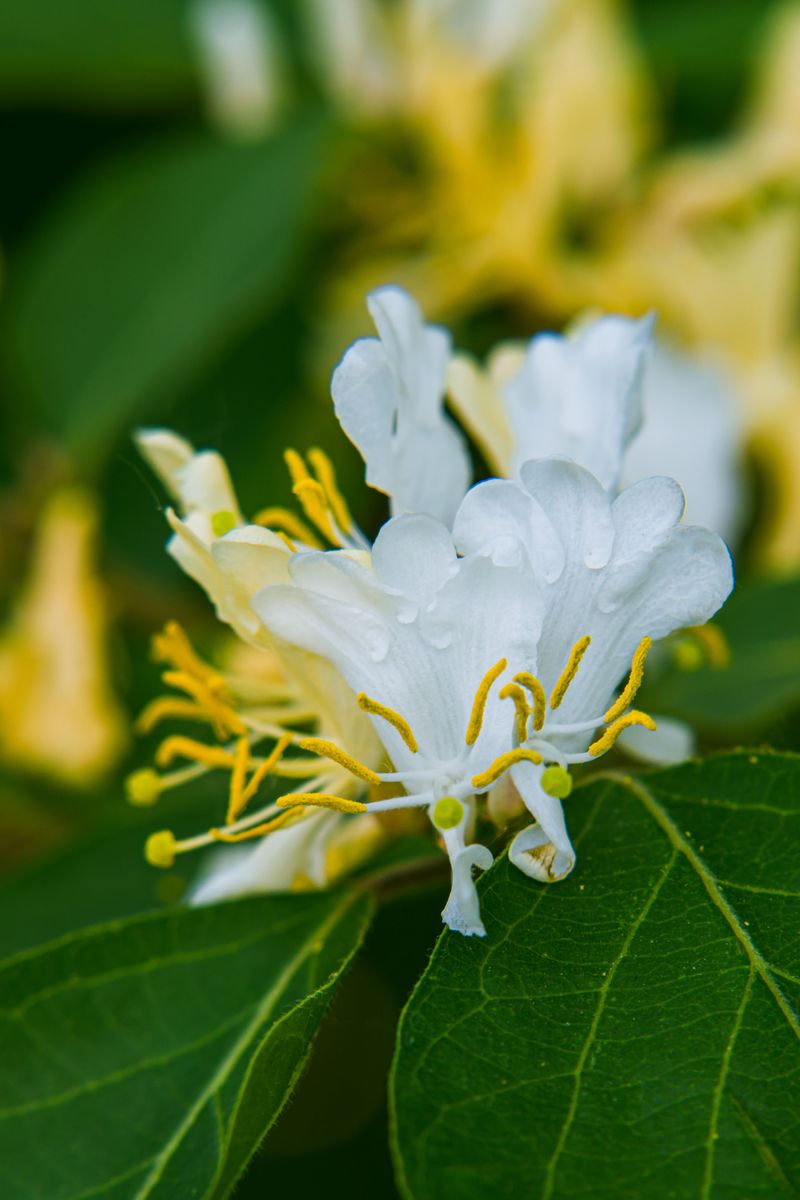
Few invasive vines look as harmless as Japanese Honeysuckle. Its fragrant white and yellow flowers have charmed gardeners for generations, which is exactly how it spread so successfully across North America.
Planted widely throughout the 20th century, it escaped cultivation quickly. Today it carpets forest floors and smothers native understory plants across much of the eastern United States.
Unlike many invasive vines, Japanese Honeysuckle stays green well into winter. That extended growing season gives it a massive head start over native plants that go dormant in the fall.
It twines tightly around young tree stems and saplings, deforming them as they grow. Foresters sometimes call this girdling, and it can severely damage a young tree within just a couple of seasons.
The vine produces small black berries that birds eat eagerly and spread far beyond garden boundaries. A single established plant can generate hundreds of seeds each season, sending offspring into nearby woodlands.
New York has already placed it on the invasive species watch list. New York has flagged it for its impact on native plant diversity, and its regulated status may tighten over time.
Native alternatives like coral honeysuckle offer similar visual appeal and attract hummingbirds without the ecological baggage.
Swapping out Japanese Honeysuckle for a native species is one of the easiest wins a gardener can score for local wildlife.
6. Chinese Wisteria
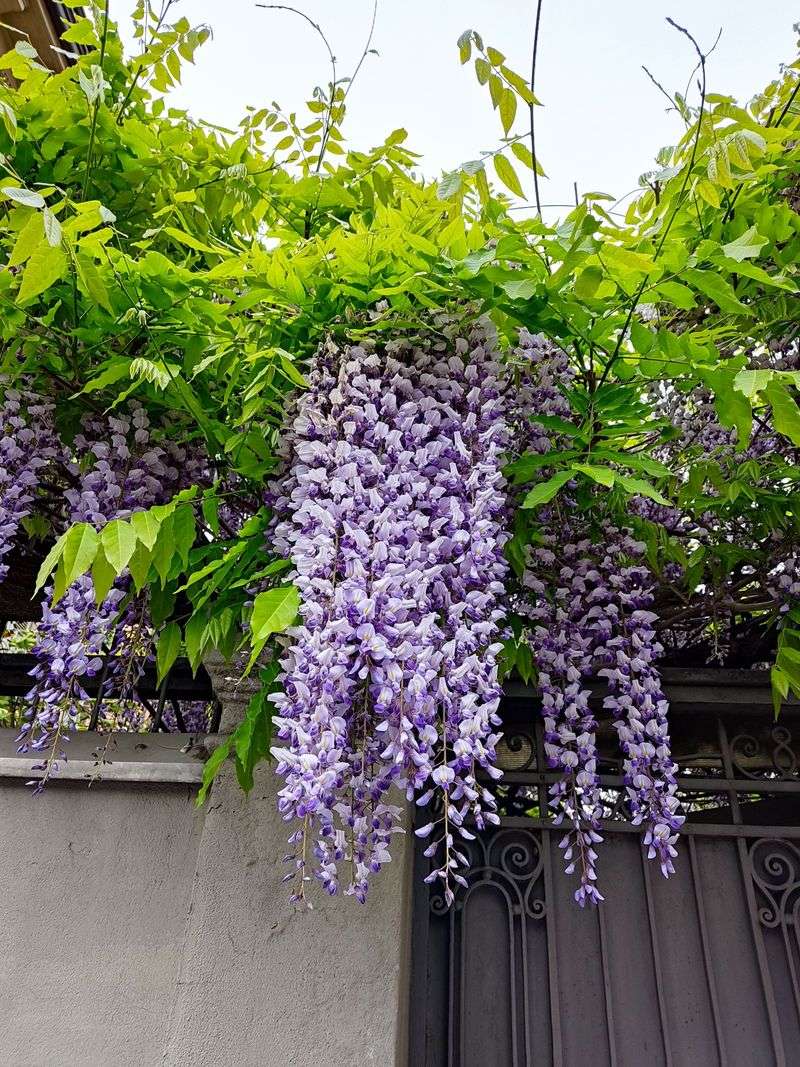
Chinese Wisteria might be the most visually stunning plant on this list. Its cascading clusters of purple flowers look like something out of a fairy tale, and that romantic appeal has made it one of the most planted ornamental vines in America.
But behind those gorgeous blooms is a plant with a strong, persistent growth habit. Chinese Wisteria twists around tree limbs with tremendous force, eventually breaking branches and pulling mature trees to the ground.
Its woody stems grow thick enough over time to resemble small tree trunks. A single vine can live for over a century, continuously expanding its grip on every structure and plant nearby.
Chinese Wisteria spreads through both seeds and underground runners called stolons. This dual strategy makes it extremely difficult to eradicate once it has settled into a landscape.
New York nurseries still sell it legally in most counties, and its regulatory status remains under discussion among conservation groups.
Conservation advocates have been lobbying for a full sales ban, citing the damage it causes in natural areas adjacent to suburban gardens.
Removing an established Chinese Wisteria is a serious undertaking. You will likely need professional help, heavy cutting tools, and follow-up herbicide treatments applied over multiple growing seasons.
If you love wisteria, American Wisteria and Kentucky Wisteria are beautiful native options. They flower just as impressively without threatening nearby trees or spreading into wild areas beyond your yard.
7. English Ivy
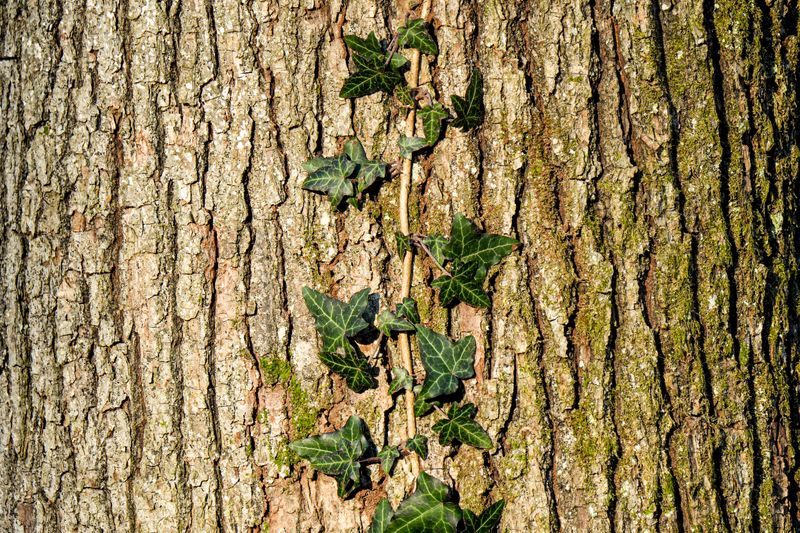
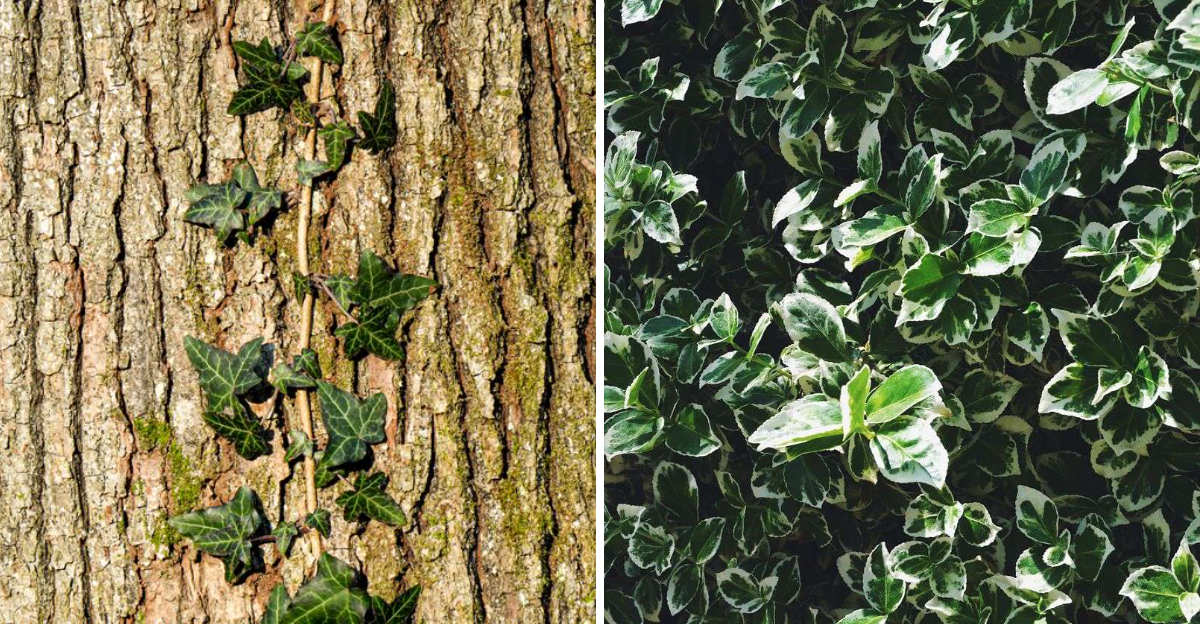
English Ivy is so common in American yards that most people never question its presence. It shows up on brick walls, garden beds, and shaded slopes across nearly every neighborhood in New York.
That familiarity has made it easy to overlook its destructive side. English Ivy is an invasive plant that can convert diverse forest floors into single-species ground cover over time.
When it climbs trees, it adds significant weight to the canopy. That extra weight makes trees far more vulnerable to toppling during storms, which is a growing concern in urban areas.
Ivy on tree trunks can create dense patches where little else grows underneath. Native wildflowers, ferns, and woodland plants disappear completely under its dense spreading mat.
English Ivy can also harbor bacterial leaf scorch, a plant disease that spreads to native trees. Researchers have flagged this as a secondary threat that gets far less attention than it deserves.
New York has been slow to restrict it compared to other states, but that is changing. Some regions outside New York have already restricted its sale, and interest in similar measures is growing here as well.
Removing English Ivy takes patience and physical effort. Cut stems at the base, wait for sections to wither, then pull the dried material away from tree trunks carefully to avoid bark damage.
8. Winter Creeper
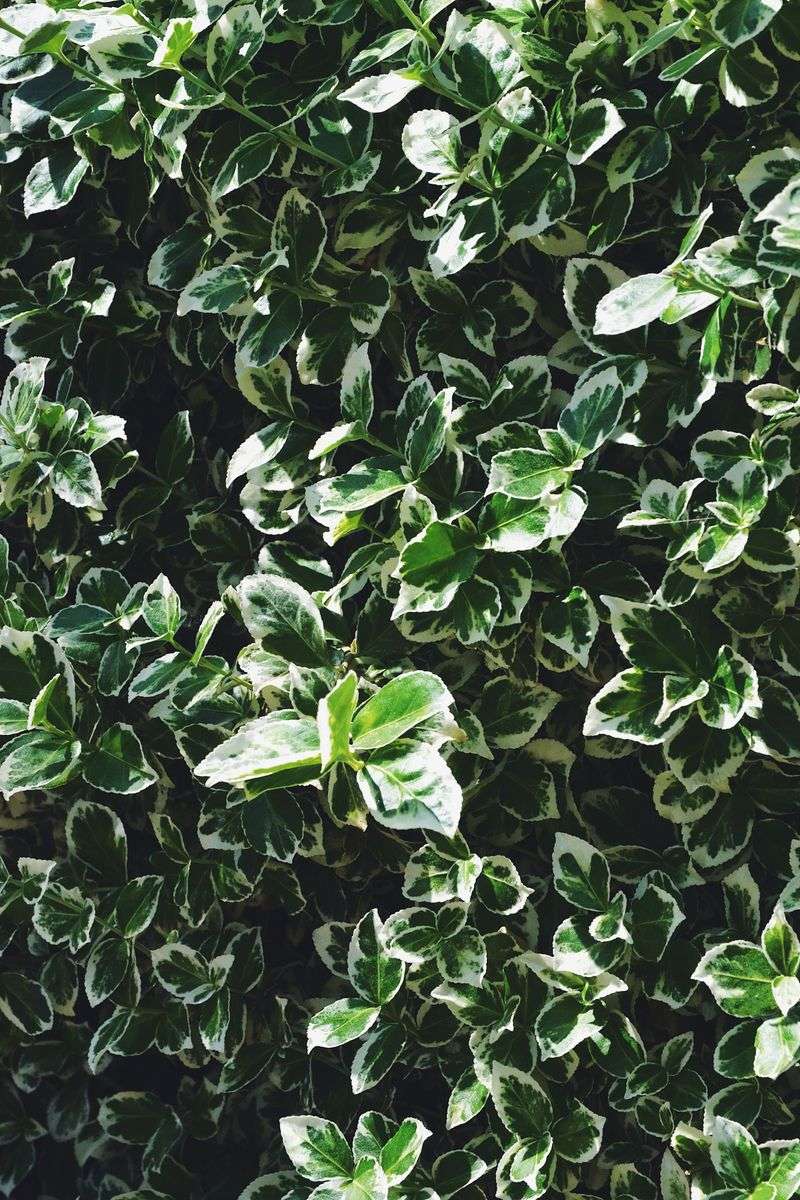
Winter Creeper sounds cozy, like something you would want hugging your garden wall through the cold months. And honestly, that is exactly how it has been marketed for decades by the nursery industry.
Its glossy evergreen leaves stay bright even through harsh northeastern winters, which made it incredibly popular as a ground cover. Millions of homeowners planted it without any idea of the problems it would cause.
Like English Ivy, Winter Creeper forms dense mats that crowd out every native plant beneath them. Forest understories that once hosted trilliums, jack-in-the-pulpit, and wild ginger can be replaced by dense, low-diversity ground cover.
It climbs trees aggressively once it finds a vertical surface. The added weight and competition for resources weakens host trees over time, leaving them more susceptible to disease and storm damage.
Winter Creeper produces small pink fruits that birds spread into natural areas far from where it was originally planted. This seed dispersal makes containment nearly impossible once a colony establishes itself nearby.
New York conservation agencies have added it to the invasive species watch list in recent years. Its status is under review as part of broader efforts to protect native plant communities across the state.
These eight vines may look harmless or even beautiful, but several have a documented impact on local ecosystems. Choosing native alternatives is the smartest and most responsible move any gardener can make right now.