California Late-Summer Watering Mistake That Can Encourage Avocado Root Problems
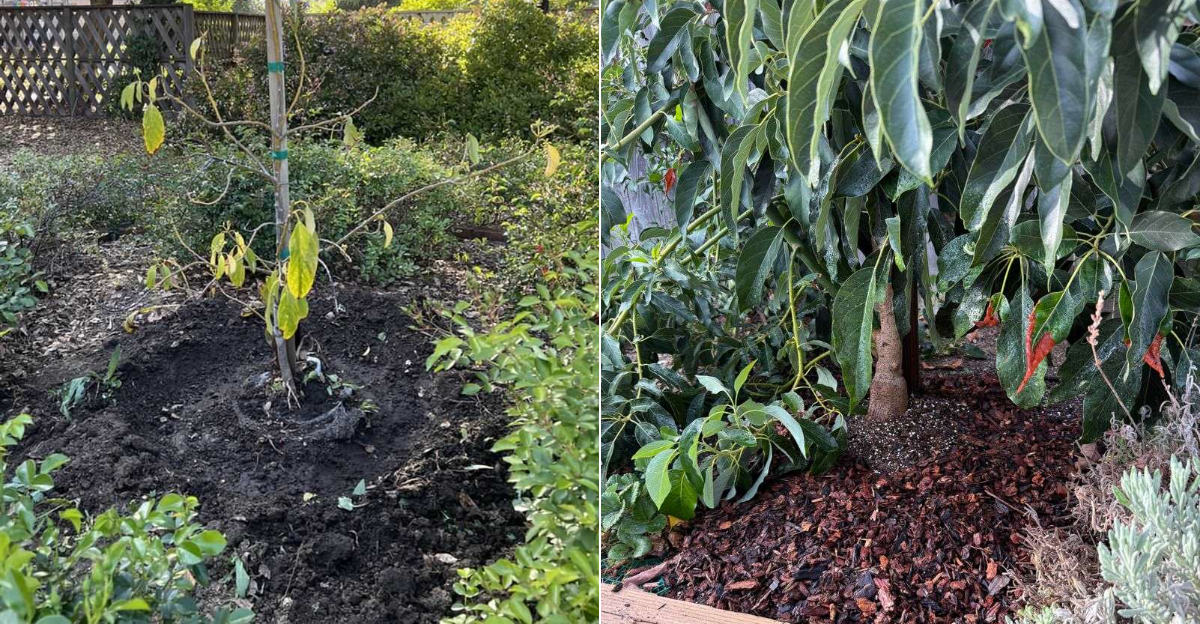
An avocado can look perfectly healthy above ground while a problem is quietly building where you cannot see it. That is what makes late-summer watering so tricky.
After weeks of heat, many California gardeners naturally assume their trees need more help, not less. But one common habit can leave the root zone in worse shape just as the season begins to change.
The warning signs do not always appear right away, which means the tree may keep looking normal while its roots are already under stress. Then the decline seems to come out of nowhere.
If your avocado has been getting extra attention during the hottest stretch of summer, this is the moment to question the routine before cooler weather arrives.
The mistake is easy to make, and even easier to miss until the damage starts showing up in the canopy.
1. Watering Again Before The Soil Has Drained
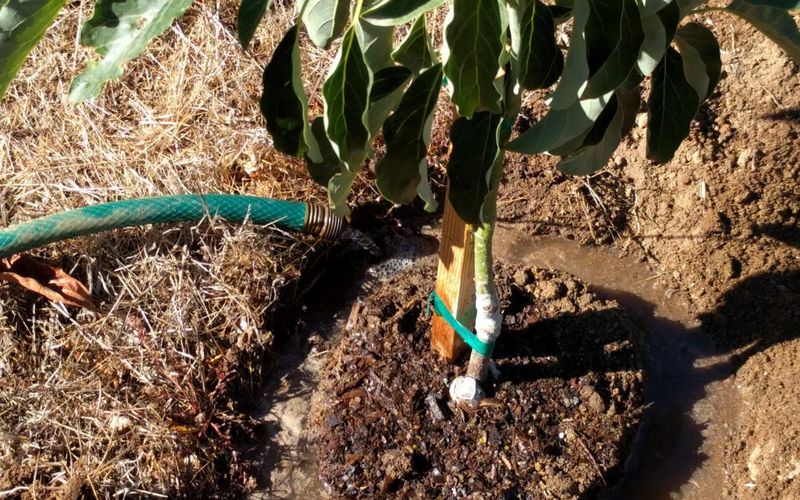
California gardeners make the mistake of watering their avocado tree on a fixed schedule without checking the soil first.
Just because it rained yesterday or you watered two days ago does not mean the soil is ready for more water.
Avocado roots need time to breathe between waterings, and adding more water before the soil drains is one of the fastest ways to create root problems.
Before you water, push your finger about two to three inches into the soil near the tree. If it still feels damp or cool, hold off.
The soil should feel mostly dry at that depth before you water again. This simple check takes only a few seconds and can save your tree from a lot of stress.
Late summer heat can make the surface of the soil feel dry even when deeper layers are still soaked. That top layer dries out fast, but the moisture below lingers much longer.
Watering based on how the surface looks is a common trap. Always check deeper before turning on the hose.
Giving the soil a full chance to drain between waterings helps the roots stay healthy and strong. A well-drained root zone is one of the best things you can do for your avocado tree during the hottest months of the year.
2. Keeping Avocado Roots Wet Around The Clock
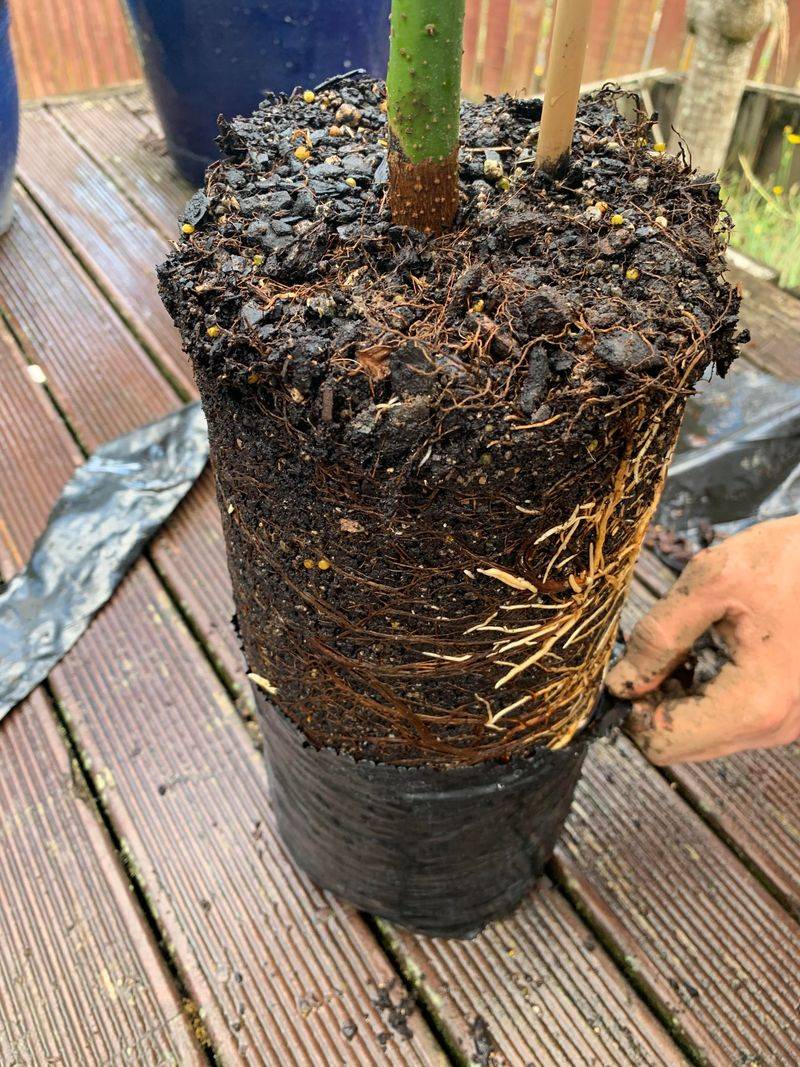
Roots that stay wet all day and all night do not get the oxygen they need to function properly.
Avocado trees are especially sensitive to this because they have shallow, wide-spreading roots that absorb both water and air from the top layers of soil.
When those layers stay soaked around the clock, the roots begin to suffer quickly.
Constantly wet soil creates the perfect conditions for Phytophthora cinnamomi, the water mold responsible for avocado root rot.
This organism spreads through wet soil and attacks the fine feeder roots that the tree depends on for nutrients and water.
Once it takes hold, it can spread fast and cause serious damage to the entire root system.
Healthy roots need a cycle of wet and dry. Water deeply when the time is right, then let the soil dry out to a reasonable level before watering again.
Your California Garden Changes Every Week. Your Plan Should Too.
Gardening in California changes quickly throughout the season. Every Friday you’ll receive a simple weekly plan showing exactly what to plant, prune, fertilize, harvest, and protect so you never miss the right timing.
Think of it like breathing: the soil needs to exhale between drinks. Avoid running drip systems or sprinklers for long periods every single day.
Instead, water thoroughly a few times a week and let the soil recover in between. This approach gives the roots what they need without drowning them.
Keeping a consistent wet-dry cycle is one of the most effective ways to protect your avocado tree from root problems all summer long.
3. Daily Sprinkling Creating A Soggy Root Zone
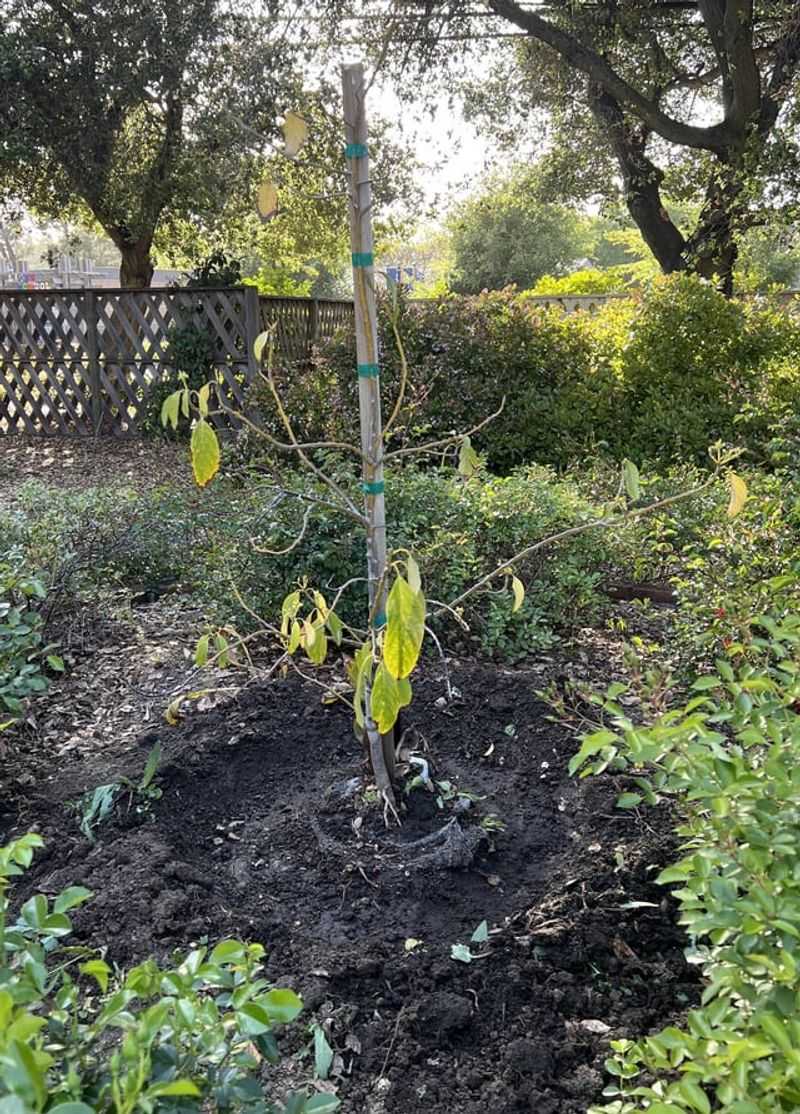
A little water every single day sounds like a caring routine, but for avocado trees it can actually cause more harm than good.
Short, frequent waterings keep the top few inches of soil constantly moist without ever pushing water deep enough for roots to follow downward.
Over time, this encourages shallow root growth and keeps the surface zone permanently wet.
Shallow roots are more vulnerable to heat, pests, and disease. They also make the tree less stable and less able to handle dry spells.
When the root zone stays soggy from daily sprinkling, it becomes a breeding ground for the fungi and molds that target avocado roots. The tree may look fine on the outside for weeks before showing any signs of trouble.
A better approach is to water deeply and less often. Deep watering means letting water soak down 12 to 18 inches into the soil so roots are encouraged to grow downward.
This builds a stronger, more resilient root system. In late California summer, most established avocado trees only need deep watering once or twice a week, depending on the heat and soil type.
Switching from daily sprinkling to deep, infrequent watering is one of the easiest changes you can make. It takes a little adjustment, but your tree will respond well within just a few weeks.
4. Heavy Soil Holding More Water Than You Think
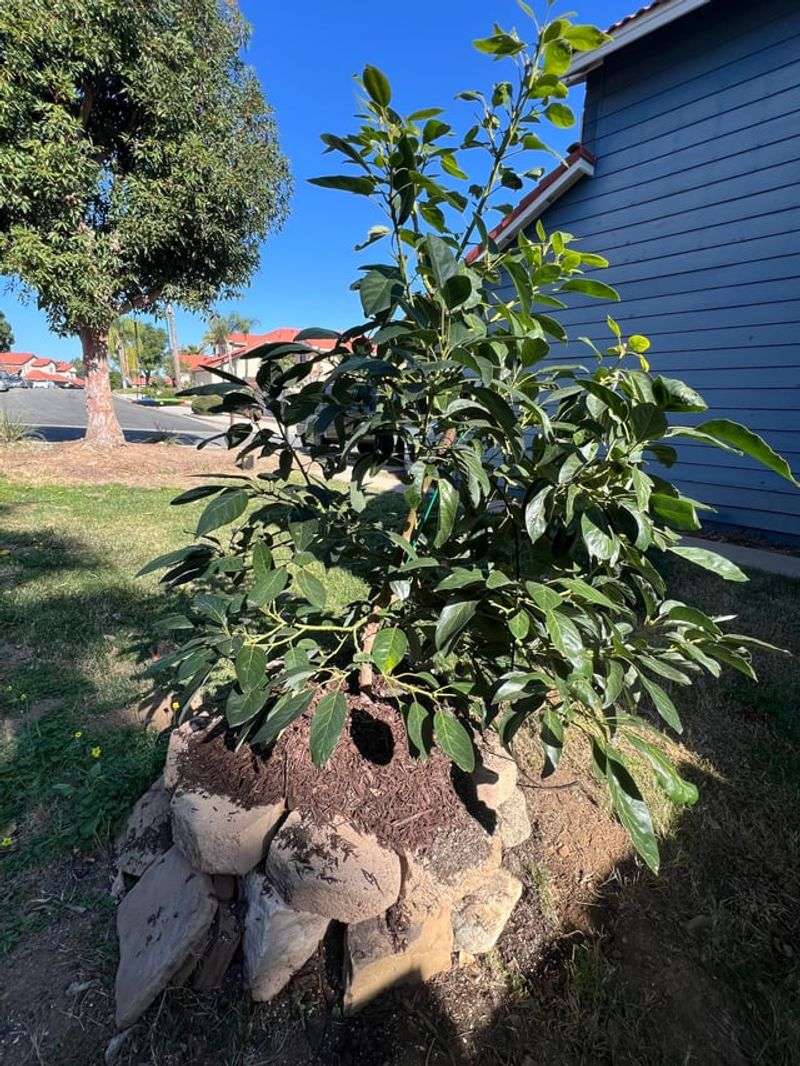
Not all soil drains at the same speed. Heavy clay soil holds onto water much longer than sandy or loamy soil, and this can catch avocado gardeners off guard.
If you are watering on a schedule that works for a neighbor with sandy soil, but your yard has clay, you might be overwatering without even realizing it.
Clay particles are tiny and pack tightly together, which slows drainage significantly. Water can sit in clay soil for days after a watering session.
During late summer when temperatures are high, it is easy to assume the soil has dried out when it really has not.
Roots sitting in wet clay for extended periods become oxygen-deprived, which weakens them and makes them more likely to develop problems.
You can improve clay soil over time by mixing in organic compost, aged wood chips, or coarse sand to help it drain better.
Raised planting beds or mounded planting areas also help water move away from the root zone more efficiently.
Testing your soil drainage is simple: dig a hole about 12 inches deep, fill it with water, and watch how long it takes to drain. If it takes more than an hour, your soil drains slowly.
Adjusting your watering schedule to match your actual soil type is a key step in protecting avocado roots from late-summer moisture buildup.
5. Mulch Hiding Soil That Is Still Too Wet
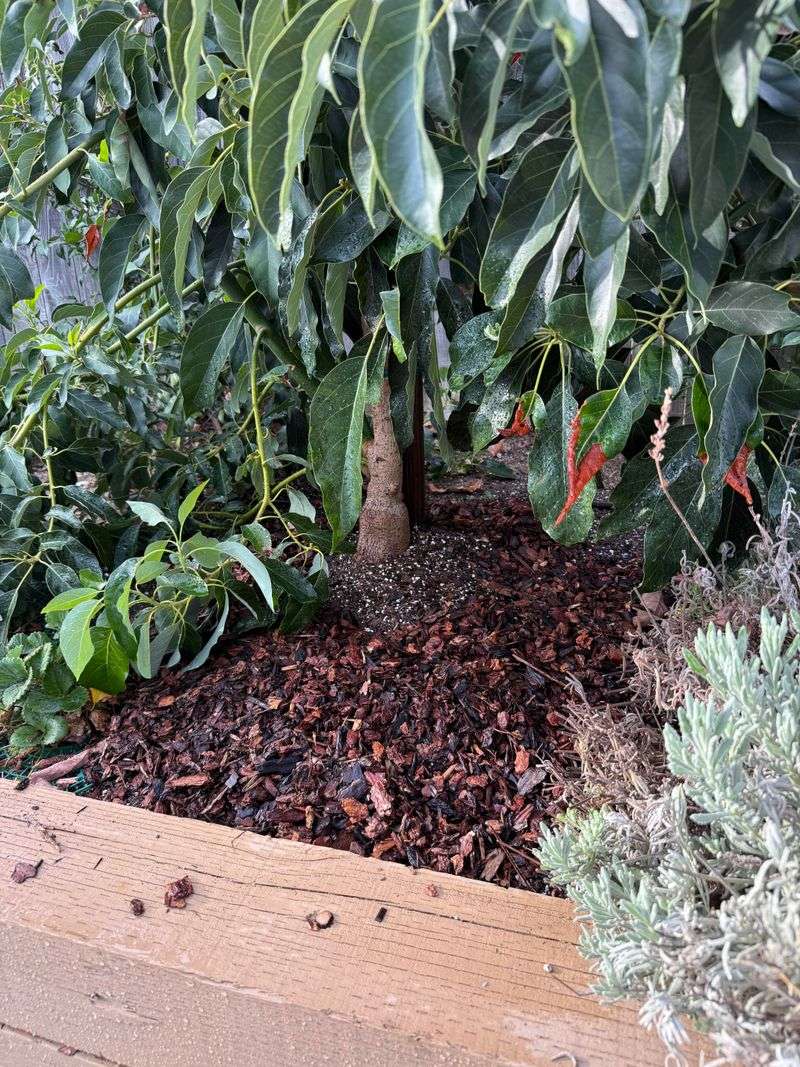
Mulch is great for avocado trees. It keeps the soil cool, reduces evaporation, and helps regulate temperature during hot summer days.
But mulch can also work against you if you are not careful. A thick layer of mulch can hide soil that is still very wet underneath, making it hard to know when it is time to water again.
When you look at the surface of your mulch, it may look dry and crumbly even when the soil beneath it is still saturated.
Gardeners who water based on the appearance of the mulch often end up adding water when the tree does not need it.
Over weeks, this habit keeps the root zone consistently too wet, which is exactly the kind of environment that leads to root rot and related issues.
To avoid this problem, pull back the mulch before checking soil moisture. Use your finger or a moisture meter to check the soil at least two to three inches deep.
Only water when the soil at that depth feels dry to the touch. Also, keep mulch a few inches away from the trunk of the tree to allow airflow and prevent moisture from building up right at the base.
Mulch is a helpful tool, but it needs to be managed with a little awareness to avoid accidentally encouraging the wet conditions that harm avocado roots.
6. Yellow Leaves Can Be A Watering Warning
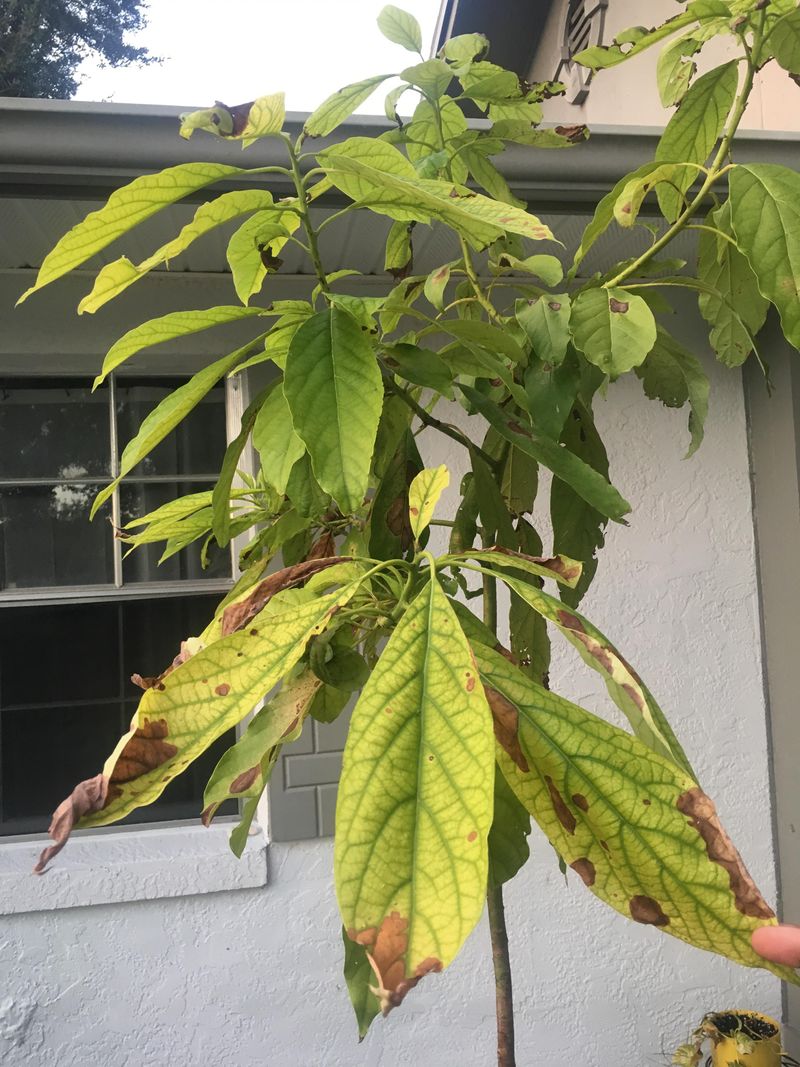
Yellowing leaves are one of the most visible signs that something is off with an avocado tree. Many people assume yellow leaves mean the tree is not getting enough water or nutrients, so they water more.
But in many cases, yellow leaves are actually a sign of too much water, not too little. Overwatering stresses the roots, and stressed roots cannot deliver nutrients properly to the rest of the tree.
When roots are waterlogged, they lose the ability to absorb iron, nitrogen, and other key nutrients even if those nutrients are present in the soil.
The leaves turn yellow because the tree is essentially being starved, even though the problem started with too much water.
Adding fertilizer or more water in response to yellow leaves can actually make the situation worse.
If you notice yellowing leaves on your avocado tree in late summer, check the soil before doing anything else. If the soil feels wet and has been wet for several days, hold off on watering and give the soil time to dry out.
Look at the pattern of yellowing too. Yellowing that starts on older leaves near the base of branches can point to overwatering, while yellowing that starts on new growth may suggest something else.
Understanding what your tree is telling you through its leaves is a powerful skill every avocado grower should develop.
7. Wilting Does Not Always Mean The Tree Is Thirsty
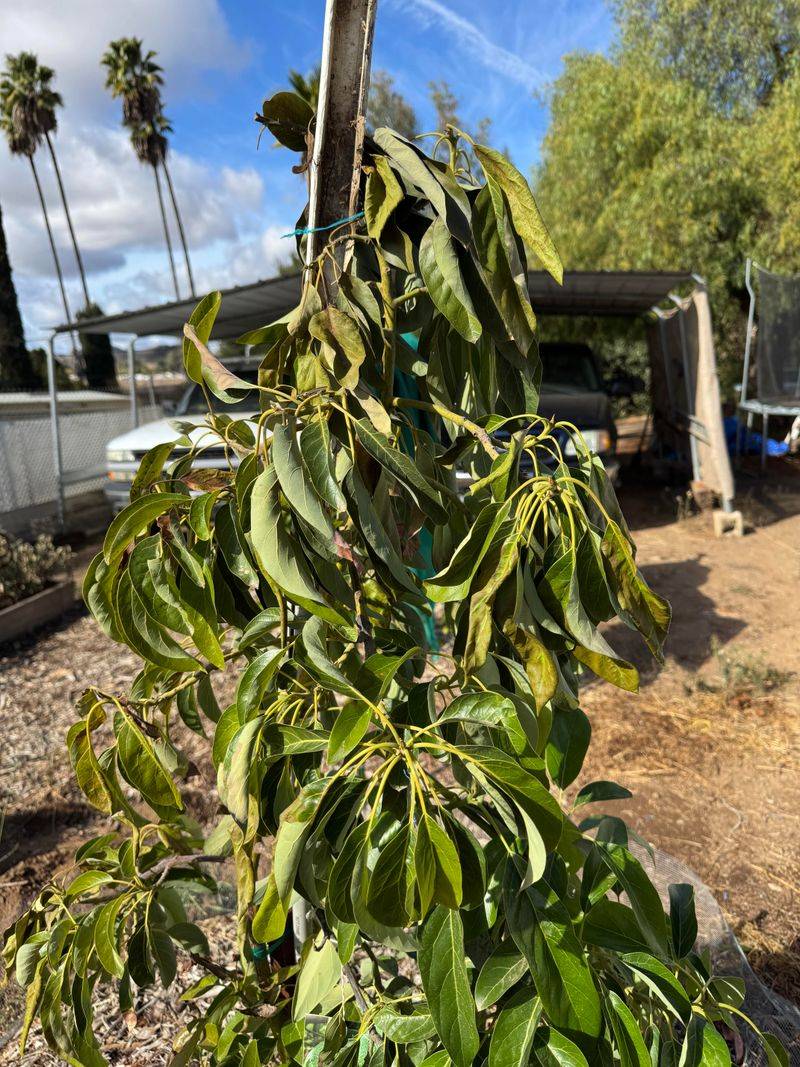
Seeing a wilting avocado tree on a hot afternoon can feel alarming. Your first instinct might be to grab the hose and water right away.
But wilting during late summer heat does not always mean the tree is thirsty. Sometimes avocado trees wilt during the hottest part of the day as a natural response to heat, even when the soil has plenty of moisture.
More importantly, wilting can also be a sign that the roots are damaged and no longer able to move water up through the tree effectively. Root rot caused by overwatering can cause a tree to wilt even when the soil around it is soaking wet.
Watering a tree with damaged roots more aggressively only makes the root environment worse and slows any chance of recovery.
Before watering a wilting tree, check the soil. If the soil is wet, do not add more water.
Give the tree some shade if possible and let the soil begin to dry out. If the soil is genuinely dry and the wilting continues into the evening, then a deep watering is appropriate.
Paying attention to timing matters too. Trees that perk back up after sunset were likely just responding to heat.
Trees that stay wilted overnight may be dealing with a deeper root issue. Learning to read these signs carefully helps you respond in the right way every time.
8. Letting The Root Zone Breathe Between Waterings
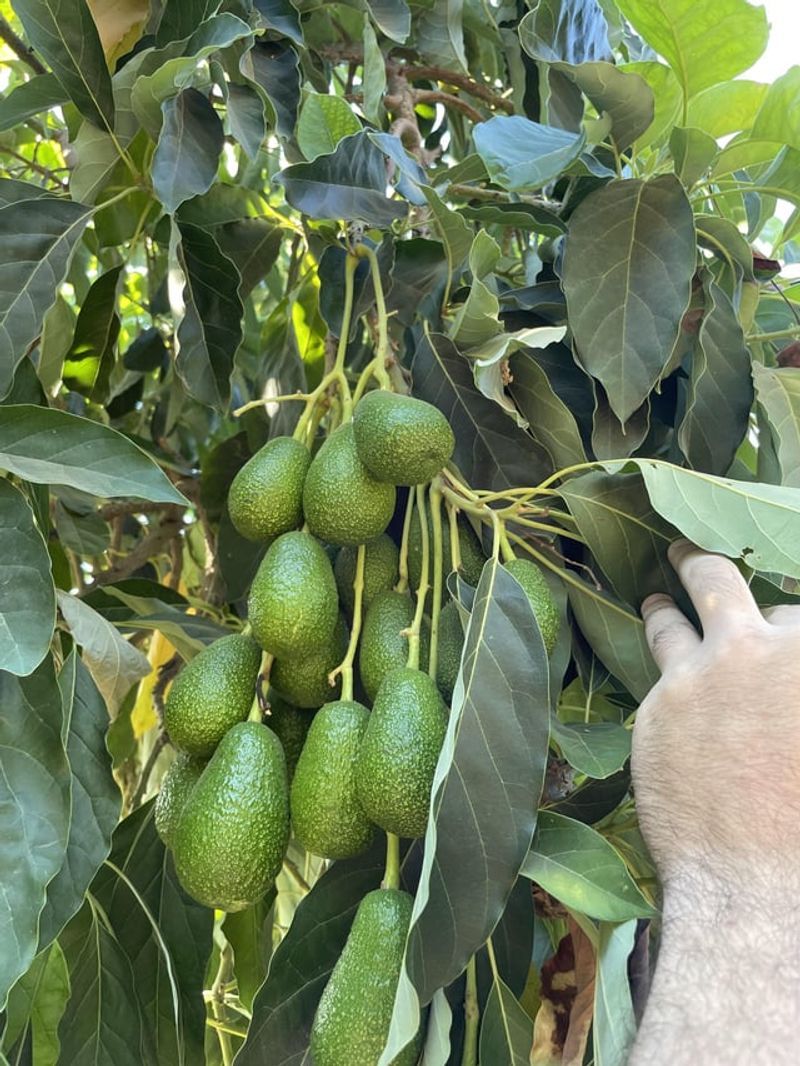
One of the best habits you can build for your avocado tree is learning to be patient between waterings. Giving the root zone time to dry out partially between each watering session allows oxygen to return to the soil.
Roots use oxygen to carry out the basic functions that keep the tree growing and healthy. Without that oxygen, even a well-fed tree will struggle.
In California and other warm-climate growing regions, late summer can bring long stretches of dry heat. This actually gives growers a natural opportunity to let the soil breathe between waterings.
Use that dry heat to your advantage by extending the time between watering sessions and monitoring the soil closely instead of sticking to a rigid schedule.
A good rule of thumb is to water deeply, then wait. Check the soil every day or two.
When the top two to three inches feel dry and the soil a little deeper feels just barely moist, that is the right time to water again. Over time, you will get a feel for how your specific soil and climate behave.
Every yard is a little different, and learning your tree’s patterns is part of becoming a confident grower. Letting the root zone breathe is not neglect.
It is one of the most thoughtful things you can do to protect your avocado tree from the late-summer watering mistakes that cause the most damage.